
New voices of Portuguese cinema on display at Gulbenkian
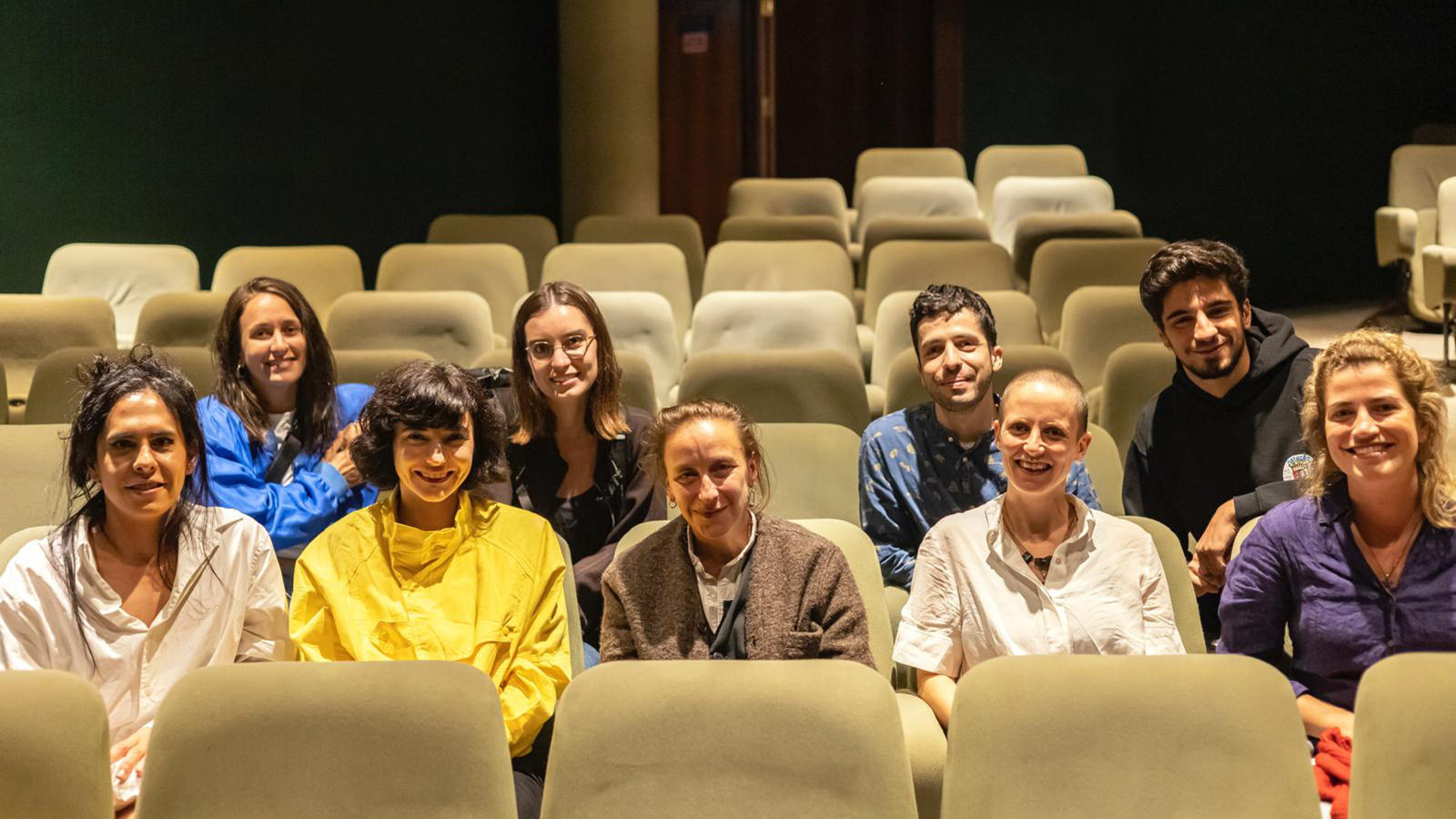
The screening brings together the work of eight young filmmakers who spent four months in an intensive residency in Porto, with access to mentors such as João Canijo and Marco Martins, as well as meetings with internationally renowned directors. Beyond providing a space for technical learning, the course was also an opportunity to experiment, make mistakes, test new languages, and establish networks with professionals in the field.
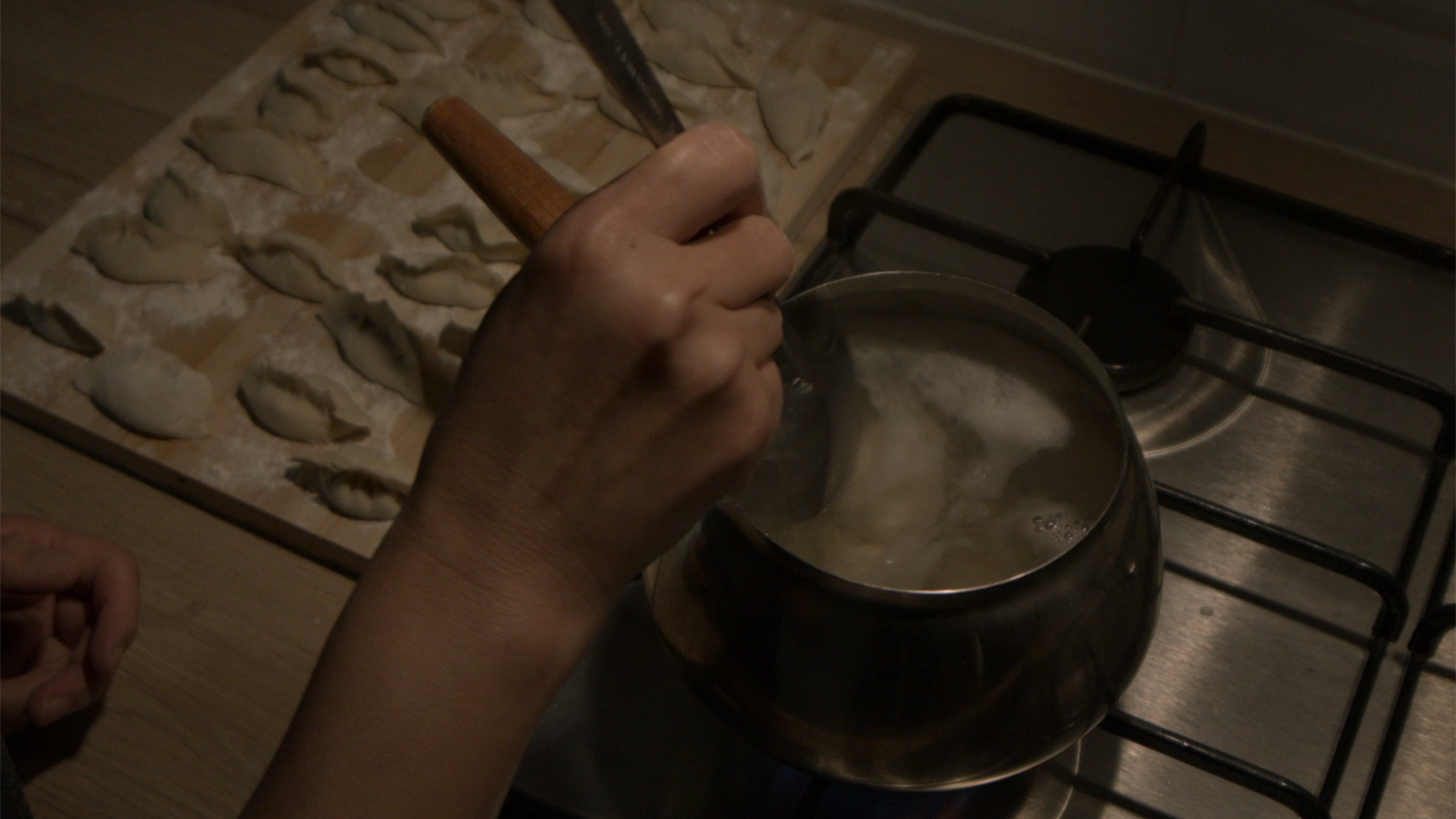
For Clara Jost, who will present the short film Felicidade numa Panela (Happiness in a Pot), the experience was above all defined by creative freedom: “You didn’t need to have a fully developed project to start filming, and that was great – I prefer working that way”. She shot over several months in different moments, ultimately creating a short film with a documentary tone that blends cinema with visual arts. “I started filming in an apartment, then I met an archaeologist in Porto who told me about some prehistoric vases he had found, and much later I went to Castelo de Vide. Everything was filmed at very separate times, in a very intuitive way”.
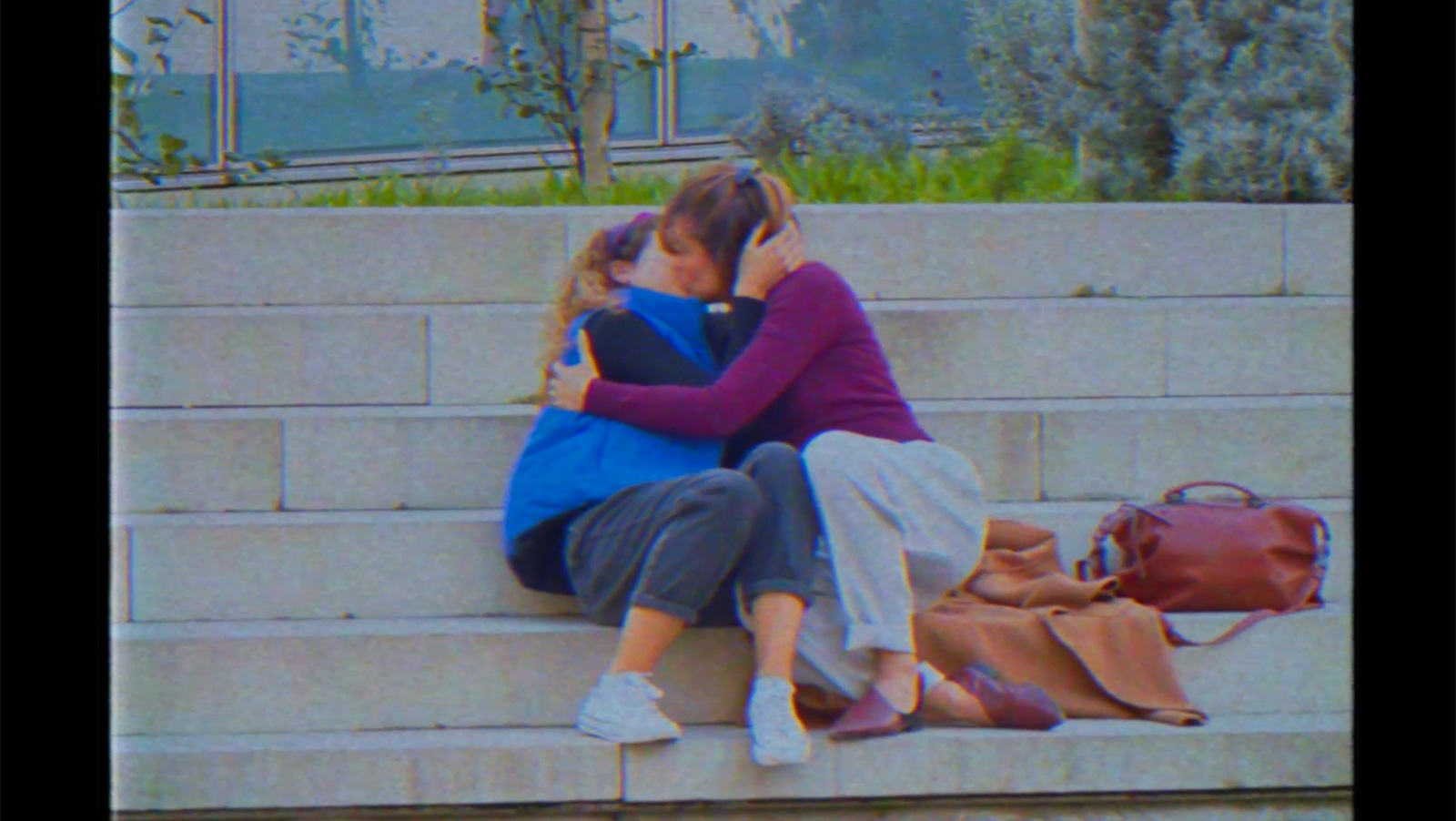
This approach contrasts with that of Marta Sousa Ribeiro, who entered the project The Illusion of an Everlasting Kiss with a very clear intent: “It was a very mechanical, very practical idea – to film the same action from three different points of view. It was clearly defined from the start, but even so it was very difficult, because we had very little time. I filmed in the winter, in Porto, and it rained almost every day. I only had one day of sun, and those are the takes I was able to use”.
If for Jost the course worked as a laboratory for discovery – where she was also able to explore new facets such as digital cinematography – for Sousa Ribeiro it was a real test of endurance. “It was madness. I got myself into a huge technical challenge, but we managed to achieve what seemed impossible. For me it was a major learning process: some films may look simple, but they are technically very demanding, and not everything can be solved through improvisation on set”.
Both directors also highlight the importance of their encounters with established filmmakers, both national and international. Clara recalls Atom Egoyan as an unexpected inspiration: “He immediately understood my logic of work, because he also creates installations. When I told him about my film, he asked: ‘Have you thought about making it into an installation?’ I felt that he truly understood what I wanted to do”. Marta, on the other hand, emphasizes her conversations with Céline Sciamma, Lucrécia Martel, and Mariana Gaivão: “They were short meetings, but very meaningful. For me it was transformative to realize that these people could see me as a colleague, not just as a student”.


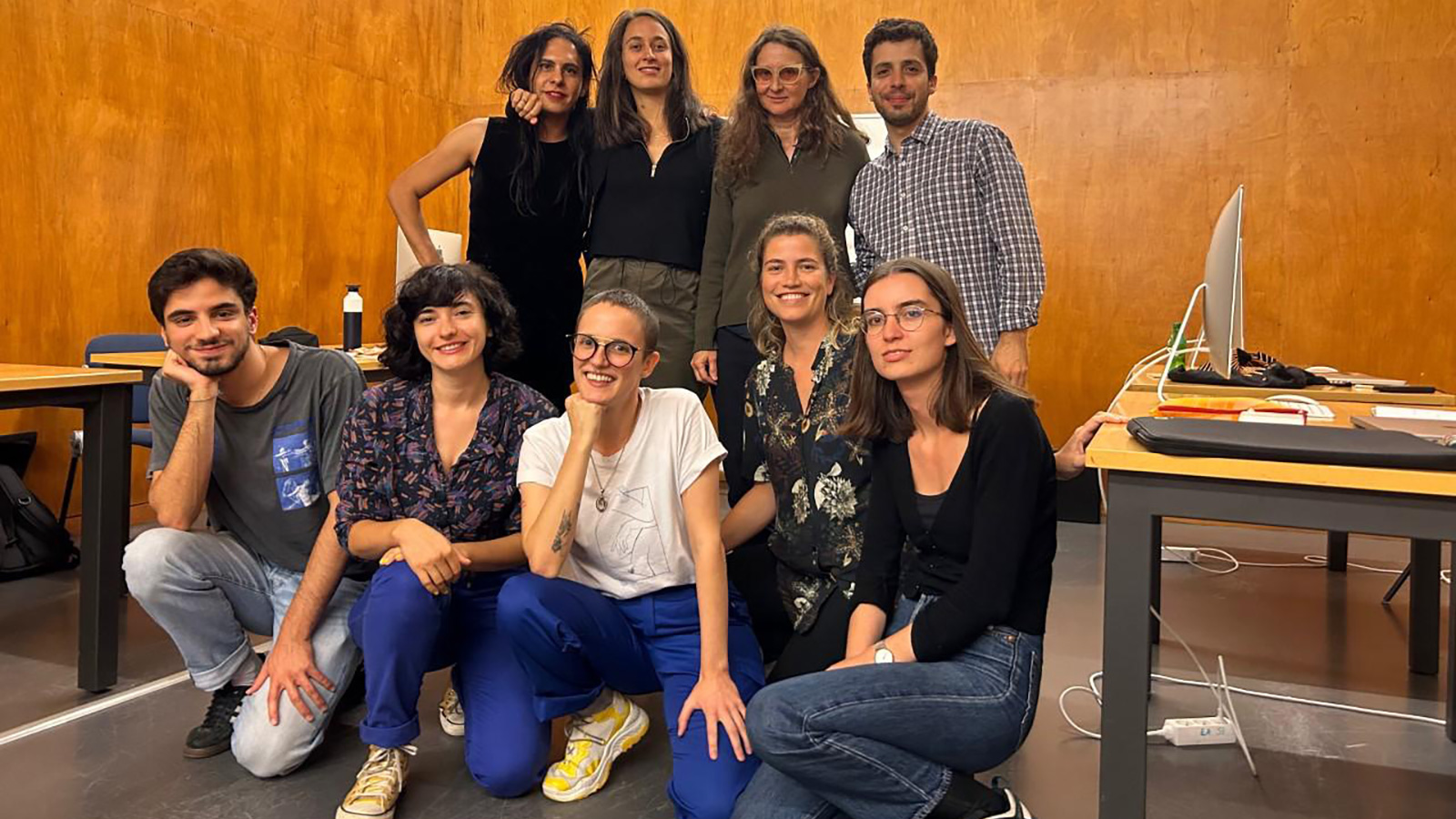
The impact of the course on both directors goes beyond the short films now being screened. Although both already had family ties to cinema – Clara is the daughter of filmmaker Teresa Villaverde, and Marta of animator José Miguel Ribeiro – they felt that the initiative was crucial in finding their own paths within film.
Now living between Tavira and Lisbon, Clara has discovered a passion for teaching and is considering pursuing a PhD in artistic research, as a way of ensuring more stability while continuing to make films at her own pace. Marta Sousa Ribeiro, meanwhile, feels that the program gave her the confidence to embrace cinema as a profession: “I’m no longer in the amateur bubble, I can speak with people in the industry differently now. It was a boost to believe in myself as a professional.” She adds: “Institutions like Gulbenkian are extremely important, because they help artists reach places they couldn’t get to on their own, and I am very grateful for that.”
The distinct paths of these two directors now cross in Lisbon, at the CAM Studio, alongside six other rising filmmakers. The short films screening, on September 6 and 7, in partnership with the Universidade Católica do Porto, gives the stage to a new generation of Portuguese directors whose energy and diversity of approaches promises to renew the country’s cinematic landscape.
More info