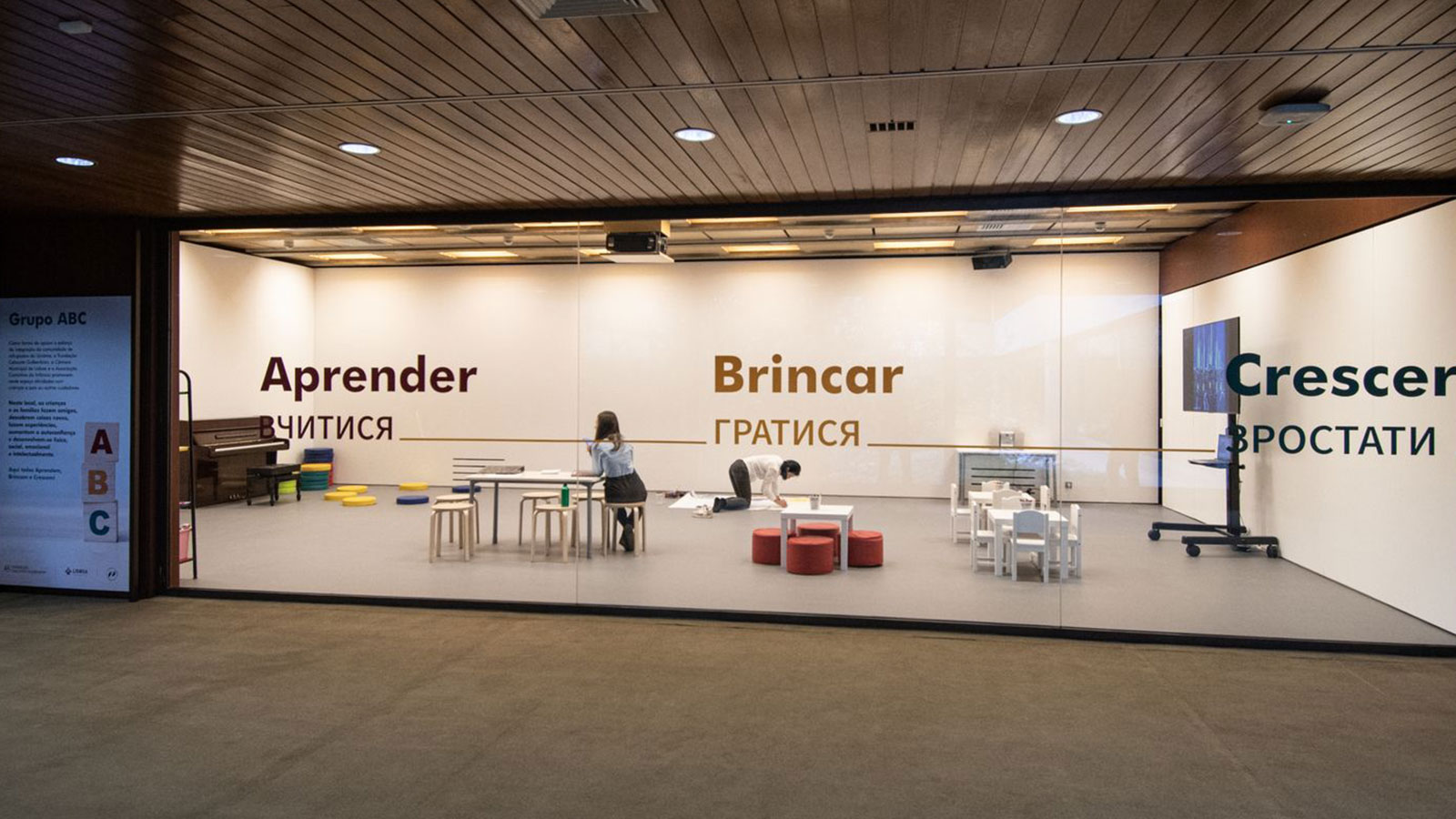

Gulbenkian Integration Initiative
Promoting the integration of immigrants by engaging host communities
The Gulbenkian Integration Initiative (2026–2027) aims to support civil society projects that promote the integration of immigrants by ensuring access to services, opportunities, and civic participation, with the active involvement of host communities in Portugal.
The Gulbenkian Foundation will support initiatives that promote Portuguese language learning, access to employment and housing, healthcare, education and skills development, involving, where relevant, Portuguese nationals in comparable situations of vulnerability.
ApplicationsContext
The number of foreign nationals residing in Portugal has more than doubled since 2021, now representing around 14,5% of the resident population (INE, 2025).
The contribution of immigration to the economy and to addressing demographic challenges has been highly positive. Nevertheless, difficulties in the integration process persist, and public perceptions remain mixed regarding this new reality.
A study by the Lisbon Public Law Research Centre (2023) illustrates this clearly: over half of Portuguese respondents (55.2%) perceive immigration as not being managed in a controlled or orderly way, while a large majority (80.7%) support the regularisation of immigrants who work and contribute to the social security system.
Regarded as a strategic opportunity for the country’s economic, social, and demographic development, investing in integration is an investment in Portugal’s development and social cohesion, and in preventing significant social, economic, and institutional costs.
In the European context, integration requires a shared commitment from both migrant populations and host societies. Learning the language, participating actively, and ensuring access to rights and duties are shared responsibilities.
What we support
Activities such as local guidance and information services, including legal support and mobile outreach teams; innovative solutions in employment or housing; mentoring programmes; or skills recognition initiatives;
Complementary actions in non-formal Portuguese language learning, educational, psychosocial or community support, and the development of digital and multilingual materials and tools that strengthen integration and access to information across different areas.
Interventions based on robust needs assessments, which complement public responses at the local, regional, or national level, and which, whenever appropriate, mobilise partnerships between civil society and public and/or private entities.
Priority will be given to interventions that promote co‑creation and the direct involvement of both immigrant and host communities in the design and development of solutions, thereby strengthening dialogue, mutual trust, and social cohesion.
Guiding Principles
Democratic Participation
Projects should involve end beneficiaries in the design, implementation and evaluation stages, drawing on tested methodologies that ensure their meaningful participation.
Integrated and Coordinated Approach
Projects should be based on a clear local, regional or national diagnosis, ensuring that activities form part of a coherent strategy for coordinating resources, partnerships and strategic visions.
Sustainability of Action Dynamics
Projects should demonstrate potential for replication, scaling, and continuity, thereby enhancing positive impact over the medium and long term.
Social Innovation
Projects should incorporate a social innovation dimension, which may be reflected in the mobilisation of resources, the creation of cross-sector partnerships, the testing of new methodologies (including the use of technology), or the adaptation of existing practices to new contexts.
Evidence and Impact
Projects should be grounded in well‑founded needs assessments and draw, whenever possible, on existing evidence regarding the challenges and needs of immigrant and host communities. Projects should define clear objectives and indicators that enable effective monitoring and evaluation of results.
Complementarity
Projects should not replace the role of the State in integration policies but act in a complementary manner, supporting innovative solutions that strengthen and adapt existing responses, mobilising civil society, municipalities, businesses and academia.
Human Dignity
All projects should be based on the full and effective promotion of the Fundamental Rights as enshrined in national and European legal instruments, in particular Human Rights, ensuring the protection and recognition of the dignity of immigrants.
Our Commitment
The Calouste Gulbenkian Foundation has a longstanding and deeply rooted connection to migration. During the Second World War, Calouste Sarkis Gulbenkian, an entrepreneur of Armenian origin, settled in Portugal, where he lived until his death.
This experience shaped the mission of the Foundation that bears his name and was reflected, from an early stage, in initiatives supporting refugees and displaced people. Among these initiatives were assistance to Armenian refugees in Aleppo, collaboration with the Portuguese Red Cross in the aftermath of decolonisation, and support for housing for people returning to Portugal from the former colonies in several regions of the country.
Later, between 2003 and 2022, in the context of changing migration patterns, the Gulbenkian Foundation invested almost €9.5 million in projects supporting the integration of immigrants, from assistance to the Portuguese diaspora and responses to the refugee crisis, to the promotion of diversity and intercultural dialogue, the professional integration of immigrant doctors, international partnerships, and support to the project “Orquestra Geração”.
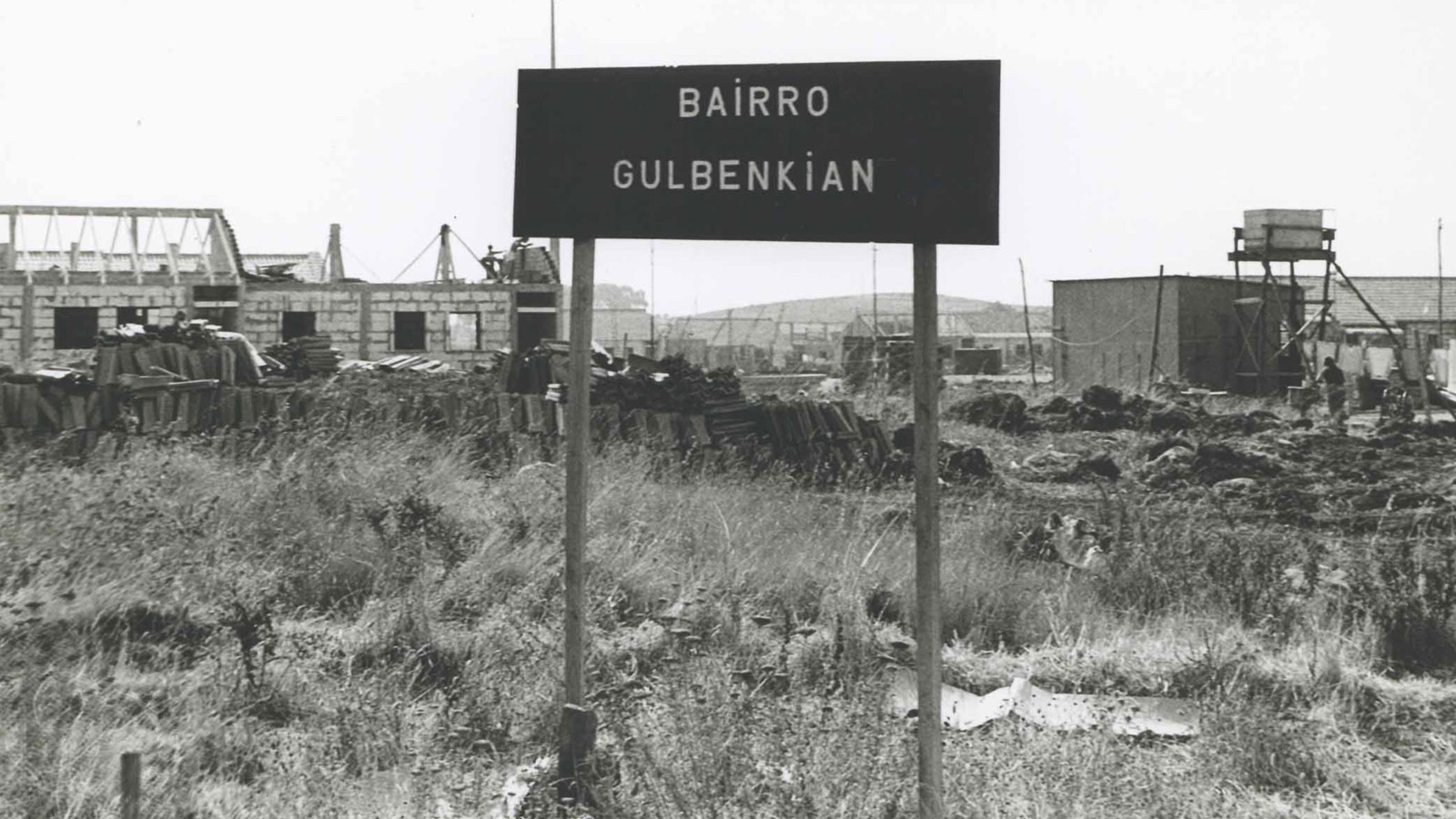
Drawing on its history and experience, as well as its independence, capacity for innovation, and strong engagement with civil society, the Gulbenkian Foundation is launching the Gulbenkian Integration Initiative, through which it will support the development of pioneering solutions, mobilise knowledge, and promote good practices.
Through this concrete action of transformative philanthropy, which places people at the centre of public policies, we seek to contribute to strengthening Portugal as an inclusive and welcoming country, turning diversity into a shared collective asset.