
H2OEfficient project enters a new phase
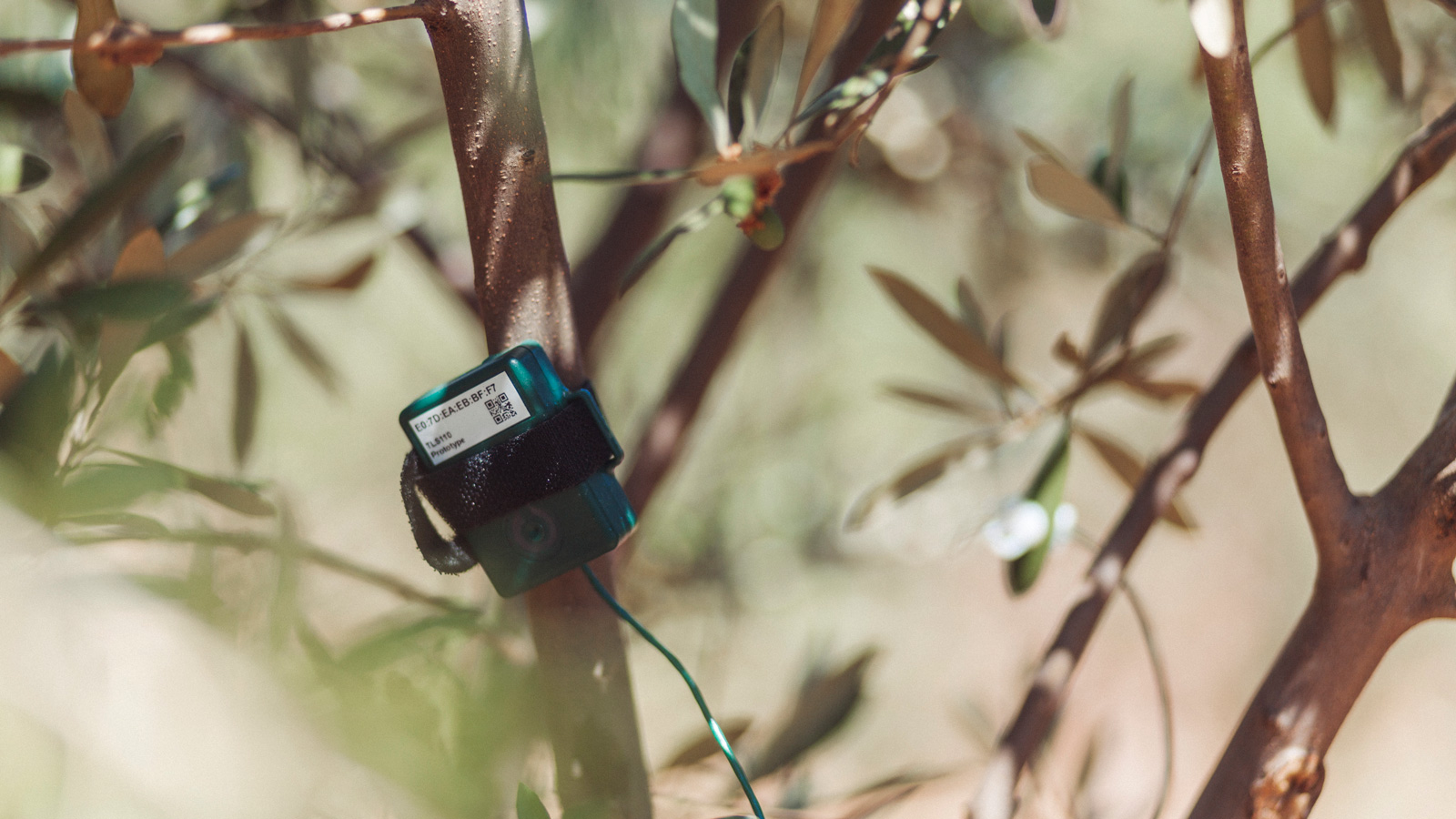
The new phase of the H2OEfficient project will focus on agricultural regions and crops where there is still limited knowledge sharing. Work will concentrate on avocado cultivation in the Setúbal Peninsula, Alentejo Litoral, and Algarve; citrus in the Algarve; almond orchards in the Alentejo; and olive groves in Trás-os-Montes and Alto Douro. This stage follows a pilot phase carried out in demonstration fields, where sensors were installed to measure and monitor soil moisture, plant condition, and water needs throughout the agricultural season. During this phase, techniques such as subsurface irrigation in apple orchards, reuse of olive mill wastewater for irrigating olive groves, and Aqua4D technology, used to increase water availability in high-salinity areas for processing tomato cultivation, were tested.
The goal of this new phase of H2OEfficient is to scale the results obtained during the pilot phase (2023–2025), not only through demonstration activities showcasing more efficient irrigation techniques and technologies in agricultural regions where knowledge transfer is lacking, but also by continuing trials with innovative irrigation technologies to collect more robust data, particularly regarding water savings and improvements in soil quality.
Impact of the Project’s First Phase
The results from the pilot phase were very positive, with recorded reductions in water usage (in some cases between 20% and 30%), irrigation time, and the need for herbicides—without compromising the quality or quantity of production.
The demonstration fields were used for practical knowledge-sharing sessions with farmers at earlier stages of technological advancement. Based on a peer-learning methodology, these sessions reached 1,890 participants, exceeding initial expectations. Follow-up satisfaction surveys showed that 93% of participants expressed interest in adopting the practices discussed, particularly the use of sensors, soil electrical conductivity and texture analysis technologies, and drone-based monitoring.
Wastewater and Other Opportunities
The use of wastewater in perennial crops was explored during the pilot phase. Although this practice holds great potential, since only 1.2% of treated wastewater is reused in Portugal, it still faces significant resistance across the value chain, including from producers themselves. One of the goals of the project’s new phase is to continue promoting this solution, which could represent a major opportunity for sustainable agriculture.
Funded by the Calouste Gulbenkian Foundation under the Gulbenkian Água initiative, the H2OEfficient project aims to empower farmers to adopt more efficient irrigation technologies and test new technologies in this field. It is coordinated by the Centro Operativo e Tecnológico Hortofrutícola Nacional (COTHN) and the School of Agriculture of the Polytechnic Institute of Santarém.
The H2OEfficient project was awarded the Innovation Prize by Vida Rural magazine.
Learn more