



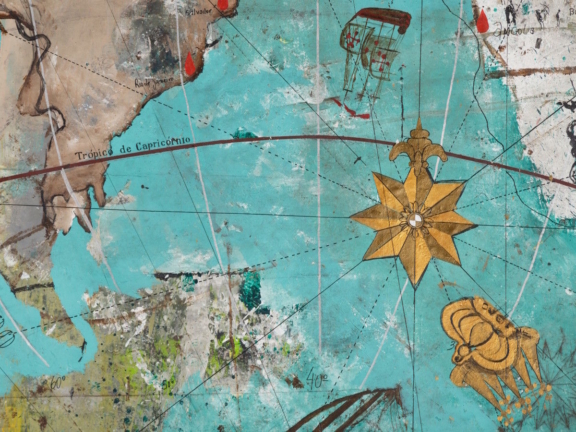
Racism as the legacy of slavery
Event Slider
Date
- 18:00 / Cancelled 18:00 / Sold out Friday, 18:00
- 18:00 / Cancelled 18:00 / Sold out Friday, 18:00
Location
Auditorium 3 Calouste Gulbenkian Foundation
Lucimar Felisberto dos Santos, Orlando Serrano, Aurora Almada Santos and Marta Araújo will debate the historical legacy of the transatlantic slave trade in two talks organised in collaboration with the Slave Wrecks Project.
Although often relegated to the footnotes of history, slavery and the transatlantic slave trade have left important marks on contemporary societies. One of the most important is the racial ideology on which social prejudices and structural and institutional racism are still based today.
The Calouste Gulbenkian Foundation and the Slave Wrecks Project, with the support of the George Washington University and the Smithsonian National Museum of African American History and Culture, present two public conferences to discuss, in a comparative way, the importance of this legacy in Portugal, Brazil and the United States of America, as well as some legal and pedagogical ways of combating it.
This event will be presented in Portuguese and English with simultaneous translation and livestreamed on this page.
Biographies
-
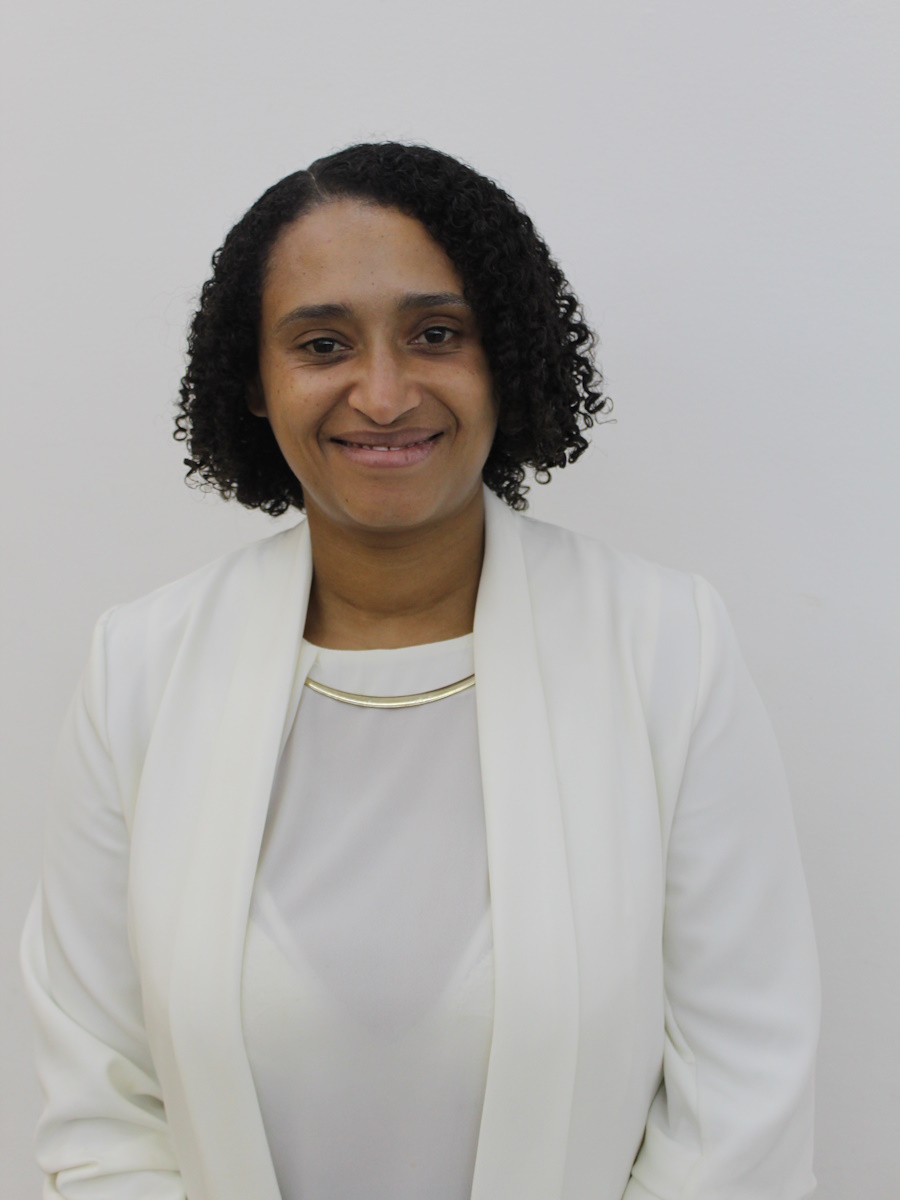
Aurora Almada Santos
Researcher at the Institute of Contemporary History and the Associated Laboratory for Research and Innovation in Heritage, Arts, Sustainability and Territory (IN2PAST) at Universidade Nova de Lisboa. She researches Portuguese decolonisation, particularly the international dimension of the struggle for self-determination and independence in Portugal’s African colonies. Recently, she was a member of the Advisory Board of the MANIFEST educational project: New Artistic Perspectives on the Memories of the Transatlantic Slave Trade (2022-2024), co-funded by the European Commission.
-
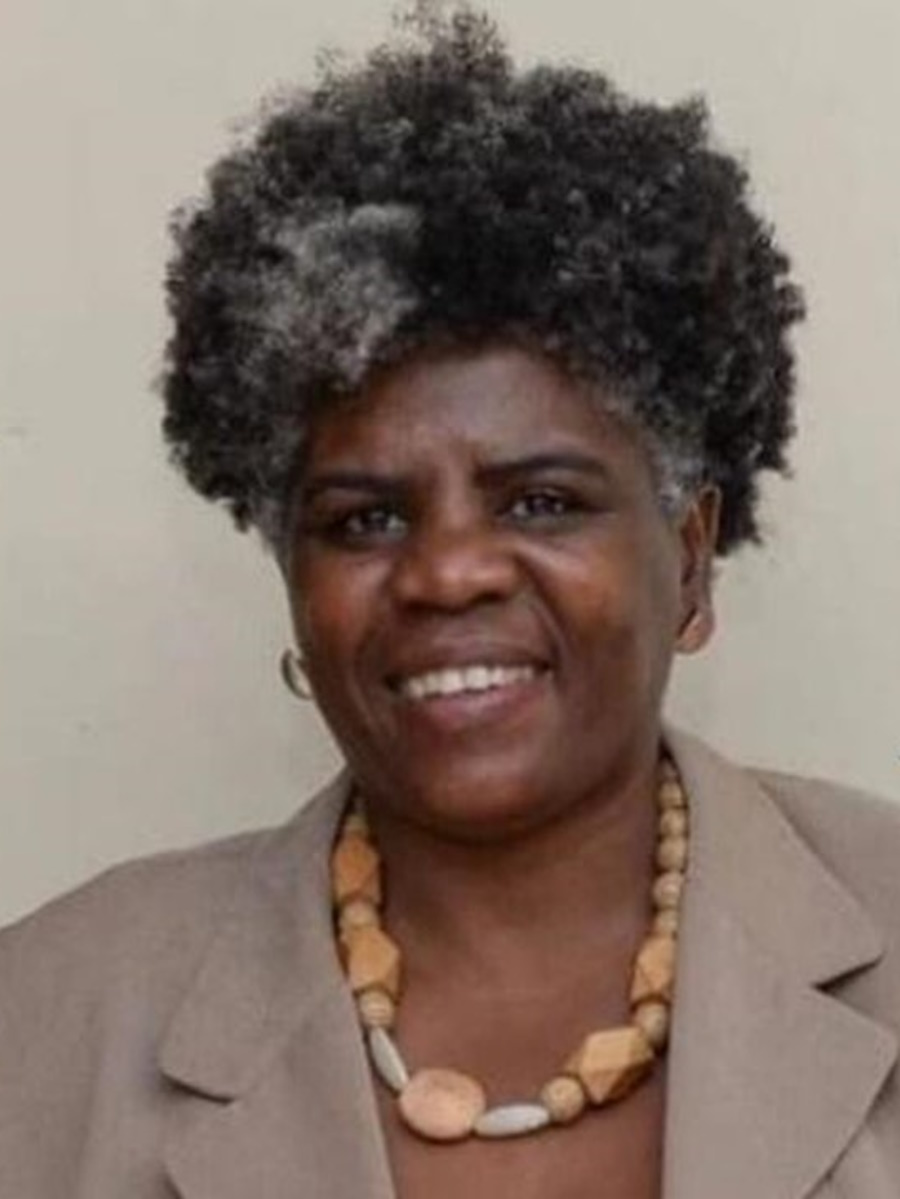
Lucimar dos Santos
With a post-doctorate in History from the Federal University of Rio de Janeiro, Lucimar researches History, Historiography and Race Relations in Colonial, Imperial and Republican Brazil, with an emphasis on the social and cultural history of slavery and post-abolition in urban Rio de Janeiro in the 19th and 20th centuries. A contributor to the AFRODIÁLOGOS Platform, she is an activist in the Unified Black Movement and a member of the Black Historians Network. She is also a cultural advisor to ACEMADES and a researcher at the Laboratory for the History of Religious Experiences at the UFRJ History Institute.
-

Marta Araújo
Senior researcher at Centro de Estudos Sociais, University of Coimbra, her research has dealt with public and school history, focusing on narratives about (anti-)colonialism and enslavement, and public policies, political discourse and ethnic-racial equality. She holds a PhD from the University of London and was a visiting researcher at CEREN, University of Helsinki. She is a member of the Editorial Board of publications on sociology, race and education in Brazil, the United States, Great Britain and Portugal and has published internationally in highly reputable journals.
-
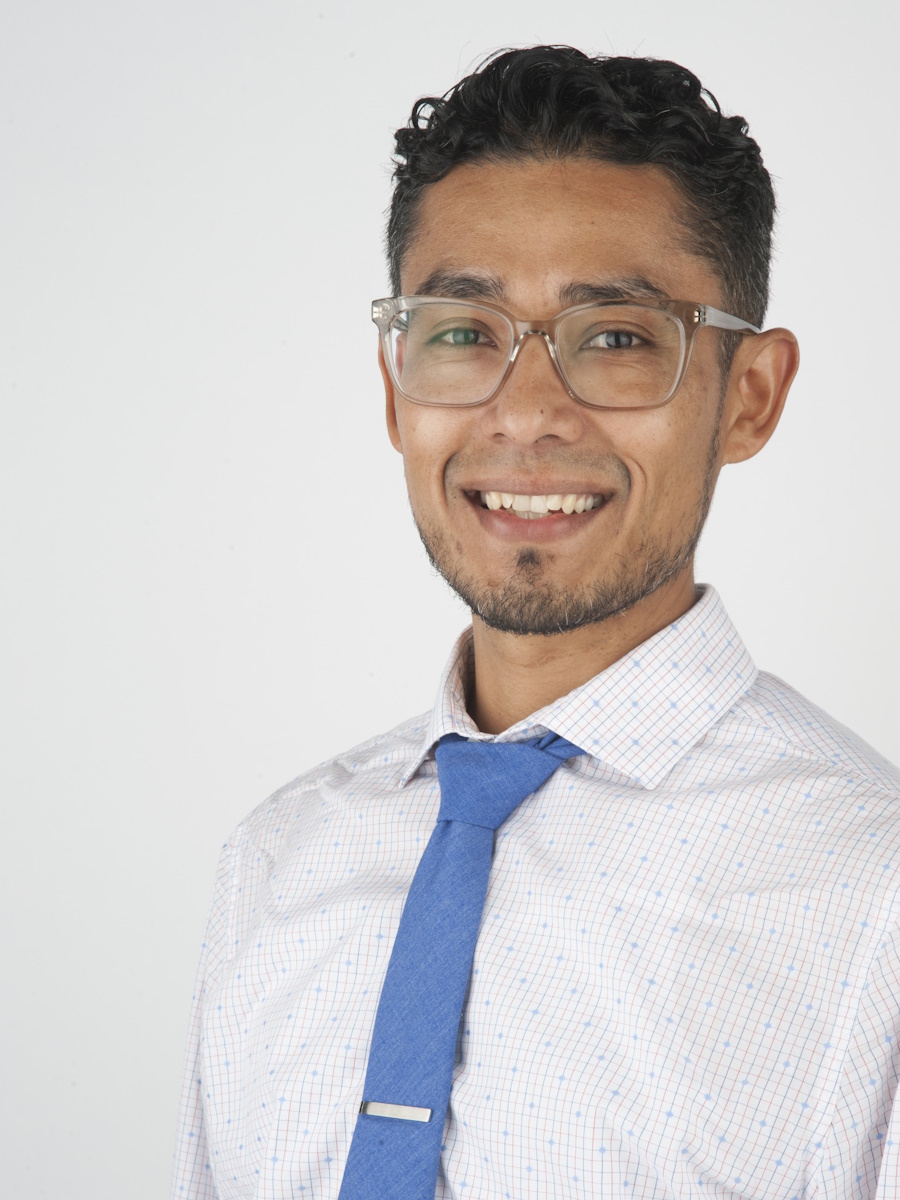
Orlando Serrano
PK-12 Learning Coordinator at the Smithsonian Museum of African American History and Culture, Orlando supports and develops informal educational and leadership experiences for students, professional development workshops for educators, and curriculum content. She is a founding member of The Centre for Restorative History. He is on the Board of Directors of the Museum Education Roundtable, where he manages the Journal of Museum Education. He holds a PhD in American Studies and Ethnicity from USC. His research has been funded by the Ford Foundation, the National Science Foundation EDGE-SBE and the National Endowment for the Humanities.
Programme
The experience of anti-racism and civic affirmation laws in Brazil and the USA
Lucimar Felisberto (historian, AfroDiálogos Educational Platform; Local Education History Studies at the State University of Rio de Janeiro) and Orlando Serrano (Historian, educatio department at the Smithsonian Museum of American History) will discuss the social context that led to the implementation of policies to combat racial discrimination in the US and Brazil, such as the adoption of racial quotas, identifying the impact of these policies on various sectors of society.
Teaching and public dissemination of the history of slavery: some experiences
Aurora Almada e Santos (Institute of Contemporary History, Universidade Nova de Lisboa) and Marta Araújo (Centro de Estudos Sociais, University of Coimbra) will discuss the importance of teaching and public dissemination of the history of slavery. Using recent examples of projects to teach and publicise the history of slavery, the two speakers will discuss the impact of slavery on contemporary societies and the experiences gained during these projects.
Credits
Image
António Ole, Hidden Pages, Stolen Bodies (detail). CAM Collection, inv. 16E1823
Co-production
The Calouste Gulbenkian Foundation reserves the right to collect and keep records of images, sounds and voice for the diffusion and preservation of the memory of its cultural and artistic activity. For further information, please contact us through the Information Request form.