
New forms of nationalism and the denial of history
Event Slider
Date
- 18:00 / Cancelled 18:00 / Sold out Friday, 18:00
Location
Auditorium 3 Calouste Gulbenkian Foundation
In this conference, Orlando Serrano and Marta Lança will discuss the growing rise of nationalist movements and their role in denying historical events that challenge celebratory and eulogistic views of the past.
In recent years, we have witnessed a growing polarisation and radicalisation of the political and public debate on history, which makes it impossible to reach a common understanding of the past, trivialises verbal and physical violence, and legitimises the use of force against views that differ from those deemed normative.
These forms of extremism are often accompanied by nationalist views that champion celebratory historical narratives which erase or deny certain episodes of the past. This is the case with Holocaust denial, the trivialisation of the history of the transatlantic slave trade, or the celebration of the ‘civilising mission’ of European colonial empires.
Although these distorted views of the past are nothing new in the public sphere, their dissemination has been accelerating due to the impact of social media. As a result, they are increasingly being mobilised to legitimise certain political discourses, legislative proposals and, in extreme cases, violent initiatives that undermine democratic institutions and democracy itself.
The Calouste Gulbenkian Foundation and the Slave Wrecks Project inveite Orlando Serrano (Smithsonian Museum of American History) and Marta Lança (Buala) for a conversation that crosses the boundaries between American and Portuguese realities, and which will reflect on the emergence of new forms of nationalism that call into question rights long considered to be firmly established in Western democratic societies.
This event will be livestreamed on this page.
Speakers
-
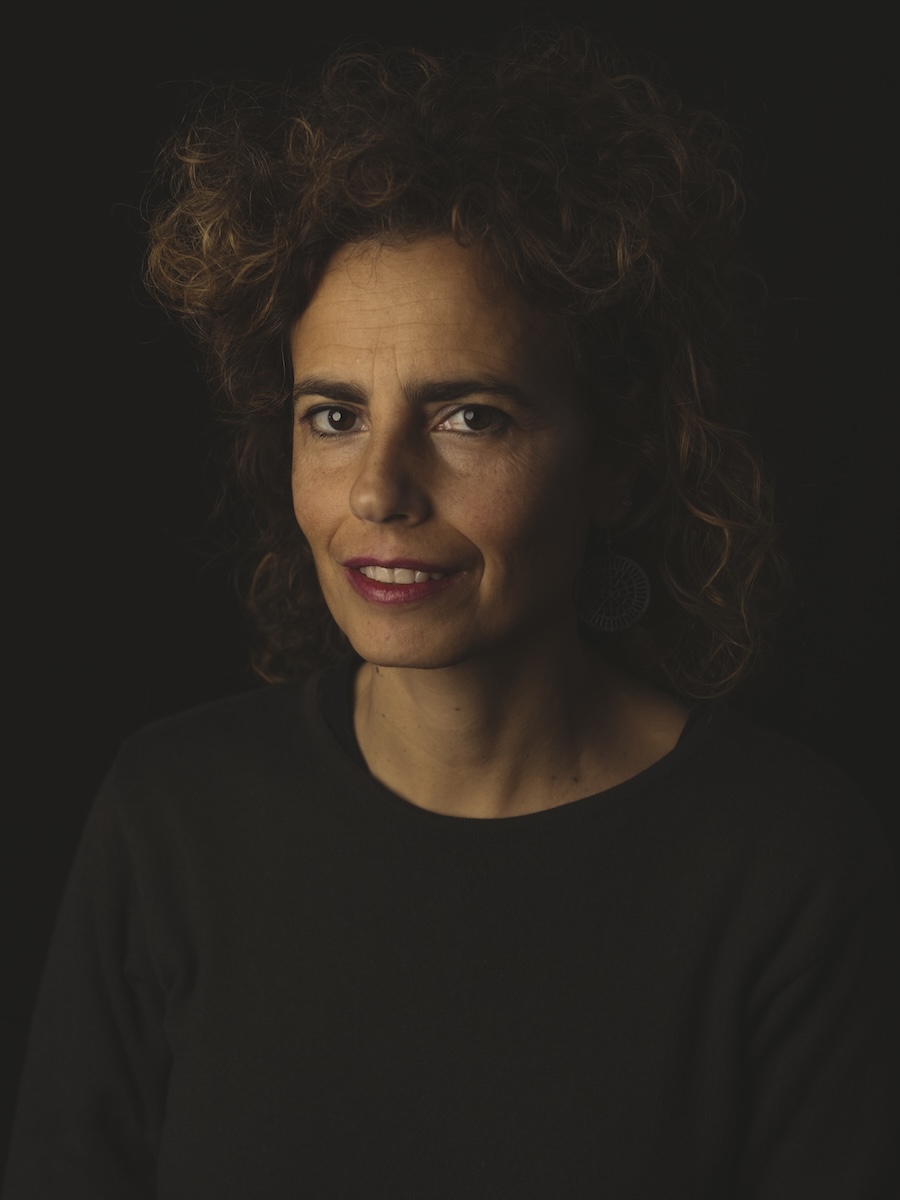
Marta Lança
Writer, editor, translator and cultural programmer. Founder and editorial director of BUALA, a platform dedicated to contemporary cultures of the Global South and Afro-diasporic practices, her work brings together critical thinking, colonial memory and the arts. She contributes regularly to magazines, newspapers and academic projects. Her work lies at the intersection of culture, politics and decolonial practices. She has translated key authors such as Achille Mbembe and Felwine Sarr into Portuguese. She holds a degree in Portuguese Studies from the Faculty of Social and Human Sciences (FCSH), New University of Lisbon.
-
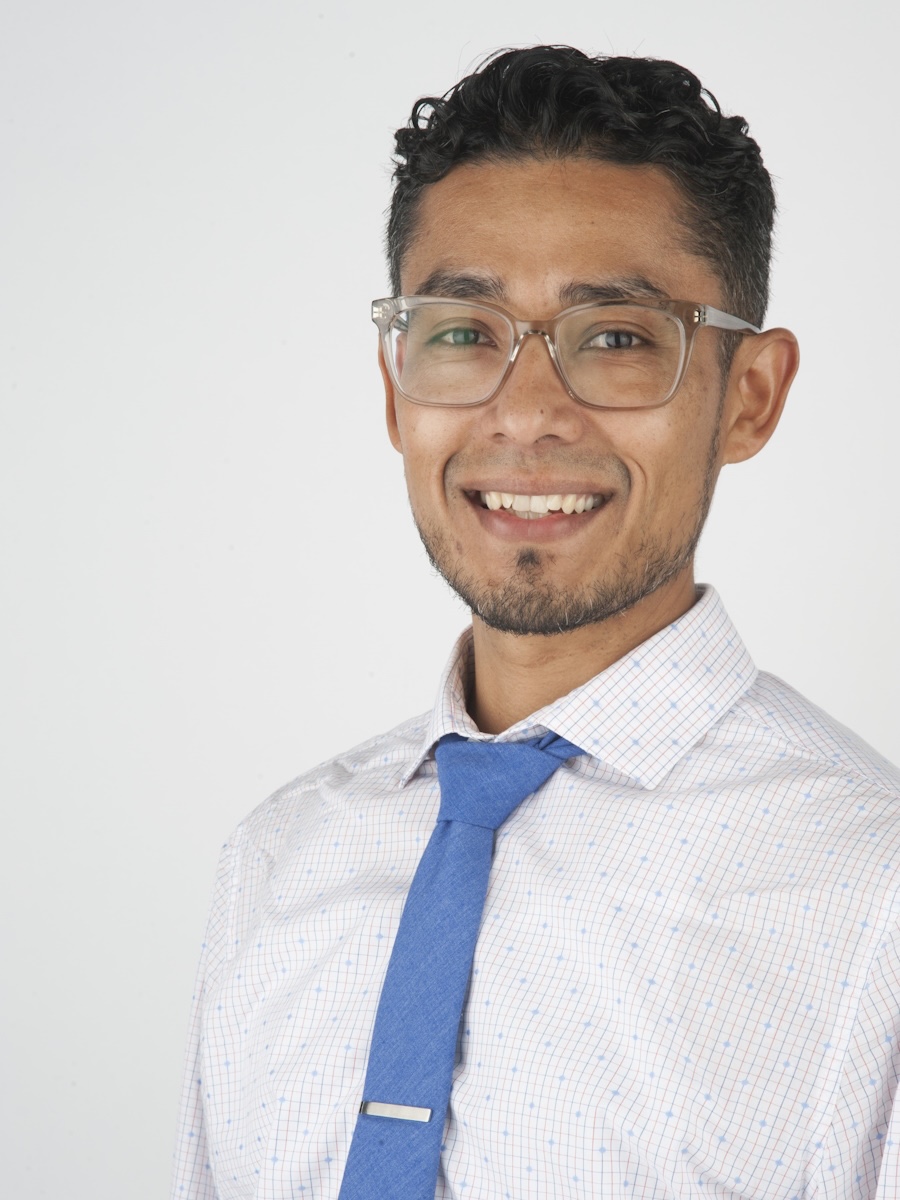
Orlando Serrano
Head of PK-12 Learning at the Smithsonian Institution’s National Museum of American History (NMAH). He supports and develops informal educational and leadership experiences for students, professional development workshops for educators, and curriculum content. He is a founding member of The Center for Restorative History at NMAH. He is also on the Board of Directors for the Museum Education Roundtable where he serves of Co-Chair of the Editorial Team that manages the Journal of Museum Education. PhD in American Studies and Ethnicity from the University of Southern California.
Credits
Image
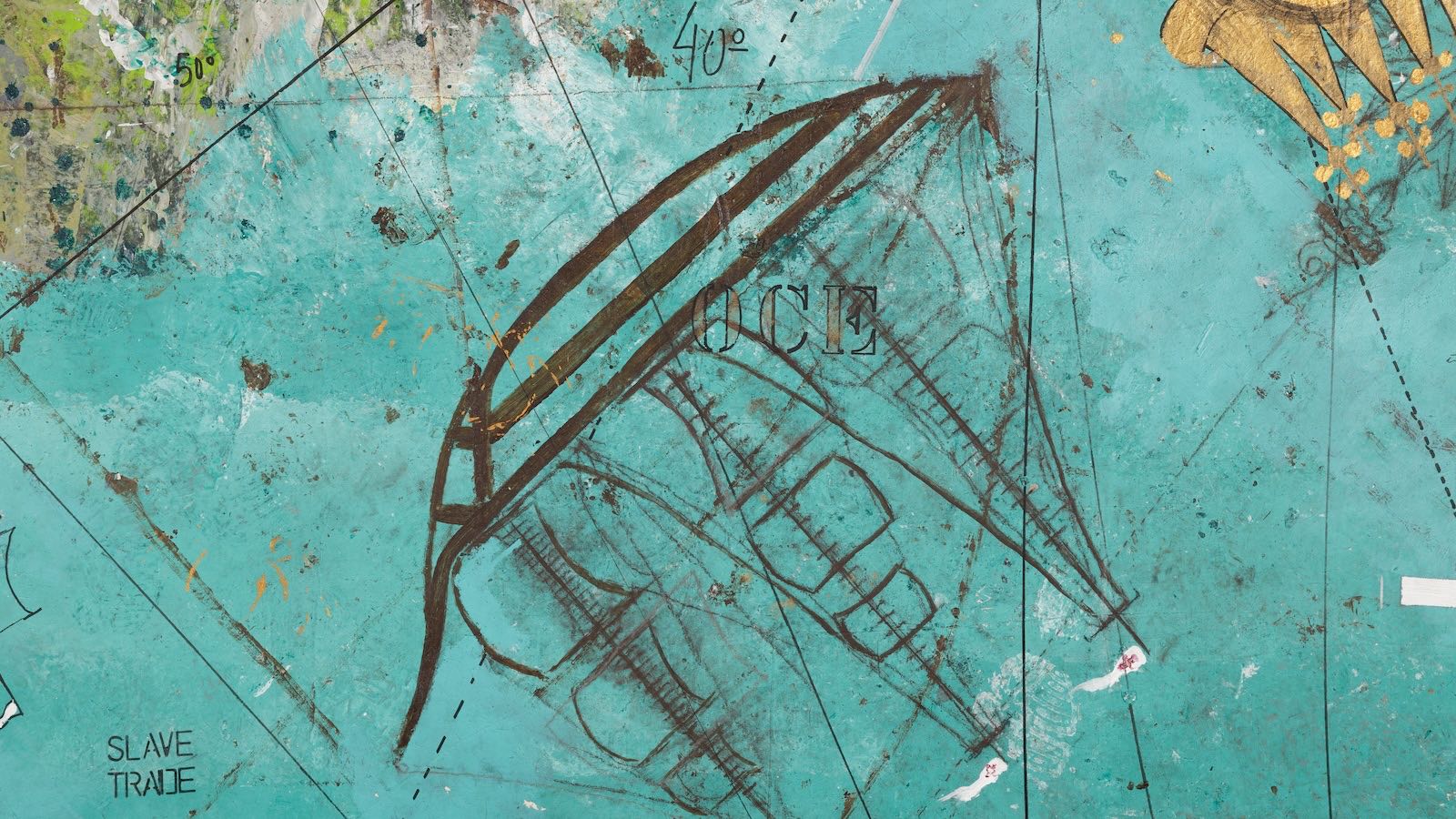
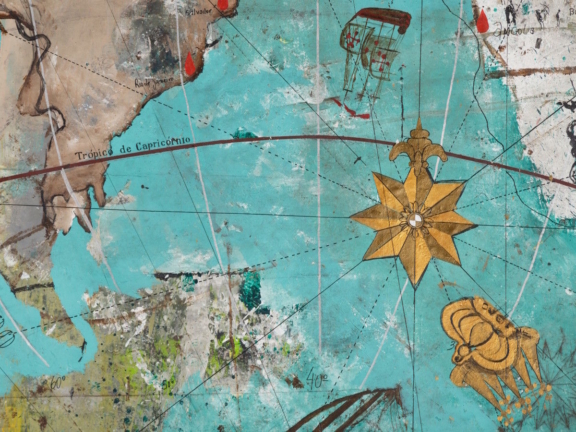
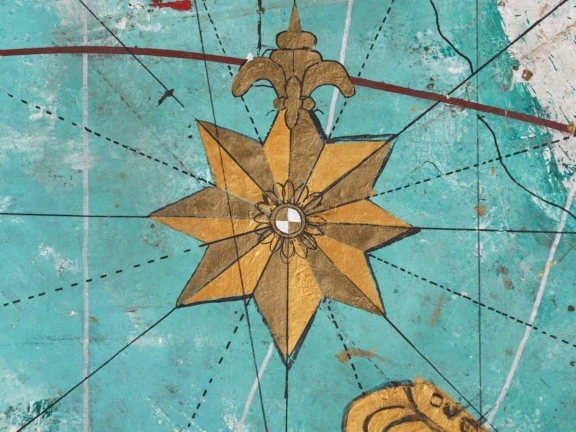
Arjan Martins, Só vou ao Leblon a negócios (pormenor), 2016 ©Arjan Martins
The Calouste Gulbenkian Foundation reserves the right to collect and keep records of images, sounds and voice for the diffusion and preservation of the memory of its cultural and artistic activity. For further information, please contact us through the Information Request form.
Related
No results were found for your criteria.