

Dances, Songs, and Music for Liberation
Event Slider
Date
- 17:30 / Cancelled 17:30 / Sold out Sunday, 17:30
Location
Studio Centro de Arte Moderna GulbenkianPricing
10% – Cartão Gulbenkian and Cartão Gulbenkian Mais
In this session we find three short films, including a work that artist Zineb Sedira created for the 2022 Venice Biennale, a film that takes us back to the Pan-African Festival of Algiers, and the first film by British filmmaker and visual artist Isaac Julien.
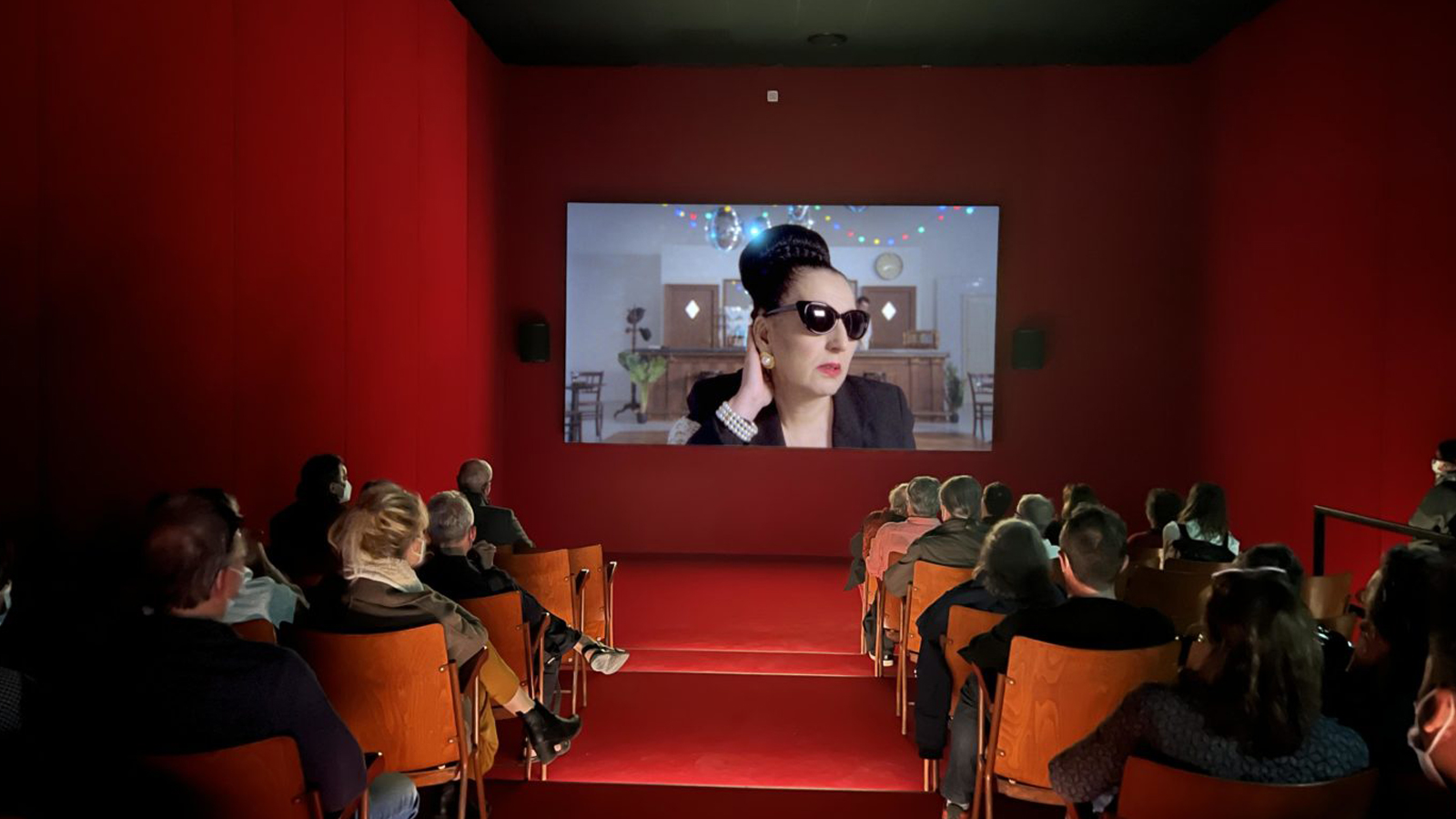
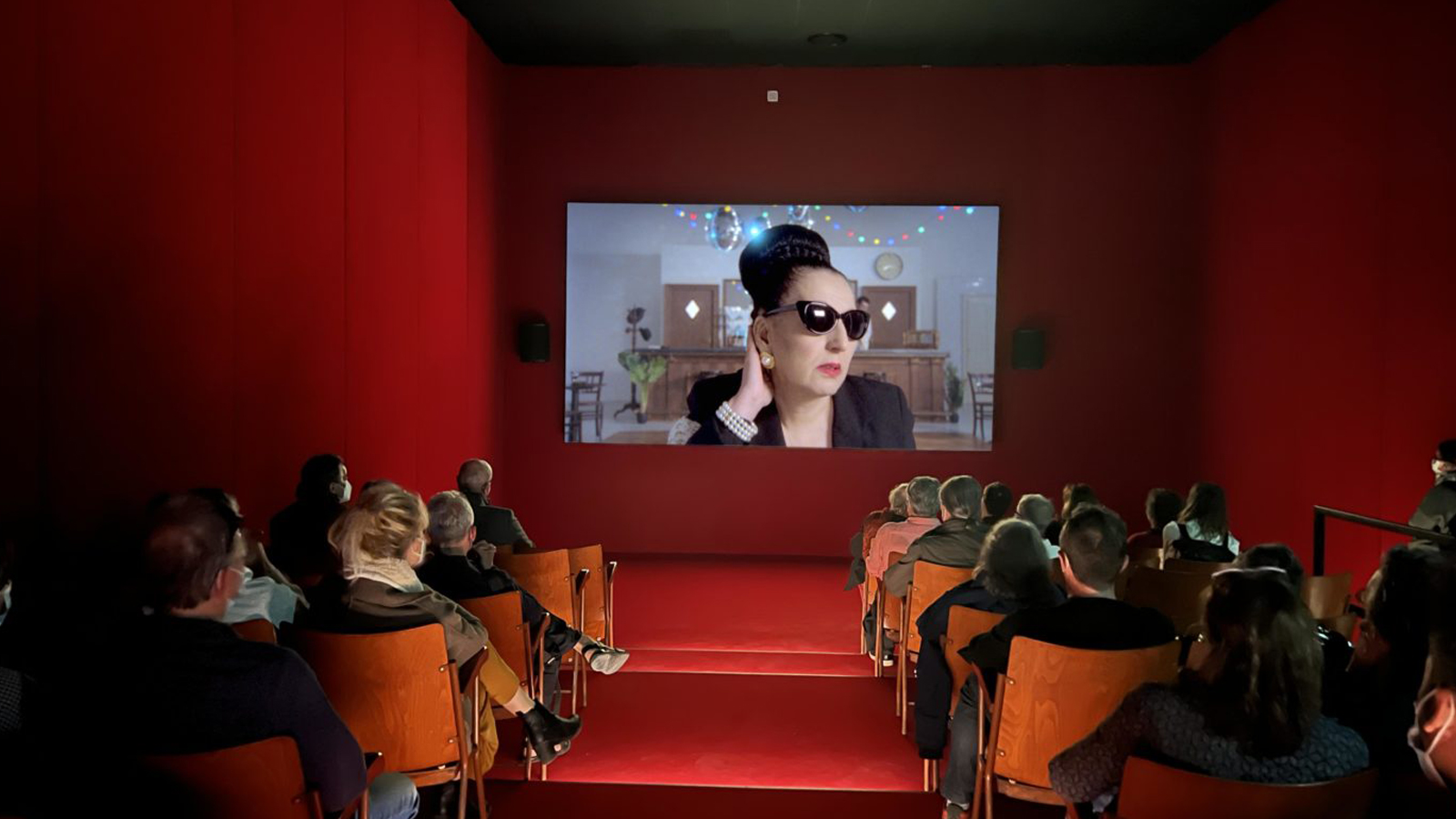
With ‘Dreams Have No Titles’ (2022), Zineb Sedira recreates and revisits cult scenes from films co-produced between Algeria and other Mediterranean countries, (re)discovering the lyrical and syncopated rhythms of those years when nations were reborn, witnessing their entry into the dance of nations and the re-establishment of new global relations.
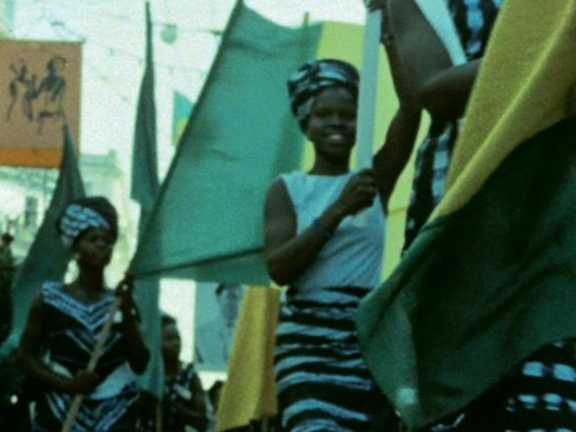
Traditional dances, poetry, tales, and songs were powerful tools of resistance against colonial domination, keeping African cultures and identities alive. Their often oral nature allowed them to slip past censorship, despite the push for assimilation and the erasure of local languages in favor of the colonial power’s dominant language. They preserved the flame of cultural memory and heritage, serving as a bulwark against domination and acculturation. These dances and songs accompanied wars and struggles for independence, marches, and cultural and political demands in different countries.
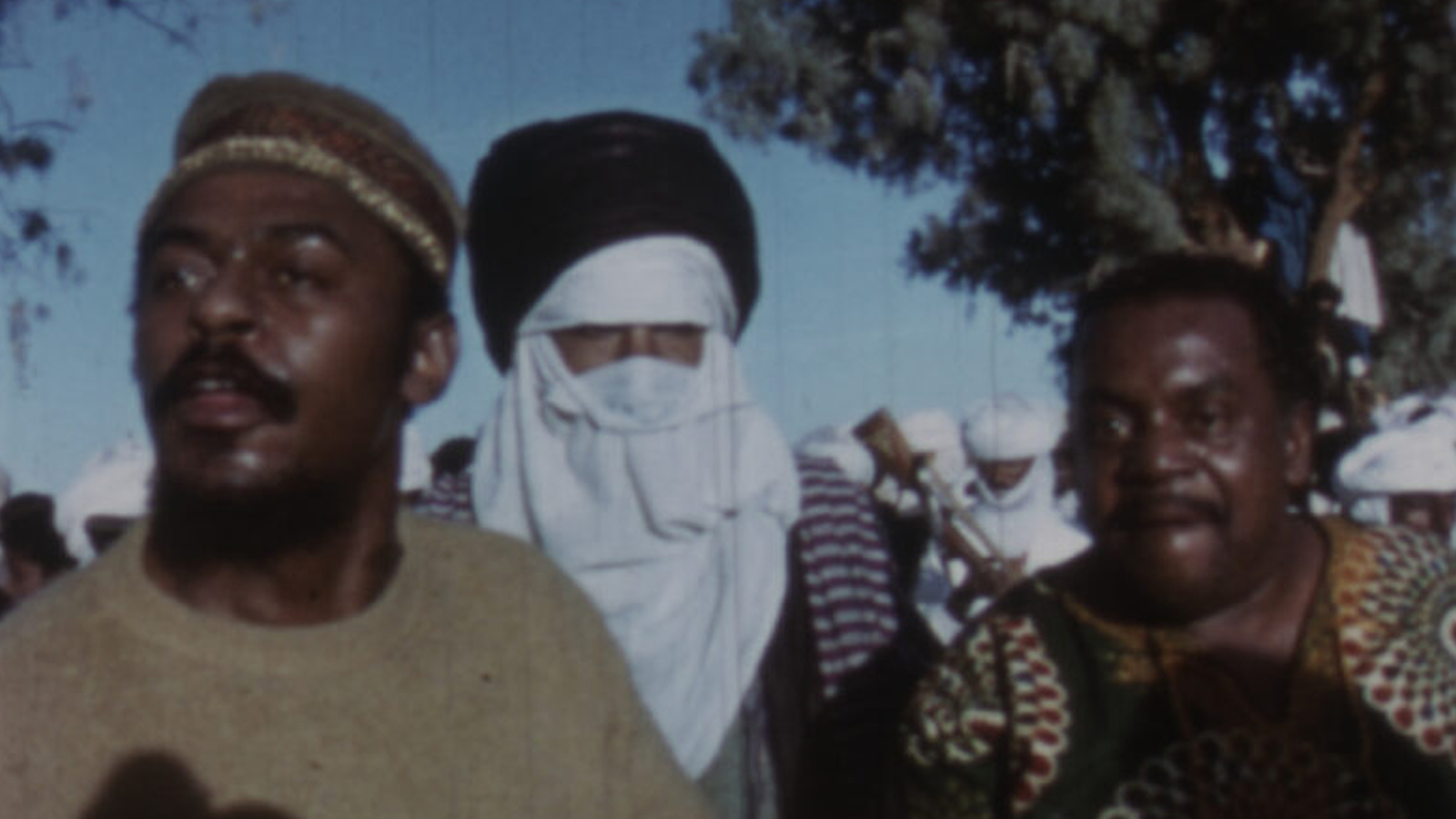
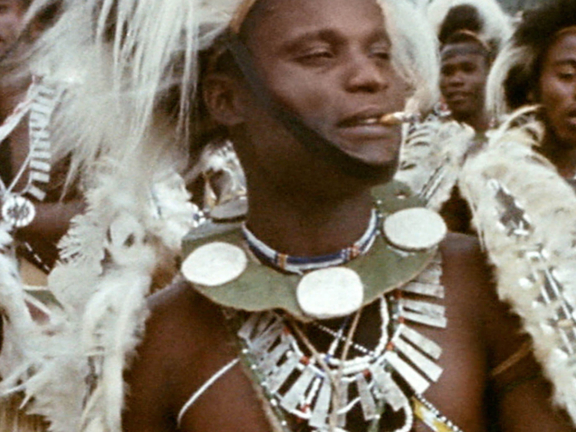
The unprecedented encounter between African American saxophonist Archie Shepp and a Tuareg orchestra—an intense dialogue that took place on stage in Algiers during the Pan-African Festival (a key moment in William Klein’s film)—is continued in ‘Archie Shepp chez les Touaregs’ [Archie Shepp among the Tuaregs] (1969), a short documentary filmed in southern Algeria by Ghaouti Bendedouche in the wake of the festival.
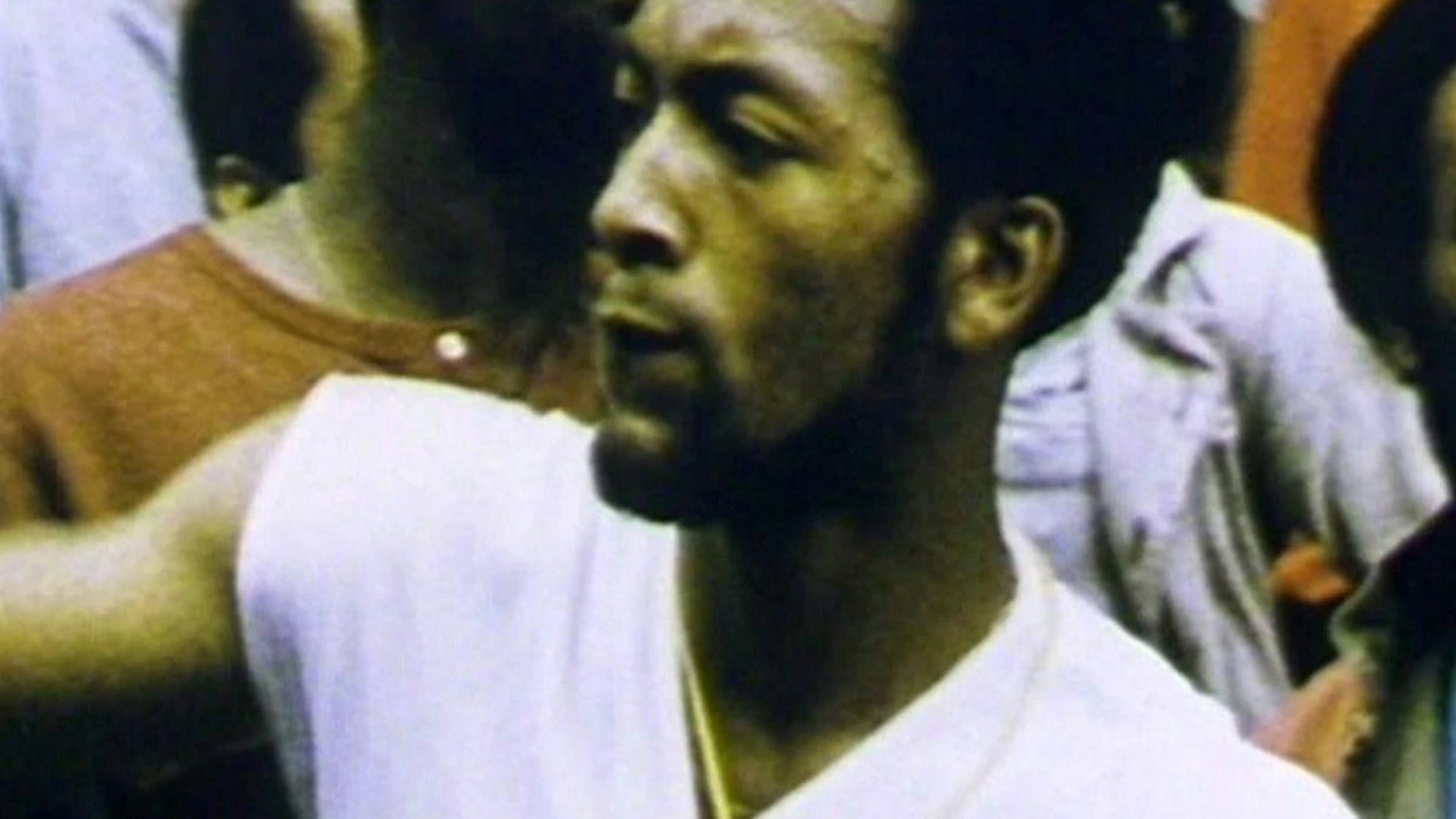
As for ‘Territories’ (1984), by Isaac Julien, it focuses on the representations of London’s Notting Hill Carnival, carefully examining the ways in which the bodies of Black diasporas unfold in space, challenging the society of neoliberal and neo-imperial control.
The session includes a discussion after the screening, with programme curator Olivier Hadouchi and artist Zineb Sedira. The conversation will be held in French, with simultaneous translation into Portuguese and English.
‘Dreams Have No Titles’, by Zineb Sedira
France, 2022, 16mm & digital, screened in digital copy, 24’
Documentary
Ages M/12
In English, with Portuguese subtitles
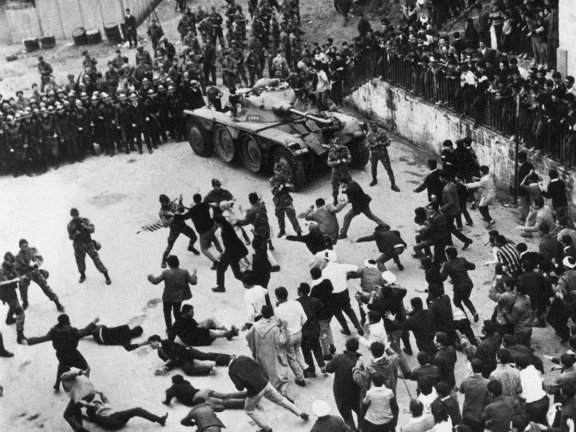
The artist Zineb Sedira revisits sequences from films co-produced with Algeria and other countries such as Italy and France, such as Ettore Scola’s ‘Le Bal’, by and Gillo Pontecorvo’s ‘The Battle of Algiers’, while at the same time revealing her personal and familiar relationship with the cinema, music and dance that accompanied many of the struggles for emancipation of peoples. Films and other cultural productions from the 1960s and 1970s still bear traces of those years' hopes for change, hence the idea of revisiting and updating them in the work ‘Dreams Have no Titles’.
‘Archie Shepp chez les Touaregs’ (Archie Shepp among the Tuaregs), by Ghaouti Bendedouche
Algeria, 1969, 16mm transferred to digital format, 25’
Documentary
Ages M/12
In French, with Portuguese and English subtitles
Invited to take part in the first Pan-African Cultural Festival in Algiers, the African-American saxophonist Archie Shepp shared the stage with a traditional Tuareg orchestra. This unprecedented encounter was followed by an inner journey, giving rise to another, more intimate musical dialogue between the musician and African music as practised by the inhabitants of southern Algeria.
Credits
Director
Ghaouti Bendedouche
Performer
Archie Shepp
Production
L’Office national pour le commerce et l’industrie cinématographique (ONCIC)
‘Territories’, by Isaac Julien
United Kingdom, 1984, 16mm transferred to digital format, 26’
Documentary
Ages M/12
In English, with Portuguese subtitles
In the style of an experimental and poetic documentary, this essay offers a critical look at the representation of Black people of African or West Indian descent, taking the Notting Hill Carnival – a festive event of cultural and political resistance – as its starting point. The carnival functions as a space of assertion, set against a backdrop of police repression and economic hardship.
Credits
Director
Isaac Julien
Cast (voice-over)
Maureen Blackwood
Kevin Graal
Andrea Julien
Nadine Marsh-Edwards
Antonia Thomas
/
Songs, images, dances and sounds: acts for liberation
In dialogue with the exhibition ‘Zineb Sedira. Standing Here Wondering Which Way to Go’, this programme brings together a constellation of anti-colonial and anti-racist films, dealing with cultural and political resistance, and the inventiveness of the freedom fights. More info
Biographies
-
Olivier Hadouchi
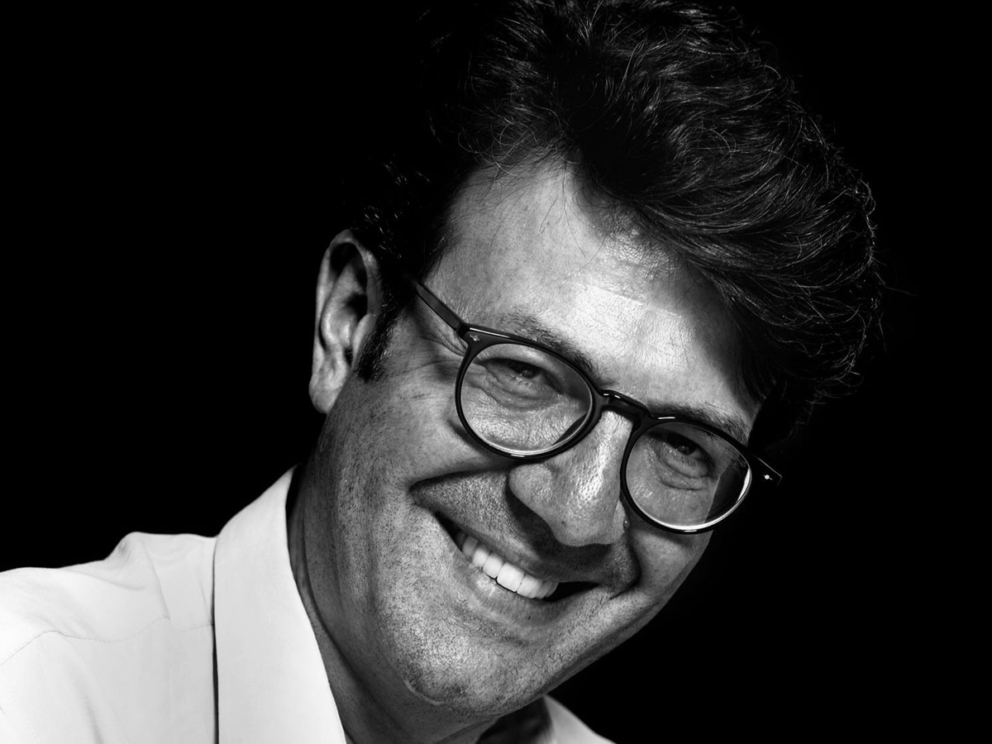
Olivier Hadouchi (Paris, 1972) is an independent film curator and researcher based in Paris. He studied Literature (Sorbonne) and Cinema (PhD, Sorbonne Nouvelle). He has published texts in academic journals such as ‘Third Text’ (on William Klein’s ‘The Pan-African Festival of Algiers’) and ‘CinémAction’ (on Latin American militant cinema or on certain Algerian and Lebanese films). He has curated film and video programmes for several venues, including film festivals (CorsicaDoc); Museo Reina Sofía, Madrid (‘Tricontinental – Cinema, Utopia and Internationalism’, 2017); Jeu de Paume, Paris (‘Echoes of Algeria: Resistances’, in dialogue with the exhibition by Zineb Sedira, 2019); Galeria Zé dos Bois, Lisbon; and Münster (in the context of an exhibition by Katia Kameli).
Image credit: © Cyril Caine
-
Zineb Sedira
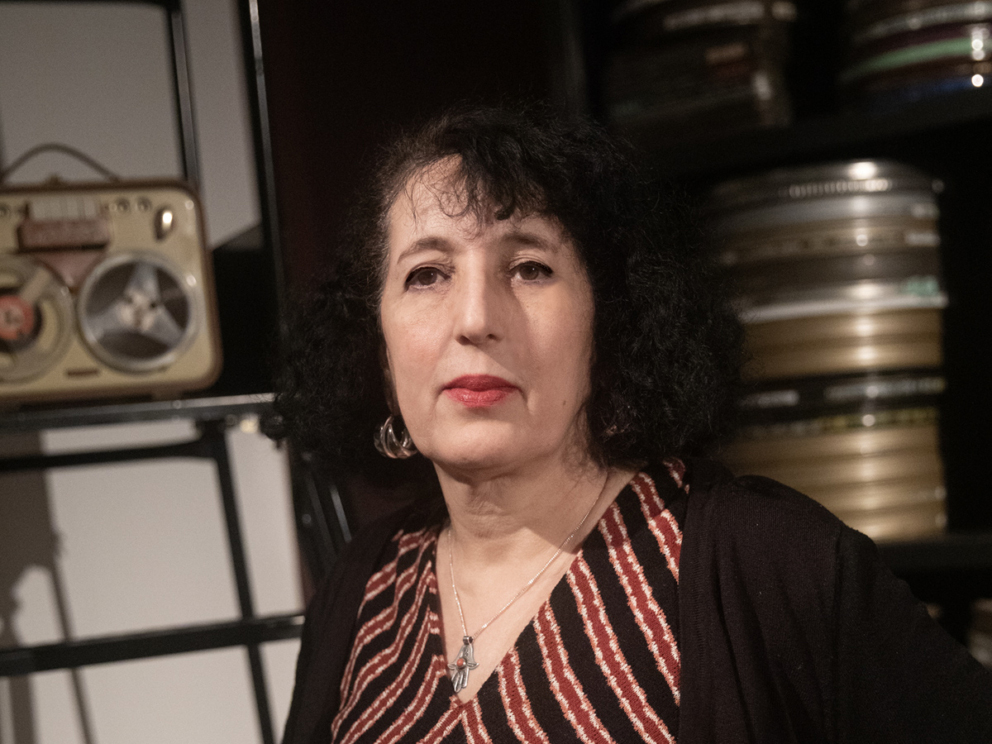
Zineb Sedira, (Paris, 1963) lives in London and works between Algiers, Paris and London. Over the fifteen years of her practice, Sedira has enriched the debate around the concepts of modernism, modernity and its manifestations in an inclusive way. She has also raised awareness of artistic expression and the contemporary experience in North Africa. She represented France at the 59th Venice Biennale, in 2022. A special mention was awarded to her exhibition in the French Pavilion titled ‘Dreams Have No Titles’.
Programme
17:30 / Introduction
Olivier Hadouchi
17:35 / ‘Dreams Have No Titles’, by Zineb Sedira
18:00 / ‘Archie Shepp chez les Touaregs’ [Archie Shepp among the Tuaregs], by Ghaouti Bendedouche
18:25 / ‘Territories’, by Isaac Julien
18:50 / Talk
19:15 / Closing
Support
The Calouste Gulbenkian Foundation reserves the right to collect and keep records of images, sounds and voice for the diffusion and preservation of the memory of its cultural and artistic activity. For further information, please contact us through the Information Request form.
Related
No results were found for your criteria.