
Botanic Academy in the Gulbenkian Garden
Event Slider
Date
- 17:30 / Cancelled 17:30 / Sold out 17:30 – 19:30
- 17:30 / Cancelled 17:30 / Sold out 17:30 – 19:30
- 17:30 / Cancelled 17:30 / Sold out 17:30 – 19:30
- 17:30 / Cancelled 17:30 / Sold out 17:30 – 19:30
- 17:30 / Cancelled 17:30 / Sold out 17:30 – 19:30
Location
Room 2Calouste Gulbenkian Foundation
Pricing
- 12,00 € – 50,00 €
10% – Cartão Gulbenkian and Cartão Gulbenkian Mais
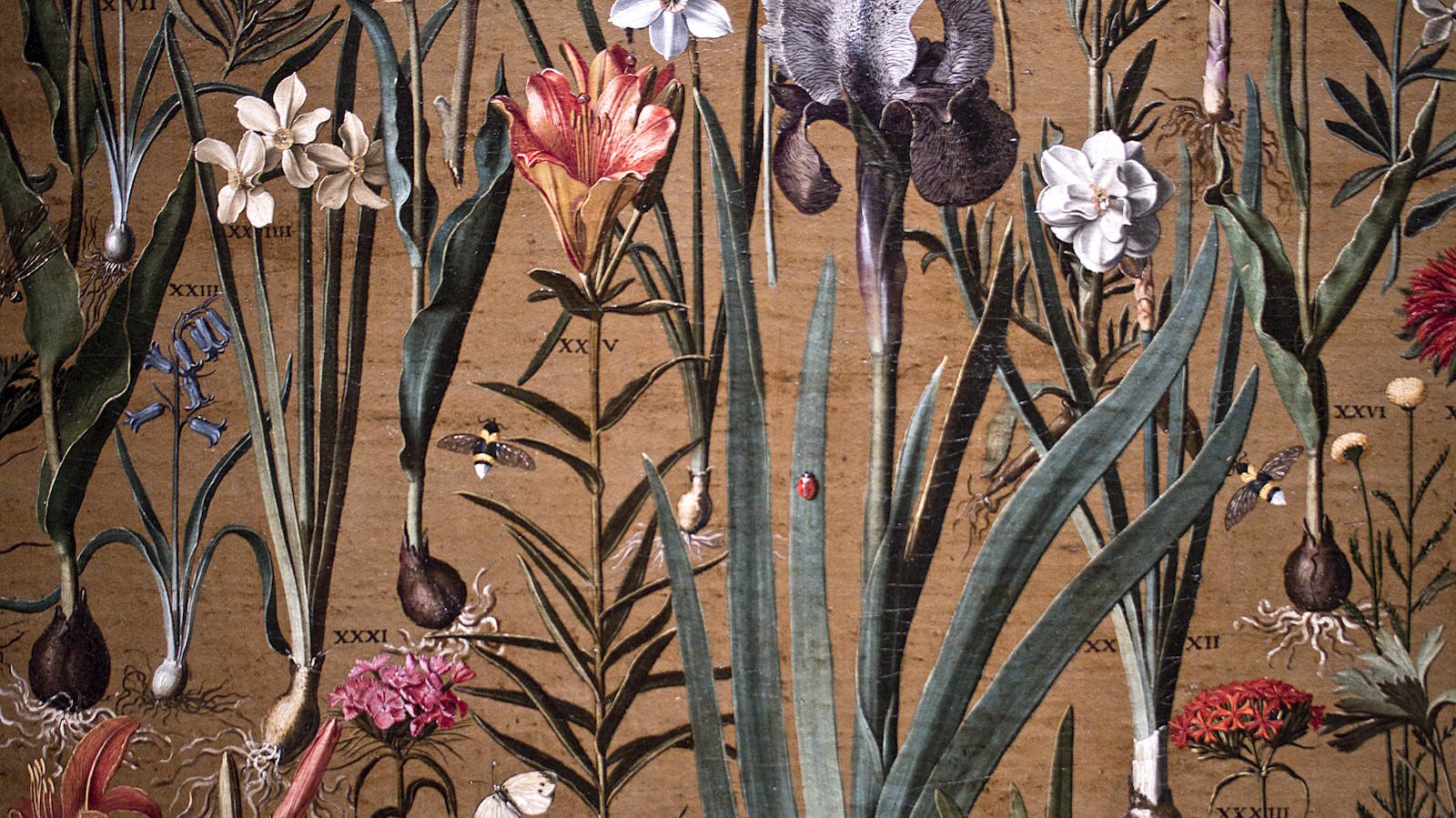
In each session a guest specialist addresses a particular theme, offering a scientific, historical, cultural or artistic perspective on the plant world. Over the programme, the many dimensions of plant biology will be explored—morphology, anatomy, physiology, diversity and ecology—along with the countless ways in which plants have shaped the history of human societies through food, medicine, the arts, traditions and other cultural expressions.
Drawing on the specialist knowledge of its guests, the Botanical Academy offers a space for sharing and reflection on the importance of plants in landscapes, ecosystems and culture, revealing stories, relationships and discoveries that help us understand the world around us a little better.
The sessions will be chaired by Luís Manuel Mendonça de Carvalho, holder of the UNESCO Chair in Ethnobotany.
These sessions may include a tour to the Garden. Participants should bring appropriate clothing and footwear.
Biographies
-
Luís Mendonça de Carvalho
A biologist (UTAD), with a master’s in plant biochemistry (University of Lisbon), a doctorate in plant systematics and morphology (University of Coimbra), visiting scholar at Harvard University, coordinating professor with habilitation at the Polytechnic University of Beja, director of the UPBeja Botanical Museum and holder of the UNESCO Chair in Ethnobotany.
-
Joana Mendonça Marques
Joana Marques is an ecologist and lichenologist and a researcher at BIOPOLIS-CIBIO. She has a particular interest in the study of lichen communities in arid and semi-arid environments, from their diversity to the relationships they establish with the substrates they colonise, such as soil and rock. She founded and leads ROCKinBIO, a research group devoted to applying ecology to the conservation of cultural heritage.
-
João Pedro Tereso
Assistant Researcher at the Institute of Medieval Studies (IEM) of NOVA University Lisbon. A graduate in History, Archaeology strand, from the University of Lisbon, he holds a master’s in Landscape Ecology and Nature Conservation and a doctorate in Biology from the University of Porto. He was a researcher at CIBIO-InBIO between 2012 and 2025 and Invited Assistant Professor at the Faculty of Arts of the University of Coimbra. His research brings together archaeology, archaeobotany and environmental history, with particular attention to the relations between human societies, plants and the landscape.
-
Sílvia Castro
Assistant Professor in the Department of Life Sciences of the University of Coimbra and a researcher at the Centre for Functional Ecology, TERRA Associate Laboratory. Her research centres on plant reproductive biology and evolution, with a particular interest in flowers, breeding systems and plant-pollinator interactions. She coordinates the FLOWer Lab and has taken part in various projects devoted to pollination ecology, biodiversity conservation and pollinator monitoring.
-
José Pedro Serra
Full Professor at the Faculty of Arts of the University of Lisbon, where, since 2009, he has been director of its library. A graduate in Philosophy, with a master’s in Greek Literature, a doctorate in Classical Culture and habilitation in Classical Studies, he is a researcher at the Centre for Classical Studies and editor of the journal Dedalus – Revista Portuguesa de Literatura Comparada. His research centres chiefly on Greek literature and culture, tragedy, theatre and the classical tradition. He is the author of Pensar o Trágico, a work awarded the PEN Prize (Essay).
Programme
10 Nov / Leaves – Structures, Functions and Uses
16 Feb / Lichens and Humans
18 Mar / Agriculture in Portugal
25 May / The Love Life of Plants
17 jun / Youths, Gods and Plants: Metamorphoses in the Ancient World
Credits
Concept and direction
Luís Manuel Mendonça de Carvalho