
Scientific Acceleration Programme for the PALOP launched at the University of Cape Verde
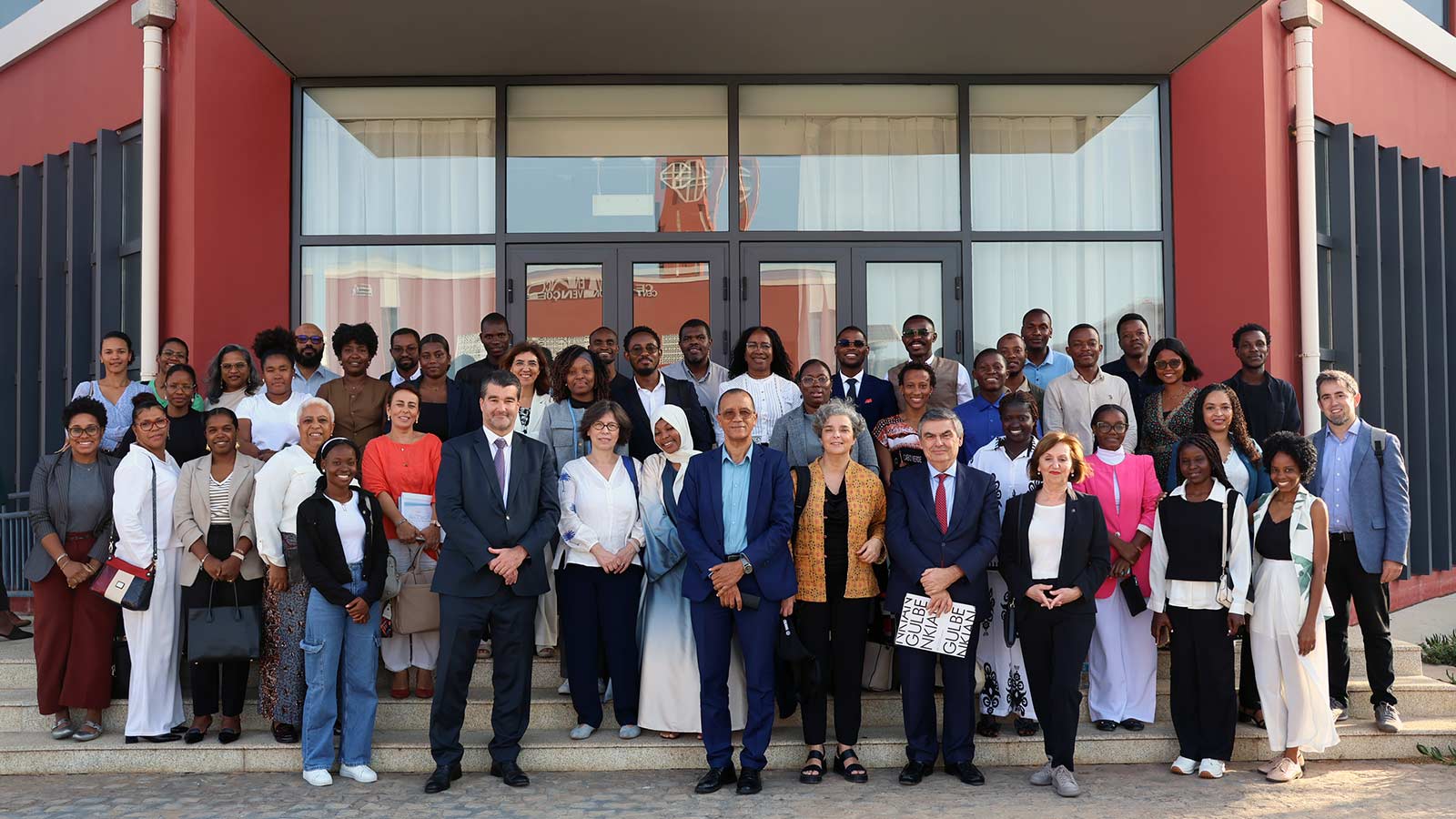
The first participants in the Programme, coming from Angola, Cape Verde, Guinea-Bissau, and Mozambique, will have the opportunity to deepen interdisciplinary skills in Biology, Mathematics, Chemistry, Physics, and English, as well as gain access to practical laboratory experience through specialised modules, in direct contact with academic and industrial environments in Portugal or in African countries.
The Scientific Acceleration Programme begins with the course “Scientific Research in Biomedicine”, launched on 5 February at the Mediatheque of the University of Cape Verde. The ceremony was attended by representatives of all the entities involved in the project.
The Scientific Acceleration Programme is a joint initiative of the Calouste Gulbenkian Foundation and the GIMM – Gulbenkian Institute for Molecular Medicine, in partnership with the Faculty of Medicine of the University of Lisbon and the University of Cape Verde, and is funded by the Calouste Gulbenkian Foundation.

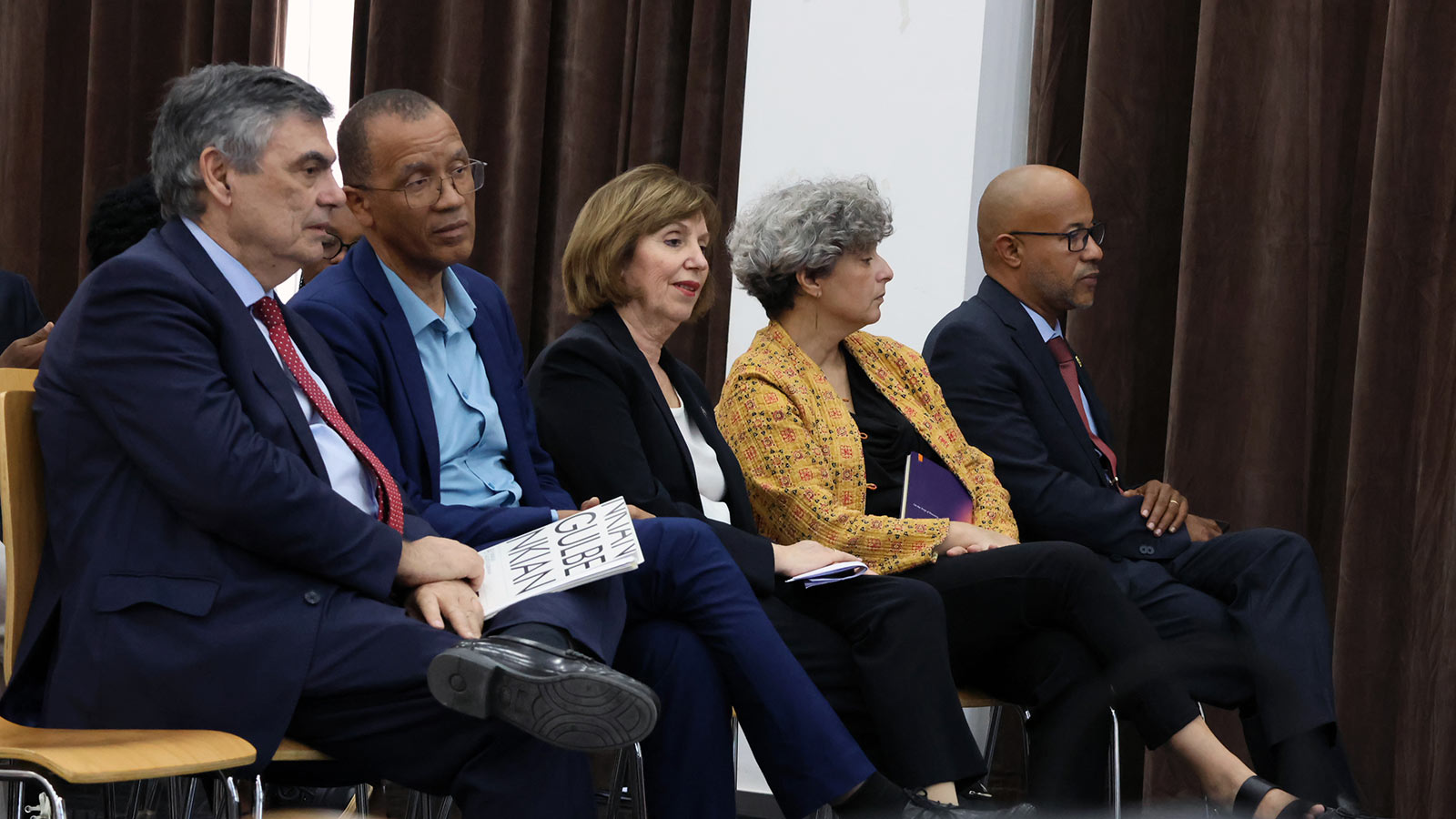
The Biomedicine Research course provides intensive training over 17 weeks in areas such as Biology, Mathematics, Chemistry, and Physics, along with advanced training (9 weeks) covering various topics in health and life sciences, including laboratory techniques and transversal skills. It will also involve collaboration with renowned African institutions to support training and strengthen participants’ access to scientific networks.
In parallel, English classes will be offered to improve participants’ proficiency, as well as a mentoring programme in which each student will have a mentor to guide them throughout the programme and support them in identifying a placement for their internship.
The course takes place over 11 months at the University of Cape Verde, where the students are based. After this period, they will undertake practical internships in laboratories and/or industry for six months. The internships may take place in Europe, particularly in Portugal, or in leading institutions in an African country, whether in research centres or in industry.