
Quinta de Crasto restoration wins 2026 Gulbenkian Heritage Prize
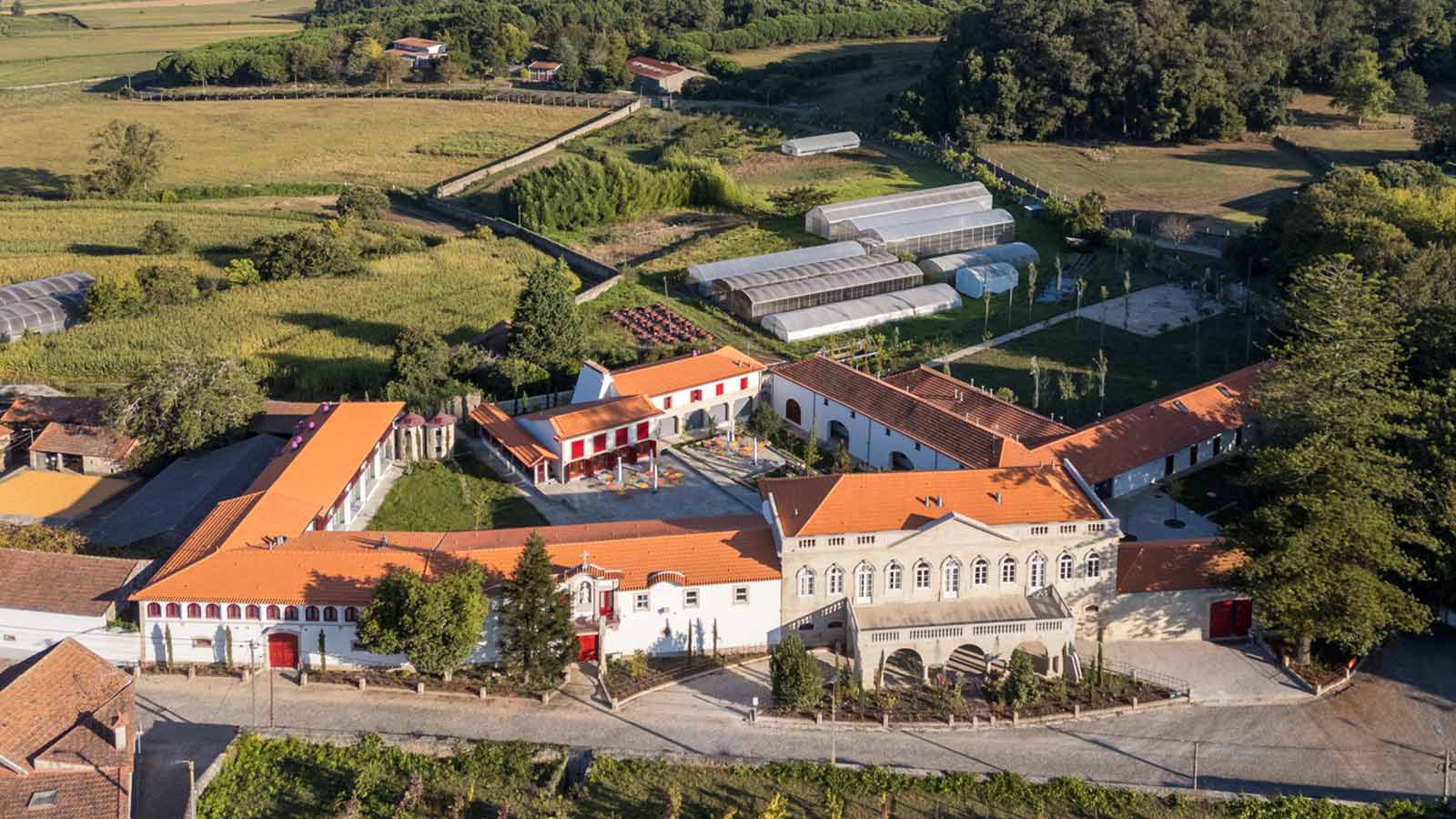
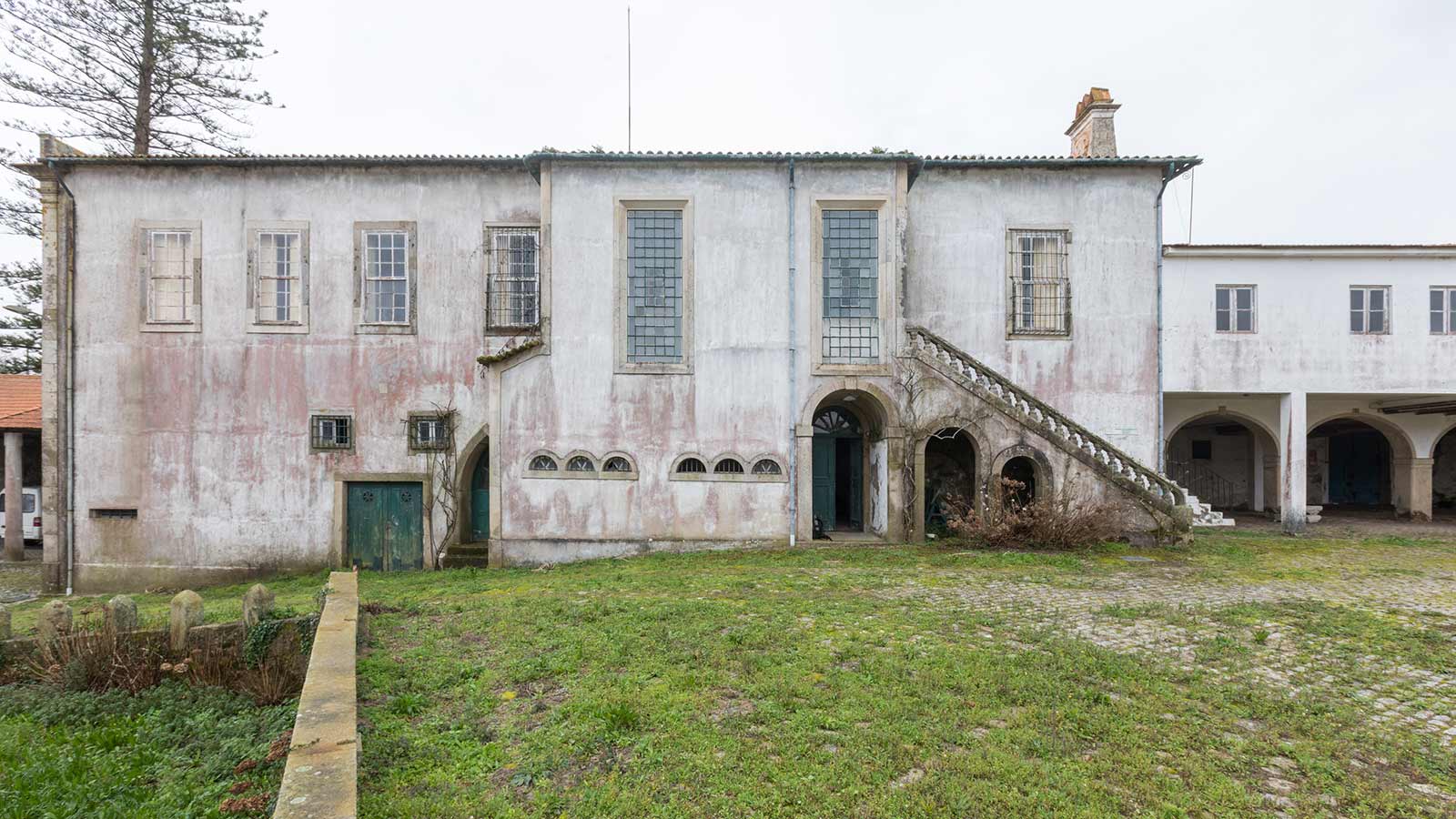
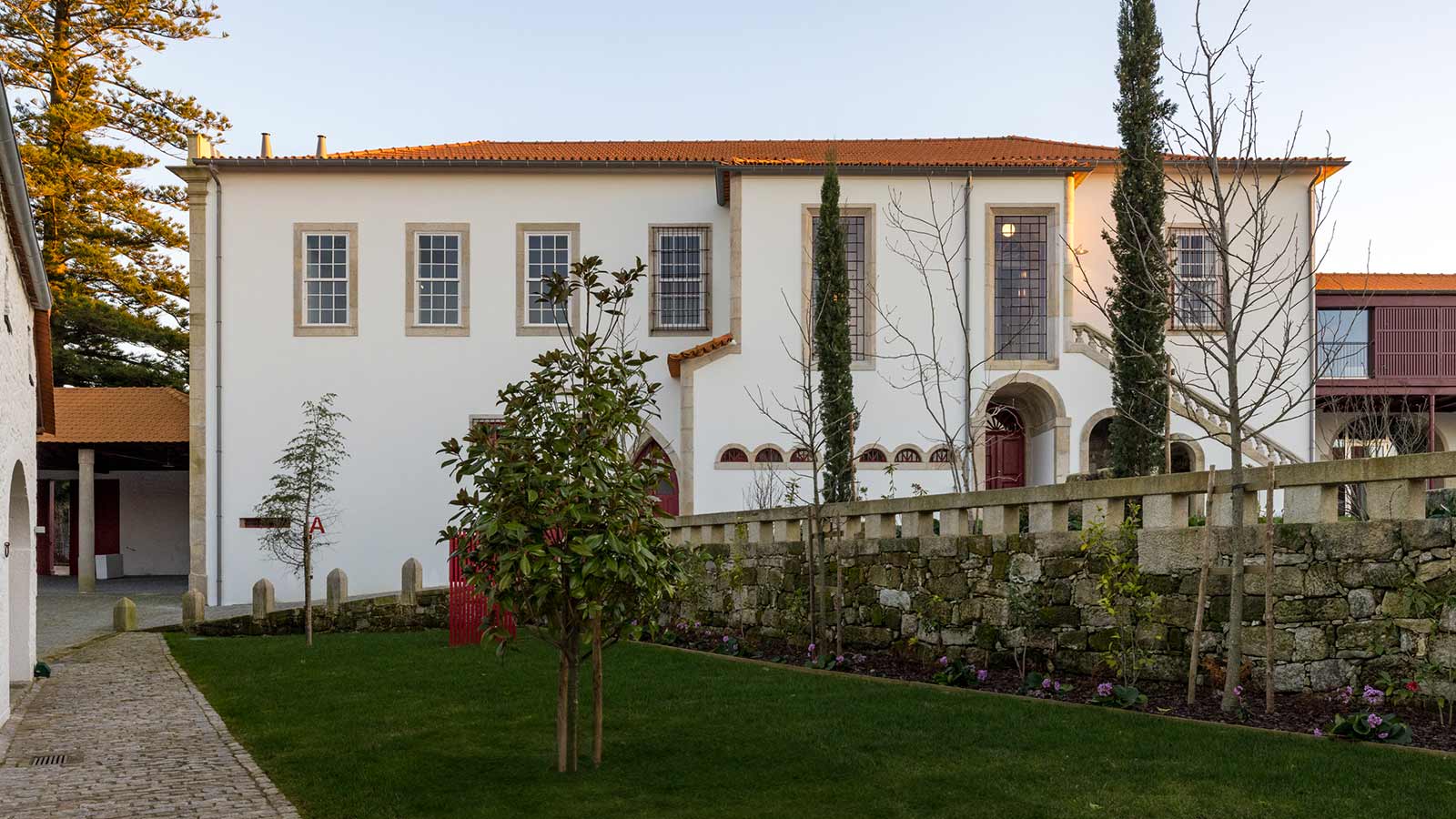
From the outside, there is little to suggest what lies within. In Vairão, Vila do Conde, a road winds through a landscape historically shaped by a patchwork of open fields, woodland and scattered rural settlements. All that can be seen from the road is a mid-19th-century manor house surrounded by an old stone wall.
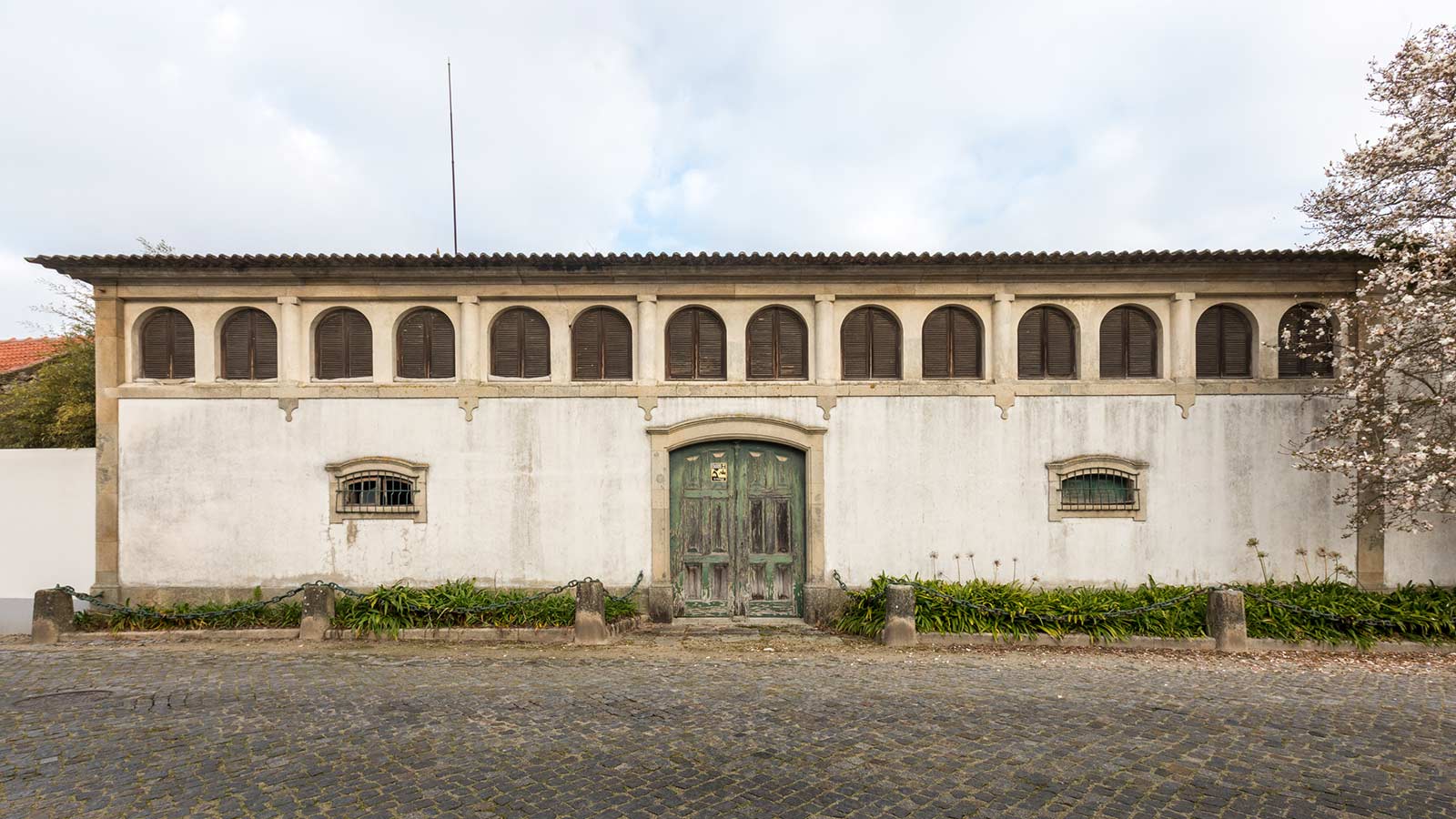
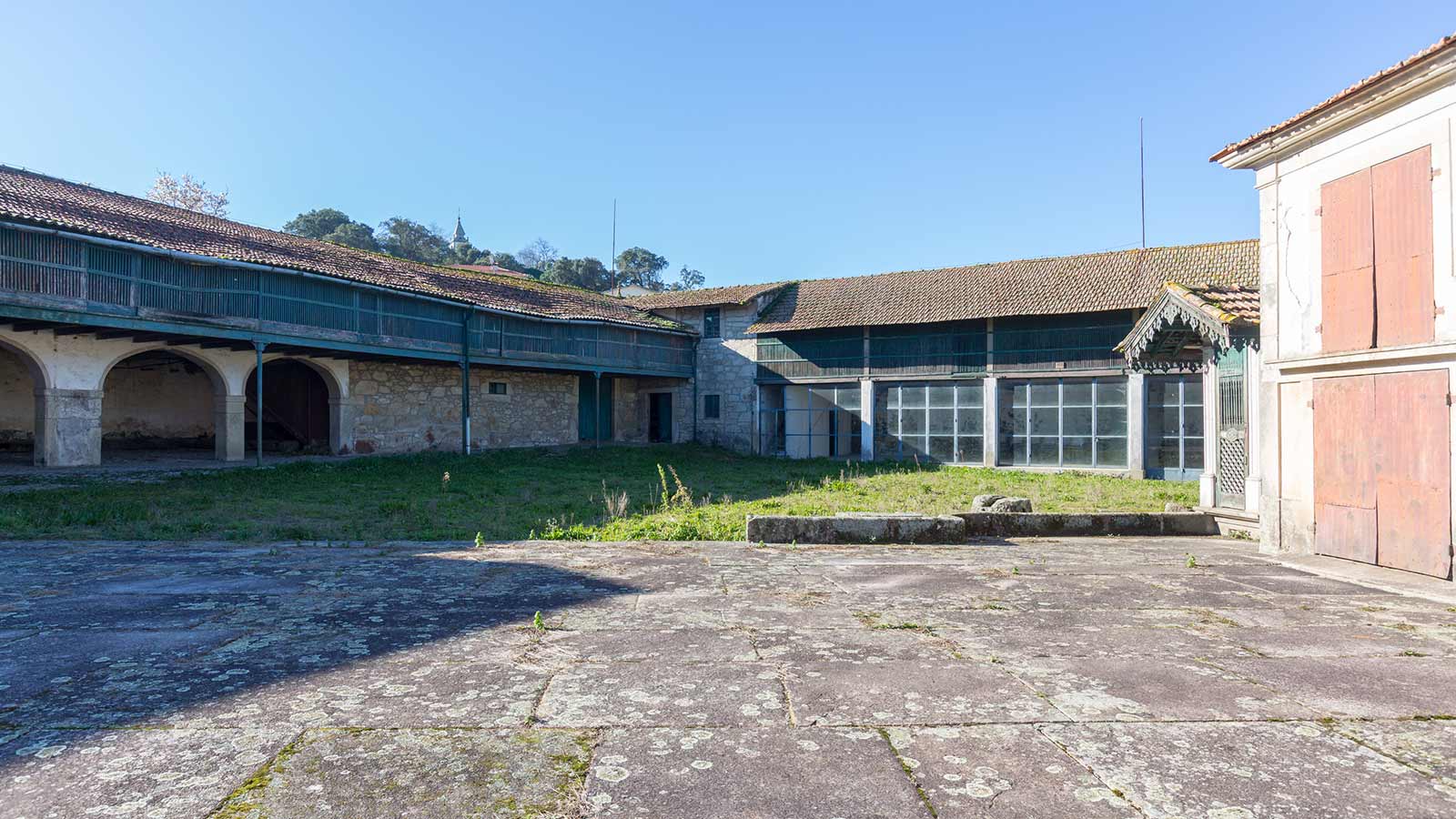
Built by Bento Amorim, son of the Baron of Rio Ave and a former mayor of Vila do Conde, the estate comprised farmland, a manor house, a threshing floor, a traditional granary, drying sheds and other agricultural buildings, all arranged around a central courtyard. The estate was so prosperous that, in 1930, it received a visit from members of the Portuguese government, as documented in photographs from the time. Almost three decades later, the property was sold to the State, which established the regional Directorate-General for Agriculture of Entre Douro e Minho on the site. Following the Carnation Revolution of 1974, it became a training centre for farmers and subsequently housed an Agricultural Museum (1989–2007). Thereafter, the estate fell into serious disrepair.
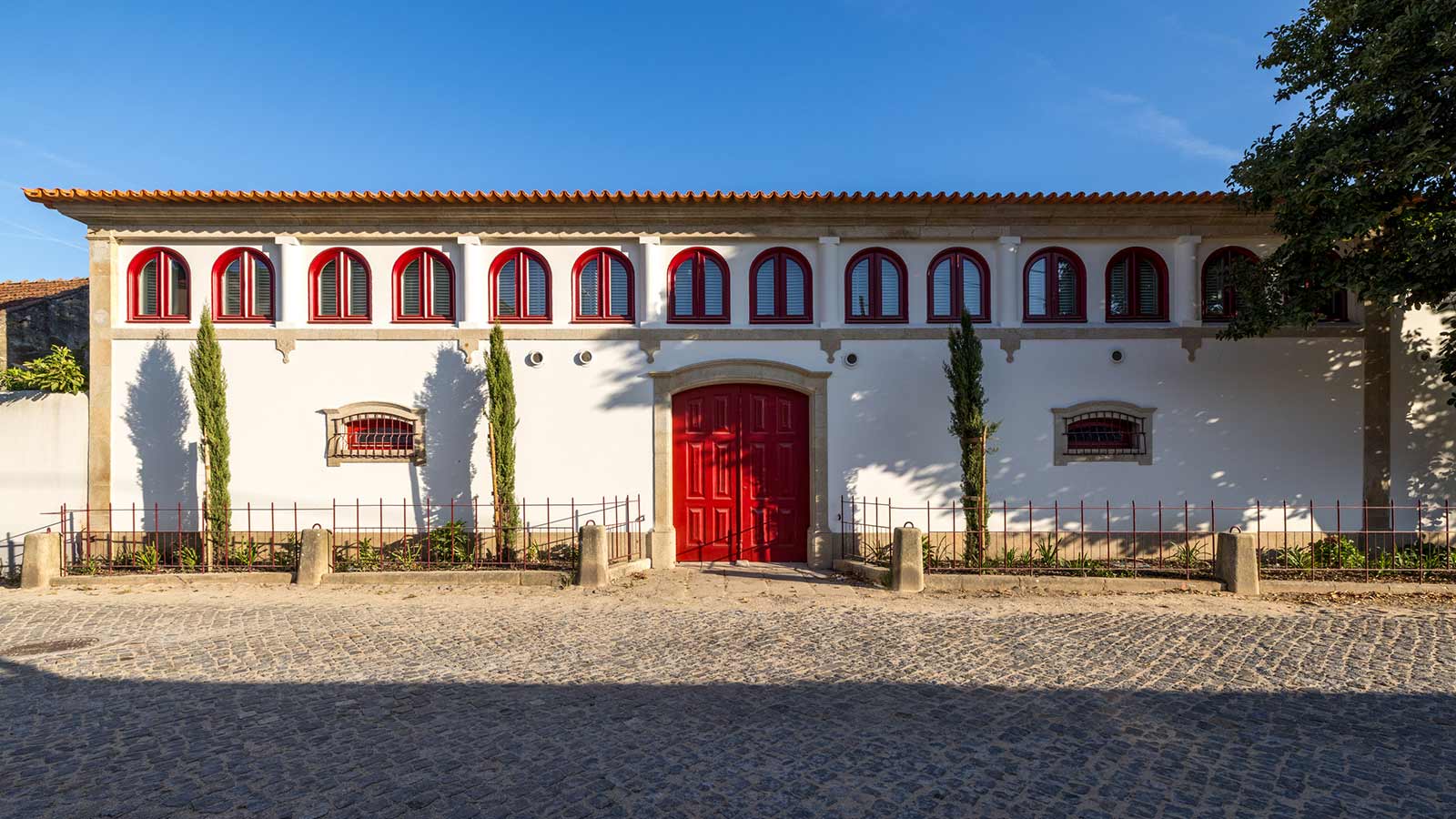
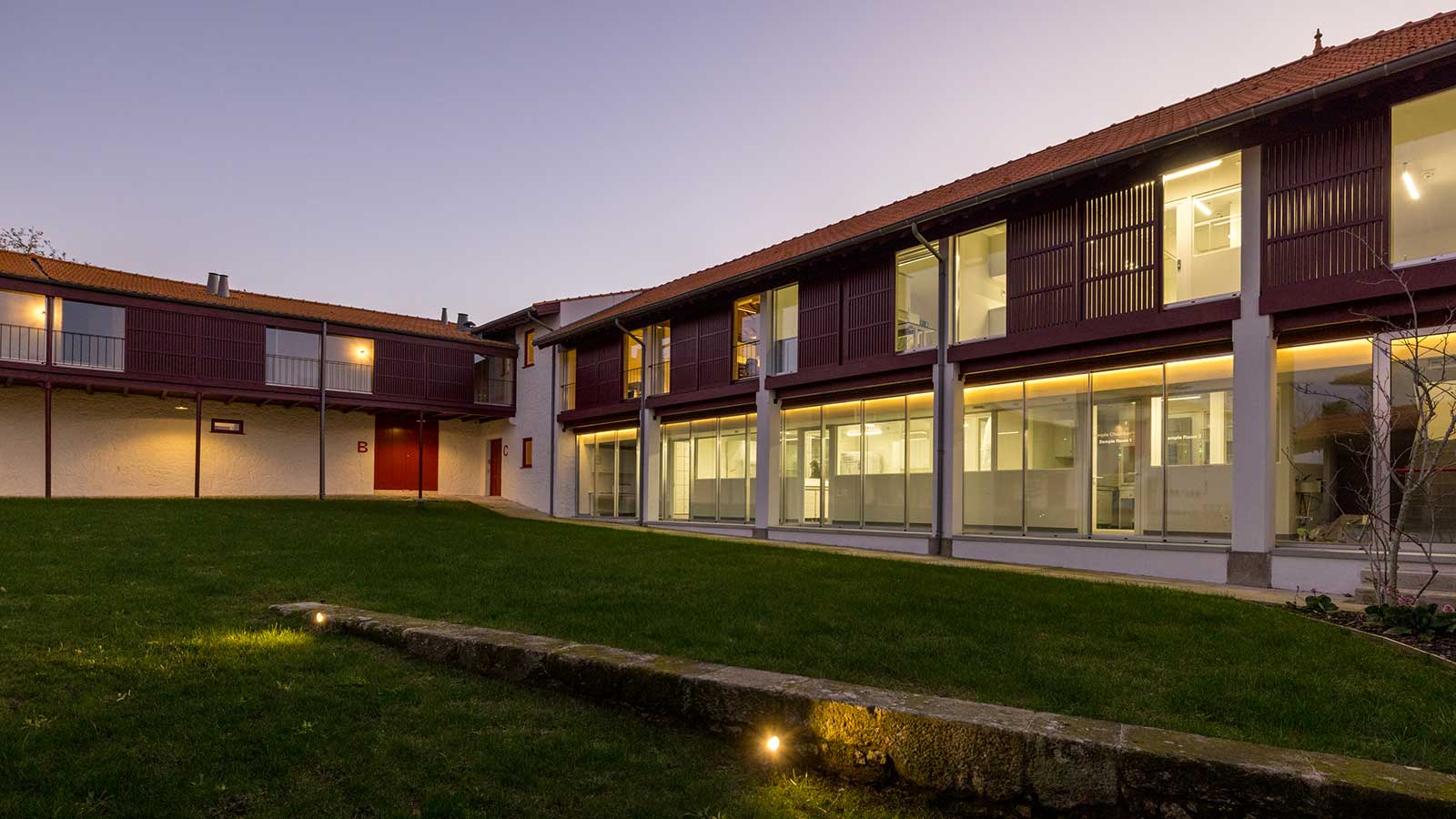
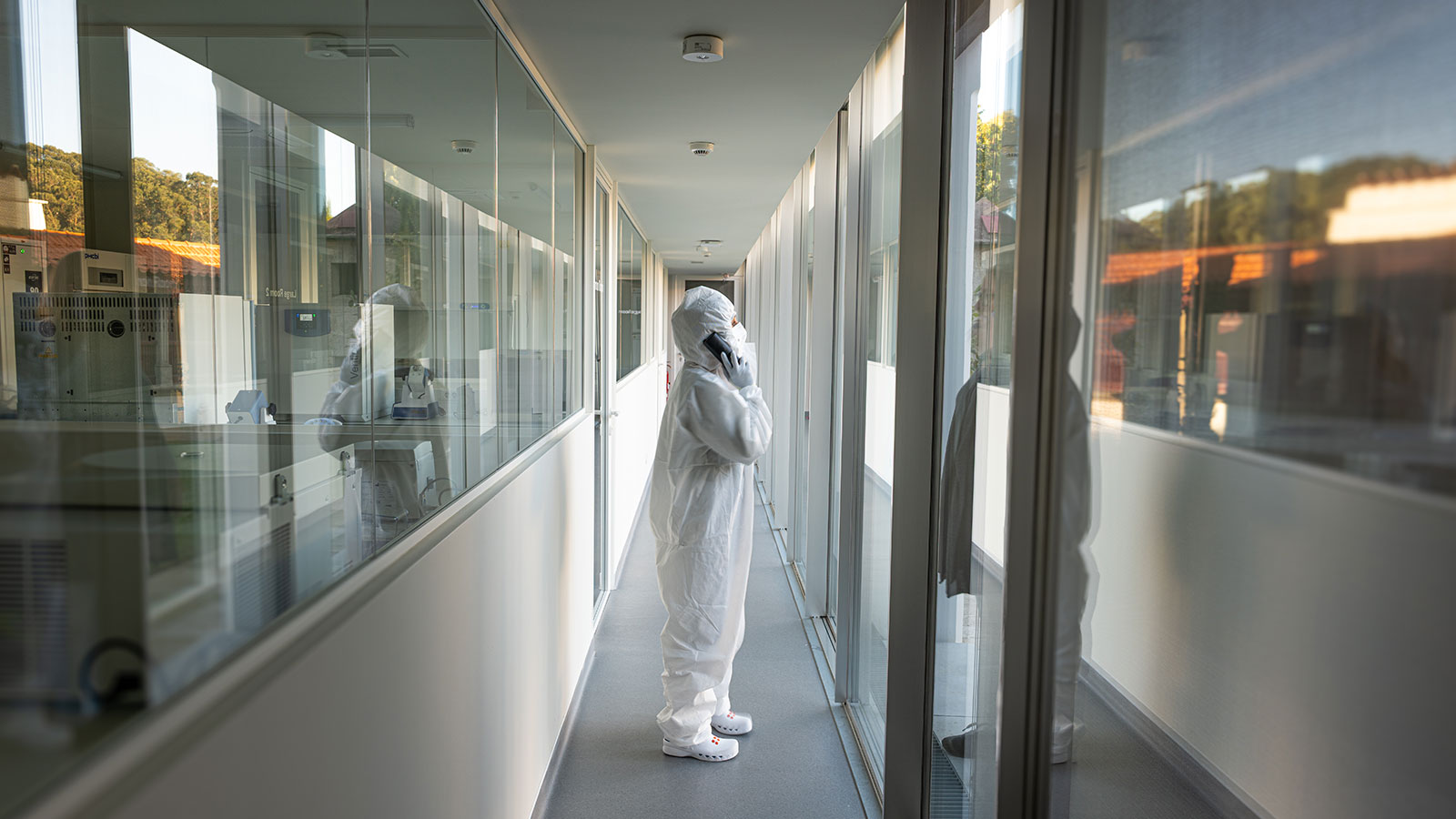
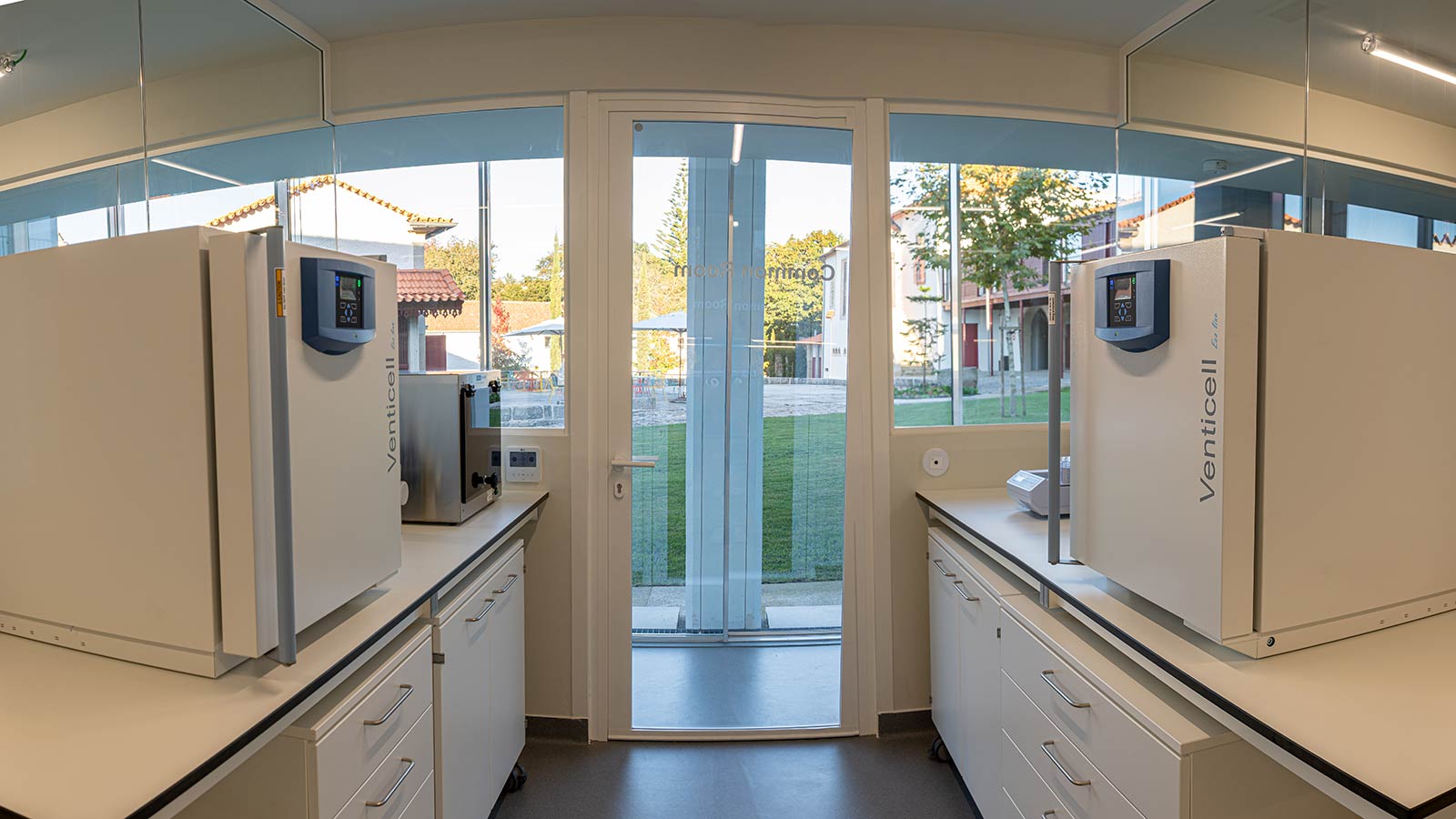
Today, beyond those walls, an entirely different world has taken shape. The traditional granary has been restored and stands beside the former threshing floor, now home to an outdoor seating area with colourful tables and chairs. The surrounding buildings have been renovated and adapted to accommodate the headquarters of the BIOPOLIS Association, a research centre established under the European Teaming for Excellence programme, dedicated to biodiversity research and knowledge transfer. Where grain, farming equipment and livestock once occupied the buildings, there are now offices, meeting rooms, state-of-the-art laboratories and greenhouses – an entire complex devoted to scientific research and biodiversity.
No results were found for your criteria. 
Among these facilities, the BIOPOLIS Ancient and Environmental DNA Laboratory stands out. Developed in collaboration with the University of Oxford, it is Portugal’s first facility dedicated to ancient DNA research. It will enable scientists to recover and study DNA preserved for thousands of years in archaeological remains, while strengthening the centre’s research capabilities in three other key areas: environmental DNA, museomics and wildlife forensics. As part of the Quinta de Crasto restoration project, the new laboratory is perhaps the clearest expression of how historic heritage can be preserved while accommodating cutting-edge scientific infrastructure.
The transformation was carried out in collaboration with the architectural practice Nuno Valentim, which submitted the project for the Gulbenkian Heritage Prize – Maria Tereza and Vasco Vilalva. The jury, chaired by António Lamas, praised the “exceptional quality of the restoration work, both on the manor house and the agricultural buildings”, as well as the “profound and dynamic multidisciplinary approach” of the BIOPOLIS Association and its “active engagement with the aspirations of the surrounding area”.
The jury also highlighted the multidisciplinary collaboration behind the project, bringing together architects (led by Nuno Valentim), landscape architects (led by Paulo Farinha Marques), engineers, graphic designers, conservation and restoration specialists, and scientists (under the scientific direction of Nuno Ferrand de Almeida, Director of BIOPOLIS). Their work reflects a shared commitment to rigour and cultural responsibility.
Honourable Mentions
In addition to the winning project, the jury of the Gulbenkian Heritage Prize – Maria Tereza and Vasco Vilalva, comprising António Lamas (Chair), Gonçalo Byrne, Raquel Henriques da Silva, Rui Vieira Nery and Santiago Macias, recommended three honourable mentions.
Restoration of Casa Cedo, Rua da Cedofeita, Porto
The jury recognised the restoration and adaptive reuse of a residential property that originally comprised a single unit, with living accommodation on the upper two floors of the main building and spaces for services on the ground floor and in an extension built in the courtyard.
The care taken in the restoration, together with the meticulous documentation of the work, was considered particularly deserving of an honourable mention.
Restoration of Casa d’Abreu Neto (Siza Vieira), Matosinhos
Built between 1954 and 1956 in Matosinhos, Casa d’Abreu Neto is one of the celebrated Four Houses of Matosinhos, the first complete architectural project by Álvaro Siza Vieira, designed when he was just 21 and still a student at the Porto School of Fine Arts.
Beyond its architectural significance, the jury also praised the approach taken to the house’s continued use. Preserved as a family home across four generations, it is now being opened to the public through a varied programme of activities, while retaining its character as a living, habitable and recognisable domestic space.
Restoration of the former shelter at Miguel Bombarda Psychiatric Hospital – Valentim de Barros Studio, Lisbon
The Valentim de Barros Studio occupies a building originally designed as an open-sided shelter where male patients could walk and spend time outdoors. It was later enclosed and converted into a performance space for the hospital’s therapeutic community.
The restoration has created a highly versatile, multipurpose black-box performance space capable of accommodating a wide range of projects, while preserving and enhancing the building’s original architectural features.
The studio is an example of how the conservation of tangible and intangible cultural heritage can go hand in hand with the preservation of historical memory, the promotion of contemporary artistic and cultural creation, and community engagement.
More info