
New Oncology Unit on the Island of São Vicente
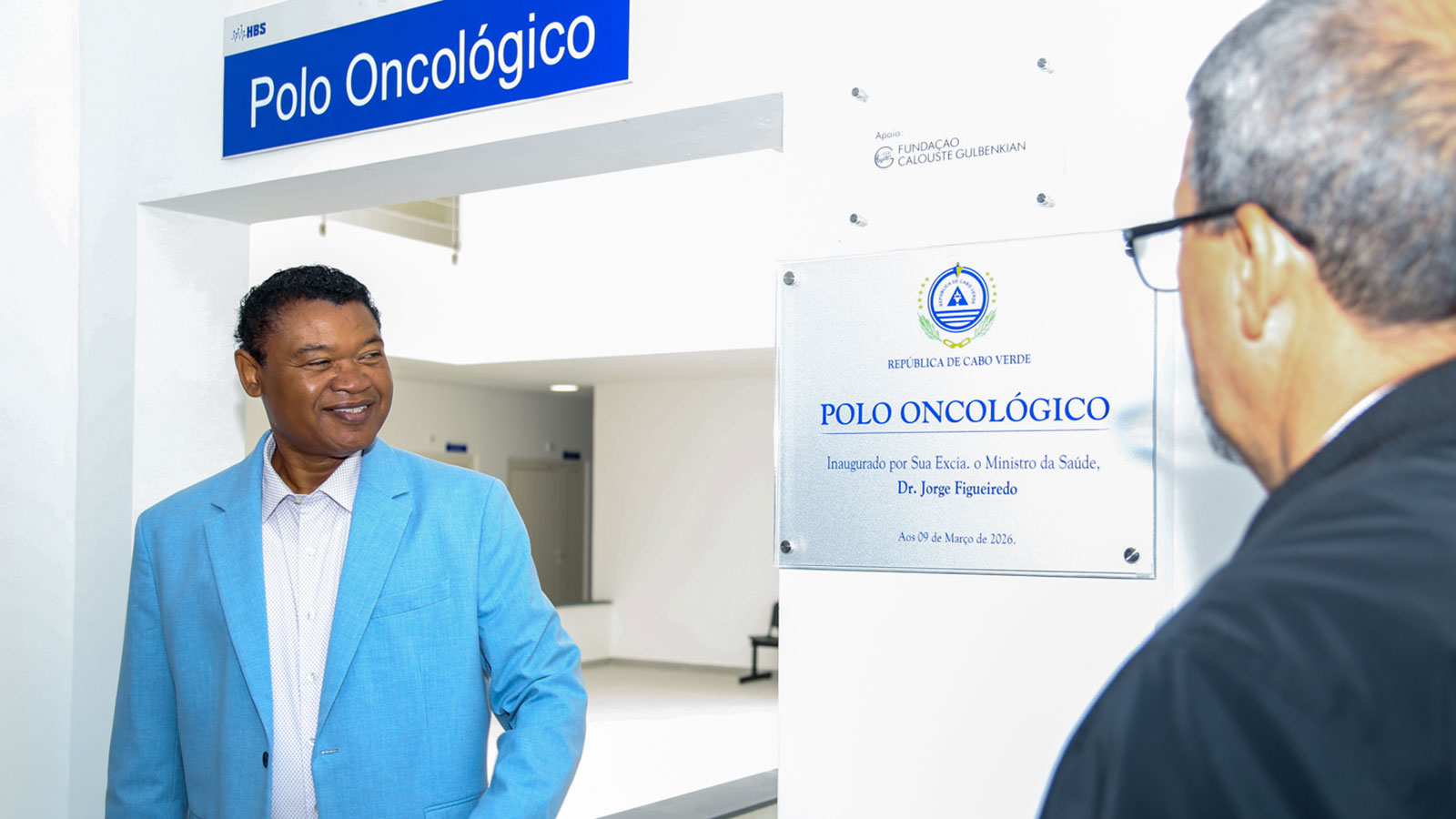
The new unit, inaugurated on 9 March by the Cape Verdean Minister of Health, aims to respond to the rising incidence of cancer in the country – the second leading cause of death after cardiovascular diseases – and will serve the islands of the Cape Verdean windward region, which previously lacked accessible treatment options nearby.
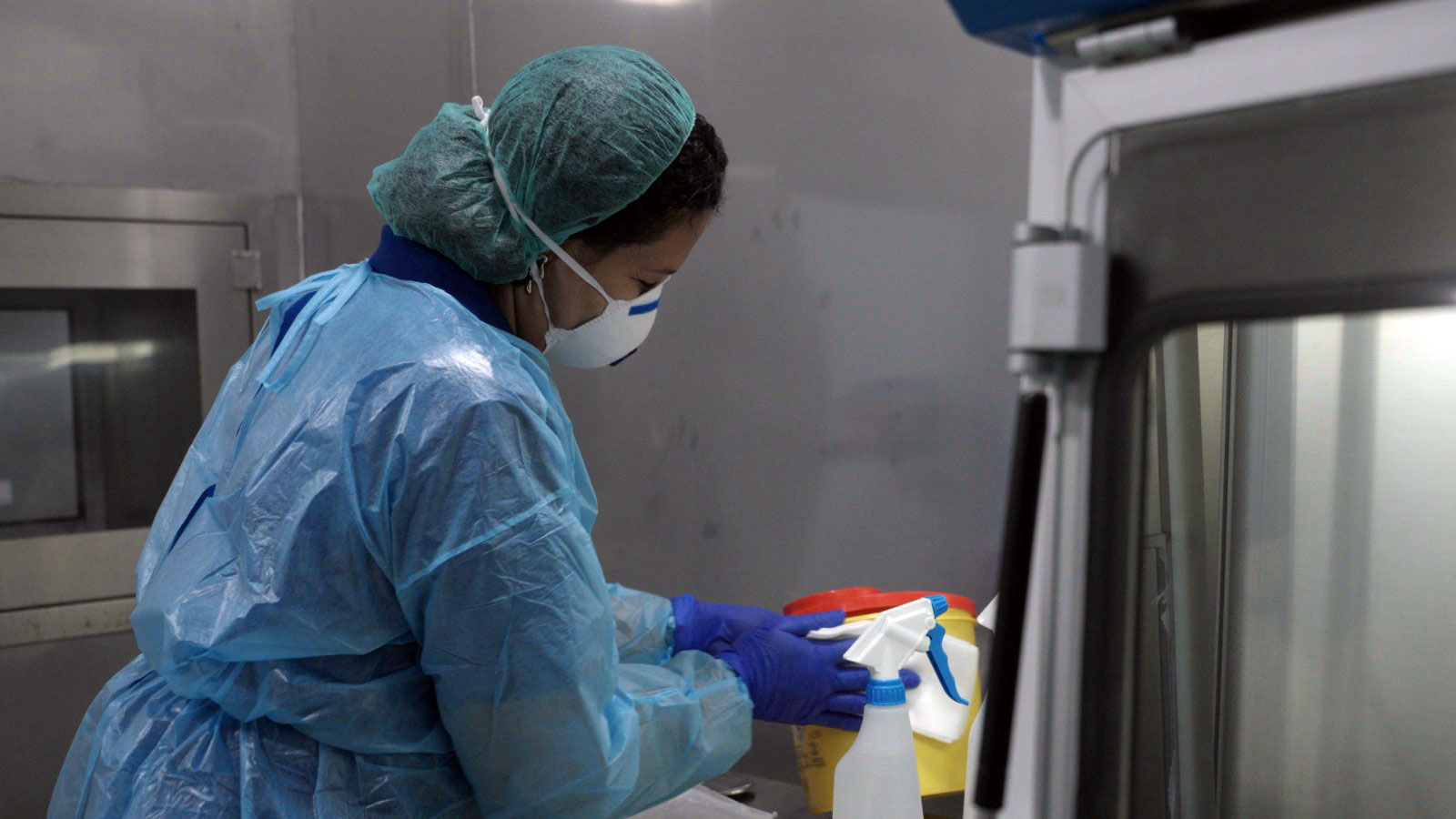
In this unit, patients will be able to receive chemotherapy, significantly expanding access to care and reducing inter-island medical evacuations. To enable the unit’s operation, new equipment has been acquired, including an isolator chamber for chemotherapy preparation and infusion pumps, which will strengthen therapeutic capacity.
According to Carla Barbosa, coordinator of the National Programme for the Prevention and Control of Oncological Diseases and Cancer Registry of Cape Verde, estimates indicate around 500 new cancer cases per year, with breast and prostate cancer being the most common. For the coordinator, this new unit represents “a concrete response and an effort by Cape Verde to develop its health system”.
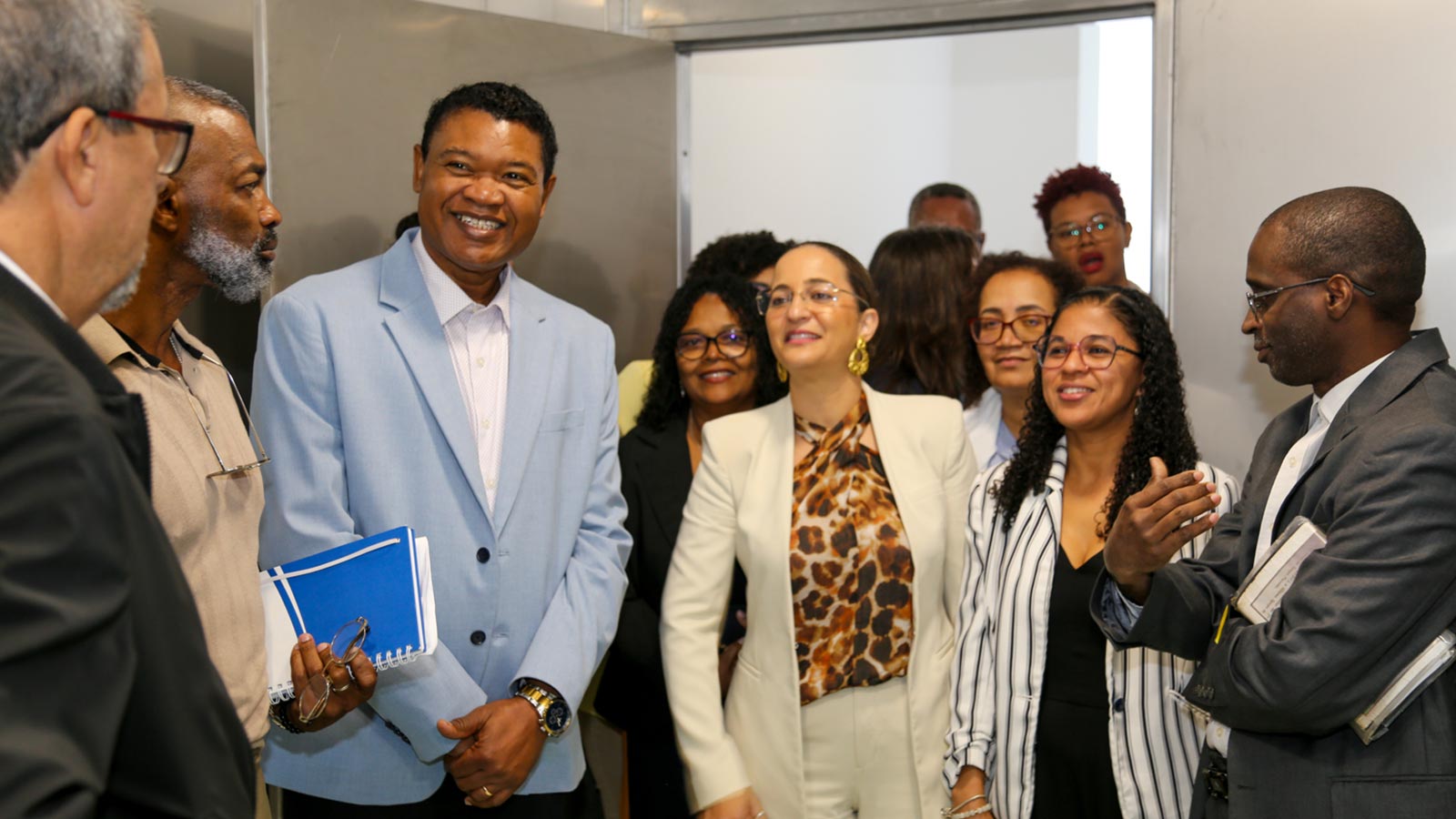
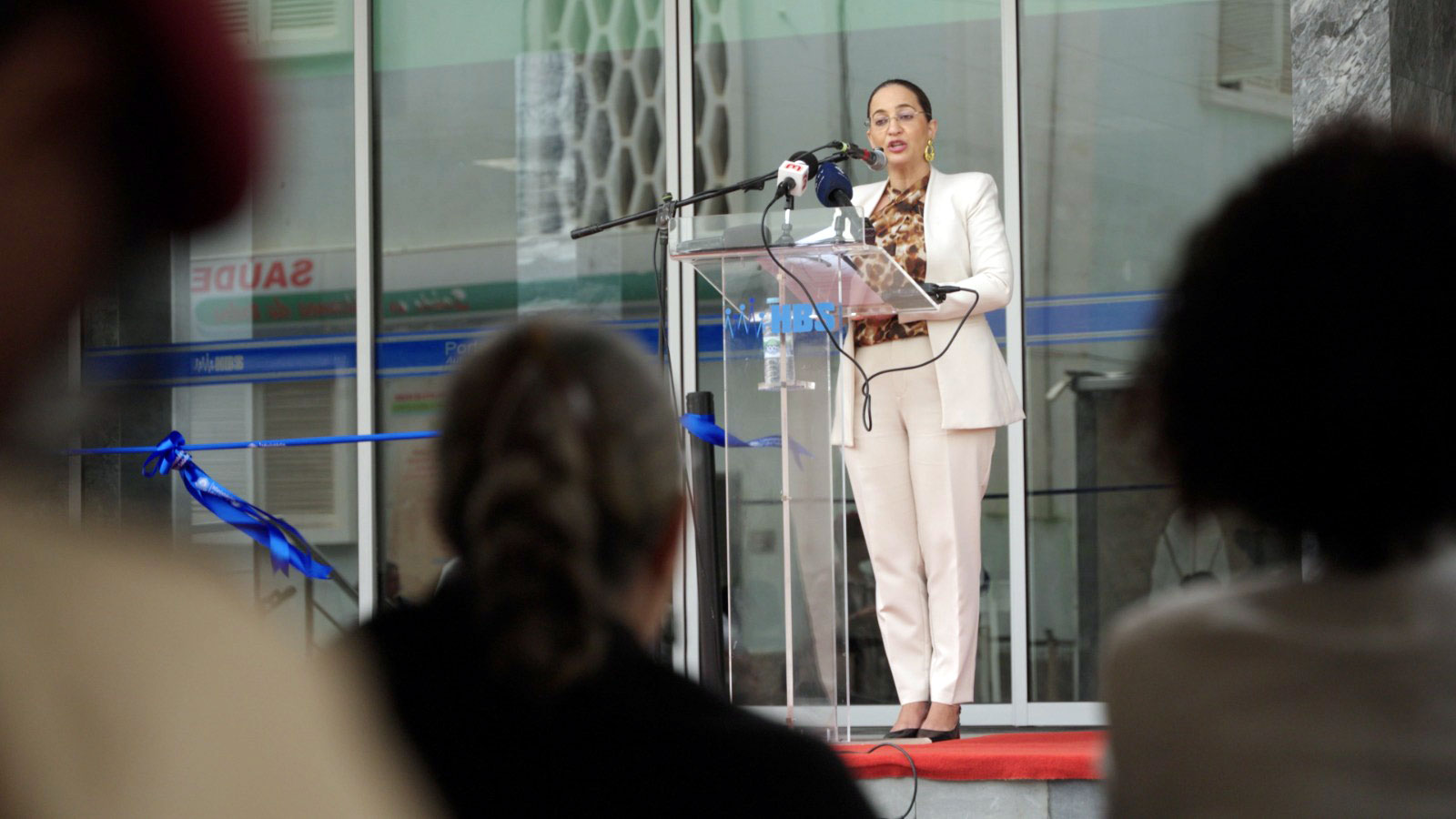
Carla Barbosa highlights that the work carried out in recent years is based on three essential pillars: diagnosis, treatment, and oncology training. “The results achieved are already having an impact,” she noted. Specialised training of Cape Verdean professionals in Portugal in key oncology areas such as pathology, imaging, gynaecology, palliative care, breast and prostate cancer surgery, cytotoxic preparation, and cancer registry has “reinforced essential areas in the country’s approach to cancer”, she concluded.
The inauguration of the oncology wing at Batista de Sousa Hospital in Mindelo marks the final phase of the Onco‑CV project. Launched in 2024, this project emerged from the need to continue the partnership between the Cape Verdean Ministry of Health and the Calouste Gulbenkian Foundation in the field of oncological care. The project has contributed to an increase in cancer surgeries and chemotherapy sessions, as well as a reduction in the number of patient evacuations to Portugal, by investing in the training of healthcare professionals and the acquisition of specialised clinical equipment.