
Discussing climate solutions in the “heart” of the planet
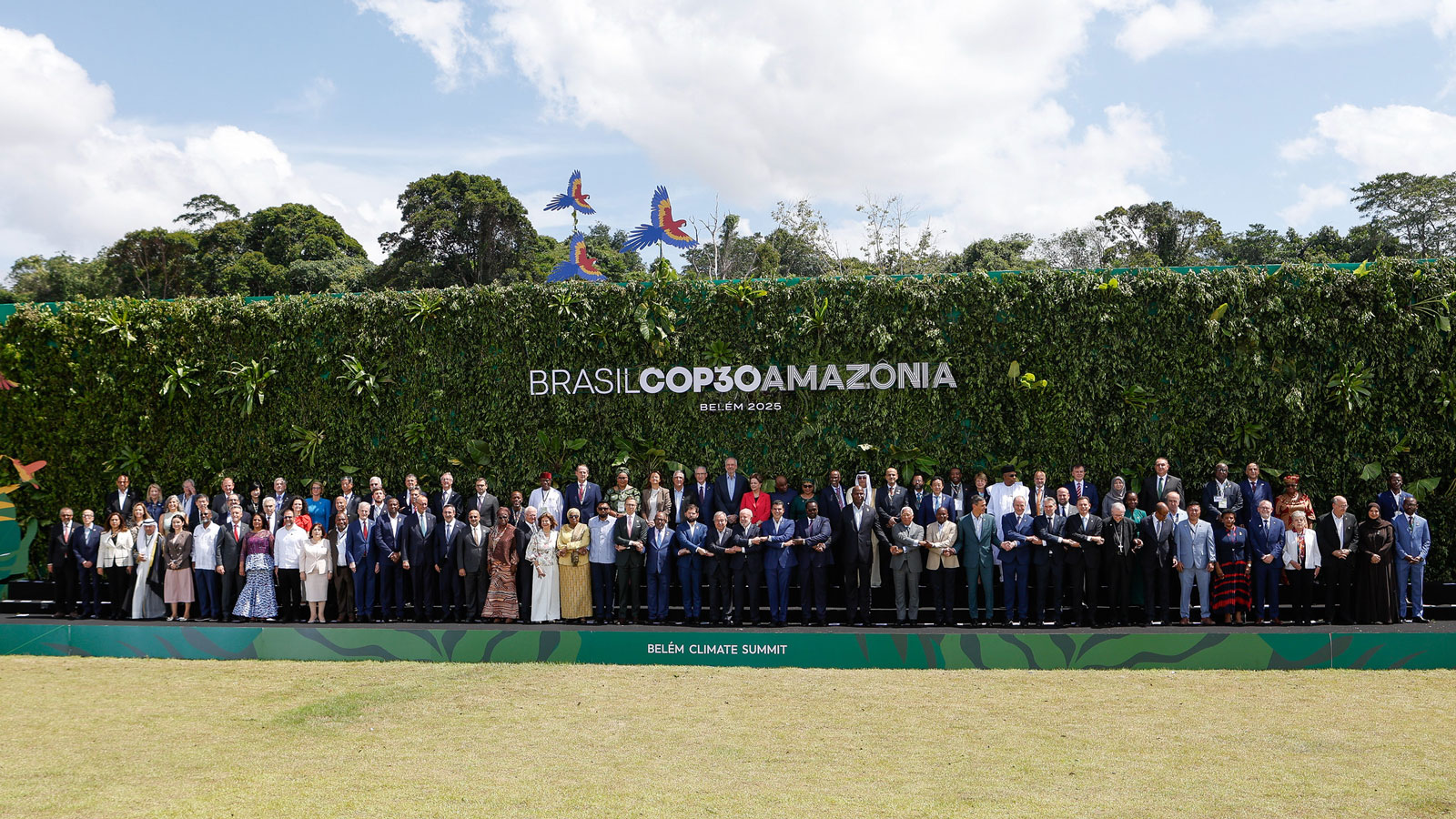
The 30th Conference of the Parties (COP30) of the United Nations kicked off on 10 November. This global forum brings together government representatives from around 200 countries, alongside civil society organisations, universities, research and science centres, businesses, and philanthropic institutions. It is a privileged space for climate policy decisions, where concrete actions to tackle climate change are negotiated and agreed upon.
COP30: why is it important?
The COP began in Rio de Janeiro in 1992 and has since become a pivotal event in the negotiation of global targets aimed at combating climate change.
In 2015, it hosted the signing of the historic Paris Agreement, an international treaty aimed at limiting the rise in the global average temperature to 1.5 °C above pre-industrial levels. The agreement set out further commitments, including reducing greenhouse gas emissions, protecting ecosystems and supporting vulnerable communities.
However, translating political commitments into concrete actions has proven challenging. The successful completion of the first decade of this Agreement thus makes COP30 a pivotal moment, as it will provide an opportunity to collectively assess the world’s progress in tackling climate change through the Global Stocktake. This process will entail identifying any shortcomings and determining the urgent actions required to adjust the Nationally Determined Contributions of the signatory countries.
This COP is taking place at a time when progress and setbacks are both evident. On the one hand, public awareness of the climate emergency is growing and positive changes are being achieved in energy production patterns. This is particularly evident in Portugal, where the capacity of installed renewable energy has grown by almost 75% since 2015.
Conversely, some countries have backtracked on their previous commitments, and global emissions remain high, resulting in severe droughts, ecosystem degradation and loss of biodiversity, as the impacts intensify.
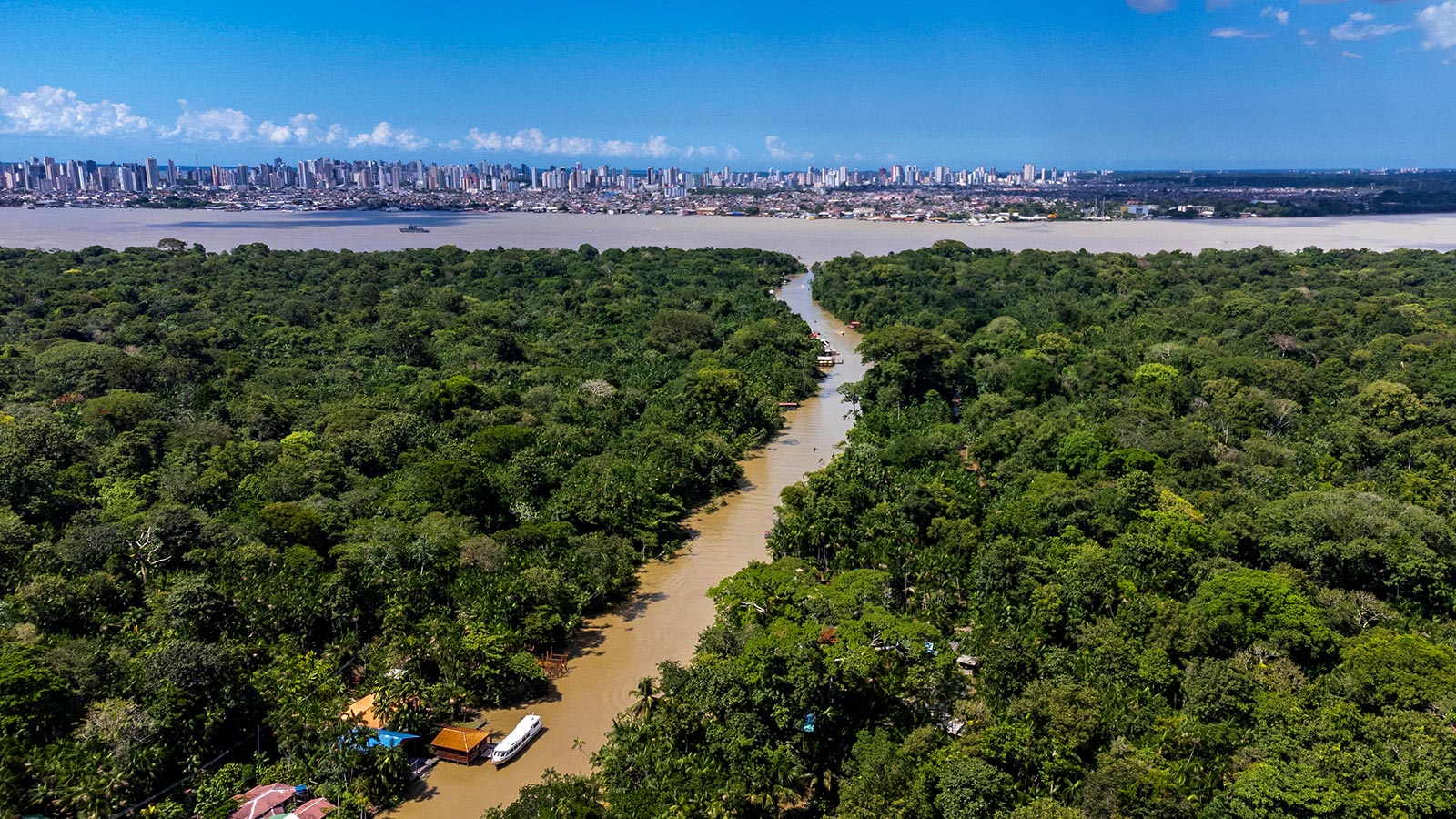
The location of COP30 is particularly significant in this regard: for the first time, the climate debate is taking place in one of the planet’s most critical ecosystems – the Amazon –, with issues such as climate justice, the protection of tropical forests, and the role of indigenous peoples and local communities in climate action at the forefront.
The Calouste Gulbenkian Foundation’s involvement
In recent years, the Calouste Gulbenkian Foundation has regularly attended the COPs, as part of its work in areas such as climate action, sustainable natural resource management, ocean protection and enhancement, just energy transitions, and biodiversity protection.
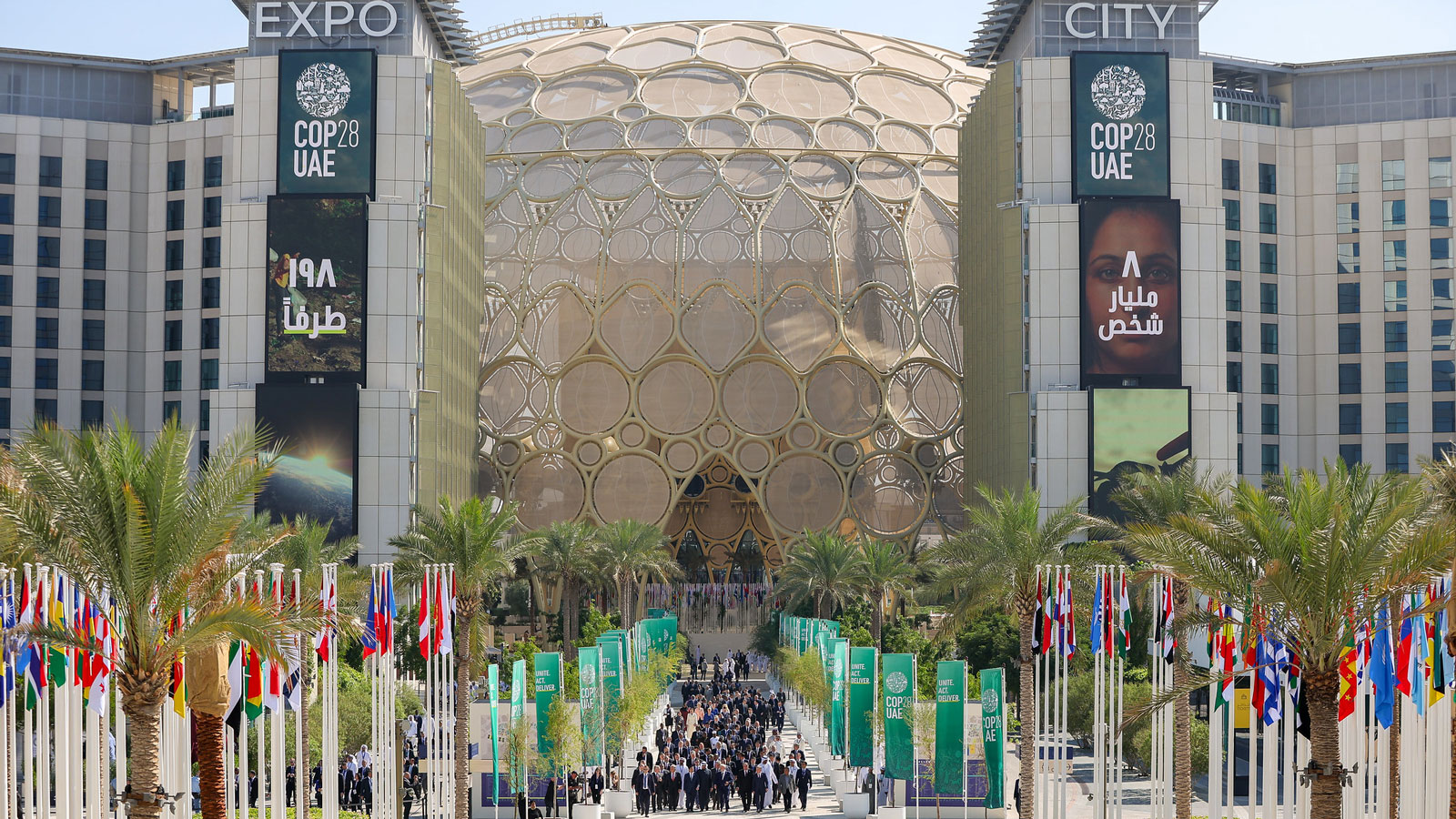
Attending this United Nations forum has not only increased the international visibility of the work carried out in this area, but has also helped to build collaborative bridges, monitor global climate negotiations, and raise awareness of the emerging solutions being developed in Portugal and other regions of the world.
The Calouste Gulbenkian Foundation, as part of the Portuguese delegation, will be responsible for organising two public sessions at the Portuguese Pavilion.
Restoring the Atlantic Forest: A Success Story from Gulbenkian Prize for Humanity Winners
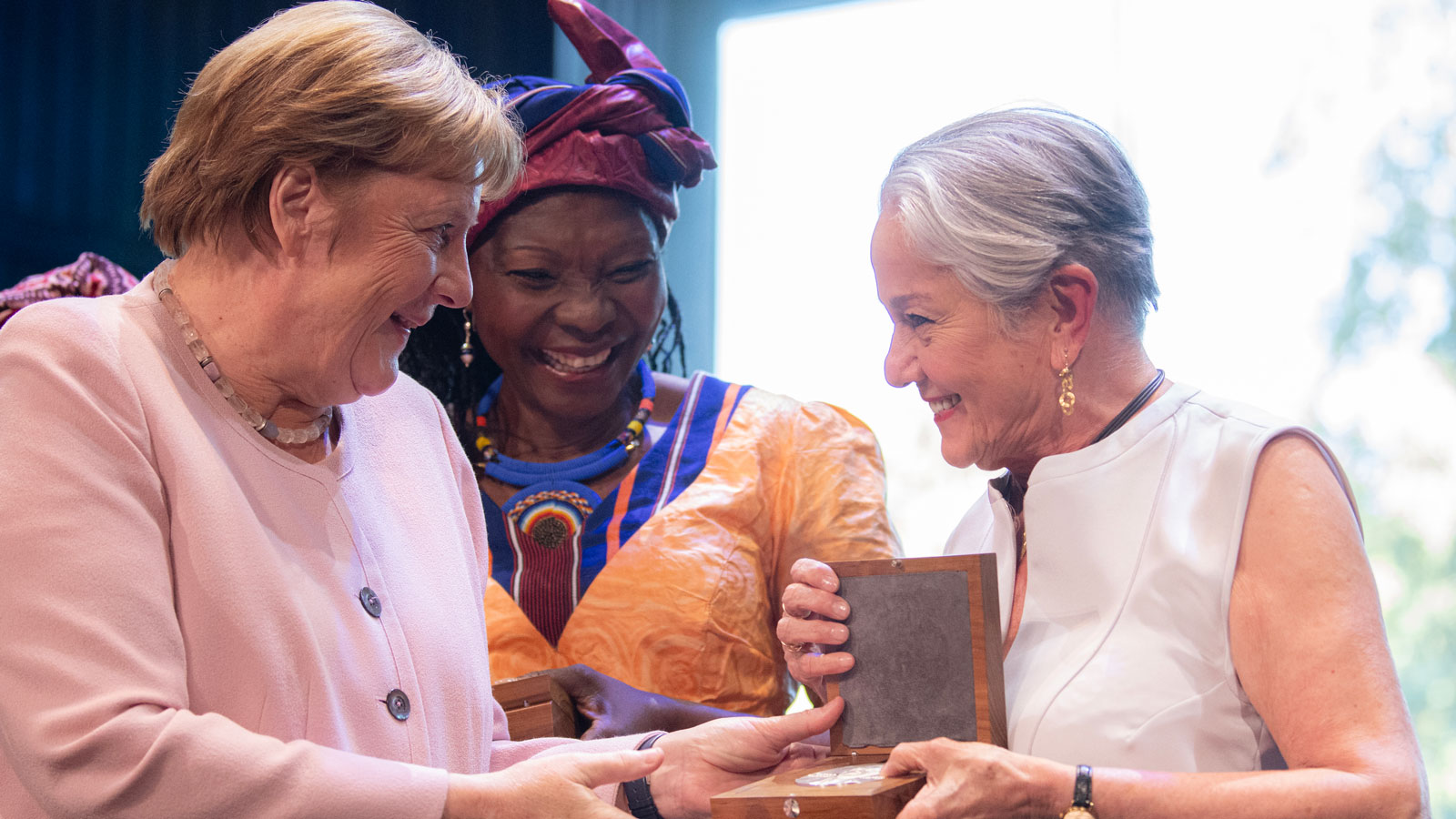
The first session, which will highlight the inspiring journey of Lélia Wanick Salgado, winner of the 2023 Gulbenkian Prize for Humanity, will take place on 18 November at 8pm Lisbon time (5pm Belém time). Ms Salgado founded the Instituto Terra organisation, which has restored vast areas of Brazil’s vital Atlantic Forest ecosystem.
The session will begin with a presentation by renowned climate scientist Johan Rockström, juror of the Gulbenkian Prize for Humanity, on the role of carbon sinks, such as the Amazon, and the urgent need to protect them.
This will be followed by a conversation between Lélia Salgado and Juliano Salgado, President of Instituto Terra. They will share their experience of restoring a large forest, boosting biodiversity in the region, and engaging local communities in the process.
Nominations for the 2026 Gulbenkian Prize for Humanity will open at the same time and close on 30 January 2026.
Changing Climates, Changing Minds: Public Perceptions in Portugal
This is the title of the session to be held on 20 November at 6.45pm Lisbon time (3.45pm Belém time), during which the Changing Climate study will be presented. This study examined how Portuguese citizens perceive and respond to environmental challenges, and how environmental NGOs promote their work and interact with the general public.
The conclusions will be discussed at a roundtable event bringing together representatives of environmental NGOs. These representatives will share their insights on the youth climate movement, generational concerns and innovative ways of encouraging citizens to take climate action.
By participating in COP30, the Gulbenkian Foundation is heading to the “heart” of the planet to show again that it is committed to promoting climate action and protecting biodiversity in Portugal and other countries.