

Colóquio
A biannual journal of thought and creation, published by the Gulbenkian Foundation since 1959, with a special focus on Portuguese-language cultures.
Drawing on literature, it offers critical and contemporary reflections on a wide range of artistic fields, from the visual and performing arts to music, architecture, and other contemporary forms of expression.
Colóquio 222 – circa 1956
Colóquio presents an issue dedicated to tthe year 1956, annus mirabilis in the history of the Gulbenkian Foundation, which celebrates its 70th anniversary in 2026. Issue 222 commemorates both the literary and artistic achievements of that very special leap year and the Foundation’s seven-decade history.
Learn more
Essay
Seventeen essays on literary and artistic works of 1956, with contributions by Colm Tóibín, Veronica Stigger, Eucanaã Ferraz e Frederico Pedreira, among others.
Unpublished works
By Almada Negreiros, Ana Luísa Amaral and Ruben A.
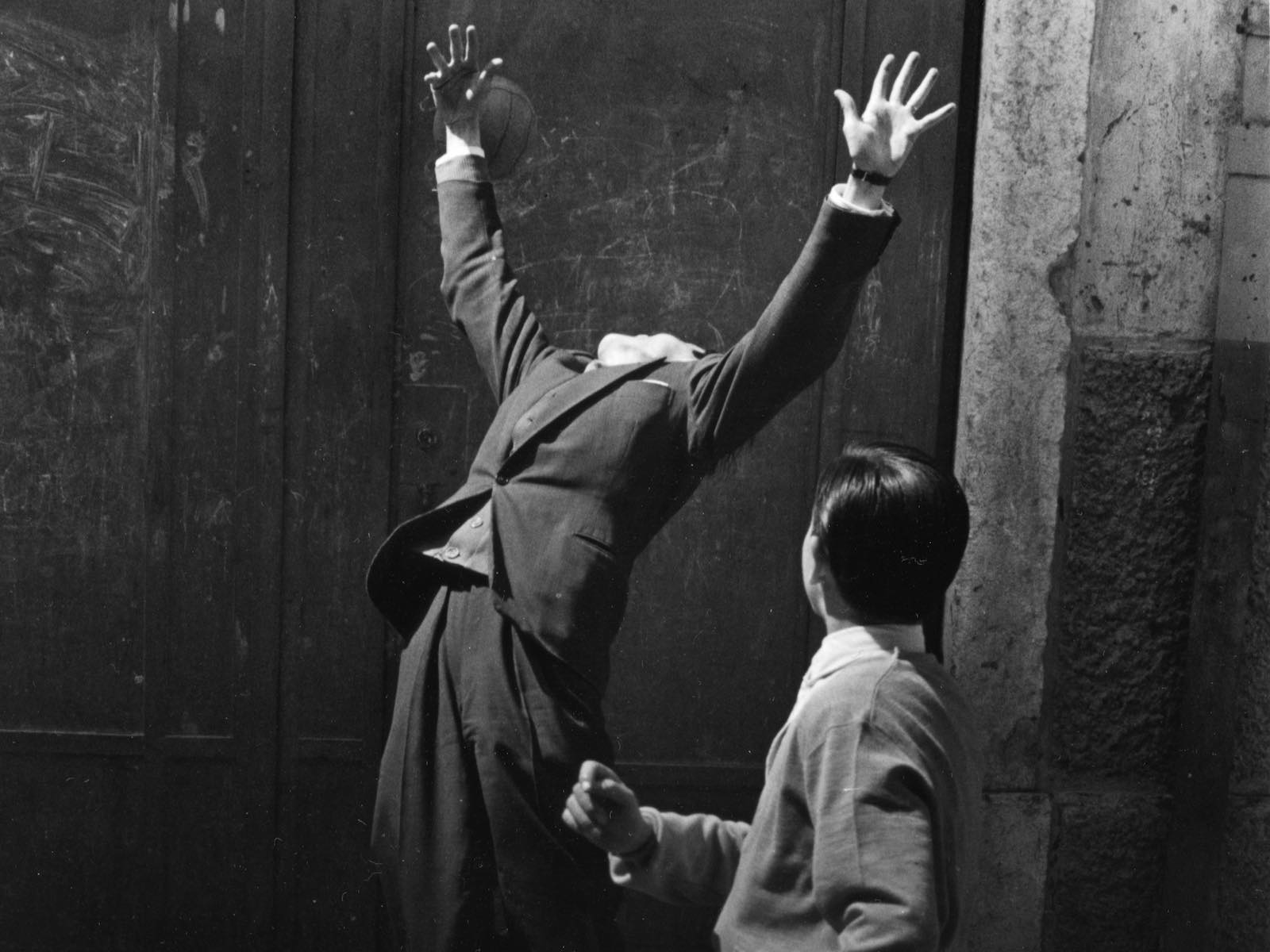
Criticism
More than 35 books published in Portuguese, by de Camilo Castelo Branco, Machado de Assis, Arthur Rimbaud, Fernando Pessoa, Luísa Costa Gomes, Silvina Rodrigues Lopes, Inês Lourenço, Gonçalo M. Tavares and Daniel Blaufuks, commented by their more than 35 readers.
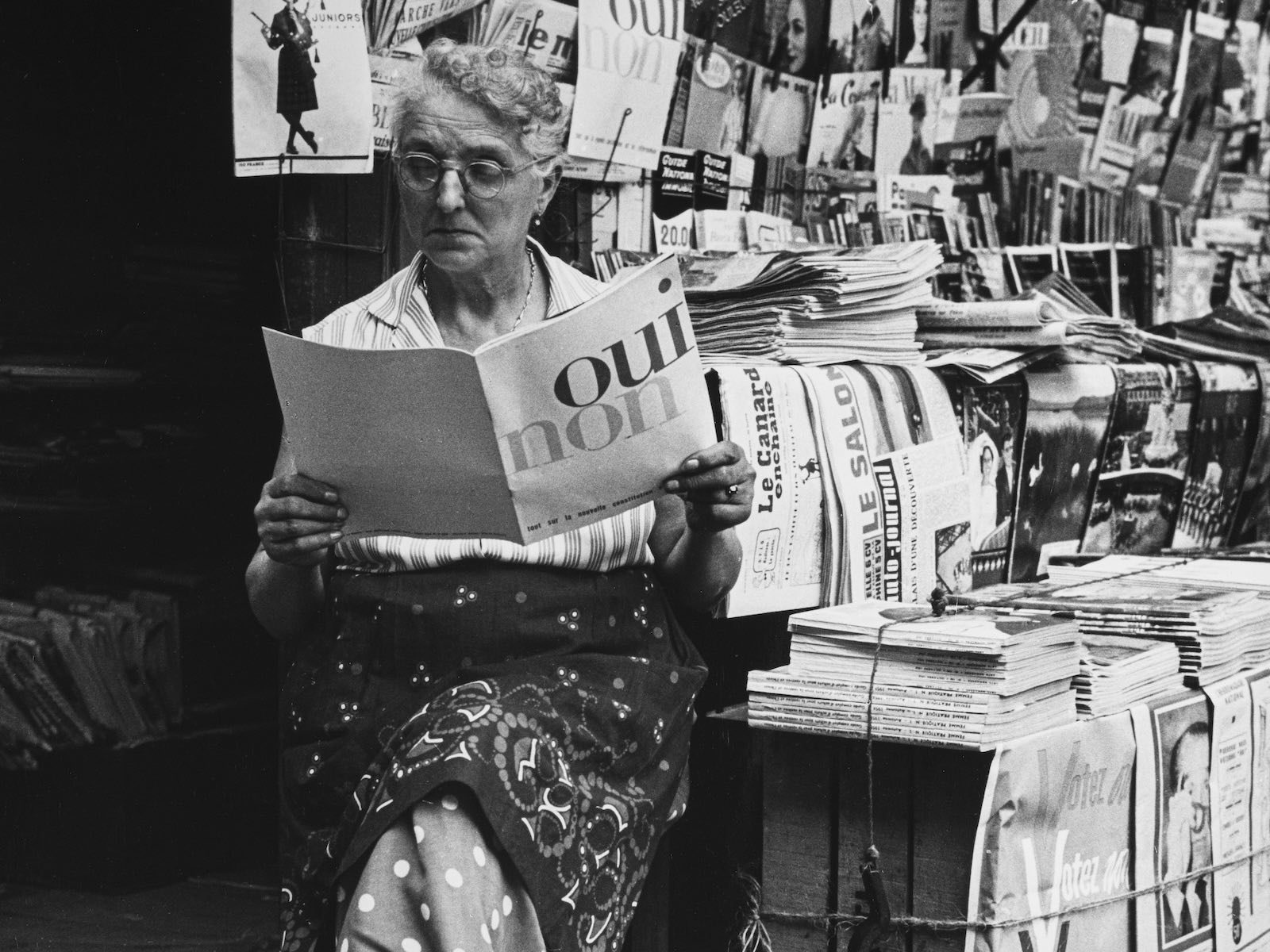
Photography
Gérard Castello-Lopes’ photographs, taken between 1956 and 1958, depict Lisbon, Paris and Brussels during the early years of the Gulbenkian Foundation.
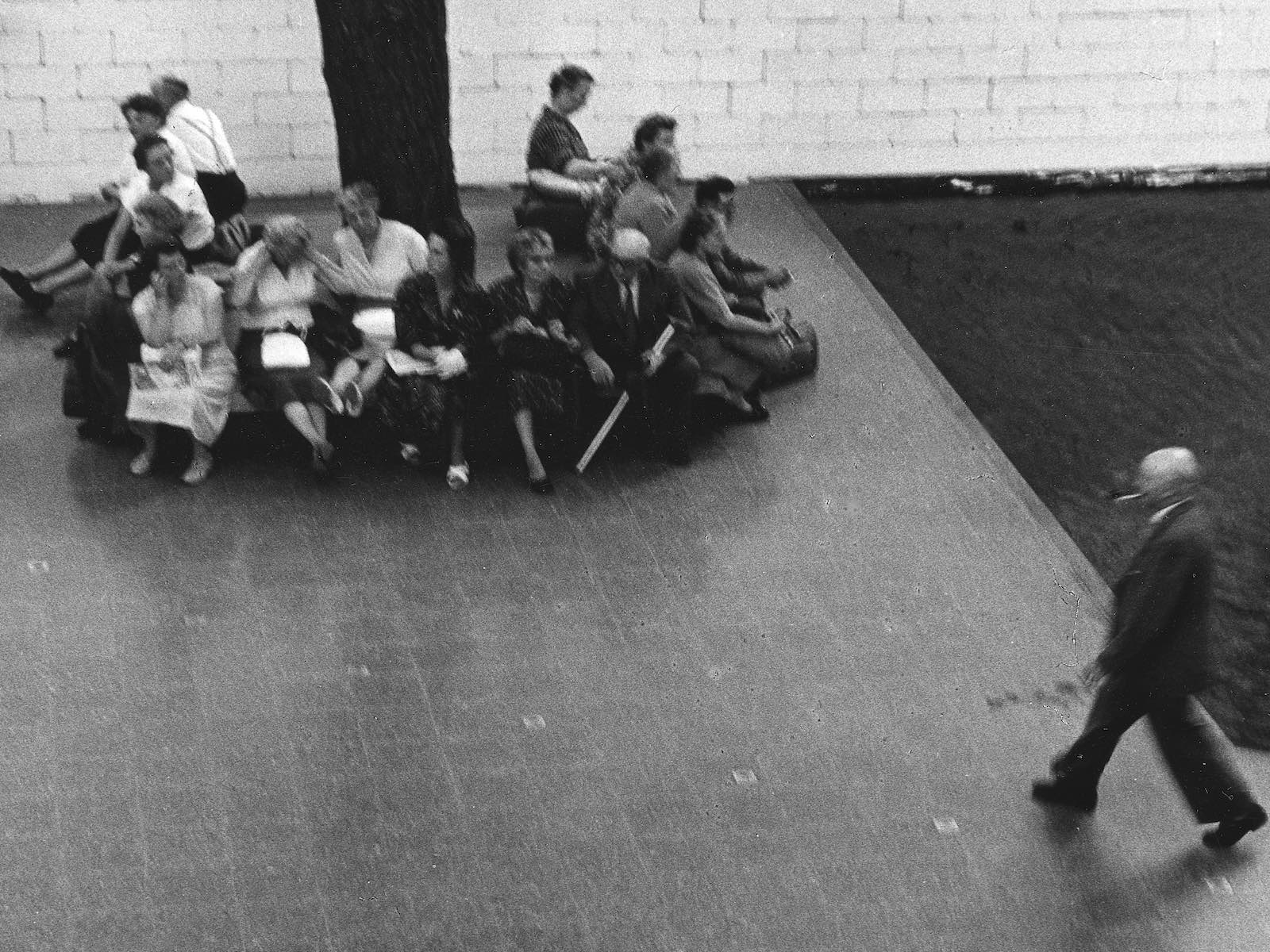
Translation
Poems by John Ashbery and Mario Benedetti, translated by António M. Feijó and Hugo Miguel Santos, respectively, and a conversation with Marcel Duchamp, translated by Rui Cascais Parada.
Past issues
No results were found for your criteria.
About Colóquio
Colóquio (Arts and Letters) was first published in 1959 and, following a split in 1970, gave rise in 1971 to Colóquio/Letras (1971–2025).
With over six decades of history, Colóquio stands in the tradition of long-running, wide-ranging journals, guided by a commitment to originality, rigour and consistency of content, timely reflection, the exercise of critical thought and the interests of a broad readership.
The journal publishes essays, documents, commentaries and reviews on literature, art and ideas, with a particular emphasis on Portuguese-language cultures. It has drawn on a vast and diverse body of contributors, both Portuguese and international.
The principles set out in the editorial of the first issue of Colóquio/Letras remain valid today: the journal is “intended for study in a manner neither purely scholarly” nor “merely informative,” but rather “reflective, questioning, essayistic.”
Check Archive