
Vale do Silêncio (New date)
Gulbenkian Orchestra and Choir
Event Slider
Date
- 18:30 / Cancelled 18:30 / Sold out Sunday, 18:30
Location
Parque Vale do Silêncio Av. Cidade de Lourenço Marques, Olivais- Conductor
- Presenter
-
Gulbenkian Choir
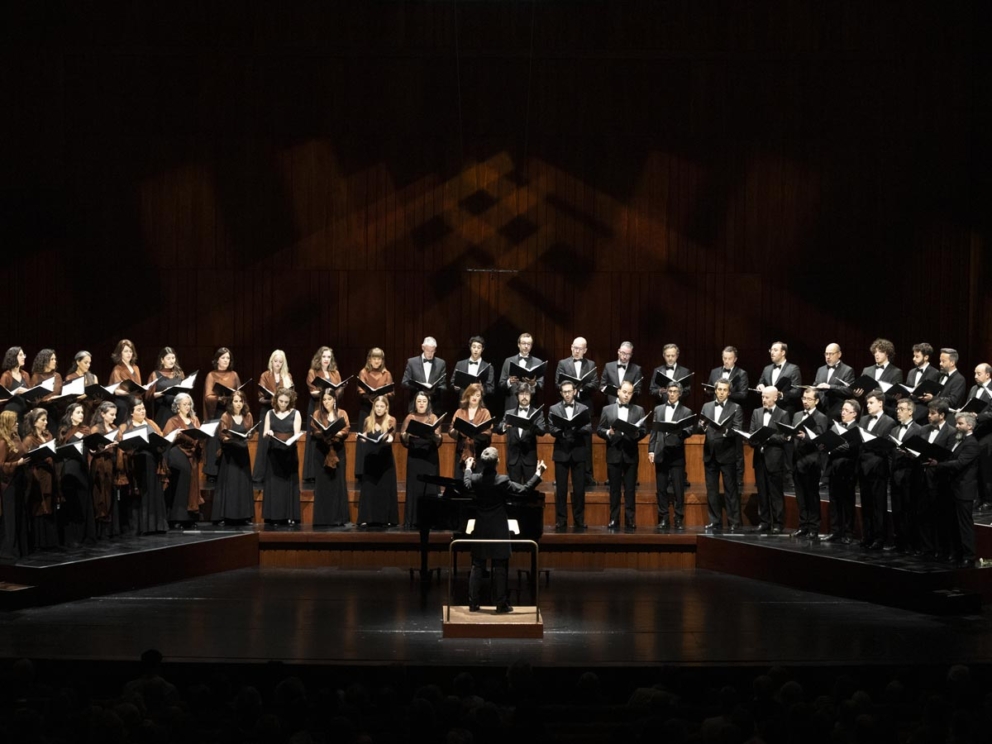
Coro Gulbenkian was founded in 1964 by the Calouste Gulbenkian Foundation as a full symphonic body of around 100 singers. The choir joins the Orquestra Gulbenkian and other orchestras to perform Classical, Romantic and Contemporary choral-symphonic repertoire, but can also perform a cappella. It has performed – and often premiered – many 20th century works by Portuguese and international composers.
Coro Gulbenkian has been invited to collaborate with major international orchestras, under the direction of conductors such as Claudio Abbado, Colin Davis, John Nelson, Emmanuel Krivine, Esa-Pekka Salonen, Frans Brüggen, Franz Welser-Möst, Gerd Albrecht, Michael Gielen, Michael Tilson Thomas, Rafael Frübeck de Burgos, René Jacobs and Leonard Slatkin, among others.
Besides its regular season of concerts in Lisbon and frequent national tours, Coro Gulbenkian has repeatedly toured Argentina, Belgium, Brazil, Canada, Denmark, France, Germany, Hungary, India, Iraq, Israel, Italy, Japan, Macao, Malta, Monaco, Netherlands, Spain, the United Kingdom, the United States of America and Uruguay.
Coro Gulbenkian has recorded extensively for Philips, Deutsche Grammophon, Erato, Cascavelle, Musifrance, as well as FNAC-Music, performing a wide range of repertoire, from Early-Renaissance polyphony to Xenakis. Several of these albums received international awards.
Michel Corboz was the Principal Conductor between 1969 and 2019. Jorge Matta and Inês Tavares Lopes are currently the Associate and Assistant conductors, respectively.
-
Gulbenkian Orchestra
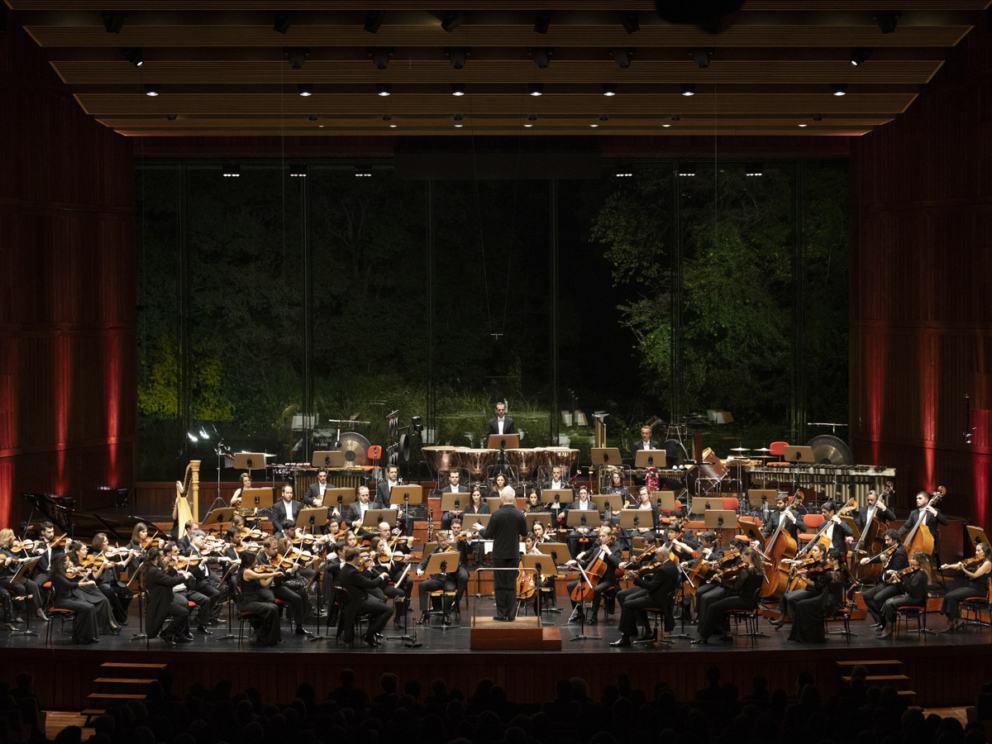
In 1962, the Calouste Gulbenkian Foundation decided to establish a permanent orchestral ensemble. Originally with only twelve musicians (strings and continuo) it was named “Orquestra de Câmara Gulbenkian”. This collective was successively enlarged and today the “Orquestra Gulbenkian” (the name it has adopted since 1971) has a permanent body of sixty instrumentalists, a number that can be expanded depending on the repertoire.
This structure allows the Gulbenkian Orchestra to interpret works from the Baroque and Classical periods, a significant part of 19th century orchestral literature and much of the music of the 20th century, including works belonging to the current repertoire of the traditional symphonic orchestras. In each season, the orchestra performs on a regular series of concerts at the Gulbenkian Grand Auditorium in Lisbon, where it has had the opportunity of working together with some of leading names of the world of music (conductors and soloists). It has also performed on numerous locations all over Portugal, in an effort to decentralize music and culture.
The orchestra has been constantly expanding its activities in the international level, performing in Europe, Asia Africa, and the Americas. In the recording field, Orquestra Gulbenkian is associated to labels as Philips, Deutsche Grammophon, Hyperion, Teldec, Erato, Adès, Nimbus, Lyrinx, Naïve and Pentatone, among others, and this activity was recognized with several international prizes.
-
Pedro Neves
Conductor
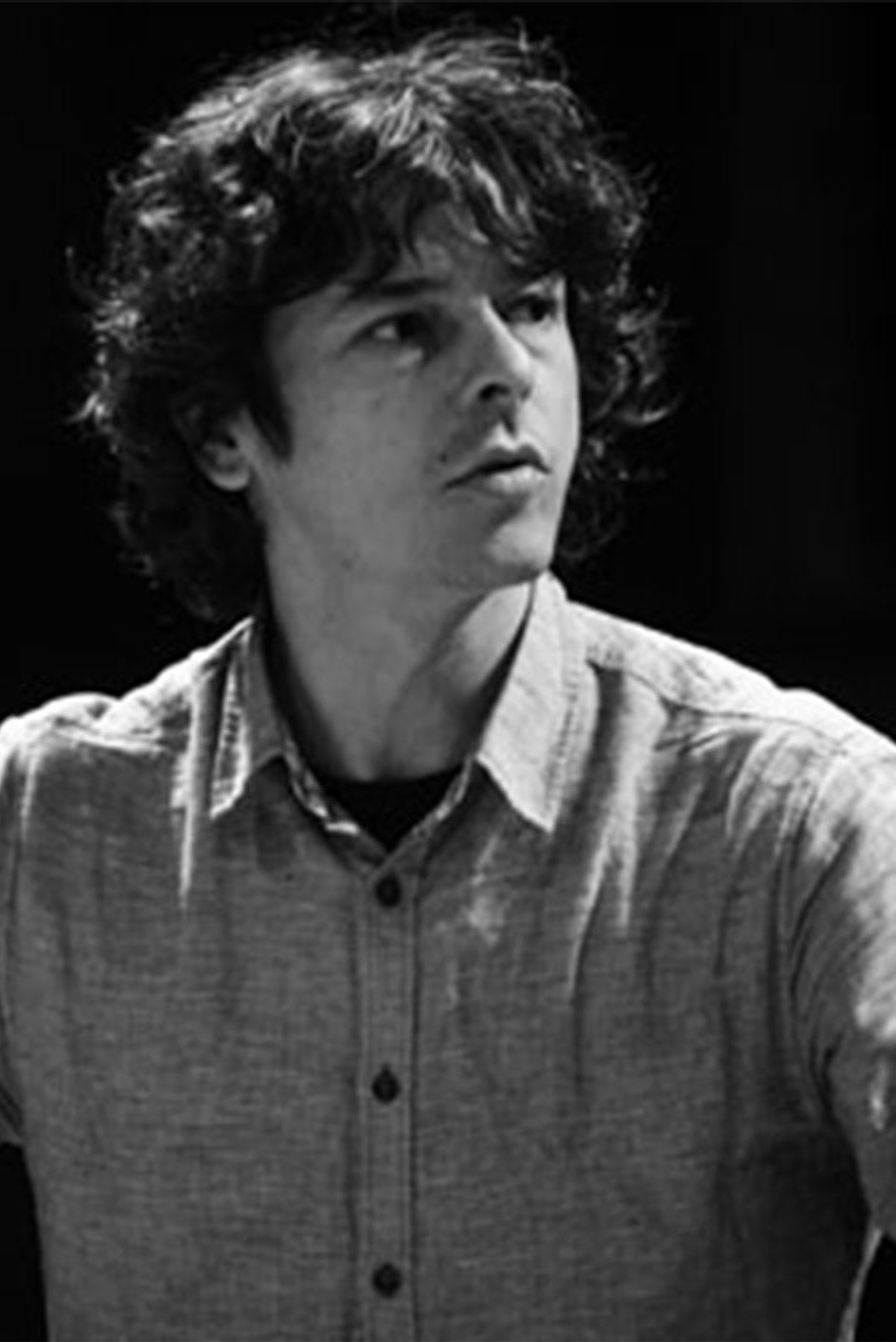
Pedro Neves is Principal Conductor of the Espinho Classic Orchestra, and was invited conductor of the Gulbenkian Orchestra. Currently he is pursuing a doctoral degree at the University of Évora, researching the symphonic works of Portuguese composer Joly Braga Santos.
Pedro Neves was Principal Conductor of the Algarve Orchestra between 2011 and 2013 an is a regular guest conductor with the Gulbenkian Orchestra, in Lisbon, the Porto Symphony Orchestra of the Casa da Música, the Portuguese National Symphony, the Metropolitan Orchestra of Lisbon, the Beiras Philharmonic and the Joensuu City Orchestra (Finland).
In the contemporary music field has collaborated with Sondarte Electric Ensemble, premiering various works of both Portuguese and foreign composers, and toured Japan and South Korea with Remix, the resident new music ensemble of the Casa da Música, and with Grupo de Música Contemporânea de Lisboa.
He is the founder of Camerata Alma Mater, a string chamber orchestra based in Lisbon whose concerts have been very well received by the audience and critics.
Pedro Neves studied cello with Isabel Boiça, Paulo Gaio Lima and Marçal Cervera, respectively, at the Aveiro Music Conservatory, Lisbon National Superior Academy for Orchestra and Escuela de Música Juan Pedro Carrero in Barcelona, with the support of the Calouste Gulbenkian Foundation. He studied conducting with Jean Marc Burfin, obtaining his degree in the Lisbon National Superior Academy for Orchestra, and with Emilio Pomàrico and Michael Zilm, of whom he was assistant. This path makes that his artistic personality is marked by a profound, consistent and serious musical interpretation.
-

Cláudia Semedo
Presenter
Cláudia Semedo is an actress and television presenter. Born in Oeiras in 1983, she completed the Acting Course at Escola Profissional de Teatro de Cascais in 2001 and graduated in Journalism from Escola Superior de Comunicação Social in 2012.
She has been the president of Companhia de Atores and the artistic director of Teatro Municipal Amélia Rey Colaço since January 2017.
Aaron Copland
John Williams
Ethel Smyth
Richard Wagner
Ennio Morricone
Gaetano Donizetti
John Williams
Johann Strauss II
Charles Gounod
Dmitri Chostakovitch
Charles Gounod
Dmitri Kabalevsky
Giuseppe Verdi
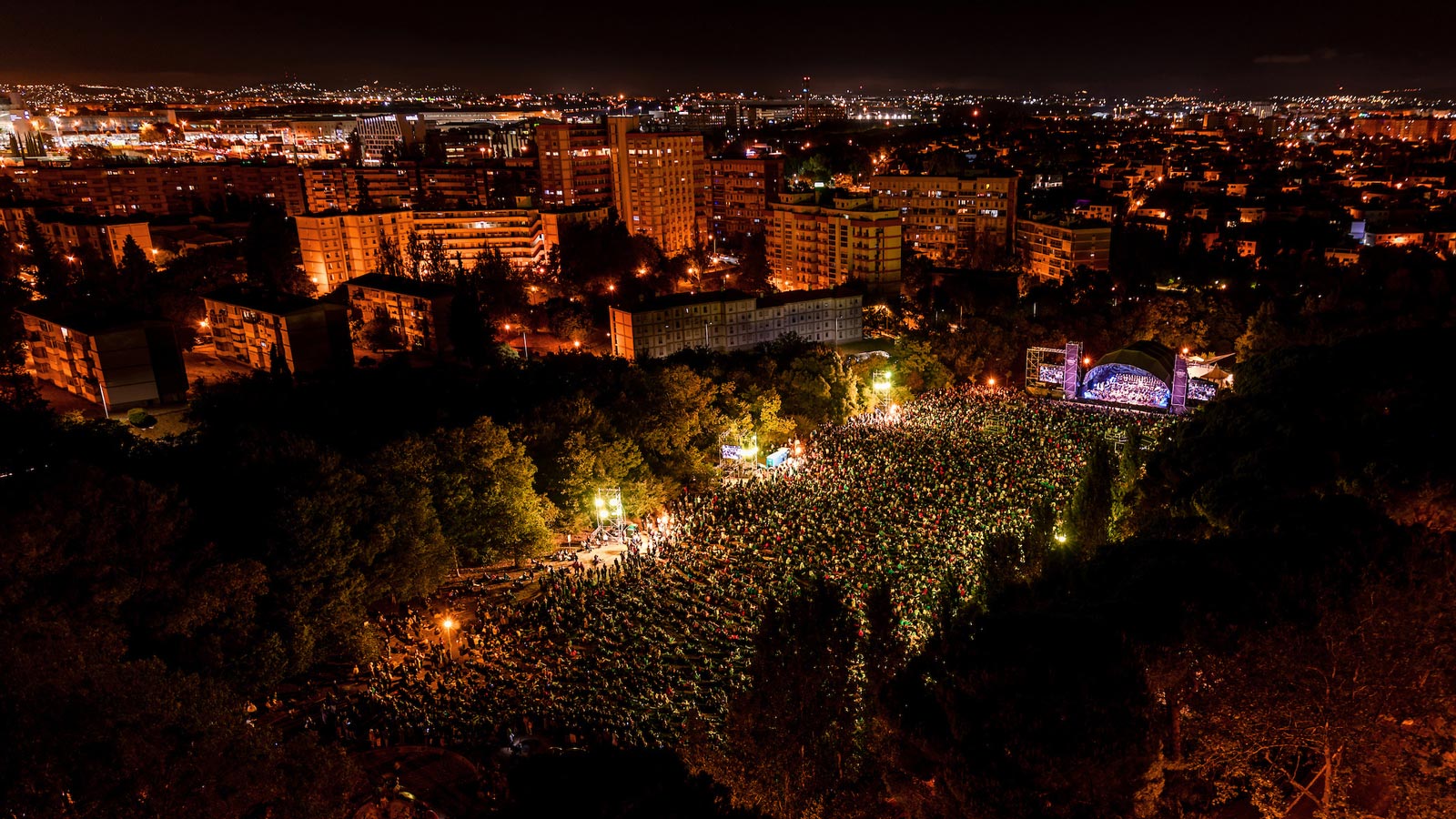
Gulbenkian Music begins a new season in the magnificent Vale do Silêncio. A free-admission concert inviting the city of Lisbon to come together with some of the most festive works in the musical repertoire. This close and informal contact with the Gulbenkian Choir and Orchestra, part of the Lisboa na Rua programme, celebrates music’s ability to unite crowds. The repertoire, designed for a varied audience, combines great musical moments from the cinema with major works by Verdi, Wagner, and Johann Strauss II.
Partners

The Calouste Gulbenkian Foundation reserves the right to collect and keep records of images, sounds and voice for the diffusion and preservation of the memory of its cultural and artistic activity. For further information, please contact us through the Information Request form.