3 Mar / Can a Plant Have Intentions? An introduction to plant intelligence
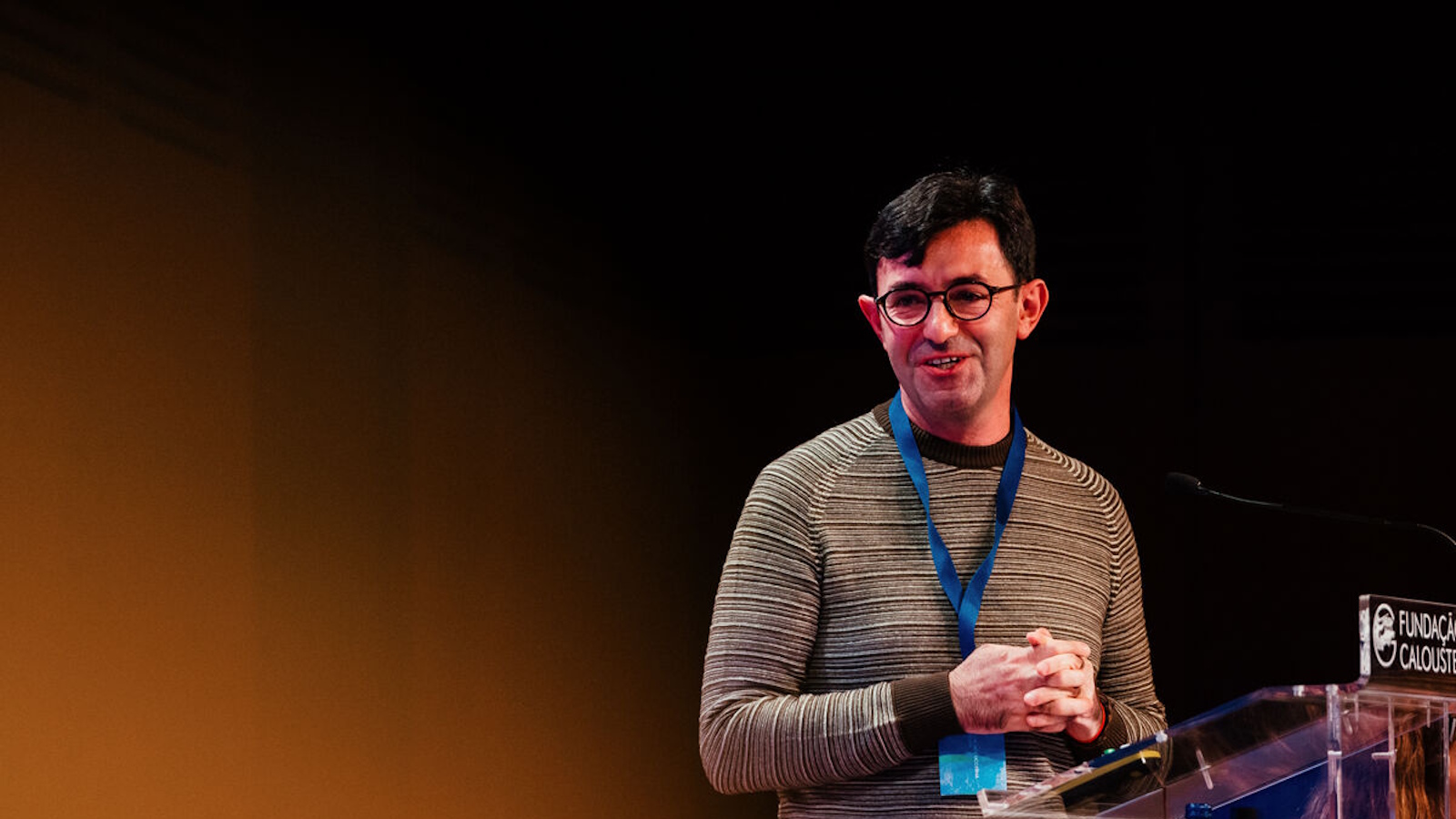
The opening session lays the foundations of the cycle by asking whether plants can have something like intentions – whether they can “want” something from the world around them and act accordingly. Western philosophy was built in large part on denying plants any form of subjectivity: with no nervous system and no visible behaviour, they were for centuries reduced to mere mechanisms, barely distinguishable from inert matter. Starting from phenomenology – the philosophical tradition that studies experience as it appears to us and places at its centre the notion of intentionality, the idea that all consciousness is always consciousness of something – Michael Marder asks whether this concept can, and should, be extended beyond the human. Phenomena such as roots growing towards water, leaves turning to the light or chemical communication between neighbouring plants will be revisited as possible signs of a directionality of their own: a vegetal “aiming at”.
14 Apr / Plant Attention / Attention to Plants: Sensing and responding to the world
Can plants pay attention? This session explores plant bioattention – the way plants select stimuli, modulate their responses and sustain that readiness over time. It proposes that we think of this plant attention as a situated intelligence, plants’ own way of being bound to the places where they grow. Under normal conditions it is an attention spread across many points of focus at once, with every root, leaf and shoot monitoring what lies close to it. Faced with danger, however, that dispersal contracts: the plant singles out the threat and invests a disproportionate amount of energy in responding to it. The session also includes an invitation to direct experience in the Gulbenkian Garden: breathing, sensing and listening in tune with the plants, in an attempt to return, however partially, the attention they give to the world.
12 May / Hearing Nature Differently: Hildegard of Bingen and Ecology
This session turns from contemporary philosophy to the medieval cosmology of Hildegard of Bingen (1098–1179), Benedictine abbess, mystic, composer and one of Europe’s notable naturalists. At the heart of her thought lies the notion of viriditas – the greening force, the “greenness” that animates all creation, from plants to the human body, and which Hildegard understood as a visible sign of the divine presence in the living world. Unlike modern ecology, which arose as a specialised scientific discipline, Hildegard’s vision brings together, without separation, the botanical, the medicinal, the spiritual and the cosmic. Listening to this ancient voice (which in turn listens to plants and to the whole world of the living) may help us hear the very word “ecology” afresh: as a gathering of living voices, a symphony of life.
9 Jun / Art as Planetary Metabolism
The closing session widens the gaze from the plant to artistic creation. We will venture to think of art as part of the processes of exchange, transformation and circulation of matter and energy that run through the whole planet – what might be called a planetary metabolism. Just as a plant turns light, water and minerals into leaf, fruit and seed, so the artistic gesture turns materials, time and attention into a work, taking part in its own way in the same web of exchanges that sustains life on Earth. The idea invites us to rethink notions such as originality, authorship and creation – usually centred on the human individual – in the light of a wider ecology in which art, too, breathes, feeds and gives something back to the world around it. Closing the “Plants and Philosophy” cycle, Michael Marder thus points to a horizon that links plant intentionality, the attention of plants and the medieval resonances of earlier sessions to an open-ended reflection on the place of human creativity within the panorama of life.