Cultural participation for local and community development
Isto é PARTIS & Art for Change 2026
Event Slider
Date
10:00
/
Cancelled
10:00
/
Sold out
Friday, 10:00
Location
Auditorium 3Calouste Gulbenkian Foundation
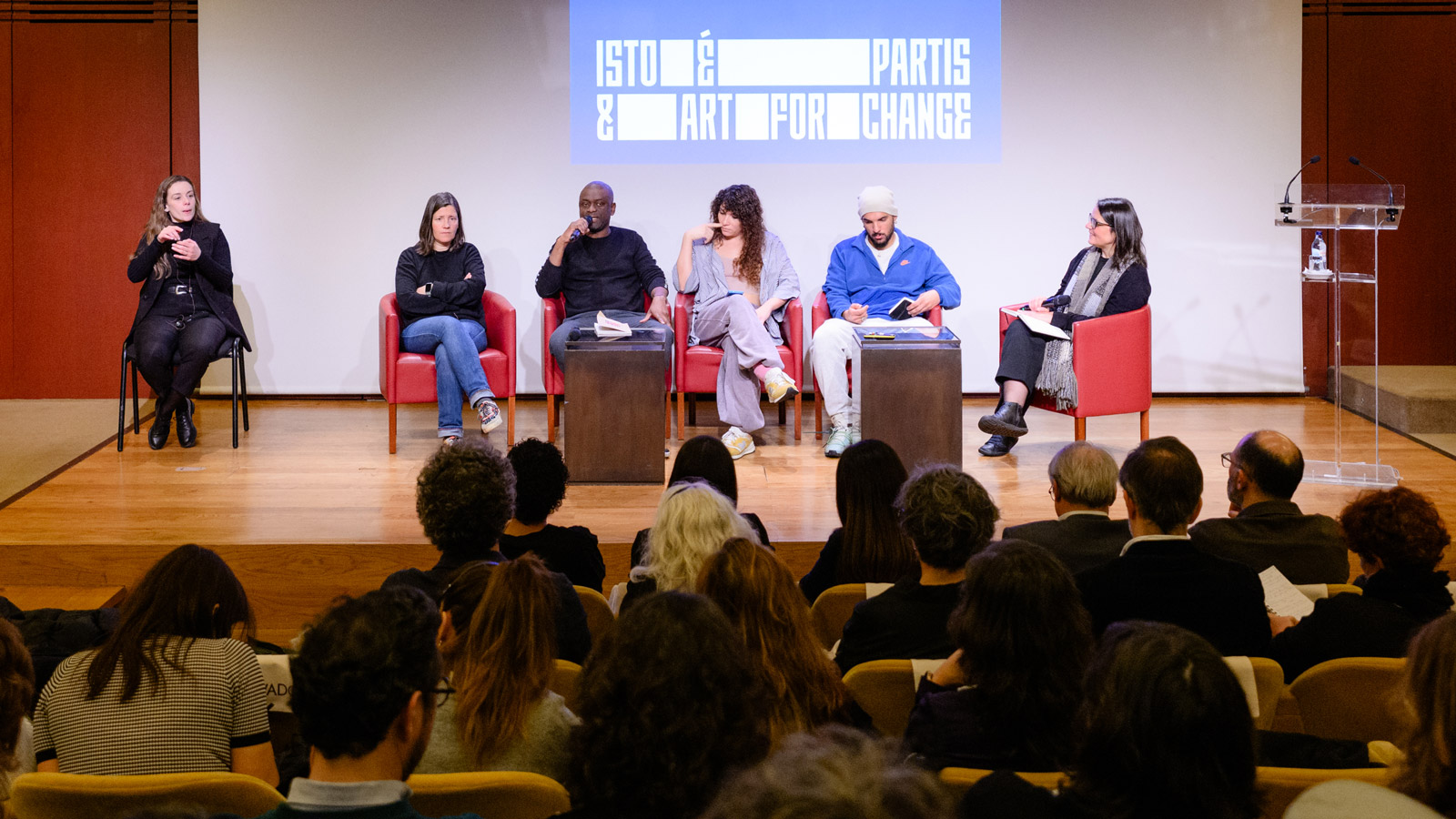
The Isto é PARTIS & Art for Change kick-off conference draws on an expanded understanding of cultural practice to reflect on participation, place, public policy and community development.
Culture builds common ground. Collective in nature, cultural and artistic practices within communities play a key role in strengthening a sense of belonging and the betterment of the territories where they take root.
The Isto é PARTIS & Art for Change 2026 conference builds on this broadened understanding of cultural practice to debate cultural participation and its link to local and community development.
Eliana Sousa Silva, founder of Redes da Maré (Brazil) will be the keynote speaker at this conference. In her opening speech, Eliana explains the work that her NGO is doing in several favelas in Rio de Janeiro, as an example of the inextricable link between cultural practices, the guarantee of basic rights, and a commitment to community well-being.
The second panel focuses on the mutual influences between territory, communities and public policies. Eliana Sousa Silva, Pedro Adão e Silva, Anabela Rodrigues and António Brito Guterres discuss strategies for empowering local authorities and fostering development through cultural and civic participation.
The closing session, led by Vergílio Varela, invites those present to think together about a policy for cultural participation.
This event will be presented in Portuguese with simultaneous interpretation in Portuguese Sign Language. Will be livestreamed and be available on this page.
This annual event celebrates participatory arts and the promotion of access to culture, showcasing the work developed under the PARTIS & Art for Change initiative, supported by the Gulbenkian Foundation and the ”la Caixa” Foundation. Learn more
Speakers
Alice Neto de Sousa
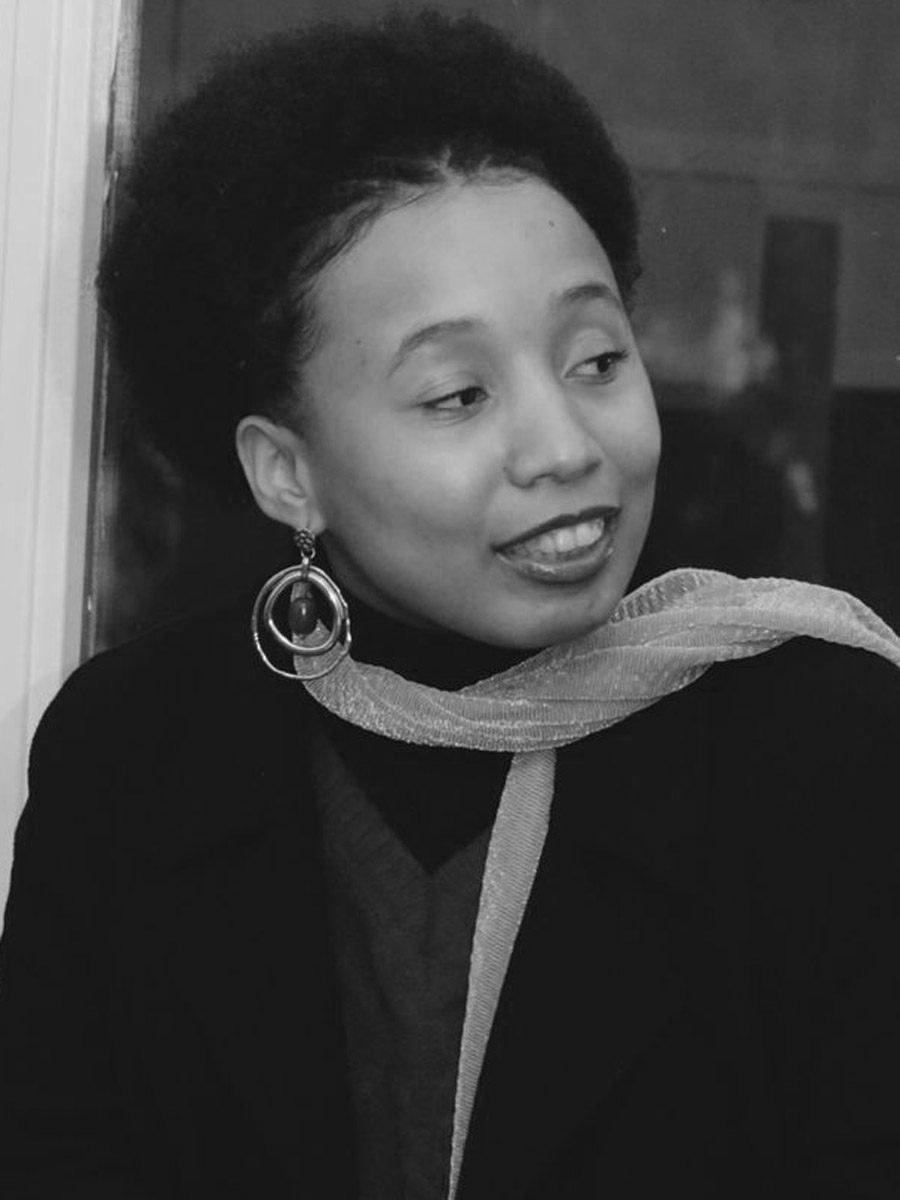
Alice Neto de Sousa is a Portuguese-born poet with roots in Angola. Author of the poem Março chosen to inaugurate the official commemorations of the 50th anniversary of the Carnation Revolution, she tries to ‘sharpen her tongue’ on stage for emerging social issues – especially her poem Poeta, which has been performed around the world. She was a regular on the television programme Bem-Vindos on RTP Africa and was a Poet in Residence in 2024 at the Calouste Gulbenkian Foundation.
Anabela Rodrigues
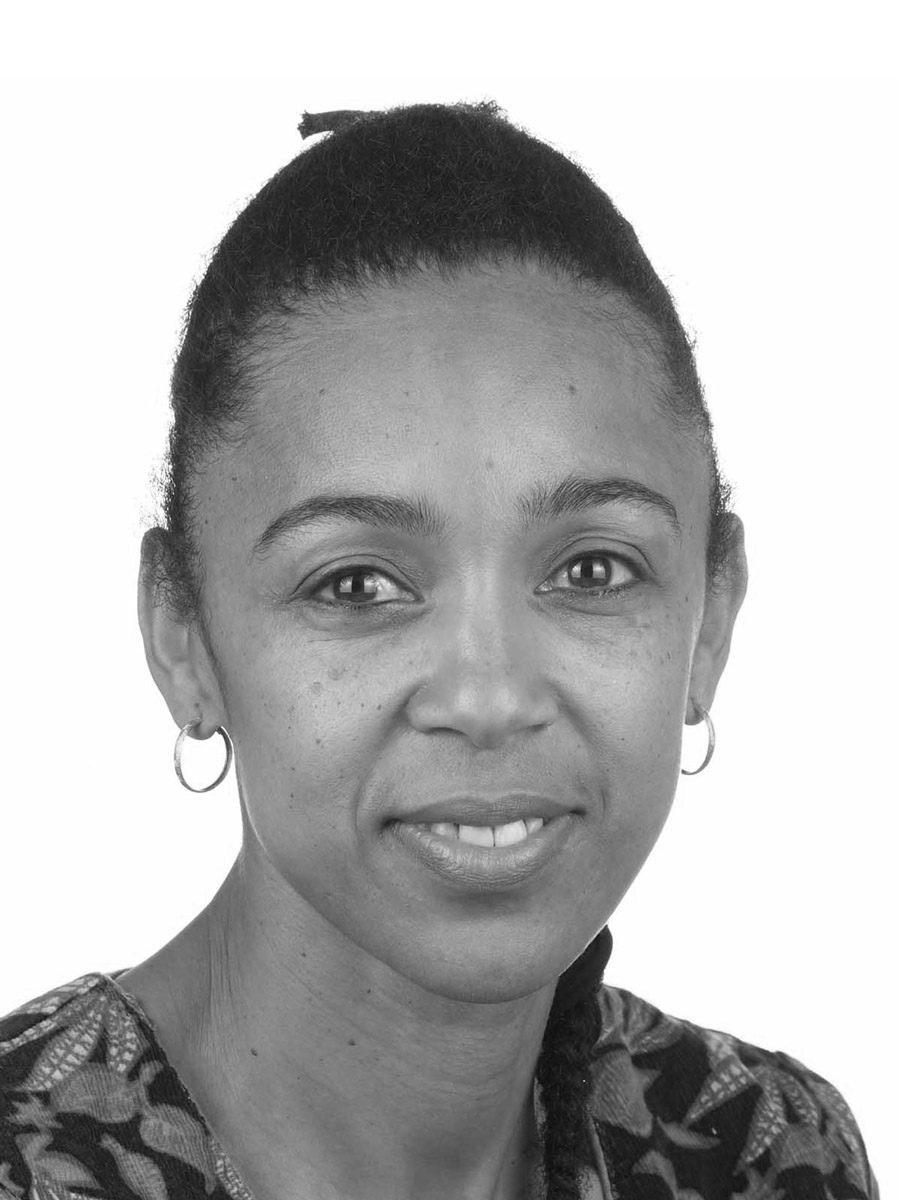
Anabela Rodriguesis the coordinator of the Immigrant Association of Lisbon’s Association Theatre of the Oppressed Group (GTO-LX) and one of the mentors of AMI-AFRO. She is a member of the European network of the Theatre of the Oppressed, “TOgether”. Previously, Anabela was the coordinator of non-formal education activities at the Moinho da Juventude Cultural Association (1997-2008) and the Francis Obikwelu Foundation (2008-2009). A descendant of immigrants, she is a mother, poet, association leader and immigrant rights activist.
António Brito Guterres
António Brito Guterres is a social worker and researcher with a postgraduate degree and PhD in Urban Studies. He was a staff member of the Aga Khan Foundation Portugal, where he led the K’Cidade programme. He curated 5L – Portuguese Language Literature Festival (2023) and the exhibitions Linha Imaginária (2021), at the Sintra Arts Museum (MU.SA), Interferências (2022), at the Museum of Art, Architecture and Technology (MAAT), and Também Estão no Mapa? (2022), at the Museum of Lisbon. He is a curator of the Iminente Festival.
Eliana Sousa Silva
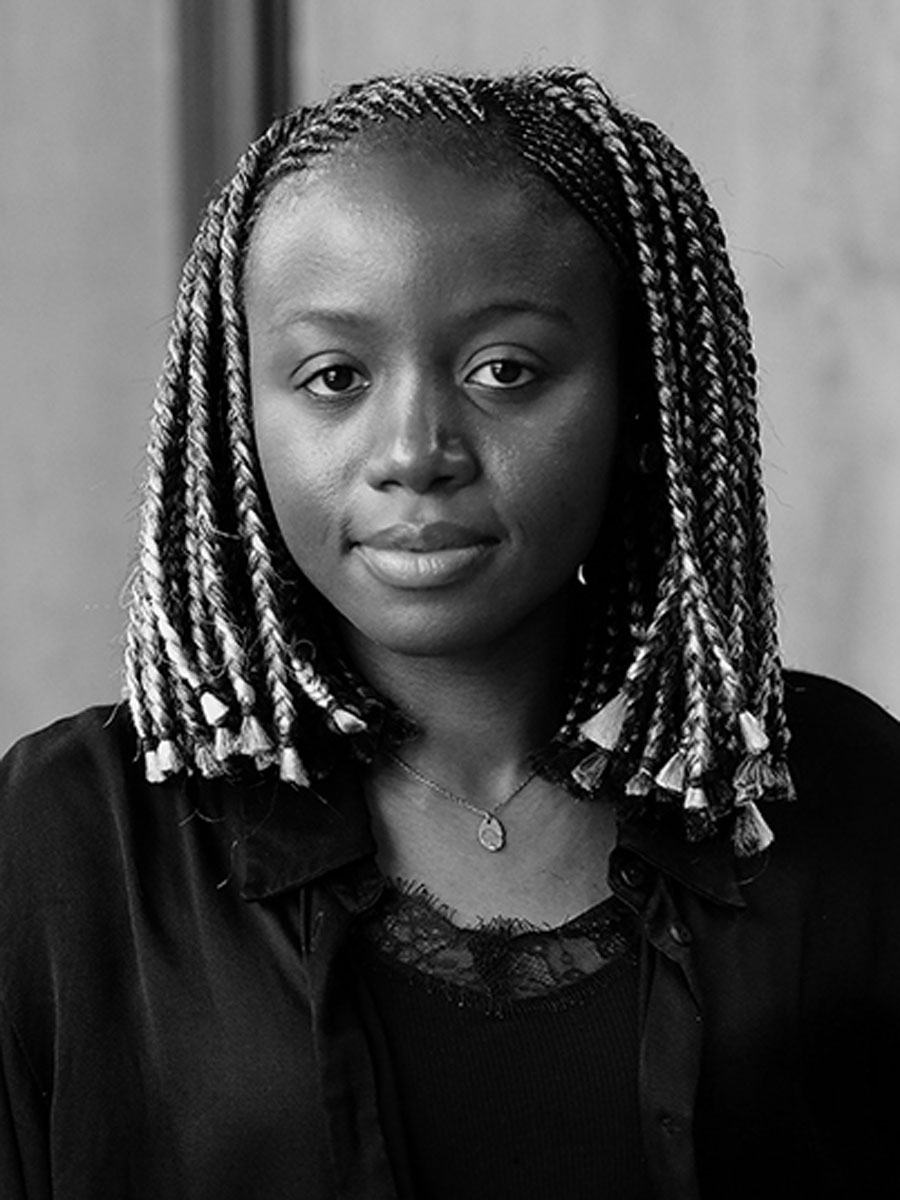
Founding director of the NGO Redes da Maré, curator of the Women of the World Festival – WOW Rio, and coordinator of the postgraduate course in Social Urbanism at the Centre for City Studies (Laboratório Arq. Futuro do Insper). Author and researcher, holds an honorary doctorate from Queen Mary University of London, has a PhD in Social Work from the Pontifical Catholic University of Rio de Janeiro, and is a Professor at the Institute of Advanced Studies at the University of São Paulo.
Kathleen Gomes
Former cultural advisor to Portugal’s Prime Minister between 2017 and 2024, Kathleen Gomes is a cultural advisor and manager. In 2025, she was selected as part of a cohort of 70 artists and cultural professionals who completed the Global Leaders Institute’s MBA in Arts Innovation, a programme for cultural leaders committed to enhancing the social impact of arts and culture in their communities. She worked for nearly two decades at the daily newspaper Público, including as a cultural journalist and international correspondent in the USA and Brazil.
Maria João Leite
Maria João Leite (1977) bridges art, community and participation. She has been coordinating socio-cultural animation at Ecos Urbanos (SJM) since 2006 and is the co-creator of the Lugares de Encontro project (FCG | Cidadãos Ativos 2021-2023). Maria João offers projects such as Youth Week, Poetry on a String, Joint Culture, and experiences such as Blind Dining (Erasmus 2019), and Fundição de Memórias (Hat Weekend). She holds a bachelor’s in Socio-cultural Animation from the Porto School of the Arts (ESAP).
Mariana Maia de Oliveira
Mariana Maia de Oliveira was born in Beja, studied in Coimbra and works in Lisbon. She worked at Rádio Universidade de Coimbra (RUC), the Faculty of Arts, and the Faculty of Medicine. Mariana is a radio presenter at Antena 3, where she has presented talk radio interviews, cultural magazines, and segments dedicated to books. Since 2019, she has been the voice behind TEATRA, the fortnightly podcast of the D.Maria II National Theatre.
Mauro Wah
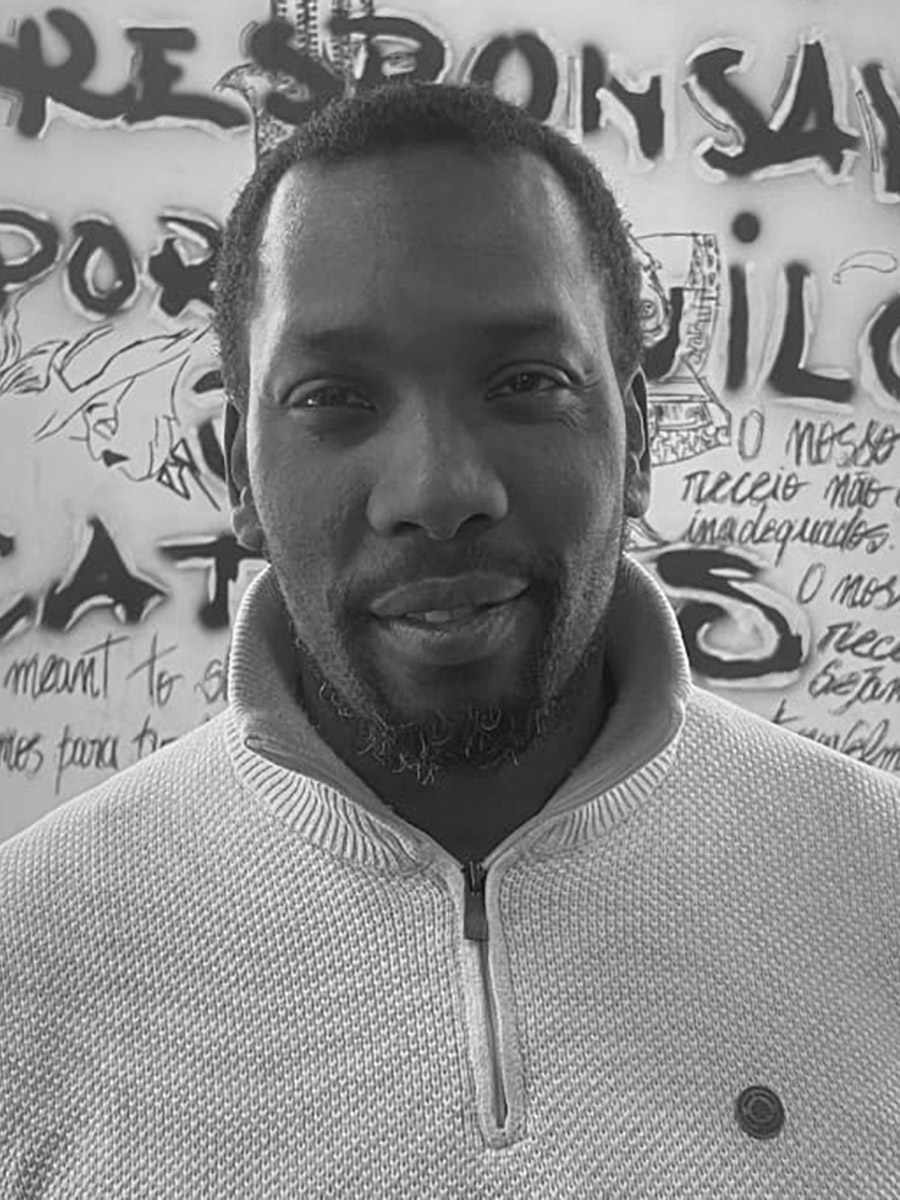
Head of the Per 11 Residents’ Association in Alta de Lisboa. Born in Mozambique, he moved to Portugal at the age of four, where he lived with his grandmother in a neighbourhood in the former parish of Charneca, now Santa Clara, in Lisbon. Following the rehousing process, Mauro and his family settled in the current Per 11 neighbourhood, where he develops community projects alongside his professional and family life. He seeks to engage the community in recreational and educational activities, aiming for the inclusion of all its members.
Nael D'Almeida
She holds a degree in Psychology and believes in the power of collective work to transform the contexts in which she operates. She has collaborated on mentoring projects with the Cavaleiros de São Brás Association and the Pangue D’Ami Youth Association. She co-founded the Association for Cultural Intervention and Dissemination – Nossa Fonte (2022), is a member of the Mulheres Negras Escurecidas collective, and co-founded KUBATA – Casa de Potencialização Artística in the Sintra Line (2024), a residency and professional development space for Black creators.
Nuno Preto
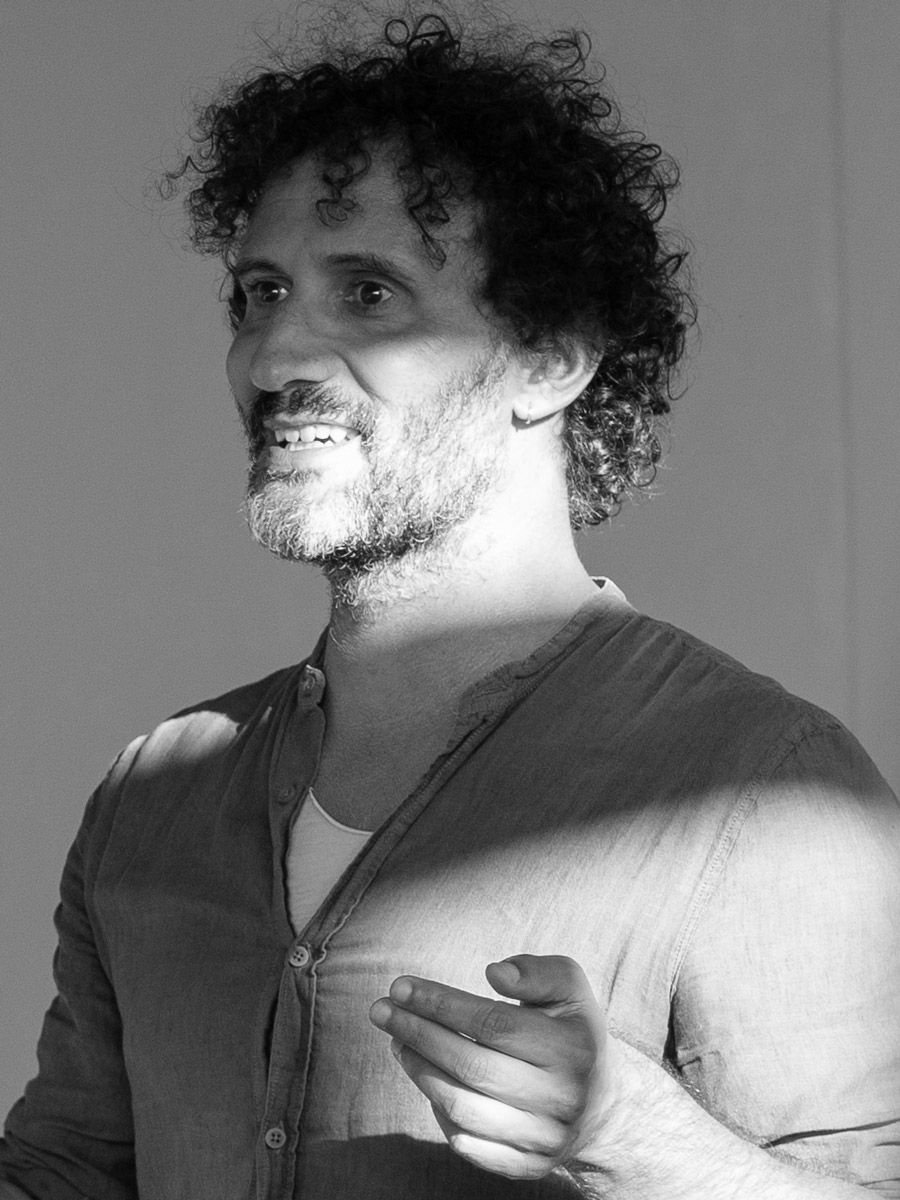
Nuno Preto is an actor and director. A founding member of the cultural association Mau Artista, he was also part of the Palmilha Dentada theatre company and has collaborated with Teatro Oficina and the Porto Museum. He co-founded the collective Espaço Invisível, through which he develops artistic creations and participatory programmes. He is currently co-artistic director of the project “Futuros Partilhados – Collaborative Narratives to Reimagine Multispecies Coexistence”, promoted by Palombar and supported by the PARTIS & Art for Change initiative.
Pedro Adão e Silva
Former Minister of Culture. He holds a doctorate in Social and Political Sciences from the European University Institute in Florence and a degree in Sociology. He is an assistant professor at ISCTE-IUL. He was the commissioner for the 50th anniversary celebrations of the 1974 Revolution and is a former member of the General Council of APREN and the National Council for Science, Technology and Innovation. He has coordinated several volumes analysing public policies in Portugal and is a commentator and columnist for various media outlets.
Virgílio Varela
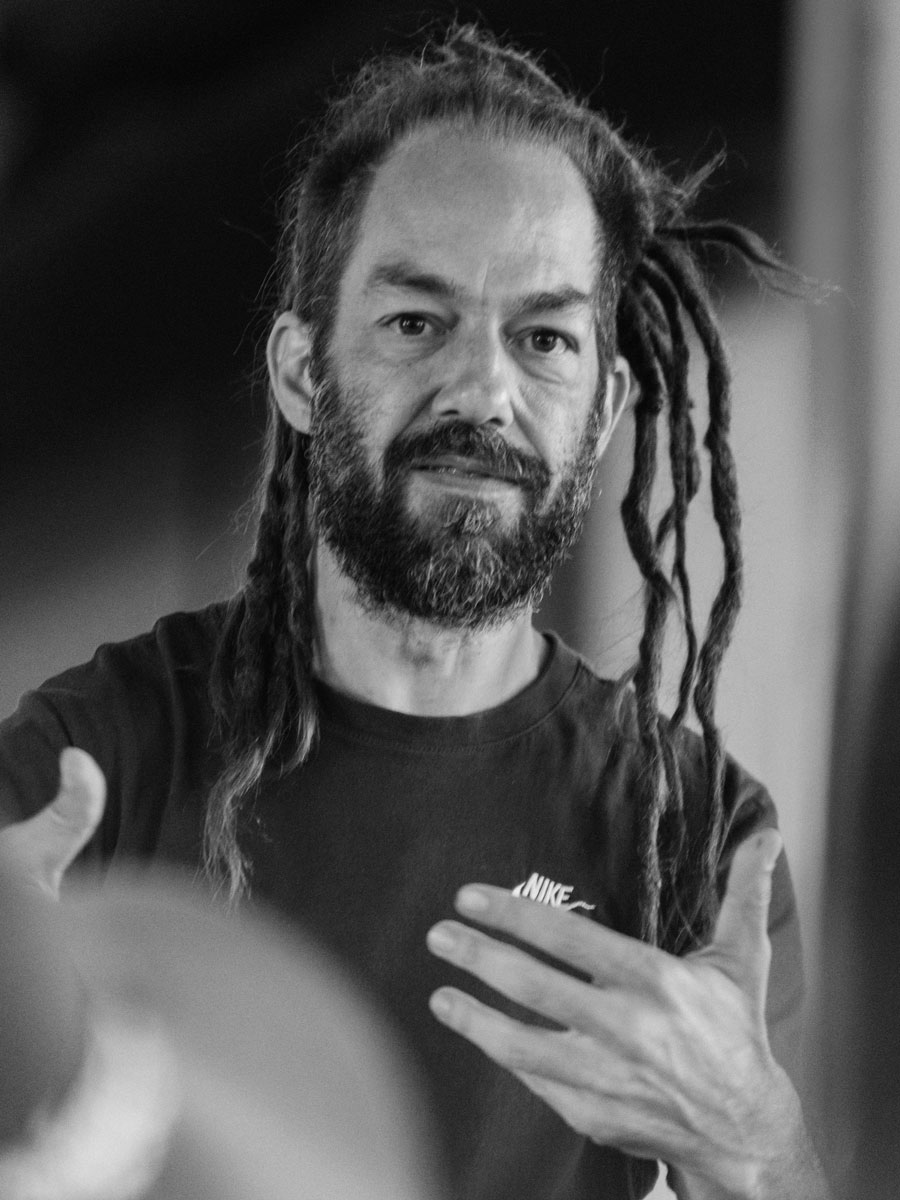
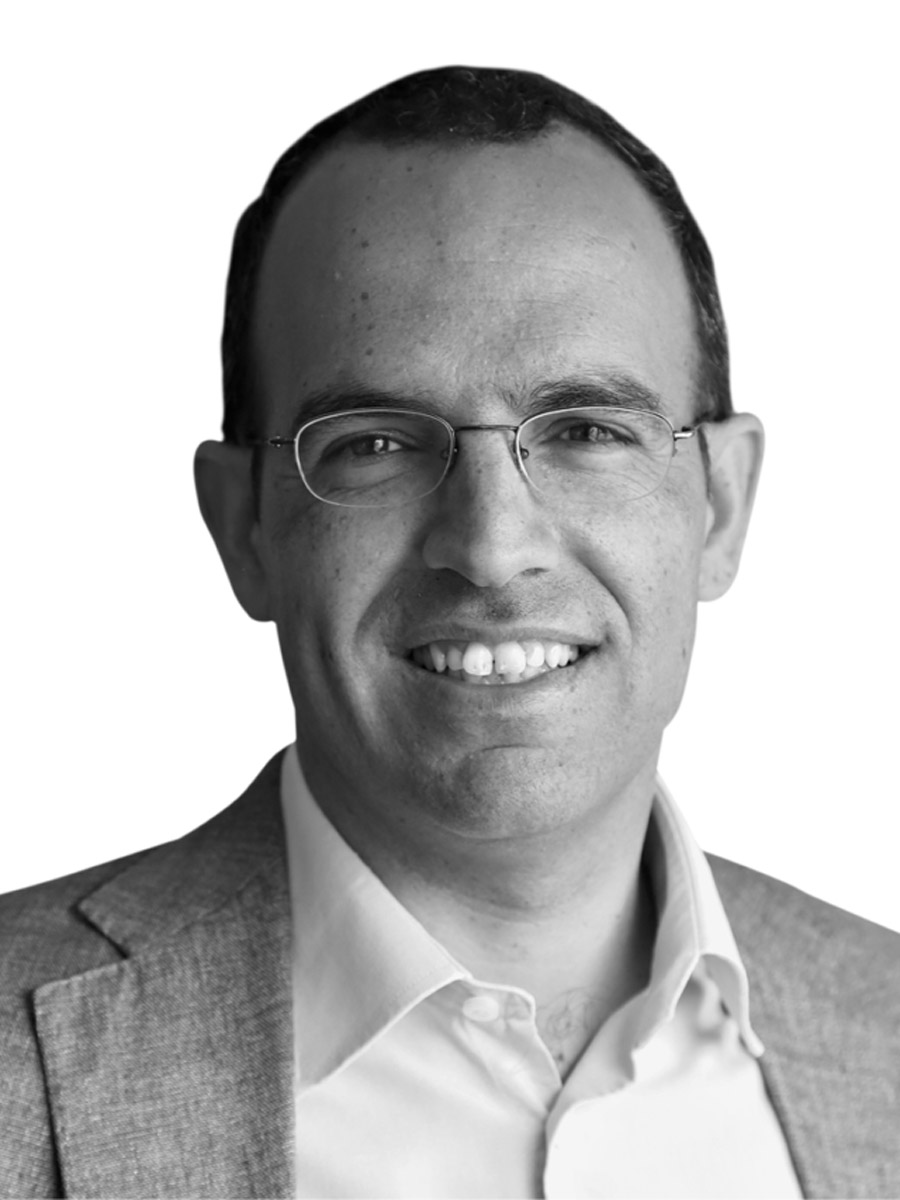
Leader in the field of collaboration and innovation, Virgílio Varela is the founder and CEO of Humanfleet, where he solves complex challenges for multinational companies and leaders at top and middle management levels in the public, private and social economy sectors. Topics addressed in his transformation programmes, courses, facilitation, lectures and bespoke designs include innovation, collaboration, leadership, regeneration, creativity, storytelling, systemic thinking, deep ecology, and diversity.
Programme
10:00 / Welcome address
Cristina Casalinho – Trustee of the Calouste Gulbenkian Foundation José Pena do Amaral – Member of the Strategic Council for Portugal of the "la Caixa" Foundation and of BPI's Social Responsibility Committee
10:15 / Transformative actions in the territory: art and culture as catalysts for meaning
Eliana Sousa Silva – Founder of Redes da Maré, Rio de Janeiro
A conversation centred on the experience of Redes da Maré, a community-based organisation with over two decades of work across the 15 favelas of Maré, in the northern zone of Rio de Janeiro. A collective initiative created and rooted in this territory, seeking to foster transformations in the field of human rights, to challenge negative and prejudiced representations of these areas, and to address the unequal ways in which people are able to exist in the city and the country.
— Coffee-break —
11:30 / Panel I – Building community bonds and a sense of belonging
Mauro Wah – Associação de Moradores PER11Nuno Preto – Colectivo Espaço InvisívelMaria João Leite – Associação Ecos UrbanosNael D’Almeida – Associação Nossa Fonte and Kubata
Moderator
Mariana Maia de Oliveira – journalist— Lunch break —
14:30 / Panel II – Territory, communities and public policies: mutual influences
Anabela Rodrigues – Coordinator of the GTO Lx Immigrant AssociationAntónio Brito Guterres – Researcher at the Institute for Urban Intervention and ActionEliana Sousa Silva – Founder of the NGO Redes da MaréPedro Adão e Silva – Sociologist and university professor
Moderator
Kathleen Gomes – Cultural consultant and manager— Break —
16:15 / Now what? Crafting a policy of cultural participation
Led by Virgílio Varela (Humanfleet)
17:15 / Closing remarks
Alice Neto de Sousa – Poet
17:30 / Close
The Calouste Gulbenkian Foundation reserves the right to collect and keep records of images, sounds and voice for the diffusion and preservation of the memory of its cultural and artistic activity. For further information, please contact us through the Information Request form.