
Brave New Disorder
The Trumpian shock to the World and Europe
Event Slider

Date
- 15:00 / Cancelled 15:00 / Sold out Thursday, 15:00
Location
Auditorium 2 Calouste Gulbenkian FoundationThe return of Donald Trump to the White House has shaken the world and Europe. The United States’ approach to Ukraine, Russia and transatlantic defence cooperation is almost unrecognisable; key trade relationships around the world are man-aged through tariff wars more than agreements; and there is no restraint by Trump and figures close to him, including Elon Musk and Vice President J.D. Vance, in interfering with the European political, civic and digital space in a bid to promote a lawless and limitless version of freedom of expression.
From the military, to the multilateral, to the digital arena, the Trumpian shock to the systems strikes Europe at its core. It challenges Europe’s security, geopolitical identity and values, and it also exposes a genuine European vulnerability: its propensity to fragmentation and disunity.
How can the EU use the Trumpian shock to strengthen its geopolitical standing, build resilient alliances, boost its security, and rebuild people’s confidence in the European project?
This high-level event, organized by the European Council on Foreign Relations (ECFR) and hosted by the Calouste Gulbenkian Foundation, will explore these pressing challenges, drawing on ECFR’s latest research and insights from distinguished policy-makers, analysts, academics and thought leaders as well as the cultural sector.
Speakers
-
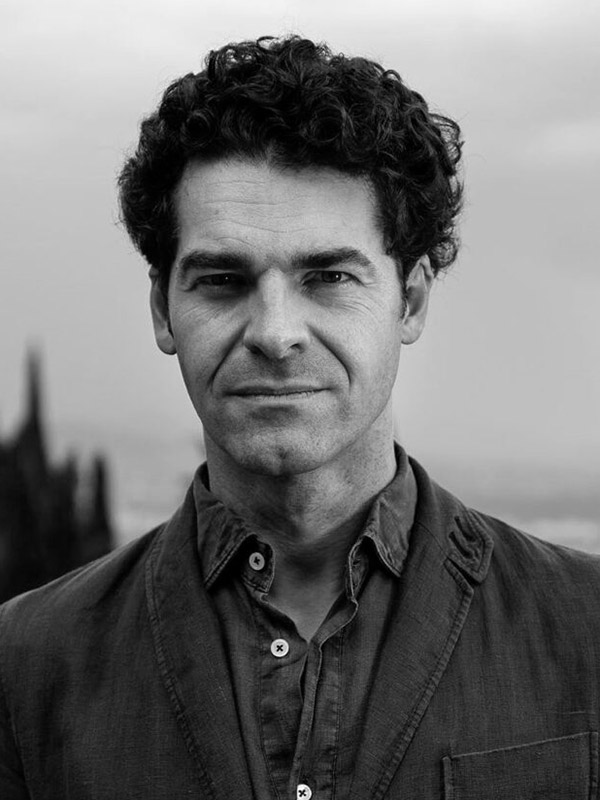
Alberto Alemanno
Alberto Alemanno is Jean Monnet Professor of EU Law at HEC Paris, visiting professor at the College of Europe, and currently Democracy Fellow at Harvard. A key voice on Europe’s democratisation, his work focuses on using law and policy to reduce political, economic and health disparities. He contributes to Le Monde, The Guardian, Project Syndicate, Politico, Bloomberg, and appears on Euronews and BBC World. Founder of The Good Lobby, he’s received awards from the Schwab Foundation, Project Syndicate, Politico and the World Economic Forum. He holds degrees from Harvard (PhD), the College of Europe, and Bocconi University.
-
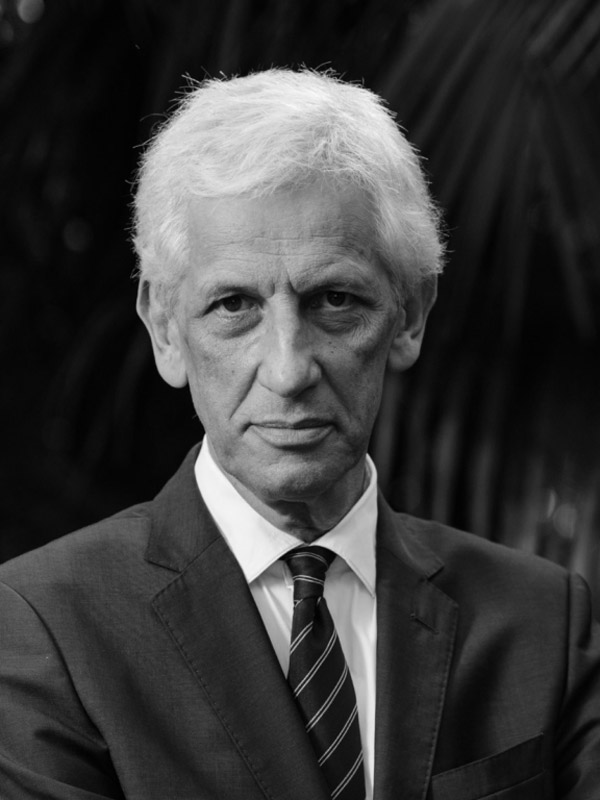
António M. Feijó
President of the Board of Trustees of the Calouste Gulbenkian Foundation. He is a Professor in the Department of English Studies and in the Theory of Literature Programme at the University of Lisbon. He was Dean of the School of Arts and Humanities, Vice-Rector and Pro-Rector of the University of Lisbon. He was also Director of the University of Lisbon Press and of the University Magazine. He holds a PhD in English and North American Literature from Brown University and an MA in English and North American Literature from the State University of New York at Albany.
-
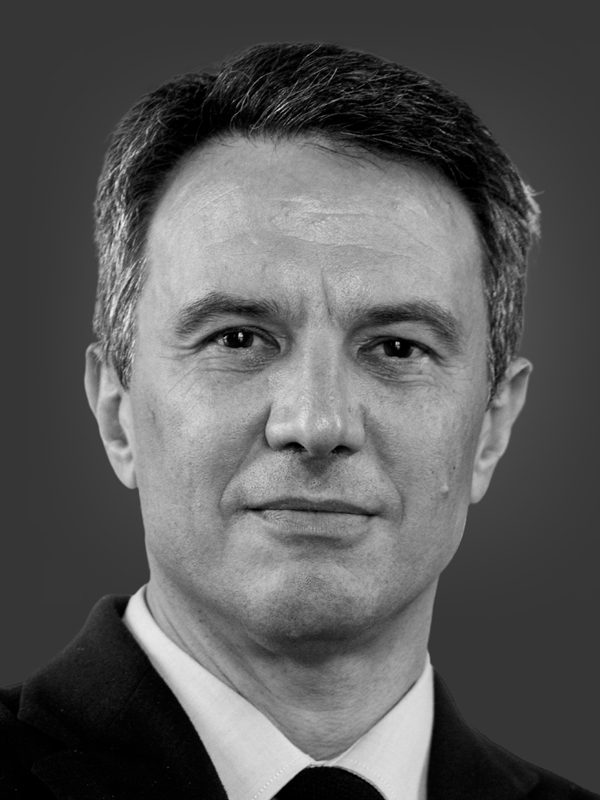
Camille Grand
Distinguished Policy Fellow at ECFR where he leads the organisation’s work on defence and disruptive technologies in European security. He has worked as Assistant Secretary General for Defence Investment at NATO, as the Director of the Fondation pour la recherche stratégique, as Head of Disarmament in the French Ministry of Foreign Affairs, and as Deputy Diplomatic Adviser to the Franch Minister of the Defence. He has been a Senior Adviser on nuclear policy and worked as a Researcher inter alia at the EU Institute of Security Studies and the Institut français des relations internationales. He has been an Associate Professor on several universities.
-
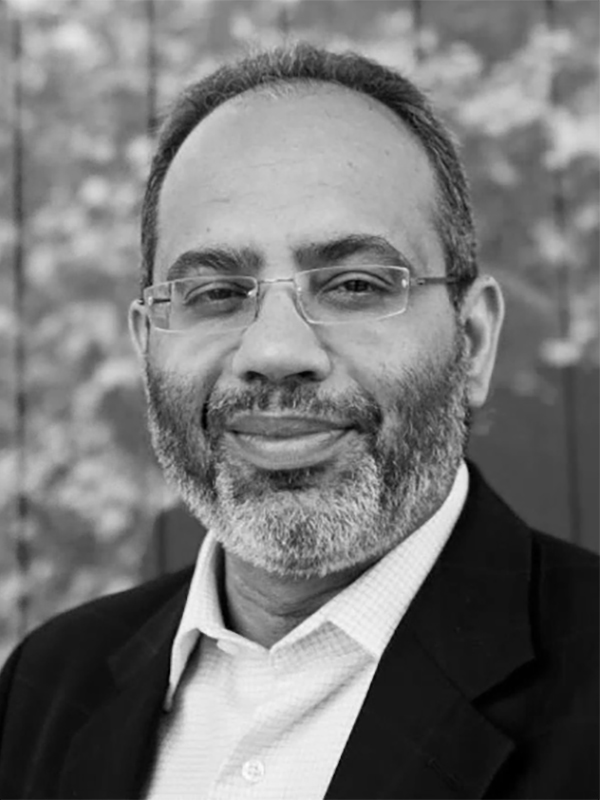
Carlos Lopes
Honorary Professor at the Nelson Mandela School of Public Governance, University of Cape Town, Visiting Professor at Sciences Po, Paris, Associate Fellow at Chatham House, London. He is a board member Jakaya Kikwete Foundation, Hailemariam and Roman Foundation, the Graça Machel Trust, the Graduate Institute of International and Development Studies, he Global Advisory Board of the African Leadership Institute, Waterloo University International Advisory Board, Invest Africa, African Center for Cities Advisory Board, the Board of Directors of the World Resource Institute, Advisory Council of the African Climate Foundation.
-
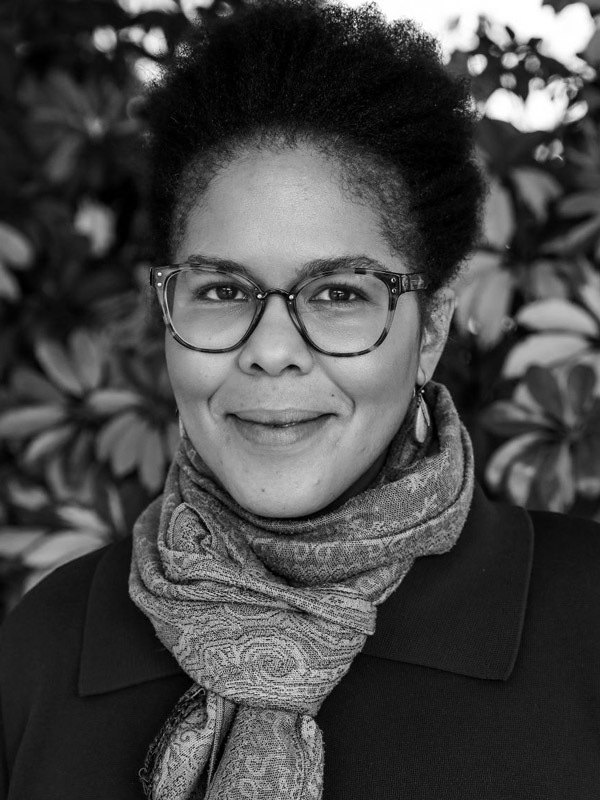
Djaimilia Pereira de Almeida
Portuguese writer and author of books such as Esse Cabelo, Luanda, Lisboa, Paraíso and Toda a Ferida é uma Beleza, which won the APE/DGLAB Grand Prize in 2024. Her work has received awards including the Oceanos Prize and has been translated into ten languages. She holds a PhD from the University of Lisbon, which awarded her the FLUL Alumni Prize in 2023. In 2025, she received the Vergílio Ferreira Prize for her body of work. She has taught at NYU and writes for Quatro Cinco Um and Observador. She was born in Luanda.
-
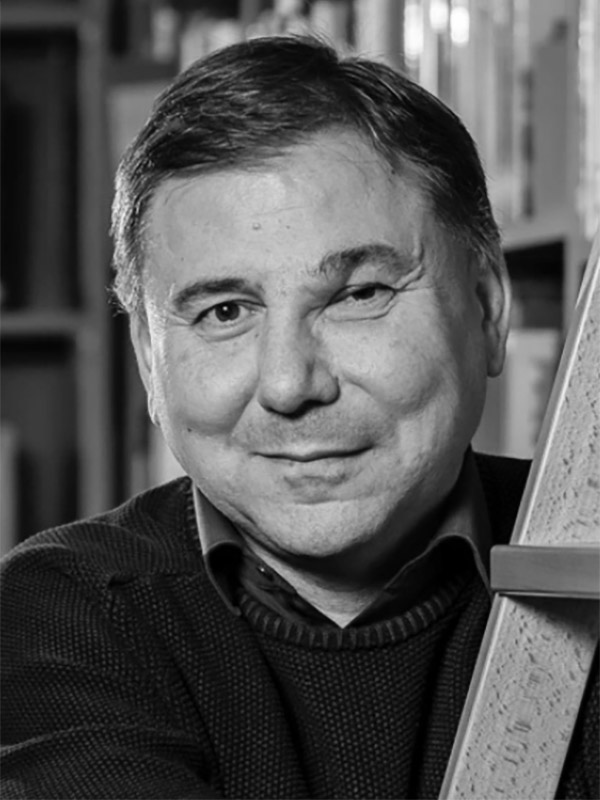
Ivan Krastev
Ivan Krastev is chairman of the Centre for Liberal Strategies and Permanent Fellow at the Institute for Human Sciences (IWM) in Vienna. He is a founding board member of the European Council on Foreign Relations and serves on the boards of the International Crisis Group and GLOBSEC. A contributing editor at the Financial Times, he is the author of Is It Tomorrow, Yet?, The Light that Failed (with Stephen Holmes – winner of the Lionel Gelber Prize), After Europe, Democracy Disrupted, and In Mistrust We Trust.
-
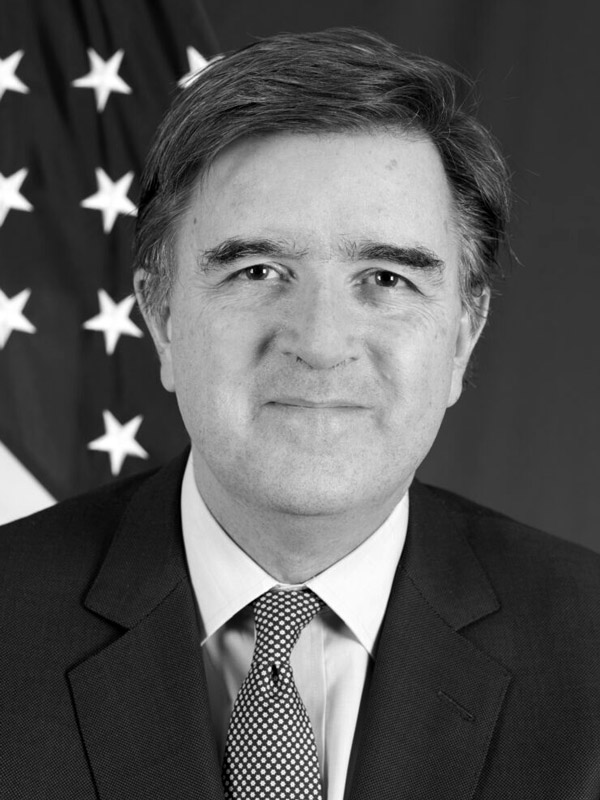
Jim O’Brien
Former Assistant Secretary of State for European and Eurasian Affairs, U.S. Department of State (DOS) and is a member of the Council on Foreign Relations. He was a DOS Sanctions Coordinator, as the first presidential envoy for Hostage Affairs, as Senior Advisor to Secretary of State Madeleine Albright, and as Principal Deputy Director of Policy Planning, and presidential envoy for the Balkans. O’Brien was a founder and Vice Chair of Albright Stonebridge Group. He earned a J.D. from Yale Law School, an M.A. from the University of Pittsburgh, and a B.A. from Macalester College, Minnesota.
-

Margaret Myers
Director of the Asia & Latin America Program at the Inter-American Dialogue, adjunct researcher with the Núcleo Milenio sobre los Impactos de China en América Latina, Senior Advisor to the United States Institute of Peace, and a fellow at the Woodrow Wilson Center. She was an analyst for the US Department of Defense, a Senior China Analyst for Science Applications International Corporation; a consultant for the Inter-American Development Bank; a member at Georgetown University, George Washington University, and Johns Hopkins SAIS; and a Mentor for the Indian Foreign Policy Research Institute’s School of Foreign Policy.
-
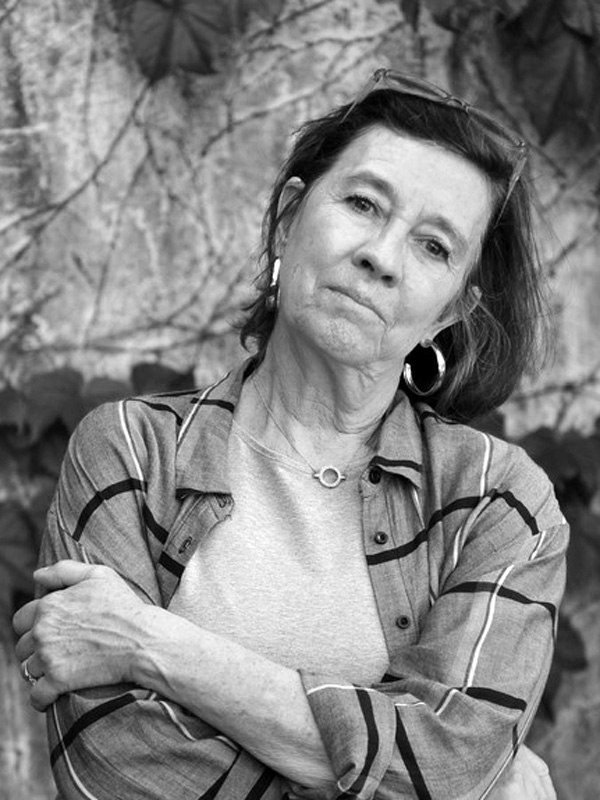
Monica Hirst
PhD in Strategic Studies from Rio Grande do Sul Federal University, Brazil. She teaches in the M.A. in International Studies and the B.A. in Political Science and International Studies at Torcuato di Tella University, Buenos Aires, Argentina. She was Executive Director of the Center for Brazilian Studies in Argentina Foundation, a principal investigator at FLACSO-Argentina, a visiting professor at Stanford and Harvard, as well as a professor at the Institute of Foreign Service. She is the author of several books and articles on international relations.
-
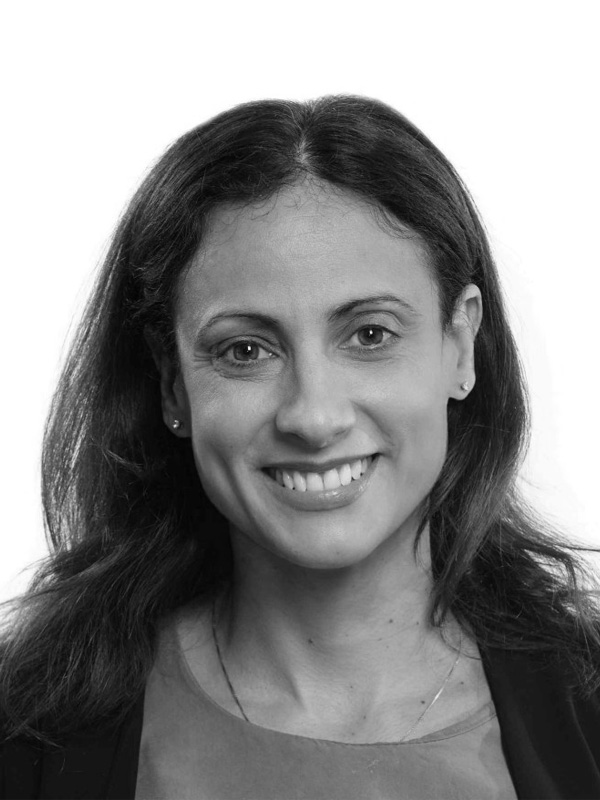
Nathalie Tocci
Director of the Istituto Affari Internazionali, part-time professor at the European University Institute’s School of Transnational Governance, and Honorary Professor at the University of Tübingen. She was as Special Advisor to EU High Representatives Federica Mogherini and Josep Borrell, and is currently a Europe’s Futures fellow at the Institute for Human Sciences (IWM). Tocci has held roles at institutions including the Harvard Kennedy School, CEPS, the Transatlantic Academy, and the College of Europe, and has served on the boards of Edison, Eni, and Acea. She is a regular media commentator.
-
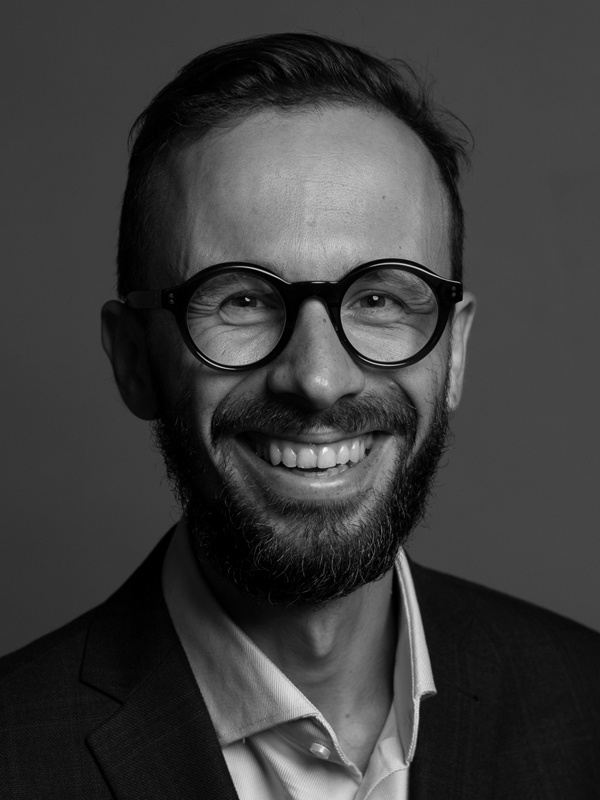
Pawel Zerka
Senior Policy Fellow at the ECFR and the lead analyst on public opinion. He spearheads the organisation’s polling and data research on foreign affairs where he contributes to ECFR’s Rethink: Europe Initiative. He is also engaged in the analysis of the European public opinion as part of ECFR’s Unlock Initiative. His other areas of study include global trade policy, Latin American politics, as well as Poland’s and France’s role in the European Union. He holds a PhD in economics and an MA in international relations from the Warsaw School of Economics.
-
Pedro Magalhães
Pedro Magalhaes is a Researcher at the Institute of Social Sciences (ICS), University of Lisbon and Director of PASSDA-Production and Archive of Social Science Data, an infrastructure that constitutes the Portuguese node of the European Social Survey-ERIC, the Portuguese Election Study-CSES and the Portuguese Archive of Social Information-CESSDA-ERIC. He holds a PhD from Ohio State University. He has formerly served as Director of the Center for Public Opinion Polls and Studies of the Portuguese Catholic University, Director of research at the Francisco Manuel dos Santos Foundation.
-
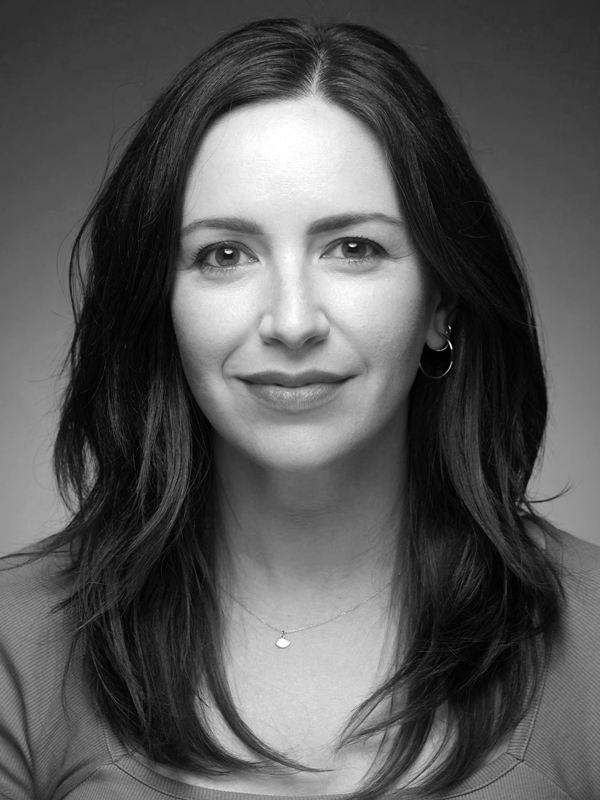
Rachel Rizzo
Nonresident senior fellow at the Atlantic Council’s Europe Center. She was director of programs at the Truman Center for National Policy and the Truman National Security Project. She was also a Robert Bosch fellow in Berlin, Germany, and in the Center for a New American Security where she co-authored several of the center’s reports. Her writing has appeared in publications such as Politico, Foreign Policy, among others. She has provided analysis for the New York Times, Washington Post, Wall Street Journal, CNN, National Public Radio, LA Times, Atlantic, Politico, and Foreign Policy.
-
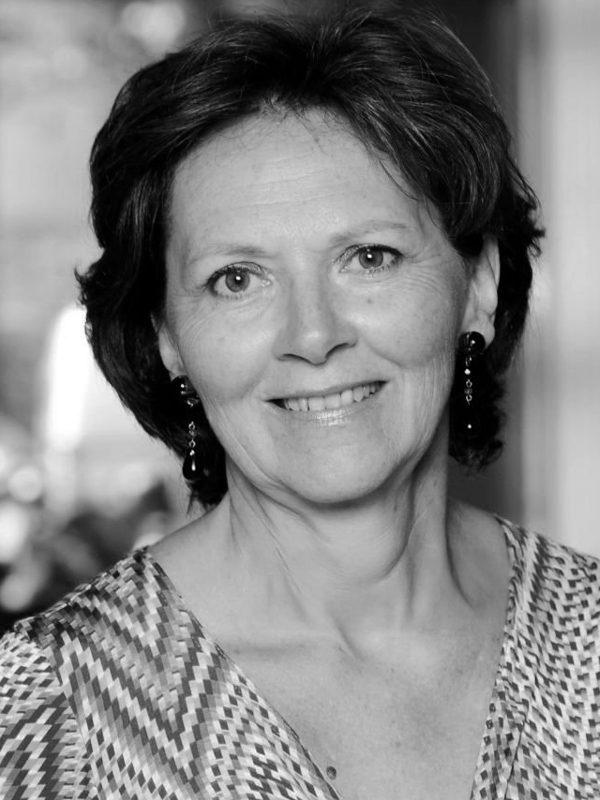
Sylvie Kauffmann
Editorial director, lead writer, and columnist at the French newspaper Le Monde, for whom she writes a weekly column on global affairs. Her opinion pieces on European and international politics have also appeared in the New York Times. Previously, she was the first female editor-in-chief of Le Monde, a position she held during the Wikileaks collaboration with El País, the Guardian, and the New York Times. She has reported from Asia, Eastern Europe, and the United States, where she wrote a prize-winning series of articles about life in the US following the 9/11 attacks.
Programme
15:00 / Welcome Remarks
15:30 / Panel I – Trumpian shock to European security
17:00 / Polling Insights: Is Europe bound to be alone in the Trumpian world?
17:15 / Panel II – Trumpian shock to the world
18:00 / Panel III - Trumpian shock to the European sentiment
18:45 / Concluding Remarks
The Calouste Gulbenkian Foundation reserves the right to collect and keep records of images, sounds and voice for the diffusion and preservation of the memory of its cultural and artistic activity. For further information, please contact us through the Information Request form.