
Botanic Academy in the Gulbenkian Garden
Event Slider
Date
- 17:30 / Cancelled 17:30 / Sold out 17:30 – 19:30
- 17:30 / Cancelled 17:30 / Sold out 17:30 – 19:30
- 17:30 / Cancelled 17:30 / Sold out 17:30 – 19:30
- 17:30 / Cancelled 17:30 / Sold out 17:30 – 19:30
- 17:30 / Cancelled 17:30 / Sold out 17:30 – 19:30
- 17:30 / Cancelled 17:30 / Sold out 17:30 – 19:30
Location
Room 1 and Room 2 Calouste Gulbenkian FoundationThis initiative offers the unique opportunity to explore the biological wealth of this space, through practical and theoretical sessions that help reveal its diversity.
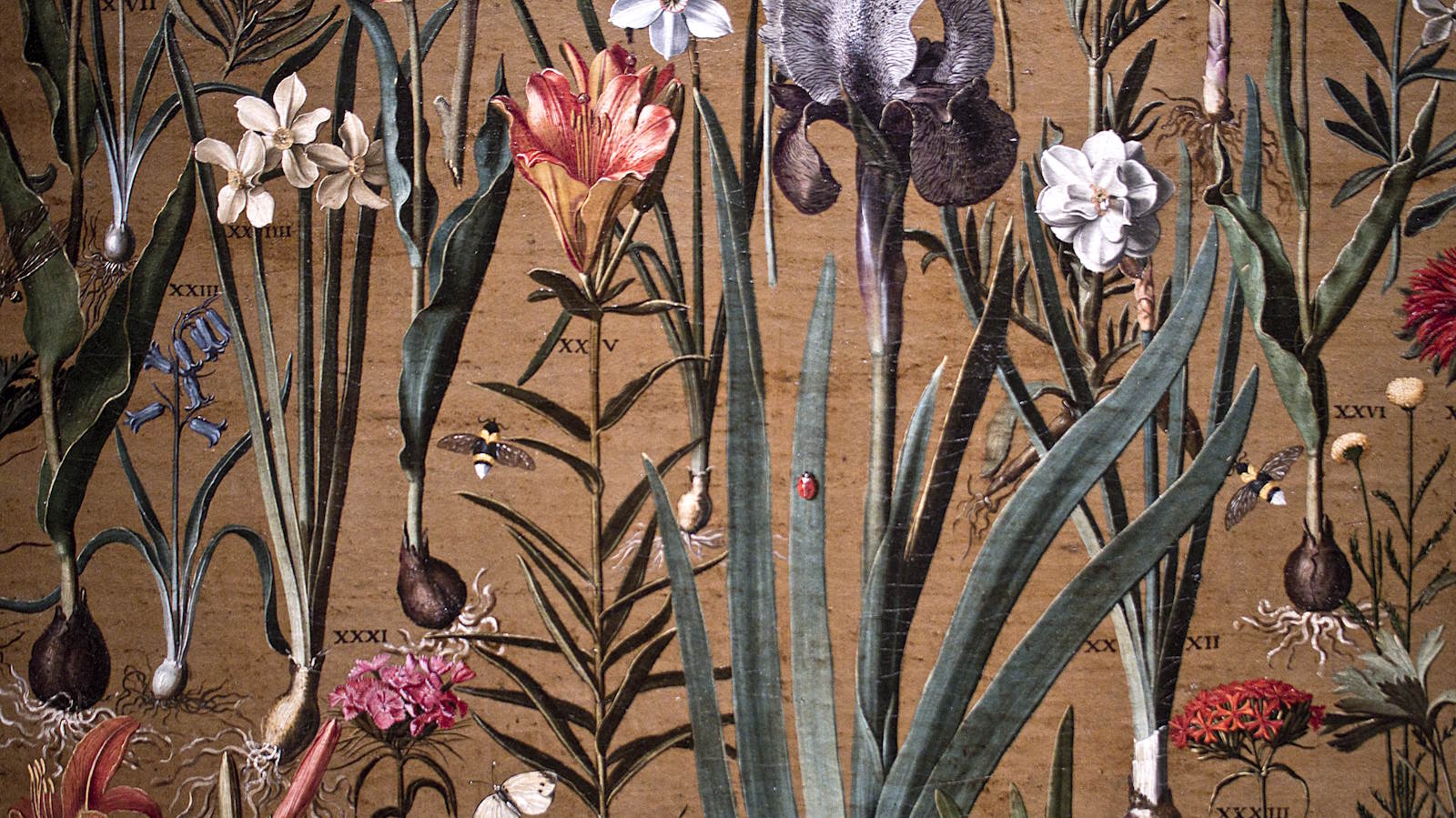
The Botanic Academy proposes a path that links science to art and culture, unravelling the histories, characteristics and use of various species that compose the ecosystem of the garden and which we frequently see represented in works of art.
For each session, we invite a specialist with whom participants can deepen their knowledge of botany, learning to identify, care for and value plants as they explore the connections between nature and human creativity.
These sessions may include a visit to the Garden. Participants should bring appropriate clothing and footwear.
Biographies
-
Carlos Vila-Viçosa
Carlos Vila-Viçosa is currently a member of BIOPOLiS-CIBIO – Research Centre in Biodiversity and Genetic Resources of the University of Porto.
-
Jorge Capelo
Principal Investigator at the National Institute for Agrarian and Veterinary Research (INIAV), specializing in phytosociology and taxonomy of vascular plants, with a particular interest in modeling species distribution and conservation of Mediterranean and Macaronesian forests.
-
Maria de Fátima Sousa e Silva
Professor Emeritus of the Faculty of Arts of the University of Coimbra in the field of Classical Studies, recognized for her translations of Greek authors such as Theophrastus, Pausanias, Aristotle, Herodotus, Euripides, Aristophanes, Menander, among others, and for her research in ancient literature and culture.
-
Olga Maria Duarte Silva
Associate Professor at the Faculty of Pharmacy of the University of Lisbon, she teaches Pharmacognosy and Phytotherapy and is a researcher in Pharmacognosy and Ethnopharmacology. She develops and coordinates projects on medicinal plants from different floras, focusing on their quality, safety, and efficacy, representing Portugal in ISO/TC 249 on Traditional Medicine.
Programme
19 Nov / Carlos Vila-Viçosa
18 Feb / Luís Mendonça de Carvalho
18 Mar / Jorge Capelo
13 May / Maria de Fátima Sousa e Silva
24 jun / Olga Maria Duarte Silva
Credits
Concept and direction
Luís Manuel Mendonça de Carvalho – Titular da Cátedra UNESCO em Etnobotânica