
Antarctic and Southern Ocean Coalition receives €1m Gulbenkian Prize for Humanity
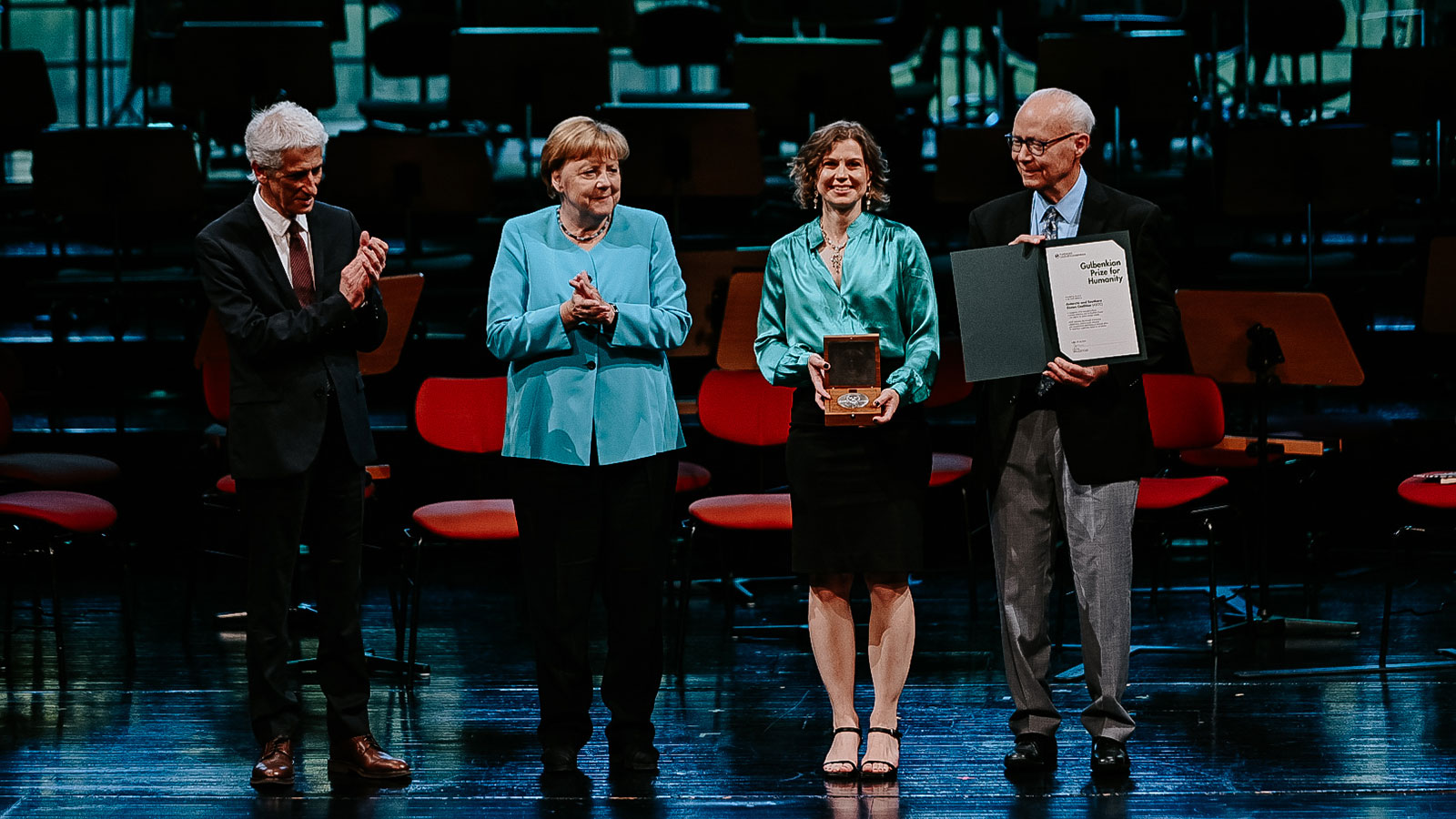
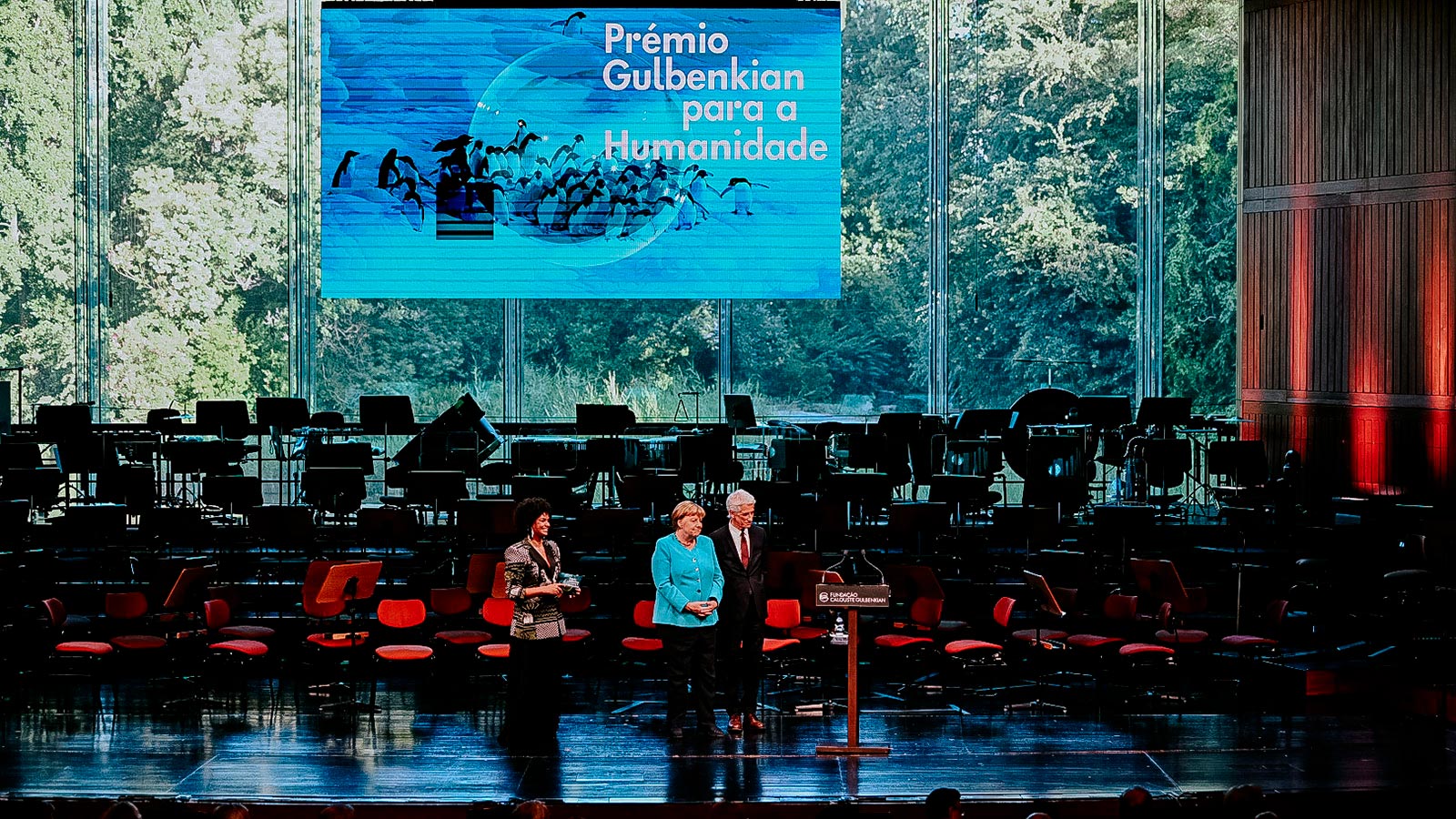
The Antarctic and Southern Ocean Coalition (ASOC) has been announced by the Calouste Gulbenkian Foundation as the winner of the 2025 Gulbenkian Prize for Humanity, in recognition of their work protecting one of the world’s most climate sensitive regions. At a critical frontier of the global climate system, ASOC exemplifies how enduring international collaboration, science-based advocacy, and environmental stewardship are essential to securing a sustainable future for all. The Jury, chaired by Dr Angela Merkel, selected the recipient out of 212 nominations from 115 countries.
Since its founding in 1978, ASOC has brought together leading environmental organisations from more than 10 countries, forming a resilient and coordinated coalition of members, partners, campaigners, and supporters. As Antarctica lies beyond the jurisdiction of any single nation, multilateral cooperation has been essential to its protection over the past 5o years, ASOC has consistently shown how a unified voice, grounded in shared purpose and long-term commitment, can influence governance and preserve one of the last wild regions of the planet.
Despite its remoteness, Antarctica is a cornerstone of global stability. The Antarctic Treaty, signed in 1959, designated Antarctica as a continent of peace and cooperation, reserving it for peaceful purposes and scientific research. Antarctica holds nearly 90% of the world’s land ice and about 70% of its fresh water and is central to this effort. The Southern Ocean alone accounts for around 10% of the global ocean and supports nearly 10,000 unique species. Its powerful currents regulate planetary temperatures, drive nutrient cycles, and sustain marine biodiversity that forms the base of the global food web. However, the region is now at a tipping point, facing accelerated climate impacts, notably extreme temperature anomalies, marine heatwaves, and shrinking sea ice, with parts of Antarctica warming at more than twice the global average.
This year’s Prize comes as the United Nations has declared 2025 the International Year of Glaciers’ Preservation, launching the Decade of Action for Cryospheric Science (2025–2034). The international community is finally acknowledging the essential role of the cryosphere—the Earth’s ice sheets, glaciers, and ice caps—in climate regulation. ASOC’s leadership helps translate scientific understanding into global action, safeguarding the systems on which life depends.
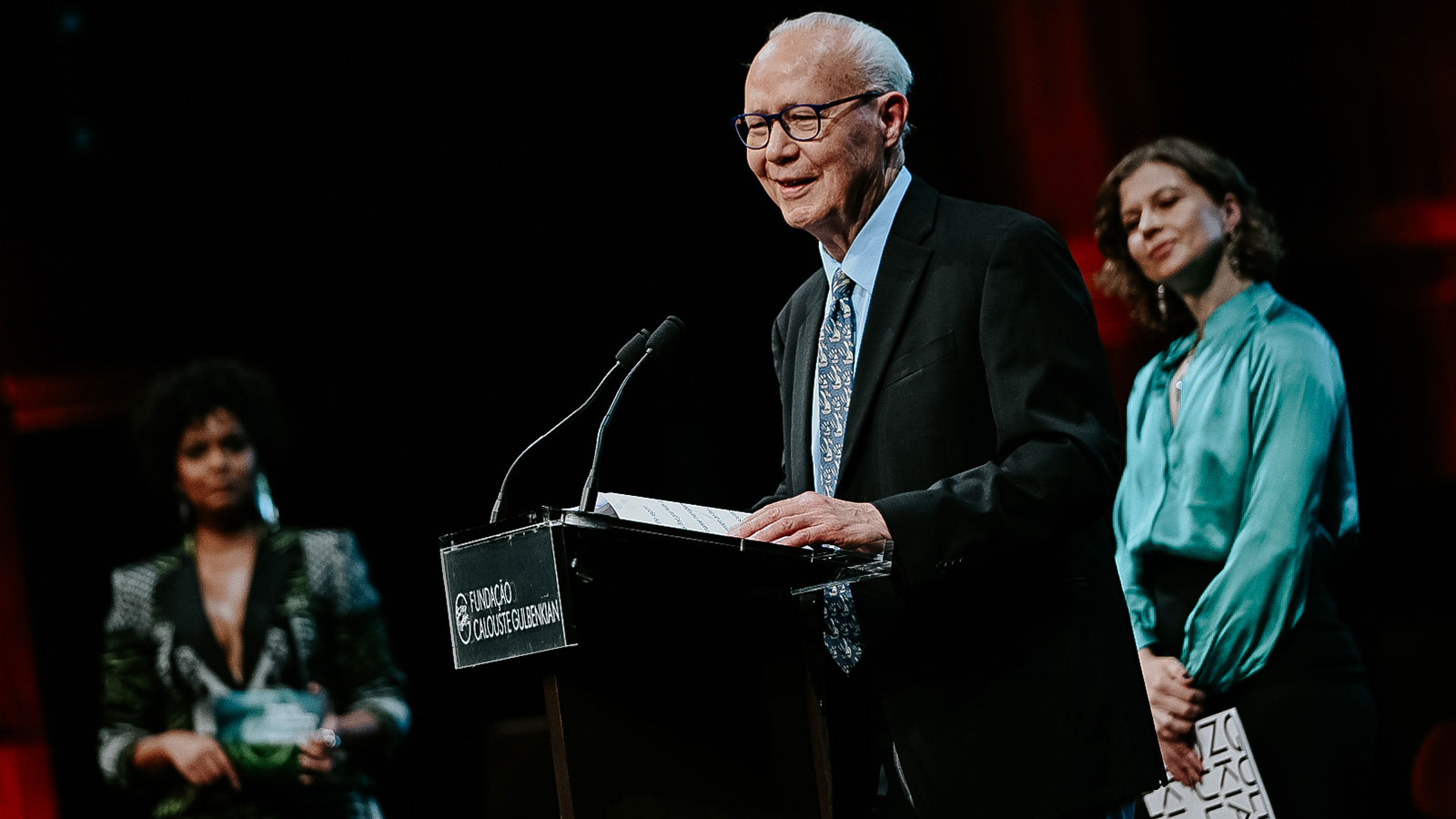
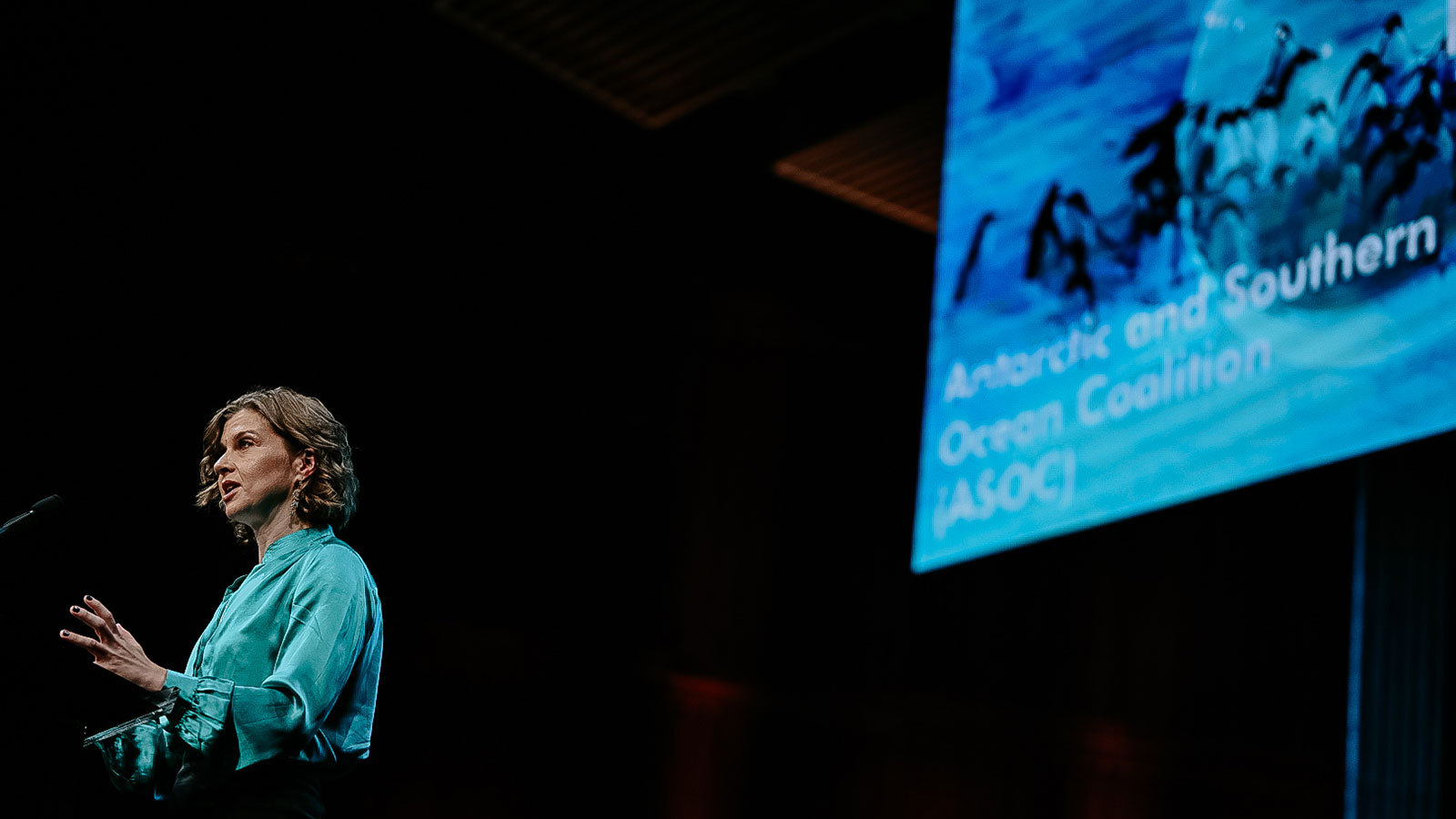
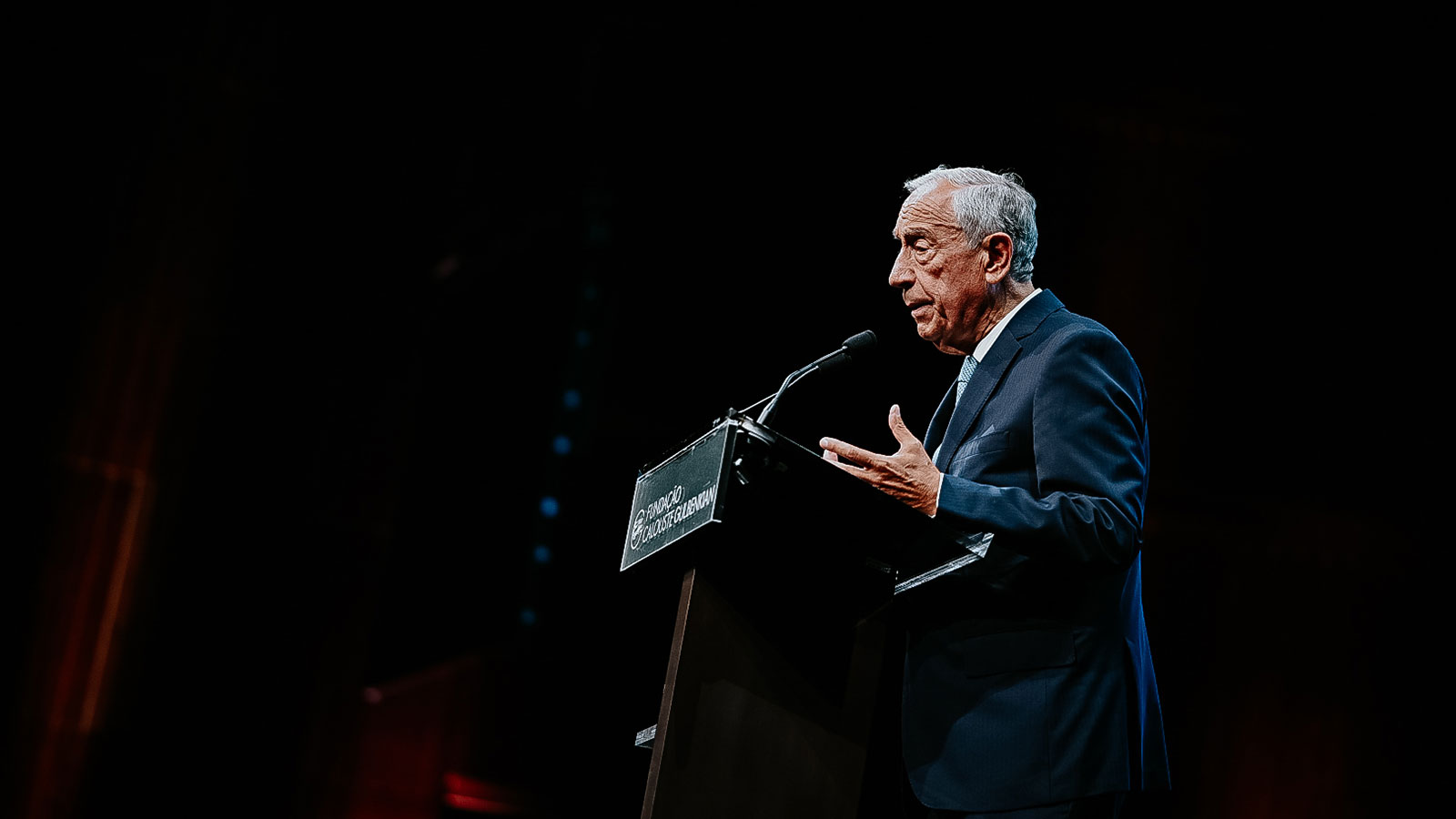
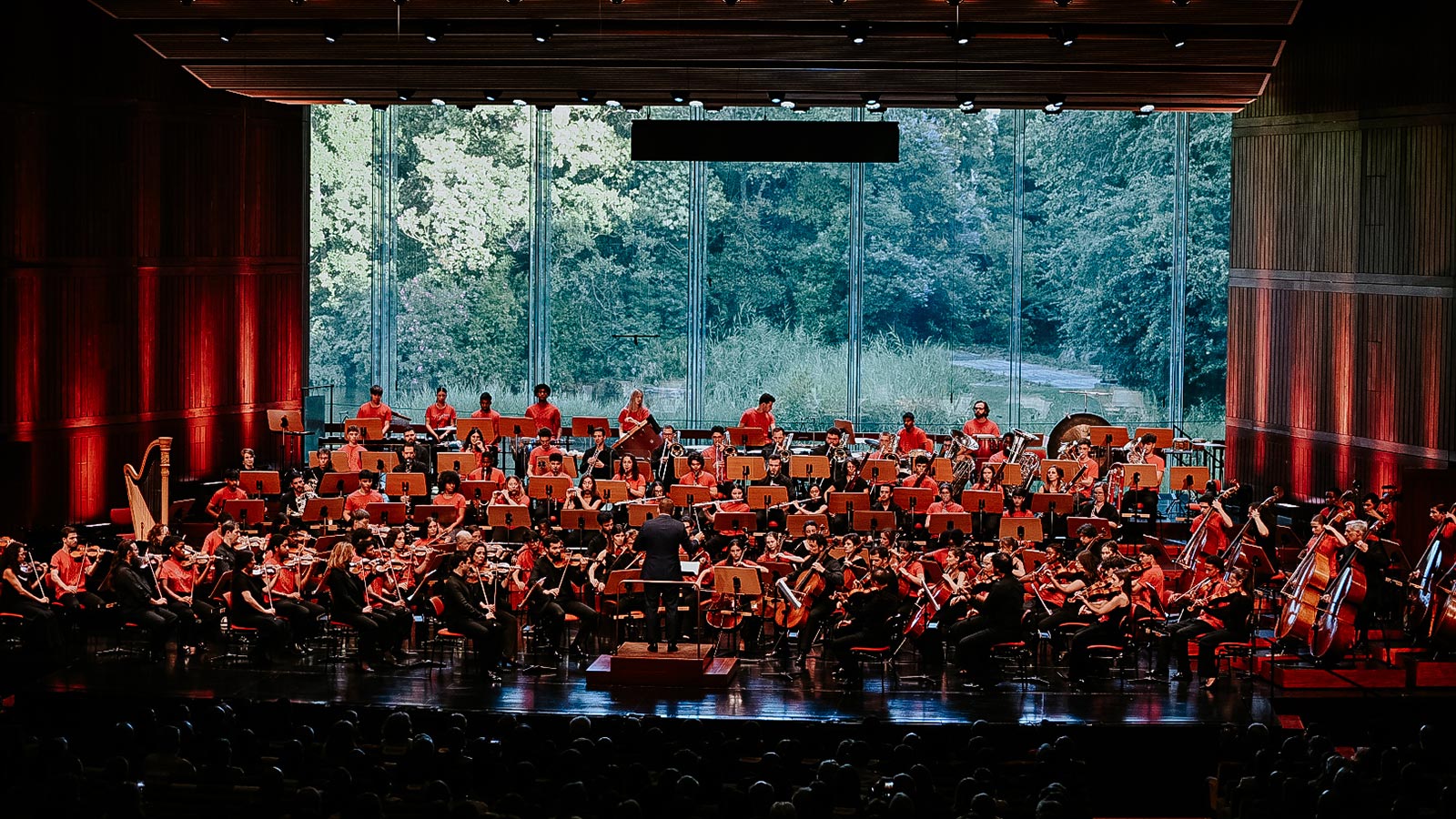
Claire Christian, ASOC Executive Director, says: ”We are truly honoured to receive the Gulbenkian Prize for Humanity. This recognition affirms the power of collective action and the vital importance of protecting the Antarctic and Southern Ocean. These regions may seem distant, but they are central to the planet’s health and future. We accept this award on behalf of our coalition and those continuing to protect one of Earth’s last pristine ecosystems.”
Angela Merkel, President of the Jury, says: “The Antarctic region is a unique and fragile ecosystem which is particularly vulnerable to the effects of climate change. Sitting outside the jurisdiction of any one country, it requires an extraordinary level of international cooperation to protect and preserve this precious resource. The Jury wanted to recognise the achievements of the Antarctic and Southern Ocean Coalition and how it demonstrates that global collaboration is possible. The Antarctic and Southern Ocean Coalition inspires hope for generations to come and is a worthy winner of this prize.”
António Feijó, President of the Board of Trustees of the Calouste Gulbenkian Foundation says: “The Antarctic and Southern Ocean embodies the essence of the Gulbenkian Prize for Humanity. It combines science, advocacy and international relations to confront one of the world’s biggest challenges, climate change. Their work reminds us why protecting the most remote places on Earth is essential to safeguarding our shared future. We are proud to recognise their achievements and their unwavering commitment to the planet”
The Prize is an initiative of the Calouste Gulbenkian Foundation, rewarding individuals and organisations who are leading society’s efforts to tackle the biggest challenges facing humanity today: climate change and nature loss. With an award of €1 million, the Prize recognises outstanding contributions to climate action and solutions that inspire hope and possibility.
This is the sixth year in which the prize has been awarded. In 2020, its first year, the prize was awarded to Greta Thunberg; in 2021 it was awarded to the Global Covenant of Mayors for Climate and Energy; and in 2022, the Intergovernmental Science-Policy Platform on Biodiversity and Ecosystem Services (IPBES) and the Intergovernmental Panel on Climate Change (IPCC) were joint recipients; and in 2023, Bandi “Apai Janggut”, customary community leader (Indonesia), Cécile Bibiane Ndjebet, activist and agronomist (Cameroon) and Lélia Wanick Salgado, environmentalist, designer and scenographer (Brazil) were also joint recipients.
The 2024 Prize was jointly awarded to Andhra Pradesh Community Managed Natural Farming (India), a state-wide programme supporting smallholders, predominantly women, switch to natural farming; Rattan Lal (USA/India), a scientist who pioneered a soil-centric approach to agriculture; and SEKEM and the Egyptian Biodynamic Association (Egypt), a network enabling farmers to transition to regenerative practices.
About the Antarctic and Southern Ocean Coalition
Since 1978, the Antarctic and Southern Ocean Coalition (ASOC) has been the leading voice for Antarctic conservation, working solely for the protection of Antarctica and the surrounding Southern Ocean. As the only environmental NGO invited to observe Antarctic Treaty meetings, ASOC works at the highest levels of Antarctic governance to effect change from within. ASOC represents the Antarctic conservation community in the halls of power where globally significant decisions about the future of Antarctica are made.
Working alongside its 21 Coalition members, partners, campaigners and supporters, ASOC informs and motivates global leaders to protect Antarctica for all of humanity.
ASOC spokespeople
Claire Christian, ASOC Executive Director
Claire Christian has worked with ASOC since 2009, specializing in Antarctic environmental issues including tourism, fisheries, marine protected areas, and climate change. She leads ASOC’s delegations to Antarctic Treaty Consultative Meetings and CCAMLR, engaging with governments, scientists, and industry stakeholders. Claire is a published author and media contributor, holding an M.A. in International Affairs from American University. She is passionate about raising awareness of Antarctica’s lesser-known invertebrates alongside its iconic wildlife. ASOC operation hub is based in Washington DC, USA.
Jim Barnes, ASOC Founder
Jim Barnes co-founded the Antarctic and Southern Ocean Coalition (ASOC) in 1978 and has dedicated over 40 years to the organization, serving as General Counsel and Executive Director (2005–2014). He led key campaigns including the ecosystem-based fisheries treaty and the Antarctic Environmental Protocol. A University of Michigan Law graduate, Jim has worked on landmark environmental cases and helped establish the CEE Bankwatch Network. He currently serves as ASOC Board Chair and is a member of the Bankwatch Network Review Committee.
Ricardo Roura, ASOC Senior Advisor
Ricardo Roura is a senior advisor for the Antarctic and Southern Ocean Coalition (ASOC) with extensive experience in Antarctic research, analysis, and advocacy. He represents ASOC at the Committee for Environmental Protection and regularly participates in key Antarctic governance forums including the ATCM and CCAMLR. With fourteen seasons spent in Antarctica and a PhD from the University of Groningen, Ricardo combines a background in geology with social science expertise, focusing on human-environment interactions and the geopolitics of Antarctic governance.
Eunhee Kim, ASOC Marine Conservation Specialist
Eunhee Kim has worked with ASOC since 2014, focusing on marine protected areas (MPAs) and illegal, unreported, and unregulated (IUU) fishing in the Southern Ocean. She holds a PhD in environmental chemistry from the University of Maryland, with expertise in trace metal biogeochemistry and mercury cycling. Eunhee applies her scientific background to research Antarctic mercury dynamics and supports ASOC’s science-based advocacy at CCAMLR and other Antarctic governance forums to advance marine conservation.
Claire Christian trabalha com a ASOC desde 2009 e especializou-se em questões ambientais da Antártida, incluindo turismo, pescas, áreas marinhas protegidas e alterações climáticas. Lidera as delegações da ASOC nas Reuniões Consultivas do Tratado da Antártida e na Comissão para a Conservação dos Recursos Marinhos Vivos da Antártida (CCAMLR), colaborando com governos, cientistas e agentes do sector. É autora publicada e colaboradora nos meios de comunicação social, e possui um mestrado em Relações Internacionais pela American University. Uma das suas paixões é a informação pública para que haja uma maior consciencialização a respeito dosinvertebrados menos conhecidos da Antártida, juntamente com a sua icónica vida selvagem. O centro de operações da ASOC está sediado em Washington DC, nos EUA.
Jim Barnes, Fundador da ASOC
Jim Barnes foi cofundador da ASOC em 1978 e dedicou mais de 40 anos à organização, tendo sido Conselheiro Geral e Diretor Executivo (2005-2014). Liderou campanhas importantes, incluindo o tratado de pesca baseado no ecossistema e o Protocolo Ambiental da Antártida. Licenciado em Direito pela Universidade do Michigan, Jim Barnes trabalhou em casos ambientais emblemáticos e ajudou a criar a CEE Bankwatch Network. Atualmente, é Presidente do Conselho de Administração da ASOC e membro do Comité de Revisão da Rede Bankwatch.Ricardo Roura, Senior Advisor da ASOCRicardo Roura é senior advisor da ASOC com uma vasta experiência em investigação, análise e defesa do Antártico. Representa a ASOC no Comité para a Proteção do Ambiente e participa regularmente nos principais fóruns de governação da Antártida, incluindo o ATCM e o CCAMLR. Com 14 temporadas passadas na Antártida e um doutoramento pela Universidade de Groningen, Ricardo Roura combina uma formação em geologia com conhecimentos de ciências sociais, centrando-se nas interações homem-ambiente e na geopolítica da governação antártica.
Eunhee Kim, Especialista de Conservação Marinha
Eunhee Kim trabalha com a ASOC desde 2014, concentrando-se nas áreas marinhas protegidas (MPAs) e na pesca ilegal, não declarada e não regulamentada (IUU) no Oceano Antártico. Tem um doutoramento em química ambiental pela Universidade de Maryland, com especialização em biogeoquímica de metais residuais e ciclo de mercúrio. Eunhee aplica os seus conhecimentos científicos à investigação da dinâmica do mercúrio na Antártida e apoia a defesa científica do ASOC na CCAMLR e noutros fóruns de governação da Antártida para promover a conservação marinha.
About the Prize for Humanity
The €1 million Gulbenkian Prize for Humanity recognises individuals, organisations and groups leading society’s efforts to tackle the single biggest challenge facing humanity today: climate change. It recognises outstanding contributions to climate action and climate solutions that inspire hope and possibility.
The Prize for Humanity is a manifestation of the Calouste Gulbenkian Foundation’s strategic commitment to sustainability and equity. Established in 2019 and first awarded in 2020, the Prize for Humanity not only reflects Calouste Gulbenkian’s legacy but is creating a legacy of its own, enabling people to make huge advances in tackling climate change. Helping humanity overcome the biggest challenge we face will be the ultimate legacy of the Prize.