


Gulbenkian at COP31
How can international recognition of a climate solution help accelerate change?
The Gulbenkian Foundation (Portugal) promotes climate action and protects biodiversity in Portugal and around the world. Its Climate and Biodiversity programme funds and empowers organisations, generates knowledge, takes part in international networks, tests innovative projects and recognises initiatives with global impact. Its flagship initiative is the Gulbenkian Prize for Humanity.
Established in 2020, the Gulbenkian Prize for Humanity is an annual €1 million award for individuals, organisations and groups with proven achievements in climate action. The funding helps them sustain and scale up solutions that benefit people and the planet. Since 2020, the Prize has awarded €7 million to initiatives around the world.
19 Nov / 17:00 (Antalya time, GMT+3) / Portugal Pavilion, Blue Zone
From Recognition to Impact: How Climate Leaders Are Driving Real-World Change
Session in English with online livestream
Gulbenkian is taking part in the 31st UN Climate Change Conference (COP31) in Antalya, Türkiye, where it is hosting this session at the Portugal Pavilion.
Representatives of three Gulbenkian Prize for Humanity winners from Cameroon, Egypt and India will discuss what changed after they received the Prize and how they are scaling up their climate solutions. The session will spotlight women’s leadership in ecosystem restoration and land rights, pioneering approaches to regenerative agriculture, and community-led efforts to transform food systems at scale.
Drawing on first-hand experience, the speakers will explain how funding and international recognition have helped them expand their work on the ground and build partnerships that adapt local solutions to new contexts.
The conversation, followed by an audience Q&A, will contribute to COP31’s focus on moving from climate commitments to action on the ground.
PROGRAMME
Opening remarks
Conversation with the Prize winners
Q&A
Closing remarks
Meet the speakers
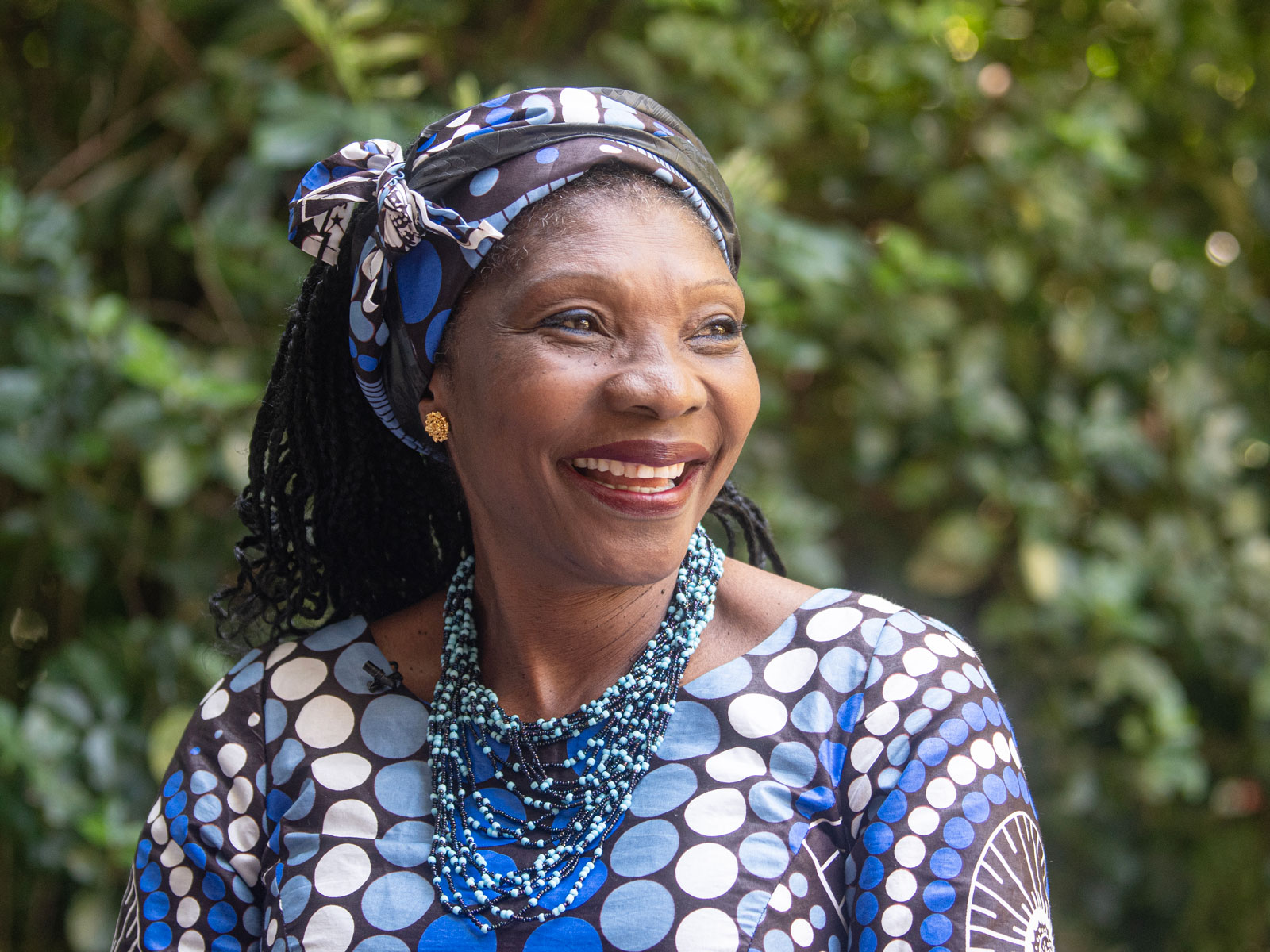
Cécile Bibiane Ndjebet (Cameroon)
“Women are really driving restoration. They are reforesting degraded areas, they plant trees, they develop nurseries. They do agroforestry. (…) They keep the forest alive.”
Cécile Bibiane Ndjebet is an agronomist and social forester who has advocated for women’s rights and sustainable forest management for more than three decades. She co-founded and chairs the African Women’s Network for Community Management of Forests (REFACOF), which promotes women’s rights and participation in land and forest governance across 20 African countries. She is also national coordinator of Cameroon Ecology. Her work has been recognised with the Wangari Maathai Forest Champion Award and the UN Environment Programme’s Champions of the Earth award.
In this session, Ndjebet will show how the Gulbenkian Prize for Humanity helped REFACOF expand its work with rural women on agroforestry, mangrove restoration and access to land, strengthening community resilience.
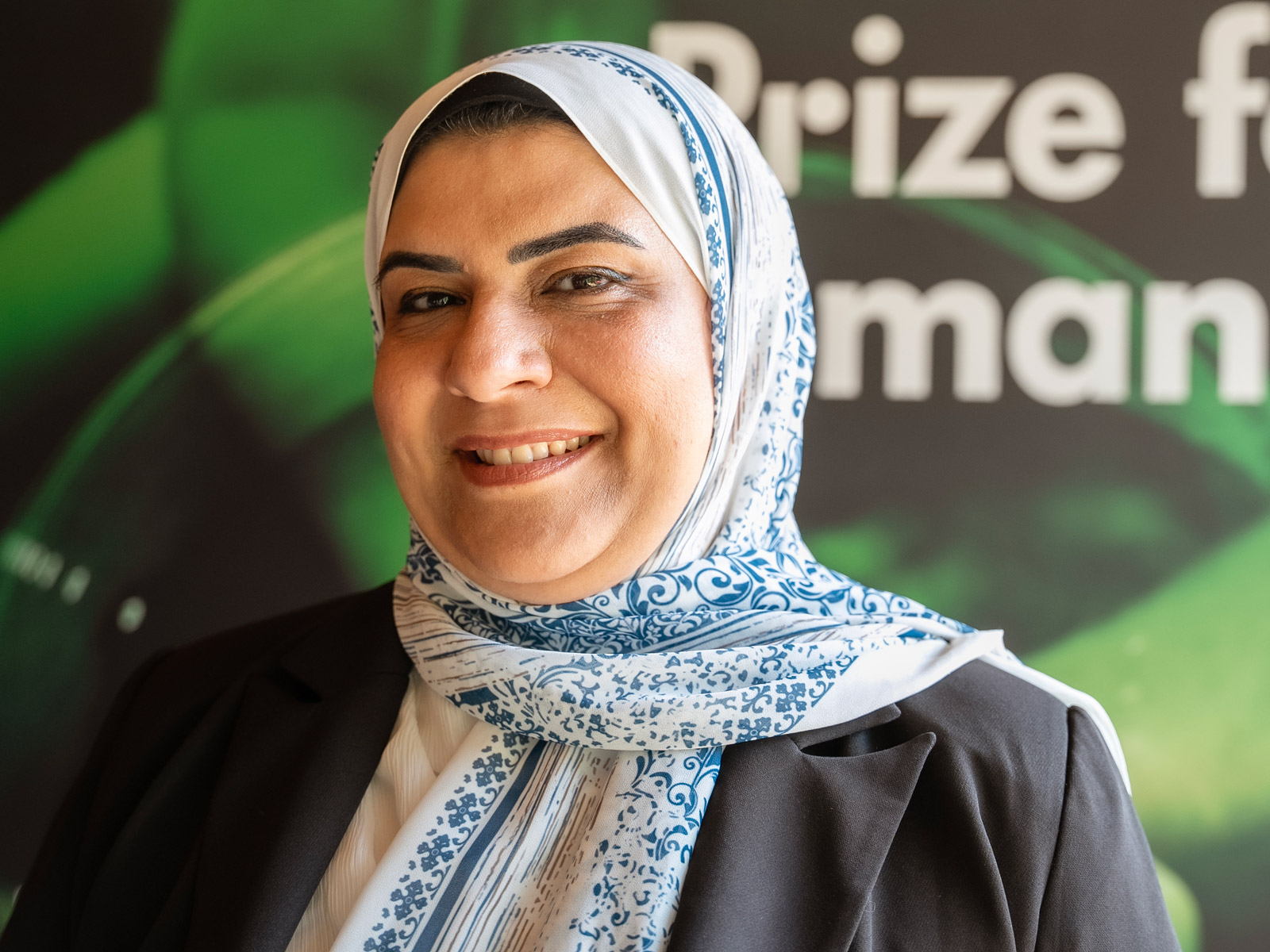
Naglaa Ahmed (Egypt)
“At SEKEM we are creating a scalable blueprint for sustainable development, one that places agriculture at its core. We don’t just help farmers improve their techniques. We give them hope for the future.”
Naglaa Ahmed is a social development professional who works with farmers and communities in Egypt through SEKEM, a biodynamic farming initiative. Working with the Egyptian Biodynamic Association, a network that helps farmers move to regenerative practices, she has developed initiatives in literacy, vocational training and health alongside her work in sustainable agriculture.
In this session, Ahmed will discuss how the Gulbenkian Prize for Humanity helped expand regenerative farming practices. She will also explain how biodynamic agriculture and SEKEM’s ‘Economy of Love’ model help restore soils and improve farmers’ access to knowledge and markets.
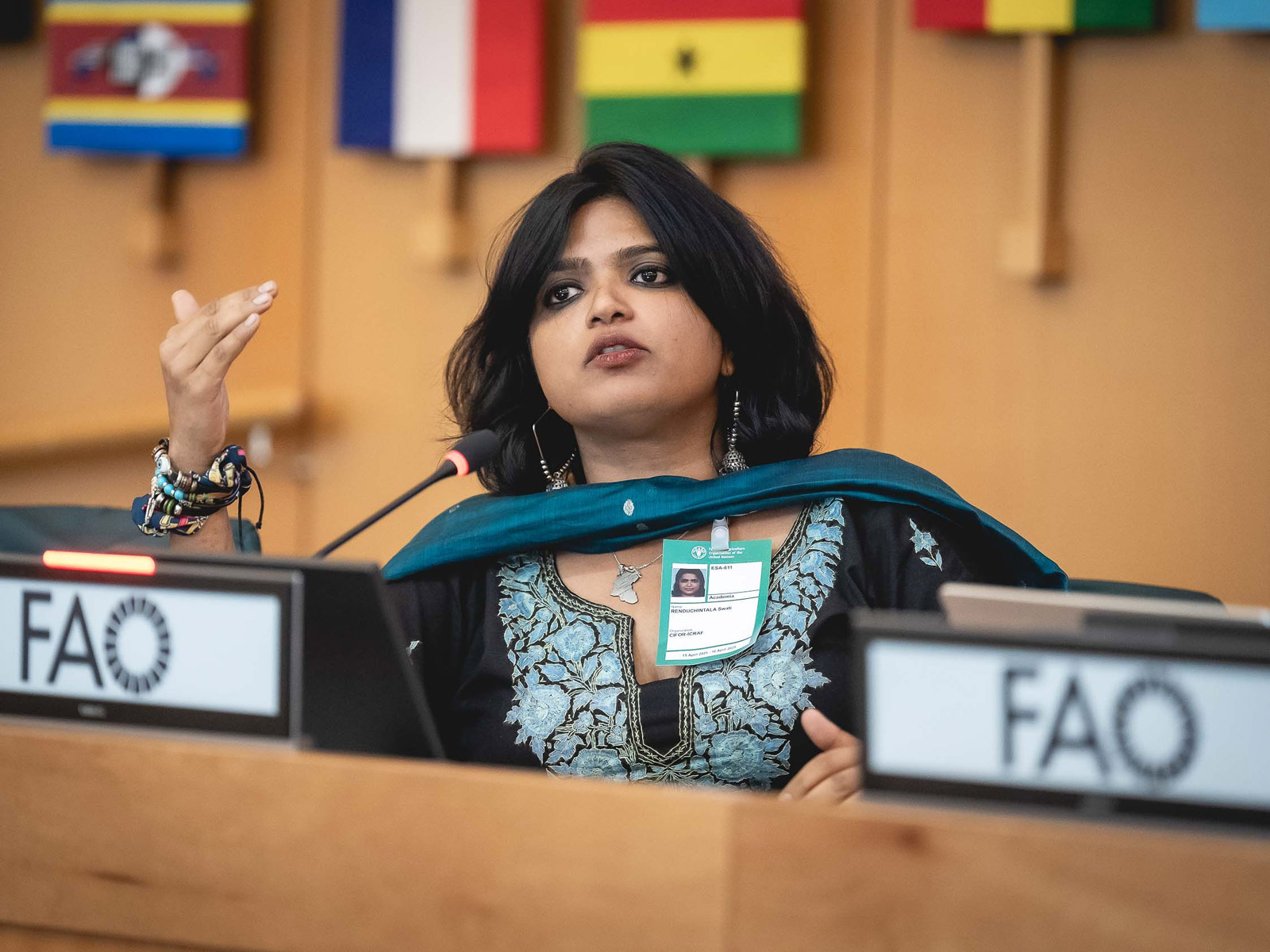
Swati Renduchintala (India)
“There has been a growing narrative on how women are the true transformation agents from conventional industrialised systems to agroecological-based systems.”
Swati Renduchintala is an associate scientist at World Agroforestry (CIFOR-ICRAF). She works with farming communities and women’s self-help groups through the Andhra Pradesh Community-managed Natural Farming (APCNF) programme. Her work focuses on agroecology, the transition to natural farming and the exchange of climate-resilient farming practices.
In this session, Renduchintala will present Andhra Pradesh’s community-led transition to natural farming. She will highlight how women farmers share knowledge and how the Gulbenkian Prize for Humanity helped strengthen cooperation and adapt the model to other countries.
Watch our Impact film
No results were found for your criteria.
As one of the largest awards in sustainable development, the Prize delivers measurable benefits to the environment, nature and communities impacted by climate change.
The Foundation has awarded €6 million since launching the Prize in 2020 to individuals, organisations and groups across the globe—enabling them to accelerate vital climate action, raise awareness of critical issues facing people and the planet, and showcase approaches and solutions to a more sustainable, fairer future.
Learn morePrevious winners
Previous winners are using the funding to restore and advocate for the protection of critical ecosystems, catalyse global climate policy and legal change, scale regenerative agriculture practices, accelerate the green transition, and support communities most exposed to the impacts of climate change.





No results were found for your criteria.
About the Prize
The Gulbenkian Prize for Humanity recognises extraordinary leadership and helps accelerate proven, impactful climate action that benefits people and the planet.
Each year, an independent jury of internationally recognised experts in climate science, technology and politics, chaired by Angela Merkel, awards €1 million, one of the largest awards in sustainable development.
This year’s winner was selected from 304 nominations across 73 countries. Since 2020, the Prize has awarded €7 million to pioneering individuals and initiatives.
Learn more