










From the living to the built
Microscopic Architectures by Antecâmara
Event Slider
Date
- 16:00 / Cancelled 16:00 / Sold out 16:00 – 18:00
Location
Engawa Space Centro de Arte Moderna Gulbenkian
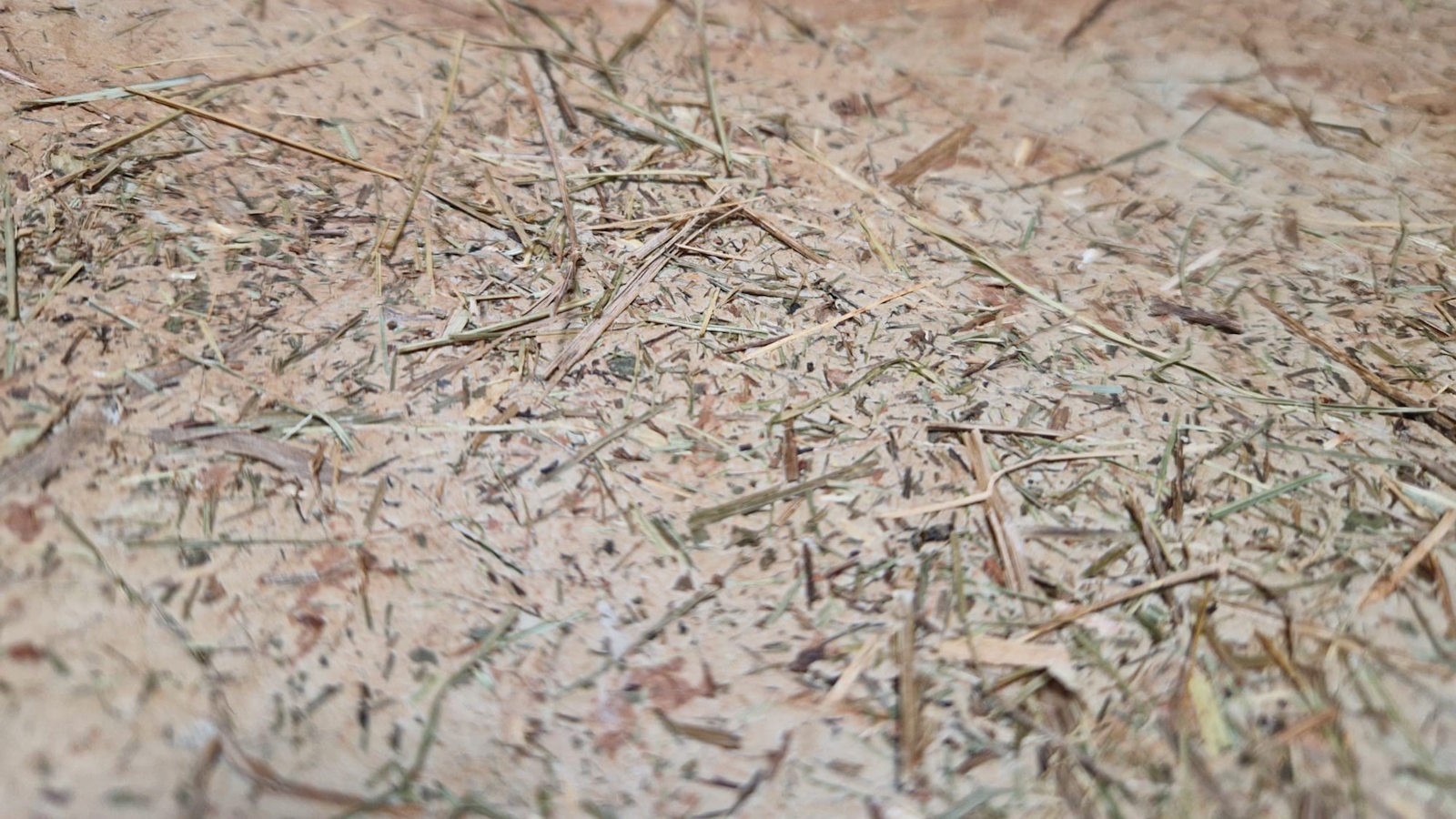
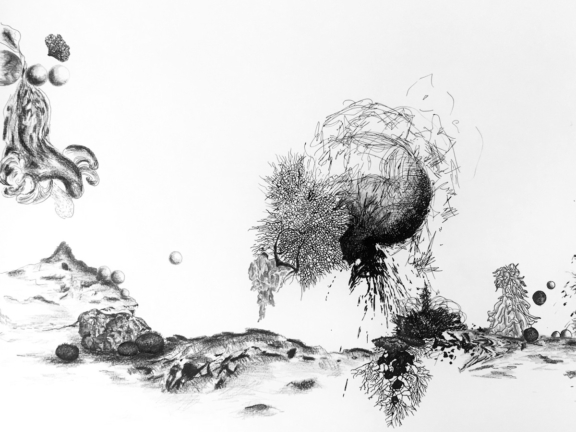
This experimental workshop investigates biological colonisation as a constructive act, shifting the notion of construction from the human scale to the microscopic.
Rather than fabricating matter, it sets out to create the conditions in which living matter may act, recognising biological growth as both a spatial and a temporal process.
Microalgae become co-authors of the process, challenging the role of the human as the sole agent of material production and introducing biological time as an essential component of the project. The workshop weaves together observation, patience and transformation, exploring the passage from the living to the built as a change of state rather than a rupture.
The Institution(ing)s is funded by the European Union. The views expressed are, however, those of the respective authors and do not necessarily reflect the views and positions of the European Union or Creative Europe. Neither the European Union nor the funding authority can be held responsible for them.
Earth Day
This activity is part of Earth Day at Gulbenkian – a celebration of “Mother Earth” for all ages. Read more
Biographies
-
Ana Amorim
Ana is a biologist, Assistant Professor at the Faculty of Sciences of the University of Lisbon, and a researcher at MARE (Marine and Environmental Sciences Centre). Over the past 30 years, she has developed her work in the biology, ecology, and systematics of marine phytoplankton and microphytobenthos, especially focusing on the dynamics of harmful algal blooms (HABs) and their impact on humans and ecosystems.
-
Lourenço Ribeiro
Lourenço is a biologist with 30 years of experience in the ecology and taxonomy of benthic diatoms from coastal, marine, and freshwater environments. He holds a PhD from the University of Lisbon and works on microphytobenthos and bioindication, with a focus on biodiversity and the spatiotemporal variation of these intertidal communities.
-
Vanda Brotas
Vanda is a biologist and Full Professor at FCUL and MARE (Marine and Environmental Sciences Centre), where she leads a research group. Her work has focused on primary producers in estuarine and ocean ecosystems, particularly on phytoplankton ecology and ocean color remote sensing. She has also written popular science books for young audiences.
Credits
Concept and direction
Ana Amorim
Lourenço Ribeiro
Vanda Brotas
Financed by
Project
Coordinated by
Partners
Local/associated partners
Support
The Calouste Gulbenkian Foundation reserves the right to collect and keep records of images, sounds and voice for the diffusion and preservation of the memory of its cultural and artistic activity. For further information, please contact us through the Information Request form.