
Abel Manta (1888-1982)
Praça de Camões, 1954 / Inv. 62P75


O repto inicial para a organização desta mostra partiu do Secretariado Nacional de Informação (SNI), que, pretendendo organizar em Madrid uma exposição de arte portuguesa contemporânea, pediu a colaboração da Fundação Calouste Gulbenkian (FCG) para o empréstimo gracioso de obras de arte da sua coleção. A FCG não só se dispôs a colaborar, pois «era difícil, diremos mesmo impossível, negar ao SNI o que ele nos solicitava, tanto mais que o SNI sempre se tem manifestado pronto a colaborar com a Fundação» (Proposta do Presidente, 24 jul. 1967, Arquivos Gulbenkian, SBA 15365), como também sugeriu como contraproposta a repetição da exposição em Paris e em Bruxelas, de modo a aproveitar as autorizações de saída de obras de arte de finais do século XIX e inícios do século XX que pertenciam às coleções do Estado. Aceites os termos, foi então organizada uma «Comissão Mista», constituída por representantes da FCG e do Estado, que viria a estabelecer as bases das três exposições e a selecionar as obras a expor.
Esta comissão era composta por Francisco d’Avillez, António Duarte, Carlos Botelho e Fernando Guedes, representantes do SNI, e por Artur Nobre de Gusmão, José Sommer Ribeiro e Fernando de Azevedo, representantes da FCG. Fernando de Azevedo foi o nome escolhido para comissariar a exposição (na edição de Madrid, auxiliado por Américo da Silva e Luís Pinto Coelho, comissários-adjuntos). A Sociedade Nacional de Belas-Artes viria mais tarde a manifestar o seu descontentamento por não ter sido chamada a integrar a comissão organizadora da exposição (Carta de Francisco Conceição Silva para José de Azeredo Perdigão, 19 jan. 1968, Arquivos Gulbenkian, SBA 15365).
Concebida inicialmente para documentar a arte portuguesa a partir da «aurora do modernismo em Portugal», esta exposição acabou por se estender aos artistas naturalistas, «para hacer más clara su comprensión. Porque son ellos los que produjeron el despertar de la conciencia artística portuguesa en el último cuarto del siglo XIX» (Arte Portugués. Pintura y escultura del Naturalismo a nuestros días, 1968). Assim, a mostra acabou por se organizar em torno da apresentação de um panorama da pintura e escultura portuguesas «de los últimos cien años, a partir del Naturalismo», através de uma inédita visão de conjunto de «todo lo que los artistas portugueses de este período han realizado, tras un árduo trabajo de experimentos y ensayos» (Ibid.).
Nesta exposição foram representados 64 artistas, num total de 117 pinturas e esculturas, pertencentes a várias instituições (Museu Nacional de Arte Contemporânea, Museu Nacional de Soares dos Reis, Museu Municipal de Lisboa, Musée d’Art Moderne, Fundação Calouste Gulbenkian, Secretariado Nacional de Informação) e a coleções particulares.
Embora a FCG já contasse à época com um considerável número de obras de arte contemporânea portuguesa, a maioria das quais conservada no Centre Culturel Portugais, em Paris, a organização desta exposição propôs a aquisição de novas peças. Estas aquisições foram o resultado da verificação da falta de representação de muitos dos artistas nacionais «nas colecções organizadas no país, quer as de carácter oficial quer as de carácter particular», situação que, sendo «um tanto insólita e surpreendente», se justificaria por «circunstâncias diversas, que vão de razões de informação, gosto e recursos dos raros coleccionadores particulares, à impossibilidade em que se tem encontrado o Museu Nacional de Arte Contemporânea de se organizar como pinacoteca, que nos continua a faltar, para a arte dos nossos dias, e ao escasso interesse dos nossos principais Museus por essa mesma arte» (Apontamento do Serviço de Belas-Artes, 14 set. 1967, Arquivos Gulbenkian, SBA 15365).
Os encargos da FCG com as três edições variaram: a edição de Madrid foi paga pelo SNI, «limitando-se a Fundação a ceder […] as obras, de sua propriedade, que nela devem figurar»; as despesas com a edição de Bruxelas foram repartidas pela FCG e pela associação «Les Amis de du Portugal»; os custos com a edição de Paris foram inteiramente suportados pela FCG (Ata do Conselho de Administração, 25 jul. 1967, Arquivos Gulbenkian, SBA 15365).
Edição de Bruxelas
Designada no cartaz como «60 ans d’art portugais», contou com a colaboração da Associação «Les Amis du Portugal», presidida por Emile Langui, também diretor-geral das Artes e Letras, do Ministério da Educação Nacional e da Cultura belga.
Aquando da inauguração, a Orquestra de Câmara da FCG deslocou-se a Bruxelas para dar três concertos (na véspera, no dia da inauguração e no dia posterior), por recomendação da comissão de organização da exposição, que considerava «de vantagem a realização paralela de concertos de música portuguesa» (Apontamento do Serviço de Bela-Artes, 20 out. 1967, Arquivos Gulbenkian, SBA 15365).
Edição de Paris
Contou com o alto patrocínio de André Malraux, então titular da pasta das Relações Culturais de França, e foi organizada em estreita colaboração com a Association Française d’Action Artistique, que já colaborara com a FCG na exposição «Um Século de Pintura Francesa», 1965. Os trabalhos no Centre Culturel Portugais foram supervisionados por Joaquim Veríssimo Serrão, que então dirigia aquele organismo e que louvou largamente a iniciativa, a qual «permitiu a muitas centenas de parisienses conhecer a existência do Centro Cultural» (Carta de José Veríssimo Serrão, 4 out. 1968, SBA 15362).
Edição de Madrid
Integrada nas «Jornadas Portuguesas em Madrid», realizadas pelo Secretariado Nacional de Informação na capital espanhola entre 15 de abril e 12 de maio de 1968, foi inaugurada pelo chefe de Estado espanhol, general Franco.
De acordo com um dos textos introdutórios do catálogo da edição espanhola, a apresentação desta exposição em Espanha visava, quer da parte da FCG, quer da parte do SNI, «intensificar el intercambio cultural y artístico entre nuestros dos Países» (Arte Portugués. Pintura y escultura…, 1968).
Na sequência do interesse que esta exposição suscitou nos três países onde foi apresentada, a FCG recebeu várias solicitações para a repetir na África do Sul, em Lisboa e em «outras cidades da Europa e até da América do Norte» (Carta de Pedro da Cunha para Félix da Silva Correia, 15 mai. 1968, Arquivos Gulbenkian, SBA 15365). Porém, essa hipótese nunca foi ponderada, uma vez que «na referida exposição estão reunidas obras que pertencem não só à Fundação e a colecções do Estado, mas muitas que são propriedade de particulares […], privados das suas obras durante um período de tempo já muito apreciável» (Ibid.).
Joana Baião, 2015
The initial challenge to organise this exhibition came from the Secretariado Nacional de Informação (SNI) which, hoping to organise an exhibition of contemporary Portuguese art in Madrid, asked the Calouste Gulbenkian Foundation (FCG) to loan some artworks from its collection. The FCG agreed to participate - "It would be difficult, let's say completely impossible, to deny the SNI what they asked of us, especially because the SNI has always shown itself to be willing to work with the Foundation" (Proposta do Presidente, 24 Jul 1967, Gulbenkian Archives, SBA 15365). The Foundation suggested, as a counteroffer, repeating the exhibition in Paris and Brussels in order to make use of the permits to travel granted for the 19th-century and early 20th-century works of art belonging the state's collections. Once these terms were accepted, a "mixed committee" of FCG and state representatives was set up, which would later establish the groundwork for the three exhibitions and select the works to be exhibited.
The committee comprised Francisco de Avillez, António Duarte, Carlos Botelho and Fernando Guedes, as representatives of the SNI, and Artur Nobre de Gusmão, José Sommer Ribeiro and Fernando de Azevedo, representing the FCG. Fernando de Azevedo was the name chosen to curate the exhibition (aided for the Madrid exhibition by Américo da Silva and Luís Pinto Coelho, as assistant curators).
The Sociedade Nacional de Belas-Artes [National Society of Fine Arts] would later come to express its unhappiness with not being invited to be part of the exhibition's organising committee (Letter from Francisco Conceição Silva to José de Azeredo Perdigão, 19 Jan 1968, Gulbenkian Archives, SBA 15365).
Initially designed to document Portuguese art from the "dawn of modernism in Portugal", the exhibition ended up embracing naturalist artists "to allow them to be more clearly understood. Because they were the ones who awoke Portuguese artistic consciousness in the final quarter of the 19th century" (Arte Portugués. Pintura y Escultura del Naturalismo a Nuestros Dias, 1968). The exhibition was therefore eventually devised to present a panorama of Portuguese painting and sculpture "from the last hundred years, starting with naturalism", with an unprecedented overview of "all that Portuguese artists of this time have done following arduous work carrying out experiments and trials" (ibidem).
Sixty-four artists were represented in the exhibition, with a total of 117 paintings and sculptures belonging to several institutions (the Museu Nacional de Arte Contemporânea, Museu Nacional de Soares dos Reis, Museu Municipal de Lisboa, the Musée d'Art Moderne, the Calouste Gulbenkian Foundation, the Secretariado Nacional de Informação) and private collections.
Although at the time the FCG already had a considerable number of contemporary Portuguese artworks, most of which were kept at its Centre Culturel Portugais, in Paris, the organisation of this exhibition provided the impetus for new pieces to be acquired. These acquisitions were the result of finding that many Portuguese artists were not represented «in the country's organised collections, both official and private». This situation was «somewhat strange and surprising», and explained by «various circumstances, ranging from the information, taste and resources of the few private collectors, to the inability that the National Museum of Contemporary Art has faced in organising itself as a pinacotheca - something we still lack - for the art of our times, and the scarce interest of our major museums in that art» (Apontamento do Serviço de Belas-Artes, 14 Sept 1967, Gulbenkian Archives, SBA 15365).
The costs incurred by the FCG for the three exhibitions varied: the Madrid exhibition was paid for by the SNI, «the Foundation limited to providing (...) the works, its property, which must appear in it». The costs of the Brussels exhibition were shared between the FCG and the «Les Amis du Portugal» association. And the costs of the Paris exhibition were paid entirely by the FCG (Ata do Conselho de Administração, 25 Jul 1967, Gulbenkian Archives, SBA 15365).
Brussels exhibition
Written on the poster as «60 ans d'art portugais». It included cooperation with the «Les Amis du Portugal» association, led by Emile Langui, who was also the director-general of Arts and Letters at the Belgian Ministry of National Education and Culture.
The FCG chamber orchestra went to Brussels at the time of the opening to play three concerts (the day before, the same day and the day after the opening), something that was recommended by the exhibition's organising committee, who thought it «advantageous to hold concerts of Portuguese music alongside» the exhibition (Apontamento do Serviço de Belas-Artes, 20 Oct 1967, Gulbenkian Archives, SBA 15365).
Paris exhibition
The Paris exhibition enjoyed the patronage of André Malraux, then France's Minister of Cultural Affairs, and was organised in close collaboration with the Association Française d'Action Artistique (which had already worked with the FCG on the Um Século de Pintura Francesa [A Century of French Painting], exhibition in 1965). Work at the Centre Culturel Portugais was overseen by Joaquim Veríssimo Serrão, the director of the centre at the time. He greatly praised the initiative, which «allowed many hundreds of Parisians to become aware of the Cultural Centre's existence» (Letter from José Veríssimo Serrão, 4 Oct 1968, Gulbenkian Archives, SBA 15362).
Madrid exhibition
Part of the «Jornadas Portuguesas em Madrid» [«Portuguese Days in Madrid»], organised by the Secretariado Nacional de Informação (SNI) in the Spanish capital between 15 April and 12 May 1968, the exhibition was opened by the Spanish head of state, General Franco.
According to one of the introductory texts in the Spanish exhibition's catalogue, the intention - shared by both the FCG and the SNI - of presenting this exhibition in Spain was «to enhance cultural and artistic exchange between our countries» (Arte Portugués. Pintura y Escultura ..., 1968).
Following the interest sparked by the exhibition in the three countries where it was held, the FCG received several requests to repeat it in South Africa, in Lisbon and in «other countries in Europe and even in North America» (Letter from Pedro da Cunha to Félix da Silva Correia, 15 May 1968, Gulbenkian Archives, SBA 15365). However, the possibility was never considered, since "the exhibition mentioned brings together pieces that belong not only to the Foundation and state collections, but many that belong to individuals (...), who have been denied their works for what is already quite a lengthy period of time" (ibidem).
Tradução: Thomas Williams
Praça de Camões, 1954 / Inv. 62P75

Terra Trabalhada, 1961 / Inv. 61P1154

Dona Leonor Teles "Flor da Altura", 1966 / Inv. 67P293

Torso de Mulher, c. 1950 / Inv. 64E881

Hórrido Silêncio do Teu Corpo, 1966 / Inv. 67P295

Pintura, 1965 / Inv. 65P264

Espaço II, 1960 / Inv. 60P242

Evolução do Quadrado numa Malha Logarítmica, 1967 / Inv. 67E297

Lisboa, 1957 / Inv. 64P233

L'Ardoise à L'Artichaud, 1965 / Inv. 67P292

Natureza morta, Inv. 61P781

Sem título, 1961 / Inv. 62P257

Mulher Sentada, c. 1960/62 / Inv. 63E1198

Arcanjo, 1962 / Inv. 67E290

Cabeça da Actriz Maria Lalande, 1940 / Inv. 64E865

Trás-os-Montes, 1964 / Inv. 67P146
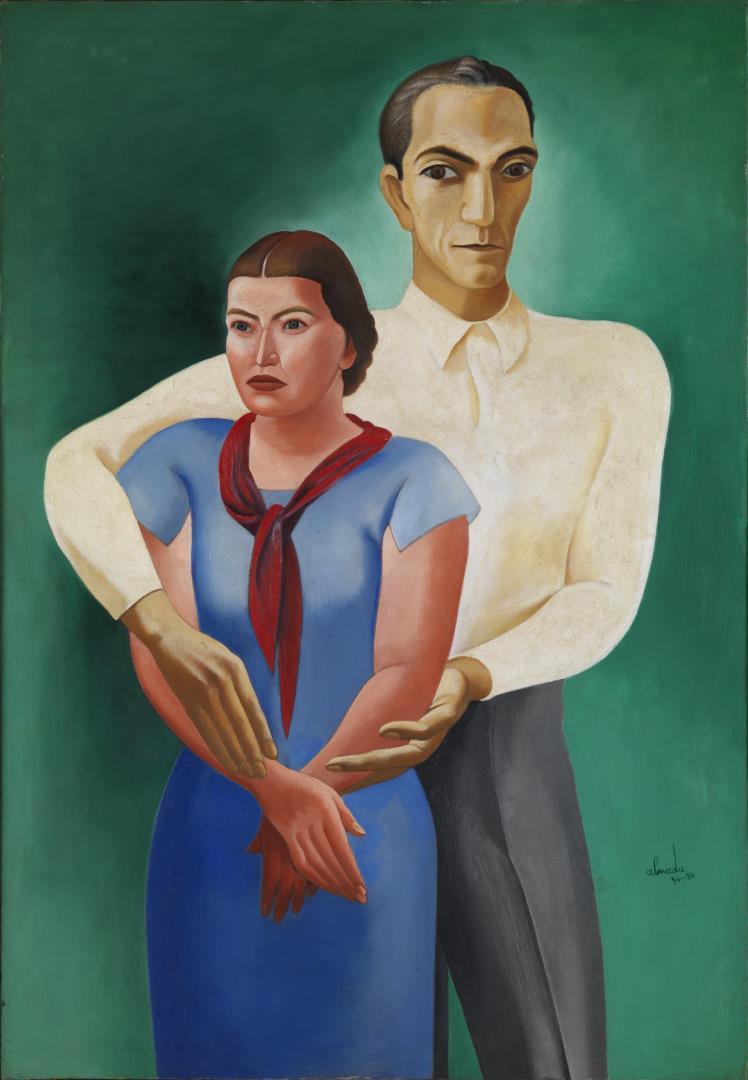
Duplo retrato, Inv. 62P260

Retrato de Fernando Pessoa, Inv. 64P66

S/ Título, 1965 / Inv. 65P276
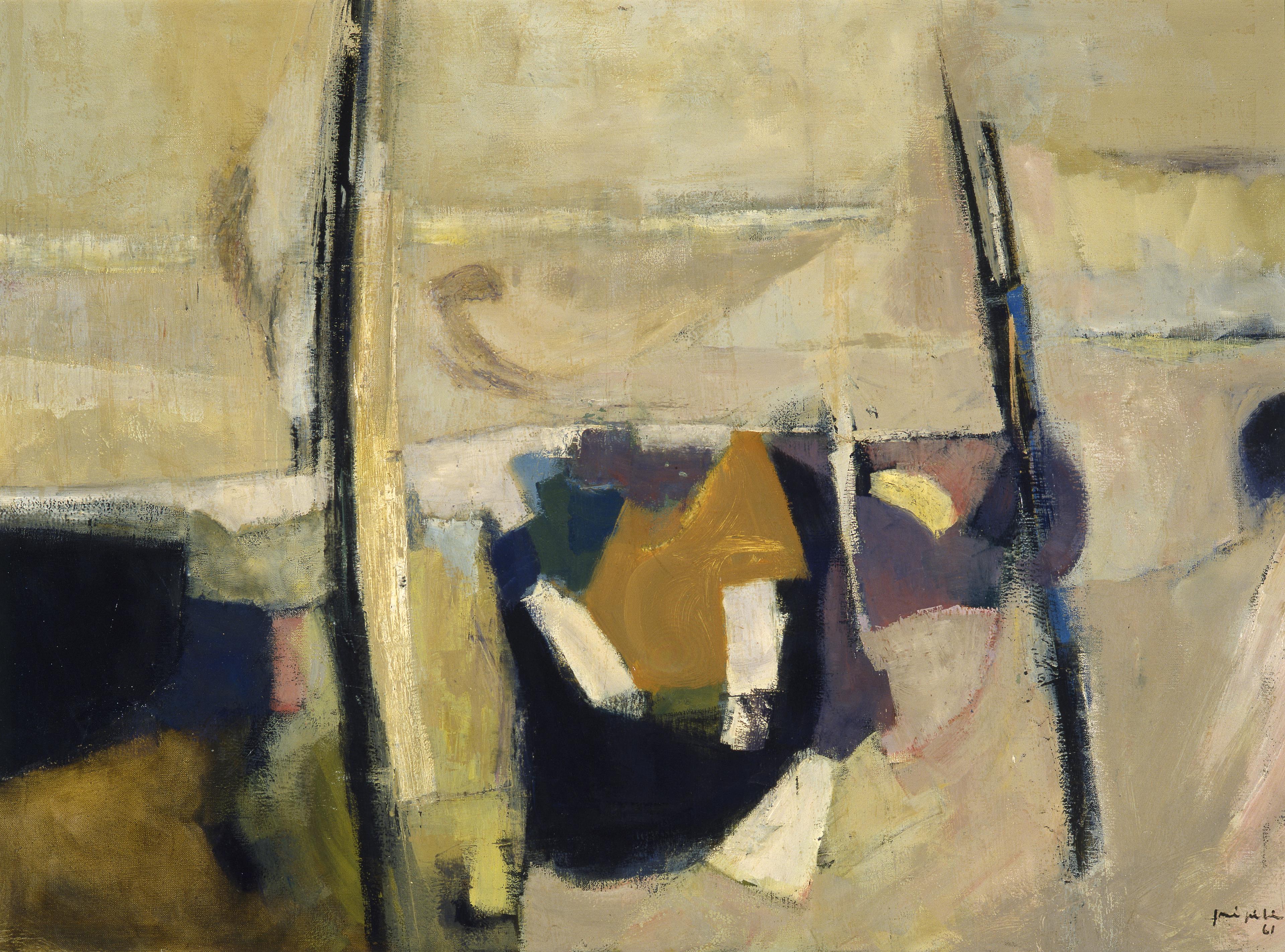
Paisagem, 1961 / Inv. 61P462

Velas, 1961 / Inv. 61P251
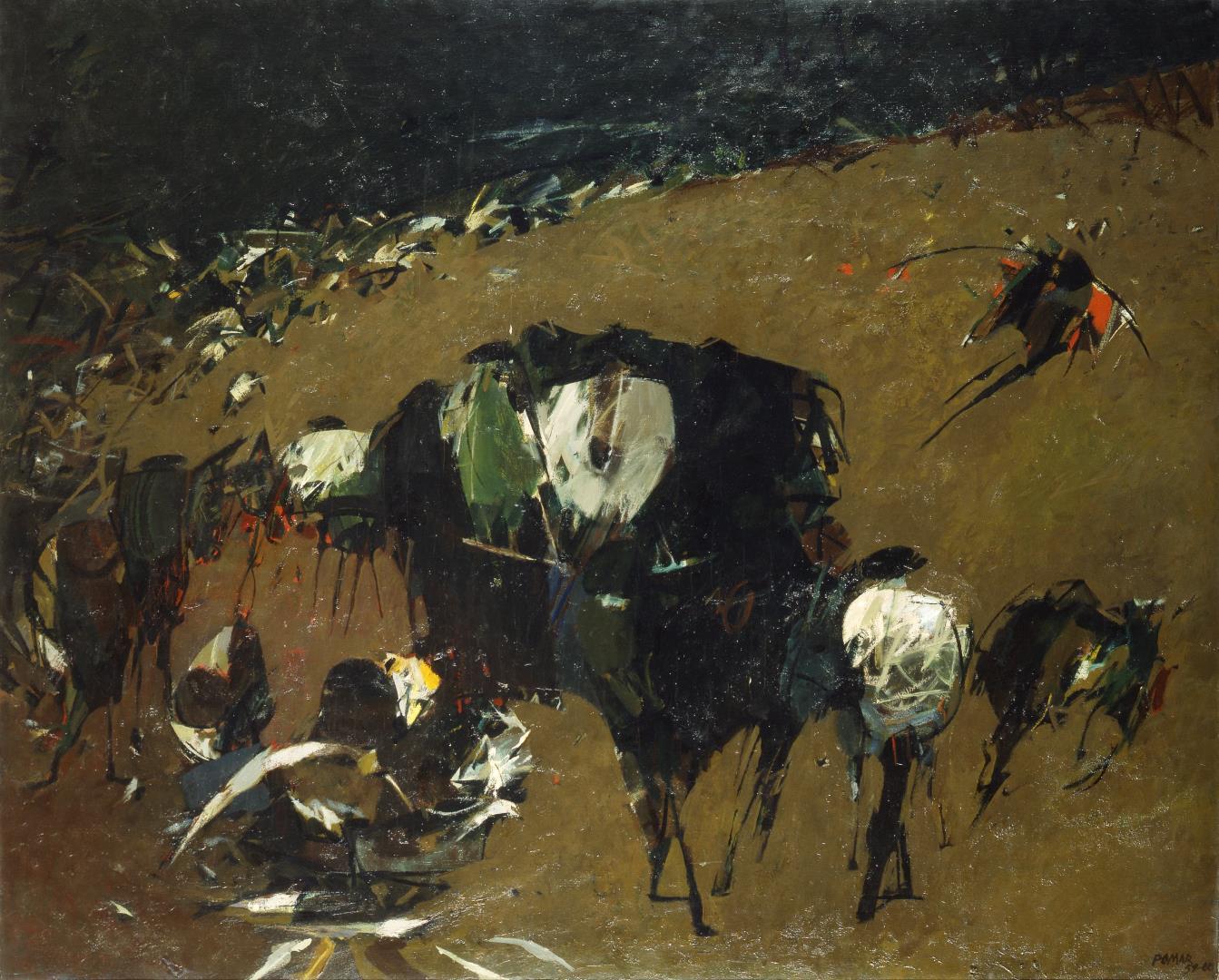
Cena na Praia, Inv. 62P259
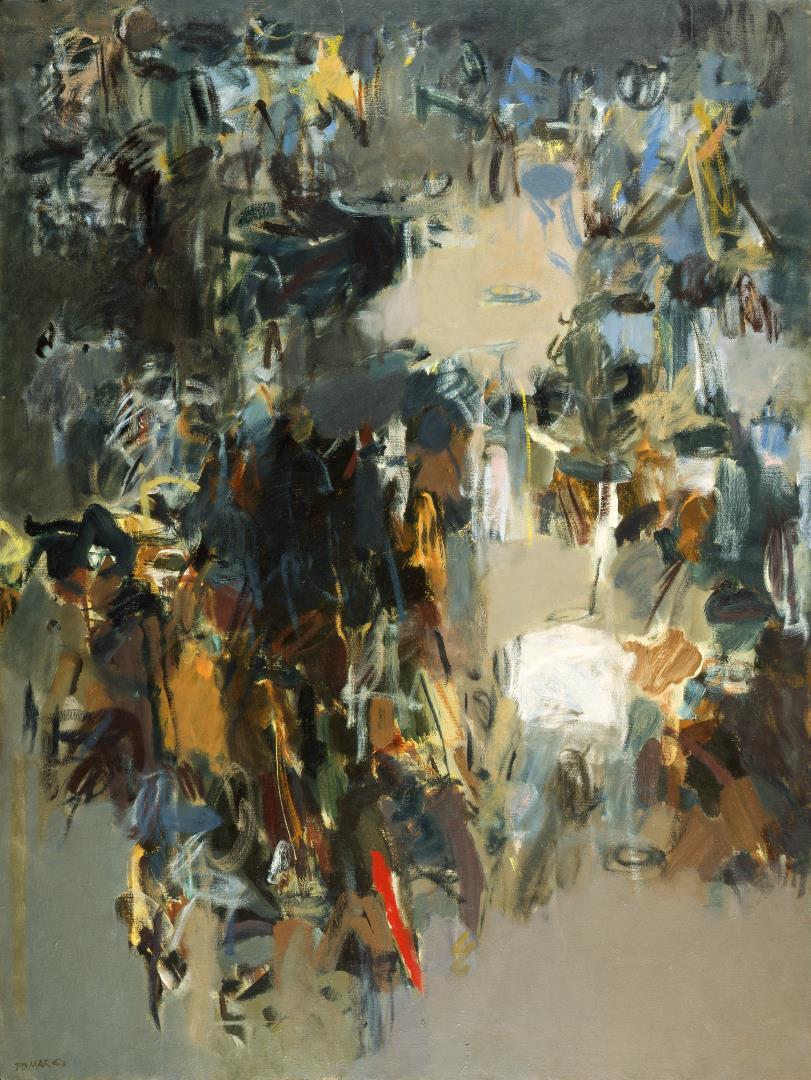
Entrada de Touros, Inv. 63P356
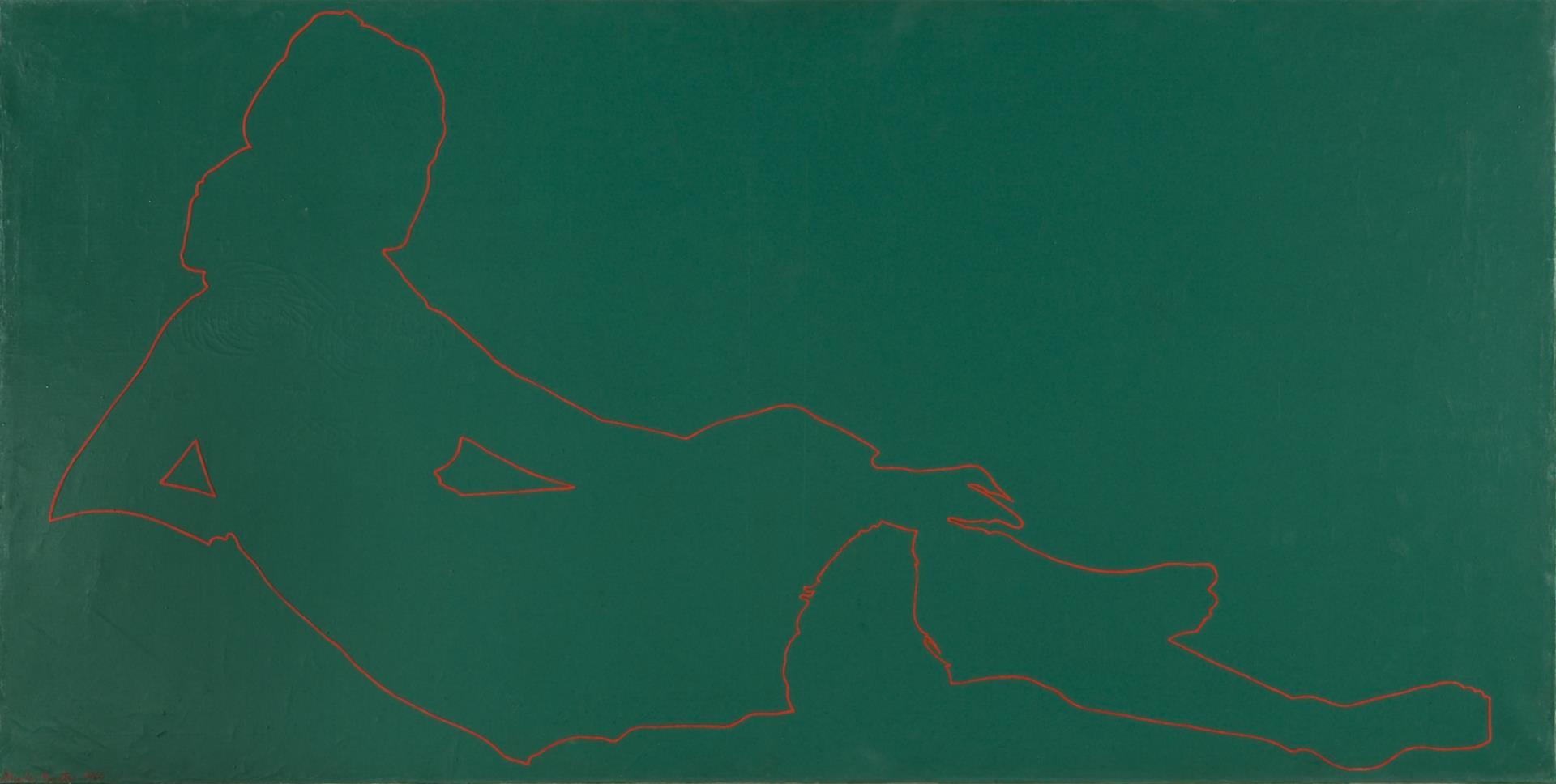
Odalisque d' Après Ingres, Inv. 67P291

Baixo-Relevo II, 1966 / Inv. 67P294

Abstracção, 1960 / Inv. 60P133

Óleo 170, 1961 / Inv. 62P106

Henrique VIII, Inv. 67P187
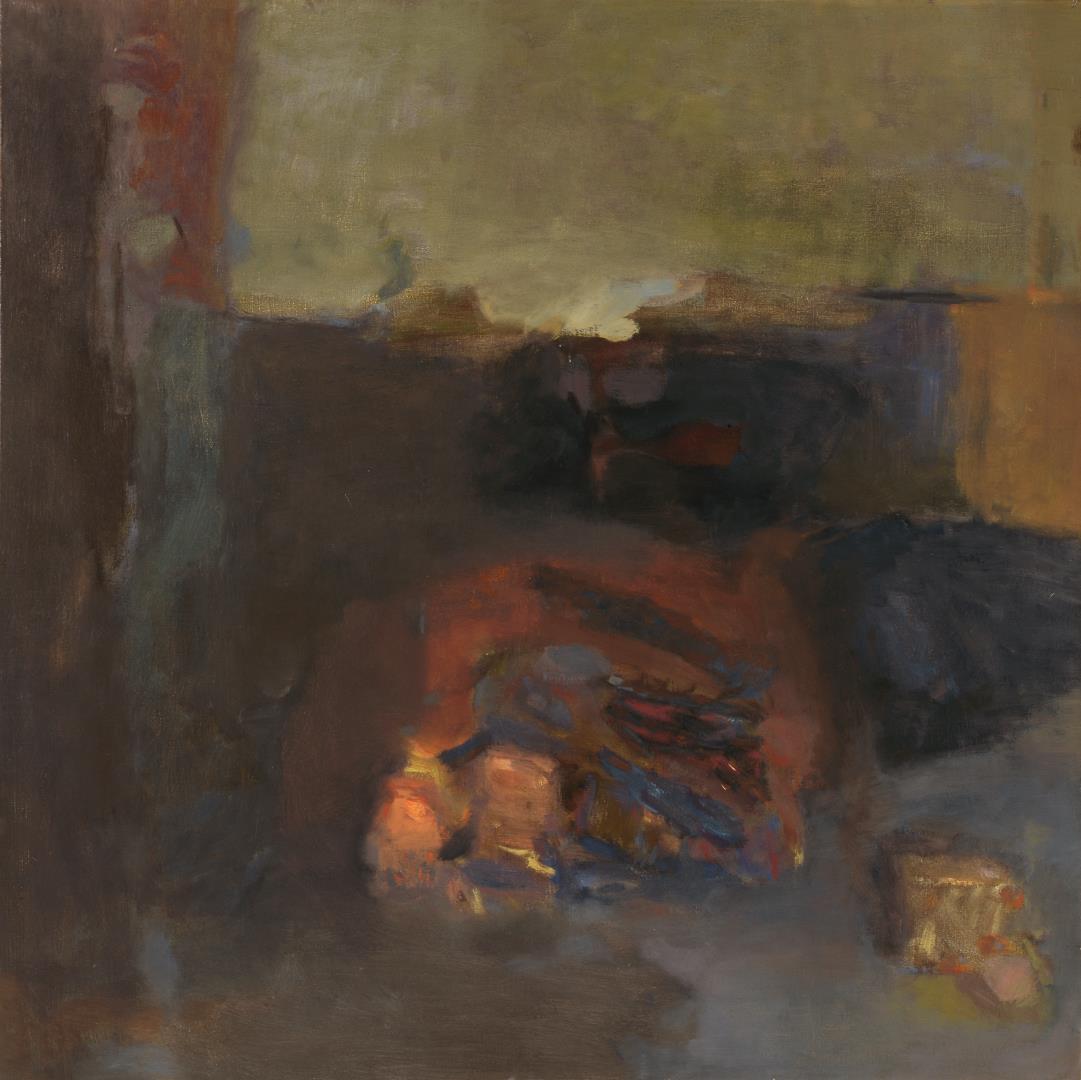
Pintura, Inv. 62P188

Tentativa para Reproduzir a Quarta Dimensão, 1963 / Inv. 63P667

Viagem Ubíqua de um Poema, 1965 / Inv. 65P269
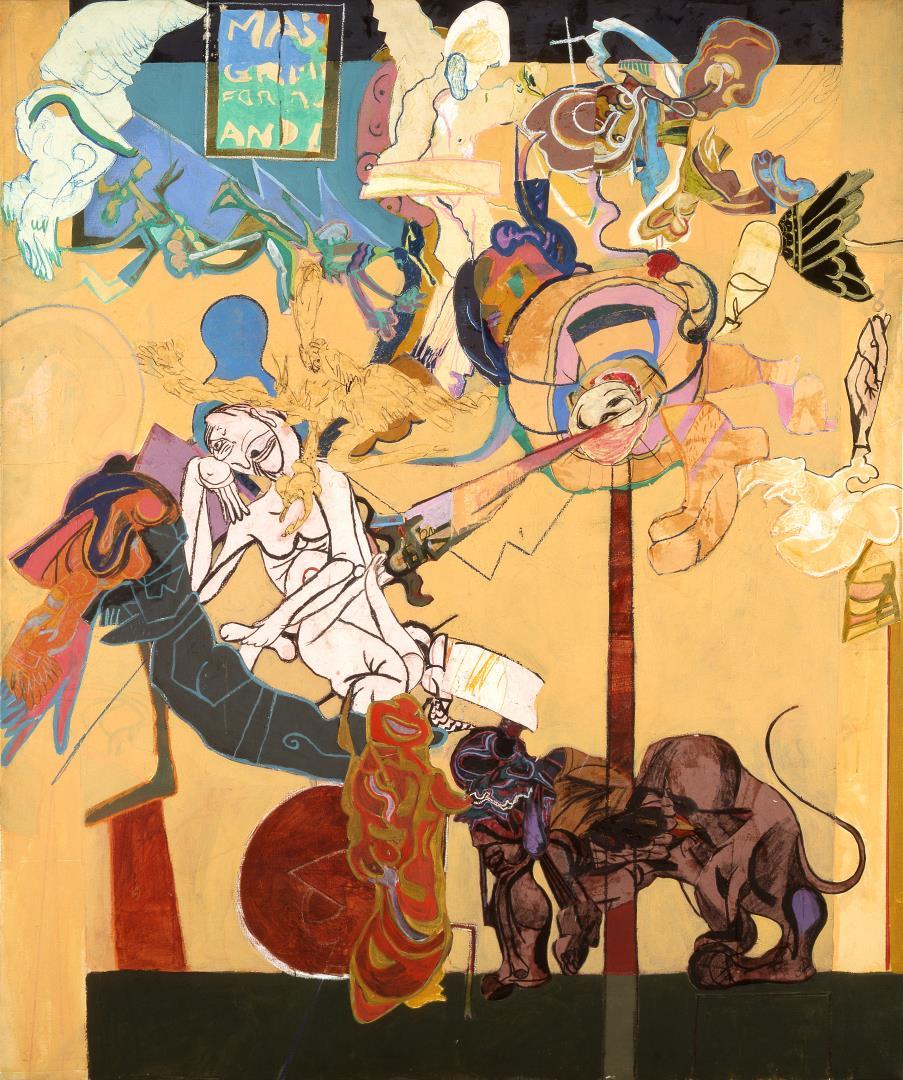
Manifesto (For a Lost Cause), Inv. 66P280

Duas janelas, 1964 / Inv. 65P267

Pub, 1964 / Inv. 64P453
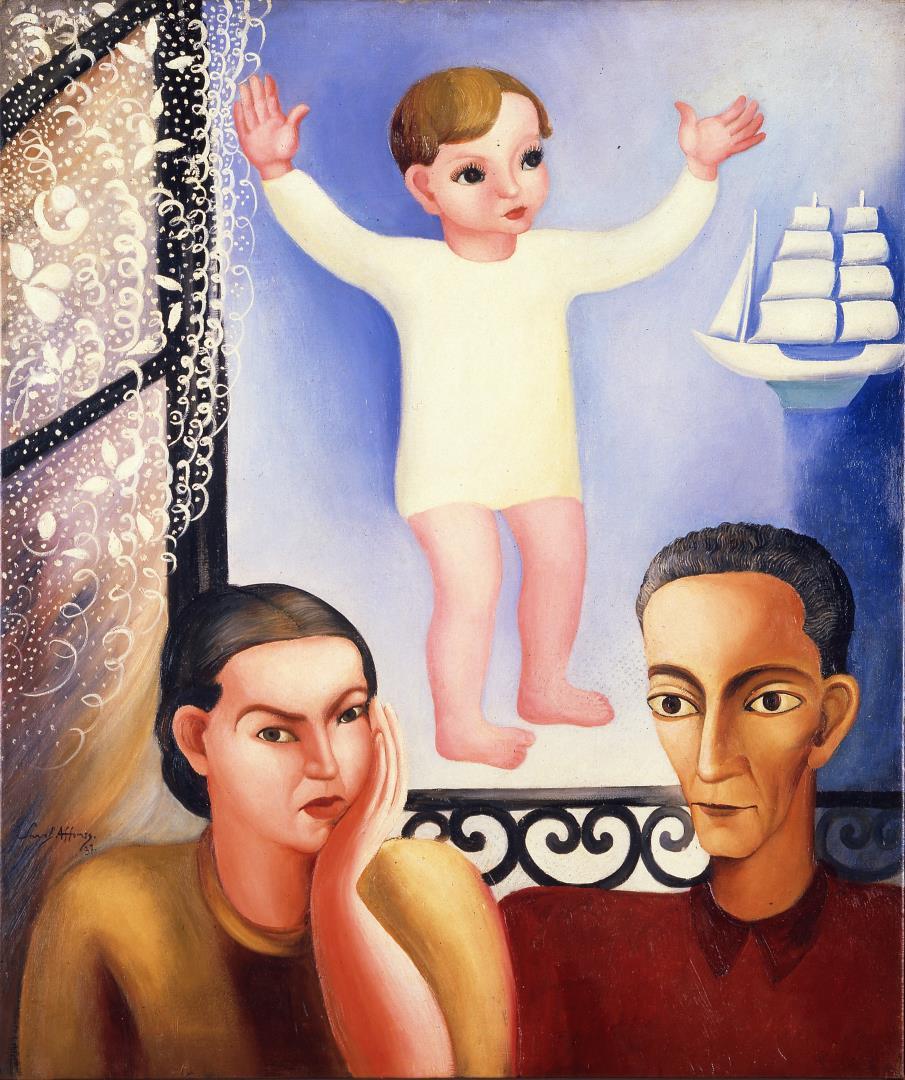
Família, Inv. 65P277
Dona Leonor Teles "Flor da Altura", 1966 / Inv. 67P293
Hórrido Silêncio do Teu Corpo, 1966 / Inv. 67P295
Evolução do Quadrado numa Malha Logarítmica, 1967 / Inv. 67E297
L'Ardoise à L'Artichaud, 1965 / Inv. 67P292
Arcanjo, 1962 / Inv. 67E290
Trás-os-Montes, 1964 / Inv. 67P146
Odalisque d' Après Ingres, Inv. 67P291
Baixo-Relevo II, 1966 / Inv. 67P294
Henrique VIII, Inv. 67P187


