
Abel Manta (1888-1982)
Praça de Camões, 1954 / Inv. 62P75

Semana Cultural em Bagdade

Exposição organizada por ocasião da Semana Cultural promovida pela Fundação Calouste Gulbenkian (FCG) em Bagdade entre 6 e 13 de novembro de 1966, durante a qual foi inaugurado um estádio de futebol oferecido pela FCG àquela cidade.
A mostra teve lugar no Baghdad Art’s Center, edifício oferecido ao Estado iraquiano pela FCG e que havia sido inaugurado em 1964. Em missiva datada de 29 de setembro de 1966, remetida de Bagdade, João Raposo comentara: «O estado da Galeria de Exposições Temporárias, situada no r/c, é perfeitamente deplorável. […] Fiquei com a impressão que depois de entregue o edifício ao estado, nunca mais vassoura, água ou pano de pó por ali andaram, nem nunca mais alguém se importou com coisa nenhuma. Ao sr. Akran Shukti disse apenas que, para receber uma exposição, tinha[m] de fazer-se naquela sala algumas beneficiações. Ele concordou.» (Carta de João Raposo para Carlos Wallenstein Teixeira, 24 set. 1966, Arquivos Gulbenkian, SBA 15360)
De facto, visando colmatar o efetivo mau estado das instalações, vieram a ser feitos alguns trabalhos de beneficiação das instalações, envolvendo nomeadamente o pavimento, a iluminação, a pintura das paredes e a reparação de portas.
Nesta exposição encontravam-se representados artistas contemporâneos «de dez nacionalidades diferentes, predominando os portugueses», e nela figuraram «setenta obras de pintura, de desenho e de gravura, representativas de todas as modernas tendências artísticas […], que têm sido adquiridas nos últimos anos, em vários países da Europa e da América, para a colecção de Arte Moderna da Fundação Calouste Gulbenkian» («Exposição de pintura, desenho e…», Diário da Manhã, 9 nov. 1966). Apesar de a FCG já possuir à época obras de artistas iraquianos, houve uma opção consciente de as não expor, por se considerar que a exposição deveria permitir o contacto do público iraquiano com diferentes tendências artísticas provenientes de outros países (Exhibition of Works of Contemporary Art Belonging to…, 1966).
As obras expostas pertencentes à FCG foram selecionadas pelo diretor do Serviço de Belas-Artes, Artur Nobre de Gusmão, e pelo pintor Fernando de Azevedo, que também dirigiu os trabalhos de montagem da exposição.
No texto introdutório do catálogo, é referido o propósito de a FCG investir em obras de arte contemporânea: «Acquisition of works of contemporary art, following this policy of encouraging appreciation of cultural art, offers incentive and help for the artists in making possible the assembly of their works on behalf of that part of a public to which they are dedicated, fostering and strengthening awareness and appreciation repeated exhibitions of their works. […] With this promotion of the arts in mind, the acquisition of works and their presentation in exhibitions can be stated as sound principles in terms of reciprocal meaning. Thus, the Foundation has acquired and exhibited.» (Exhibition of Works of Contemporary Art Belonging to…, 1966)
A montagem da exposição encontra-se bem documentada num relatório redigido por Américo Ferreira da Silva, desenhador-chefe de grupo do Serviço de Projetos e Obras:
«A Exposição foi montada no Art’s Center na sala do 1.º Piso, aproveitando-se os painéis existentes, os quais foram beneficiados com alguns acabamentos, ou seja, a colocação nos topos de umas réguas de madeira enceradas, aproveitando-se também alguns ferros existentes.
O plano de disposição dos painéis permitiu criar dois espaços bastante independentes, um no fundo da sala, onde se distribuiu todo o desenho e gravura, outro central para a pintura figurativa, e todo o restante espaço lateral destinou-se à pintura abstracta. […] O tempo da montagem da Exposição foi de cerca de 10 dias.» (Relatório de montagem, 1966, Arquivos Gulbenkian, SMO 00246.00006)
O ato inaugural da mostra contou com a presença de José de Azeredo Perdigão, presidente do Conselho de Administração da FCG, e de Robert Gulbenkian, membro do mesmo Conselho de Administração.
Após o final da exposição, foi oferecida uma das obras expostas (uma gravura de Alice Jorge) ao ministro da Cultura e Orientação do Iraque (Arquivos Gulbenkian, SBA 15360).
Joana Baião, 2015
The exhibition was organised for Culture Week by the Calouste Gulbenkian Foundation (FCG) in Baghdad, 6th – 13th November 1966. During this time a football stadium was also opened, a gift from the FCG to the city of Baghdad.
The show was held in the Baghdad Arts Centre, a building donated to Iraq by the FCG and opened in 1964. In a bulletin of 29th September 1966, sent from Baghdad, João Raposo commented that “the state of the Temporary Exhibition Gallery, on the ground floor, is absolutely deplorable. (…) It seems that after the handover of the building to the state, neither brush, water nor dustcloth has ever passed there, and nobody cares. I said to Mr. Akran Shukti that to hold an exhibition, the room needed some improvement. He agreed” (Letter from João Raposo to Carlos Wallenstein Teixeira, 24th Sept. 1966, Gulbenkian Archives, SBA 15360). To remedy the poor condition of the building renovation work was carried out, in particular to improve the flooring and lighting. In addition the walls were painted and the doors repaired.
The work of ten contemporary artists “from ten nationalities, predominantly Portuguese” was displayed, including “70 paintings, drawing and engravings, representative of all modern styles of art (…) acquired within recent years, in various countries of Europe and Africa for the Calouste Gulbenkian Foundation’s Modern Art Collection” (“Exposição de pintura, desenho e…”,Diário da Manhã, 9th November 1966). Although the FCG was in possession of works by Iraqi artists, there was a conscious decision not to exhibit them “considering that the exhibition should aim to provide access to tendencies in art, such as documenting artists from other nations” (Exhibition of Works of Contemporary Art Belonging to…, 1966).
The works shown belonging to the FCG were selected by the Fine Arts’ director, Artur Nobre de Gusmão, and the painter Fernando de Azevedo, who was also entrusted with mounting the exhibition.
In the introduction to the catalogue the cultural purpose of the FCG’s investment in contemporary works of art is stated:
“With the purpose of promoting artistic culture, the acquisition of contemporary art works offers an incentive and support to artists, allowing the public audience for which it is intended access to the works, through repeated exposure, effort, information and awareness (…) However in an effort to support unity through art, the acquisition of works and their presentation translates into a statement of solidarity in terms of reciprocal interpretation. The Foundation has thus acquired and exhibited” (Exhibition of Works of Contemporary Art Belonging to…, 1966).
The installation of the exhibition is well documented in a report drafted by Américo Ferreira da Silva, designer-in-chief of the Works and Projects Department:
“The exhibition was mounted in the Arts Centre in the room on the 1st floor, using the existing panels, to which finishing improvements were made by placing sections of waxed wood at the top, also using the existing ironwork.
The positioning of the panels allowed for the creation of two independent spaces, one at the end of the room containing drawing and engravings, and another central zone for the figurative paintings. The remaining side space was for abstract painting. (…) The time required for installation was 10 days” (Relatório de montagem, 1966, Gulbenkian Archives, SMO 00246-01).
The opening ceremony was attended by José de Azeredo Perdigão, President of the FCG Administration Board, and Robert Gulbenkian, Advice Council member.
After the exhibition, one of the works, an engraving by Alice Jorge, was given to the Iraqi Minister for Culture (Gulbenkian Archives, SBA 15360).
Praça de Camões, 1954 / Inv. 62P75
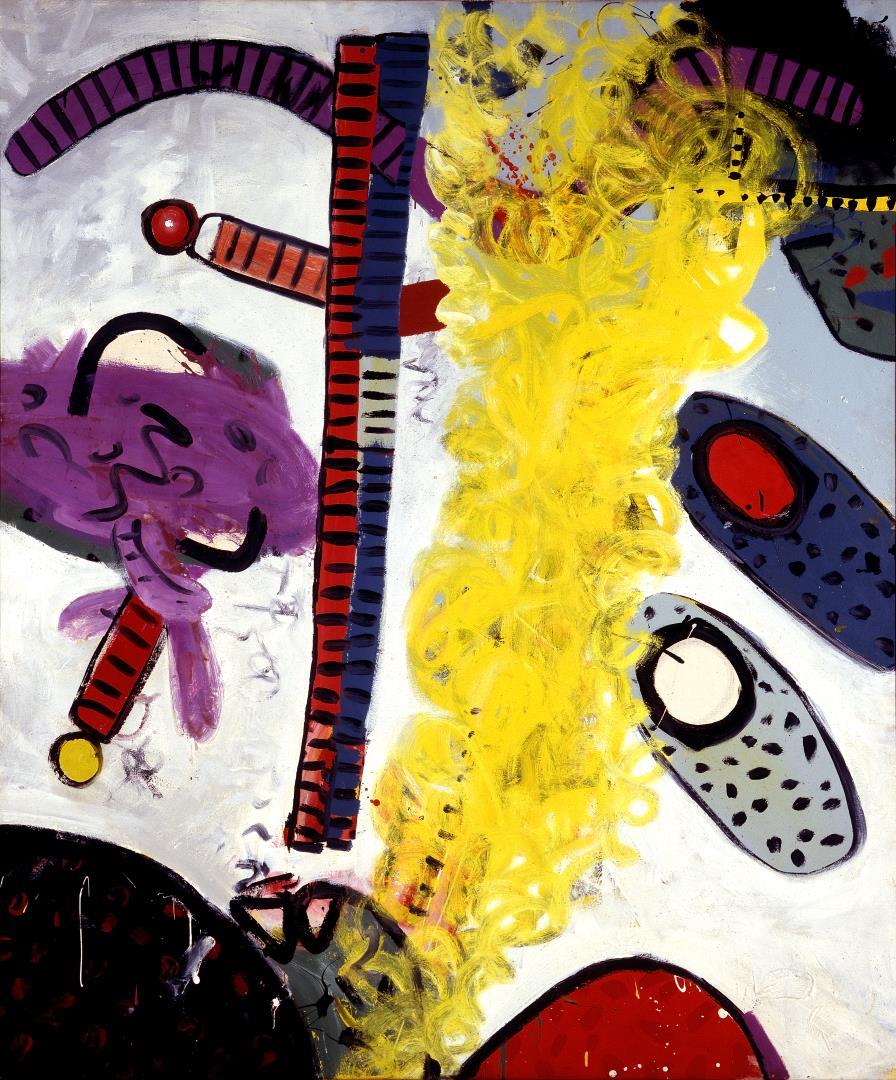
Smoke Signals no. 1, Inv. PE244

Curié, 1961 / Inv. GE784

Sem título, Abril de 1966 / Inv. DP1423

Armadura I, 1962 / Inv. GP144

Segunda génese, 1965 / Inv. DP1100

Pintura, 1965 / Inv. 65P264

Lisboa das Velhas Fontes - estudo, 1933 / Inv. DP3285

Pintura, 1965 / Inv. 65P275

Hoje VI, 1965 / Inv. 65P271

Lisboa, Inv. GP190

Lisboa - Príncipe Real, Inv. DP9

Lisboa, 1962 / Inv. 62P256

A Paisagem de Sines, 1964 / Inv. 65P282

Surface d'Empaquetage, 1960 / Inv. DE157

Maze, Inv. PE262

Parque, Inv. P1544

20 - 8 - 64 - M, 1964 / Inv. 65DP1440

Paisagem, 1962 / Inv. GP2533

Stamboul, Inv. PE272

Trebetherick, 1961 / Inv. PE200

sem título, 1960 / Inv. GE254

Constant, Inv. PE255

Lobishomem, 1966 / Inv. PE12

Fim de Tarde no Porto, 1957/60 / Inv. PE4
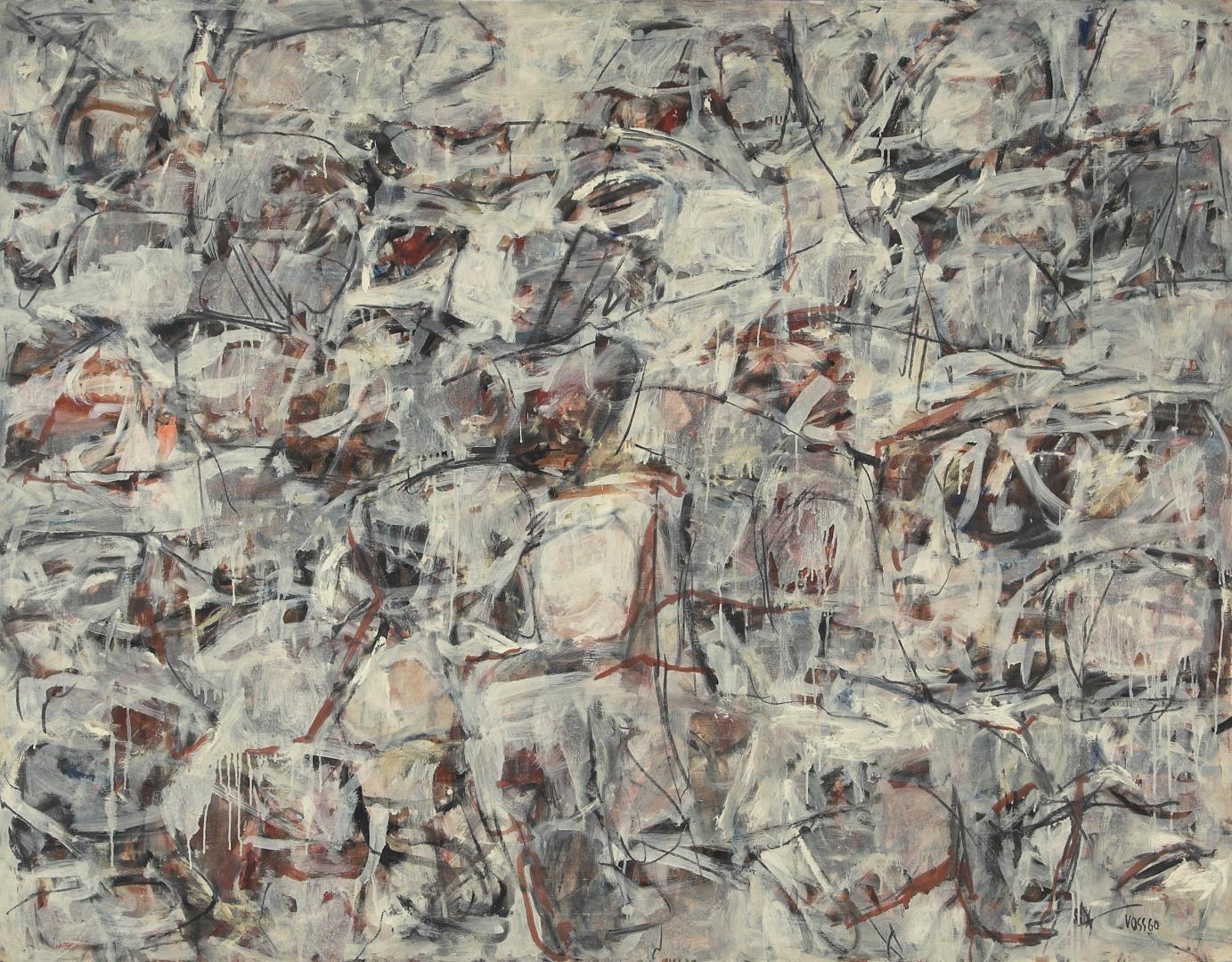
Sem título, 1960 / Inv. PE57

Telhados de Paris, 1958 / Inv. 61P173

Pintura XVII, 1965 / Inv. P1558

Cidra-Ciúme, c. 1965 / Inv. 65P270

Paisagem, 1965 / Inv. 65P72

S/Título, 1961 / Inv. 62P255
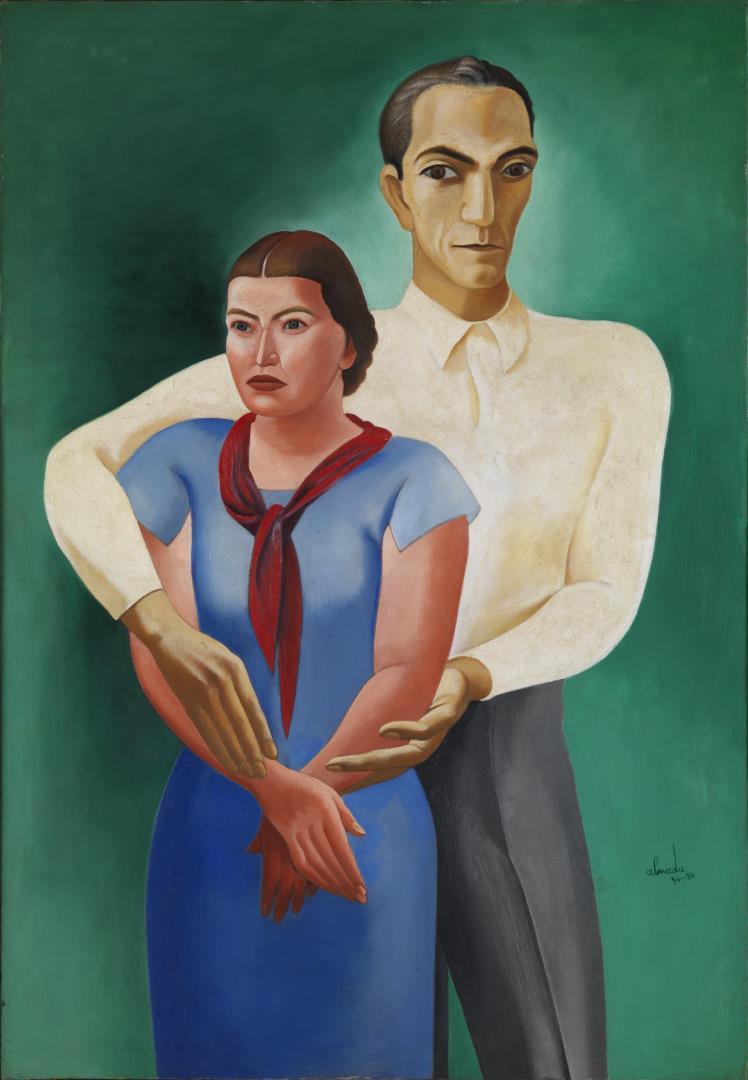
Duplo retrato, Inv. 62P260

Velas, 1961 / Inv. 61P251

Pintura, 1965 / Inv. 65P1475
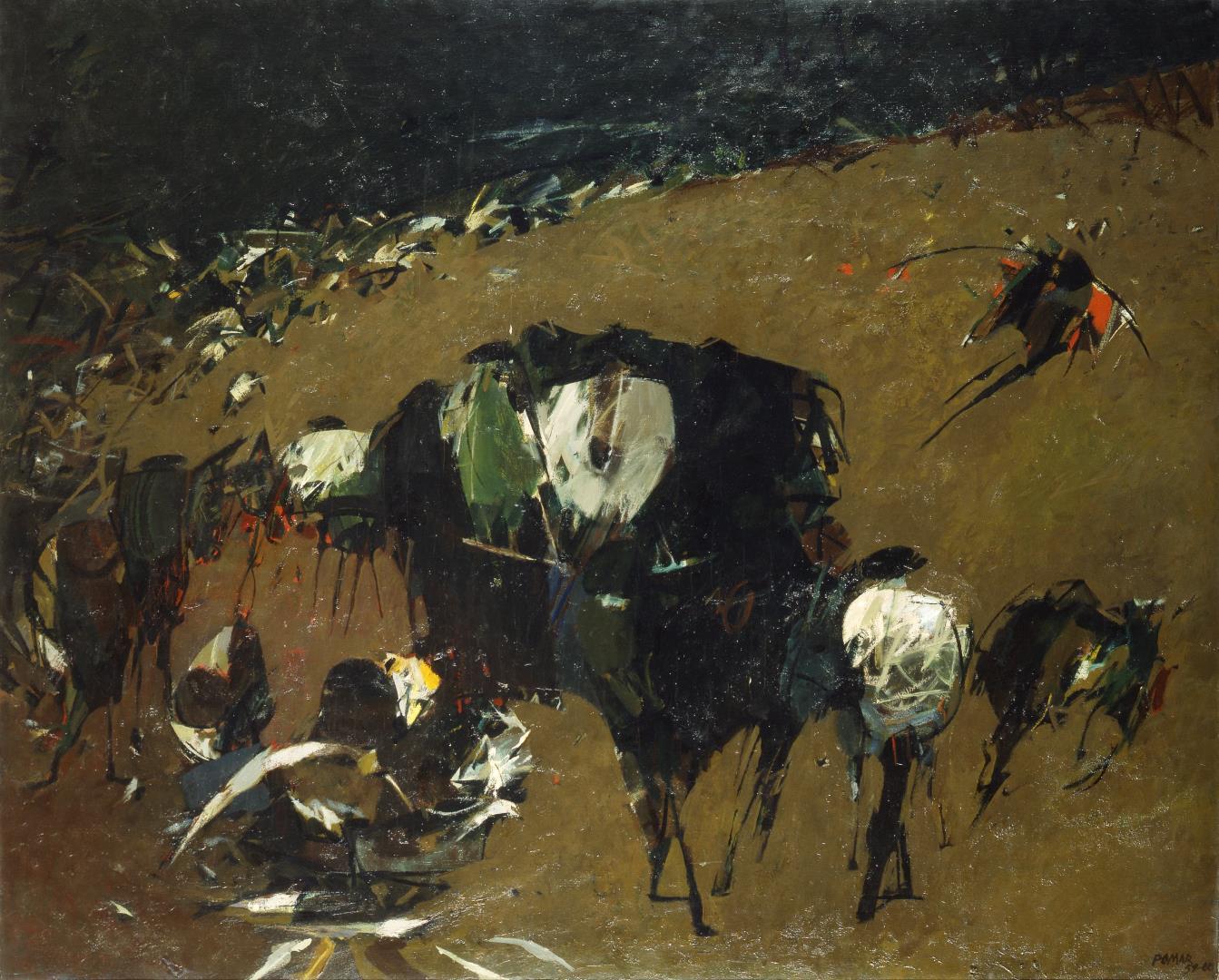
Cena na Praia, Inv. 62P259

A Batalha, 1965 / Inv. 65P272

Pintura, 1963 / Inv. 65P266

Mulher da bilha (Alfama), Inv. 58P657

S/Título, 1963 / Inv. 64P956

Óleo 131, 1960 / Inv. 60P244

sem título, 1965 / Inv. GP788

Paisagem, 1962 / Inv. GP143

Paisagem, 1957 / Inv. 58P1452

Nine Groups, Inv. RE9
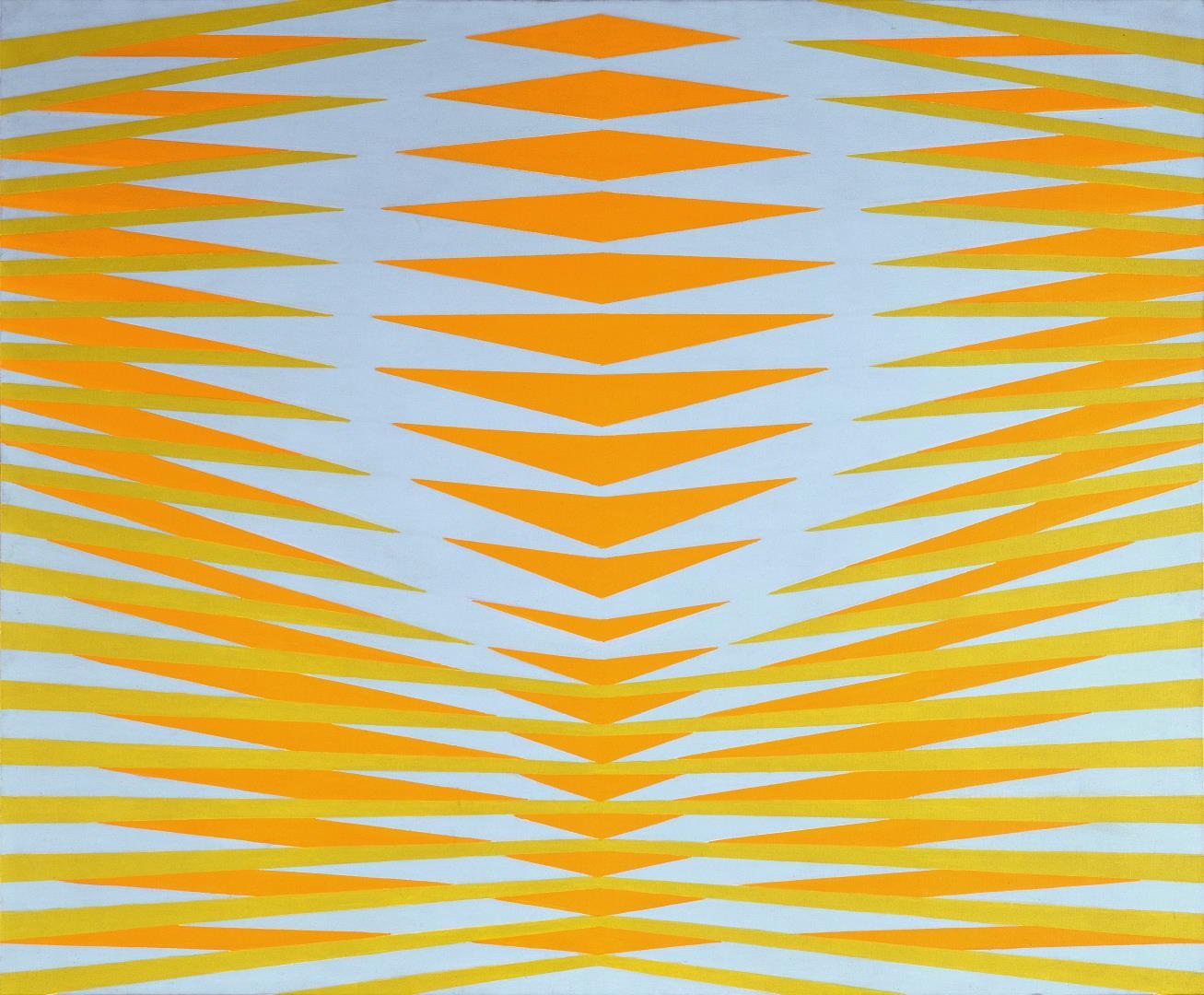
Orange, Blue and Green, Inv. PE192

s/título, Inv. DP44

Viagem Ubíqua de um Poema, 1965 / Inv. 65P269
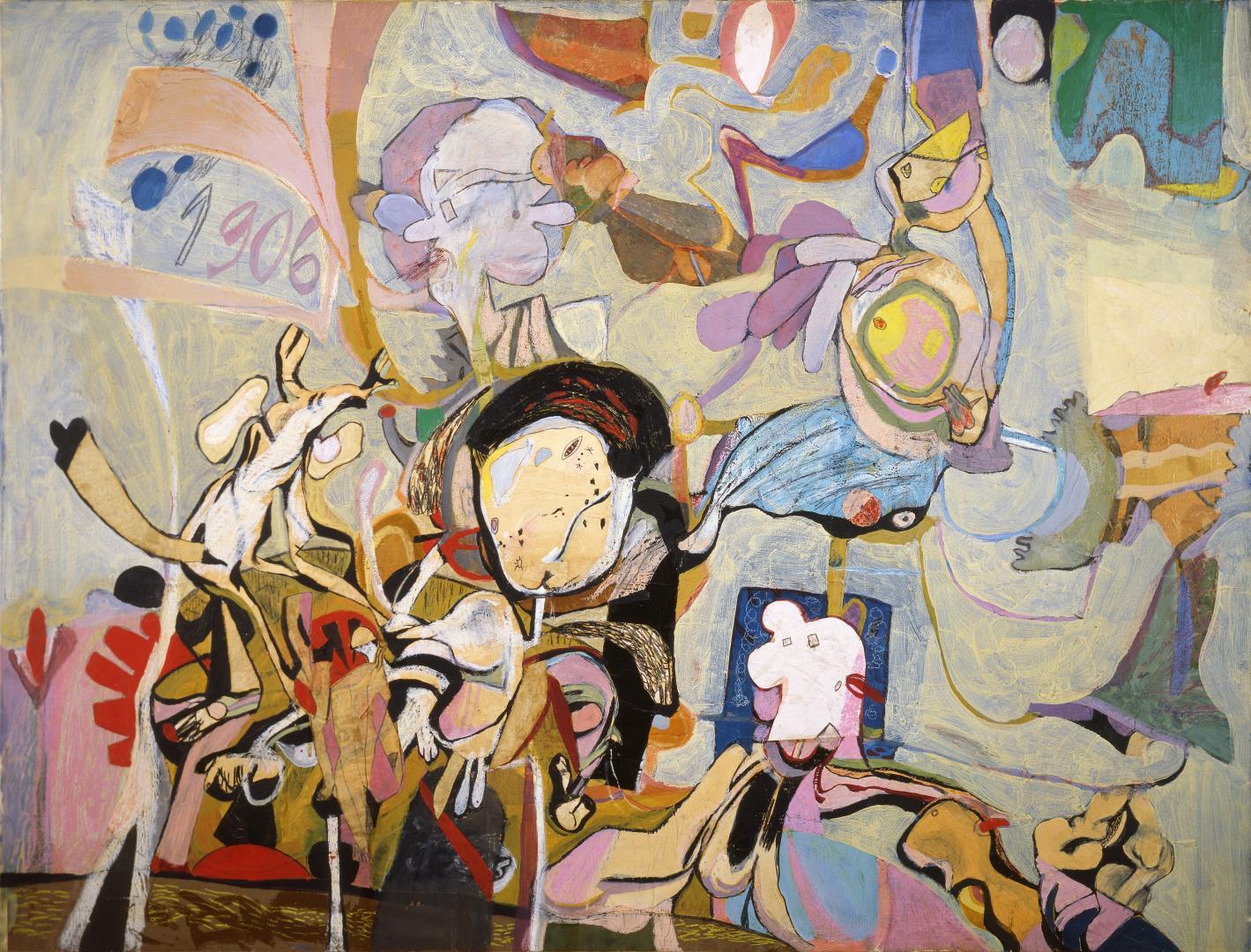
Retrato de Grimau, Inv. 65P263

For Men Only - Starring MM and BB, Inv. PE168

Pentecostes, 1964 / Inv. PE18

Paisagem, 1958 / Inv. PE318

Duas janelas, 1964 / Inv. 65P267

Package, Inv. PE148

Barcos de vela em Saint-Malo, sem data atribuída / Inv. DE170

Café III, 1960 / Inv. GP1969
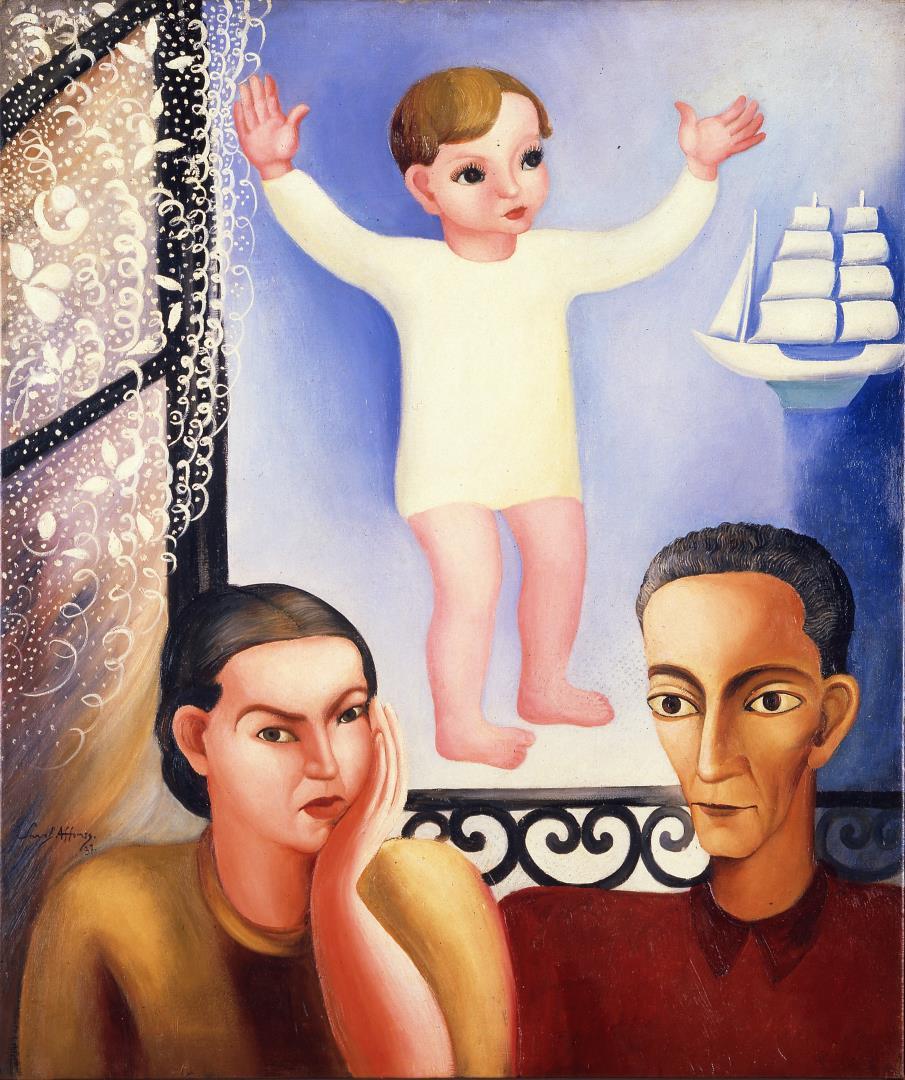
Família, Inv. 65P277

O Atelier, 1956 / Inv. GP1763

Composição em Azul, (1960) / Inv. PE36
Praça de Camões, 1954 / Inv. 62P75
Smoke Signals no. 1, Inv. PE244
Curié, 1961 / Inv. GE784
Sem título, Abril de 1966 / Inv. DP1423
Armadura I, 1962 / Inv. GP144
Segunda génese, 1965 / Inv. DP1100
Pintura, 1965 / Inv. 65P264
Lisboa das Velhas Fontes - estudo, 1933 / Inv. DP3285
Pintura, 1965 / Inv. 65P275
Hoje VI, 1965 / Inv. 65P271
Lisboa, Inv. GP190
Lisboa - Príncipe Real, Inv. DP9
Lisboa, 1962 / Inv. 62P256
A Paisagem de Sines, 1964 / Inv. 65P282
Surface d'Empaquetage, 1960 / Inv. DE157
Maze, Inv. PE262
Parque, Inv. P1544
20 - 8 - 64 - M, 1964 / Inv. 65DP1440
Paisagem, 1962 / Inv. GP2533
Stamboul, Inv. PE272
Trebetherick, 1961 / Inv. PE200
sem título, 1960 / Inv. GE254
Constant, Inv. PE255
Lobishomem, 1966 / Inv. PE12
Fim de Tarde no Porto, 1957/60 / Inv. PE4
Sem título, 1960 / Inv. PE57
Telhados de Paris, 1958 / Inv. 61P173
Pintura XVII, 1965 / Inv. P1558
Cidra-Ciúme, c. 1965 / Inv. 65P270
Paisagem, 1965 / Inv. 65P72
S/Título, 1961 / Inv. 62P255
Duplo retrato, Inv. 62P260
Velas, 1961 / Inv. 61P251
Pintura, 1965 / Inv. 65P1475
Cena na Praia, Inv. 62P259
A Batalha, 1965 / Inv. 65P272
Pintura, 1963 / Inv. 65P266
Mulher da bilha (Alfama), Inv. 58P657
S/Título, 1963 / Inv. 64P956
Óleo 131, 1960 / Inv. 60P244
sem título, 1965 / Inv. GP788
Paisagem, 1962 / Inv. GP143
Paisagem, 1957 / Inv. 58P1452
Nine Groups, Inv. RE9
Orange, Blue and Green, Inv. PE192
s/título, Inv. DP44
Viagem Ubíqua de um Poema, 1965 / Inv. 65P269
Retrato de Grimau, Inv. 65P263
For Men Only - Starring MM and BB, Inv. PE168
Pentecostes, 1964 / Inv. PE18
Paisagem, 1958 / Inv. PE318
Duas janelas, 1964 / Inv. 65P267
Package, Inv. PE148
Barcos de vela em Saint-Malo, sem data atribuída / Inv. DE170
Café III, 1960 / Inv. GP1969
Família, Inv. 65P277
O Atelier, 1956 / Inv. GP1763
Composição em Azul, (1960) / Inv. PE36


