
Highlights from 2025 activities of the UK Branch
2025 was a year of both renewal and delivery for the UK Branch. We announced our new strategy focused on international collaboration between the UK and Portugal, and began supporting partners and delivering projects aligned with this mission. We also provided grants to ensure continuity of partners’ work in the arts, climate and civil society spheres.
The UKB team continued to work in partnership with colleagues across the Foundation to deliver major international initiatives, including the European philanthropic pooled fund, the Alliance for Socially Engaged Arts, and our €1 million climate action award, the Gulbenkian Prize for Humanity.
The UKB building in central London provided a hub for collaboration, networking and learning. We continued to offer the space for partners and to host events, including a social event for culture leaders, curators and artists from Portuguese-speaking African countries to celebrate our co-commission of Mónica de Miranda’s Earthworks at Somerset House. We also hosted the launch of the Foundation’s Armenian-issues think tank, Diasporan Perspectives.
This article describes some of the major achievements from our partners in 2025, and the UKB’s work in these core areas:
-
- Promoting citizen-led models in the arts
- Advancing a fair climate transition
- Civil society capacity-building
- Arts-climate intersection
- Flagship international initiatives
For full details of our grant-making, visit 360giving. Read the Foundation’s 2025 Annual Report for information about other grant-making in Portugal and internationally. Visit the main website to read more about our 70th anniversary.
Promoting citizen-led models in the arts
We supported efforts by several non-profit culture leaders and organisations between 2024-26 to influence decision-makers to include citizens in cultural policy and local planning.
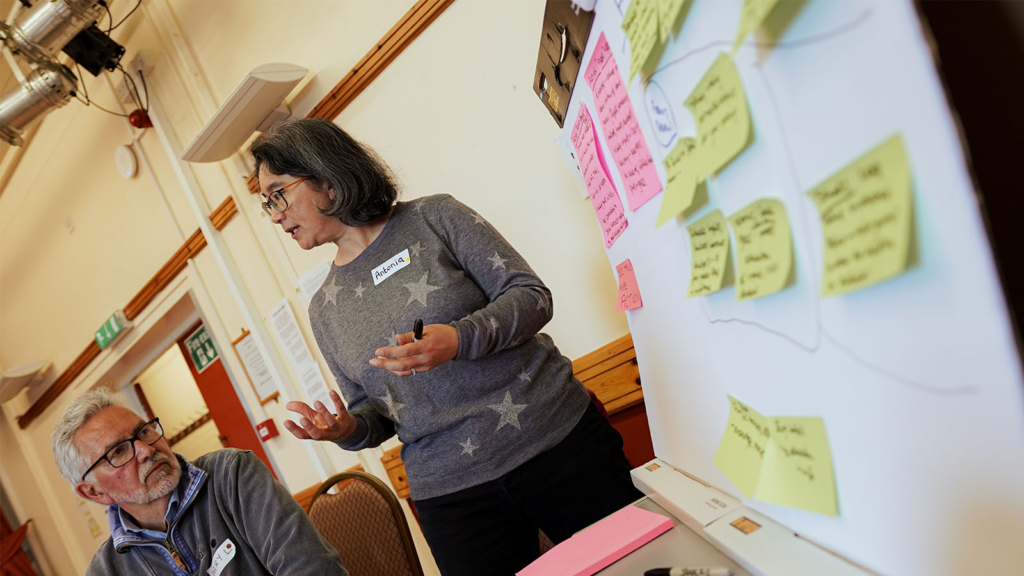
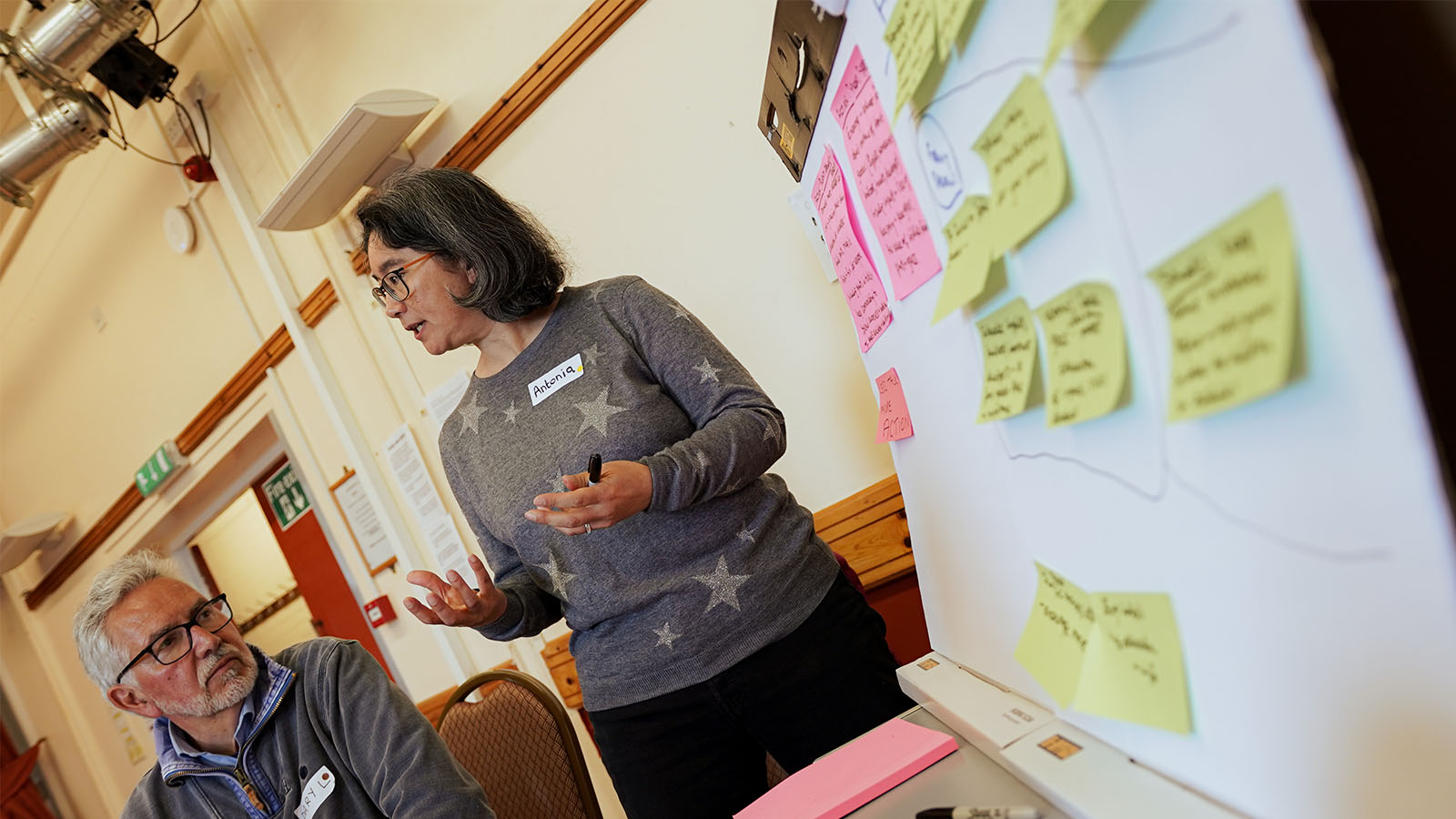
In the West of England, the Citizens for Culture project brought together 82 individuals from all walks of life to design a region-wide cultural plan for 1.2 million people. Over two years, the project delivered the UK’s first Citizens’ Assembly for culture and community engagement initiatives that culminated in a set of recommendations for public spaces, schools, local authorities, funders and cultural organisations. The Regional Cultural Plan was launched in early 2026 by the UK’s Secretary of State for Culture, the regional Mayor and cultural institutions. Its inclusive approach received widespread support and was cited as best practice by the UK Government. The Government also announced a commitment to spend £2.225m on ‘hyper-local engagement’, taking inspiration from the project.
We supported the project with seed funding, which helped secure additional funding from Arts Council England and other foundations including Paul Hamlyn and Esmée Fairbairn.
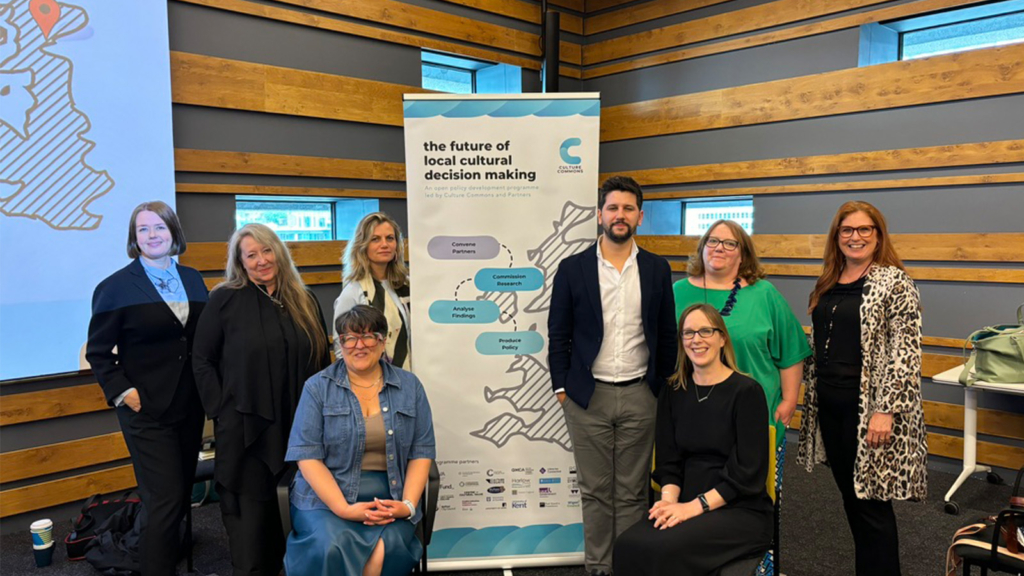
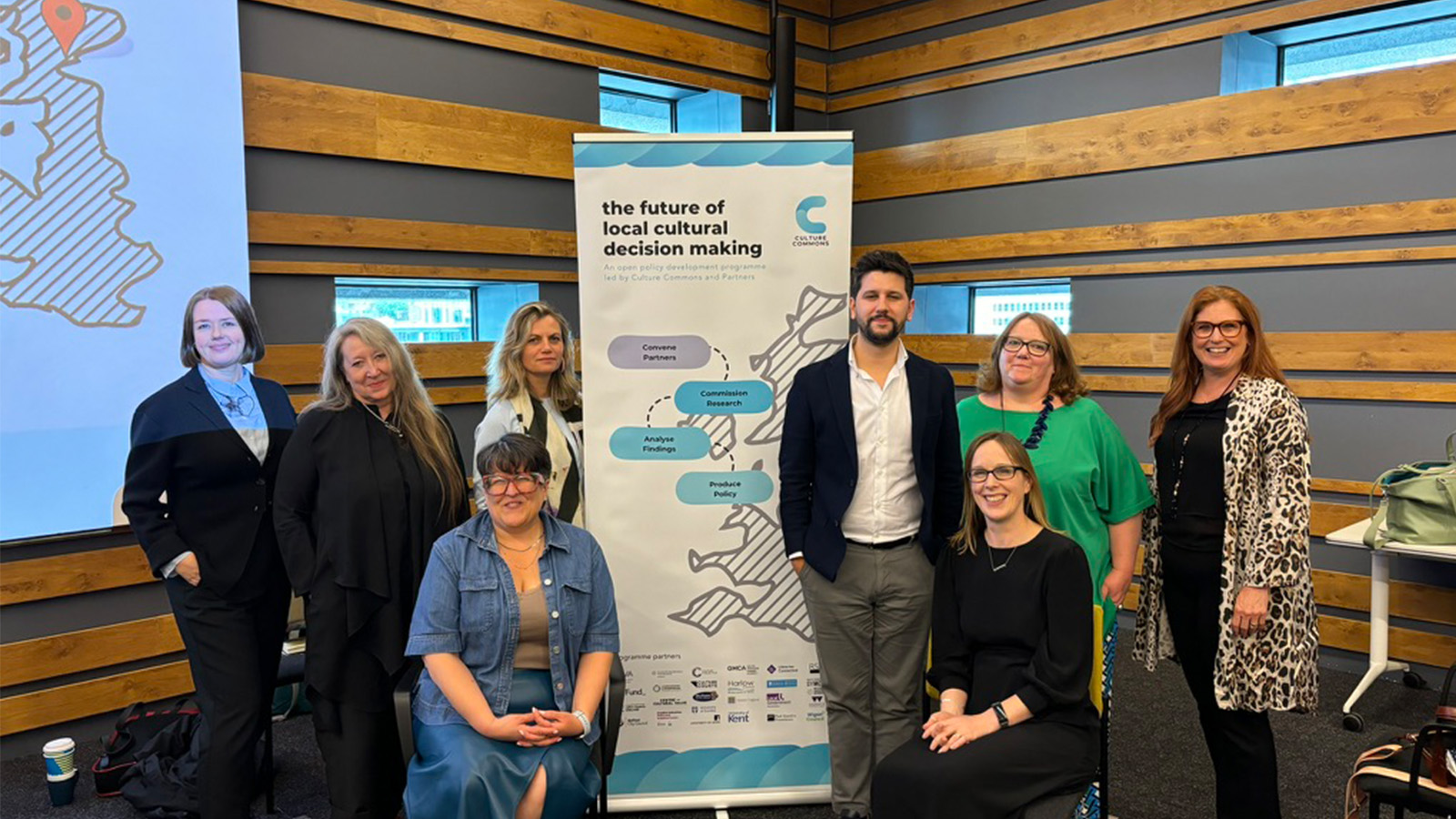
We also supported Culture Commons’ open policy programme. After years of work championing local cultural decision-making, Culture Commons successfully influenced the UK Government to include ‘culture’ as a key pillar in flagship local decision-making legislation.
Clore Leadership delivered a programme to help address diversity at Board level in cultural organisations, with support from the UKB.
Advancing a fair climate transition
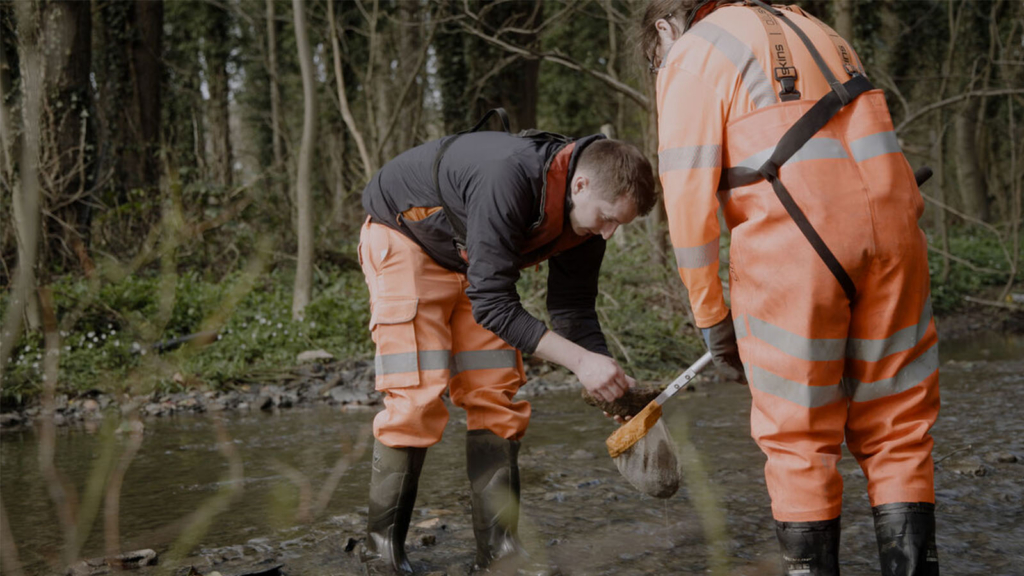
We supported several UK organisations with work to help involve citizens in climate decision-making to ensure that climate action is fair.
2025 saw the publication of the UK Government’s first strategy for engaging citizens in climate action. ‘Energising Britain’ is a new plan for how communities can be involved in the clean energy transition. We supported the ACE Coalition, a group of NGOs and public engagement experts, to champion public participation in climate decision-making and help advise the Government on the plan. Several initiatives supported by the Foundation are referenced as best practice for community engagement and climate storytelling (Ashden; Climate Outreach; Involve; Local Storytelling Exchange; UK100).
We supported Ashen to work with community groups and councils to scale proven solutions, and Involve and UK100 in a long-term project to support local authorities to work with communities. The resulting Local Climate Engagement project has engaged 9,500 stakeholders and has produced an open access resource hub for local authorities.
With vulnerable populations more prone to certain impacts of climate change, we supported issue-specific work to influence national government decisions. IPPR’s work to promote sustainable transport schemes has seen strong uptake by the Labour government, and the New Economic Foundation’s recommendations for affordable home retrofit solutions were incorporated in the Government’s recently-published Warm Homes Plan.
We provided unrestricted funding to Working Class Climate Alliance (WCCA), a new organisation building the movement of working class climate action in Europe. The funding is helping the team expand its member network, advocate at global environmental forums and support more people from lower socioeconomic backgrounds to become involved in climate action.
Civil society capacity-building
We provided continuity funding for the Advancing Strategic Ocean Communication. Since launching in 2024, the joint initiative between the Foundation, Comms INC, IOC-UNESCO and the David and Lucile Packard Foundation has built a community of over 725 ocean communicators from 50 countries. Through training events, skills-sharing webinars, research and tools, the project has made best practice more available for ocean communicators, increased understanding and application of social science and helped to put strategic communication on high-level agendas. Read 2025 highlights.
The project insights are now being applied to different fields of ocean science, such as ‘Ocean and Society Surveys’ in 14 countries, including the first in an African nation, to gather data on how people interact with the ocean. The project’s tools are also helping journalists, scientists and policymakers analyse and communicate ocean data.
Arts-climate intersection
Three arts-based initiatives in England and Scotland received multi-year funding to pilot local solutions that engage communities in climate and ocean action. The partnerships follow research from the UK Branch on the intersection of arts, community participation and climate action. In Scotland, Culture for Climate Scotland and Deveron Projects are embedding artists in coastal and rural communities to co-develop just energy transition plans through creative approaches and share recommendations. In Plymouth, Take A Part is supporting community residents to become active and influential ‘marine citizens’ by providing opportunities to work with artists and local policymakers.
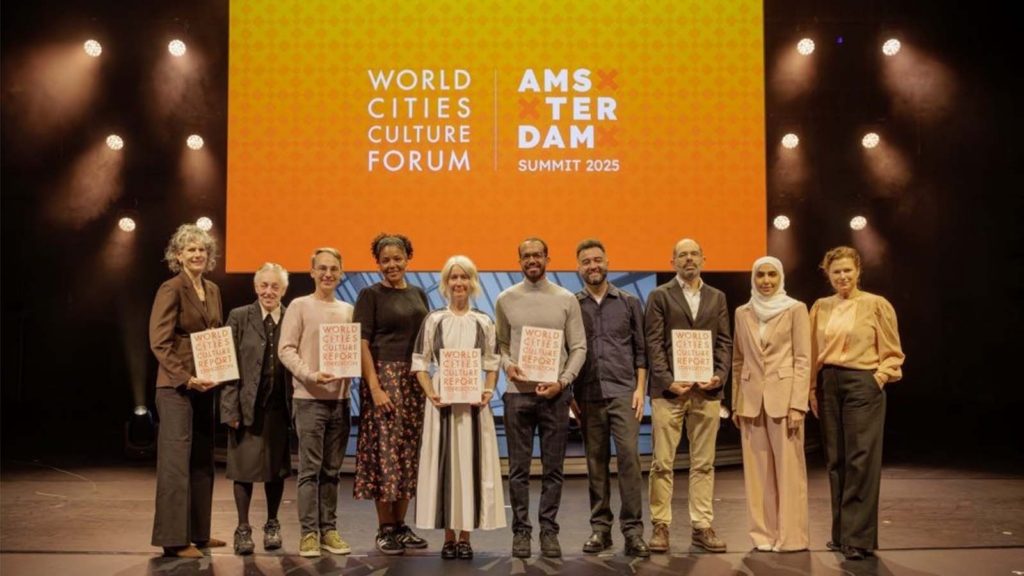
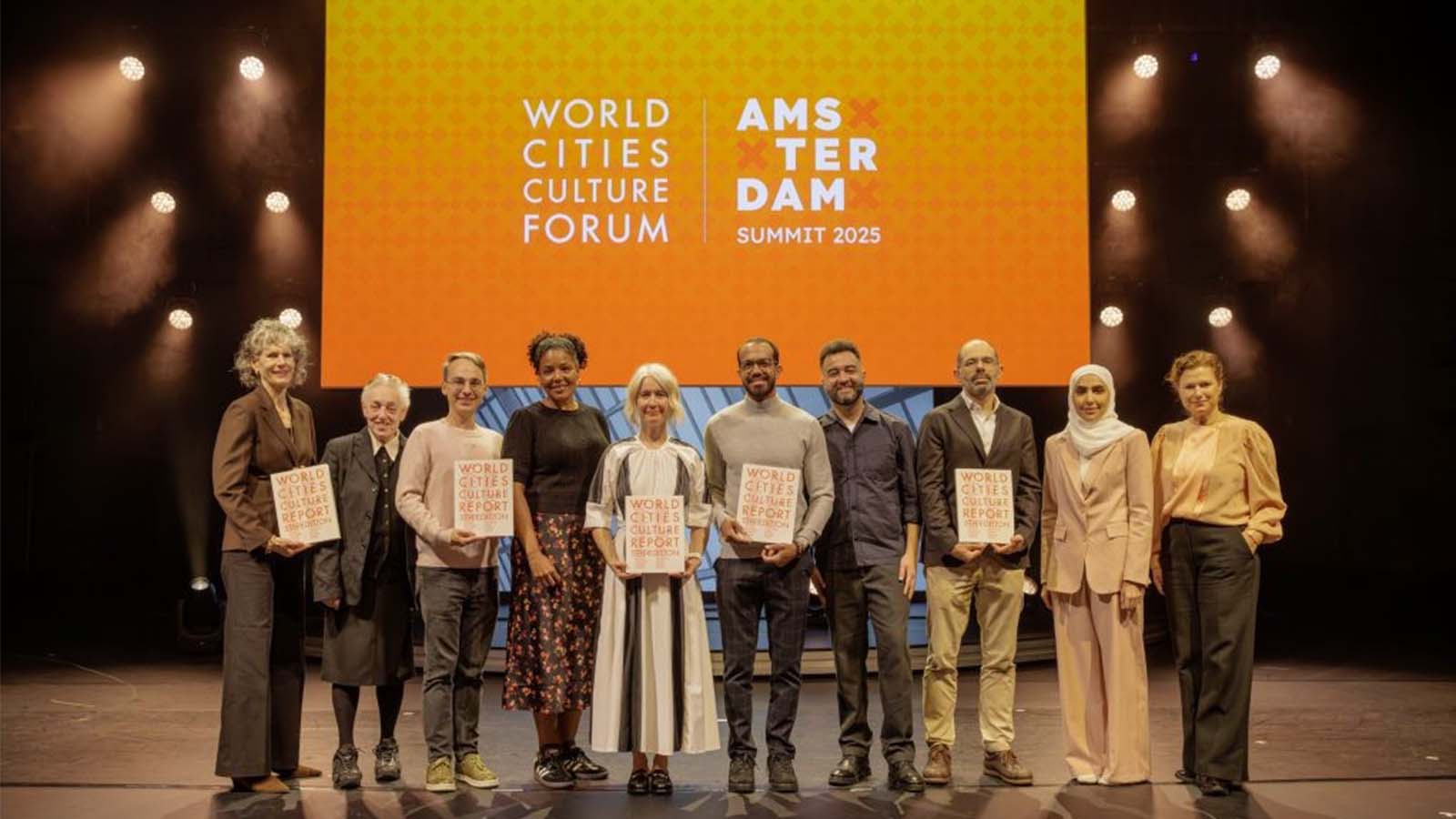
We also supported World Cities Culture Forum to deliver new research on the links between cultural policy and climate action through its 2025 World Cities Culture Report, the most comprehensive dataset of its kind.
Flagship international initiatives
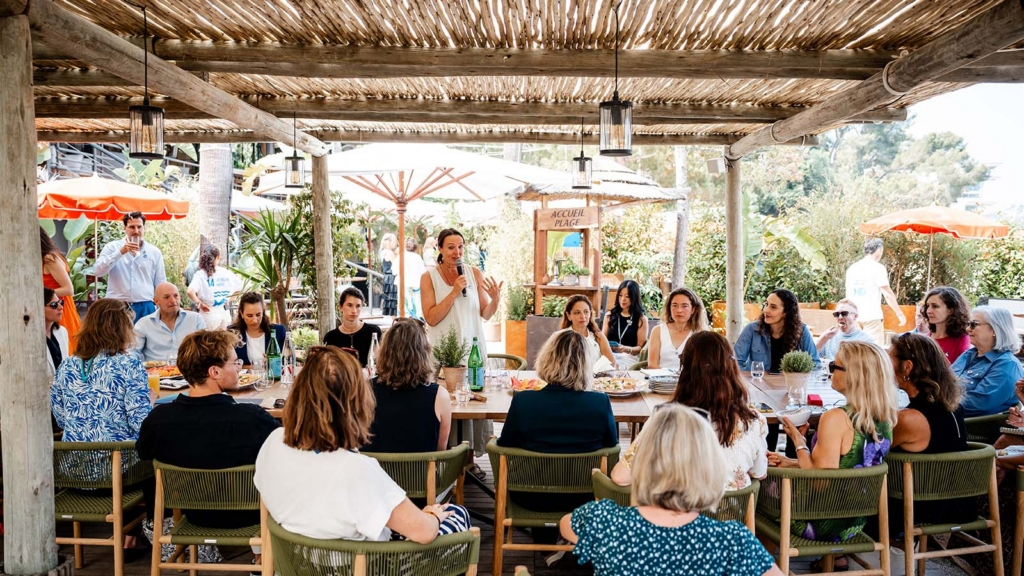
The Foundation launched the Alliance for Socially Engaged Arts as a coalition of European philanthropic organisations aiming to scale the resources and recognition of socially engaged arts. The Foundation is inaugural chair of the Alliance, and members of the UK Branch initiated this ground-breaking partnership. One year on, membership has now grown to 13 foundations – read more about key achievements in the annual report.
The Alliance’s Fellowship programme selected 15 arts leaders from across Europe, including the UK, to deepen the impact and scale their participatory artistic practices that generate positive social change. Their projects cover areas such as welcoming migrants, combating social exclusion, urban regeneration and civic participation. Read their Stories of Impact.
Work in 2026 includes advocacy to shape EU-level cultural policy. New research launched in July, Constellations of Change, provides one of the most comprehensive mappings of the European socially engaged arts ecosystem and makes recommendations to grow the field’s influence and potential.
Another of the Foundation’s flagship international initiatives, the €1 million Gulbenkian Prize for Humanity, is delivered in partnership between the Head Office and UK Branch.
The 2025 Prize was awarded to the Antarctic and Southern Ocean Coalition (ASOC) in recognition of its work protecting one of the world’s most critical and fragile regions. ASOC will use the funding to sustain its work unifying nations, environmental organisations and scientists to preserve one of the last wild regions of the planet.
Previous Prize winners continued to benefit from the significant funding and secure major achievements for climate, biodiversity and communities. Read more about what the funding has led to.
We also began to establish a Winners Network to allow Prize laureates to connect and gain further support increasing visibility of their work. The 2026 Prize winner will be announced on 23 September 2026.
For regular updates about the UK Branch’s work and grant-funding opportunities, subscribe to our newsletter.