
Torso do rei Padibastet, Inv. 52

Mostra Internacional da Coleção Gulbenkian

A exposição «Only The Best. Masterpieces of the Calouste Gulbenkian Museum» reuniu algumas das peças mais destacadas da Coleção Calouste Gulbenkian no The Metropolitan Museum of Art (MET), em Nova Iorque. Decorreu de uma parceria entre a Fundação Calouste Gulbenkian (FCG) e o MET e contou com o apoio do Hagop Kevorkian Fund e da Kossak Family Foundation.
A iniciativa correspondeu a uma estratégia concertada do Museu Calouste Gulbenkian (MCG) de organizar algumas exposições internacionais para dar a conhecer a extensa coleção de Calouste Sarkis Gulbenkian, uma vez que, entre 3 de outubro de 1999 e 20 de julho de 2001, o museu esteve encerrado para levar a cabo uma ampla campanha de obras – as primeiras desde a sua inauguração em outubro de 1969. Este projeto de remodelação ficou a cargo do arquiteto belga Paul Vandebotermet, com a colaboração do designer Jorge Pacheco e, enquanto consultor, do arquiteto José Sommer Ribeiro.
Patente de 16 de novembro de 1999 a 27 de fevereiro de 2000, num dos mais prestigiados museus do mundo, «Only the Best» foi a primeira de três mostras no estrangeiro promovidas nesta ocasião. No decurso do ano 2000, a FCG colaborou também com a Fundación Banco Santader Central Hispano, para apresentar «Un Jardín Encantado. Arte Islámico en la Colección Calouste Gulbenkian», e com o Palácio de Versalhes, onde foi apresentada «Chefs-d'œuvre du Musée Gulbenkian. Meubles et Objets Royaux du XVIIIe Siècle Français», terceira e última destas iniciativas internacionais, e que contemplou um leque de objetos ligados às artes decorativas francesas e uma seleção de livros raros.
A exposição no MET reuniu um conjunto de 80 obras provenientes de diversos núcleos da Coleção Gulbenkian – arte egípcia, arte islâmica, artes decorativas francesas do século XVIII e pintura europeia – e foi considerada especial pela sua idiossincrasia e por mostrar, nas palavras de Pedro Tamen, «o gosto específico de um homem» (Reis, Público, 28 jul. 1999).
Na escolha das peças, os organizadores procuraram manter um discurso coerente, com a principal preocupação «de homenagear a figura do Fundador, um dos mais proeminentes colecionadores de arte do Ocidente na primeira metade do século vinte» («Em Nova Iorque no Metropolitan Museum of Art. Só o melhor do Sr. Gulbenkian», Casa & Jardim, fev. 2000). Esta seleção ficou a cargo de dois técnicos do MET, Katharine Baetjer, conservadora do Departamento de Pintura Europeia, e James David Draper, conservador do Departamento de Escultura Europeia e Artes Decorativas, contando simultaneamente com o apoio de técnicos do MCG.
Katharine Baetjer viajou até Lisboa para selecionar, presencialmente e com a cooperação dos técnicos da FCG, somente as «melhores» peças. Os principais critérios de seleção, segundo a comissária da exposição, «foram a sua raridade e estado de conservação, considerado "muito bom"» («"Only the Best": Metropolitan elogia peças únicas da Gulbenkian», Agência Lusa, 13 nov. 1999). «Numa escolha preliminar, a FCG disponibilizou peças maravilhosas, mas algumas delas não pudemos aceitar por falta de espaço. Tentámos escolher artigos mais pequenos, por exemplo de arte egípcia, que são excepcionais, e alguns têxteis que não temos no Metropolitan», justificou a conservadora do MET em declarações à Agência Lusa (Ibid.).
A exposição desenvolveu-se ao longo de oito pequenas salas, em dois núcleos principais: a arte do Oriente Islâmico e a arte do Ocidente. O primeiro núcleo – dominado por objetos de arte islâmica, um dos mais ricos e importantes setores da Coleção Gulbenkian – apresentou peças como dois medalhões de ouro do Tesouro de Aboukir, datados do século III a.C., uma taça em faiança persa dos séculos XII e XIII ou duas lâmpadas de mesquita em vidro do período mameluco, convidando o público a embarcar numa viagem conduzida pelo gosto pessoal do colecionador arménio (Caetano, Diário de Notícias, 17 nov. 1999, p. 49).
O segundo núcleo – dedicado à arte do Ocidente – expôs um conjunto de peças relacionadas com a religião cristã, cuja peça de datação mais antiga remontava ao século XIV, um díptico em marfim com cenas da vida de Cristo, proveniente de uma oficina da cidade de Paris (Inv. 133) («Em Nova Iorque no Metropolitan Museum of Art. Só o melhor do Sr. Gulbenkian», Casa & Jardim, fev. 2000).
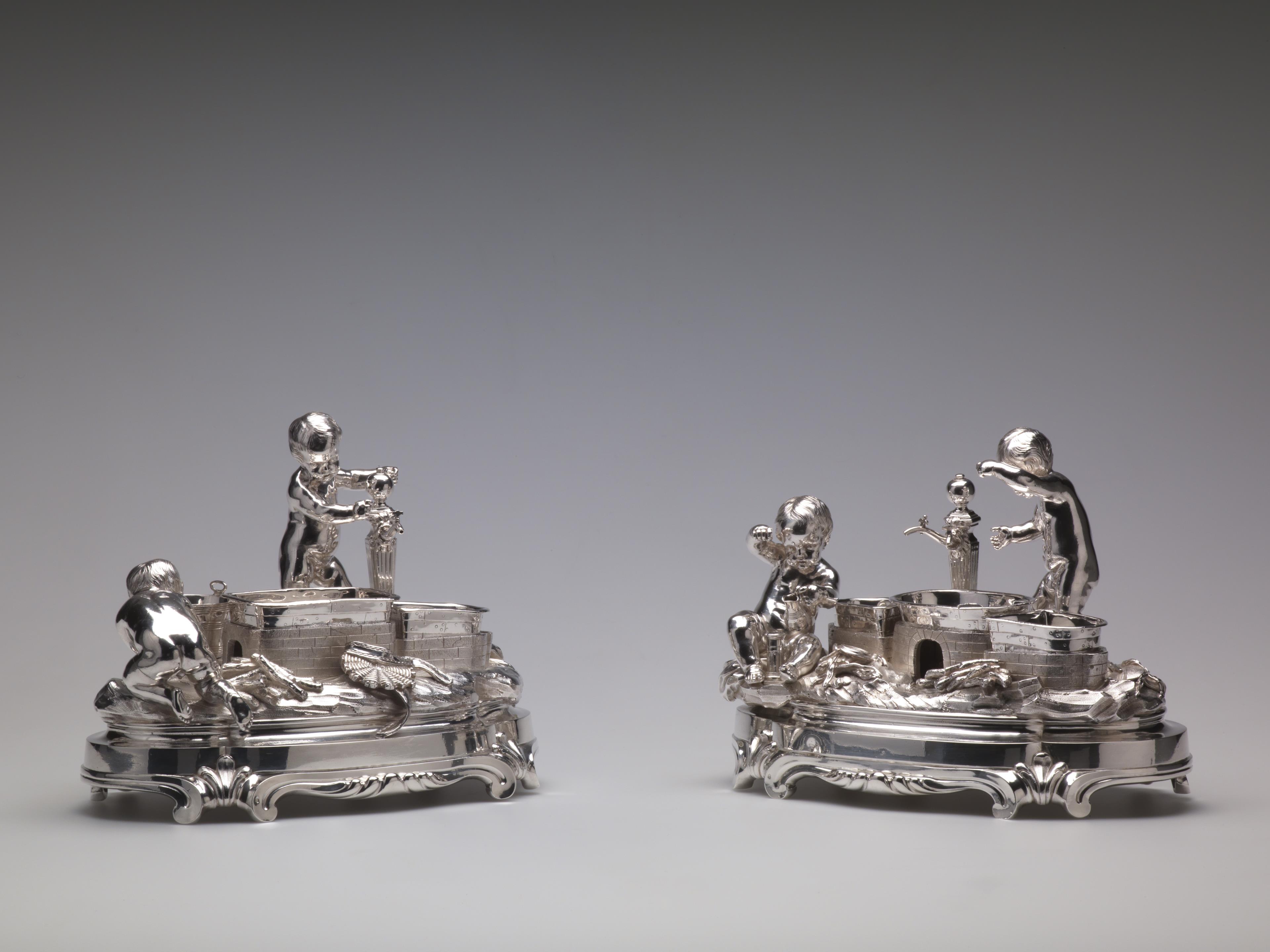
As artes decorativas francesas do século XVIII também enriqueceram a Galeria de Exposições do MET com um «sumptuoso mealheiro de Charles Cressent e um conjunto de pratas das oficinas de Paris, de Antoine Sébastian Durand e François Thomas-Germain, a que pertence o par de mostardeiras que foram propriedade de Madame Pompadour, cujas Armas ornamentam o rico estojo original que as protege» (Ibid.).
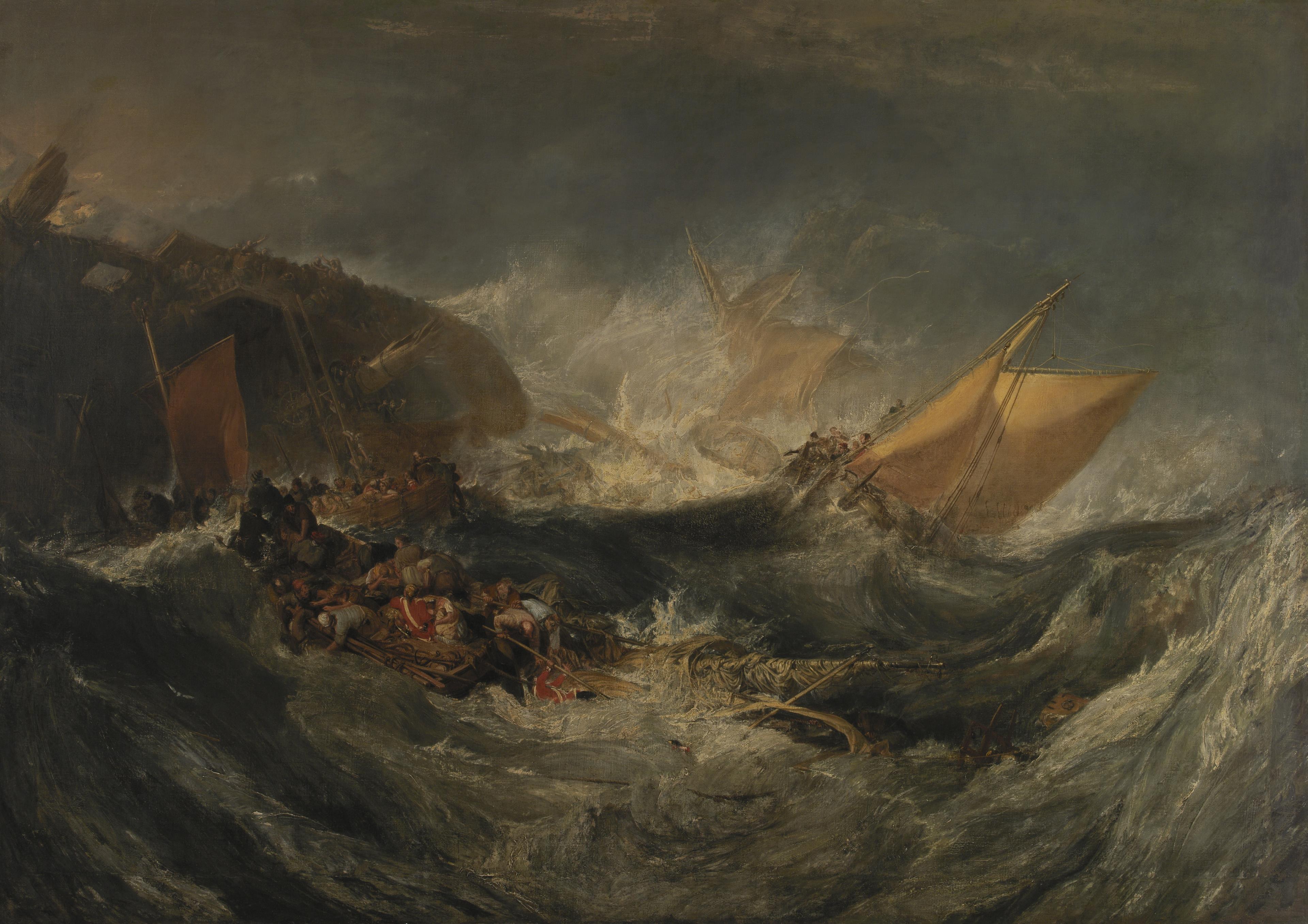
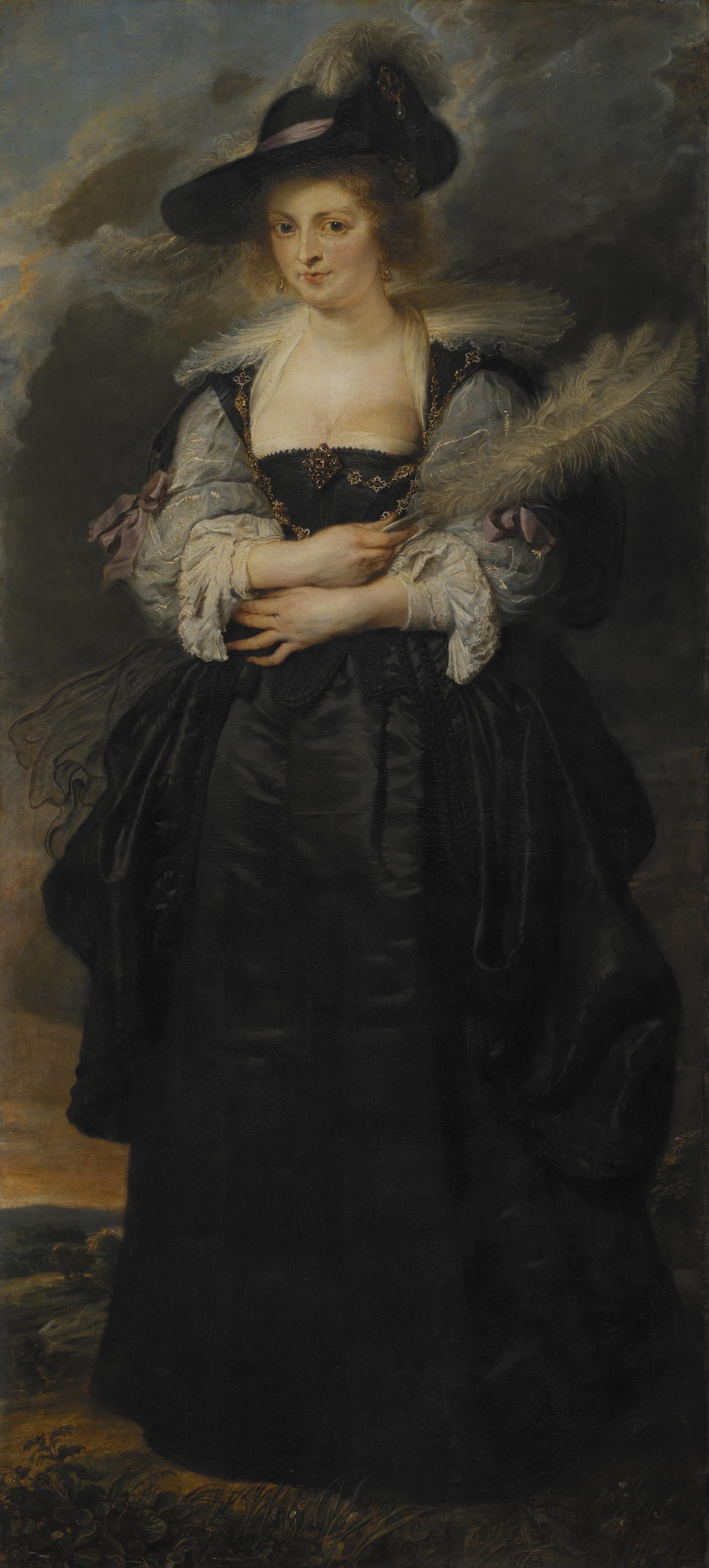
«Only the Best» (traduzindo-se como «Apenas o Melhor») apresentou ainda uma seleção de pintura europeia, realizada com o intuito de preencher «lacunas» na coleção do MET e criar diálogos inesperados entre as peças da coleção permanente do museu nova-iorquino e as obras da coleção de Calouste Sarkis Gulbenkian. Nela se destacaram artistas como Joseph Mallord William Turner (1775-1851), com a tela Naufrágio, ou o confronto dos retratos de Hélène de Fourment, por Peter Paul Rubens (1577-1640), e Elizabeth Lowndes-Stone, por Thomas Gainsborough (1727-1788), ambos «tão admiráveis e tecnicamente tão diferentes», salienta o jornal Expresso (Rocha, Expresso, 4 dez. 1999, p. 113).
As peças pertencentes à Coleção Gulbenkian conheceram um outro tipo de apresentação no MET, em grande parte devido a questões técnicas, como é o caso da iluminação do museu nova-iorquino. O mesmo artigo do Expresso frisa que «cada peça fica perfeitamente individualizada e realçada no mais pequeno pormenor» (Ibid.). O texto cita também a opinião do diretor do MET, Philippe de Montebello, para quem a coleção do Museu Calouste Gulbenkian, formada com rigorosos critérios de qualidade e referencial histórico, refletia o saber do seu fundador, que «gostava de coisas preciosas em muitas áreas diferentes, gostava de grandes peças exemplares» (Ibid., p. 109).
O Expresso informa ainda que esta foi a primeira exposição a sair para o estrangeiro com um núcleo «significativo da colecção», a qual sugeriu, na época, «uma aposta na internacionalização e numa acção cultural dinamizadora que parece anunciar uma diferença em relação a uma certa pacatez que tem reinado» (Ibid.).
A mostra foi elogiada e comentada na imprensa nacional e internacional, obtendo receções positivas em influentes jornais norte-americanos.
Roberta Smith, crítica de arte do The New York Times, demonstrou o seu entusiasmo pela exposição e pelo vislumbre que proporcionou da coleção de Calouste Gulbenkian: «The 80 objects in this exhibition are diverse enough that they nearly form a mini-Met. Every gallery presents a different facet of Gulbenkian's collection and his demanding sensibility; sometimes there is a change in culture, century or medium every few yards. Within 30 feet of the entrance, for example, you will move from a Roman medal bearing Alexander the Great's likeness, to a finely detailed Late Dynasty head of an old man to a Yuan porcelain stem cup to Ghirlandaio's gossamer portrait of a Florentine noblewoman in the bloom of youth, her neck encircled by coal beads.» (Smith, The New York Times, 19 nov. 1999, p. 39)
O catálogo de exposição – editado pelo MET em parceria com a FCG e organizado de acordo com os diferentes núcleos da Coleção do Fundador – contém reproduções fotográficas de todas as obras que estiveram patentes na exposição, acompanhadas de diversas entradas da autoria de alguns dos conservadores do MCG, como Isabel Pereira Coutinho, Maria Rosa Figueiredo ou Maria Queiroz Ribeiro, e textos do diretor do MCG, João Castel-Branco Pereira, e do diretor do MET, Philippe de Montebello.
A exposição foi complementada por um leque de atividades culturais, entre elas um concerto do Coro Gulbenkian – que então comemorava 35 anos de existência – realizado na véspera da inauguração da mostra, interpretando obras de famosos compositores, como Diogo Dias Melgás ou Ravel, com direção do maestro Michel Corboz (The Metropolitan Museum of Art 1999-2000 Season. Concerts [folheto], 1999). Além deste evento musical, foram ainda realizadas conferências com a participação do diretor executivo da Fundação Luso-Americana para o Desenvolvimento, Rui Chancerelle de Machete, e do diretor do MCG, que dissertou acerca da figura de Calouste Sarkis Gulbenkian e do seu percurso como colecionador.
Anteriormente à data de inauguração da mostra, o museu nova-iorquino abriu as suas portas a diversos órgãos de comunicação social numa visita pré-inaugural, na qual estiveram presentes cerca de 120 jornalistas de Portugal, Estados Unidos da América, Espanha, Brasil, Japão, França, México, Alemanha, Reino Unido, Polónia e Arménia.
A inauguração da exposição contou com a presença do presidente da FCG, Victor de Sá Machado, dos administradores da FCG, Pedro Tamen e Michael Essayan, e do administrador do Serviço Internacional da FCG, José Blanco, juntamente com outras personalidades portuguesas e americanas ligadas à cultura, à arte e à política. No âmbito da inauguração, o embaixador de Portugal em Nova Iorque, José Carlos da Cruz Almeida, e sua mulher, Maria Helena, ofereceram um jantar em sua casa, documentado na reportagem fotográfica realizada por Maria Guadalupe no jornal Semanário (Guadalupe, Semanário. Olá!, nov. 1999, pp. 34-37).
Até à data de encerramento, «Only the Best» recebeu um total de 102 909 visitantes.
Joana Atalaia, 2018
The exhibition “Only the Best. Masterpieces of the Calouste Gulbenkian Museum” brought a selection of the most celebrated pieces from the Calouste Gulbenkian Collection to The Metropolitan Museum of Art (MET) in New York. It was the result of a partnership between the Calouste Gulbenkian Foundation (FCG) and the MET, with the support of the Hagop Kevorkian Fund and the Kossak Family Foundation.
The initiative was part of a concerted effort by the Calouste Gulbenkian Museum (MCG) to organize exhibitions abroad, showcasing the extensive collection of Calouste Sarkis Gulbenkian as, from 3 October 1999 to 20 July 2001, the museum was closed for extensive renovation works – the first since it opened in October 1969. This renovation was led by Belgian architect Paul Vandebotermet, working in collaboration with designer Jorge Pacheco and architect José Sommer Ribeiro, who acted as a consultant.
On show in one of the world’s most prestigious museums from 16 November 1999 to 27 February 2000, “Only the Best” was the first of three exhibitions to take place abroad during this period. Over the course of the year 2000, the FCG also partnered with Fundación Banco Santander Central Hispano to present “Un Jardín Encantado. Arte Islámico en la Colección Calouste Gulbenkian” (“An Enchanted Garden. Islamic Art in the Calouste Gulbenkian Collection”), and with the Palace of Versailles, which hosted the exhibition “Chefs-d'œuvre du Musée Gulbenkian. Meubles et Objets Royaux du XVIIIe Siècle Français” (“Masterpieces of the Gulbenkian Museum. Royal Furniture and Artifacts of 18th Century France”), the third and final of these international initiatives, which featured a treasure trove of pieces related to the French decorative arts and a selection of rare books.
The exhibition at the MET spanned a total of 80 pieces belonging to various areas of the Gulbenkian Collection – Egyptian art, Islamic art, 18th century French decorative arts and European painting – which stood out for its idiosyncratic nature and for revealing, in the words of Pedro Tamen, “the specific taste of one man” (Reis, Público, 28 Jul 1999).
When choosing the pieces, the organisers sought to maintain a coherent discourse, the priority being “to pay homage to the Founder of the collection, one of the most prominent art collectors in the Western world in the first half of the twentieth century” (“Em Nova Iorque no Metropolitan Museum of Art. Só o melhor do Sr. Gulbenkian”, Casa & Jardim, Feb 2000). This selection process was left in the hands of two experts from the MET, Katharine Baetjer, curator of the Department of European Paintings, and James David Draper, curator of the Department of European Sculpture and Decorative Arts, with the support of professionals from the MCG.
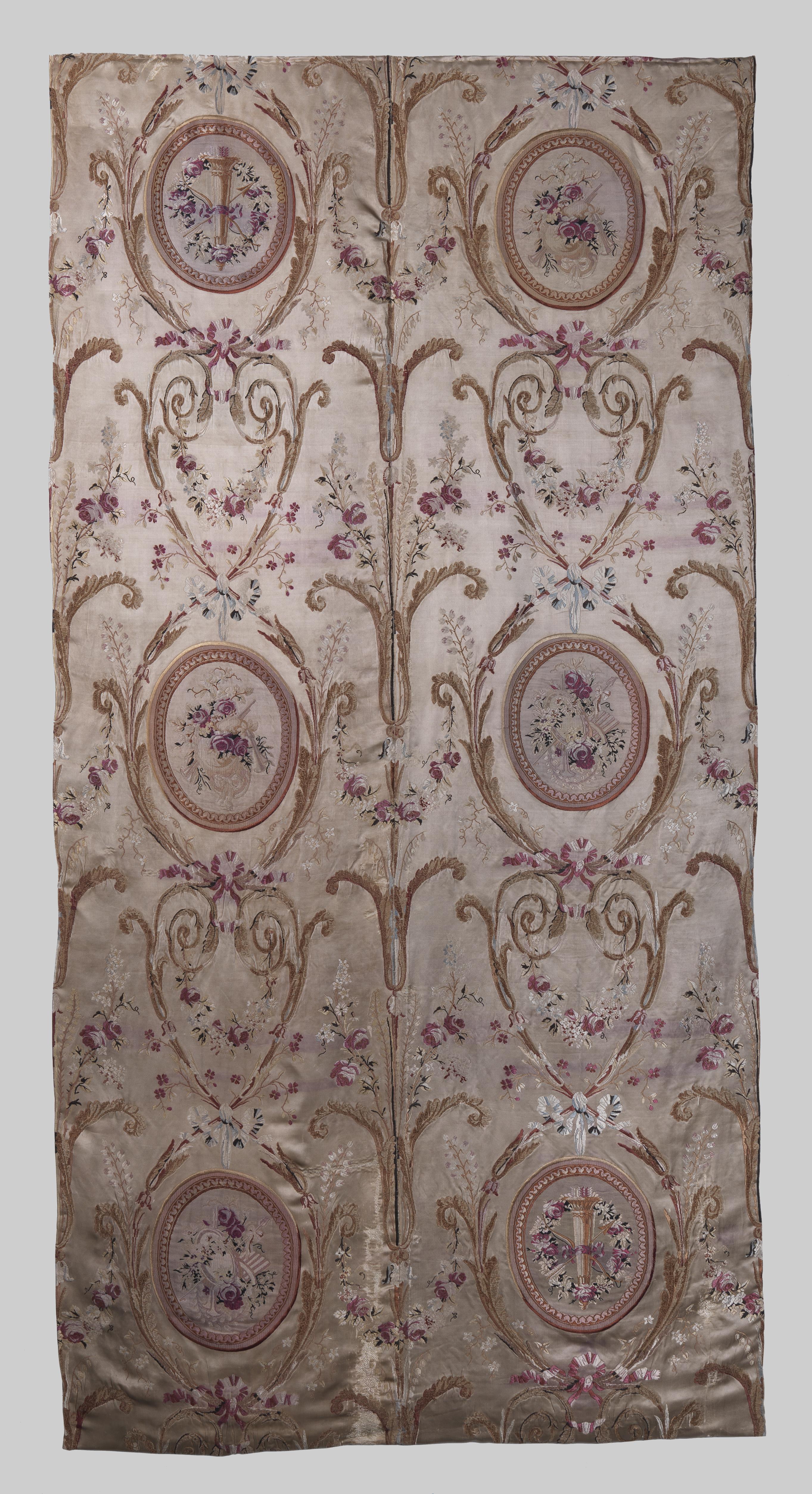
Katharine Baetjer travelled to Lisbon to select the very “best” pieces in person, with the assistance of experts from the FCG’s Central Department. According to the exhibition’s curator, the main selection criteria “were rarity and condition, which had to be ‘very good’” (“‘Only the Best’: Metropolitan elogia peças únicas da Gulbenkian”, Agência Lusa, 13 Nov 1999). “During the initial selection phase, the FCG’s Central Department offered us wonderful pieces, but we were unable to accept all of them due to a lack of space. We tried to choose smaller items, for example pieces of Egyptian art, which are exceptional, and certain textiles that we don’t have at the Metropolitan”, explained the MET curator, speaking to Agência Lusa (Ibid.).
The exhibition occupied eight small rooms, grouped into two main areas: Oriental and Islamic art and Western art. The former, dominated by Islamic art objects – one of the richest and more important areas of the Gulbenkian collection – featured pieces including two gold medallions from the Aboukir Treasure, dating from the 3rd century BC, a Persian earthenware cup from the 7th - 8th century and two glass Mosque lamps from the Mamluk period, inviting visitors to embark on a journey, guided by the personal taste of the Armenian collector (Caetano, Diário de Notícias, 17 Nov 1999, p. 49).
The second area – devoted to Western art – showcases a series of objects related to Christianity, the oldest being an ivory diptych depicting scenes from the life of Christ, produced by a Parisian workshop, which dates back to the 14th century (Inv. 133) (“Em Nova Iorque no Metropolitan Museum of Art. Só o melhor do Sr. Gulbenkian”, Casa & Jardim, Feb 2000).
18th century French decorative arts also adorned the MET Exhibition Gallery, with a “sumptuous Charles Cressent Money box and a set of silverware from the Paris workshops of Antoine Sébastian Durand and François Thomas-Germain, including a pair of mustard pots that once belonged to Madame Pompadour, whose coat of arms embellishes their lavish original protective case” (Ibid.).
“Only the Best” also showcased a selection of European paintings, chosen to fill “gaps” in the MET collection and foster dialogue between pieces belonging to the permanent collection of the New York museum and works from the collection of Calouste Sarkis Gulbenkian. Highlights included the canvas Shipwreck by Joseph Mallord William Turner (1775-1851), and the juxtaposition of the portraits of Hélène de Fourment, by Peter Paul Rubens (1577-1640) and Elizabeth Lowndes-Stone, by Thomas Gainsborough (1727-1788), both “so remarkable and technically so different”, as stressed by newspaper Expresso (Rocha, Expresso, 4 Dec 1999, p. 113).
The pieces belonging to the Gulbenkian Collection were presented differently in the MET, largely for technical reasons, such as the lighting of the New York museum. The same article in the Expresso stresses that “each piece is handled individually, allowing the most minute detail to shine” (Ibid.). The article also quotes MET director, Philippe de Montebello, who believes that the Calouste Gulbenkian Collection, assembled with a rigorous focus on quality and historical context, reflected the knowledge of its founder, who “liked beautiful things from many different fields, who liked large, exemplary pieces” (Ibid., p. 109).
The Expresso also reports that this was the first exhibition taking place abroad to feature a “significant” selection of works from the collection. At the time, this indicated, “a drive for internationalisation and proactive cultural action that seems to mark a departure from the restraint that has reigned to this point” (Ibid.).
The exhibition garnered coverage and praise in the Portuguese and international press, receiving positive reviews in influential North American newspapers.
Roberta Smith, art critic of The New York Times, expressed her enthusiasm for the exhibition and the glimpse it offered of the Calouste Gulbenkian collection: “The 80 objects in this exhibition are diverse enough that they nearly form a mini-Met. Every gallery presents a different facet of Gulbenkian's collection and his demanding sensibility; sometimes there is a change in culture, century or medium every few yards. Within 30 feet of the entrance, for example, you will move from a Roman medal bearing Alexander the Great's likeness, to a finely detailed Late Dynasty head of an old man to a Yuan porcelain stem cup to Ghirlandaio's gossamer portrait of a Florentine noblewoman in the bloom of youth, her neck encircled by coal beads.” (Smith, The New York Times, 19 Nov 1999, p. 39)
The exhibition catalogue – published by the MET in partnership with the FCG and taking its structure from the various areas of the Founder’s Collection – contains photographic reproductions of all works featured in the exhibition, accompanied by texts written by curators from the MCG, including Isabel Pereira Coutinho, Maria Rosa Figueiredo and Maria Queiroz Ribeiro and pieces by the director of the MCG, João Castel-Branco Pereira, and the director of the MET, Philippe de Montebello.
The exhibition was accompanied by a programme of cultural events, among them a concert by the Gulbenkian Choir – celebrating their 35th anniversary at the time – which took place on the eve of the inauguration of the exhibition and included pieces by renowned composers such as Diogo Dias Melgás and Ravel, conducted by Michel Corboz (The Metropolitan Museum of Art 1999-2000 Season. Concerts [leaflet], 1999). In addition to this musical event, there was also a series of lectures, including contributions from the executive director of the Luso-American Development Foundation, Rui Chancerelle de Machete, and the director of the MCG, who spoke about the figure of Calouste Sarkis Gulbenkian and his life as a collector.
Prior to the inauguration of the exhibition, the New York museum opened its doors to the media for an advance showing, attended by almost 120 journalists from Portugal, the United States of America, Spain, Brazil, Japan, France, Mexico, Germany, the United Kingdom, Poland and Armenia.
The exhibition opening was attended by the president of the FCG, Victor de Sá Machado, two members of the FCG board, Pedro Tamen and Michael Essayan, and the manager of the FCG International Department, José Blanco, in addition to other Portuguese and American figures from the worlds of culture, art and politics. To mark the opening, the Ambassador of Portugal in New York, José Carlos da Cruz Almeida, and his wife, Maria Helena, held a dinner at their home, which was documented in a photo report by Maria Guadalupe in newspaper Semanário (Guadalupe, Semanário. Olá!, Nov 1999, pp. 34-37).
On the date of its closure, the exhibition “Only the Best” received a total of 102 909 visitors.
Torso do rei Padibastet, Inv. 52

Personnages de comédie, 1922 / Inv. LM69

Pato-Bravo Morto, Inv. 140

Qiran-e Sa`adayn (Conjunção dos Planetas Benéficos, Júpiter e Vénus), Inv. LA187

Cenas da Vida de Cristo, Inv. 133

L' Oeuvre d' Antoine Watteau, peintre du Roy, en son Académie Roïale de Peinture et Sculpture. Gravé d' après les tableaux et desseins originaux tirez du Cabinet du Roy et des plus curieux de l 'Europe par les soins de M. de Jullienne., Séc. XVIII / Inv. LA124A/B

Três Estudos da Cabeça de uma Jovem, Inv. 2300
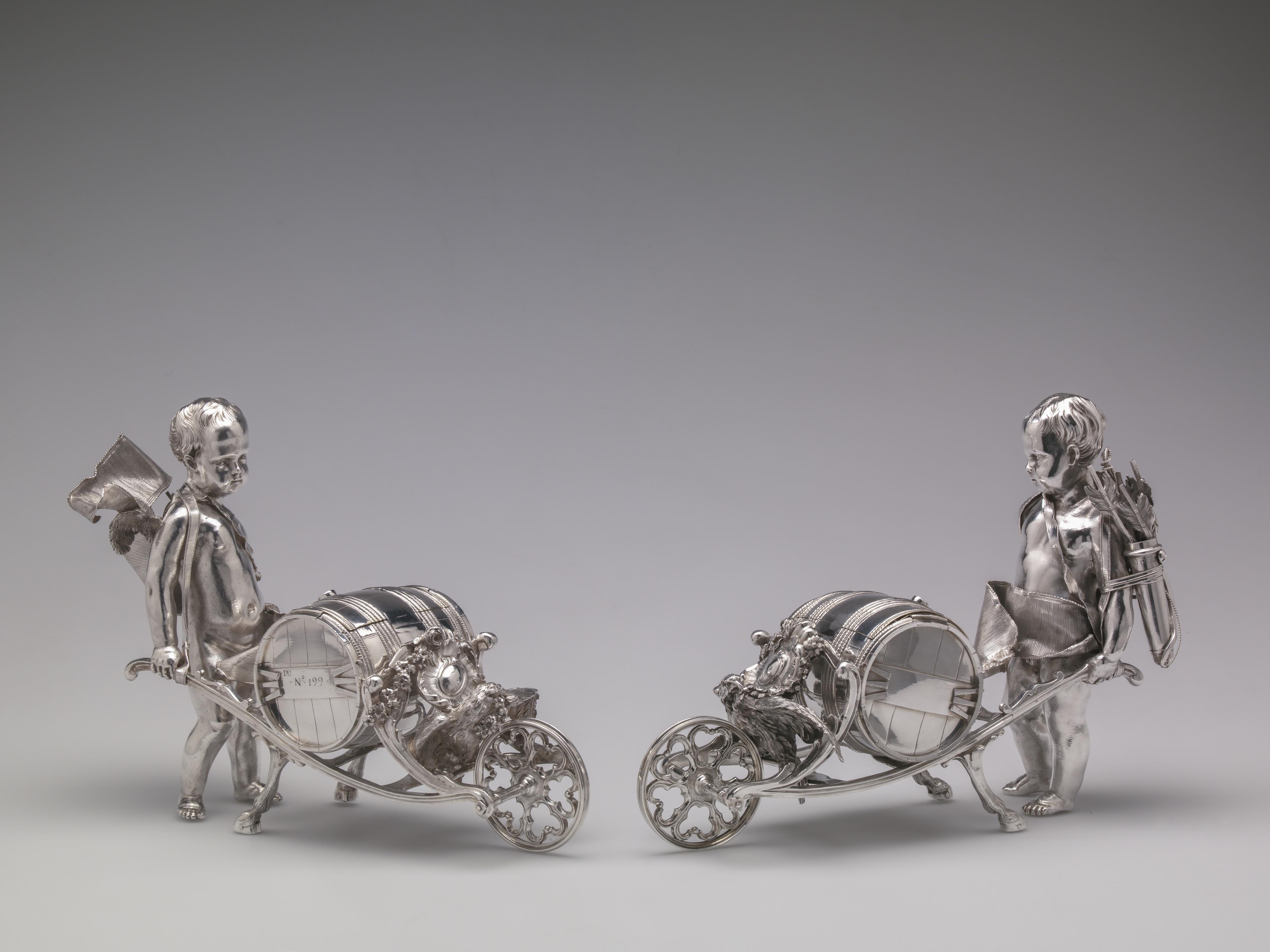
Inv. 287A/B

Inv. 2381

L'Évangile de l'enfance de notre Seigneur Jésus Christ selon Saint Pierre, s.d. [1894] / Inv. LM64

Natureza-Morta, c. 1872 / Inv. 450

c.1580 / Inv. 196

século XVIII / Inv. 927

Inv. 777

posterior a 1321 / Inv. 1033

1573 / Inv. 1602

meados do século XIV / Inv. 2377

1430-1435 / Inv. M66A/B

c.1410 / Inv. M62/69

Inv. 932

início do século XIV / Inv. 2372

início do século XV / Inv. 2374

Inv. 1350

séculos XV-XVI / Inv. 1388B

meados do século XVI / Inv. T100

Século III d.C. / Inv. 2428

século III d.C. / Inv. 2433

Baixo-relevo parietal da princesa Meritités II, Inv. 159

Cabeça de funcionário, Inv. 46
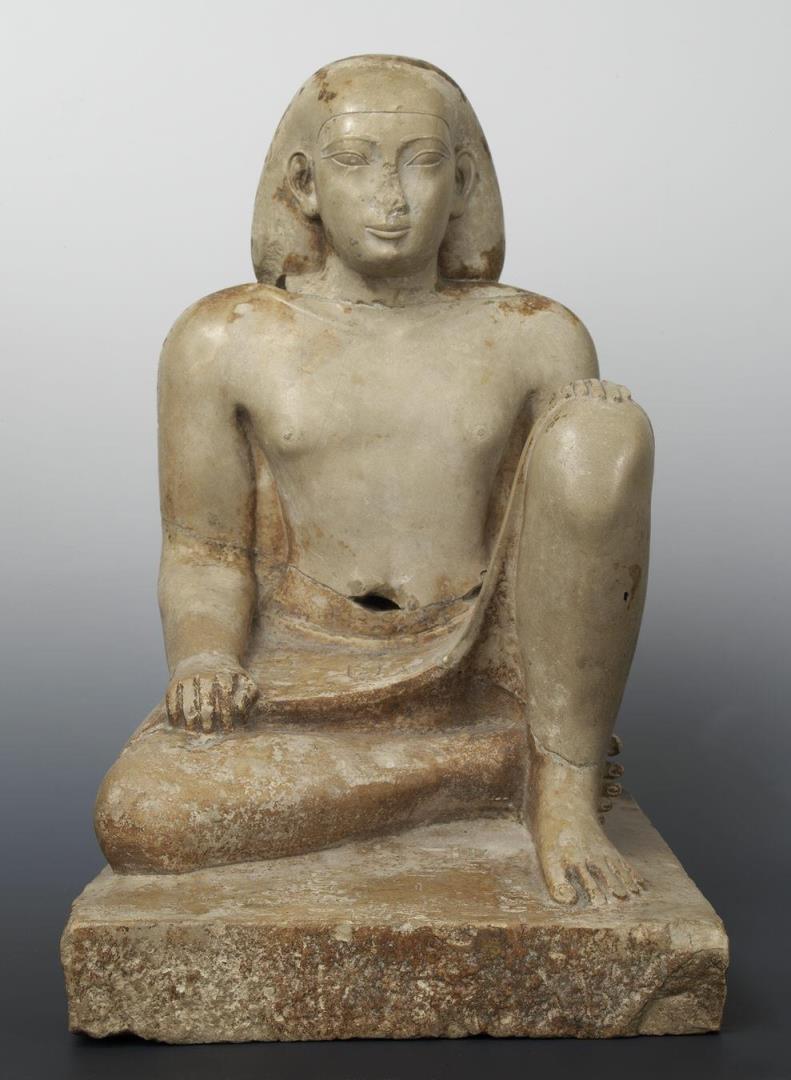
Estatueta do oficial Bés, Inv. 158

Jarro de jade, Inv. 328

Jarro em jaspe com montagem em ouro, Inv. 2379

Painel de azulejos em forma de tímpano, Inv. 1598A/B

Panejamento de seda, Inv. 1419

Panejamento de veludo, Inv. 1384

Panejamento de veludo, Inv. 1385

Panejamento de veludo, Inv. 1422

Prato com brasão, Inv. 2250

Taça com governante no trono e bênçãos escritas, final do século XII - início do século XIII / Inv. 935
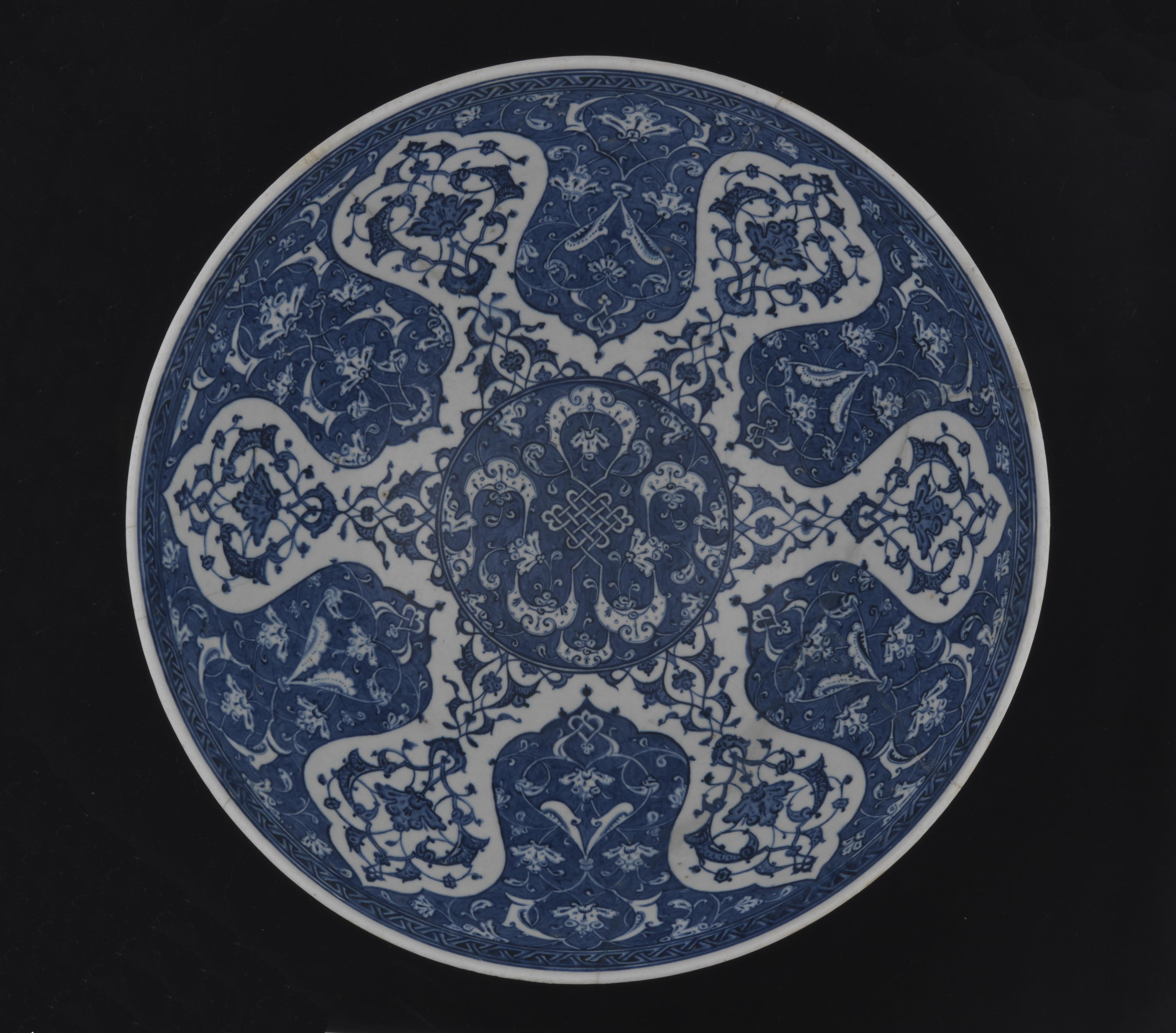
Taça com pé, com arabescos otomanos e flores de lótus chinesas, Inv. 211

Livro de Horas, c. 1460-1470 / Inv. LA135

Retrato de uma Jovem, Inv. 282

Retrato de Henri Michel-Lévy, Inv. 420
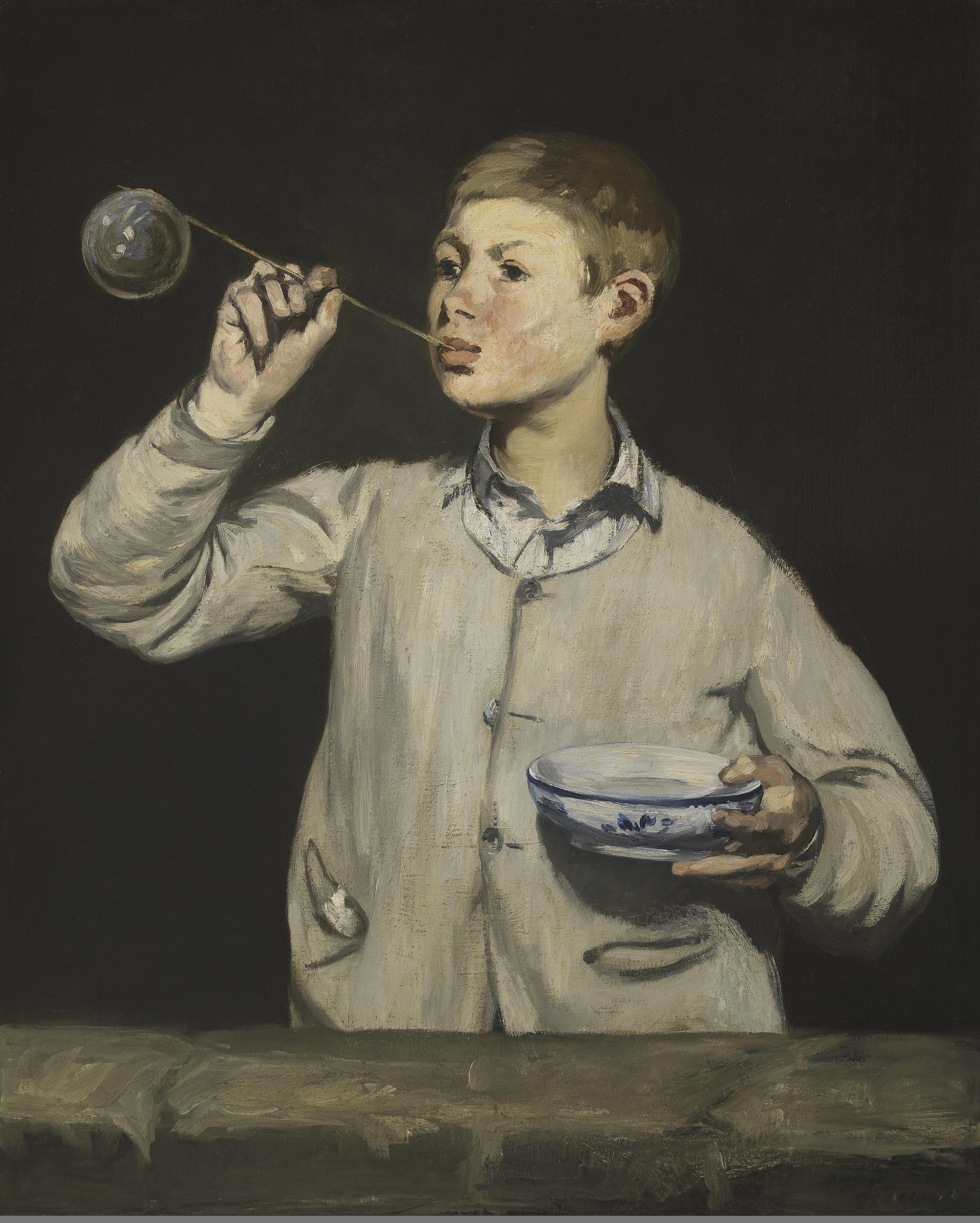
As Bolas de Sabão, Inv. 2361

Paisagem num Parque, c. 1850 / Inv. 258

A Festa da Ascensão na Praça de São Marcos, Inv. 390

Regata no Grande Canal, Inv. 391

Inv. 1085A/B/C

Inv. 1086A/B
Inv. 1091A/B

Bíblia arménia, Inv. LA152

final do século XVIII - início do século XIX / Inv. 1364

A Leitura, Inv. 257

Le Tapis Vert, Inv. 626
Inv. 1401

Apolo, Inv. 552

Flora, Inv. 562

A Ilha do Amor, Inv. 436

Inv. 1329
Naufrágio de um Cargueiro, Inv. 260

Antologia do Sultão Iskandar, 1411 (AH 813) / Inv. LA161

Painel de seda, 1786 / Inv. 1448A

Livro de Horas de Afonso I d' Este, Inv. LA149

Isotta degli Atti, mulher de Sigismondo Pandolfo Malatesta, datada de 1446, mas concebida provavelmente em c. 1450 / Inv. 2419

Livro de Horas de Margarida de Cleves, Inv. LA148

Filippo Strozzi, c. 1489 / Inv. 2399

Festa Galante, Início da década de 1730 / Inv. 958
Retrato de Helena Fourment, Inv. 959

Fragmento de seda, Inv. 201

Les Églogues, Inv. LM444

Águias entre pinheiros, c. 1899 - 1901 / Inv. 1151

Gatos, c. 1906 - 1908 / Inv. 1255

Pavão, Inv. 1134

Peitoral "Pavão", c. 1898-1900 / Inv. 2471

Placa de gargantilha "Águias entre pinheiros", c. 1899-1901 / Inv. 2468

Serpentes, Inv. 1216

Serpentes, Inv. 1162

Apresentação do Menino no Templo/Estigmatização de São Francisco, 1447 / Inv. 272

Retrato de Mrs. Lowndes-Stone, Inv. 429


