Allen Jones (1937-)
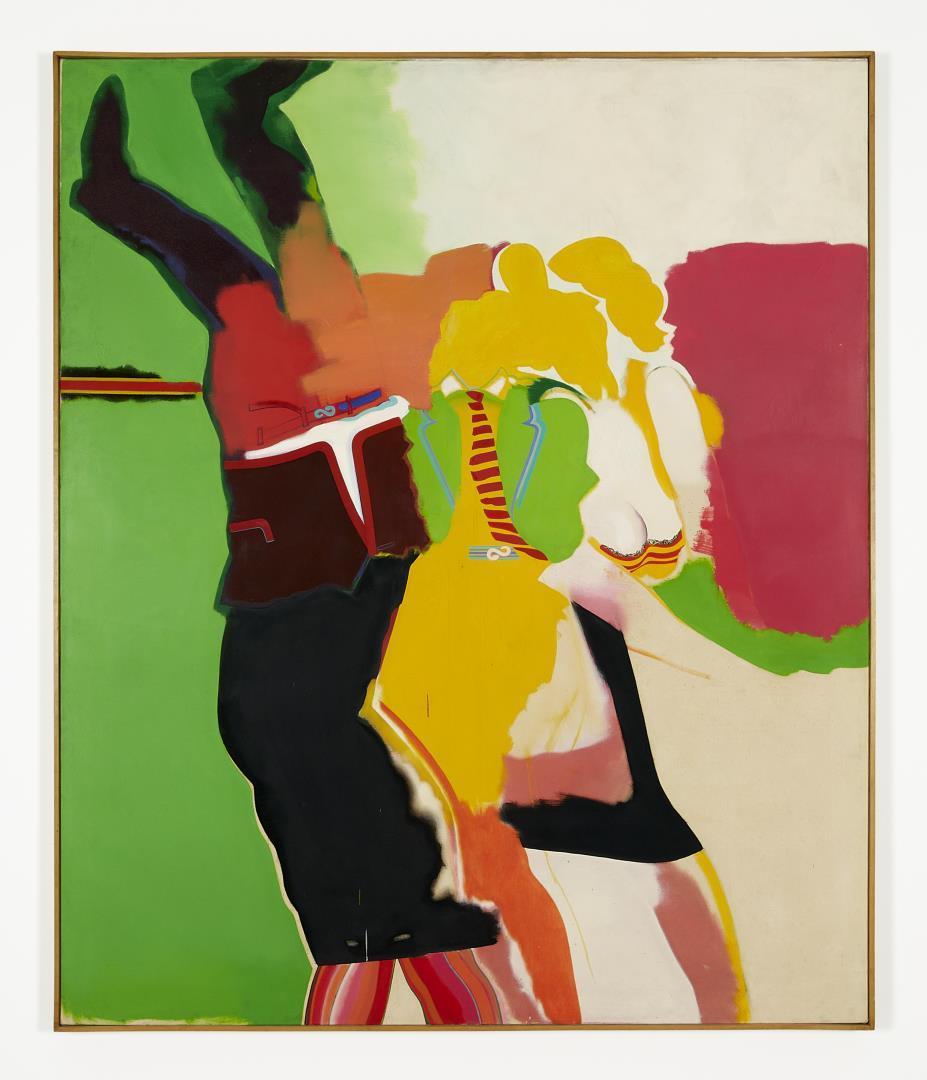
"Dance with the Head and the Legs...", Inv. PE202


Exposição de arte britânica contemporânea, organizada a partir das coleções do British Council e do então Centro de Arte Moderna José de Azeredo Perdigão (CAMJAP) da Fundação Calouste Gulbenkian (FCG) e apresentada no Museum of Contemporary Art da Basil & Elise Goulandris Foundation, em Hora, na ilha de Andros (Grécia).
A iniciativa partiu da Basil & Elise Goulandris Foundation e mereceu o melhor acolhimento por parte do British Council e do CAMJAP. A obra Metamorphosis, de Bridget Riley (1931), deu título à exposição, reflexo das transformações da produção artística britânica ocorridas na década de 1960. Como foi sublinhado no catálogo da exposição, este período foi particularmente dinâmico, com o surgimento de novos movimentos e sensibilidades estéticas do pós-guerra, e influenciou as gerações seguintes de artistas.
Tanto o British Council como o CAMJAP dispunham de importantes acervos, capazes de traçar uma retrospetiva da arte britânica dos anos 60. Com efeito, a Fundação Calouste Gulbenkian, no início da década de 60, e através de uma comissão de seleção composta por representantes do British Council, começou a constituir o importante núcleo de arte britânica, medida incentivada pelo apoio ao desenvolvimento das artes no Reino Unido, que se concretizou no auxílio aos jovens artistas britânicos. As obras adquiridas pela FCG durante esta década são particularmente representativas da produção artística britânica desses anos, uma vez que se destinavam à apresentação em exposições temporárias promovidas pelo British Council, no âmbito do protocolo de empréstimo estabelecido entre as duas instituições, que durou cerca de dez anos.
Richard Riley, diretor do departamento de Exposições de Artes Visuais do British Council, Ana Vasconcelos, curadora e conservadora do CAMJAP, e Kyriakos Koutsomallis, diretor do Museum of Contemporary Art of the Basil & Elise Goulandris Foundation, foram responsáveis pela seleção das 66 obras dos 35 artistas representados, bem como pelo projeto expositivo, que procurou constituir-se como uma amostragem de artistas com percursos internacionalmente reconhecidos, nascidos maioritariamente na década de 1930.
A «reunião» ou «reunificação» temporária de obras destas duas coleções possibilitou uma leitura histórica e artística da arte britânica, que atravessou os finais da década de 1950 até ao início da década de 1970, traçando ainda uma retrospetiva do desenvolvimento das duas coleções, amplamente analisadas pelos curadores nos seus ensaios do catálogo.
Alguns movimentos artísticos assumiram uma posição preponderante neste período, como a Pop Art (Eduardo Paolozzi, Richard Hamilton, Richard Smith, Peter Blake, David Hockney, Derek Boshier, Allen Jones, Peter Phillips, Patrick Caulfield, Joe Tilson), o abstracionismo (Gillian Ayres, Bernard Cohen, Robyn Denny, Garth Evans) ou a Op Art (Bridget Riley), destacados pelo seu valor de testemunho, como enquanto valores atualizados nesta exposição.
Filipa Coimbra, 2018
Exhibition of contemporary British art, based on the collections of the British Council and the then Centro de Arte Moderna José de Azeredo Perdigão [José de Azeredo Perdigão Modern Art Centre] (CAMJAP) of the Calouste Gulbenkian Foundation (FCG), held in the Museum of Contemporary Art of the Basil & Elise Goulandris Foundation in Hora, on the island of Andros (Greece).
The project originated with the Basil & Elise Goulandris Foundation and was enthusiastically welcomed by both the British Council and the CAMJAP. The title of the exhibition came from the piece Metamorphosis, by Bridget Riley (1931), and reflects the transformation of British artistic production over the course of the 1960s. As underlined by the exhibition catalogue, this was a particularly dynamic period, which witnessed the emergence of new movements and post-war aesthetic sensibilities, influencing subsequent generations of artists.
Both the British Council and the CAMJAP possess important archives, capable of telling the story of British art in the 60s. Indeed, in the early 60s, aided by a selection committee from the British Council, the Calouste Gulbenkian Foundation began to amass a significant collection of British art, a strategy motivated by a desire to support the development of the arts in the United Kingdom and embodied by the help provided to young British artists. The works acquired by the FCG’s Central Department during that decade are particularly representative of British artistic output at the time, as they were initially intended to be shown in temporary exhibitions organised by the British Council, on the basis of a loan agreement between the two institutions, which lasted almost ten years.
Richard Riley, Head of Exhibitions of the Visual Arts Department of the British Council, Ana Vasconcelos, curator and conservator of the CAMJAP and Kyriakos Koutsomallis, director of the Basil & Elise Goulandris Foundation Museum of Contemporary Art, were responsible for selecting 66 pieces by the 35 artists represented, as well as planning the exhibition, which aimed to showcase internationally recognised artists, most of whom were born in the 1930s.
The temporary “reunion” or “reunification” of these two collections presented an opportunity for historical and artistic reflection on British art in the period from the end of the 1950s to the beginning of the 1970s, while tracing the evolution of the two collections, a subject tackled in great detail by the curators in their catalogue essays.
Certain artistic movements that came to the fore in this period, such as Pop Art (Eduardo Paolozzi, Richard Hamilton, Richard Smith, Peter Blake, David Hockney, Derek Boshier, Allen Jones, Peter Phillips, Patrick Caulfield, Joe Tilson), abstractionism (Gillian Ayres, Bernard Cohen, Robyn Denny, Garth Evans) and Op Art (Bridget Riley) feature prominently in this exhibition, due both to what they tell us about their era, and their present-day appeal.
"Dance with the Head and the Legs...", Inv. PE202
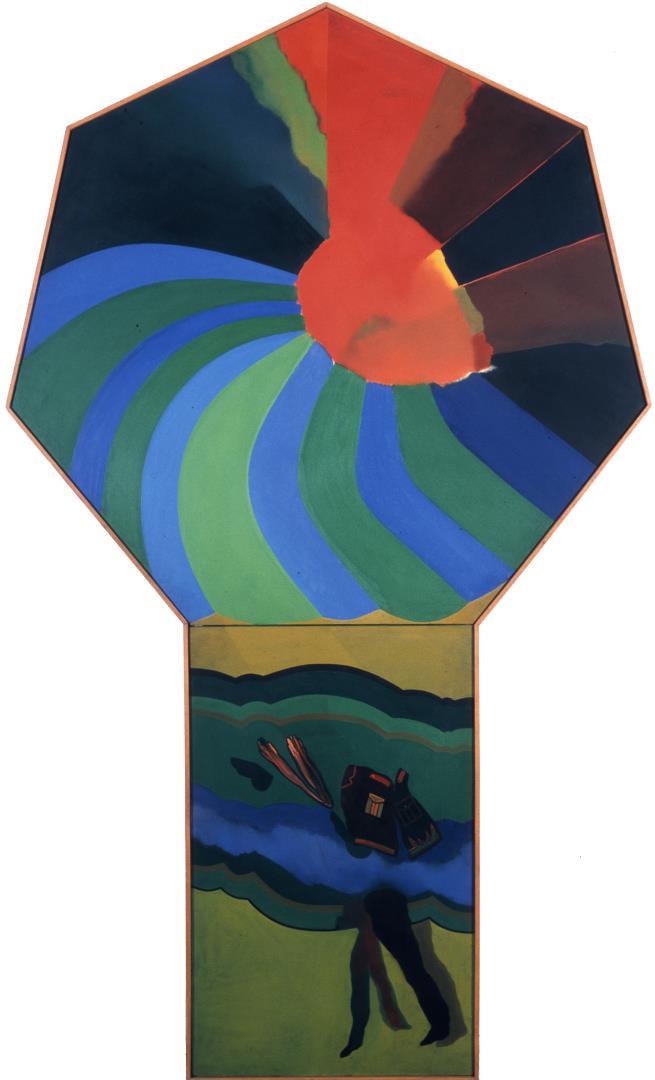
Parachutist No. 2, Inv. PE201

Summershot, 1964/1965 / Inv. PE242

Continuum, Inv. DE45

Drawing Imperial I, Inv. DE11

Drawing Imperial II, Inv. DE12

Mist, Inv. PE241

Metamorphosis, Inv. PE158

Shuttle, Inv. PE159

s/título, c. 1962 / Inv. DE5

Swing Low, Inv. EE14
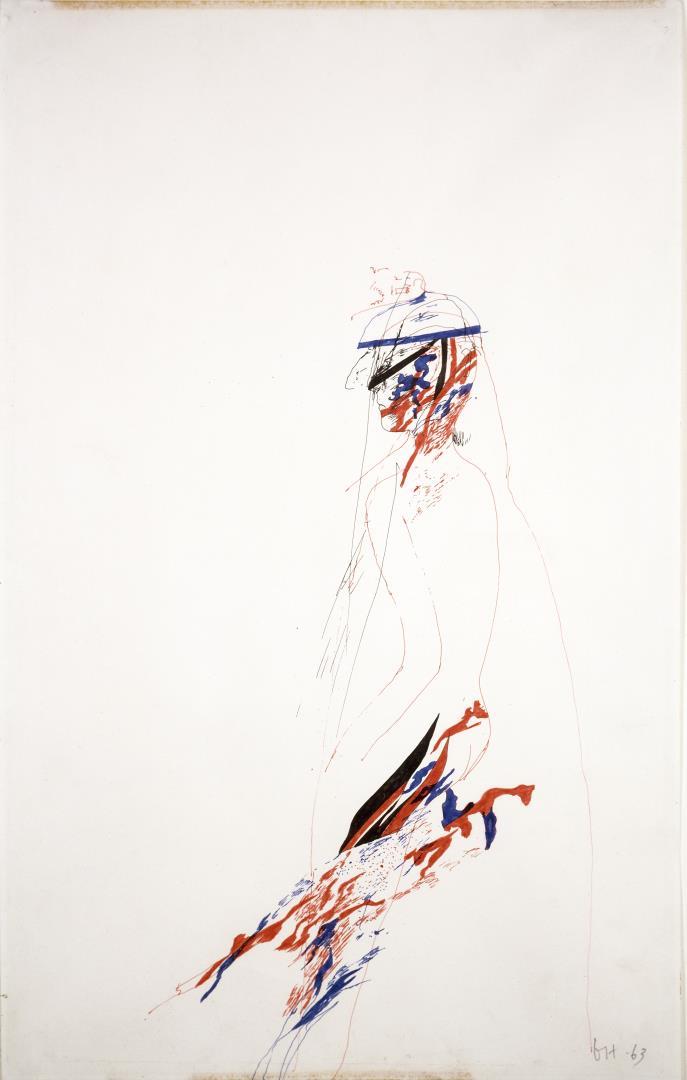
Figure in Helmet and Cloak, Inv. DE21
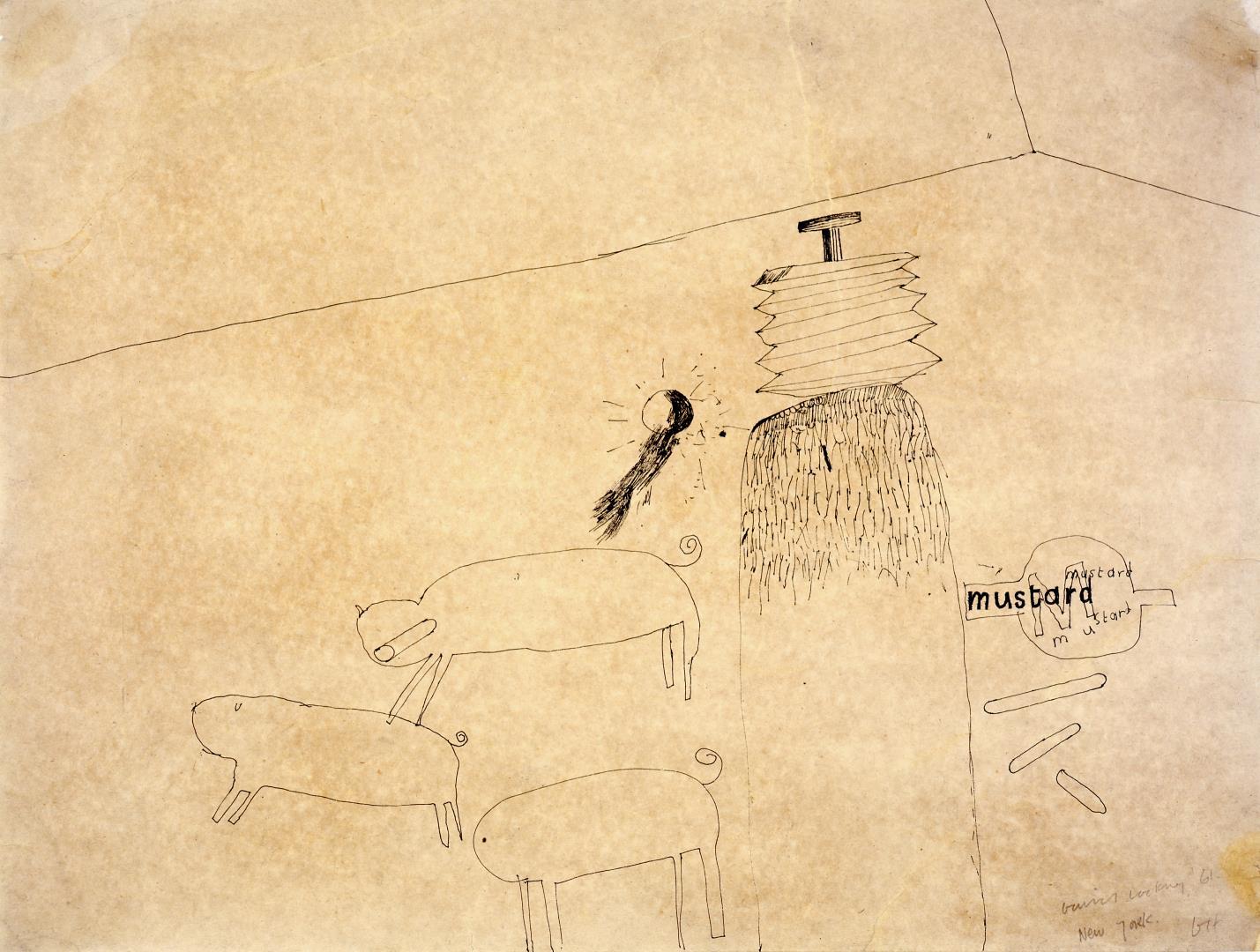
Pigs escaping from a hot dog machine, Inv. DE22
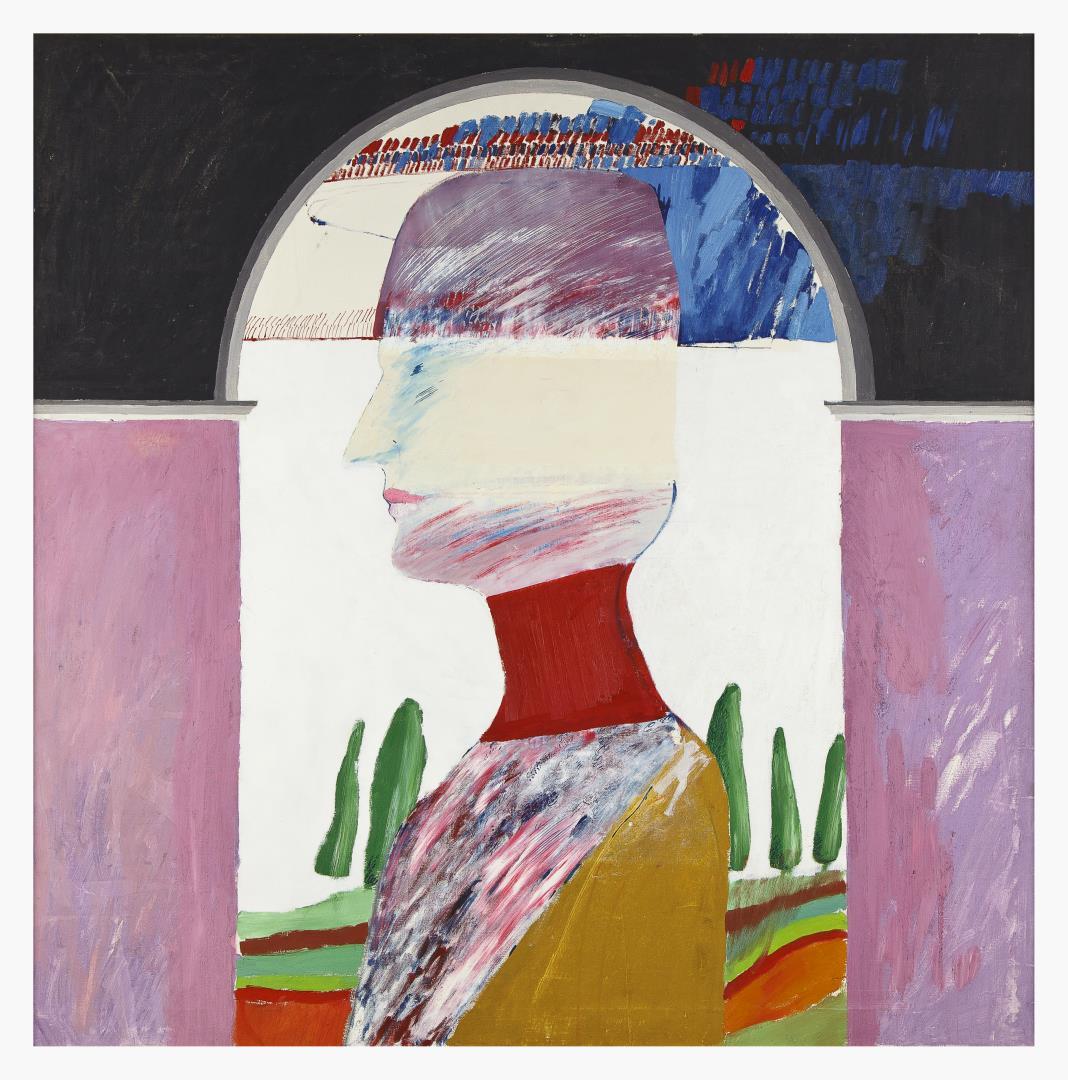
Renaissance Head, Inv. PE216

Out, Inv. PE263

s/título, Inv. DE46

So Ad Men Became Depth Men, Inv. PE261

White, Inv. RE16

Send Off, Inv. PE273

Stamboul, Inv. PE272
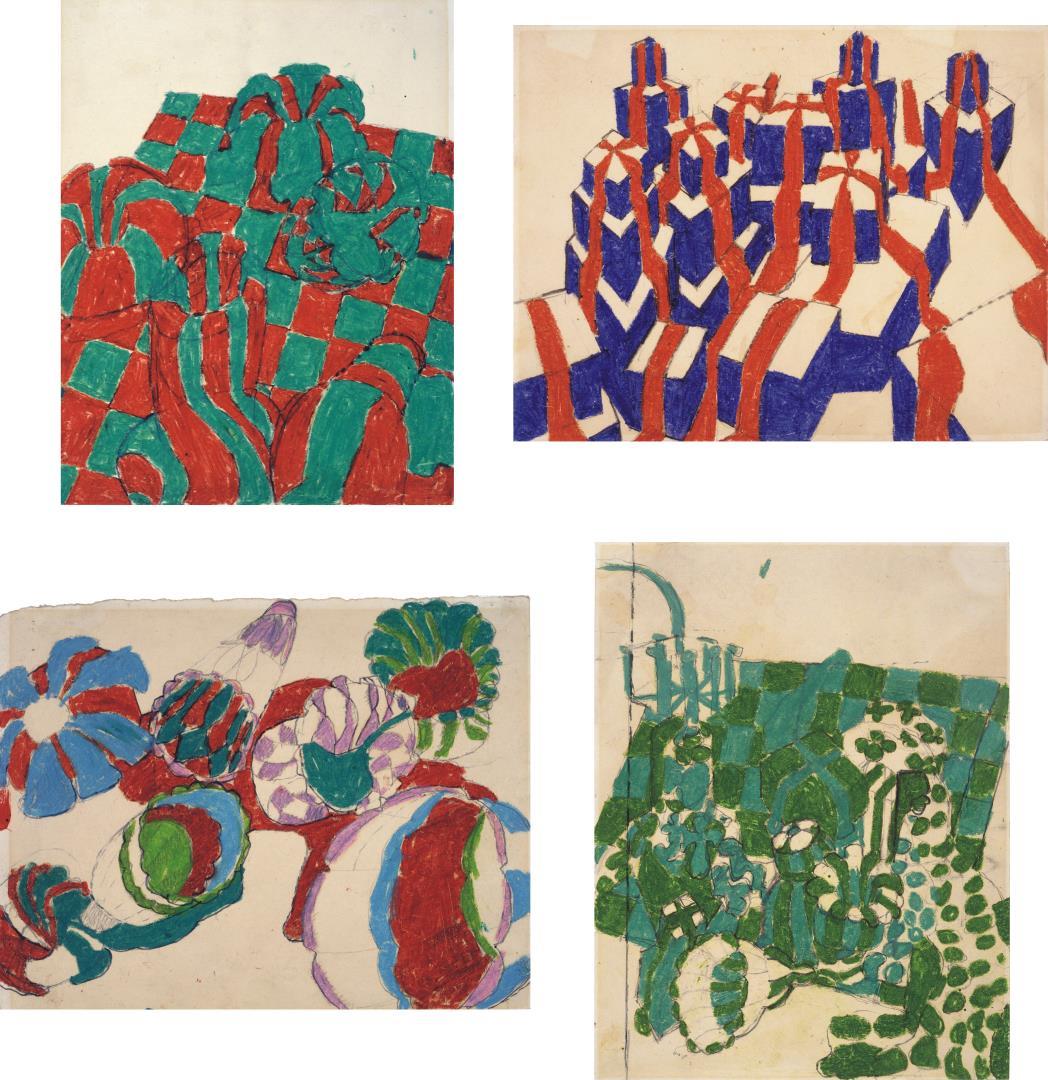
untitled, Inv. DE6
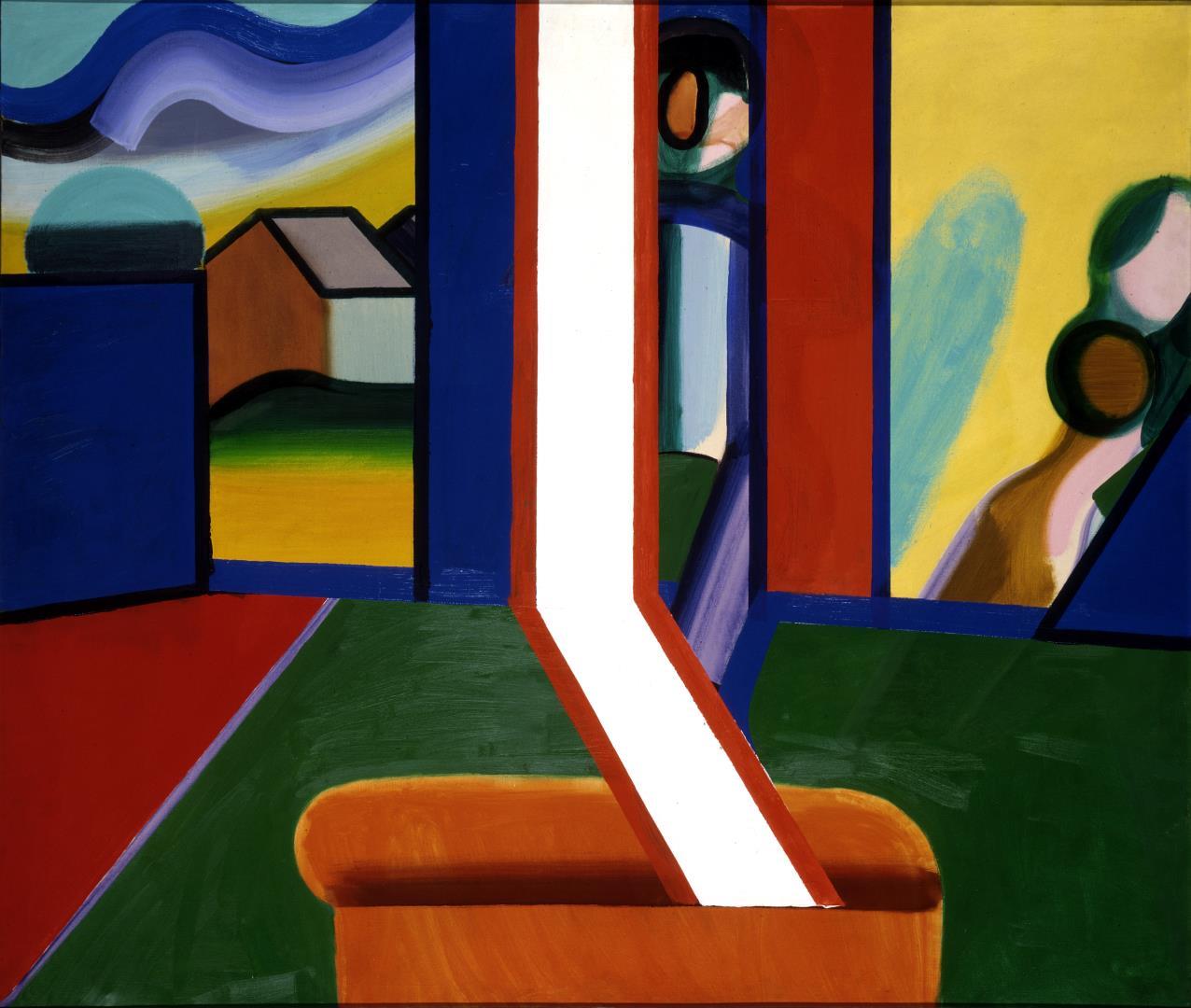
Mr. and Mrs. Patrick Caulfield, Inv. PE223

Giusti Allusion, Inv. PE141

Particular Shadows: Giusti 4, Inv. PE145

Volution, Inv. EE21

Concord, Inv. PE224
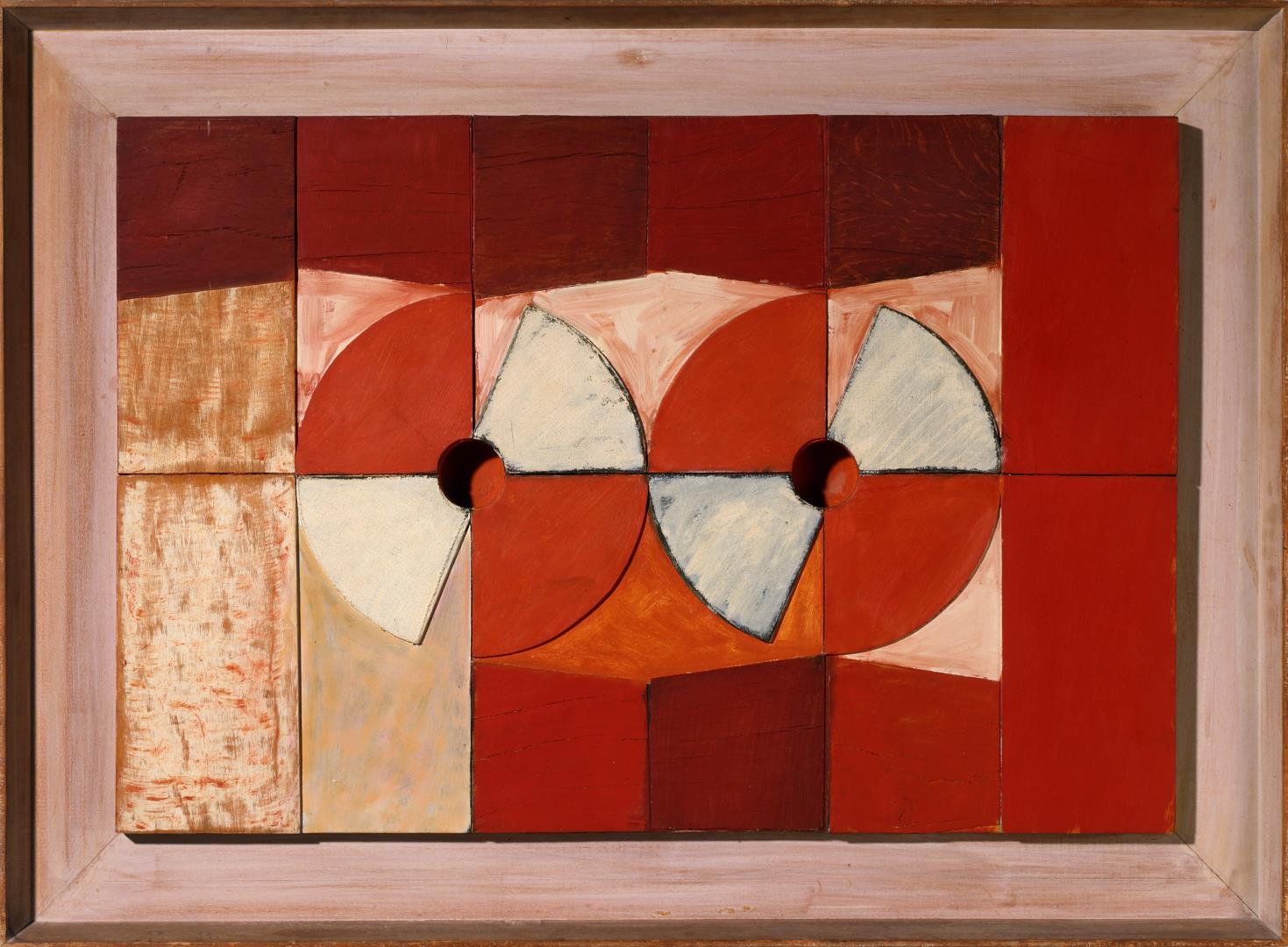
Multiple Painting - Twin, Inv. RE4
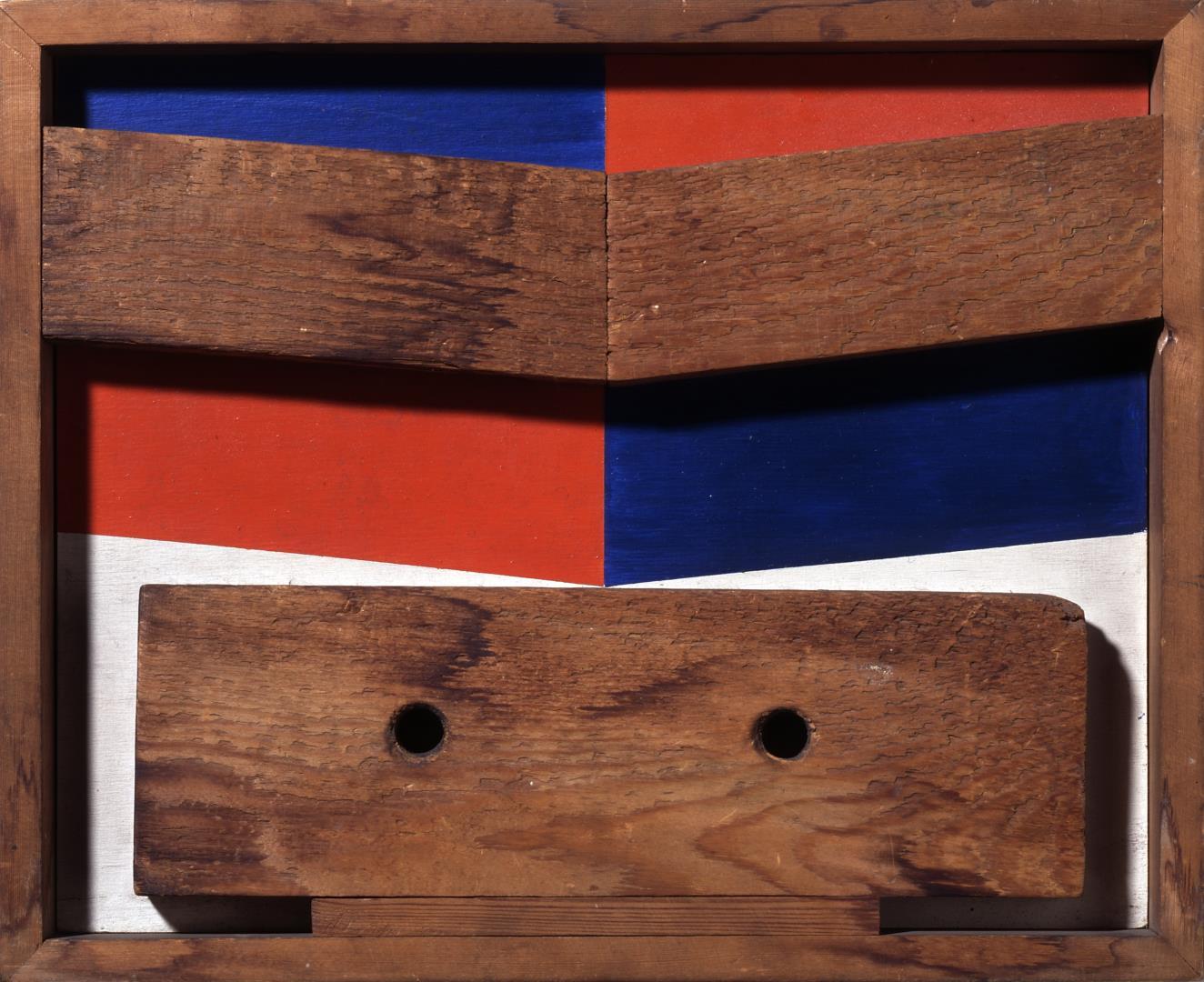
Starship Trooper n. 23, Inv. RE2
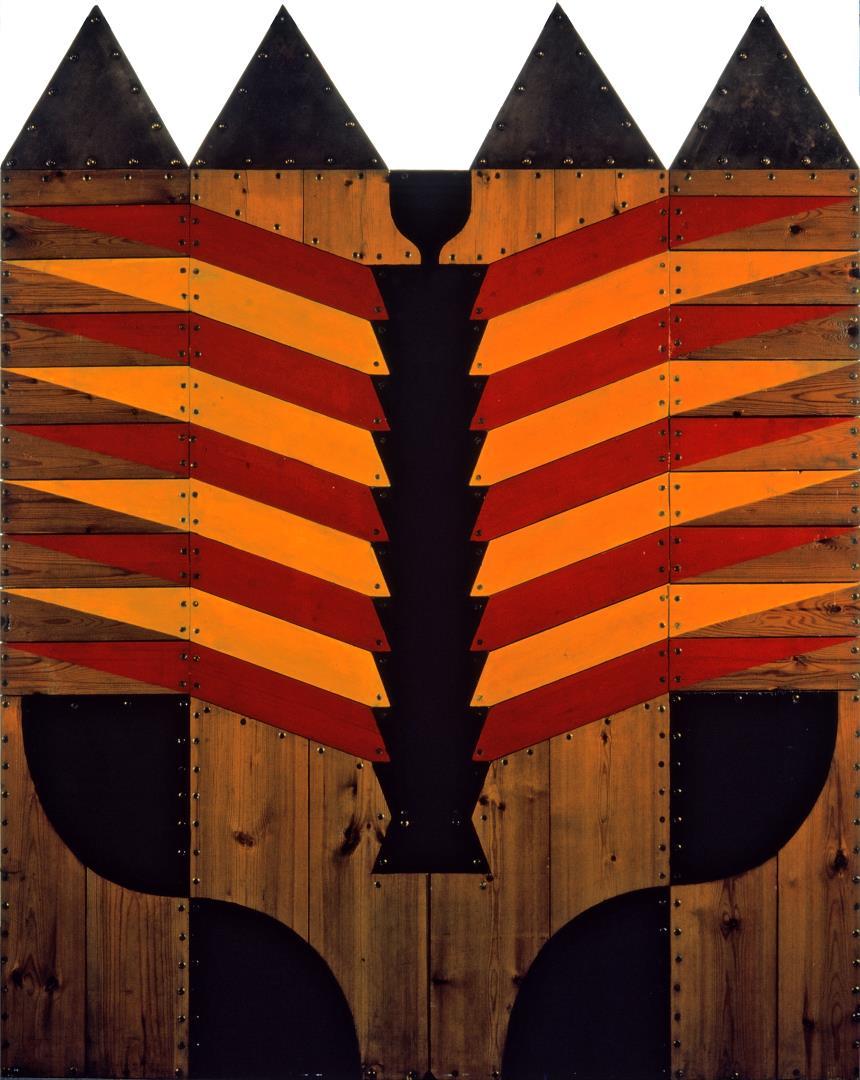
Xanadu, Inv. PE137

8.8.63, Inv. PE210

No.19, 26.12.1961, Inv. PE203

Needles, Inv. PE169

Bowbend, Inv. EE25
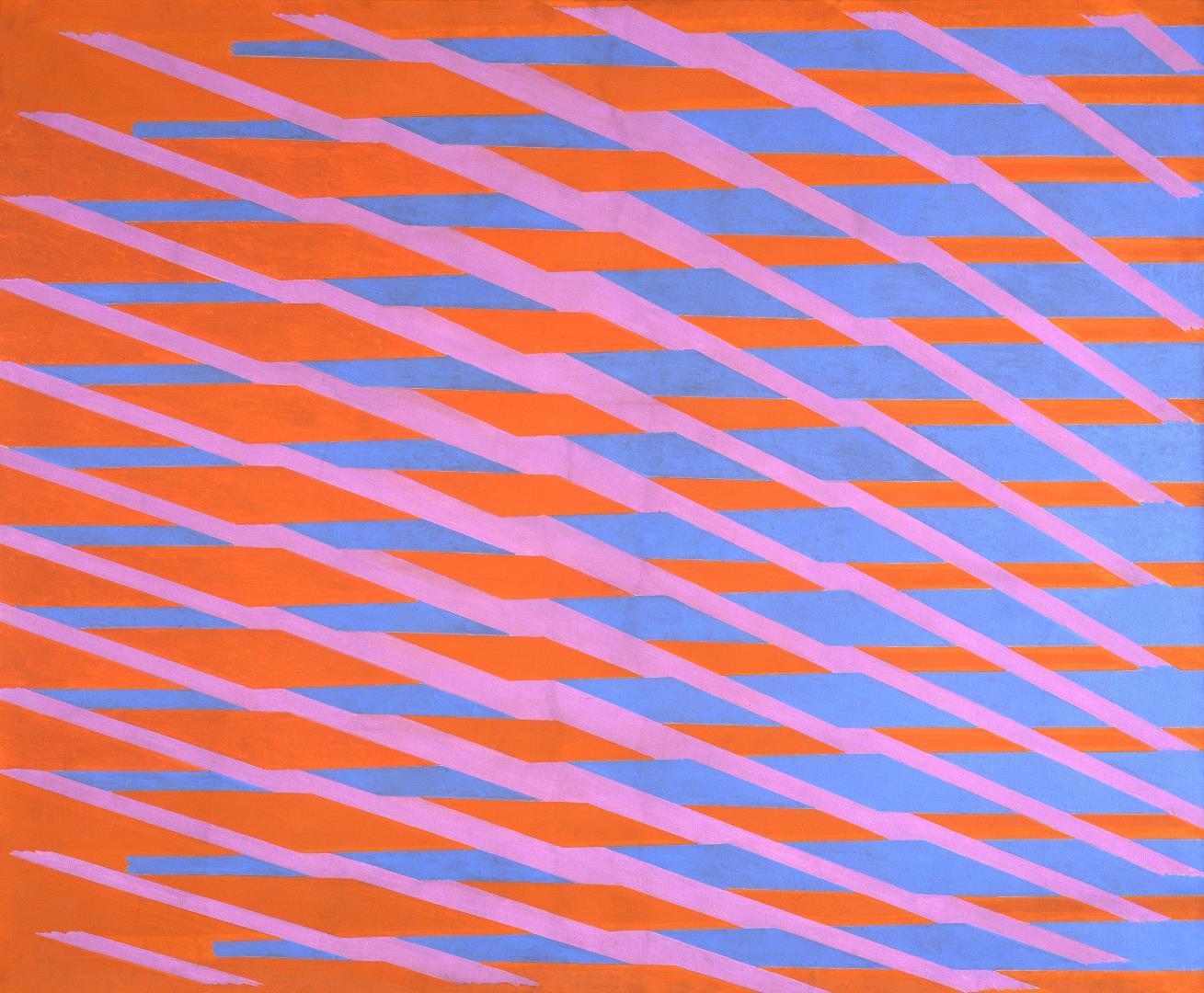
Brown, Blue and Violet No.2, Inv. PE191
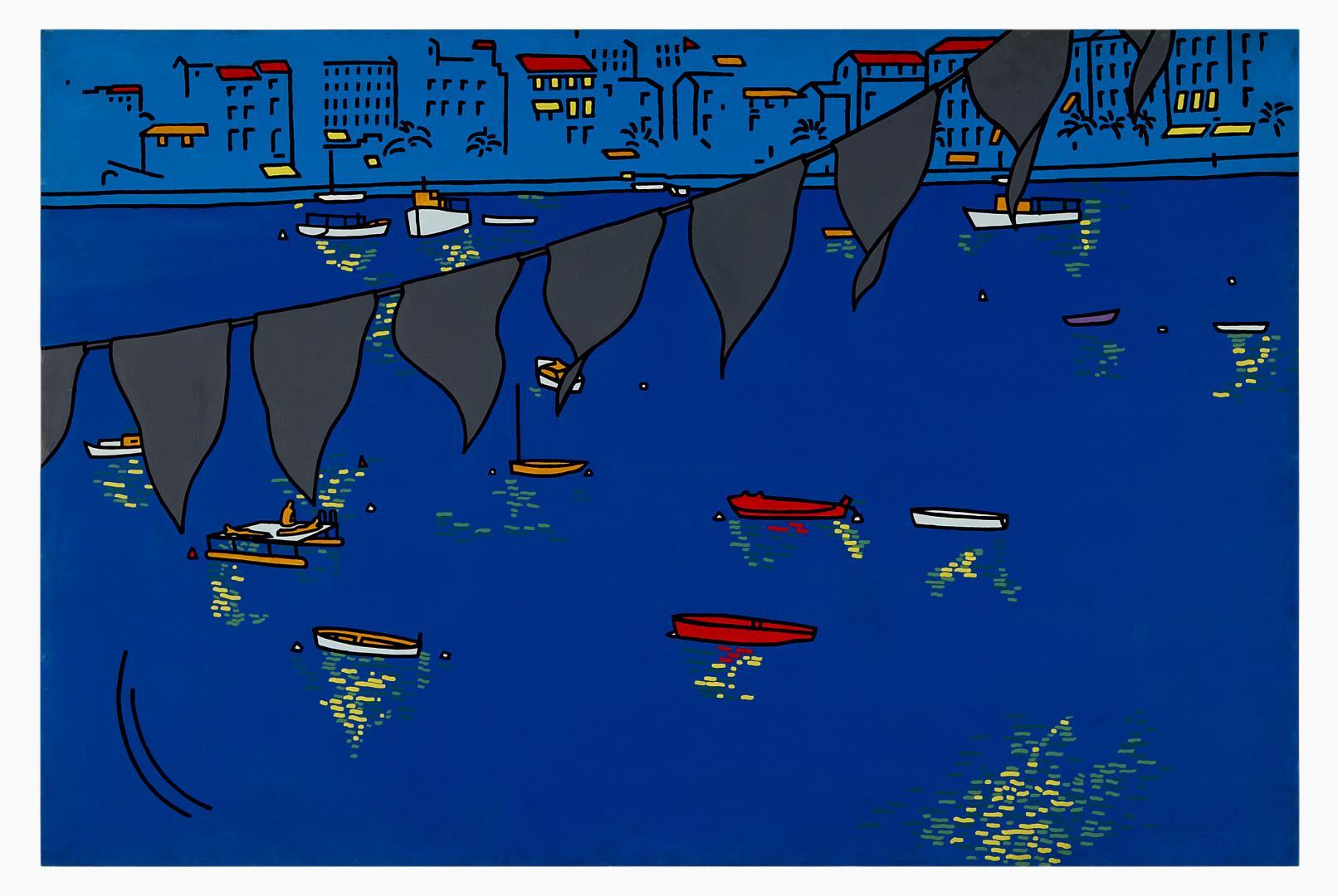
View of the Bay, Inv. PE250

Untitled No.36, Julho-Novembro de 1964 / Inv. PE222
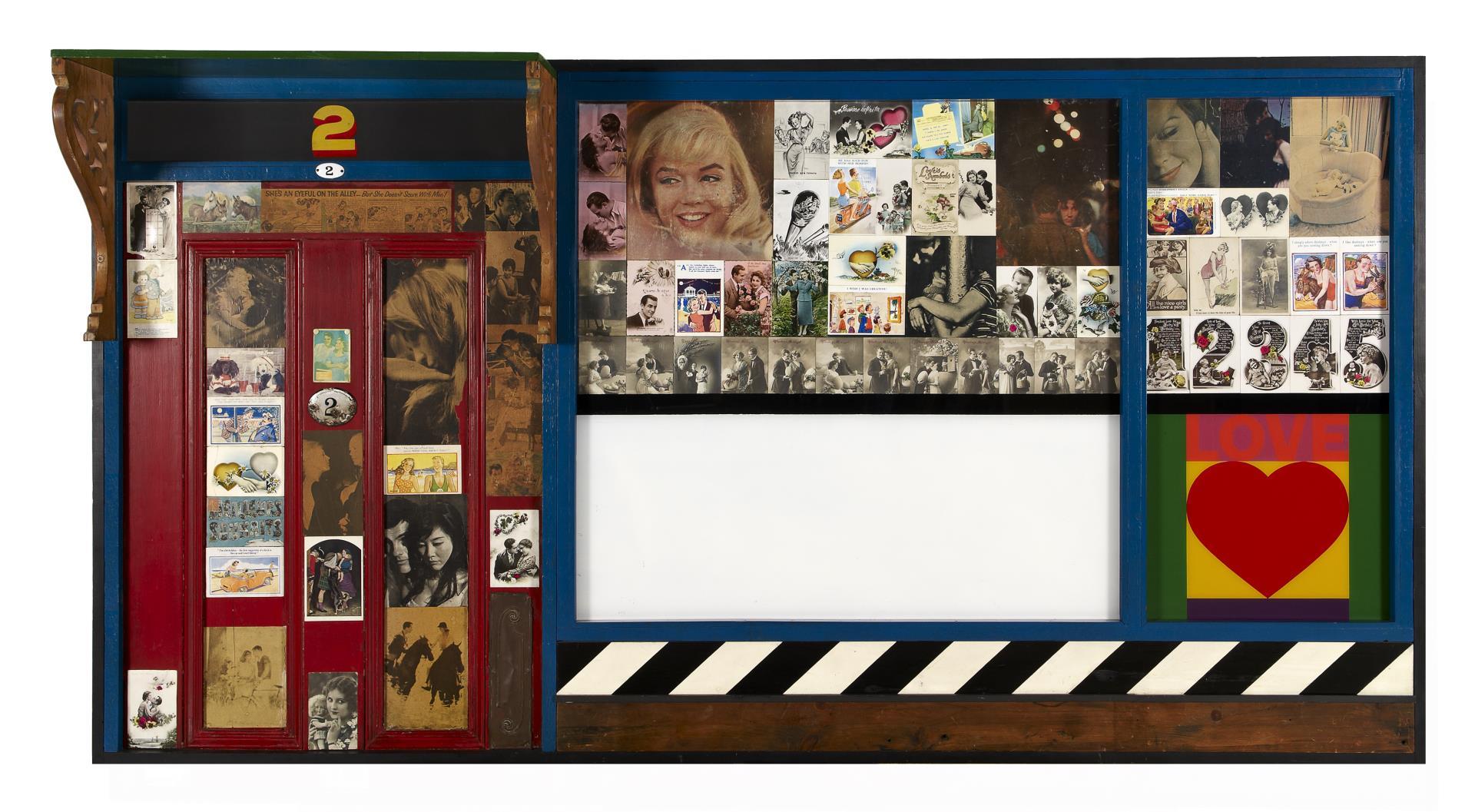
Love Wall, Inv. PE128

For Men Only - Starring MM and BB, Inv. PE168

INsuperSET, Inv. PE167
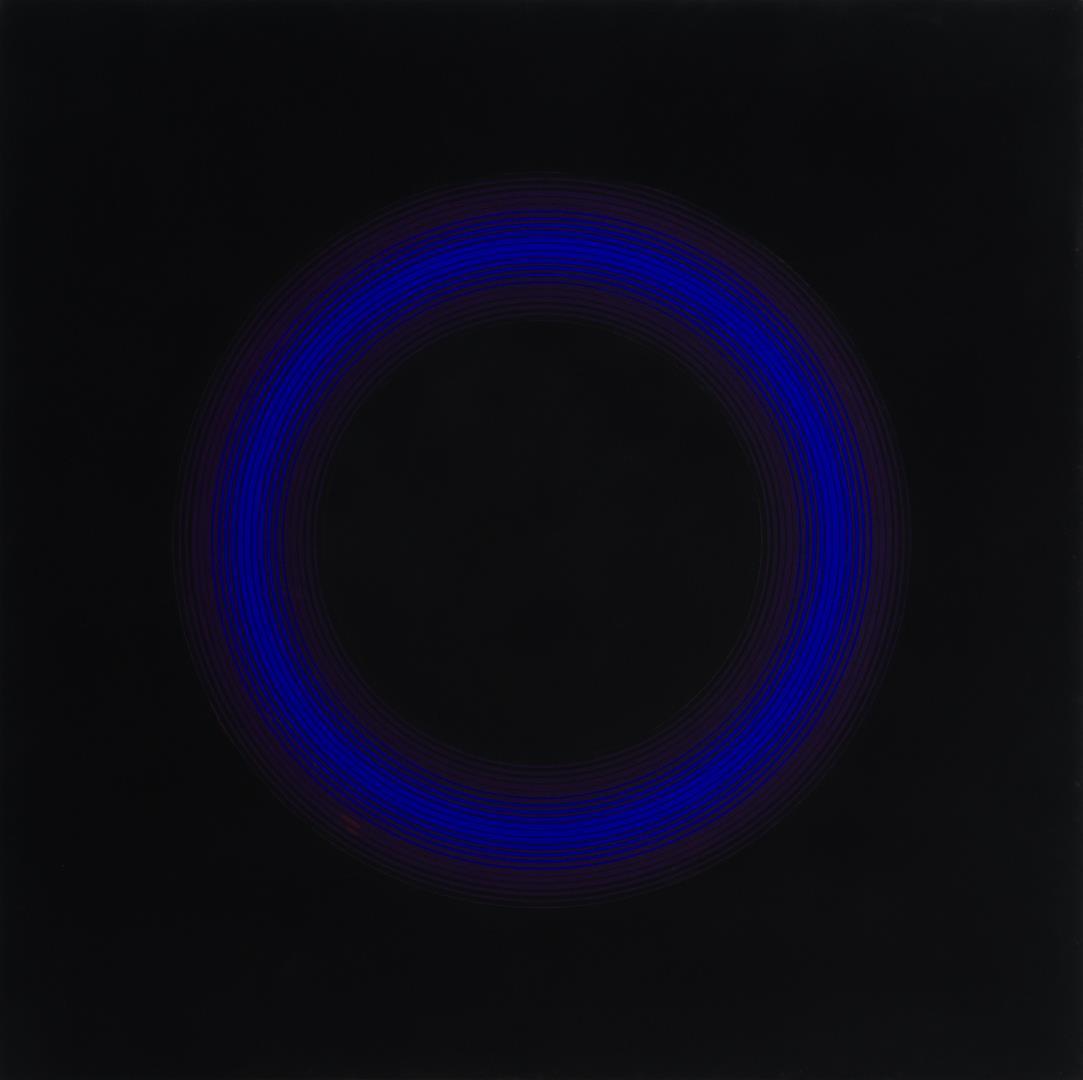
Manifestation, Inv. PE151

Ripple, Inv. EE26

People, Inv. 98GE594

Swingeing London 67, Inv. 98GE595

Package, Inv. PE148

The Lonely Surfer, Inv. PE147

Jones' Law, Inv. PE238


