
Communities Shaping the Future of Culture
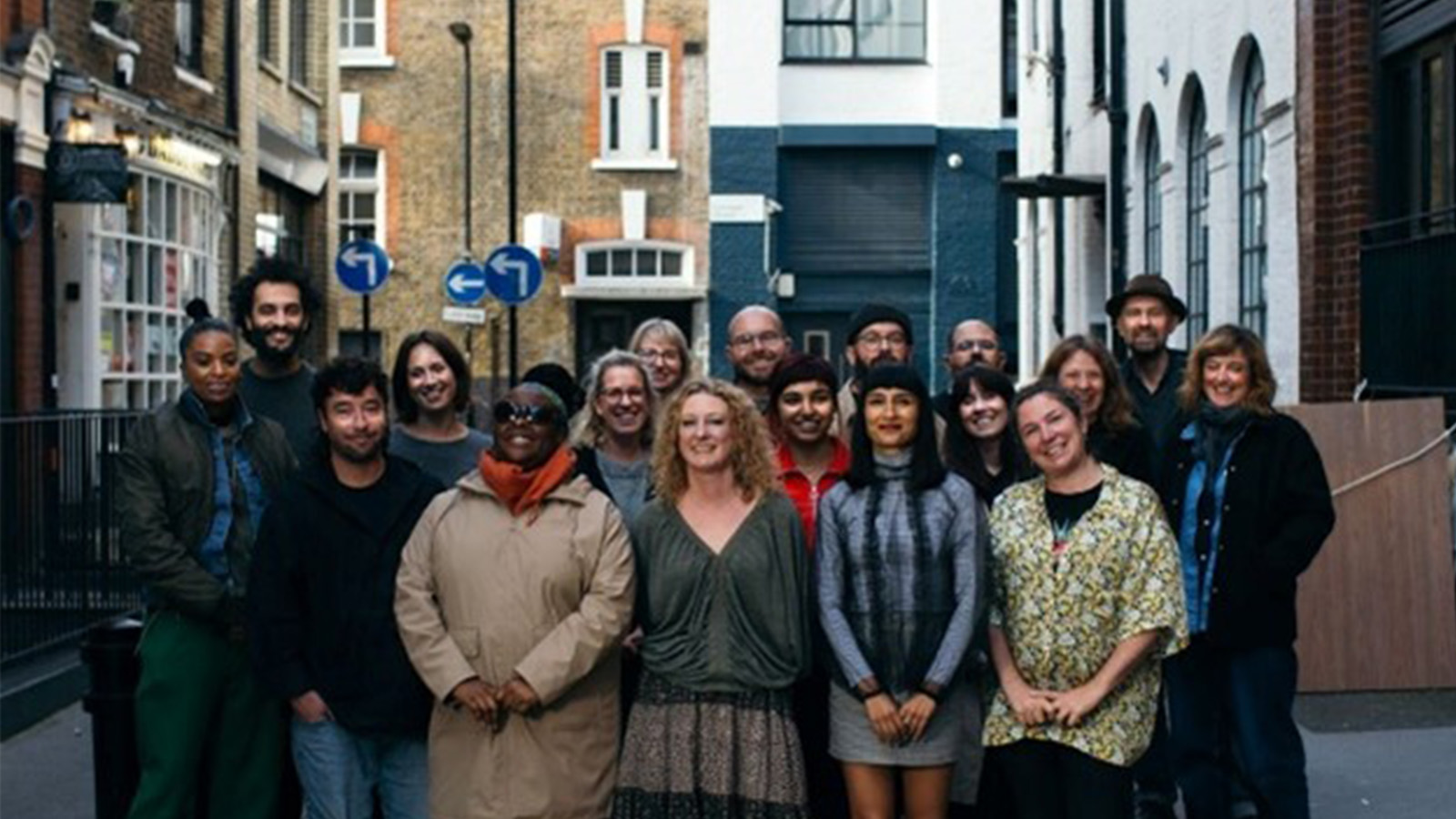
The Citizens In Power Network launches today – a new initiative designed to reimagine decision-making in the cultural and creative sectors. Co-funded by the Calouste Gulbenkian Foundation and the Esmée Fairbairn Foundation for the next three years, the network convenes organisations, governments, and practitioners who want to explore how communities can take the lead in shaping their creative and cultural lives.
Through workshops, collaborative residencies and learning exchange, the network members will test and refine innovative models of citizen-led decision-making within their own organisations and practice. For example, Your Voice, delivered by New Art Exchange in Nottingham, is pioneering the first permanent citizen assembly worldwide to be part of the core leadership structure of a cultural institution. This will allow the community to shape the vision and strategy for the local neighbourhood. Jury for Joy: Everyone Here in Cumbria puts citizens at the heart of inclusive and creative programming. At Birmingham Museums, the recent Citizens’ Jury demonstrates how deliberative processes can reshape strategies to better reflect the needs of the people they serve.
At the Calouste Gulbenkian Foundation, our mission is to support the development of individuals and organisations through art, science, education, and charity. We work to create a fairer and more sustainable society. Across all of our programmes, there’s a commitment to putting people front and centre, empowering communities, increasing agency, and securing a lasting impact.
The Foundation has a long history of investing in the arts for and with the community through its cultural centre in Lisbon and its international grant funding programmes. In recent years, PARTIS and Art for Change in Portugal and Sharing the Stage (2014-18) in the UK have fostered greater participation. This has helped to improve accessibility for people from different backgrounds, giving platforms to unheard voices and enriching creative work through lived experience.
Between 2016 and 2022, the Civic Role of Arts Organisations programme encouraged cultural institutions to reimagine their relationships with the communities they serve. Co-creation took centre stage, with organisations collaborating with local communities to create art with, by, and for them. One of many outstanding organisations working in this way is Re-Live, winner of the 2023 Award for Civic Arts Organisations. By centering storytelling and wellbeing, Re-Live has helped military veterans, elderly people, and those with dementia share their stories through powerful performances. The impact? Art that speaks deeply to community needs and can deliver profound social change.
Now, the Foundation is investing in citizen leadership and citizen-led decision-making. This approach shifts decision-making power directly into the hands of communities, enabling them to shape programming, governance, and even strategic direction. A flagship example is Citizens for Culture, the UK’s first regional citizens’ assembly for culture. Through a random lottery process, this initiative brings together a diverse group of individuals to develop a cultural delivery plan for the South West of England. Supported by regional policymakers, creatives, and arts organisations, the assembly is working to ensure that the cultural offer is inclusive, relevant, and accessible.
Citizen-led decision-making is not without challenges. Resources for childcare, transport, translation, and fair pay must be in place to ensure equitable access for participants. Building trust and creating the right conditions for informed deliberation takes time and care. Despite this, the benefits are clear. By putting communities at the heart of decision-making, citizen leadership produces more relevant outcomes while strengthening relationships between cultural organisations and their audiences.
The citizen-led approach aligns with a broader momentum toward cultural devolution. The Future of Local Cultural Decision Making, developed by Culture Commons, explores how handing decision-making power to communities can lead to more inclusive governance. This open policy programme supported by the Foundation engaged over 30 partners from government, academia, and the arts sector, providing actionable recommendations that champion community involvement at every level.
Ultimately, the Foundation’s work reflects a core belief: culture should be shaped by the people it serves. It’s inspiring to see how initiatives like Citizens in Power, Your Voice, and Citizens for Culture are redesigning what access to culture looks like, and creating a future where everyone has the opportunity to lead and thrive – creatively – in their communities.
By Louisa Hrabowy, UK Lead, Access to Culture
Image: Citizens in Power network members gather for their first residency meeting, October 2024. Credit: James Allan
Projects we support