
British Art and the power of cross-border influence
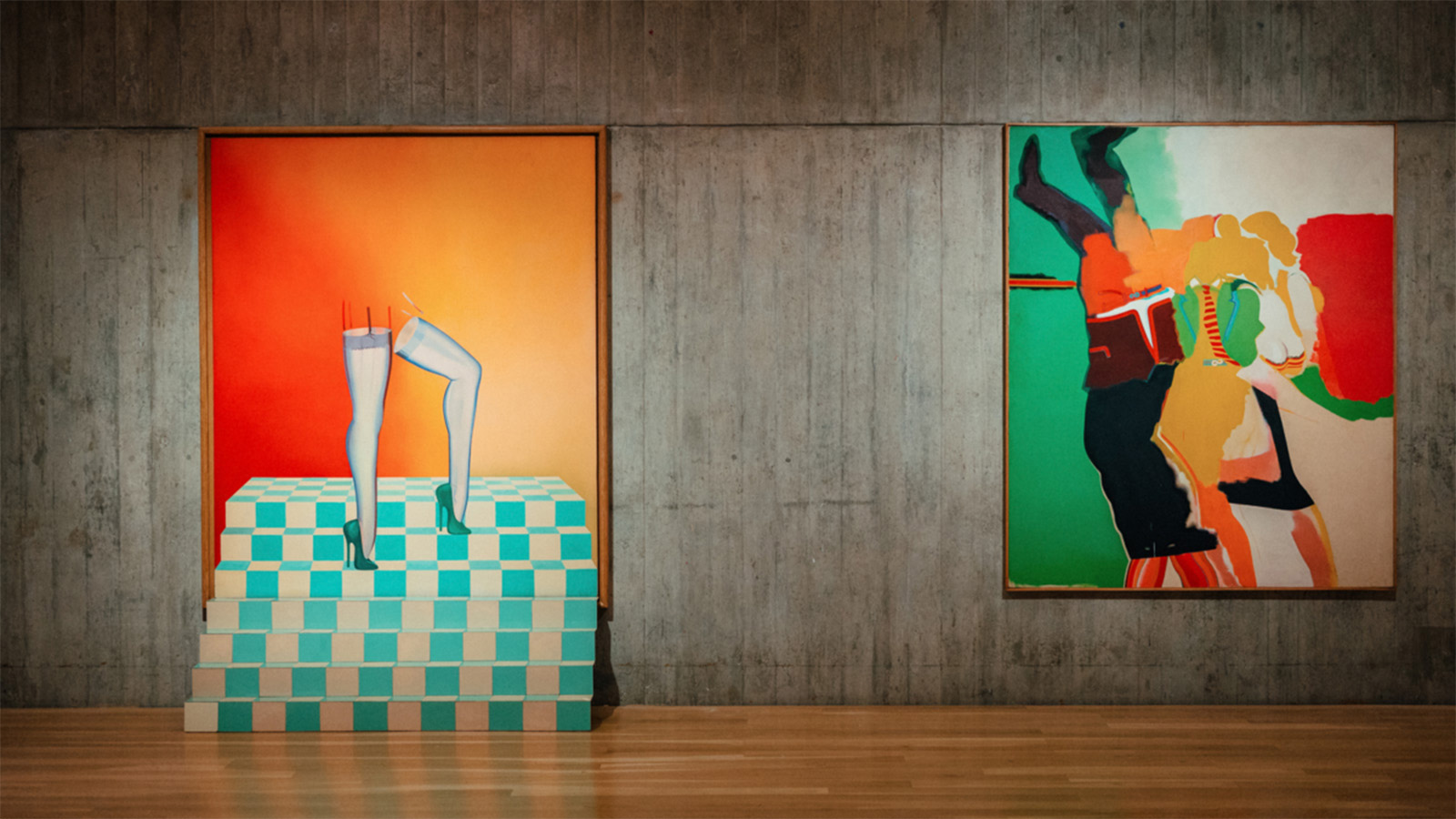
British art has never existed in isolation – its evolution has been driven by dialogue, migration and cross-border influence. British Art – Convergence, a new exhibition at the Foundation’s Centre of Modern Art (CAM) in Lisbon, explores this rich history, bringing together over 100 works that highlight the international dialogues shaping Britain’s artistic identity.
A legacy of exchange and collaboration
The UK Branch has a longstanding history of supporting British artists and fostering international cultural connections. In the 1960s, the Foundation played a fundamental role in establishing and growing CAM’s British Art collection by acquiring key works for the gallery. The Portuguese Affairs and Anglo-Portuguese Cultural Relations programme also nurtured two-way cultural exchange through artist residencies, exhibitions and literary initiatives. These efforts helped shape one of the largest collections of contemporary British art outside the UK, underscoring the role of cross-border influence in defining British artistic heritage.
This legacy continues today. Through initiatives such as the Award for Civic Arts Organisations, we have celebrated organisations that are rethinking their relationships with the communities they serve and harnessing the transformational power of the arts for individual and societal change. Many of the 2023 recipients and shortlisted organisations – Golden Thread Gallery, People United and the Migration Museum – have explored themes of migration, identity, and belonging, demonstrating how artistic practice can both reflect and shape contemporary social narratives.
The power of cultural exchange in British Art
British Art – Convergence highlights the international artistic exchanges that shaped 20th-century British art. Bringing together works from the CAM and Berardo Collection alongside key loans from Britain and France, the exhibition highlights the ways in which émigré and diasporic artists contributed to major artistic movements, from realism and figuration to abstraction and constructivism. The exhibition features artists from Eduardo Paolozzi and Frank Bowling to Paula Rego and R.B. Kitaj, reminding us that British art has always been enriched by external influences and global dialogues. Placing their works in conversation with broader artistic themes, demonstrates that cultural exchange is a two-way process – one that continually shapes and is shaped by artistic identities.
This idea is echoed in many projects we have supported recently. Julianknxx’s ‘Chorus in Rememory of Flight’, co-commissioned by the Barbican and now on display at the Foundation in Lisbon, explores the untold stories of the African diaspora and how migration shapes artistic expression. Similarly, Take A Part’s recent Social Making Symposium provided opportunity for cultural practitioners from across the UK and internationally to come together to explore issues of identity, colonialism and land rights, while tools by PACT provide resources for arts leaders to address structural inequities and reimagine cultural narratives.
In Portugal, the PARTIS & Art for Change initiative fosters a similar creative exchange through participatory arts. Projects like Bowing, which brings together immigrant communities in Odemira through artistic collaboration, highlight how art can be a bridge between cultures, creating spaces where identities are shared and redefined. Likewise, Lungo Drom challenges perceptions of Gypsy communities by constructing a Nomadic Museum, allowing for new narratives on migration, displacement and identity to emerge through multidisciplinary artistic engagement.
Looking ahead
The role of émigré in shaping British art, as explored in British Art – Convergence, reflects the power of participatory arts to challenge, expand and redefine national identity. This conversation extends beyond the gallery walls. The Cultural rights: how to put them into practice? conference in Portugal convened artists and cultural leaders to discuss the role of art in recognising and expressing cultural identities. Panels such as ‘Art, Participation, and Cultural Identity’ reinforced the importance of art in shaping the way we see ourselves and each other – just as the projects supported by PARTIS & Art for Change and the UK Branch continue to do.
At a time when Britain’s cultural identity remains a subject of debate, this exhibition reminds us that international dialogues have, and always will be, central to its artistic evolution. More than that, it highlights the arts as a co-beneficial, participatory process – one that is not just shaped by culture but actively shapes it in return.
British Art – Convergence is on display at CAM, Lisbon until 21 July 2025.
Civic Role of Arts Organisations resources
Experience and Experiment: UK Branch (1956–2006)
CAM’s British Art Collection