
First citizen-mandated cultural plan
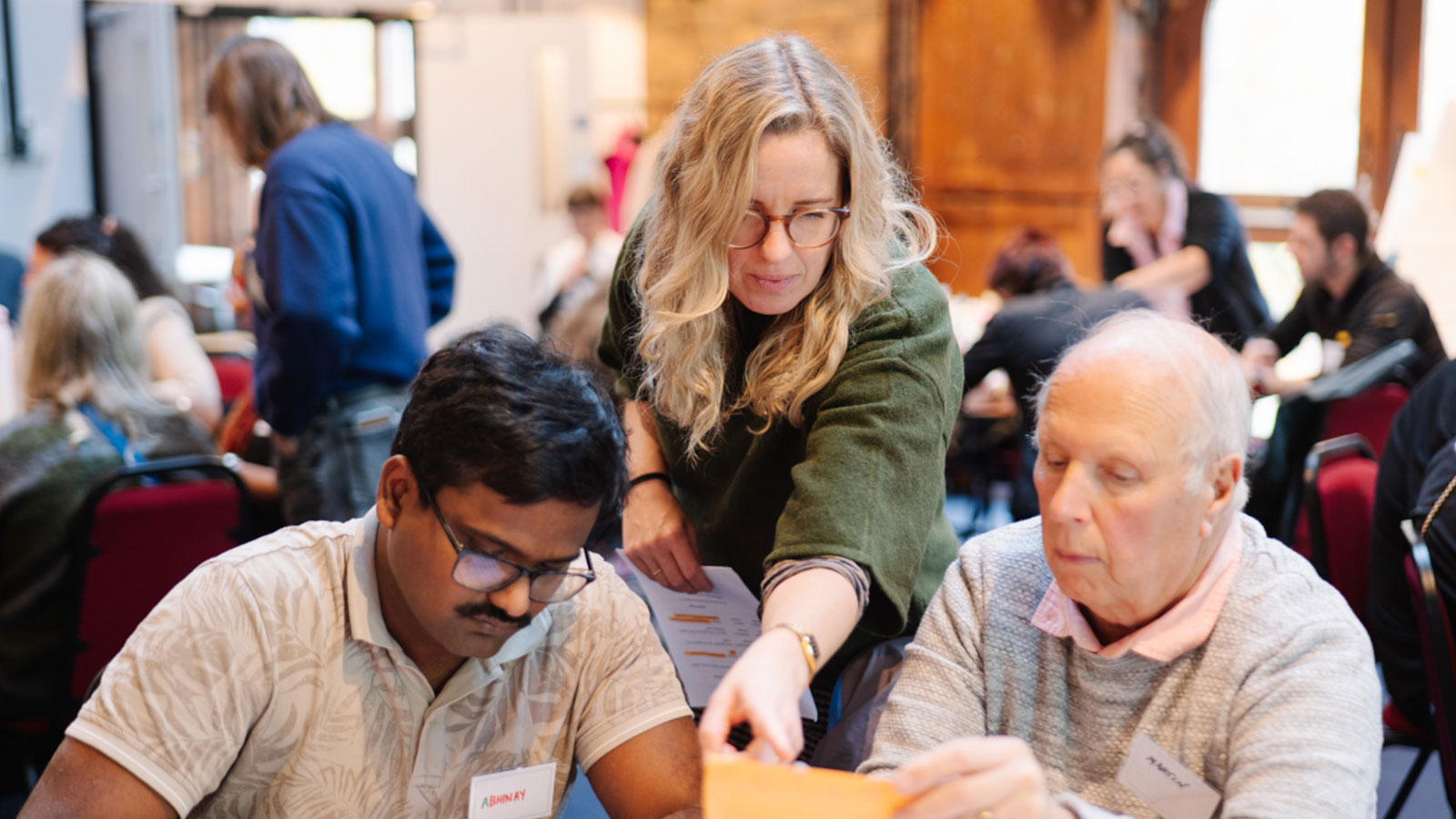
A region-wide cultural plan for 1.2 million people in the West of England was launched last month. The Citizens’ Cultural Plan for the West of England is remarkable for being shaped by the people who live there, and is the first of its kind. The Foundation supported this joint initiative from its inception and is pleased to see the widespread positive reception from local and national policymakers, cultural organisations and the communities this report impacts. It marks a significant milestone for citizen-led democracy work the Foundation championed through its Access to Culture programme.
Led by Citizens for Culture – a partnership between Trinity Bristol, St Pauls Carnival and Citizens in Power – the project is part of a wider regional effort to strengthen cultural infrastructure, make it more accessible to all and build a more resilient ecosystem.
The initiative began in 2023 with the Foundation providing seed funding to Citizens for Culture to convene grassroots organisations and pilot a citizens’ assembly focused on culture. Additional funding from Arts Council England, Esmée Fairbairn Foundation, Paul Hamlyn Foundation and the regional Mayoral authority helped it evolve into a two-year project with a broad support base.
After sending over 15,000 invitations to households, the panel selected 51 people from all backgrounds through a lottery process to reflect the region’s rich diversity. Over several months in late 2025 they took part in the assembly and explored a series of issues with cultural practitioners and local authorities, driven by a core question: What would culture and creativity look like in the West of England if they were for everyone?
The resulting report provides clear, citizen-mandated priorities for authorities, cultural institutions, funders and policy-shapers that speak to local realities and systemic challenges facing the sector and communities. Their recommendations include specific requests, including more public cultural spaces, directories showing what’s on, local assemblies to guide decisions, improved creative education and efforts to make transport more accessible.
The report was launched at an event attended by the Mayor, council leaders, funders and creative leaders, as well as Culture Secretary Lisa Nandy who said:
“This Citizens for Culture panel is a shining example of how we can put communities at the heart of cultural decisions that impact them.”
Lessons from the process
The report describes the process of delivering a citizens assembly in depth. It provides valuable reflections that could help other practitioners looking to improve democratic processes. The team behind the initiative also offer these six reflections for all actors in the cultural ecosystem, based on what the citizens repeatedly said and their own observations about how power, resources and responsibility currently operate.
Participation must shift power: Citizens should be involved in a meaningful way and their views should directly lead to change
Equity must be designed in: With many structural barriers blocking cultural access, actors must make efforts to involve underserved groups and examine their own approaches.
Culture creates public value: It should be embedded in public policy across health, education, regeneration and skills development, and properly resourced and recognised.
Citizens see one system: Actors should collaborate, avoid duplication and align work rather than overlap.
Access to space is systemic: With many public spaces unused or underused, the process for people to do something about this should be simple and transparent.
Care and labour must count: With the sector often reliant on volunteers and community-based work, all actors should recognise the cost and efforts required to deliver citizen-led planning, and resource and plan accordingly.
With funding from Esmée Fairbairn Foundation, a follow-up Citizens for Culture panel will work with local authorities, funders and cultural partners over the next three years to test ideas from the report. This panel comprises more than half of the Assembly members, who wanted to continue their involvement. Around 100 cultural organisations and actors from the region have committed to working together.