
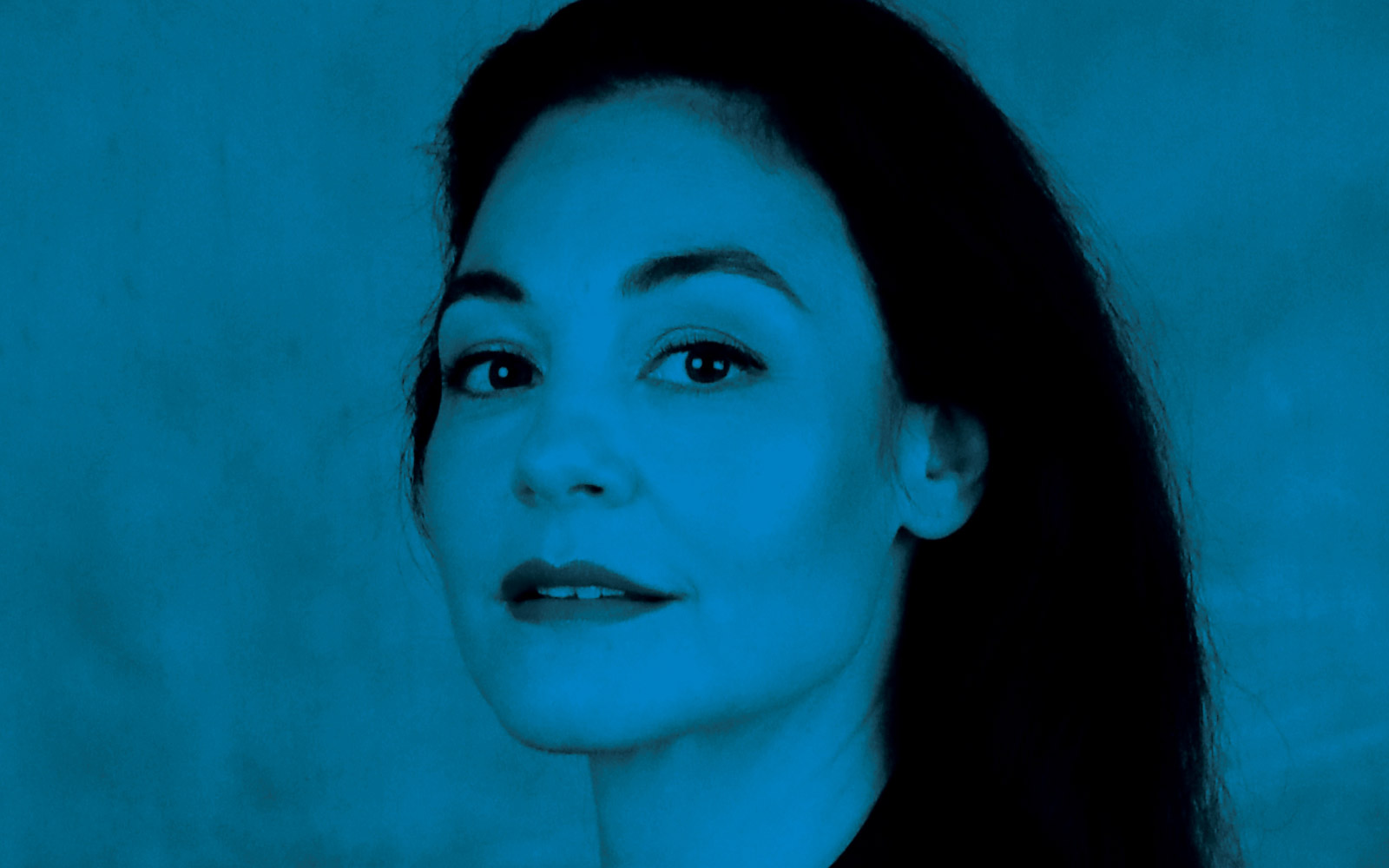



Portuguese Songs
Ana Quintans / Filipe Raposo
Event Slider
Date
- 18:00 / Cancelled 18:00 / Sold out Saturday, 18:00
Location
Grand Auditorium Calouste Gulbenkian FoundationPricing
50% – Under 30 years old
15% – Over 65 years old
- Soprano
- Piano
-
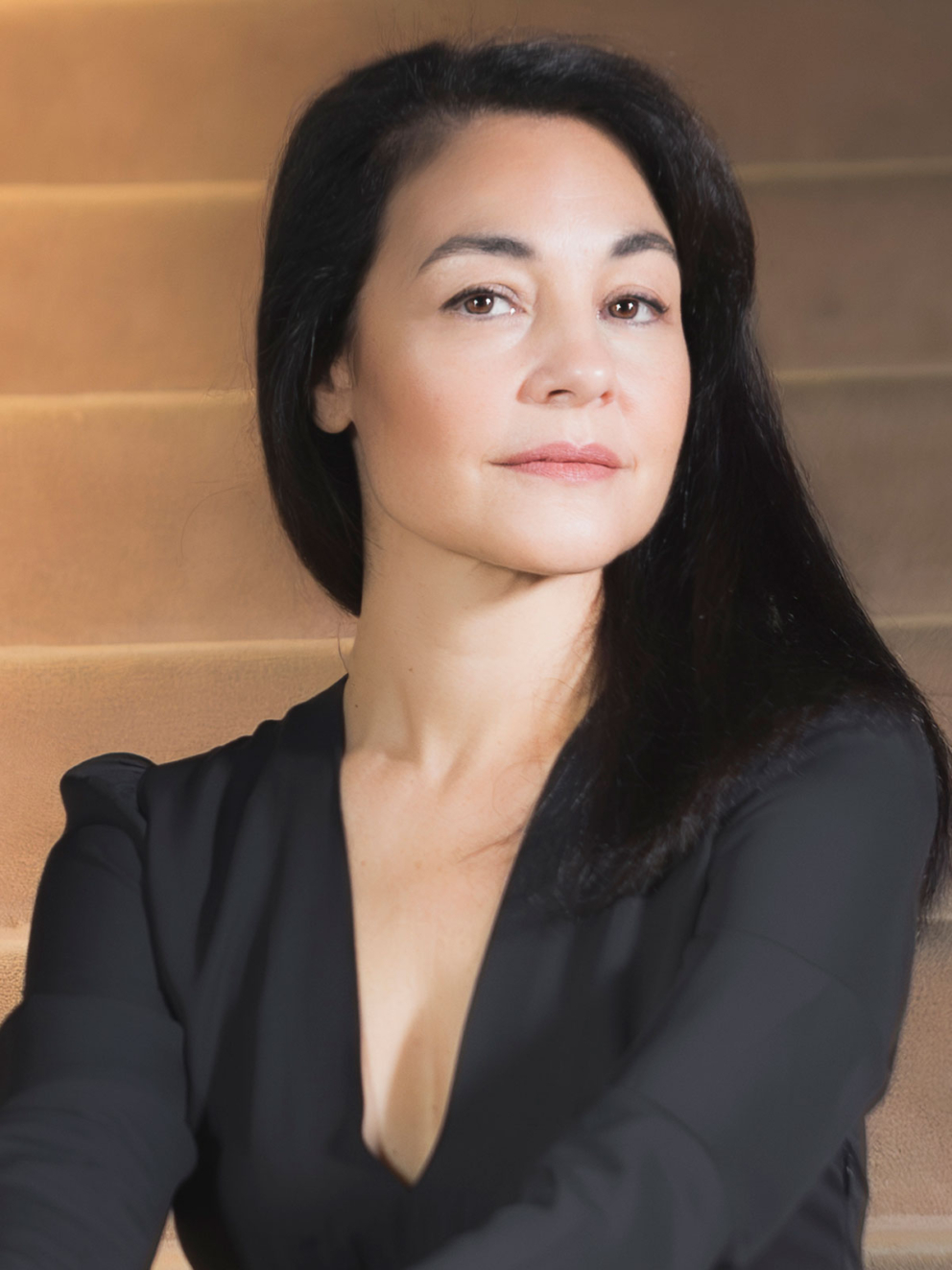
Ana Quintans
Soprano
Ana Quintans studied at the Conservatory of Lisbon and the Flanders Opera Studio. She worked with conductors like Ivor Bolton, William Christie, Michel Corboz, Vincent Dumestre, Leonardo Garcia Alarcón and Marc Minkowski.
Recordings include Fauré’s Requiem, and La Spinalba by Almeida, Monteverdi´s L´Orfeo with Cappella Mediterranea and Les Indes Galantes with La Chapelle Harmonique. She also recorded a solo CD, featuring arias by Albinoni as well as the title role in Sebastian Duron´s Coronis. DVD-recordings include Charpentier´s David et Jonathas and Monteverdi´s L´Incoronazione di Poppea, both with Les Arts Florissants under William Christie9
She worked with stage directors like Deborah Warner, Andreas Homoki, Barry Kosky, Pier Luigi Pizzi and Graham Vick and at theatres like Opéra de Lyon, Bavarian State Opera, Teatro Real Madrid Dutch National Opera and concert halls like Gulbenkian, Salle Pleyel as well as at the festivals of Aix-en-Provence, Edinburgh, Glyndebourne and Salzburg.
Recent highlights include Salieri´s opera Cublai gran Kan di Tartari at Theater an der Wien with Les Talens Lyriques under Christophe Rousset (also recorded for CD) and the title role of Joao Guilherme Ripper´s chamber opera Domitila at the Fundacion Juan March in Madrid, which she repeated at the Teatro Mayor in Bogota. Other projects this and coming season include concerts with the ensembles of Cappella Mediterranea (a tour of choreographed concerts of Rameau´s Les Indes Galantes) and Le Poème Harmonique.(Dido and Aeneas by Purcell), Purcell´s The Fairy Queen at the Savonlinna Festival as well as the role of Sangaride in Lully´s Atys at the Royal Opera of Versailles.
-
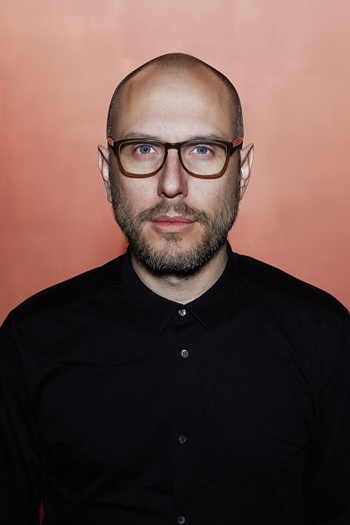
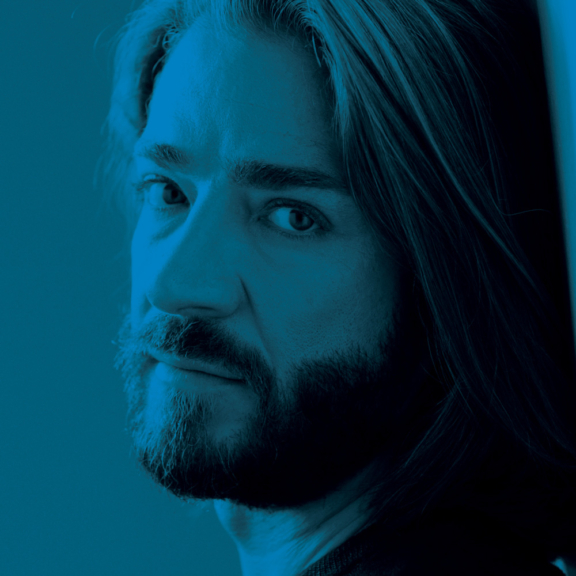
Filipe Raposo
Piano
Filipe Raposo was born in Lisbon. Classic piano studies by Conservatório Nacional de Lisboa, Master in Piano Jazz Performance by Royal College of Music (Stockholm), and bachelor’s degree in Classical Composition by Escola Superior de Música de Lisboa.
His grandmother’s piano was his favourite toy since he was little, and the religious music choir gave him an impulse to start piano studies at the age of eleven. A quick music development led him to discover improvisation on his own, and during his classical training as a pianist, he soon became interested in jazz, improvised music, and traditional music.
Since 2001 he works as a composer, arranger, and pianist with many of the leading names in Portuguese music, theatre, and film.
Furthermore, since 2004 he accompanies on piano, silent movies in Portuguese Cinemateca in Lisbon and has recorded original soundtracks for DVDs from silent era: Lisboa Crónica Anedótica, Nazaré, Praia de Pescadores, O Táxi nº 9297, Frei Bonifácio, Barbanegra.
First Falls (2011), his first album as a leader, reveals a wide range of influences, unified by improvisation. Being awarded the prestigious Amália’s Foundation Prize, it is the confirmation of a magnificent young composer in dialogue with exceptional musicians.
Original albums: First Falls (2011); A Hundred Silent Ways (2013); Inquiétude (2015); Rita Maria & Filipe Raposo Live in Oslo (2018); Øcre vol.1 (2019); The Art of Song: When Baroque Meets Jazz (2020); Øbsidiana vol.2 (2022).
Filipe Raposo
Cancioneiro Popular Português (selection)
Vianna da Motta
Pastoral (Camilo Castelo Branco)
Olhos negros (Almeida Garrett)
Fado (João de Deus)
Canção perdida (Guerra Junqueiro)
Francisco de Lacerda
Tenho tantas saudades
Quero cantar, ser alegre
Quando tu abres os olhos
Luís de Freitas Branco
Fado serenata (António Botto)
A formosura desta fresca serra (Luís de Camões)
António Fragoso
Canção da Fiandeira (António Correia de Oliveira)
Manuel Ivo Cruz
Mágoas de Anto (António Nobre)
Fernando Lopes-Graça
Quem embarca, quem embarca
Ó virgens que passais (António Nobre)
Jorge Cronner de Vasconcellos
Na fonte está Leonor (Luís de Camões)
Joly Braga Santos
Canção de embalar
Carlos Paredes
Verdes anos (Pedro Tamen)
Eurico Carrapatoso
Eu (Florbela Espanca)
Duration 75 minutes (no intermission)
In Portugal, like in other European countries, Romanticism kindled the sense of national identity, giving Portuguese songwriting a renewed dynamism. This concert, which forms part of the cycle on Iberian music, presents a selection of the best Portuguese songs of the last century, combined with various examples from the Cancioneiro Popular Português, an anthology compiled relatively recently by Michel Giacometti and Fernando Lopes-Graça.
Partner
Sponsor Gulbenkian Music
The Calouste Gulbenkian Foundation reserves the right to collect and keep records of images, sounds and voice for the diffusion and preservation of the memory of its cultural and artistic activity. For further information, please contact us through the Information Request form.
Related
No results were found for your criteria.