
Season 26/27
The first season programmed by Gulbenkian Música’s new director, Fredrik Andersson, bringmore than 120 concerts between September 2026 and June 2027.
The Gulbenkian Orchestra and Choir are the cornerstones of a programme featuring some of today’s most remarkable performers, encompassing symphonic concerts, choral music, chamber music, recitals, film concerts and world music.
Season 26/27 will bring together great works from the classical repertoire with others less familiar to wider audiences, including contemporary creations, some commissioned from national and international composers, marking the 70th anniversary of the Gulbenkian Foundation and receiving their world premieres.
Agenda Brochure
No results were found for your criteria.
It is a great honour for me to present my first season as Director of Gulbenkian Música. Throughout history, humanity has used music as a means of expressing its deepest emotions – joy, despair, hope or longing – both in moments of celebration and of mourning.
It is the musician’s task to communicate and share all these emotions with the audience. I am delighted that, in the coming season, we will have the opportunity to welcome a large number of outstanding guest artists, each with a unique ability to move us profoundly.
We will welcome well-known artists who have visited us many times before, such as Grigory Sokolov, András Schiff, Matthias Goerne and Evgeny Kissin. Alongside these exceptional masters, we will also have the opportunity to discover remarkable musicians who share the same unique ability to captivate audiences: artists such as Jeanine De Bique, Seong-Jin Cho and Inmo Yang perform all over the world, and I am certain they will provide us with unforgettable moments.
The foundation of our work naturally lies in our own ensembles, the Gulbenkian Orchestra and Choir. Week after week, these dedicated and talented musicians and choristers work tirelessly to offer enriching experiences to our audiences.
The 2026/27 season naturally includes several works by great masters such as Bach, Haydn, Mozart, Brahms and Bruckner — timeless music by the giants of history, beloved by so many. Other well-known composers featured are Liszt, Berlioz, Shostakovich, Prokofiev, Bartók and Stravinsky — composers with distinctive voices who shaped the history of music. Alongside these celebrated names, the season also presents composers who, for various reasons, remained in the shadows, giving us the opportunity to discover music by Fanny Mendelssohn-Hensel, Grażyna Bacewicz, Gideon Klein, Louise Farrenc and Rodion Shchedrin — extraordinary and singular artists whom we are keen to highlight.
It is also a special pleasure to give space to the music of Joly Braga Santos, one of the most significant Portuguese composers of the 20th century, with performances of his ballet music Encruzilhada and the powerful Fourth Symphony.
For a musical institution such as Gulbenkian Música to remain relevant today, it is essential that it also reflects our own time. Humanity’s ability to express itself through music is constantly evolving, and it is with great enthusiasm that we announce several world premieres this season. Finnish composer Sebastian Fagerlund has created a large-scale work for choir and orchestra, which will form the season’s grand finale. To celebrate the 70th anniversary of the Calouste Gulbenkian Foundation, we invited three composers to write new works for us. Carlos Caires and Hawar Tawfiq will enrich the Orchestra’s repertoire, while Andreia Pinto Correia has written a new work for the Choir. In this way, we celebrate tradition while also looking towards the future. Speaking of new music, we also highlight two composers who have made a remarkable impact over the past century. György Kurtág and Betsy Jolas were both born in 1926 and, as I write these words, both remain highly active and creative.
Their centenary will be celebrated with three concerts over the course of a week in September.
It is always fascinating to discover music from other cultures. In the World Music series, we will hear original music from different countries, including South Korea, Argentina and Iran. This is a fantastic opportunity for audiences to discover music with sounds and forms of expression entirely different from the more commonly accessible Western tradition.
The Chamber Music series launched last season enjoyed immediate success. Once again, through engaging and varied programmes, we will have the opportunity to experience exceptional musicians in a more intimate setting. Within this series, widely known repertoire coexists with lesser-known works. Equally diverse programmes can be found in the chamber music series presented in the Grand Auditorium by members of the Gulbenkian Orchestra themselves. Some of them will also appear as soloists in the popular Sunday Concerts.
The Gulbenkian Choir continues to explore the choral repertoire under the direction of its Principal Conductor, Martina Batič, in three themed a cappella concerts. These concerts, together with the chamber recitals by members of the orchestra, are also of great importance in strengthening and developing the artistic level of the ensembles. Both the choir and the orchestra maintain an exceptionally high artistic standard, while always striving to develop even further. It is therefore a great pleasure to announce that we have renewed our collaboration with our two Principal Conductors, Hannu Lintu and Martina Batič, until 2030. Working closely and intensively with two such sought-after and respected conductors guarantees extraordinary musical experiences.
Finally, I would like to thank all of you who faithfully come to Gulbenkian to attend our concerts. We exist because of you, and it is a privilege to have such an enthusiastic and committed audience. We want every concert to be an oasis in the everyday lives of those who visit us.
I hope that you will feel curious about all that we have to offer and that, with an open mind, you will dare to explore what may still be undiscovered, beyond the works already known and loved.
Fredrik Andersson
– Director of Gulbenkian Music
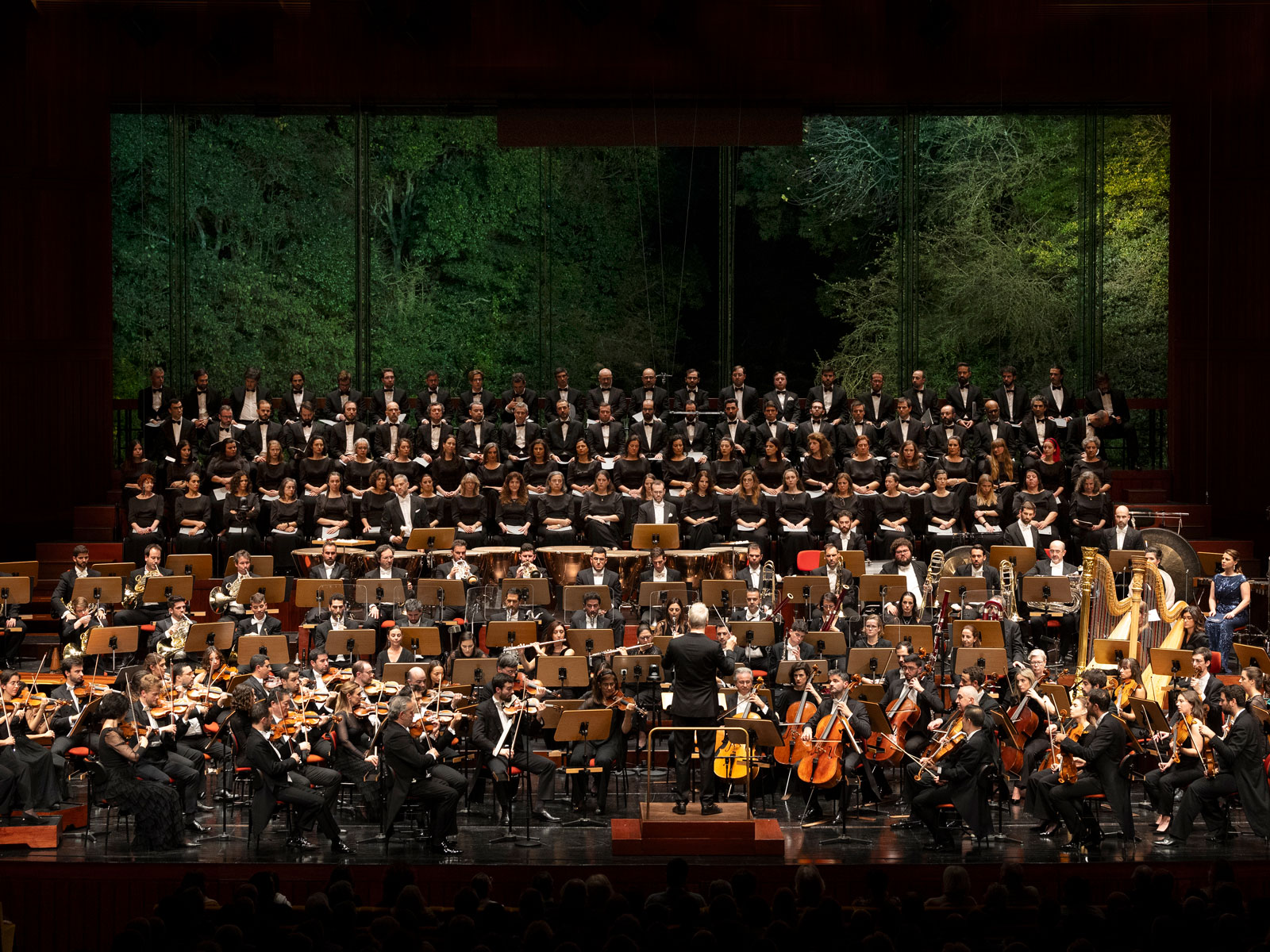
Gulbenkian Orchestra and Choir
At the heart of Gulbenkian Música are its two resident ensembles, around which an important part of the programme is built, featuring the leadership of conductors and soloists of great international prestige.
More Info
Great Interpreters
Each year, the Great Interpreters series brings to Gulbenkian Música a selection of exceptional artists and ensembles, capable of revealing, with remarkable insight and technical refinement, the full breadth of each work, giving it renewed vitality with every performance.
More Info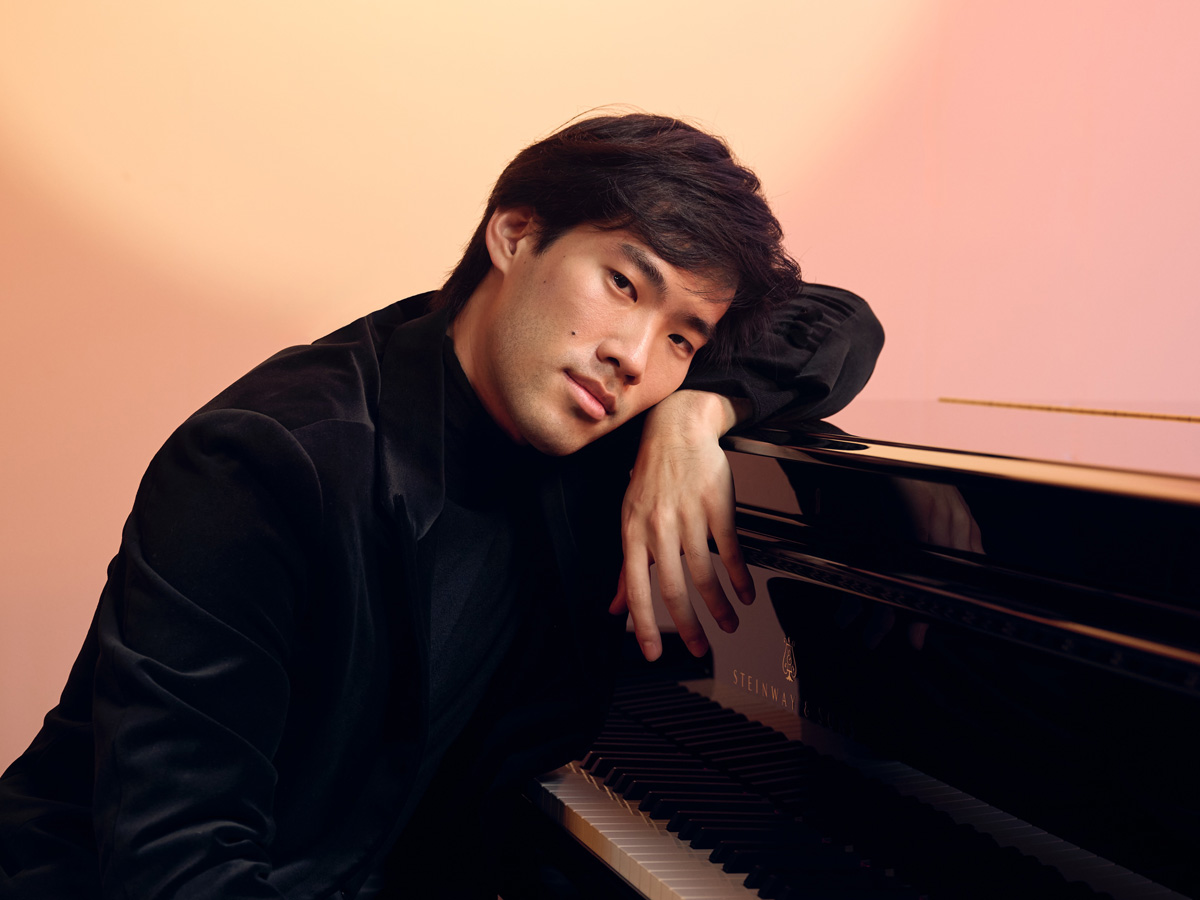
Piano Series
In a world increasingly overloaded with stimuli, few experiences can become as unique and memorable as witnessing a leading pianist alone on stage, devoted entirely to the music and to an instrument of almost limitless possibilities.
More Info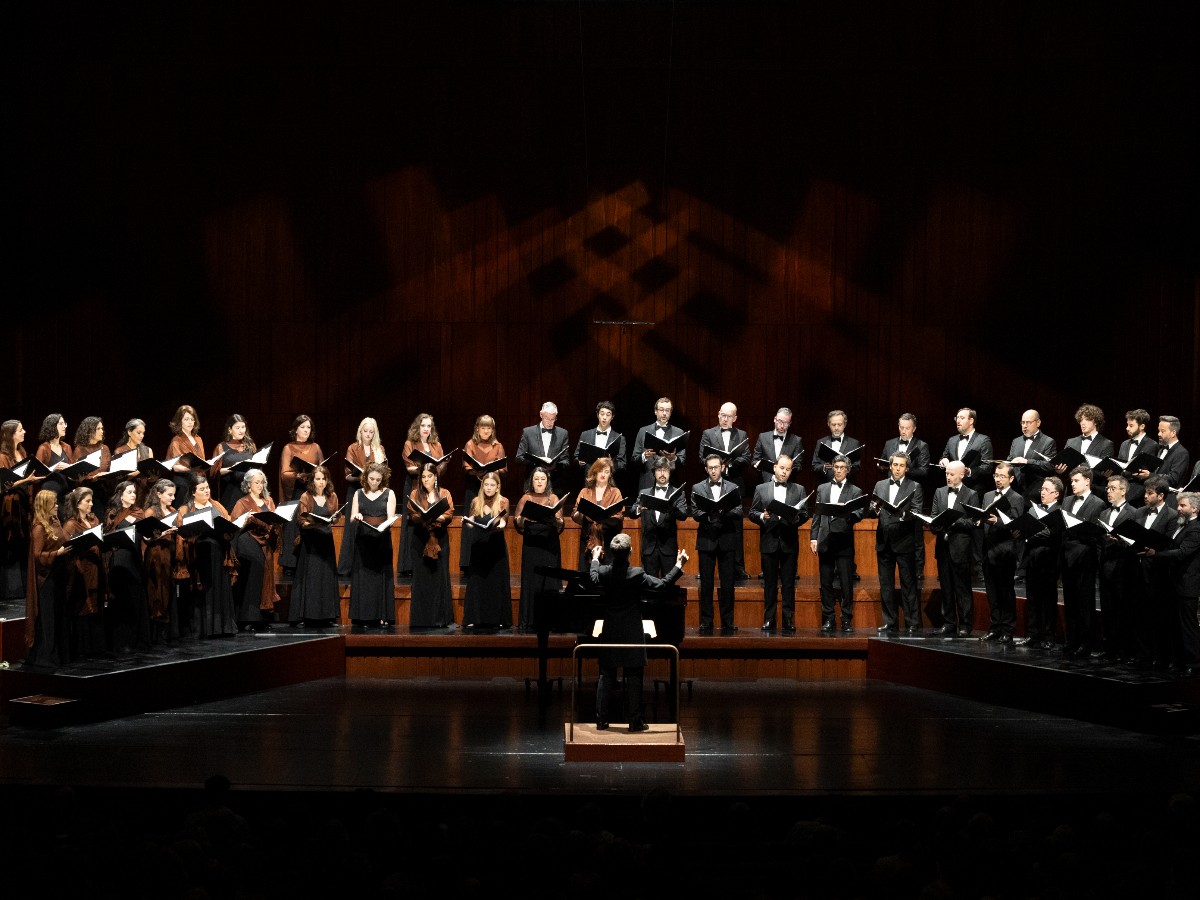
Gulbenkian Choir
This series of three a cappella concerts, under the direction of conductor Martina Batič, will allow audiences to appreciate this unique form of vocal music and to witness the versatility and the technical and artistic excellence of the Gulbenkian Choir.
More Info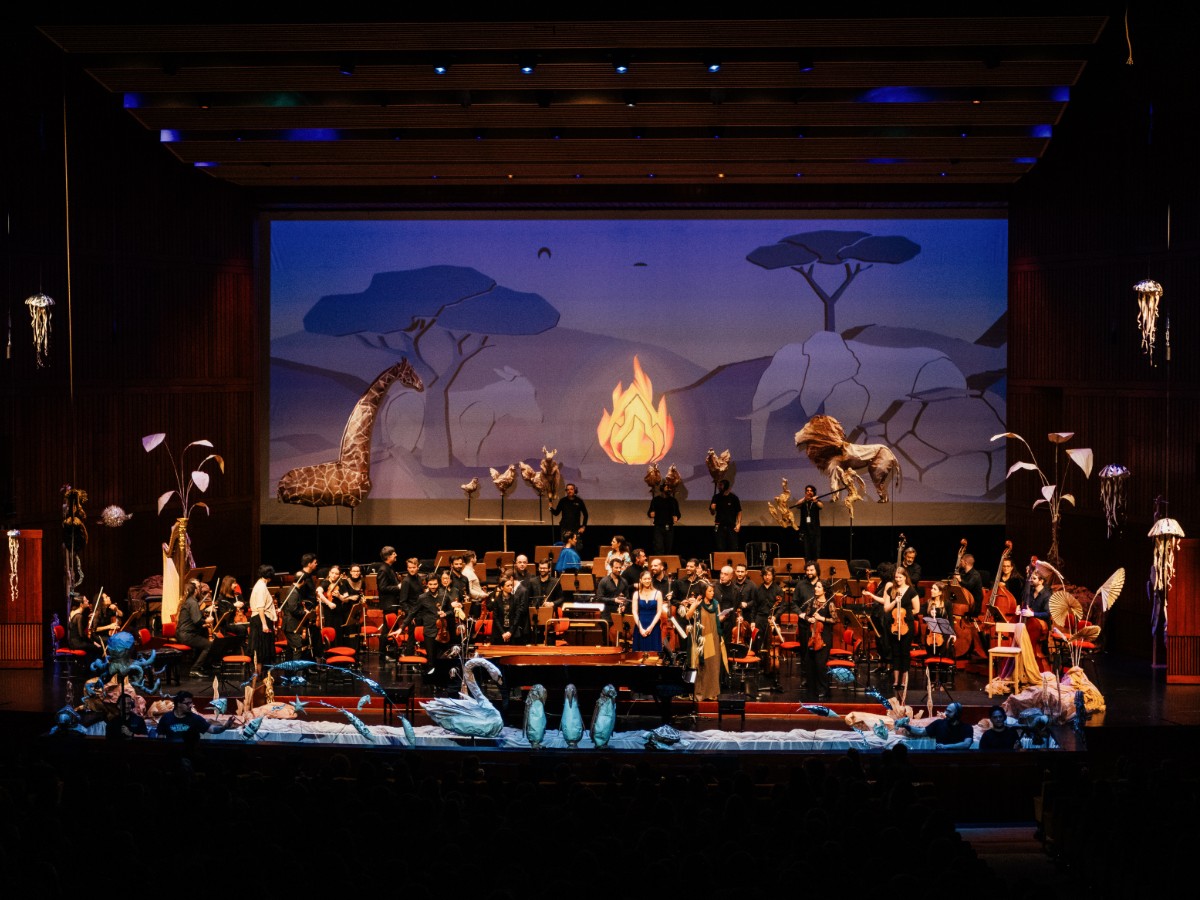
Sunday Concerts
A connection to music should begin early, and the Sunday Concerts – presented in a relaxed atmosphere and designed for families – invite audiences to discover performers, composers and works such as A Midsummer Night’s Dream, Sleeping Beauty and West Side Story.
More Info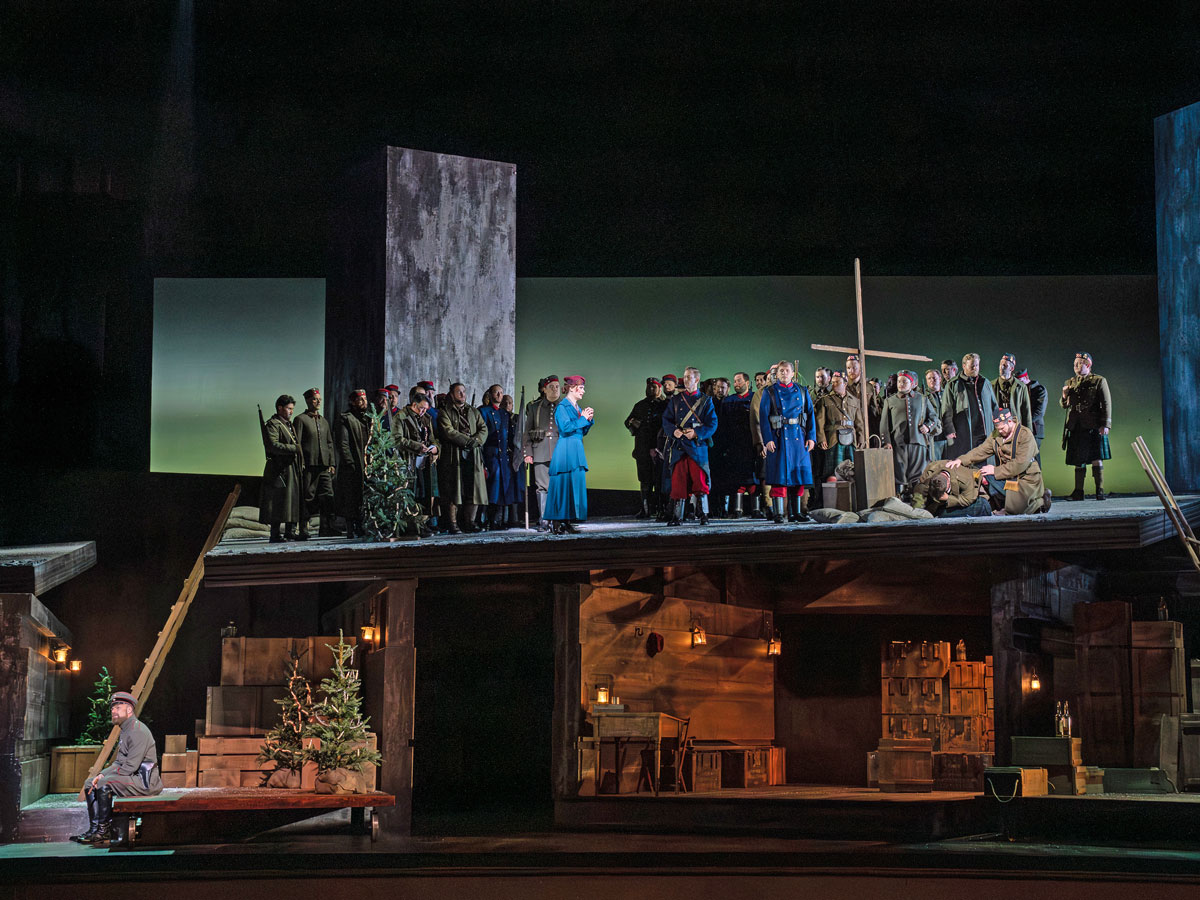
Met Opera Live
A true popular phenomenon, the Met Opera Live series brings live broadcasts of the Metropolitan Opera’s extraordinary productions in New York directly to the Gulbenkian Grand Auditorium, including Otello, Così fan tutte and Parsifal.
More Info
World Music
The World Music series brings to Gulbenkian Música performers from different latitudes and musical traditions rooted in diverse cultures and civilisations. Throughout the year, the Grand Auditorium will welcome musicians and ensembles from countries such as South Korea, Portugal, Italy, Argentina and Iran.
More Info
Chamber Music
With six recitals throughout the season, this series will allow Gulbenkian Música audiences to engage with a fascinating repertoire, ideally suited to intimate musical expression and to a more subtle and detailed exploration of the instruments and of the relationship between them.
More Info