
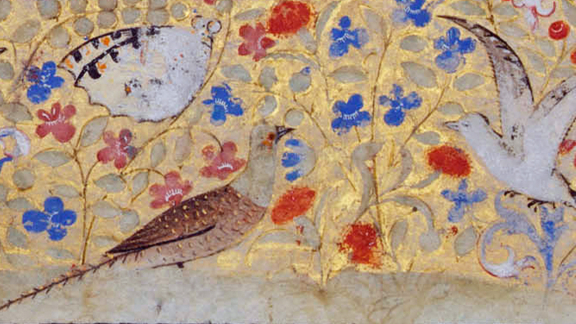
Books of Hours in the Gulbenkian Collection
What is a Book of Hours? What is its function? What is written in its pages? Find the answer to these questions in this text by curator Ana Maria Campino.
What is a Book of Hours? What is its function? What is written in its pages? Find the answer to these questions in this text by curator Ana Maria Campino.
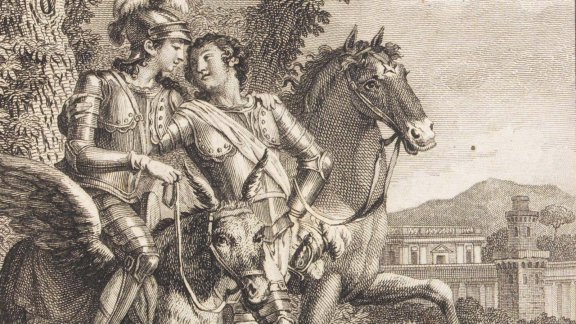
Books have always been a privileged means of resistance against oppressive regimes. In this article, curator Ana Maria Campino writes about some of the ‘forbidden books’ from the 18th century that belong to the Gulbenkian Collection.
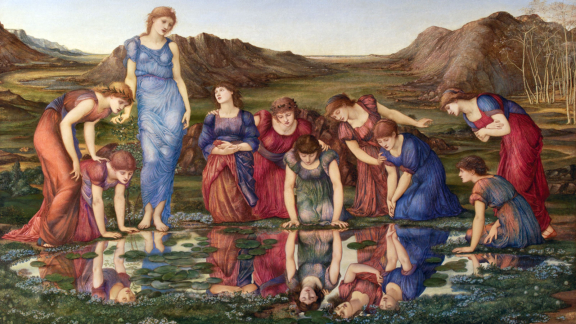
To mark the 190th anniversary of Sir Edward Burne-Jones’ birth (1833-1898), curator Ana Maria Campino explores the graphic works in the Gulbenkian Collections that relate to the work of the English painter.
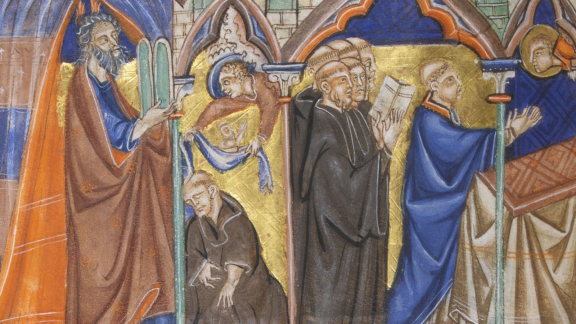
In the Middle Ages, Catholic texts were populated by themes from Ancient Egypt. Profane literature was also influenced by the imagery of this period, in the transition to the Renaissance. Find out how these connections are reflected in the illuminated manuscripts of the Gulbenkian collection in this text by the curator Ana Maria Campino.
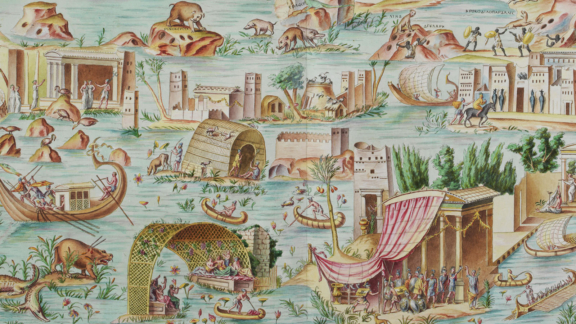
The imagery of Ancient Egypt has always influenced plastic and literary creation in Europe. In this text by conservator Ana Maria Campino, discover the impact of this historical period on 18th century publications.
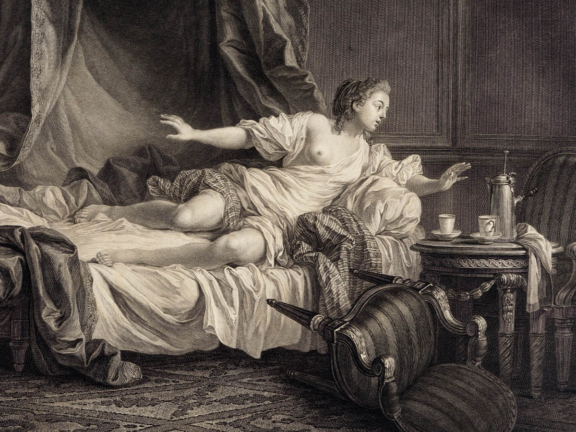
Whether a festive occasion or a private gathering, mealtimes were extremely important and symbolic in the French court. Curator Ana Maria Campino writes about the representation of these moments in the eighteenth-century books and prints in the Gulbenkian Collection.
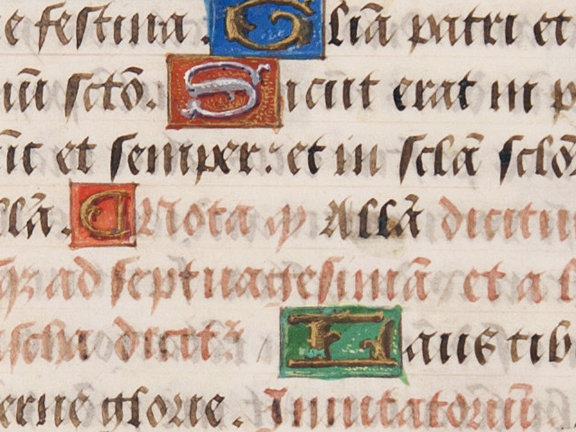
The printed book began to appear in the 15th century, progressively replacing manuscript books. However, the coexistence of both, as the medieval period made way for the Renaissance, brought about a mutual influence. Discover the similarities and differences between these two typologies of book in the text by curator Ana Maria Campino.
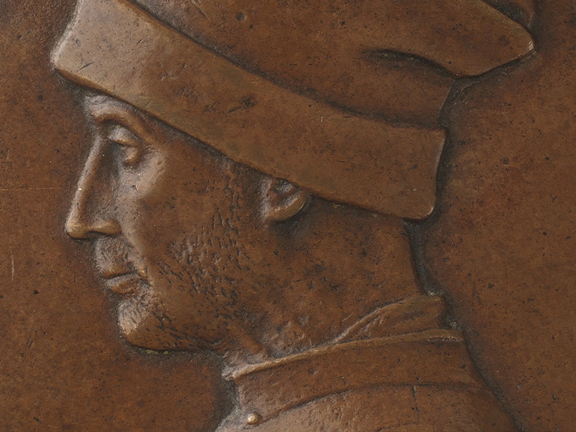
A selection of medals and manuscripts from the Gulbenkian Collection is now on display in the Renaissance Gallery connected to the Gonzaga family and to the House of Este.

The ‘Belle Époque’ was a time of freedom, progress and celebration. The press explored this atmosphere to the fullest, creating magazines packed with humorous, critical and bold illustrations of everyday life.
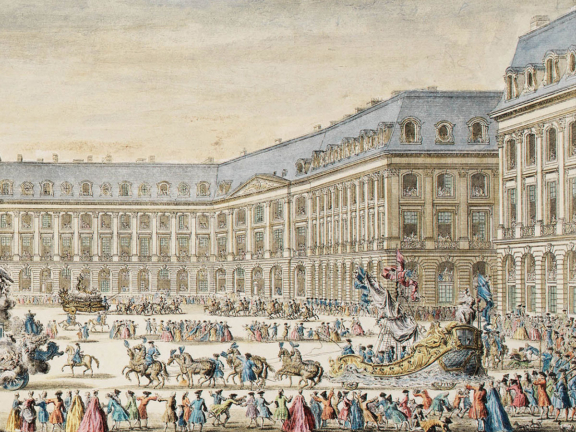
Absolute monarchy in France, established by Louis XIV, was characterised by luxury and power. Books of festivities, known as livres de fête, described and illustrated the grandiose ceremonies of the period. They also concealed within their pages various forms of royal propaganda.