
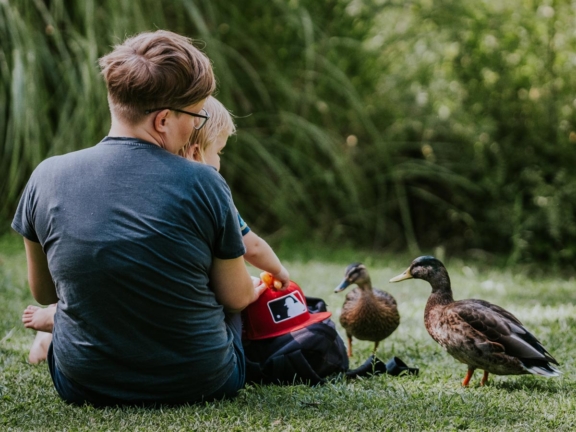
Should we feed wild birds?
It’s a question many nature lovers ask: should we feed wild birds? The answer, says Julieta Costa from the Portuguese Society for the Study of Birds (SPEA), is not as simple as it seems.
It’s a question many nature lovers ask: should we feed wild birds? The answer, says Julieta Costa from the Portuguese Society for the Study of Birds (SPEA), is not as simple as it seems.
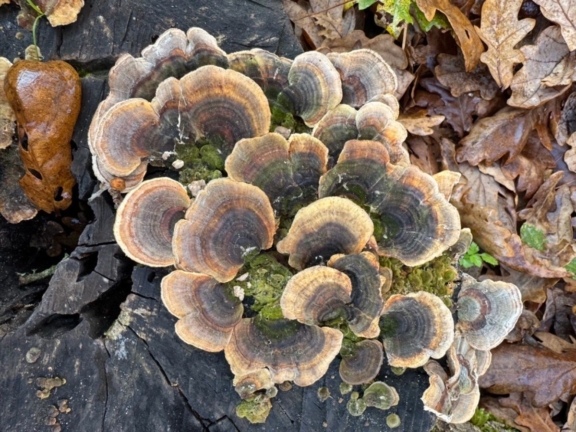
Dead wood is essential for maintaining and restoring local biodiversity, argues biologist Ana Maria Pereira
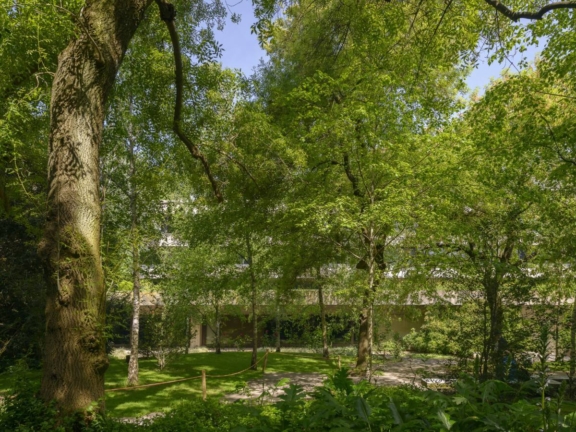
With the arrival of summer, the main concern of the master gardener and his team is to ensure that water reaches all the plants that need it.
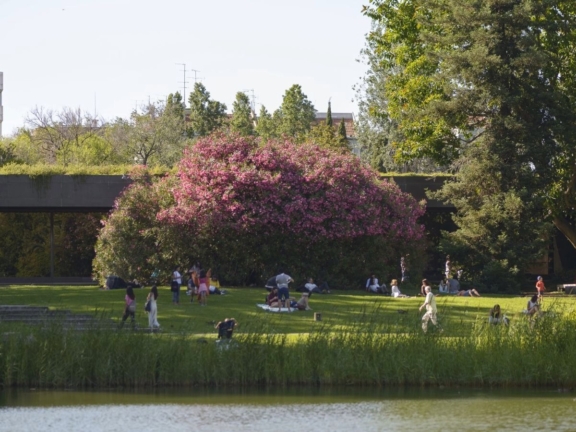
Spring is a time of splendour in any garden. Plants are growing quickly, the flowers attract birds and insects and the whole garden seems to pulse with life and joy!
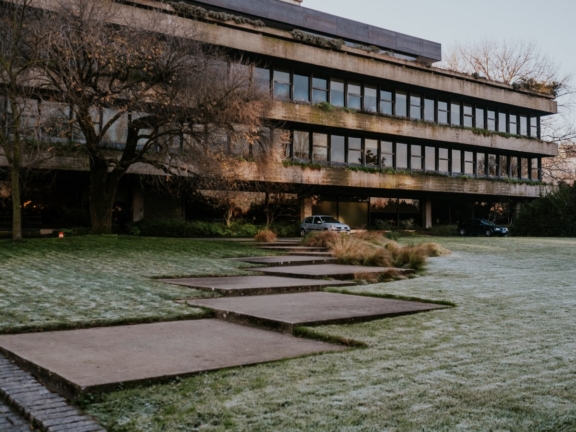
The upkeep of the Gulbenkian Garden is a very important job that requires daily attention and which changes throughout the year. Head gardener António Graça is one of those responsible for this maintenance and he tells us here about the challenges and curiosities of keeping a garden like this.
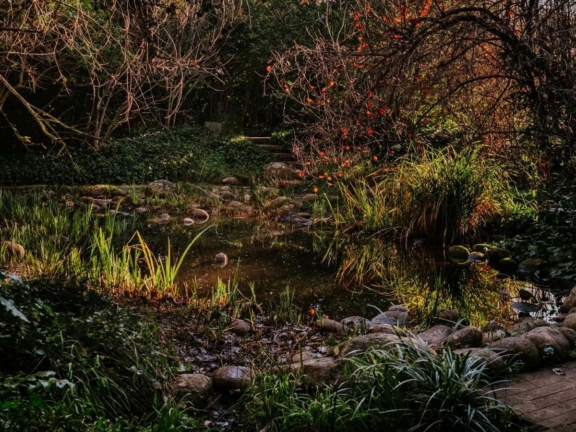
Biochemist and science communicator António Gomes da Costa explains the curious origin of this very distinctive aroma.
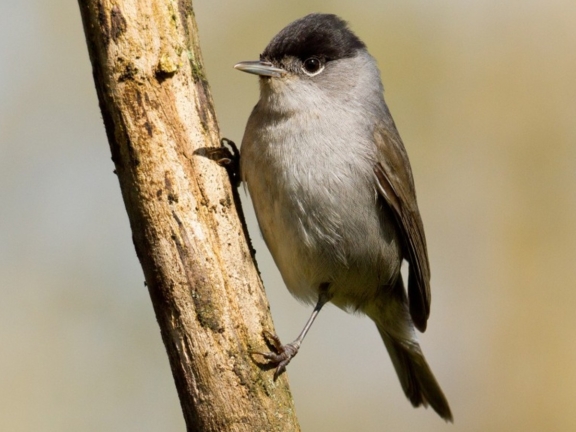
Each bird has its own melody – an important clue for identifying them when they are hidden among trees and bushes.

Nature seems to slow down during the hottest part of the year. Once the courting season is over, the birds grow quieter, many flowers dry up, and a good number of insects hide to take shelter from the heat. But if you look closely, there are still many things happening in a garden. Here is a challenge to find five:
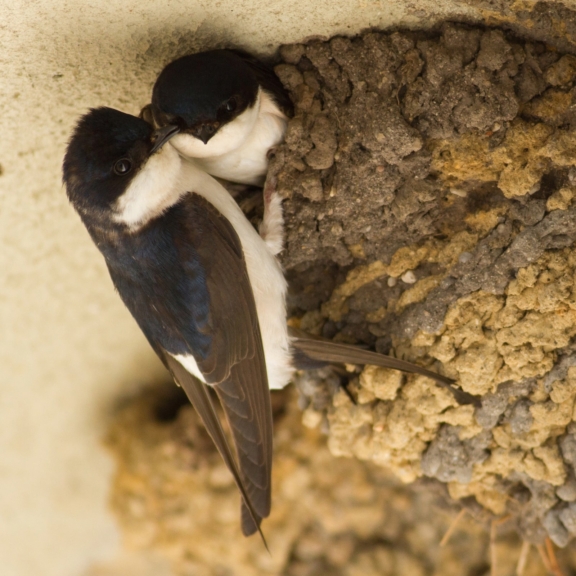
Swallows and swifts are iconic birds in Portugal and, for many, harbingers of spring. Find out more about these birds, their migration paths, their sources of food, and how to help them.
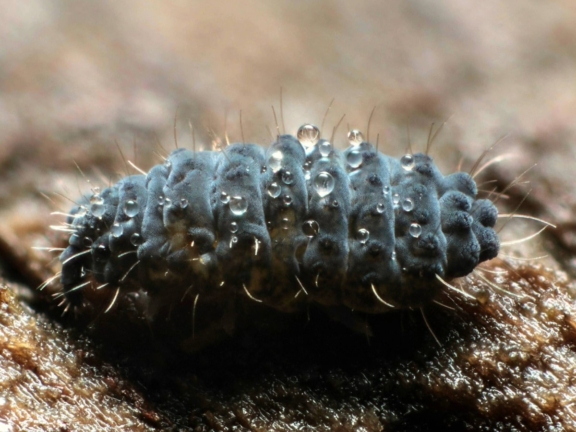
To lift the veil covering this vast and still largely unknown world, we spoke to three researchers who have spent a long time studying it. Cristina Cruz, Teresa Dias and Silvana Munzi, from the University of Lisbon’s Faculty of Sciences (FCUL), share their expertise to give us an insight into the countless organisms living in the soil and how we can protect them.
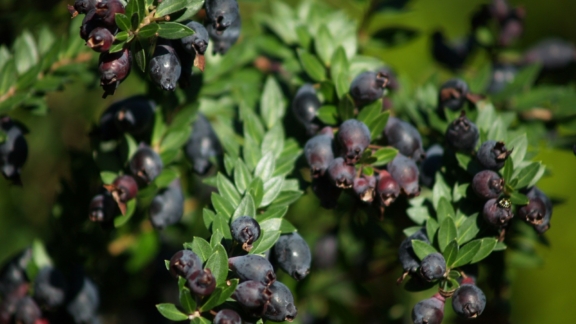
The days get shorter and damper, the rain and wind set in and the temperatures drop. The natural world rests. But is that really so?
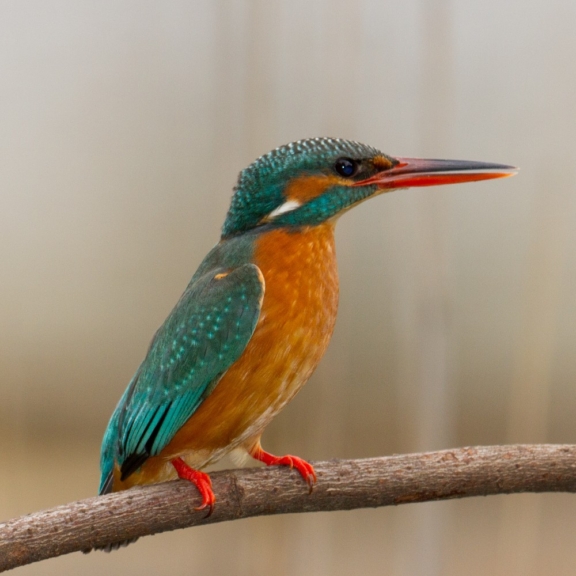
In this visit led by João Eduardo Rabaça, a researcher and professor at the University of Évora, we go in search of five 'magnificent' species found in this green space in central Lisbon and in parks and gardens across the country.
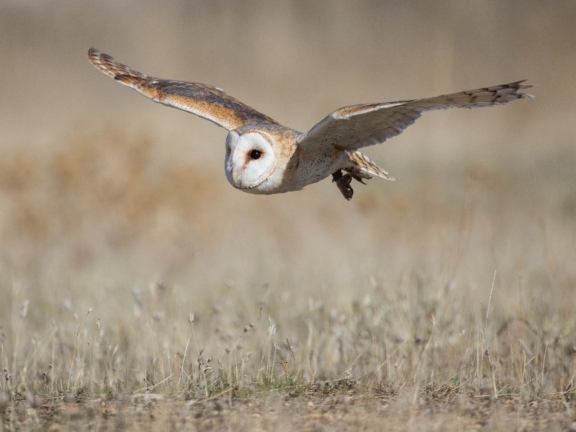
João Eduardo Rabaça, professor and researcher at the University of Évora, explains which species of nocturnal birds of prey are found in Portugal and how important it is to keep an eye and ear out for them.
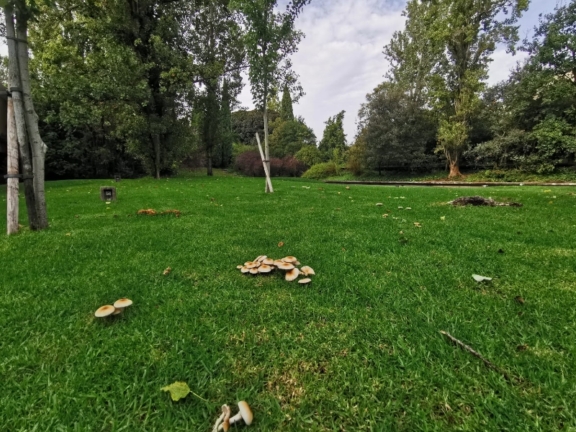
Susana Gonçalves explains how important fungi are and gives us a number of tips for their conservation.
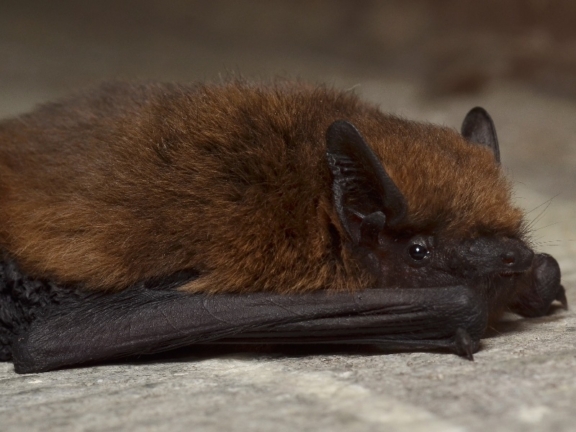
The researcher Jorge Palmeirim explains the importance of these flying mammals, which often go unnoticed in our towns and cities.
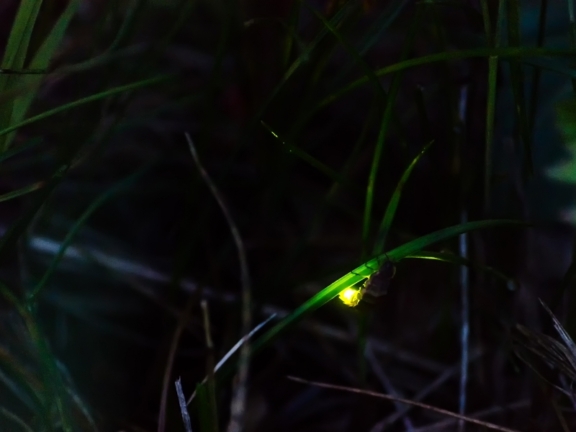
Gonçalo Figueira is a firefly specialist and founder of the Lightalive micro-reserves project. Here he explains what we can do to make these peculiar snail and slug-hunting creatures feel at home.
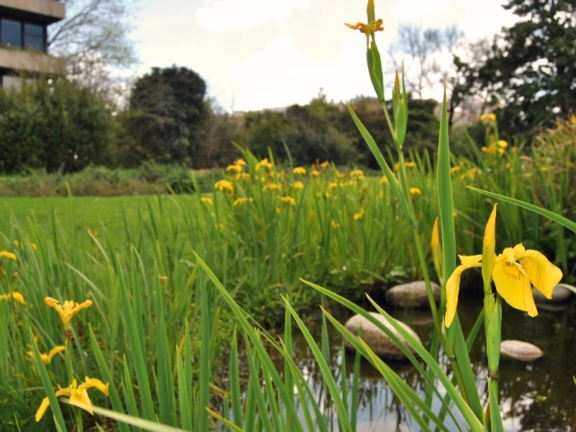
The researcher José Teixeira explains just how important these animals are, although we are often unaware of this.
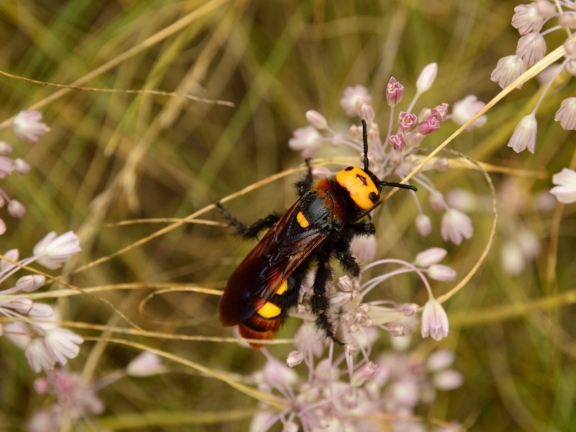
Entomologists talked to us about the importance of pollinators and what we can do to counteract the decline in bees and other insects that are so vital for the future of life on Earth.
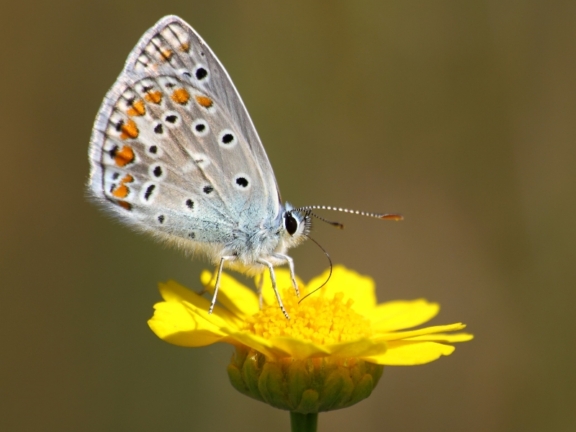
Renata Santos and Albano Soares, insect specialists, explain why diurnal butterflies are so important and what we can do to attract them to our gardens.
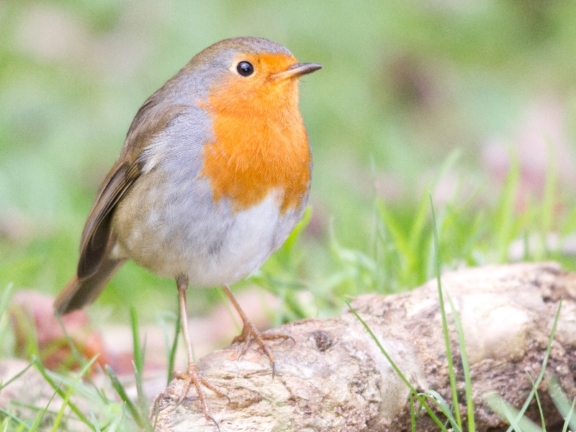
Professor João Eduardo Rabaça introduces you to some passerine birds, and shares tips on how to prepare our green areas in order to welcome them.
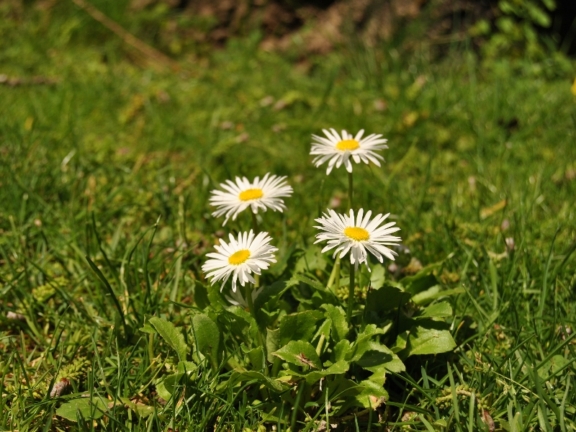
Fernanda Botelho, an expert about edible and medicinal wild plants, gives us some tips on wildflowers.
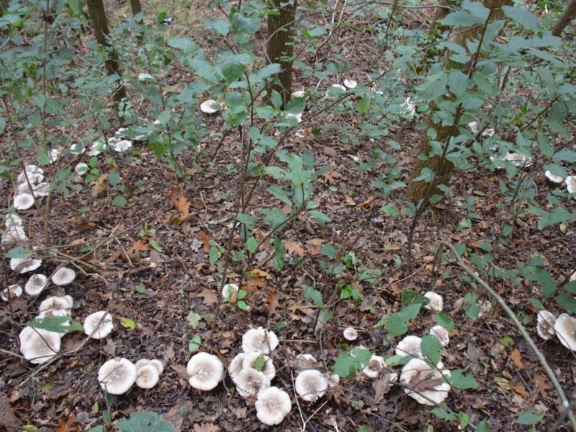
Rui Simão, from the Ecofungos Mycological Association, helps us unravel the mystery of these strange mushroom formations are visible parts of an underground world that hides, out of sight.
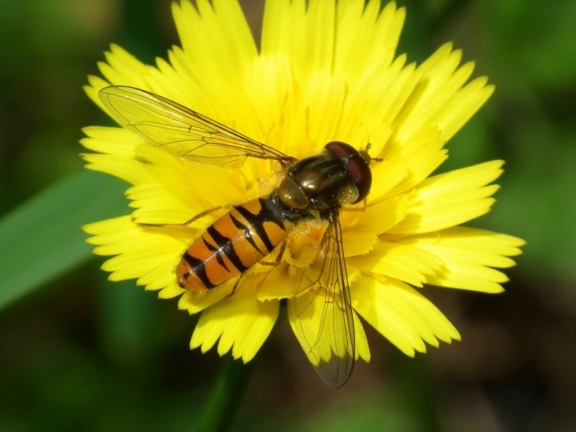
The answer is surprising. Rui Andrade, a specialist in these small insects and a promoter of the Portuguese group Diptera on Facebook, explains what makes flies so difficult to catch.
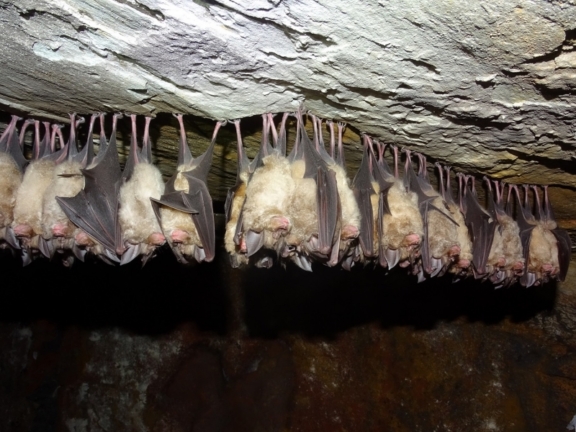
At this time of year, amid all the hustle and bustle of our daily lives, there are bats roosting in hidden shelters, waiting for nightfall to go out and feed on insects.