
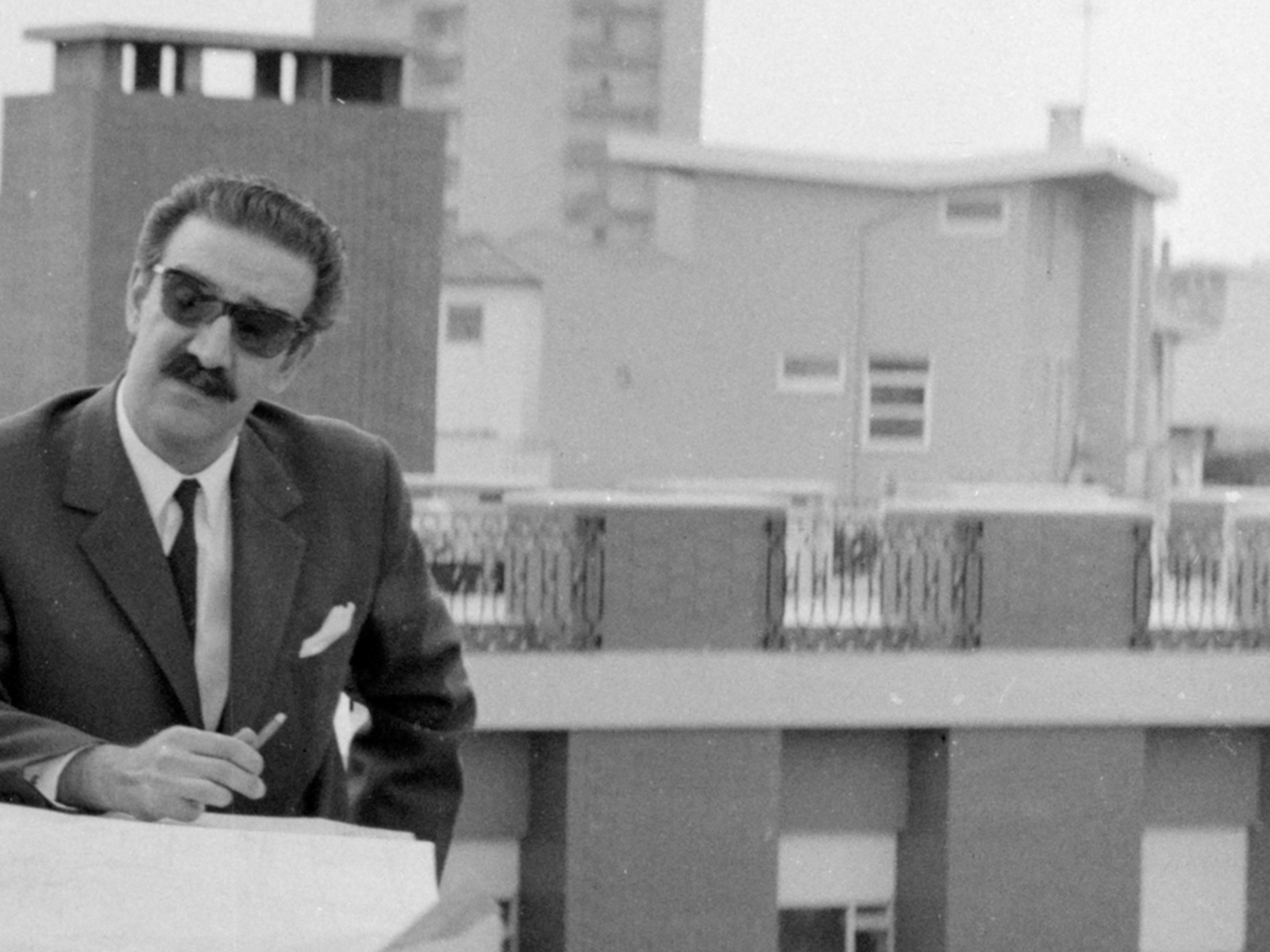
Jorge Sotto Mayor de Almeida
1924 – 1996
Architect
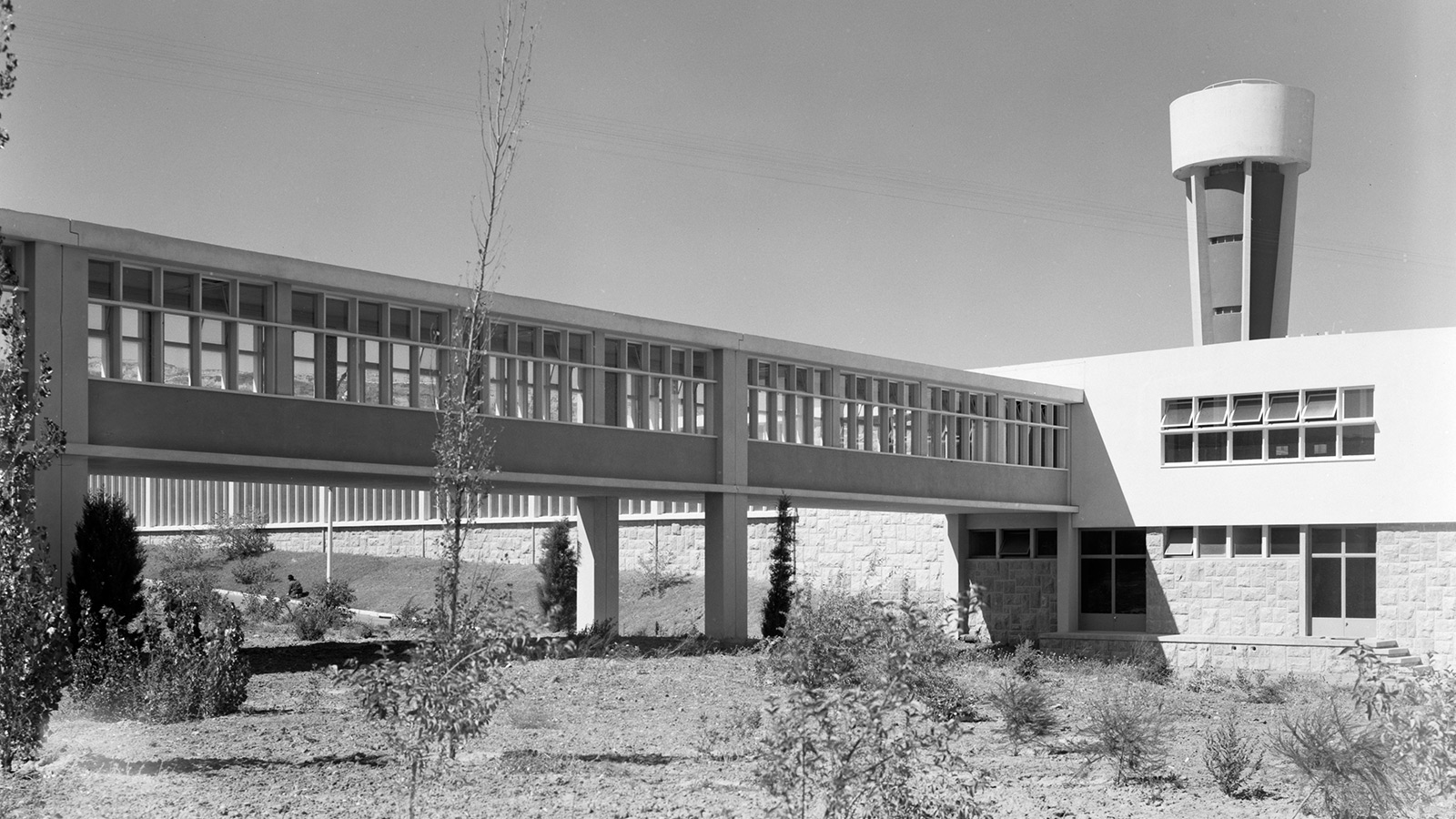
Architect. He developed his professional career at the Calouste Gulbenkian Foundation, where he served as Director of the Projects and Works Service between 1970 and 1990. He was responsible for major projects, among which the Modern Art Centre (Baghdad, 1959 – 1962) and the Instituto Gulbenkian de Ciência (Oeiras, 1963 – 1967) stand out.
He was born in Cascais on 12 September 1924. He graduated in Architecture from the Lisbon School of Fine Arts. Before joining the Foundation, he worked as an architect at the Urban Planning Office of Lisbon City Council.
He began collaborating with the Foundation in 1956, initially on a freelance basis. Together with the architect José Sommer Ribeiro (1924 – 2006), he prepared the studies for the location of the future headquarters in Lisbon, which led, in April 1957, to the acquisition of the Santa Gertrudes Park estate in Palhavã, as well as to the first programme studies for the headquarters and museum and the development of the architectural design for the temporary pavilions.
In 1958, he joined the Projects and Works Service as an architect. During this initial phase, and in collaboration with José Sommer Ribeiro, he consolidated the final programme for the Headquarters and the Museum, while also participating in the preliminary design studies and providing the project authors with the necessary technical clarifications. During this period, he also prepared the adaptation programme (1959) for 51 Avenue d’Iéna, in Paris, for its conversion into a cultural centre.
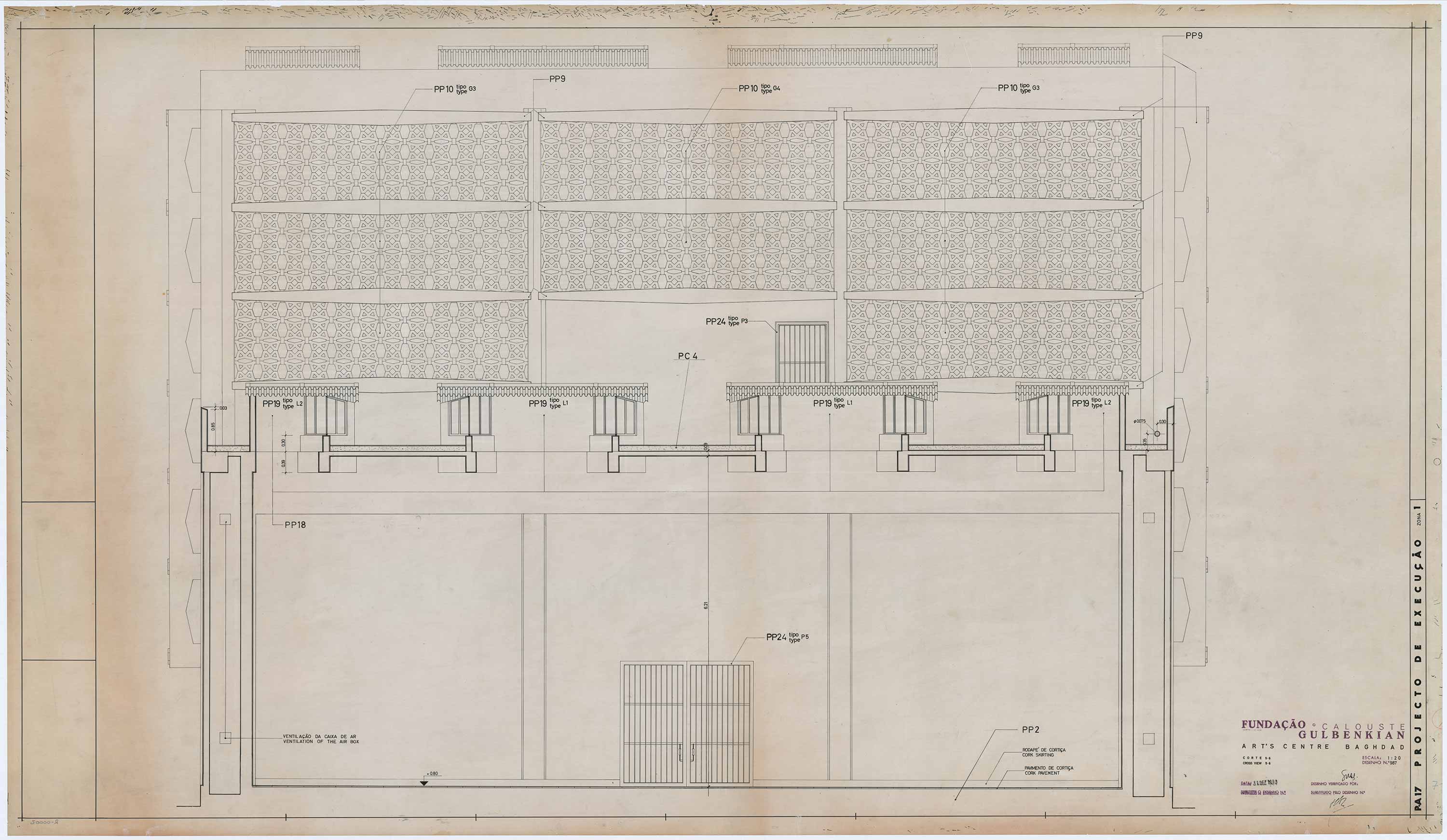
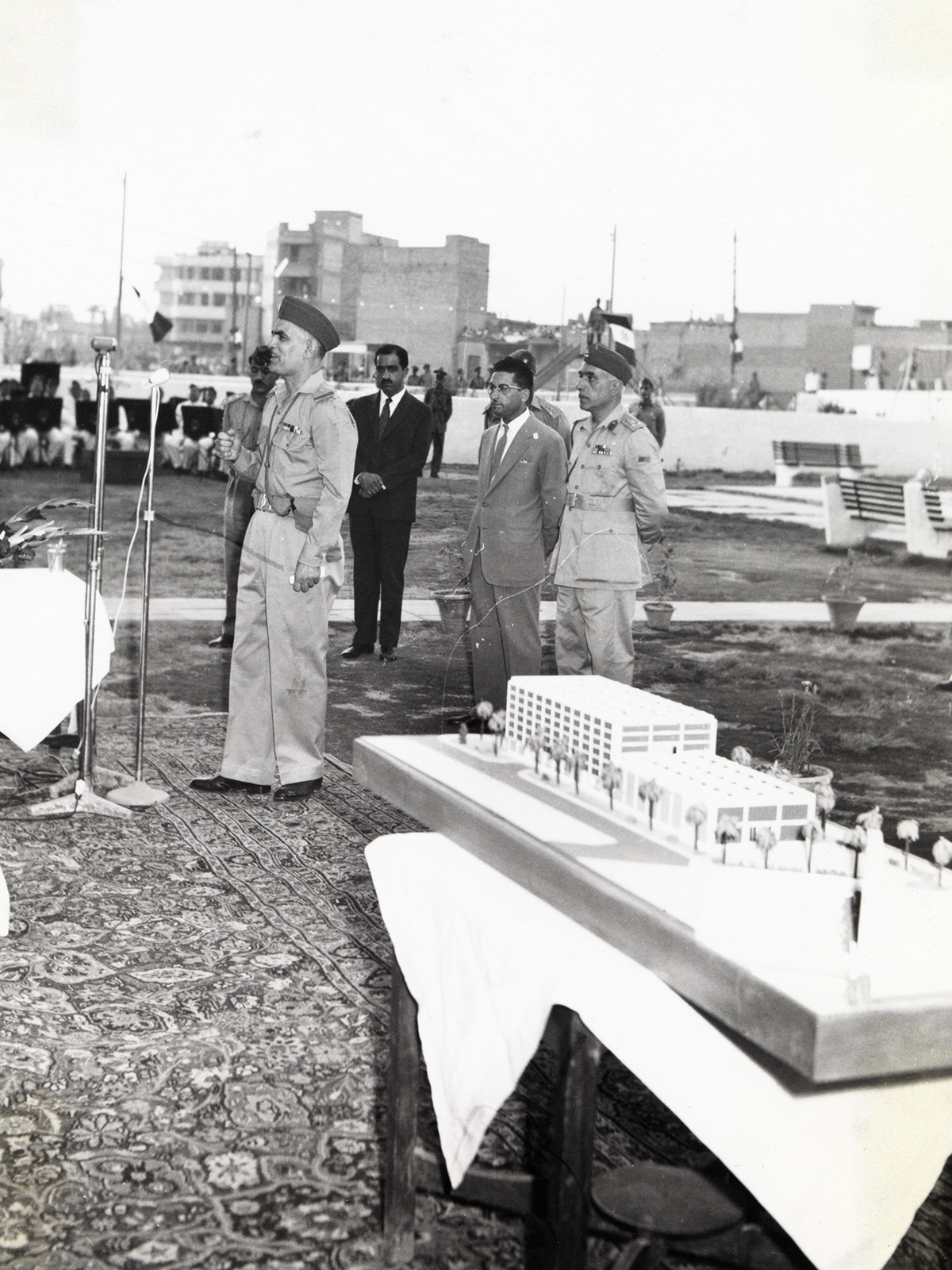
In 1959, Jorge Sotto Mayor de Almeida designed the Modern Art Centre (Baghdad, 1959-1962), executed entirely by the Projects and Works Service, becoming one of the principal achievements of the Foundation’s activities in Iraq.
/
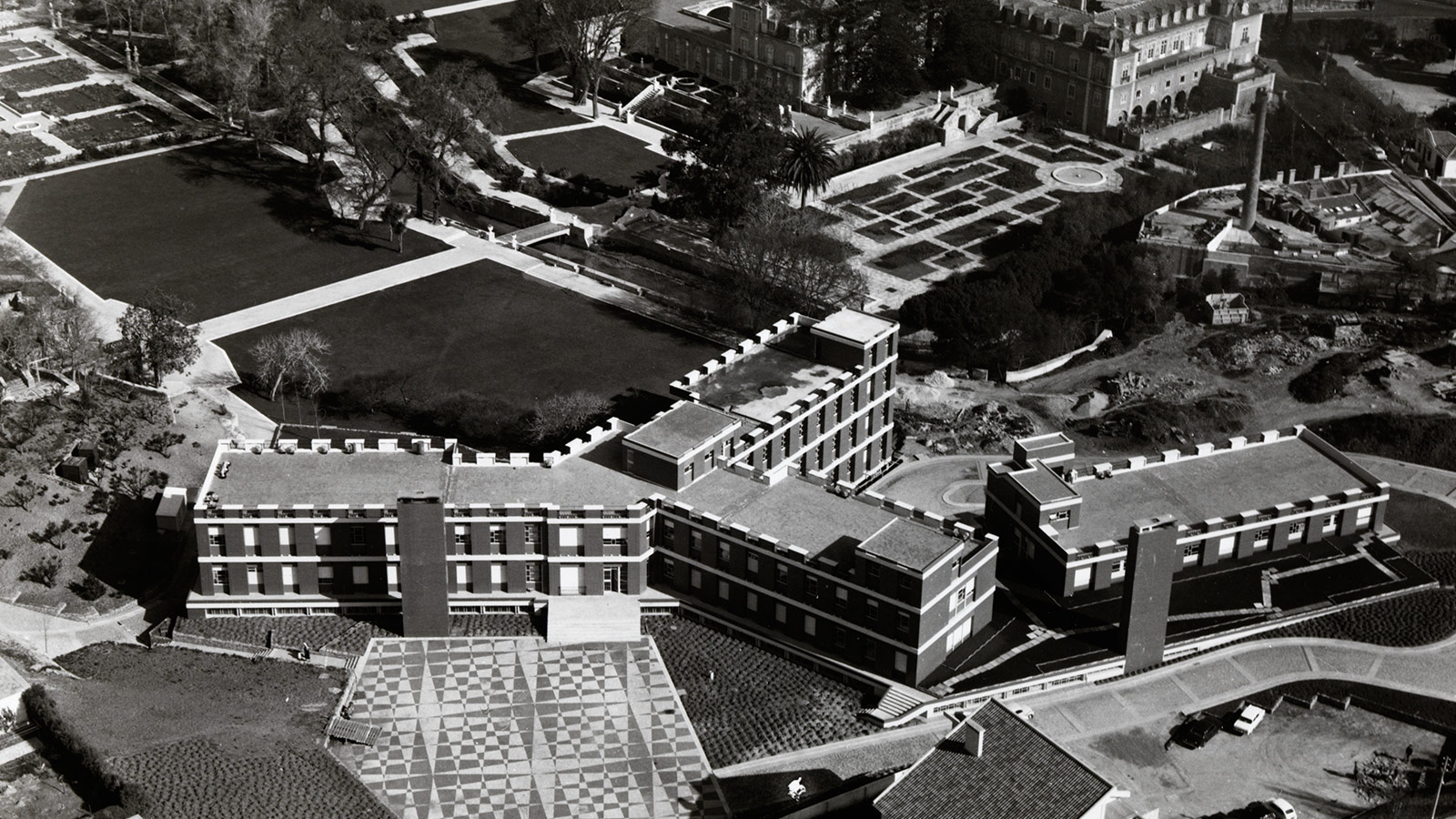
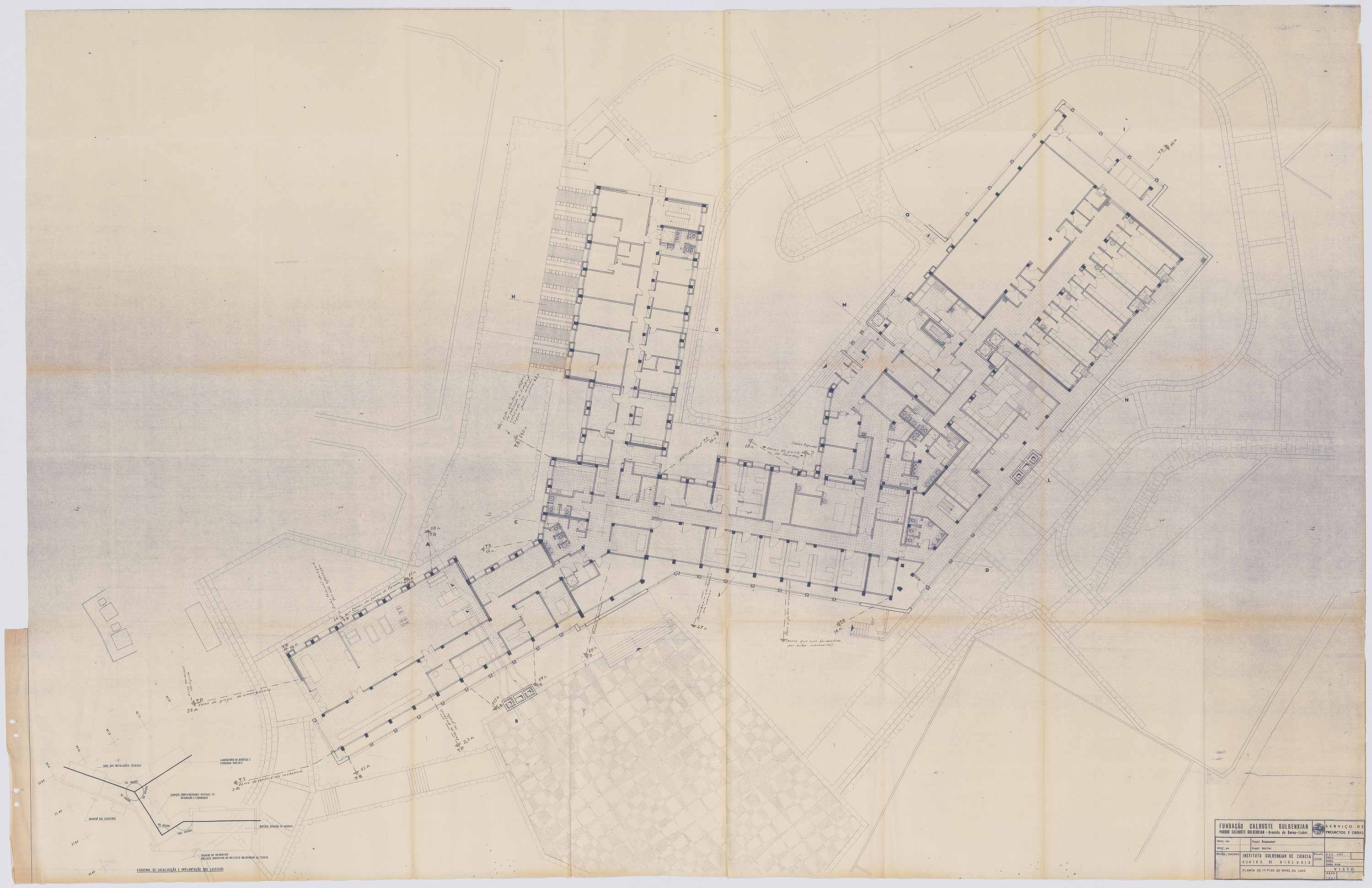
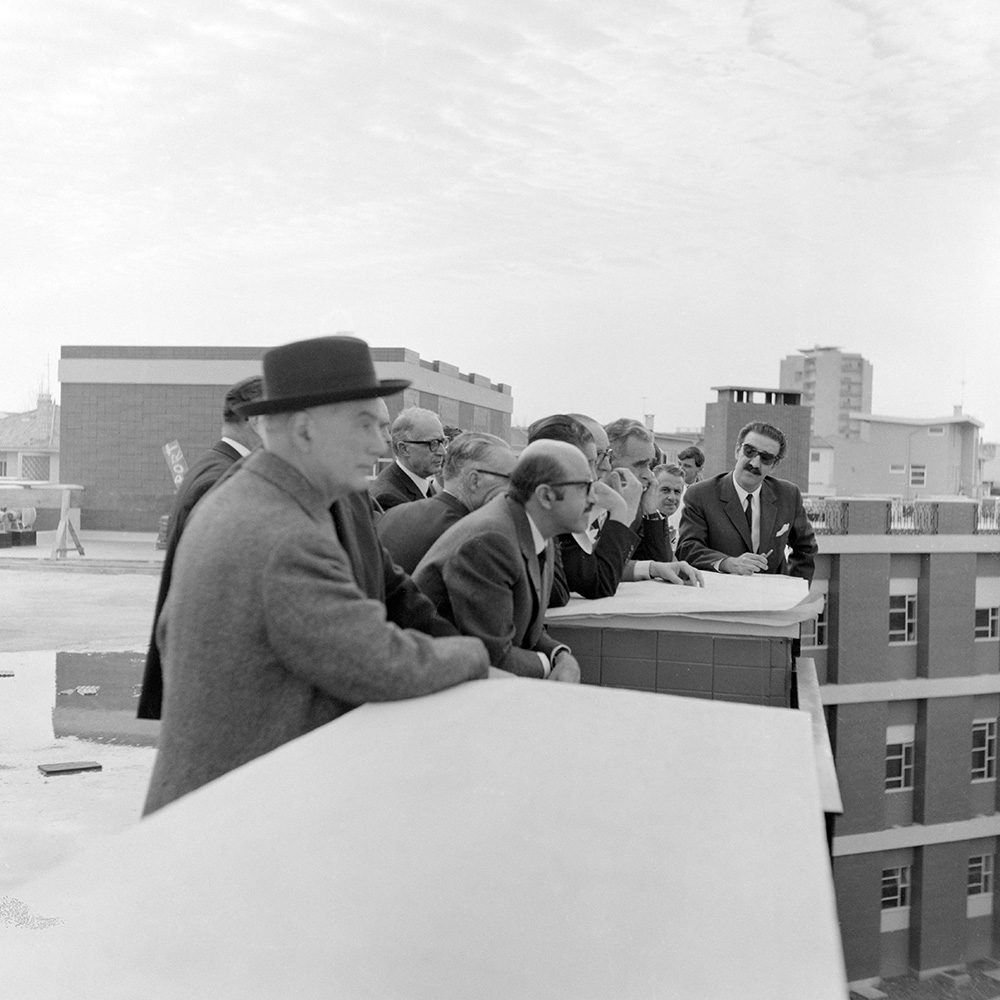
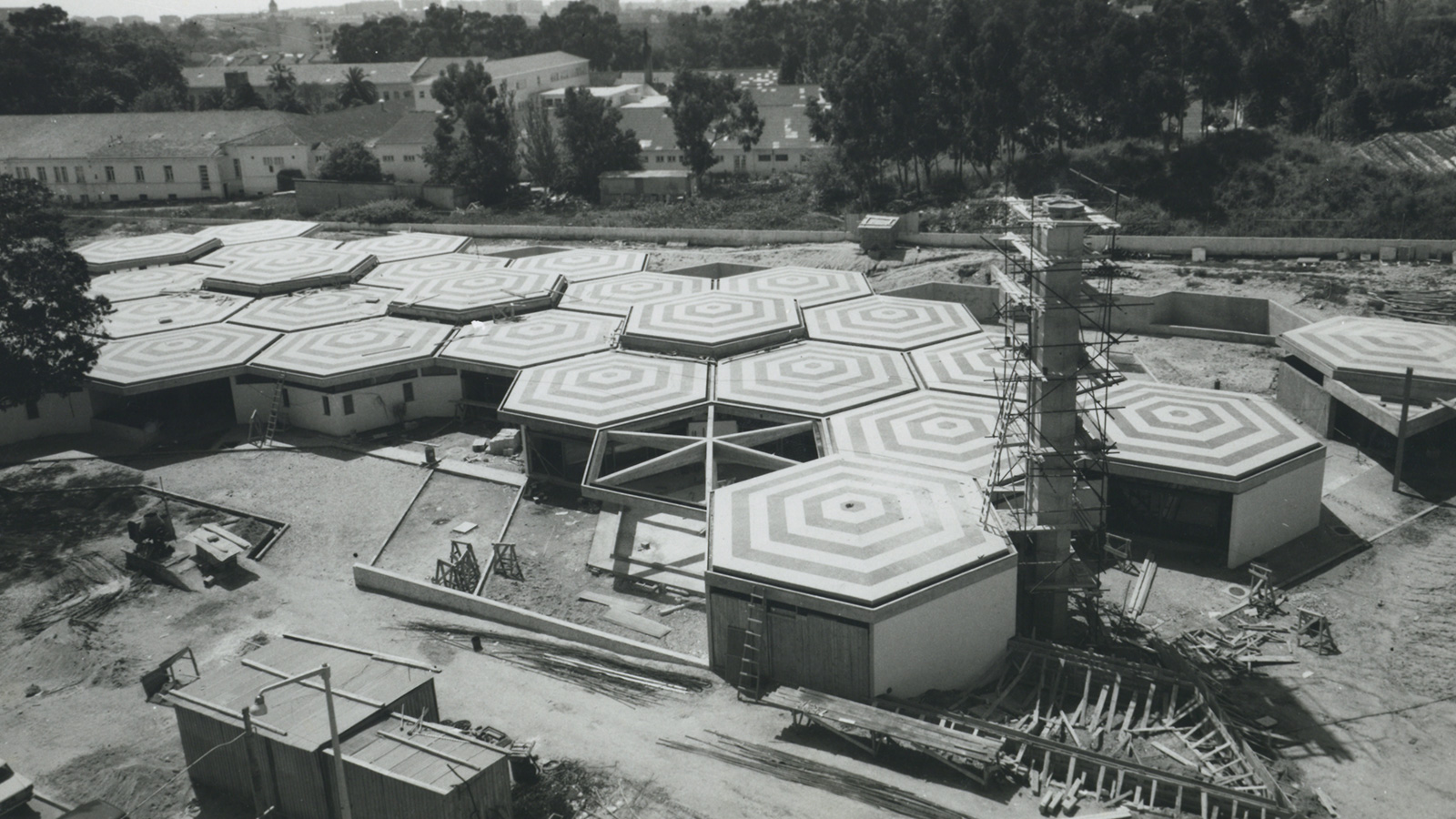
In 1963, he was entrusted with the architectural design of the new complex for the Instituto Gulbenkian de Ciência in Oeiras (1963 – 1971). In a first phase, he designed the Centre for Biology and the Animal Facilities (1963 – 1967) and, later, in collaboration with the architect Manuel Roquete de Melo Campelo (1931 – 2009), developed the design for the Scientific Computing Centre (1967 – 1971) and the adaptation studies for the Palácio do Marquês de Pombal as part of the Institute’s facilities.
/
Together with the architect Melo Campelo, he developed numerous projects promoted by the Foundation. These included the Student Residences for the secondary schools of Castelo Branco, Bragança and Guarda (1966 – 1971) and the National Centre for Fruit Studies and Development (Alcobaça, 1961 – 1963).
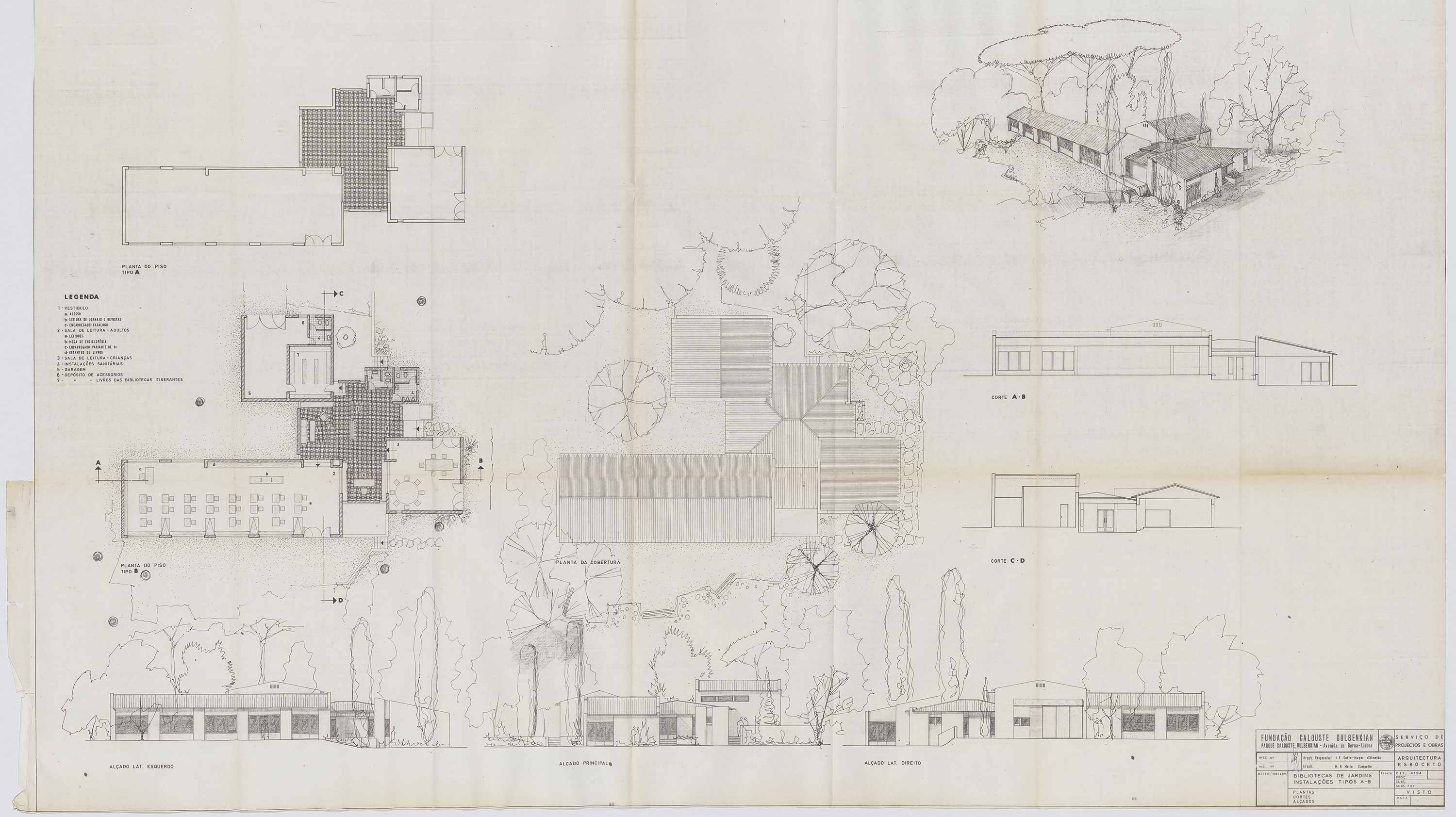
He also took part in studies that were never realised, such as the Student Residence for the University of Coimbra (1963) and the prototype “garden libraries” project (1967), conceived in collaboration with the Mobile Libraries Service to install permanent libraries in public gardens in provincial towns.
/
Within the Projects and Works Service, he carried out extensive technical consultancy work, preparing studies and budgets for numerous subsidised projects, including the Hospital of São João de Deus (Montemor-o-Novo), the Almeida Moreira House-Museum (Viseu), and the Orphanage and Workshop of Saint Joseph (Viana do Castelo).
Following the completion of the Foundation’s Headquarters and Museum buildings in 1969, the Projects and Works Service was, by decision of the Board of Trustees, divided into four new services: Central Services, the Projects and Works Service, the Exhibitions and Museography Service, and the Auditorium and Sound Technical Service.
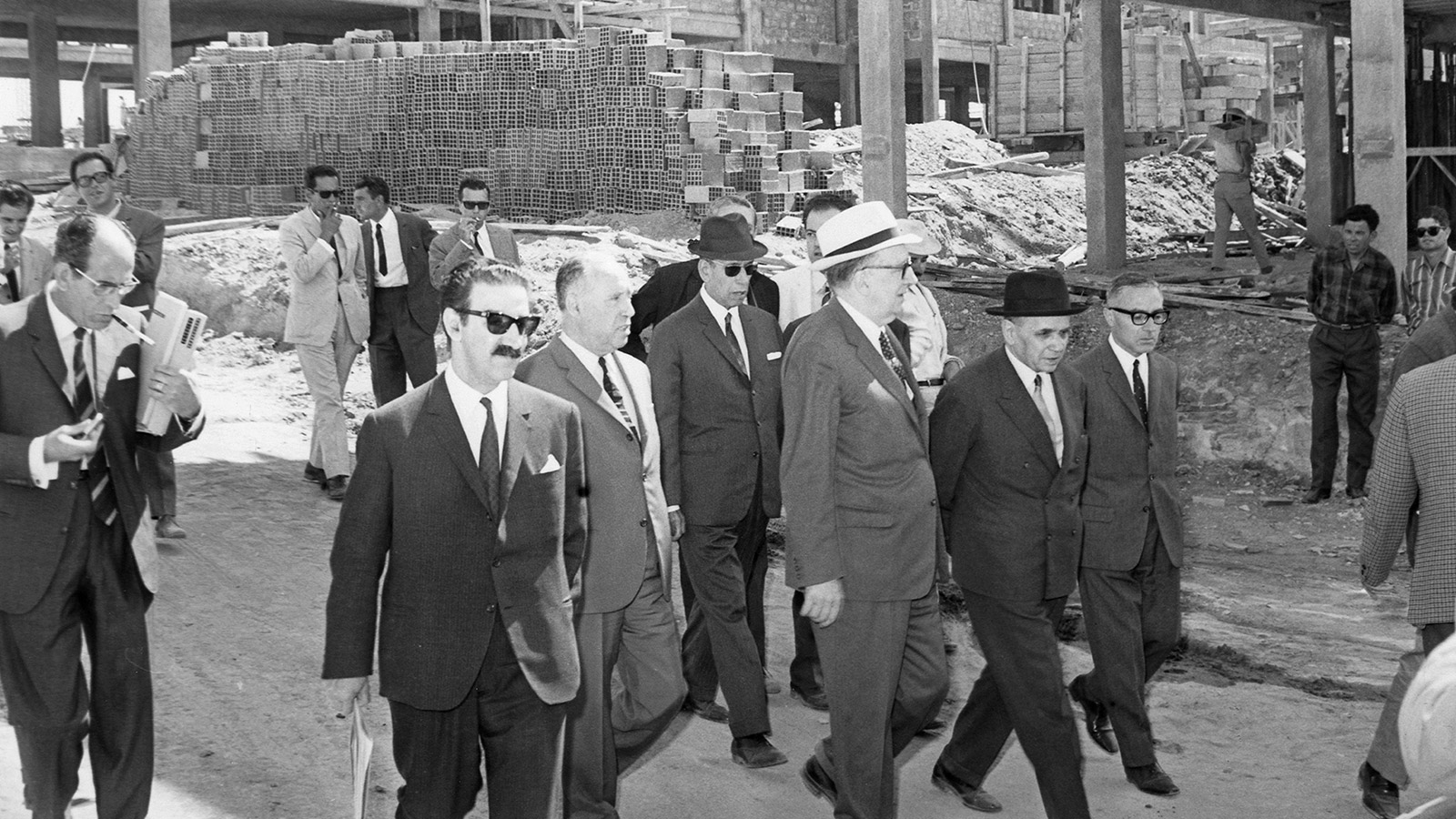
Luís de Guimarães Lobato, former director of the Projects and Works Service, became a Trustee of the Foundation and, in January 1970, Jorge Sotto Mayor de Almeida was appointed Director of the service, a position he held until 1990.
/
During this period, he moved from architectural design work to the management and overall supervision of all the service’s activities, also becoming an important institutional representative. In 1984, he was elected to represent the Calouste Gulbenkian Foundation on the Lisbon Municipal Council, a role he held until 1990.
As Director, he oversaw the projects for the Calouste Gulbenkian Cerebral Palsy Rehabilitation Centre (Lisbon, 1966 – 1970), the Lisboa Building (Lisbon, 1975 – unbuilt), and the Portugal Building (Lisbon, 1975 – 1981), and also coordinated the technical support for the construction of the Centro de Arte Moderna (Lisbon, 1978 – 1983).
/
Under his direction, the Projects and Works Service also assumed responsibility for the conservation of the Foundation’s architectural heritage, including the Headquarters and Calouste Gulbenkian Museum buildings, the Palácio do Marquês de Pombal (Oeiras), and the Portuguese Cultural Centre (Paris, 1959 – 1965).
Alongside his work at the Foundation, Jorge Sotto Mayor de Almeida also developed several projects independently, among which the Previdente S.A.R.L. Metal Industries Complex (Sobralinho, Vila Franca de Xira, 1957 – 1964) and the Portuguese Catholic University (Lisbon, 1962 – 1968) stand out. He also served as consulting architect to the Portuguese Province of the Hospitaller Order of St John of God, and designed projects such as the St John of God Institute – São Miguel Mental Health Centre (Azores, 1991).
After twenty years as director, he retired in 1990.
Subsequently, the Projects and Works Service was progressively integrated into the Central Services until its extinction in 1992.
Isabel Magalló