
A Story Yet to Be Told
Behind the scenes of the renovation, the Numismatics Cabinet has been created – one of the new features the Museum will present to its visitors upon reopening. We reveal how, behind this space, there are stories yet to be told connected to the Collection and the Founder.
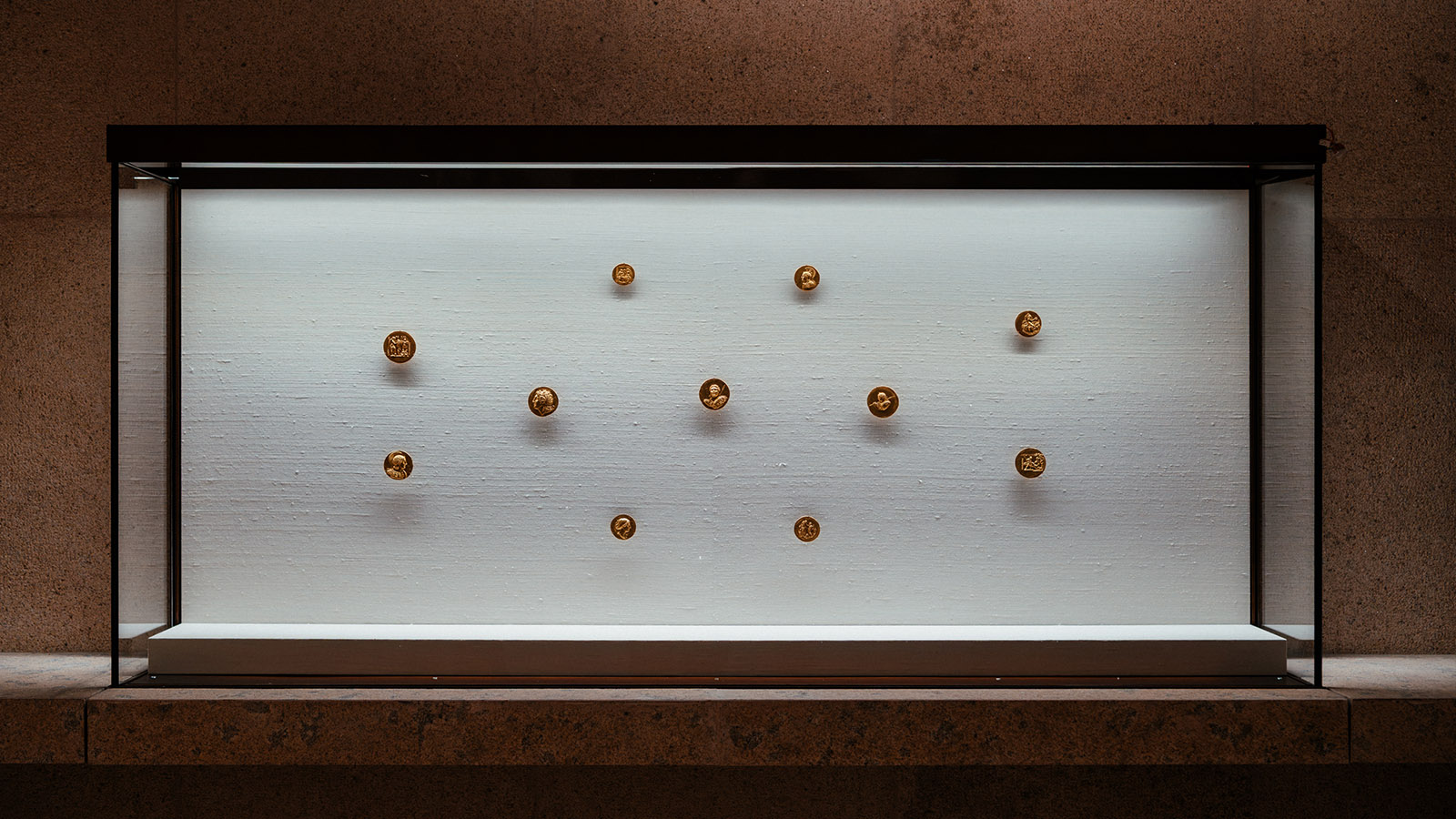
The Project
The spirit of the Gulbenkian Museum’s original design, dating from 1969, served as the central reference for the Collection’s new layout. Nevertheless, the permanent exhibition itinerary will feature some new elements.
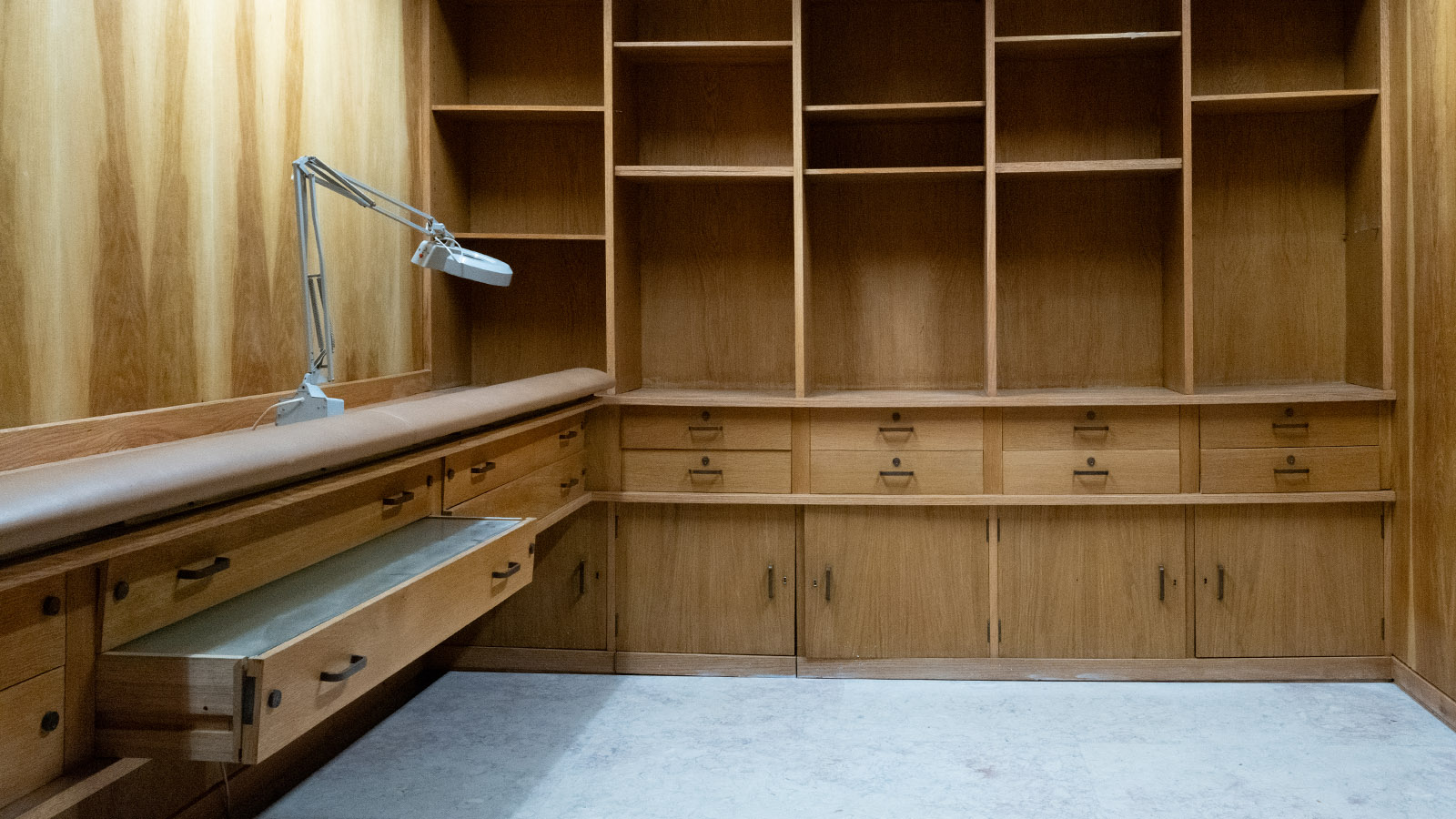
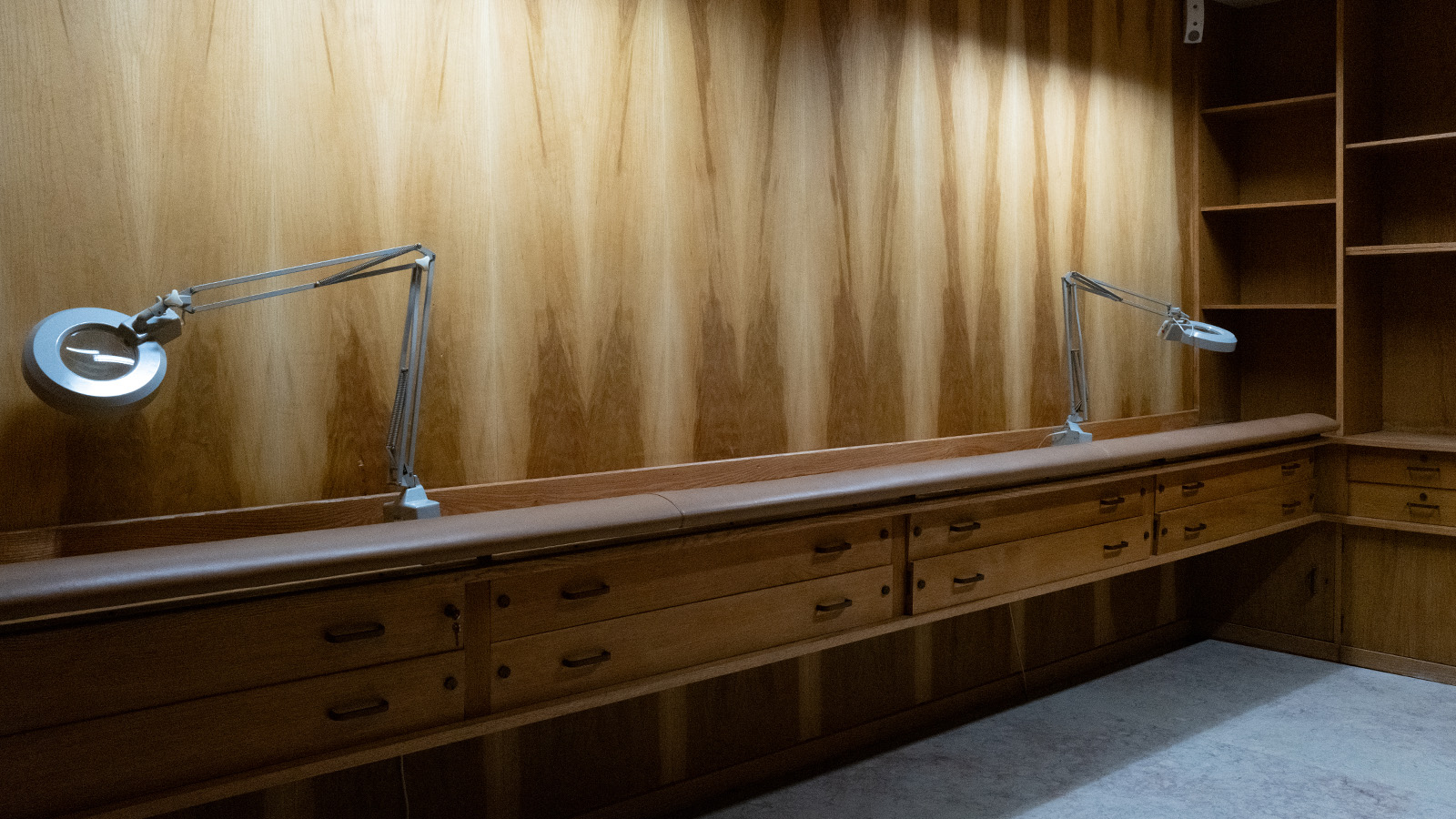
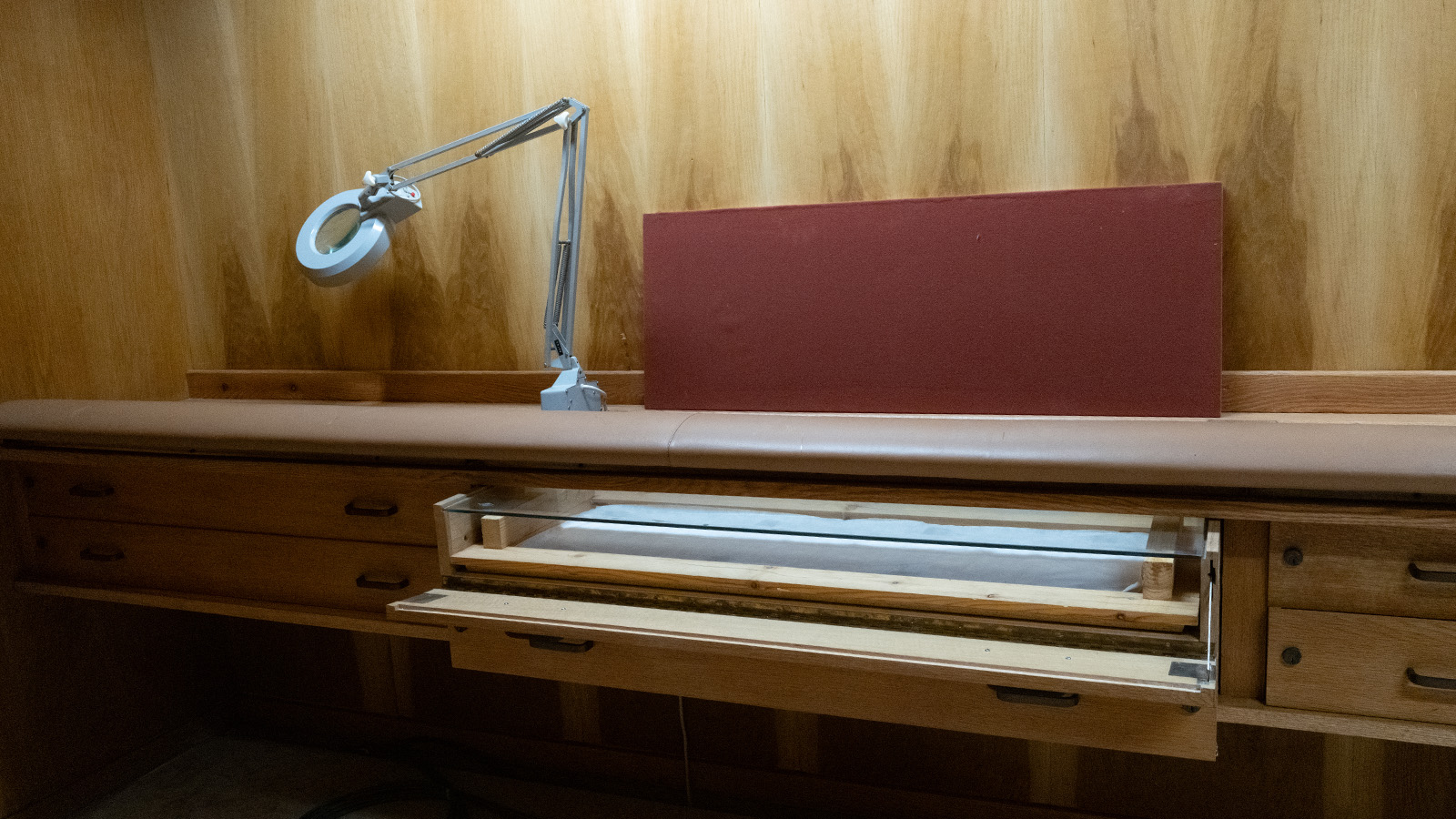
Starting July 18, visitors will be able to explore a space that has until now been inaccessible to the public. Adjacent to the Greece, Rome, and Mesopotamia gallery, the numismatics cabinet – which for many years served as the base for research on the coin collection – will now be open to visitors.
A Passion
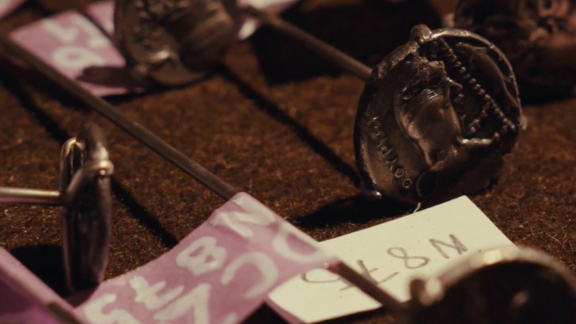
Although Gulbenkian can be considered an enthusiastic collector of Greek coins, he began his numismatic collection cautiously.
In correspondence with his advisor, Dr. E. S. G. Robinson, curator of the Department of Numismatics at the British Museum, he wrote:
“When I started my collection, my aim was to limit myself to Ionian coins, but gradually I got involved.”
Surrounding himself with the finest experts and dealers in the field, he used the rare beauty and perfect state of preservation of the objects as criteria for his very particular and demanding taste.
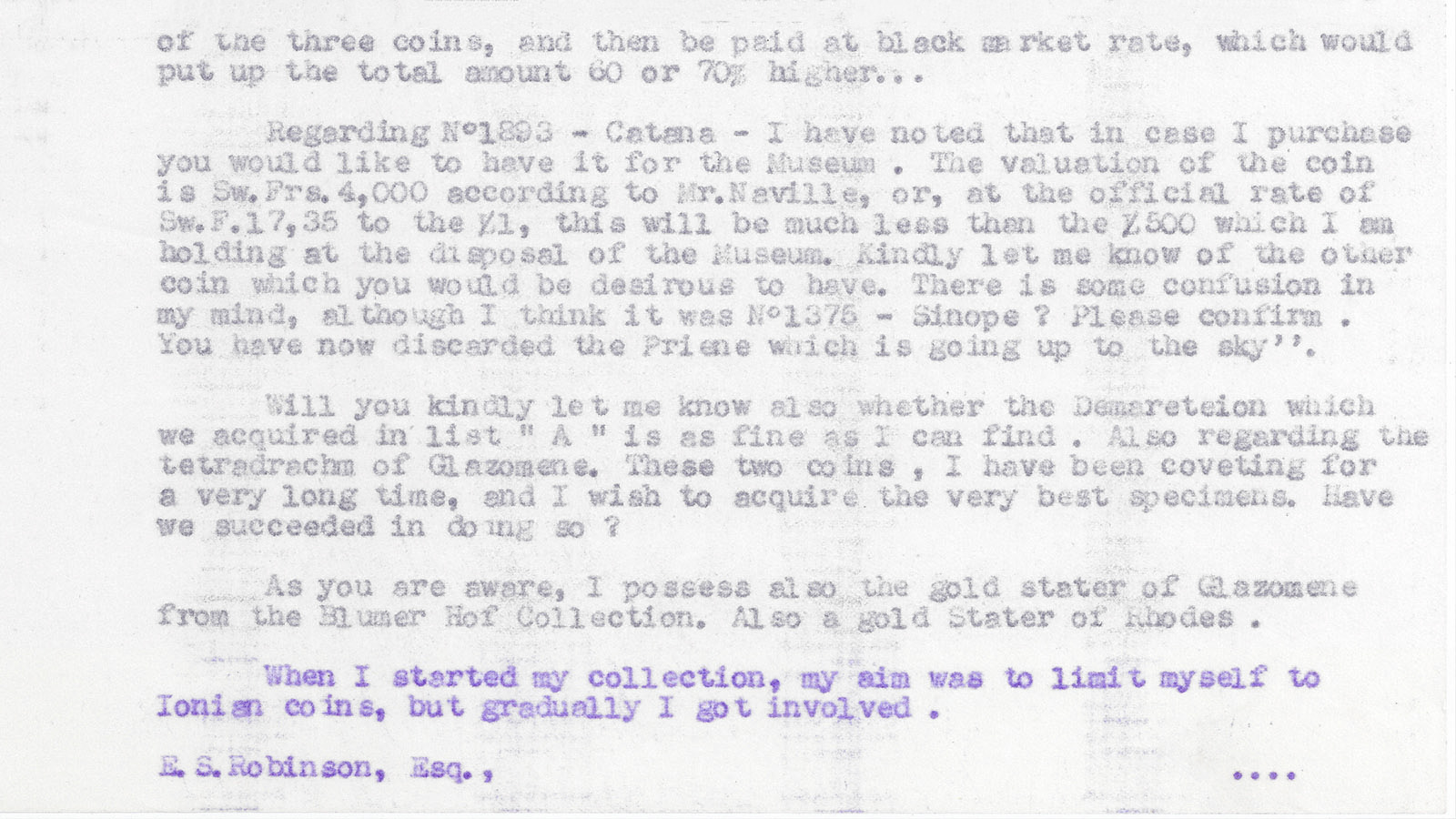
In this close relationship, the Collector entrusted Dr. Robinson with some of his most important transactions. Among them was the purchase of the bulk of the Jameson Collection, which belonged to the French banker who, in the 1930s, assembled one of the world’s finest collections of Ancient Greek coins.
A “tip top” Catalog
Gulbenkian set out to publish a catalog dedicated to this part of his collection.
In a postscript in a letter dated December 20, 1946, addressed to Dr. Robinson regarding his collection of Greek coins and the production of the catalog, he wrote:
“With all these new purchases, my own coins, do you think I possess first rank greek coins from the Art and preservation point of view I presume you have in the Museum a far finer collection. I don’t mean the number and extent but Beauty and Art. I am ambitious to have my catalog tip top.”
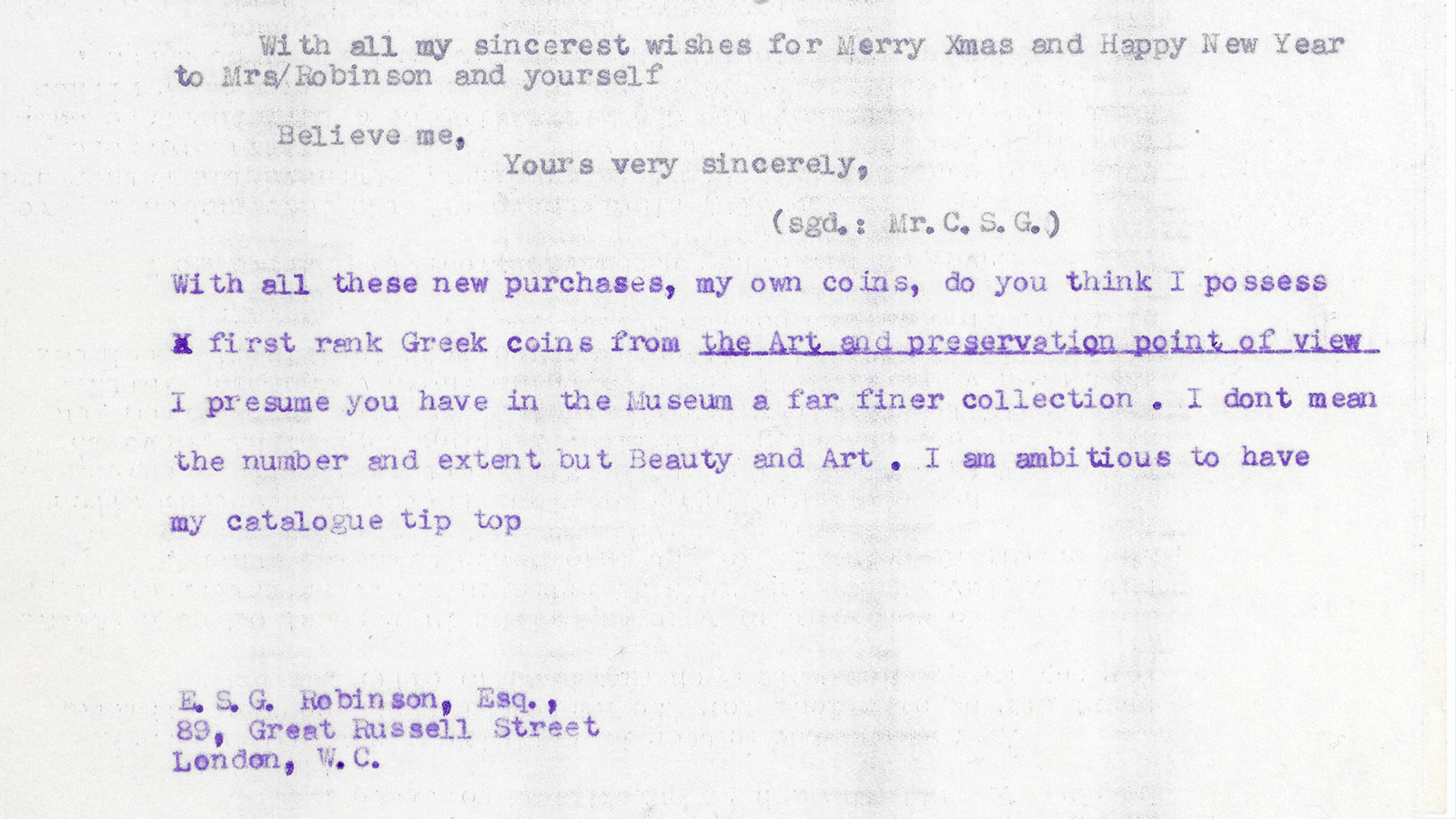
It is not known exactly when the idea of producing the catalog first arose, but it became – especially after the acquisition of the Jameson collection in 1947 – one of Gulbenkian’s primary goals. On February 2 of that same year, he stated:
“I wish to have a truly monumental catalog, not the usual dry descriptive book. […] I am, of course, counting on your distinguished collaboration for the chapter on Greek numismatic art. For the remaining studies, I will have to find the best and most qualified experts.”
The desire to publish a catalog was only realized after his death, with the project being taken on by the administrators of the Gulbenkian Foundation. In the book ‘Calouste Gulbenkian: Collector’, José de Azeredo Perdigão recounts that the Foundation followed the guidelines established by the Collector, with Dr. Robinson taking charge of the publication.
The Research
The project to publish the catalog created the need for a space dedicated to the study of this collection within the Museum’s facilities. Dr. Robinson collaborated with the researcher and numismatist Mário de Castro Hipólito, who worked in the cabinet from the 1970s through the early 2000s.
In accordance with Calouste Gulbenkian’s wishes, the first volume of the ‘Catalogue of the Calouste Gulbenkian Collection of Greek Coins’, published in 1971, sought to serve – in the words of Mário de Castro Hipólito – all numismatists, researchers, and other scholars interested in the Collection.
This first part of the publication was dedicated to Southern Italy, Sicily, and Carthage, with the aim of making accessible all documentation relating to the Greek coins in the Collection, which until then had been either unpublished or scattered.
The second volume, ‘Catalogue of the Calouste Gulbenkian Collection of Greek Coins. Greece to the East’, published in 1989, completed the previous work, providing, across the two volumes, a comprehensive overview of the collection.
The New Cabinet
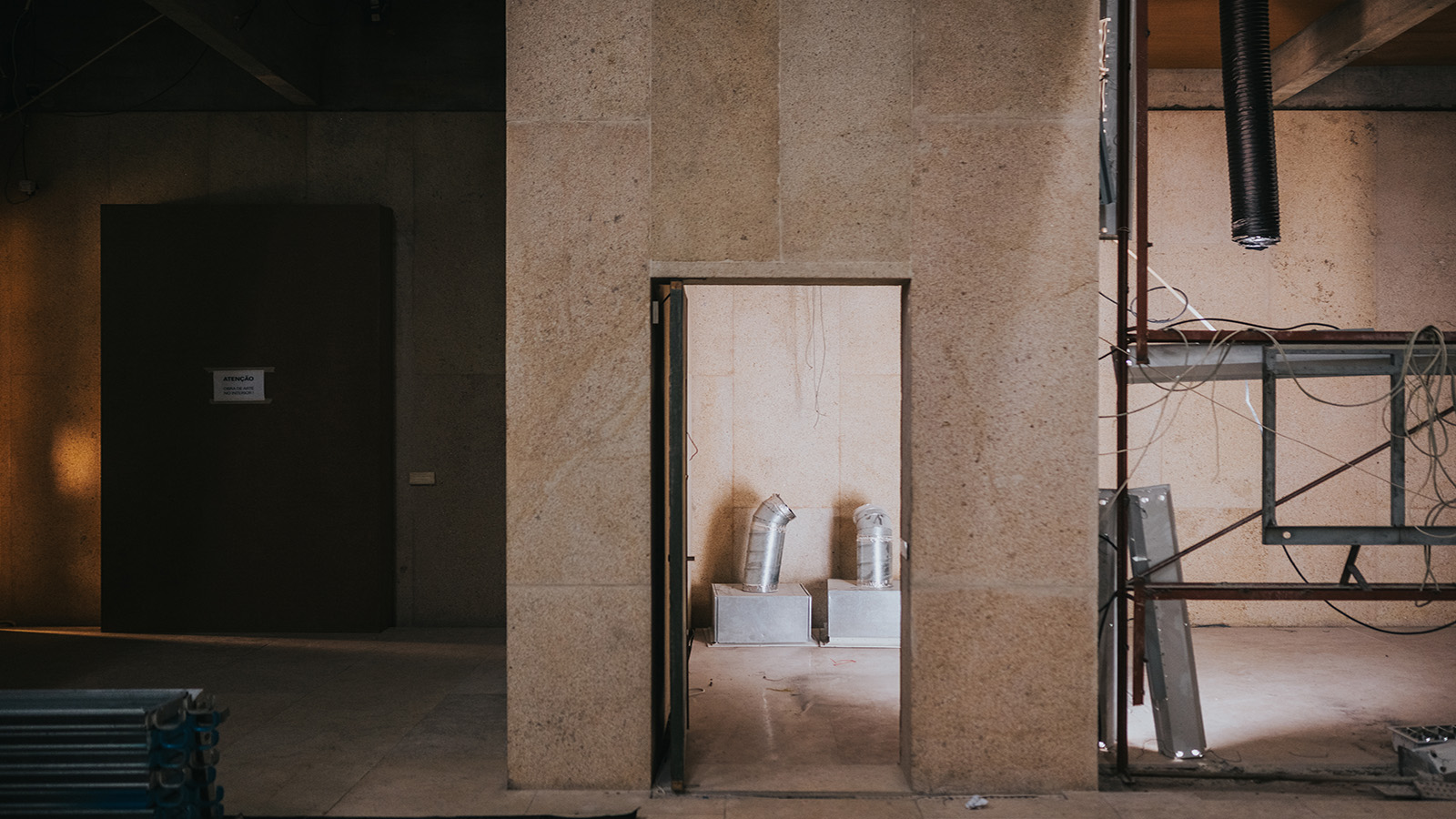
With the museum’s reopening, a new chapter begins in the history of this space, which is now open to visitors. The public will thus be able to visit a room that once served as a research place for one of the world’s most important private numismatic collections.
No results were found for your criteria.