
The preservation of Helena Almeida’s Archive
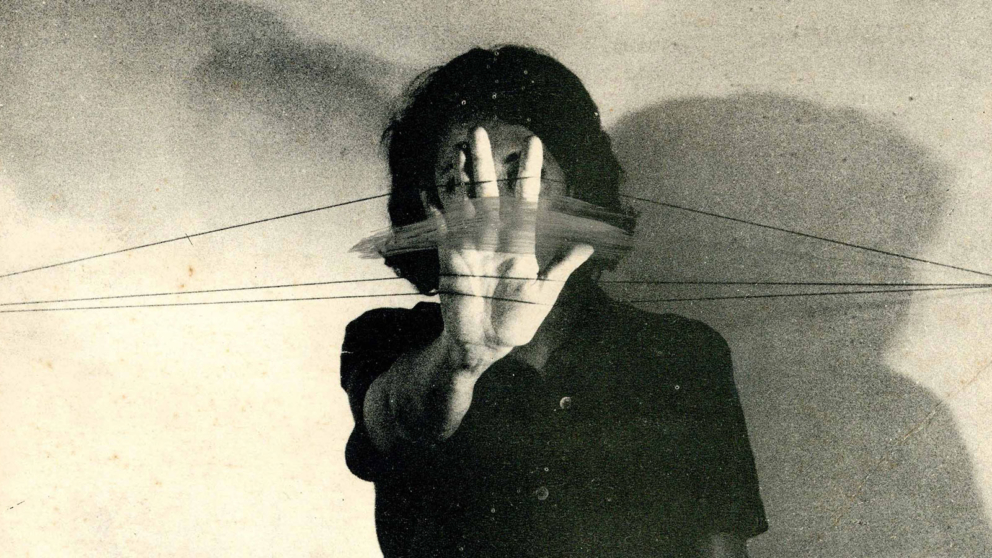
Helena Almeida (1934–2018) was one of the most important artists in Portuguese contemporary art. Renowned for her exploration of the body, space and gesture in painting, photography and drawing, she consistently challenged the traditional limits of artistic representation.
Donated to the Art Library in 2022, the Helena Almeida archive is an indispensable resource for understanding the life and work of this internationally renowned artist, whose creations had a profound impact on contemporary Portuguese art.
This addition has enriched the Art Library holdings that already included the archives of Fernando and Cândida Calhau, Fernando Lemos, René Bértholo and Alberto Carneiro, among other Portuguese visual artists. In this sense, it has also reinforced the Art Library’s mission as a source of specialised, original and authentic information related to contemporary artistic creation and production, especially in the areas of visual arts, architecture, photography and design in Portugal, from the 20th century to the present day.
The collection is organised into two main sections – photographic and textual – and also includes the artist’s library.
The photographic component consists of around eleven thousand items. This group includes the original negatives of her works and contact prints of the works she produced between 1968 and 2018. It also includes negatives of works she herself identified as “unrealised, bad, unexecuted”.
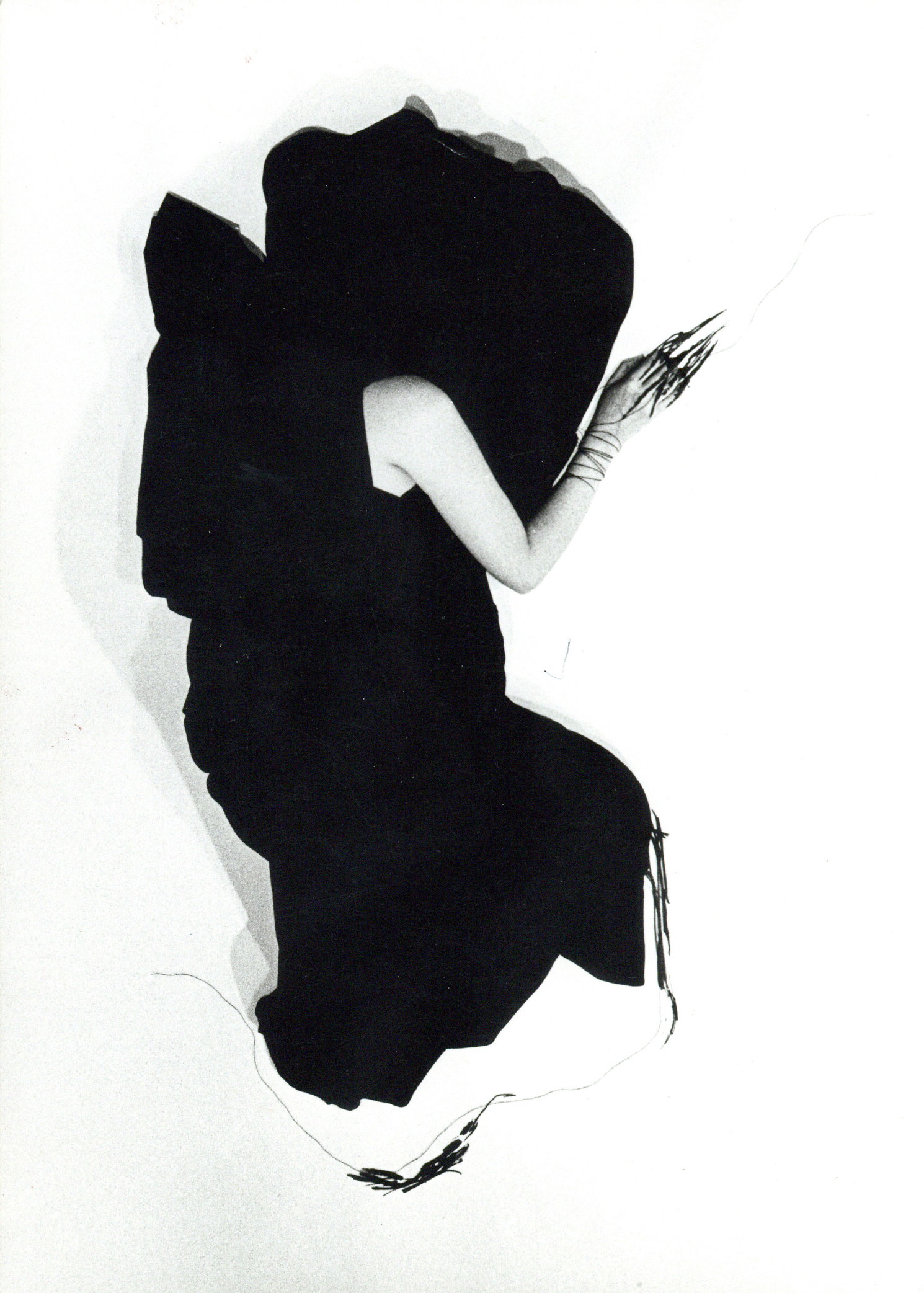
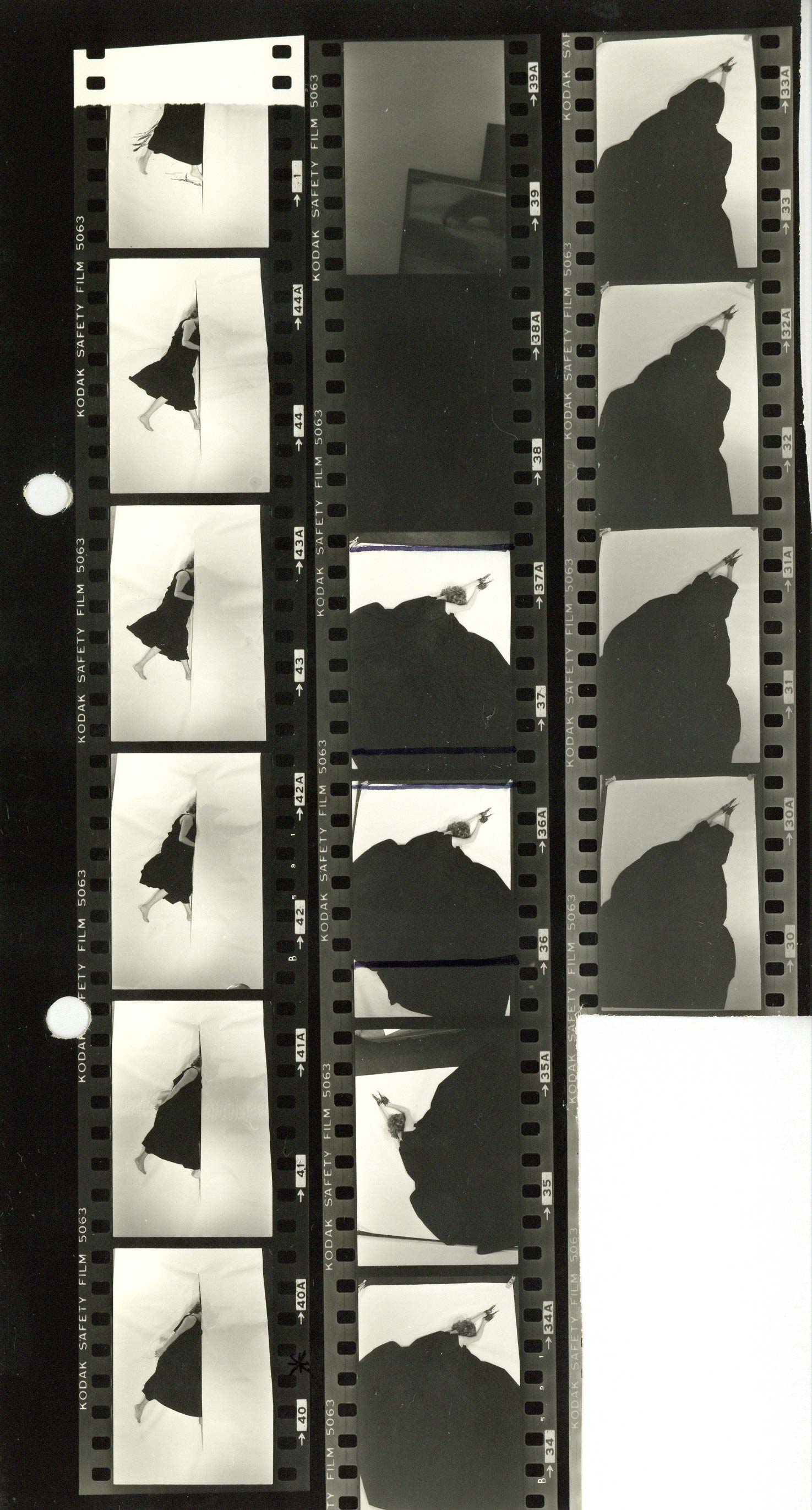
This collection is of fundamental importance for understanding Helena Almeida’s artistic creation process and working dynamics. Until the mid-1980s, the artist assigned reference numbers to the works she produced, which has made it possible to reconstruct her creative flow since the beginning of her career. The contact sheets feature handwritten notes with a selection of images and instructions on cuts, margins, contrasts, dimensions and montages, almost always addressed to the photography studio technician.
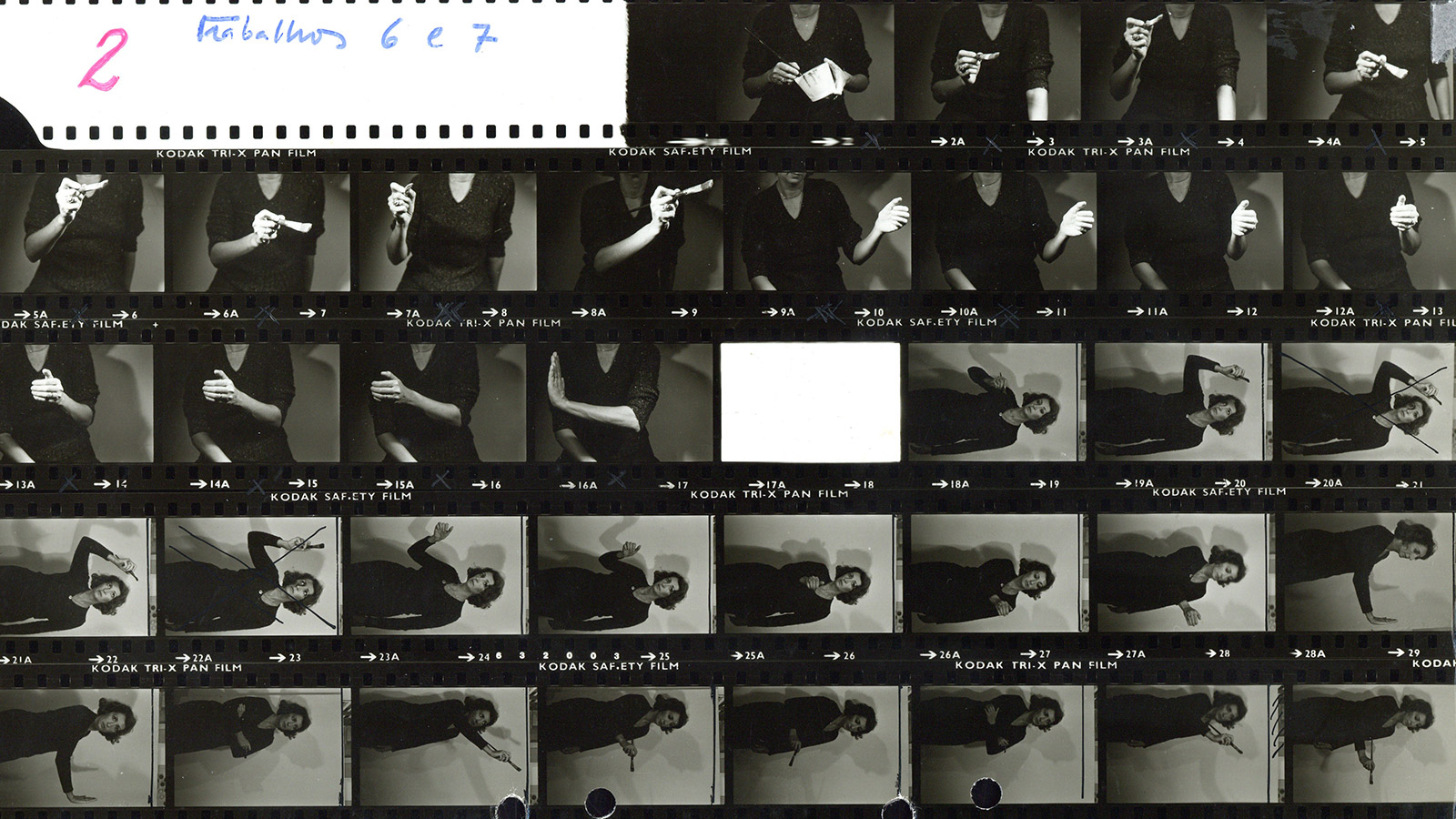
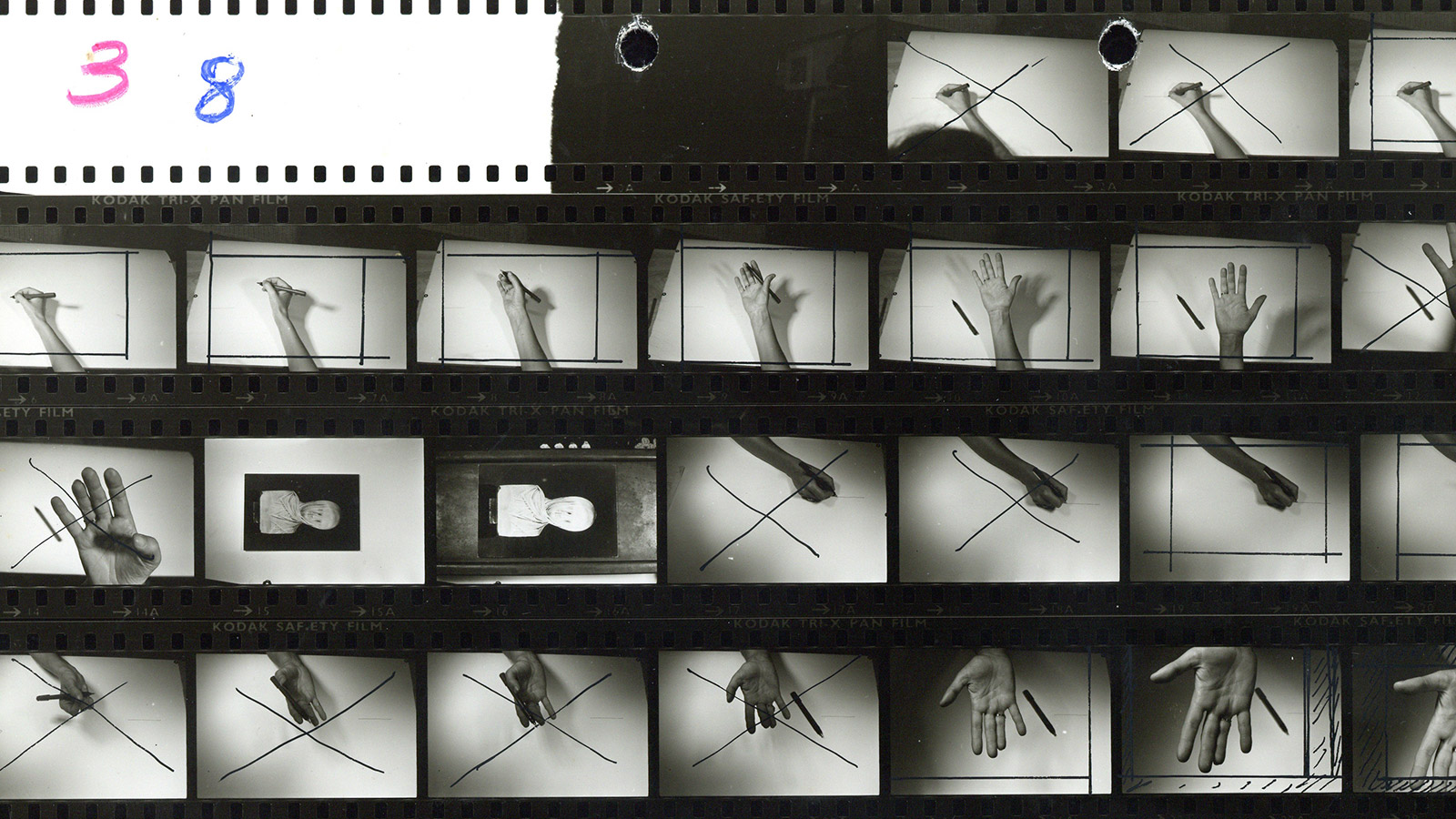
In addition to the original negatives of the works, this collection includes negatives, contact sheets and medium-format photographic prints reproducing works of art, which were used for communication with galleries and museums or to illustrate catalogues and publications, as well as mock-ups and prototypes of several catalogues.
The textual component, still being processed, includes a vast collection of press clippings, documentation relating to exhibitions – such as floor plans of exhibition spaces and lists of works with handwritten notes – various versions of texts for catalogues, often typed and corrected, as well as personal and institutional correspondence with galleries, museums and other national and international entities.
Along with the estate, the Art Library also received part of the artist’s library, which includes more than 480 monographs and periodicals and has now been catalogued and made available for research.
The preservation project
The project for the preservation and treatment of the collection, which began in 2024, aimed to ensure the conservation, organisation and description of the documentation, respecting its context of production and ensuring its availability for consultation by readers.
The work consisted, in the first phase of conducting exhaustive bibliographic research on the artist’s life and work, followed by a study of the organisation of the collection, allowing for an understanding and definition of its original documental structure.
At the same time, all the documents were examined, in some cases using a digital microscope to detect possible deterioration and physical-chemical anomalies.
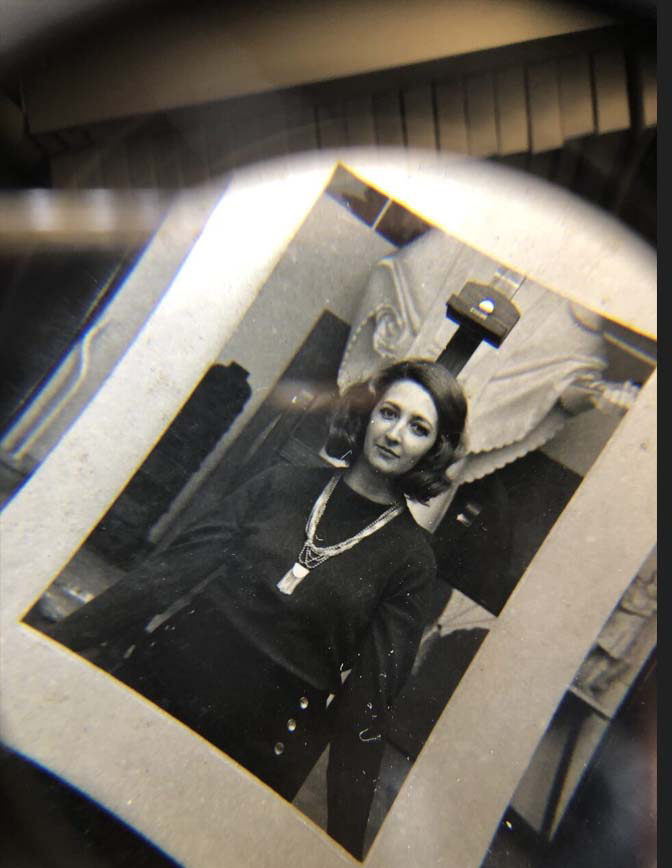
After observation, all the items were cleaned according to the pathologies they presented: most were cleaned mechanically with a blower and brush, but in cases of evidence of biological activity and removal of certain adhesives, chemical cleaning was performed using 96% ethyl alcohol.
Crystallised, yellowed and non-functional adhesives were replaced with conservation adhesives.
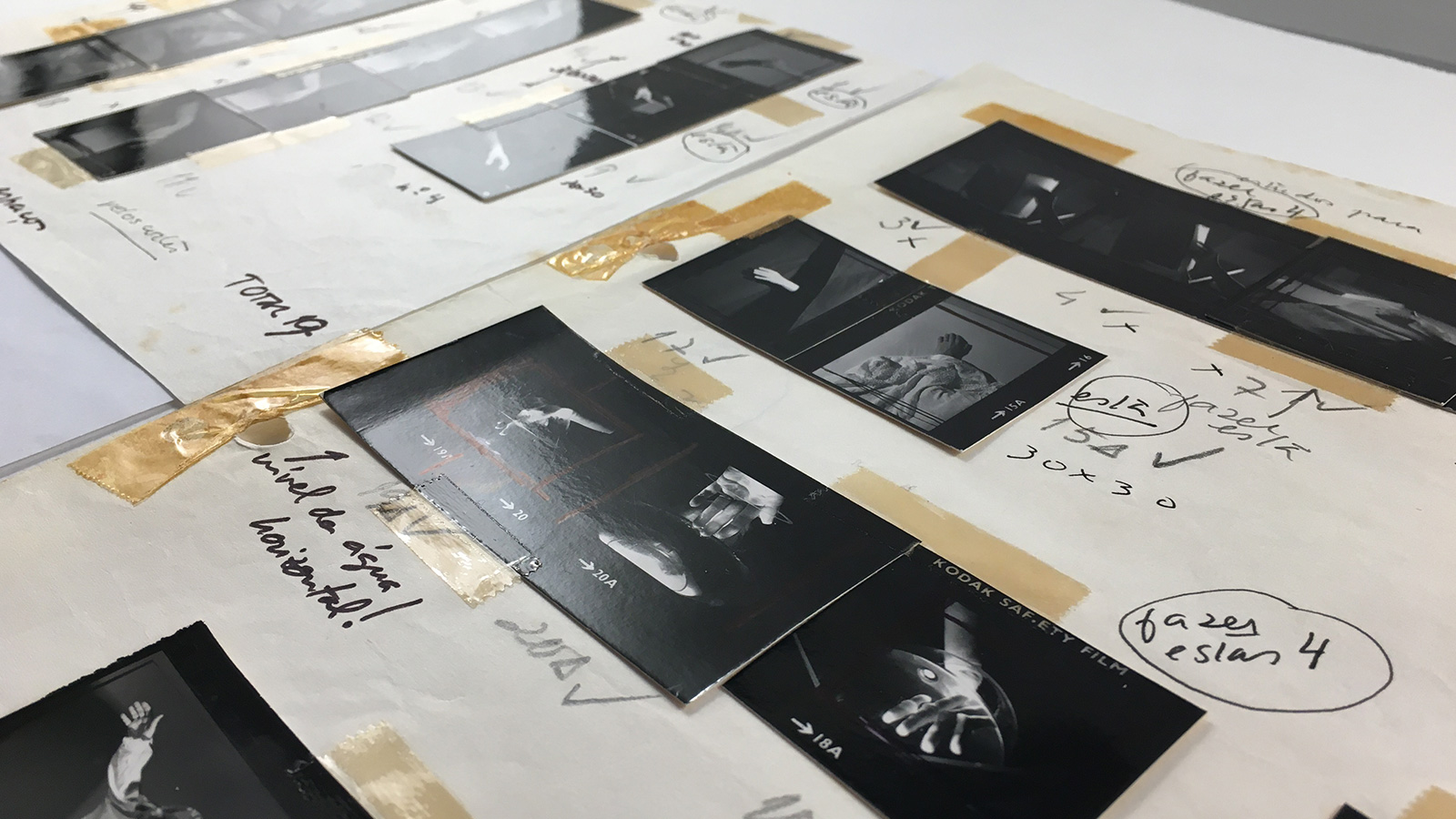
After cleaning, all documents were numbered and placed in conservation packaging, always respecting the order established by the artist, including maintaining the physical relationship between the negatives and contact prints, to ensure a complete understanding of her working methodology.
At the same time, the documentation was pre-processed, which consisted of describing all the items from their respective storage units and indexing their contents, whenever they referred to works of art.
After the conservation and description work was completed, the collection was stored in a climate-controlled warehouse, ensuring suitable conditions for its long-term preservation.
Behind the scenes
Explore the series
No results were found for your criteria.
You may also like

No results were found for your criteria.