
Gulbenkian Gold Boxes
A collection of small gold objects is set to be reintroduced into the permanent exhibition at the Calouste Gulbenkian Museum.
We reveal how a major research project sheds new light on these pieces, particularly offering insights into their history, function, and chronology.
The Project
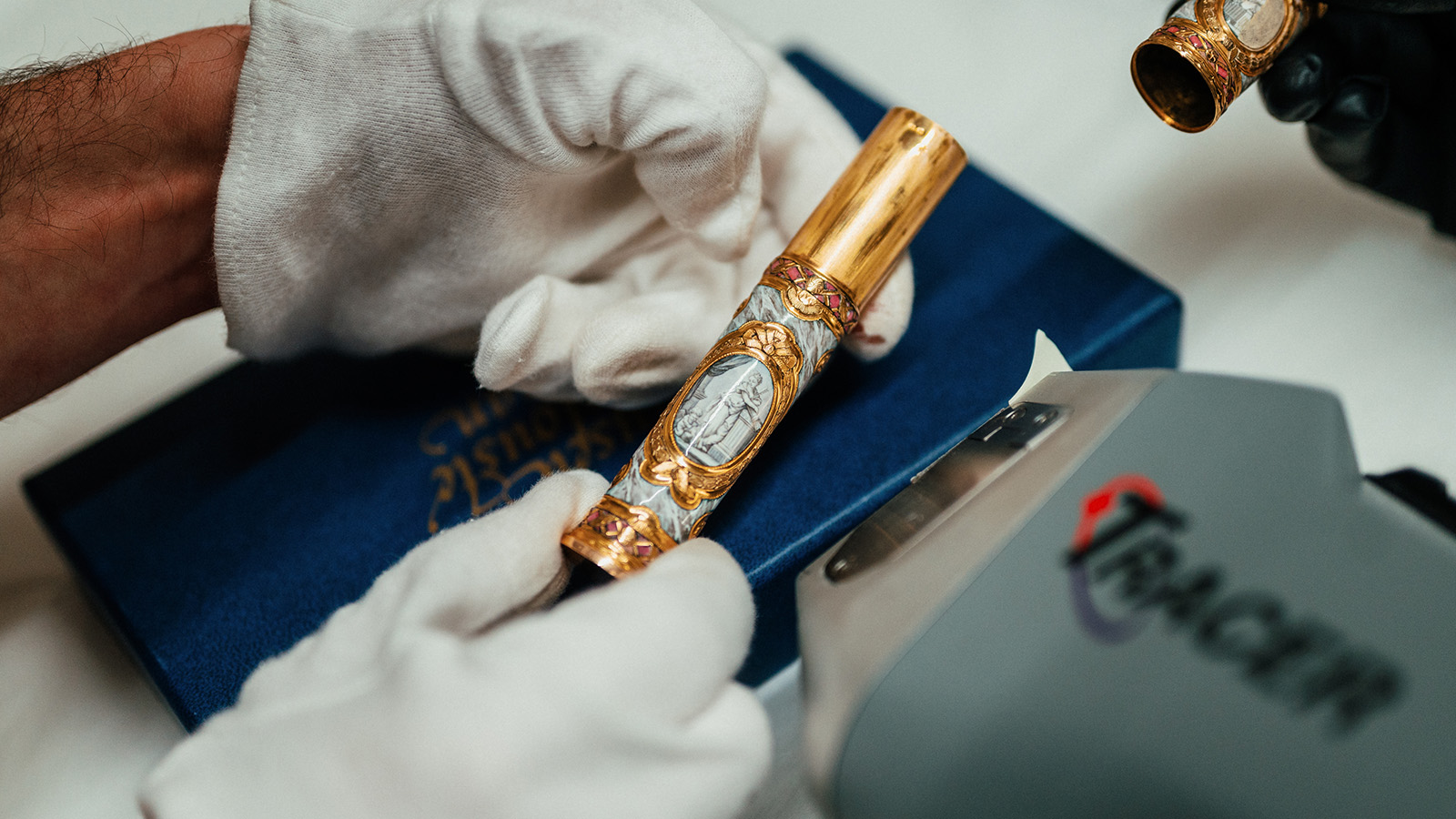
One of the main research initiatives led by our team during the museum’s renovation period focuses on the phased study of a collection comprising approximately 50 objects that could be classified under what art history generally refers to as ‘gold boxes’.
Led by the curator André Afonso, this project seeks to analyze issues related to the identification of production centers, goldsmiths, and other artists involved in the creation of these objects, their dating and constituent materials, production and decoration techniques, iconography, among many other aspects.
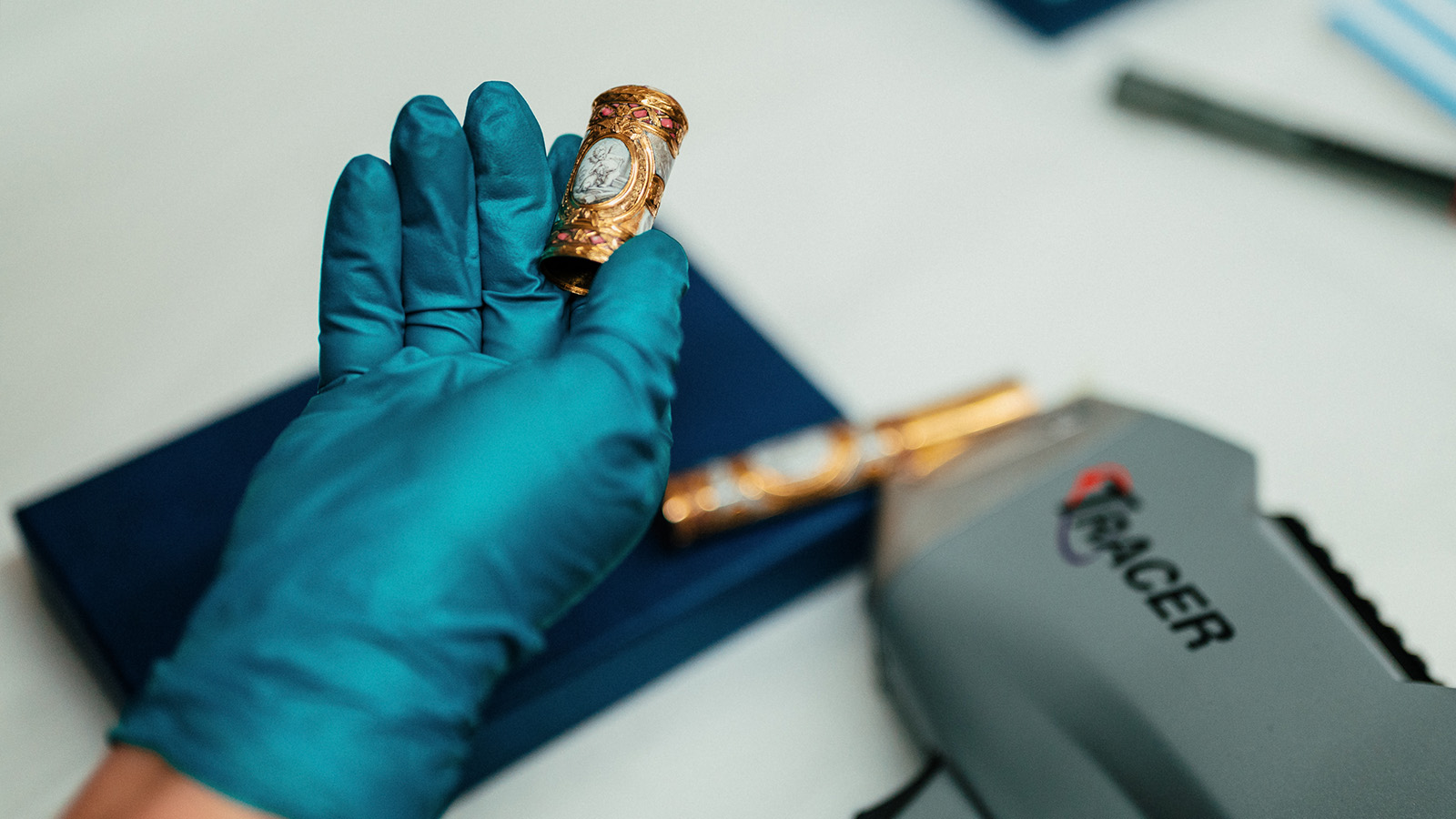
These pieces belong to a category of small luxury pieces crafted from precious materials that defined the tastes of the European elite in the 18th century. Beyond their functional purpose, these objects reflected the taste and status of their owners, serving as important fashion accessories and popular choices for diplomatic and sentimental gifts.
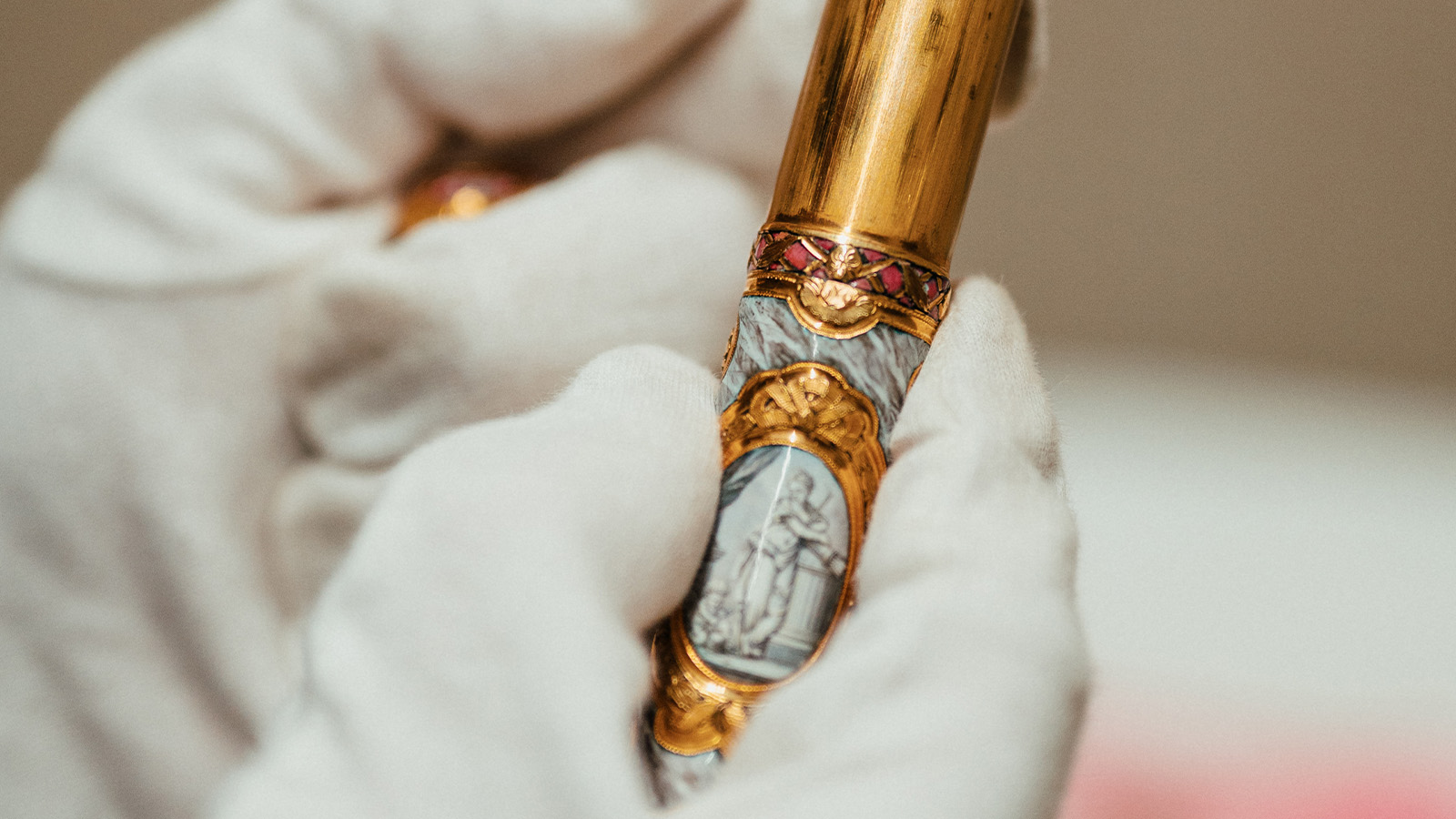
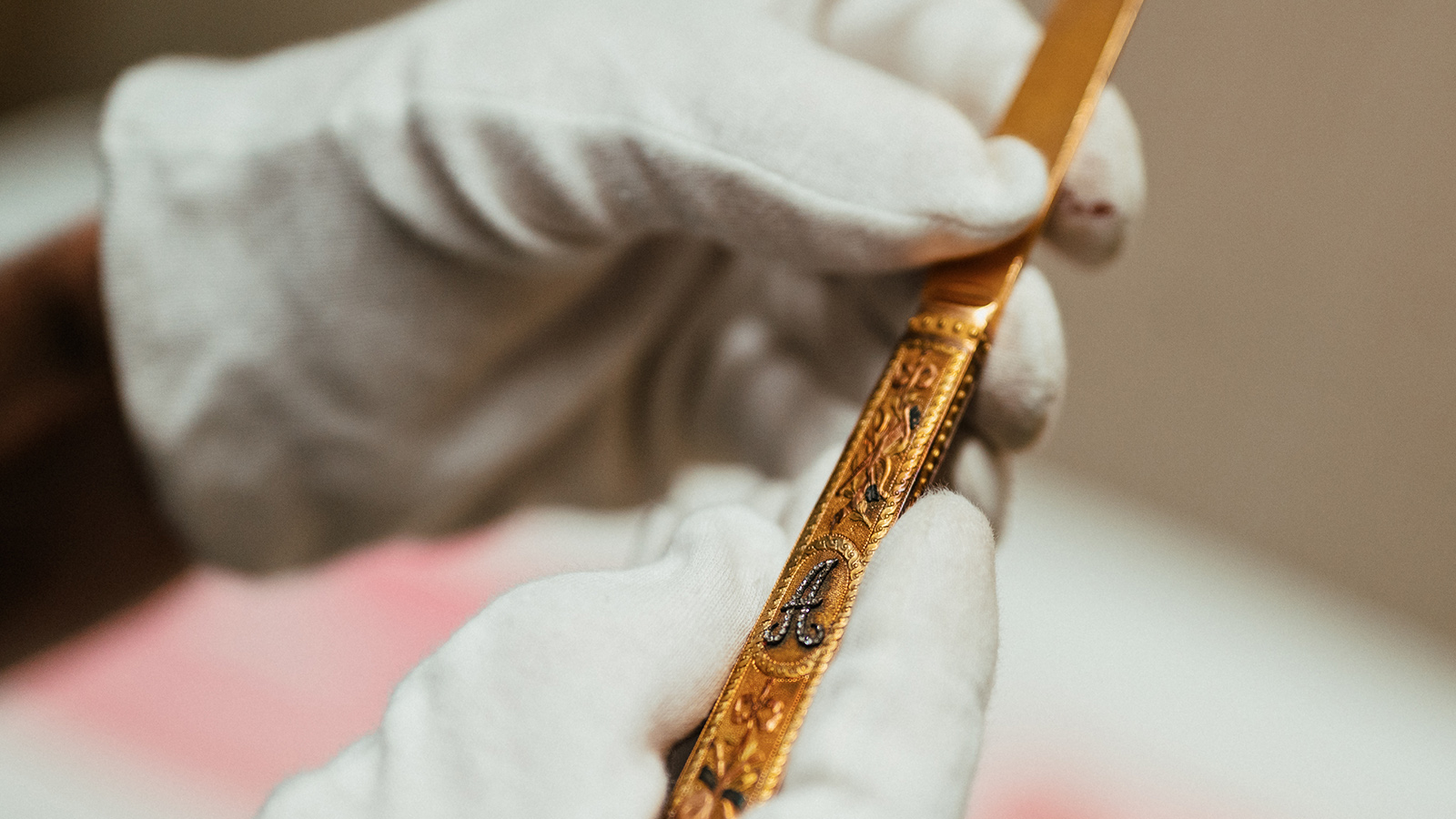
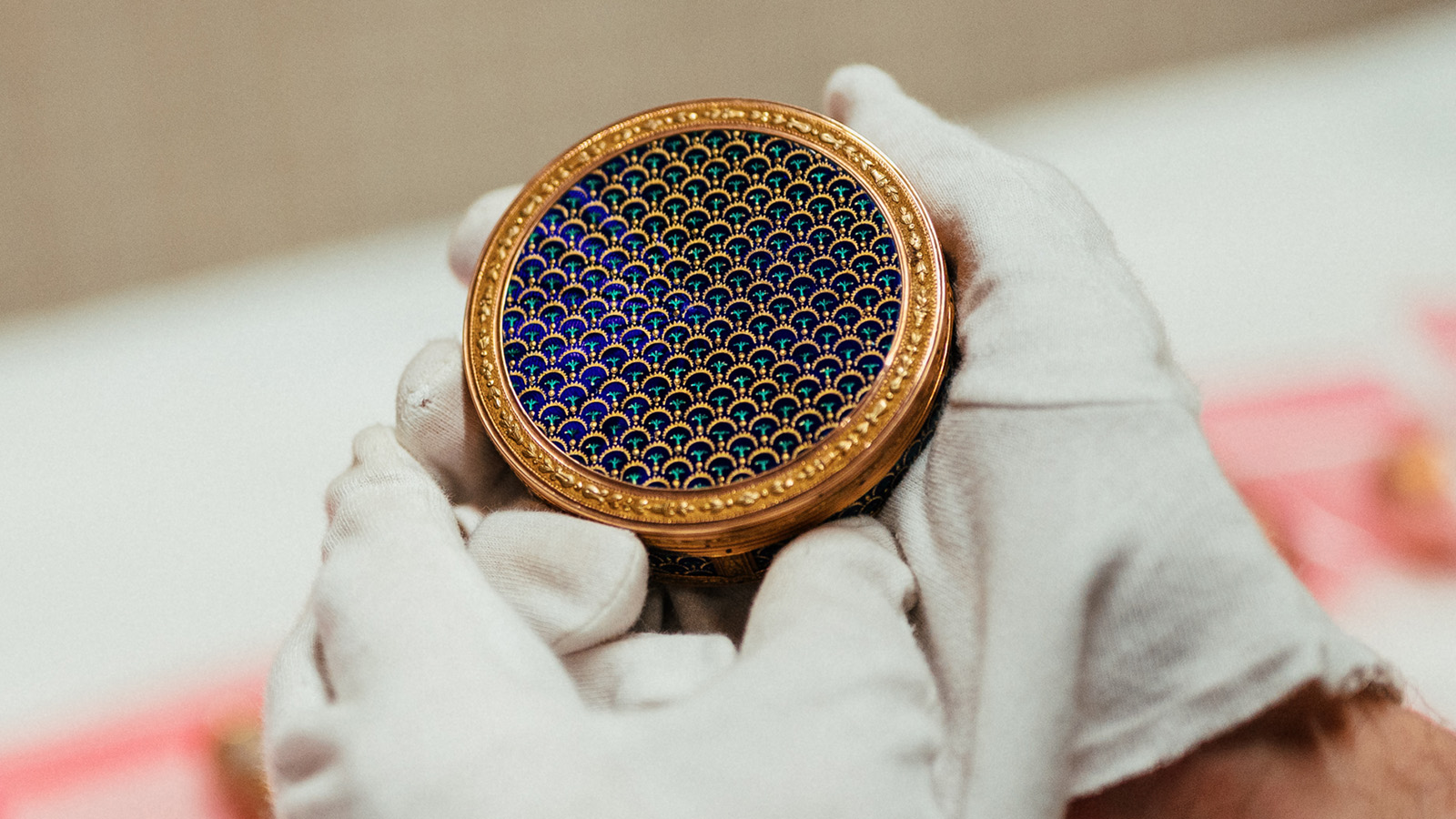
Among other areas, this project has led to individual and institutional collaborations that are essential for building new knowledge about this collection. Behind the scenes of the renovation, we are following the analytical study of these pieces, for which we hosted a research team from the HERCULES Laboratory (University of Évora) to guide an examination of the objects’ material composition.
The analytical study
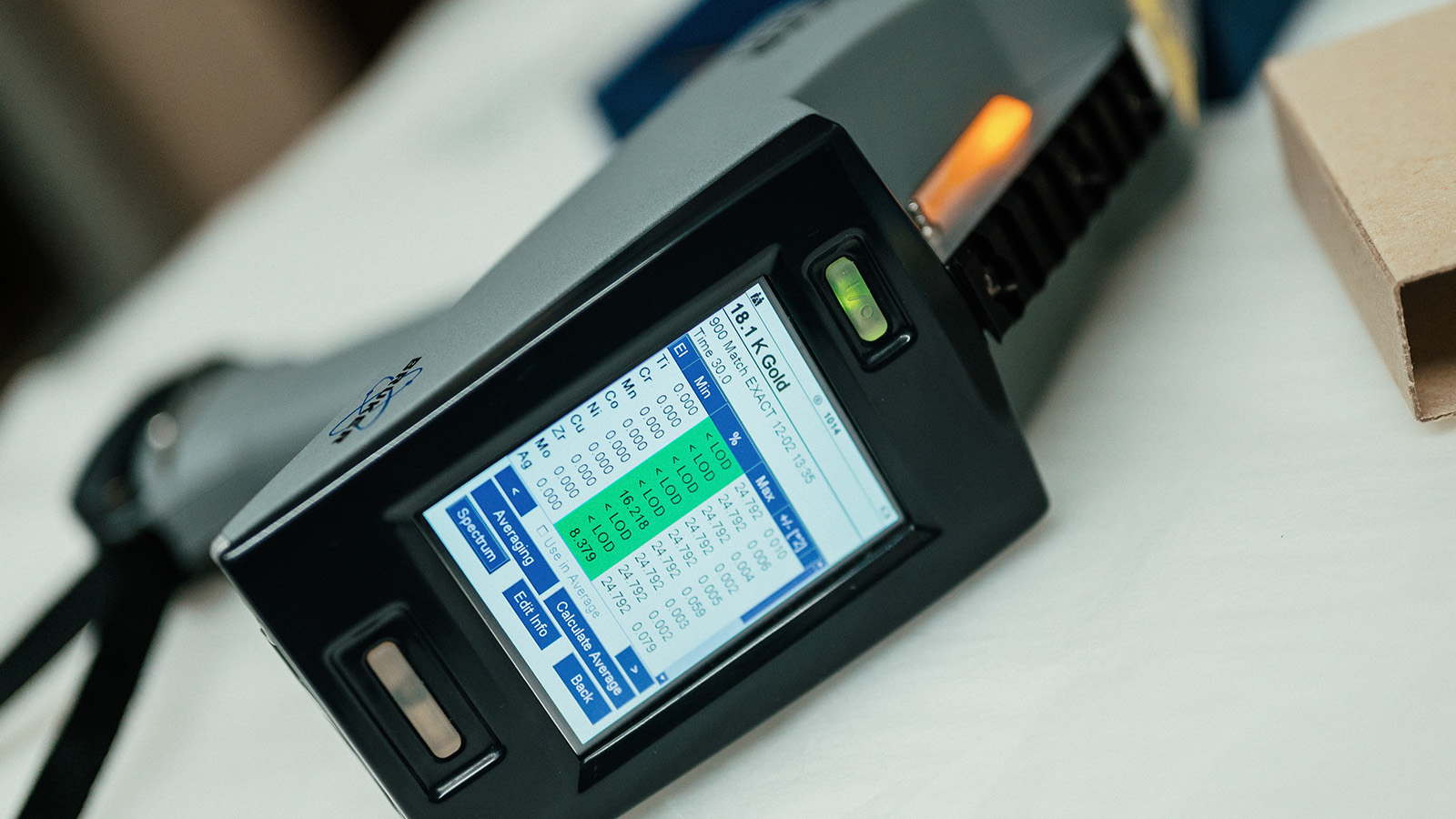
An analysis of the material composition of gold boxes is essential for studying and gaining a better understanding of these pieces. This is because, in the 18th century, these objects were characterized by their extreme complexity in terms of production. Not only were they crafted by different artists, but we also know that their manufacture adhered to a series of codes that varied according to geography and the different production centers.
Among the production standards were laws regarding the percentage of gold that had to be present in metal alloys, as well as the definition of various tiny hallmarks corresponding to goldsmiths’ marks, guild marks, city marks, fiscal marks, and export or import marks.
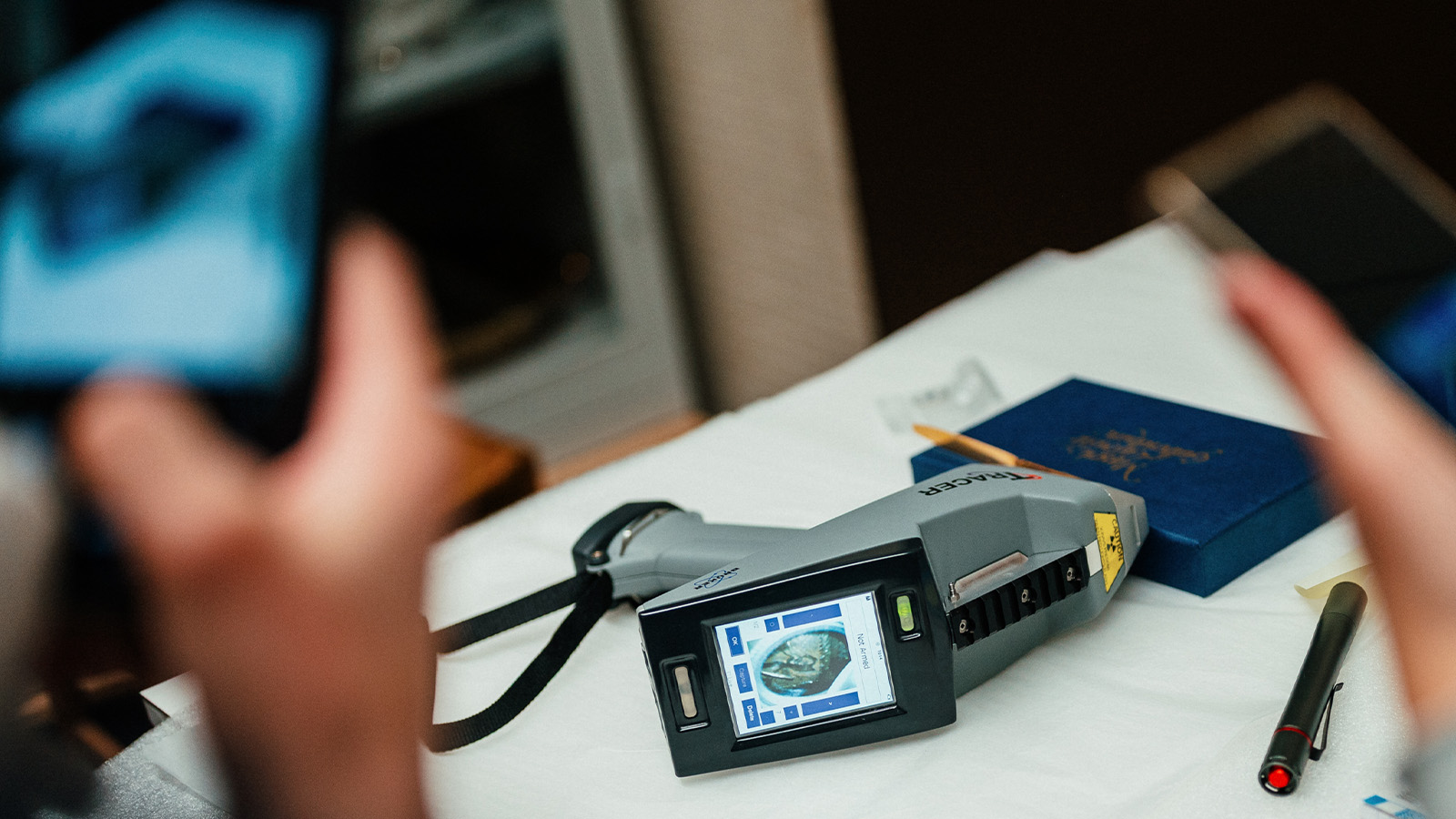
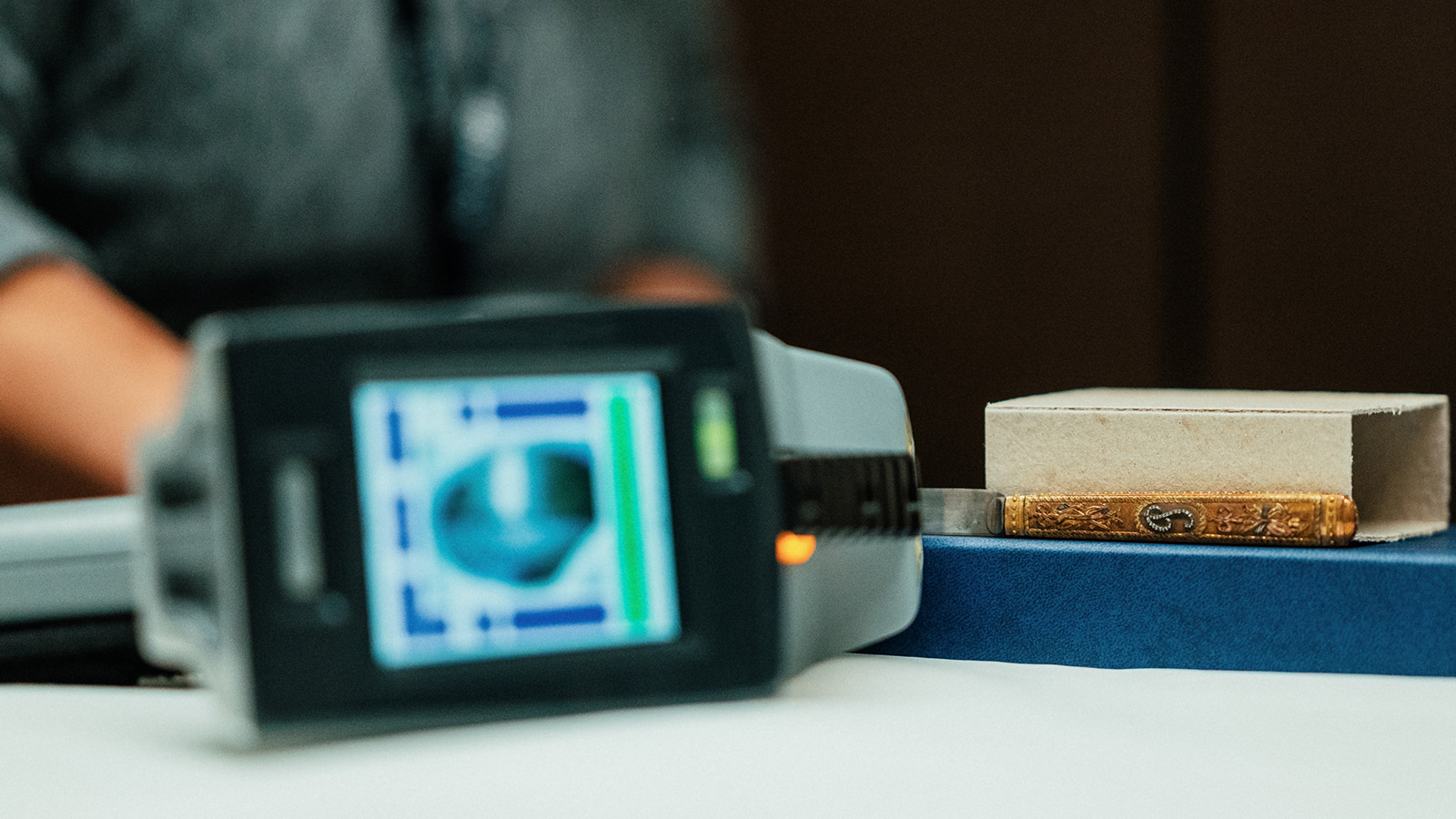
All of these factors led our team to devote the utmost care and attention to detail. For a thorough examination, we therefore employed non-invasive and non-destructive energy-dispersive X-ray fluorescence spectrometry techniques.
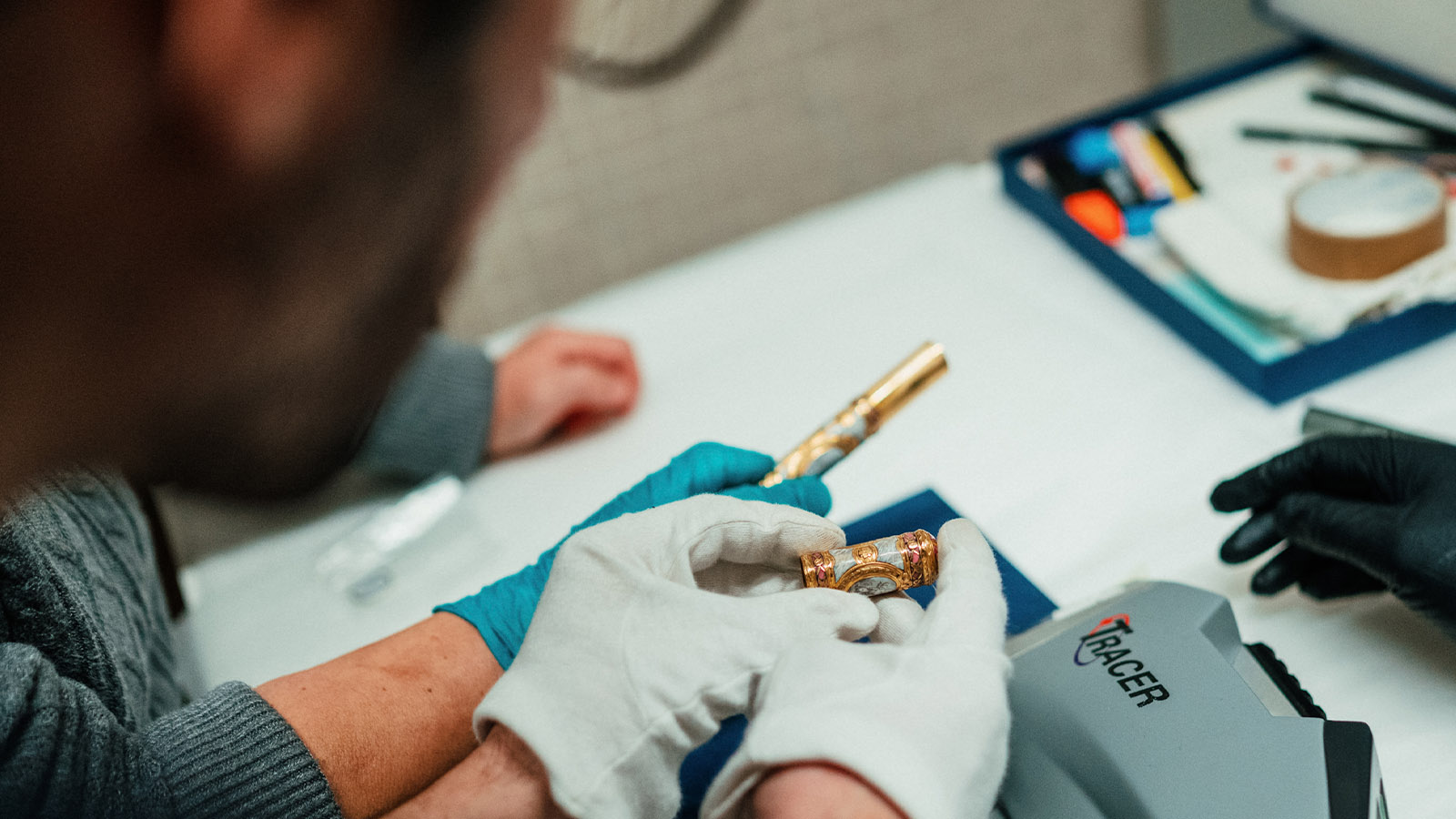
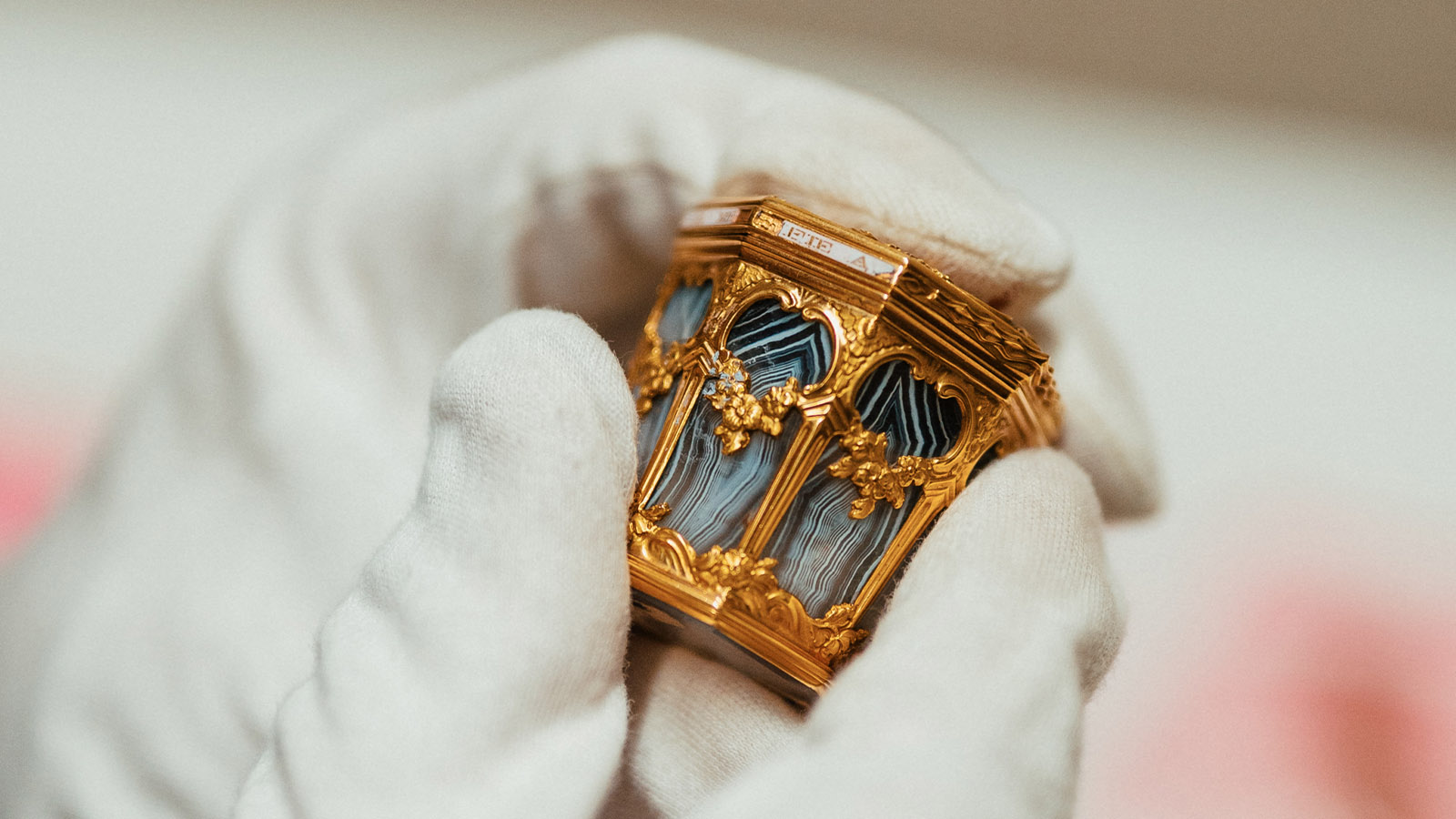
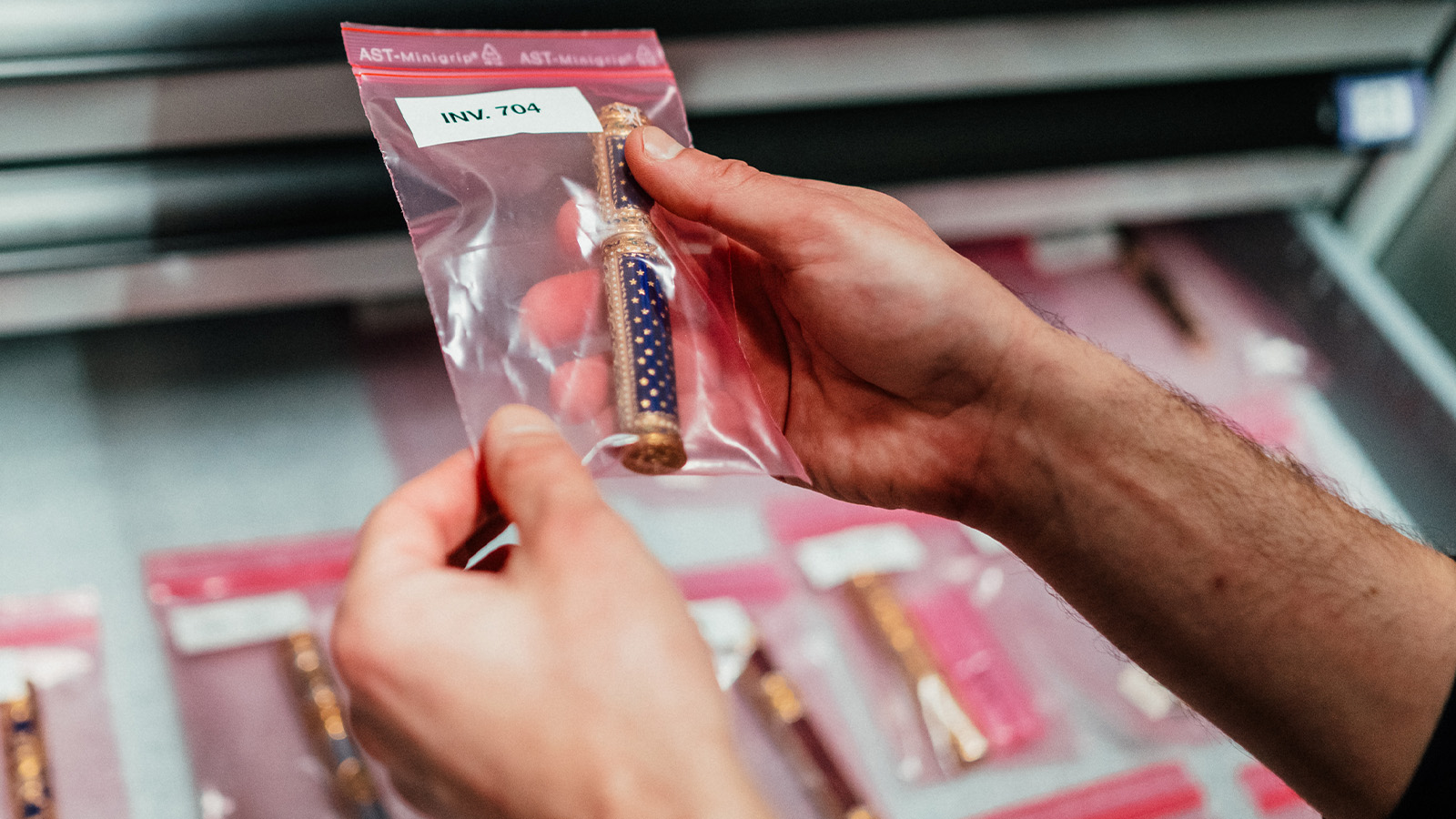
In the images, we can see the team of researchers from the HERCULES Laboratory using the Tracer 5g (EDXRF technique) and ELIO (MA-XRF technique) instruments, which enable them to perform elemental chemical analysis and, consequently, identify the composition of the various metal alloys present in the objects under study, specifically the percentage of gold, silver, and copper. This information will make it possible to identify the origin and date of these pieces more accurately.
Return to the Permanent Exhibition
In storage since 2022, this section of our Collection reflects Gulbenkian’s careful and selective interest in the luxury of the 18th-century elite, a focus that is also reflected in the examples of French furniture, textiles, silver, and bronzes from the Age of Enlightenment that captivated our Collector.
From snuff boxes, designed to preserve ground tobacco for inhalation, to bonbonnières, used to store small sweets or candies, and cases for sealing wax and needles, this collection of gold boxes proves to be quite entertaining and diverse.
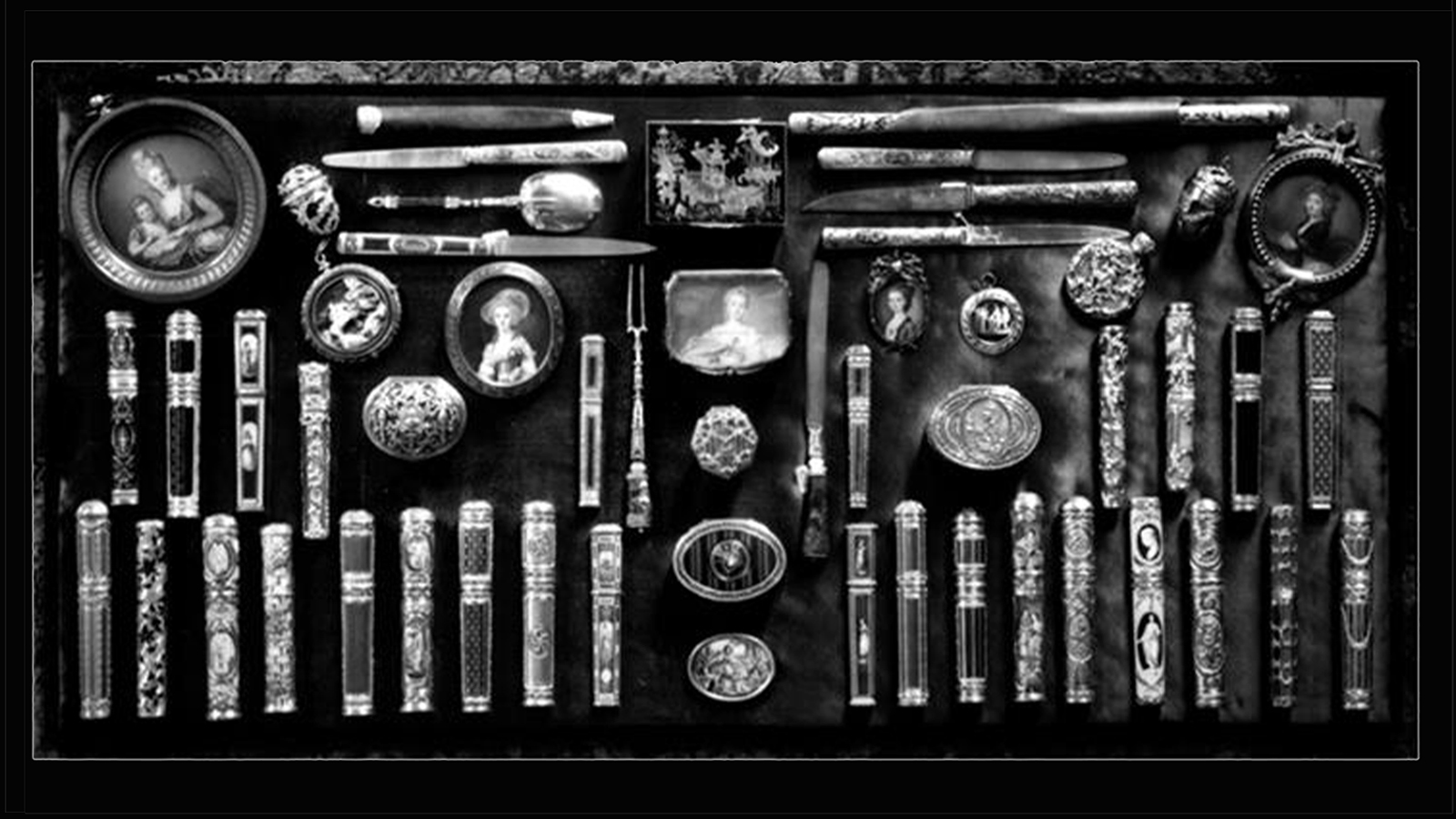
Originally displayed primarily in a display case at Calouste Gulbenkian’s home on Avenue d’Iéna in Paris, this collection will be on view as part of the permanent exhibition at the Gulbenkian Museum.