

Gulbenkian Collection.
Great Works
A journey spanning over five thousand years of history.
While the Gulbenkian Museum is being renovated, you can still explore the remarkable collection of Calouste Sarkis Gulbenkian. Considered one of the most important private art collections in the world, it was assembled during Gulbenkian’s lifetime with guidance from leading experts in art and history.
Opening hours
10:00 – 18:00 / Saturday, 10:00 – 21:00
Closed on Tuesday
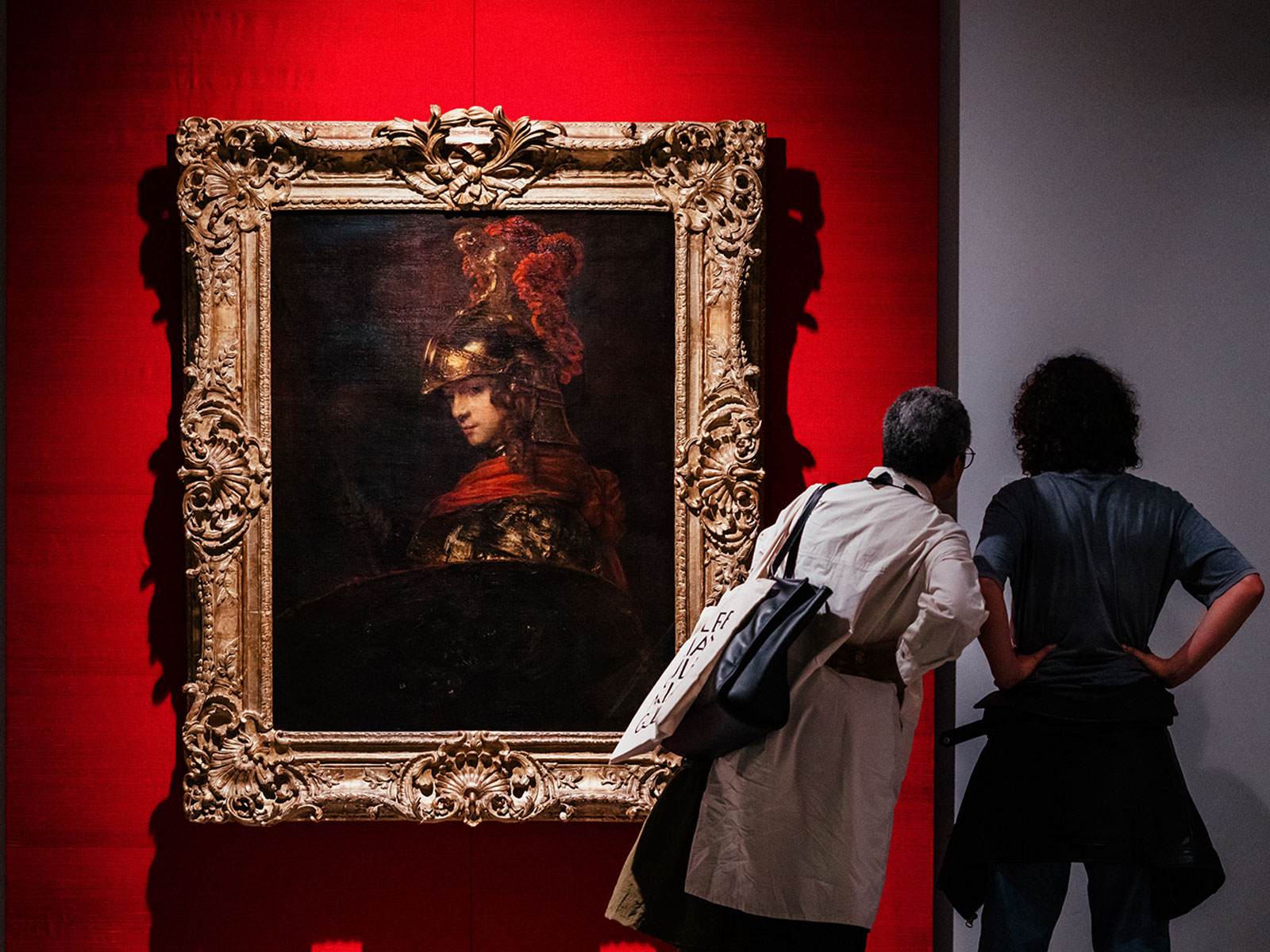
Great Masters of European Painting
Admire works by renowned painters from the 15th to 19th centuries, including Rembrandt, Renoir, Monet, and Manet.
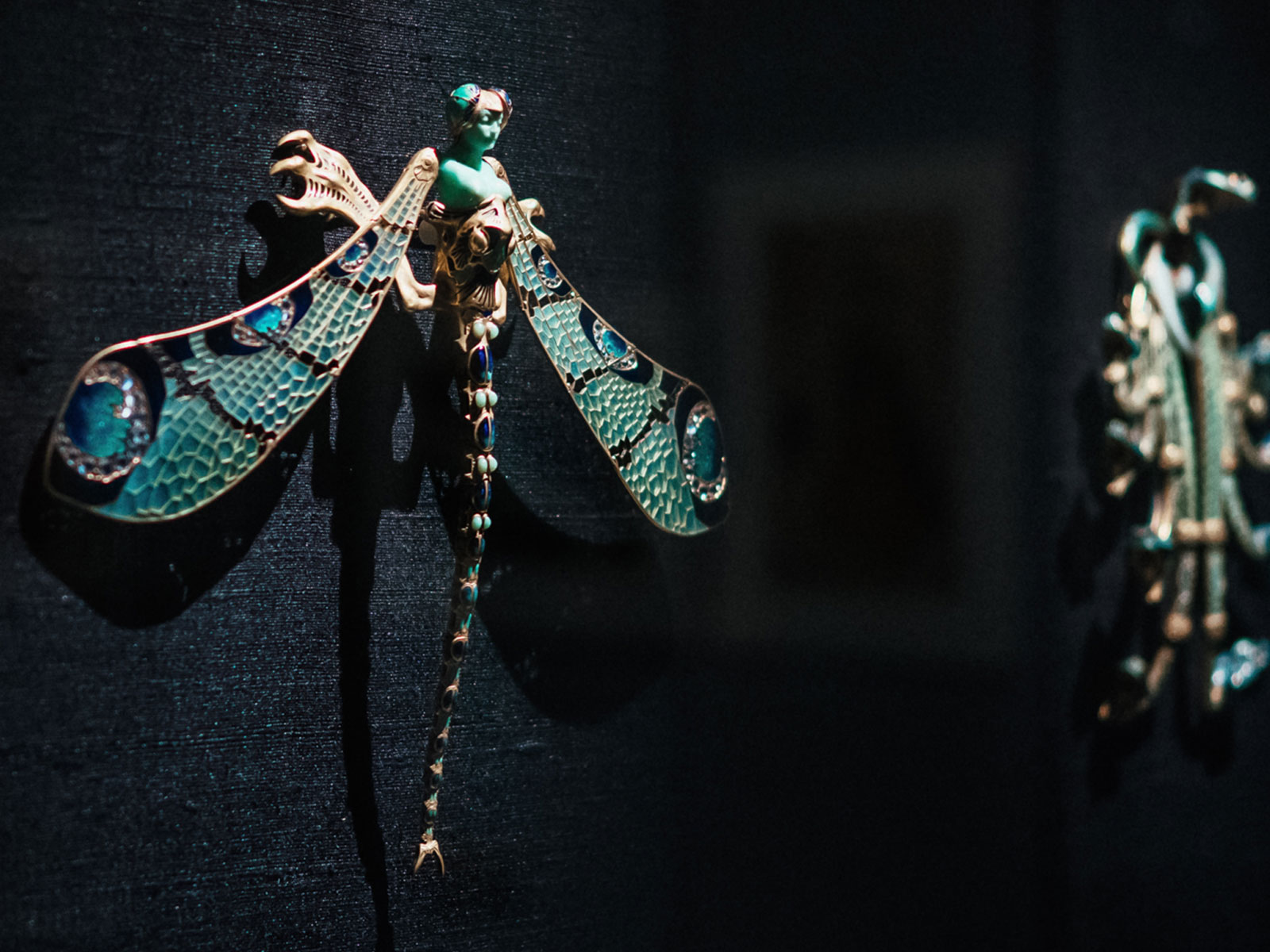
Lalique, Master Jeweller
The collection features one of the world’s largest ensembles of works by René Lalique. A close friend and devoted admirer of the artist, Calouste Gulbenkian acquired nearly two hundred pieces directly from Lalique.
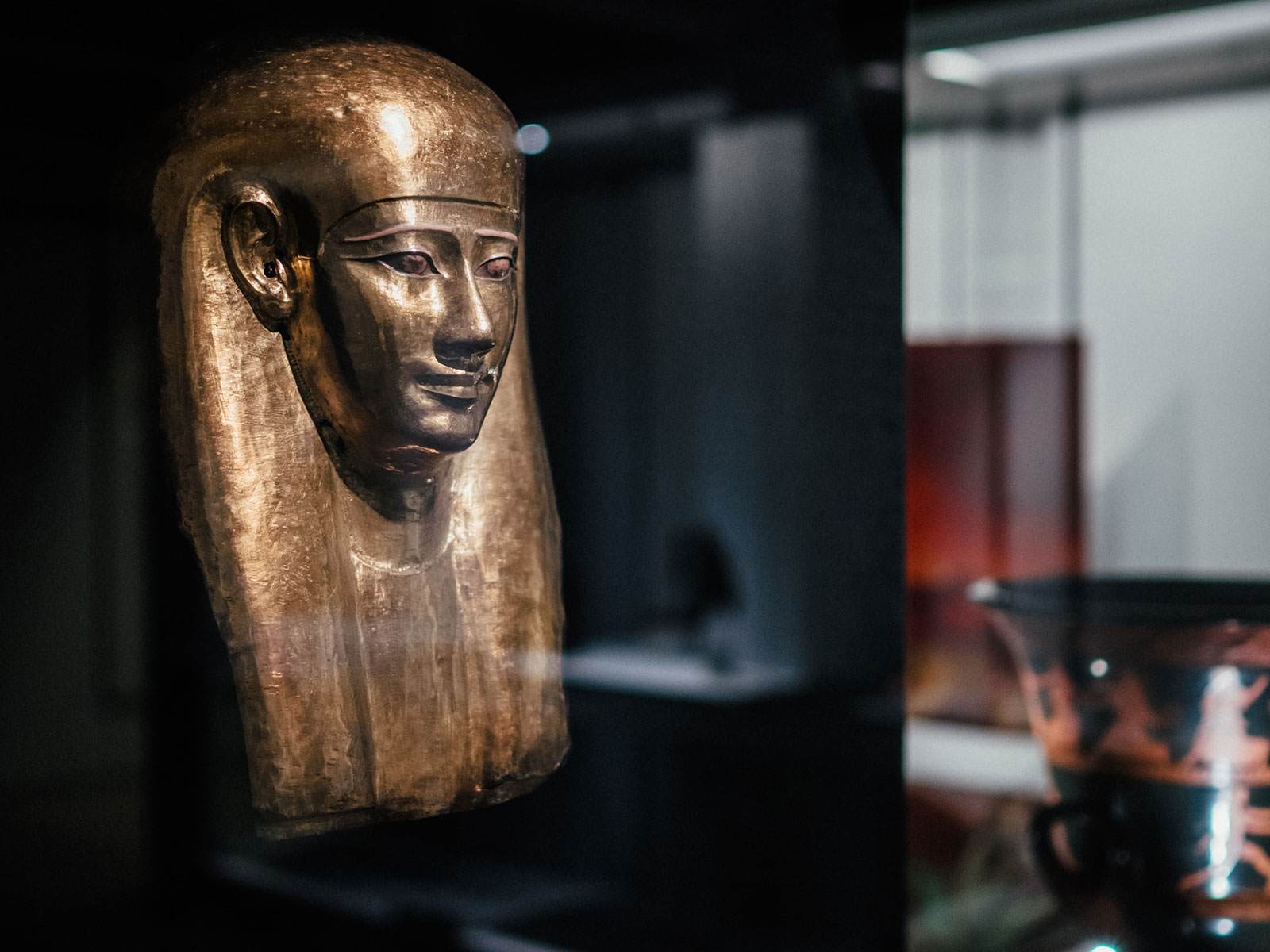
Ancient Egypt
With guidance from the famed archaeologist Howard Carter, Gulbenkian assembled a rare and exceptionally well-preserved selection of artefacts from different periods of Ancient Egyptian civilization.
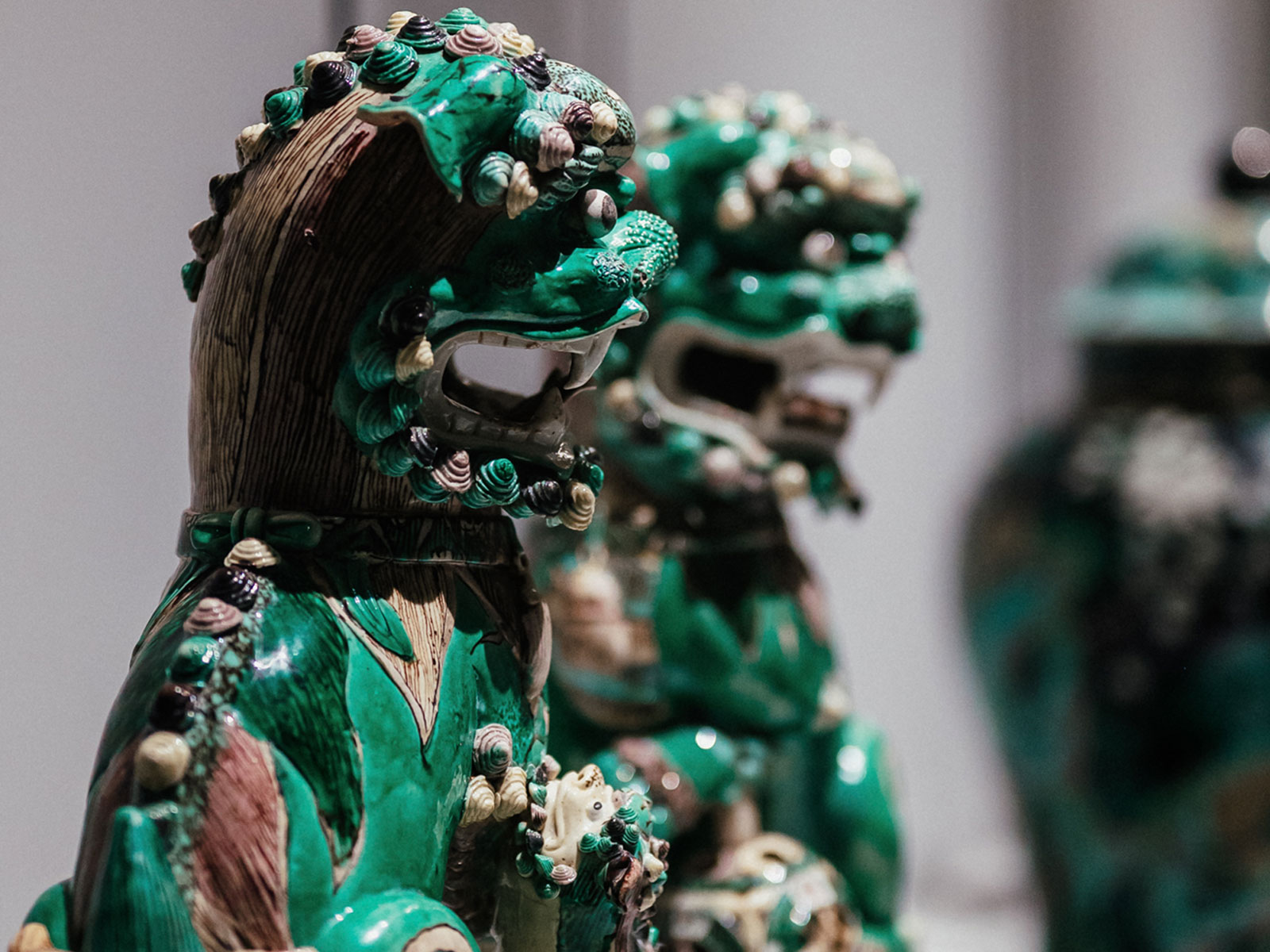
Chinese and Japanese Art
Explore a refined group of prints by celebrated Japanese artists, along with lacquerware, vases, and other exquisite objects from China and Japan — cultures that captivated both European collectors and Gulbenkian himself.
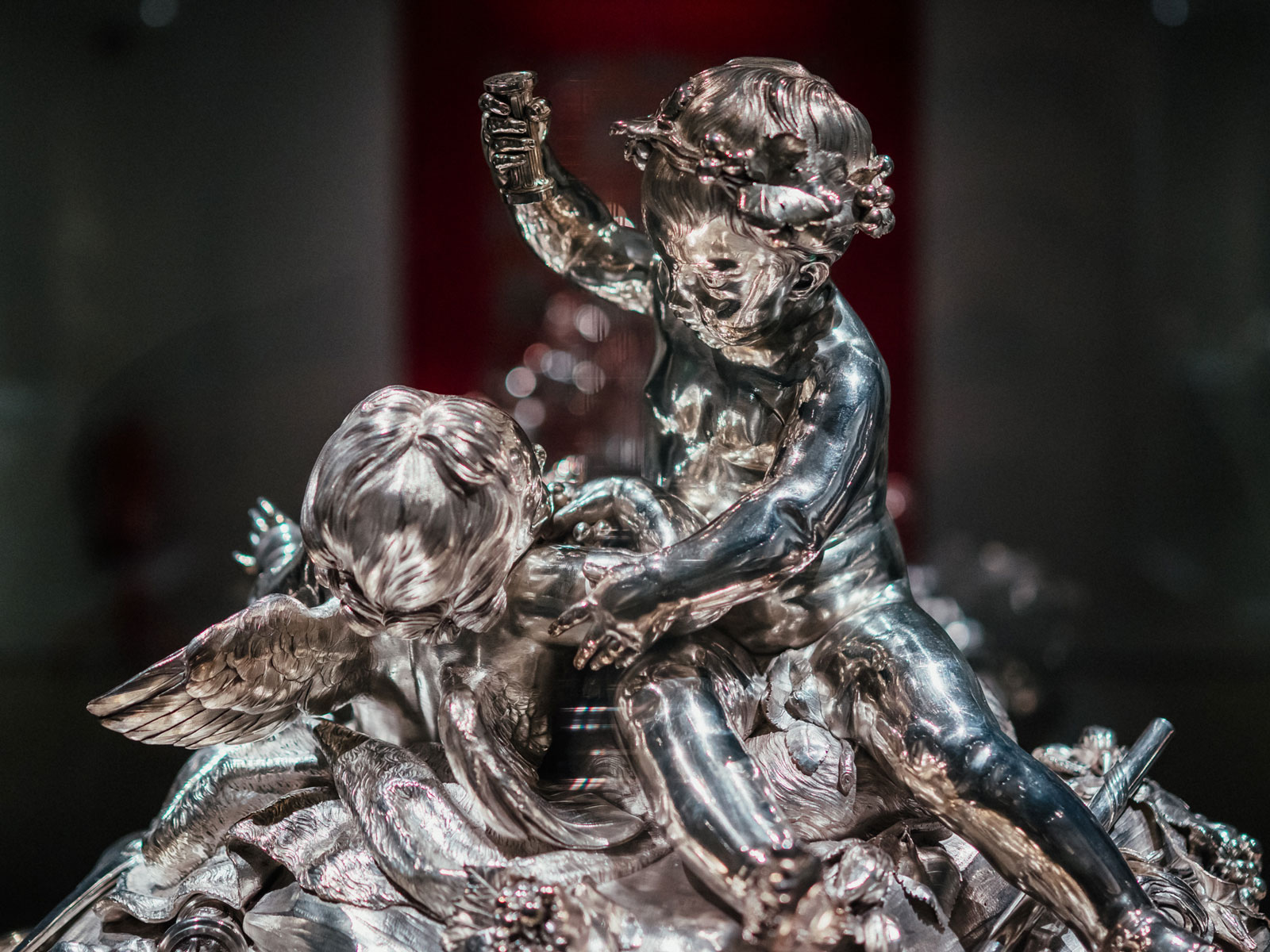
European Decorative Arts
Discover tapestries, furniture, jewellery, and other decorative pieces crafted by some of Europe’s finest artisans — including items that once belonged to the palaces of Louis XIV and Marie Antoinette.
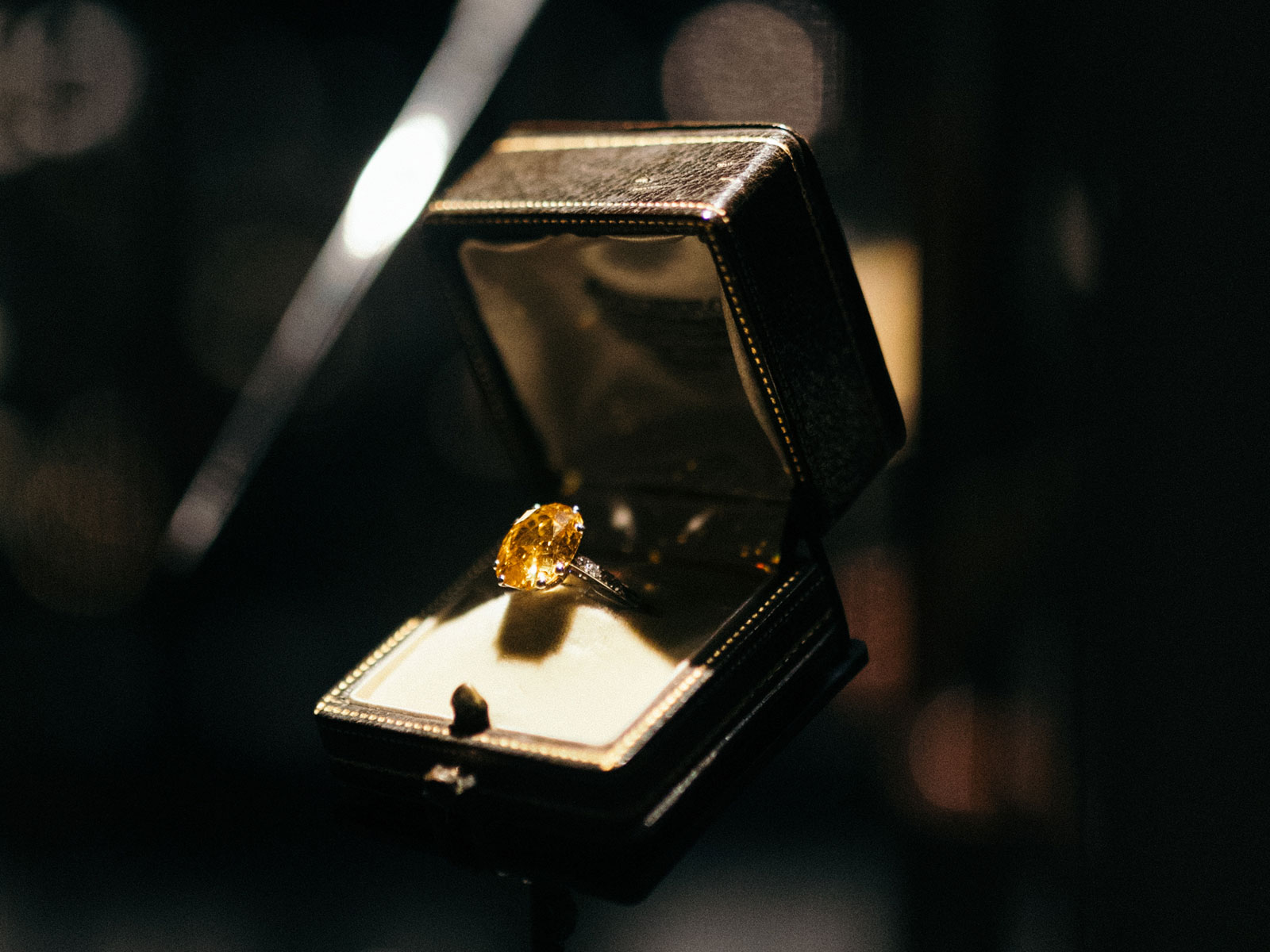
Gulbenkian’s safe
Shown to the public for the first time, the jewels and rare treasures once kept in Calouste Gulbenkian’s personal safe also reveal the eclectic taste that defined his collecting throughout his life.
The Collector
Calouste Sarkis Gulbenkian (1869–1955) was an Armenian-born philanthropist and collector who spent his life between Constantinople, London, Paris and, finally, Lisbon. Known for his sharp eye and refined taste, he built one of the world’s most exceptional private art collections — guided by renowned experts and driven by a deep personal passion for beauty and history.
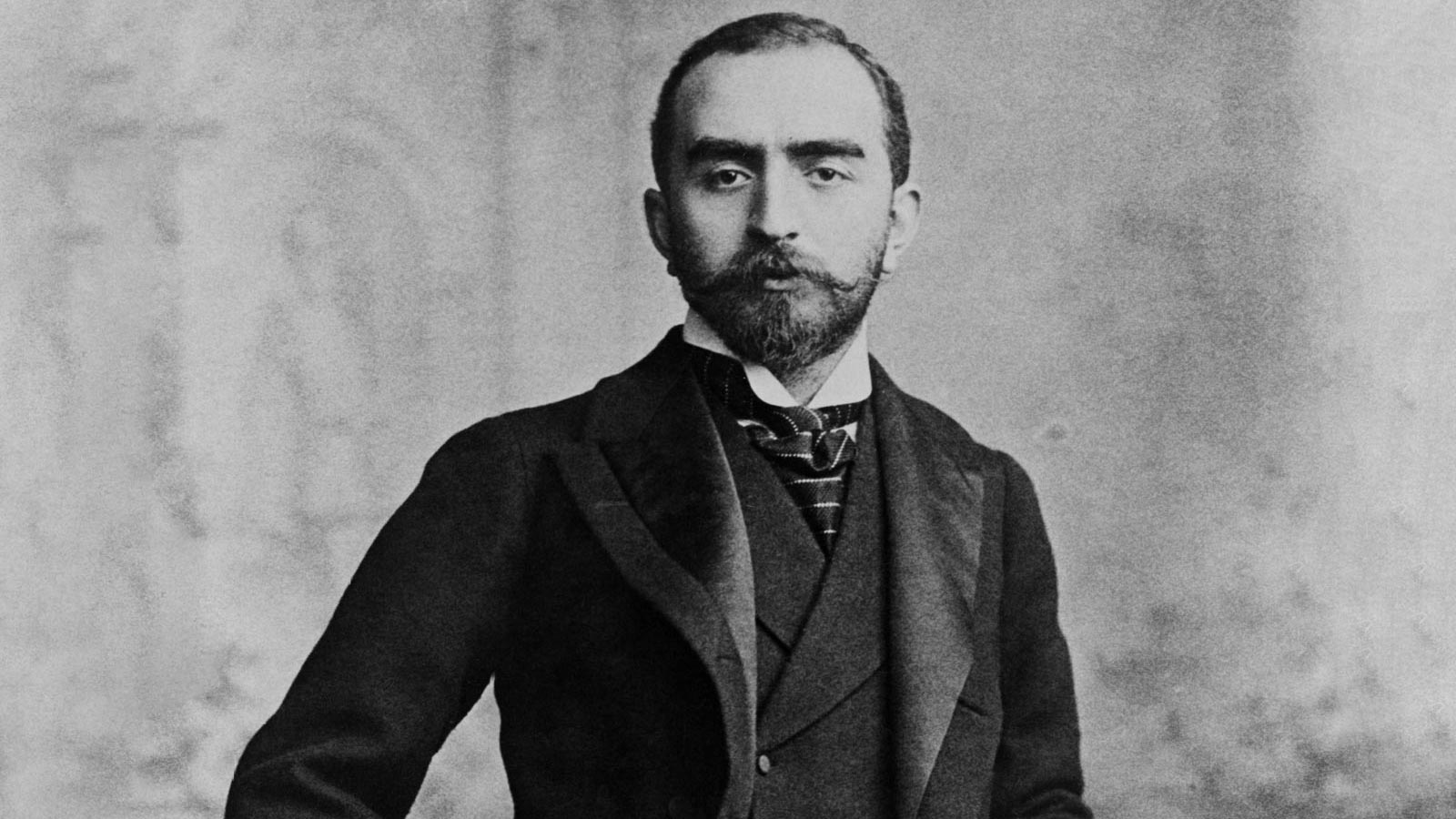
In 1896, Gulbenkian fled the Ottoman Empire with his family and went on to live in several of Europe’s major cities. After periods in London and Paris, he eventually settled in Lisbon during the Second World War, where he remained until his death in 1955. It was here that he established the foundation and museum that bear his name, ensuring his extraordinary collection would remain together and accessible to future generations.
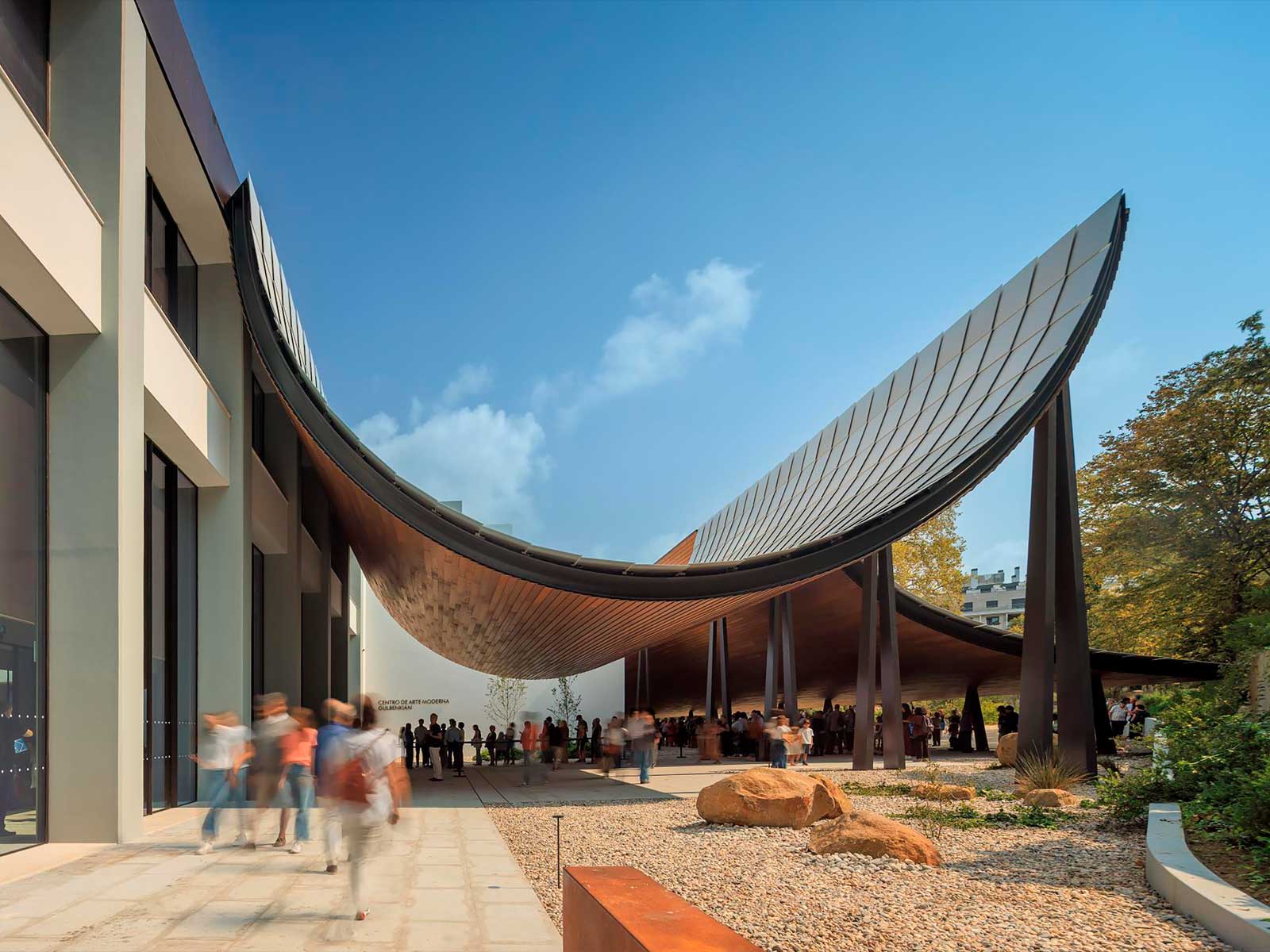
Don’t miss the Centro de Arte Moderna Gulbenkian
The newly opened Centro de Arte Moderna Gulbenkian (CAM) is a vibrant space dedicated to modern and contemporary art. Designed by Pritzker Prize–winning architect Kengo Kuma, the building offers a seamless connection between art, architecture and nature. CAM houses the most complete collection of modern and contemporary Portuguese art.
Gulbenkian Garden
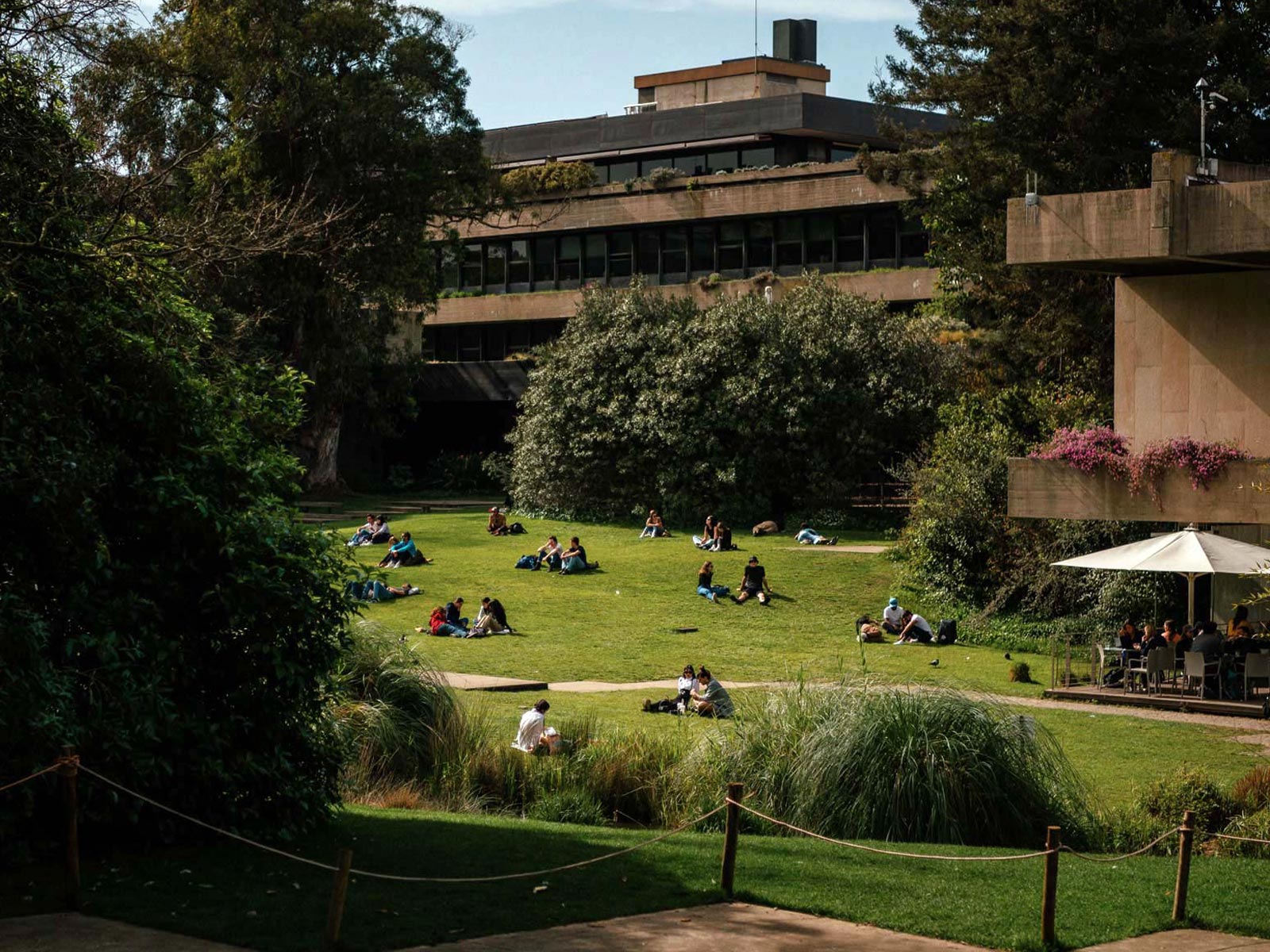
The Gulbenkian Garden is a local favourite, often described as an oasis in the centre of Lisbon. With winding paths, shaded lawns and a large lake, it offers a peaceful space to pause, reflect, or enjoy nature in harmony with the surrounding art and architecture.
Gulbenkian Foundation
The Calouste Gulbenkian Foundation was established in 1956, in accordance with the will of Calouste Sarkis Gulbenkian. Its mission is to improve the quality of life through the arts, science, education and charity.
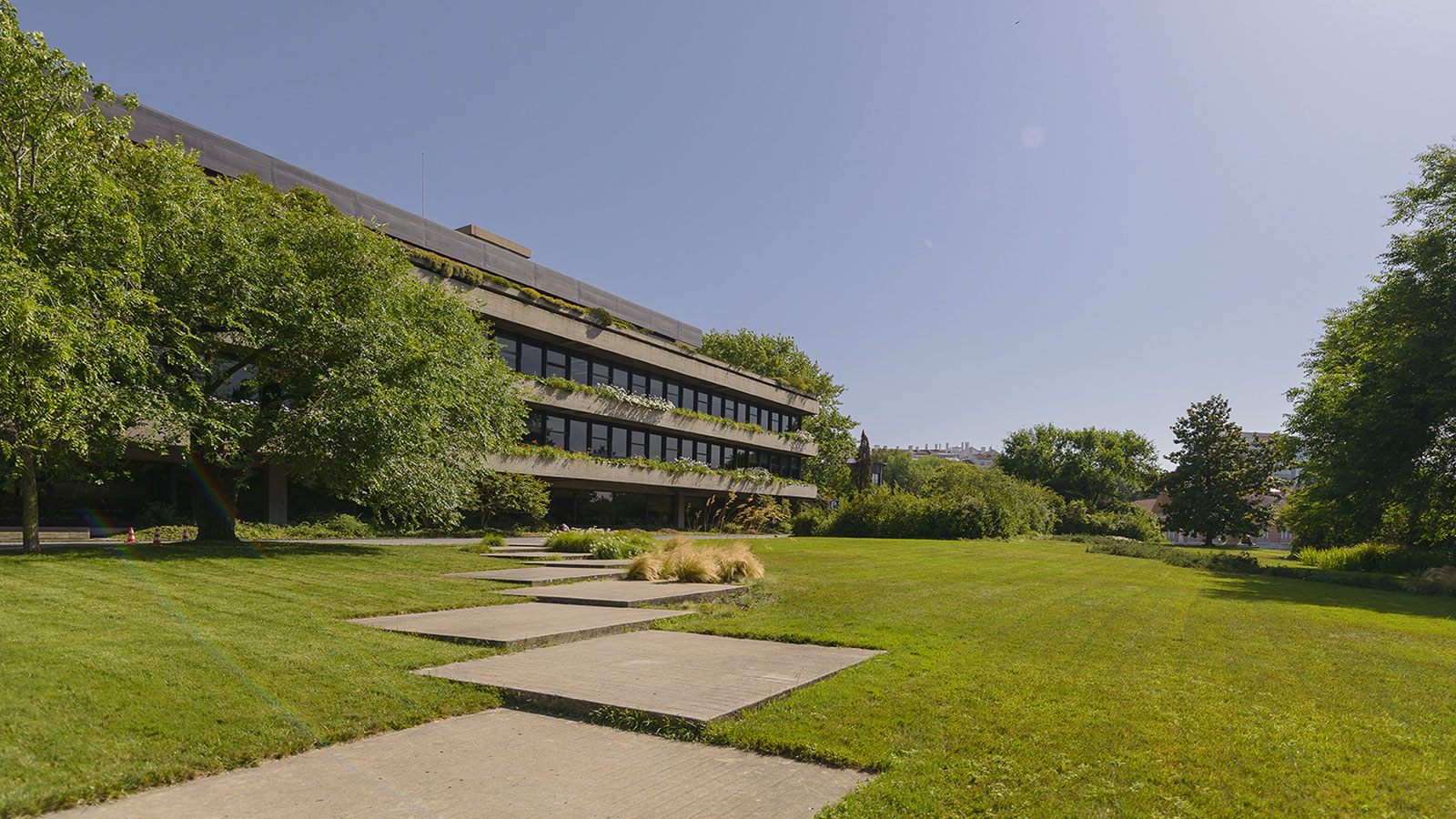
Based in Lisbon, the Foundation promotes access to knowledge, culture and science, contributing to a more equitable, sustainable and inclusive society.
Today, it is one of Europe’s leading cultural and philanthropic institutions. Its campus in Lisbon includes two museums, a concert hall, an orchestra and choir, an art library and a much-loved garden. The Foundation also supports people and organisations in Portugal and internationally through grants and scholarships.