
Discover the Collection
Find out about the masterpieces of the collection collected in life by Calouste Gulbenkian, the Collector and the Museum building, designed to incorporate this collection. Explore the Gulbenkian Collections through the 360º virtual tour and the Google Arts & Culture platform and discover a selection of masterpieces
The Calouste Gulbenkian Museum was designed by the architects Ruy Jervis d’Athouguia, Pedro Cid and Alberto Pessoa (1969) to accommodate around six thousand pieces amassed by Calouste Sarkis Gulbenkian. It is located in the north of the Gulbenkian garden. The galleries of this building are home to displays of around a thousand pieces divided into groups corresponding to Egyptian art, Greco-Roman art, Mesopotamia, the Islamic Orient, Armenia, the Far East and, where Western art is concerned, sculpture, the art of the book, painting, eighteenth-century French decorative arts, and works by René Lalique.
See the Collection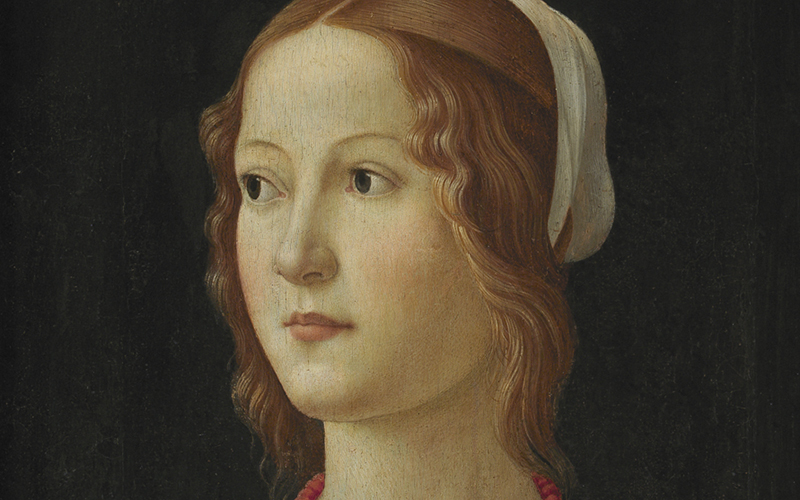
The Collection
The collection of the Museum accommodates around six thousand pieces amassed by Calouste Sarkis Gulbenkian.
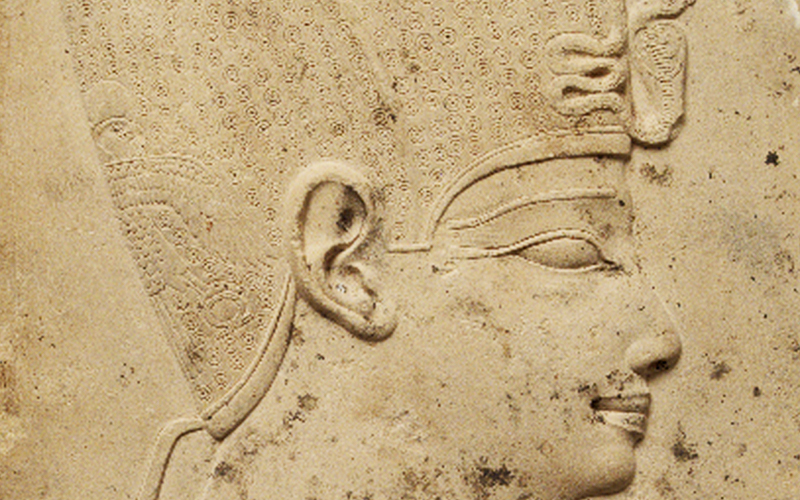
Egyptian Art
This group of varied pieces documents the artistic periods that most marked Egyptian civilisation from the Old Empire to the Roman Era.
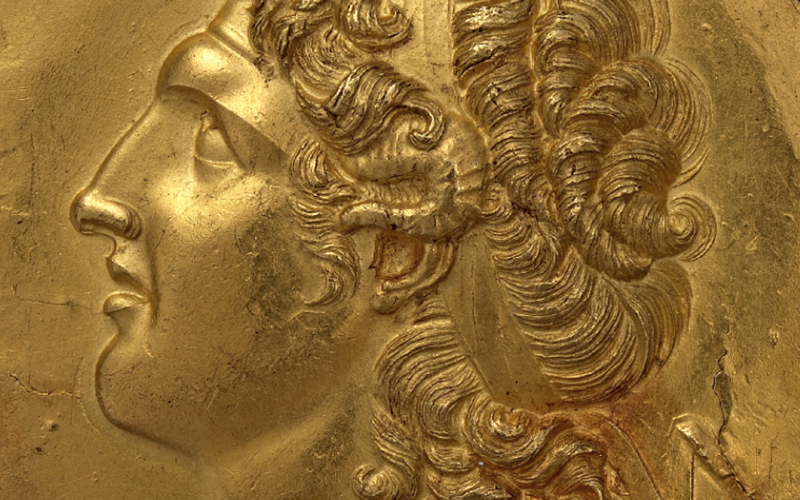
Greco-Roman Art
This group has an extraordinary collection of Greek coins and medallions that are part of the treasure found in Abuquir, Egypt in 1902, as well as sculptures, ceramics, glass, jewellery and gems.
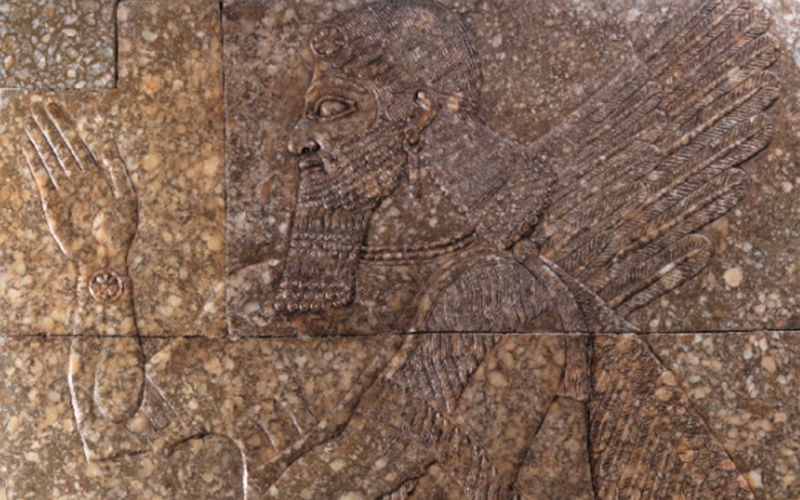
Mesopotamian Art
Small collection that includes an outstanding Assyrian low relief from the palace of Assumazirpal.
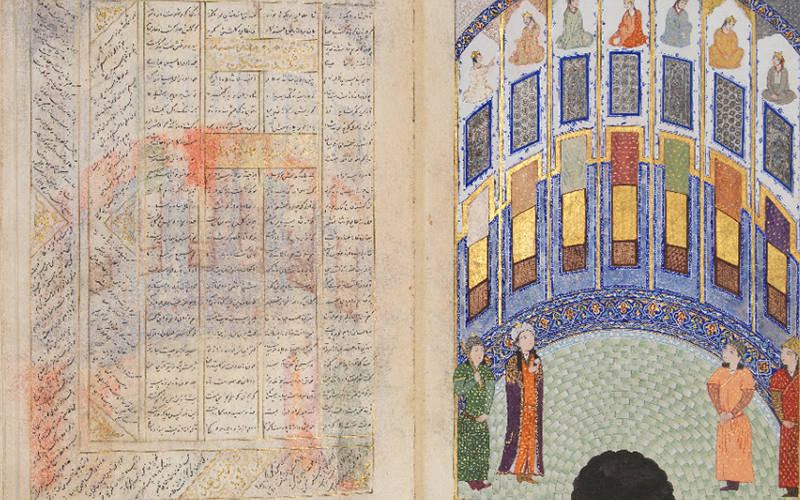
Eastern Islamic Art
Calouste Gulbenkian's interest in artistic production from Persia, Turkey, Syria, the Caucasus and India, is very much in evidence here — from the 12th to to the 18th century.
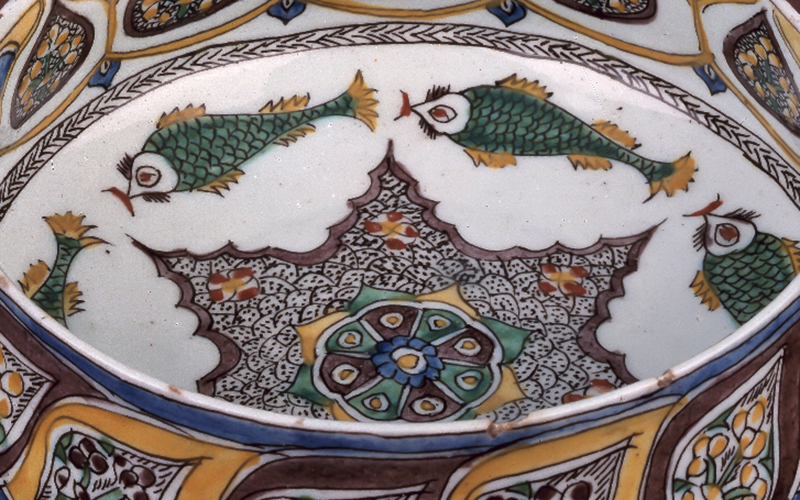
Armenian Art
This small ensemble is essentially made up of illuminated parchments from the 16th–17th centuries; manuscripts with the liturgical gospels, showing the great interest the collector had in his Armenian origins.
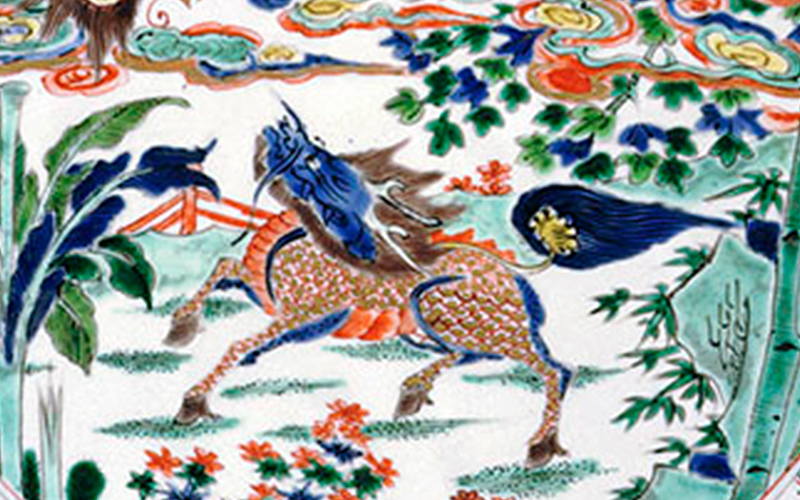
Far Eastern Art
Significant group of Far Eastern Art, with porcelain and hard stones from China and lacquers from Japan.
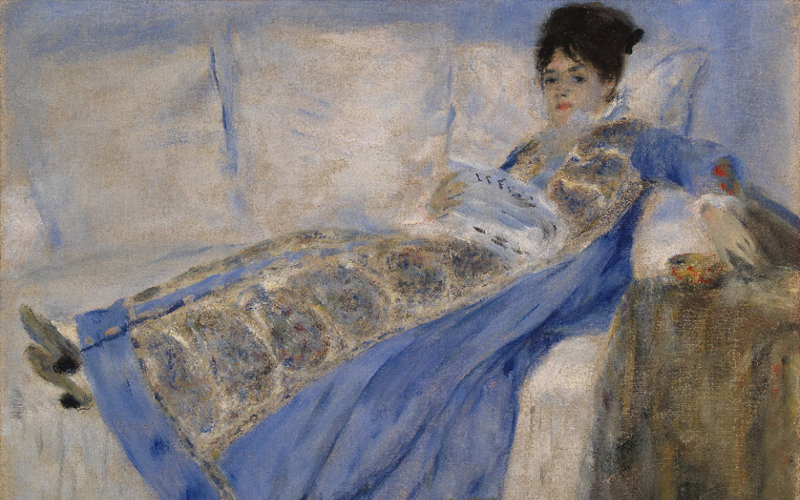
Painting
The main centres of artistic production from the 15th, 16th and 17th centuries are represented by the work of such artists as Rubens and Rembrandt. 18th century is in turn represented by the work of Fragonard and Guardi. 19th-century painting is represented by Turner, Manet, Degas, Renoir and Monet.
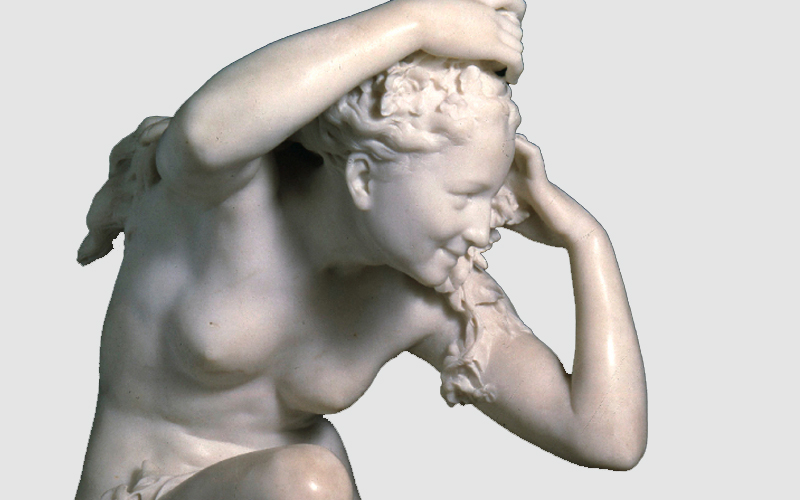
Sculpture
The section of sculpture includes pieces from the Middle Ages until the 19th century. Jean de Liège, Andrea della Robia, Pigalle, Houdon, Carpeaux and Rodin stand out among this collection. A significant collection of Renaissance medals is also on display.
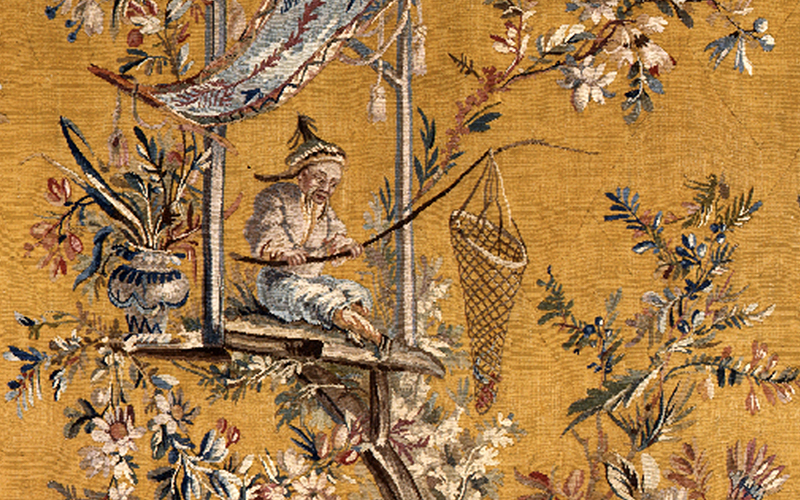
Decorative Arts
The European decorative arts section is introduced by 16th tapestries from Flanders and Italy. Outstanding 18th century French works include Gobelins and Aubusson tapestries, very fine sets of furniture and also pieces in silver or gold.
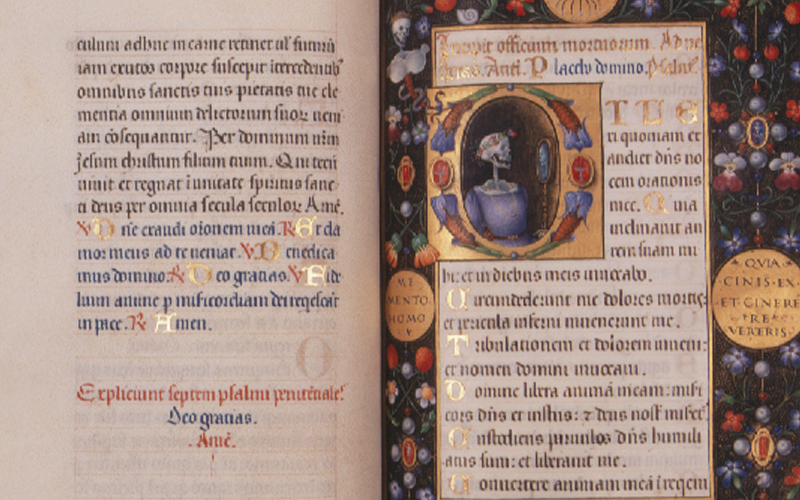
Art of the Book
This group of works includes a series of illuminated manuscripts, printed books and bindings produced between the 12th century and the first half of the 20th century. Made up of rare and precious editions, the books from Calouste Gulbenkian’s library are exhibited on rotation.
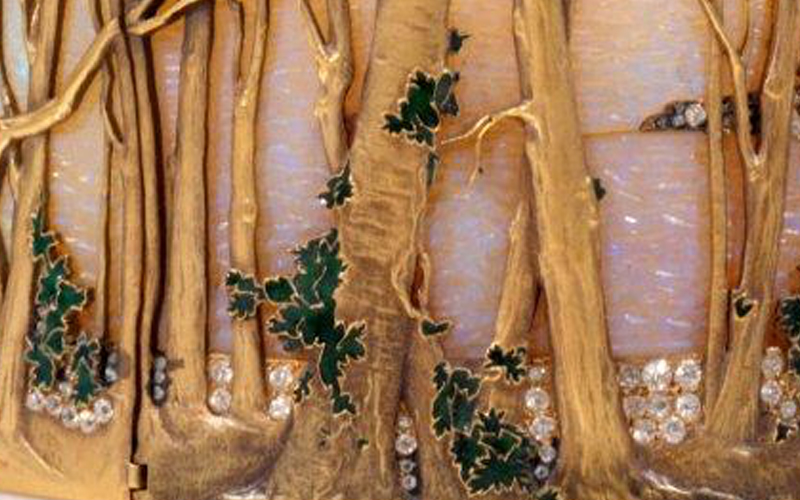
René Lalique
René Lalique (1860–1945) integrates a large and exceptional group of jewels and other objects, of which the glasses stand out. For its quality and homogeneity, this set is considered unique in the world.