
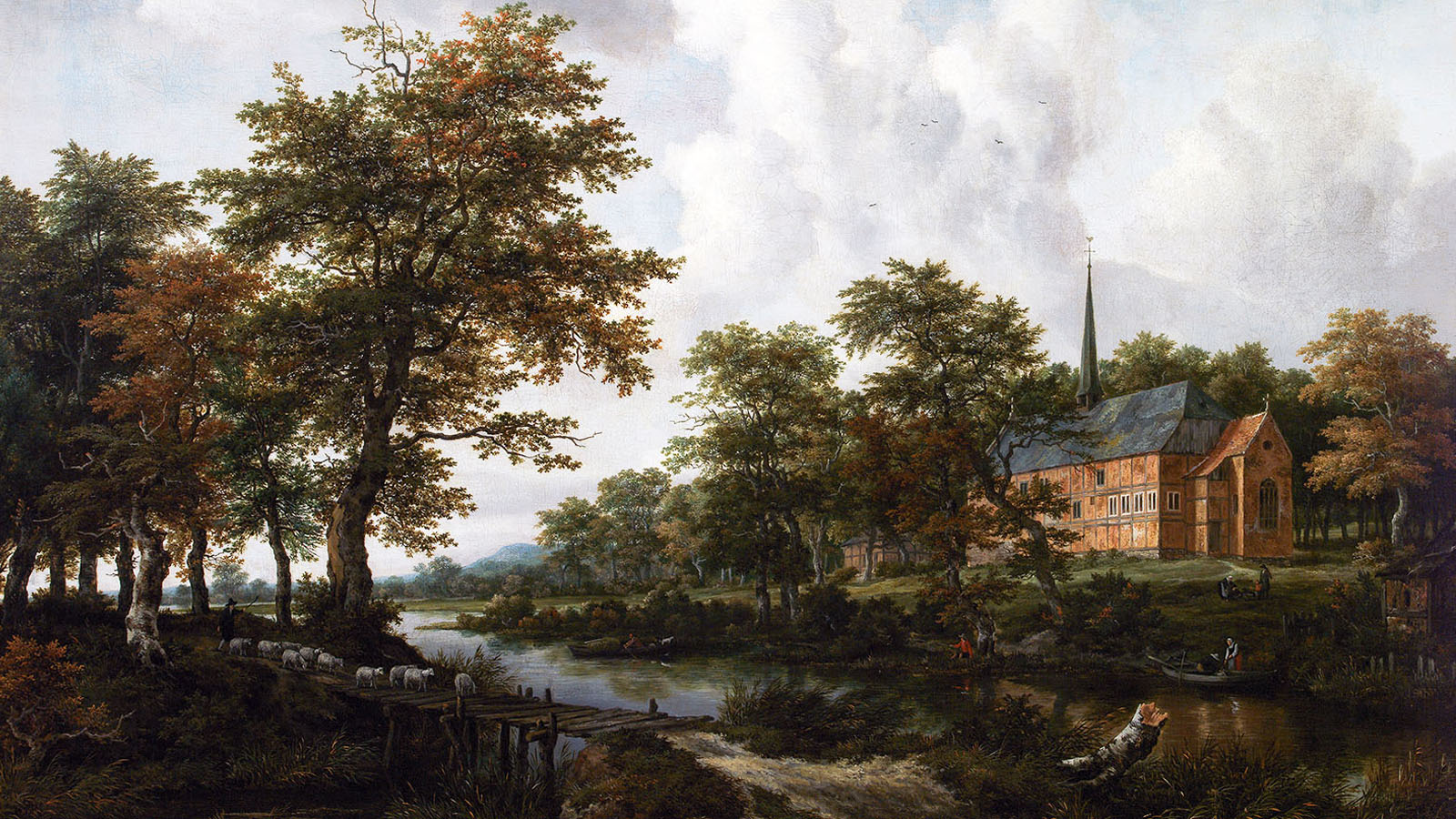
Hegel and the Dutch Painting of the Golden Age in the Gulbenkian Museum
Event Slider
Date
- 18:00 / Cancelled 18:00 / Sold out Monday, 18:00
Location
Auditorium 3 Calouste Gulbenkian FoundationWhat connects Hegel with Rembrandt and Co? What are the important points of contact between the grand master of modern philosophizing and the virtuosos of Dutch painting?
Why does Hegel, as an outstanding representative of the school of German Idealism, the golden age of modern philosophy, recognize in the paintings of Rembrandt and the Dutch school of the Golden Age a greatness of spirit and freedom, a revolution in painting, the modernity of this art of painting?
Why is Hegel fascinated by such pictures of proud citizens, vegetable and herring sellers, street urchins, the poor and beggars, landscapes and Dutch mills, farmers at harvest and in the inn, women playing the piano, canals with skaters, bouquets of flowers and breakfast tables – depictions of seemingly banal scenes of everyday life?
The conference will be presented in English with simultaneous interpretation to Portuguese.
This event is financed with National Funds through FCT – Foundation for Science and Technology, I.P., under the UIDB/00196/2025 and UIDP/00196/2025 projects.
The Gulbenkian Visiting Professorships in the Humanities aim to enhance Portuguese Higher Education Institutions, promote new skills, foster international cooperation of excellence, and develop national talent among researchers, academics, and students in the field of Humanities.
Speakers
-
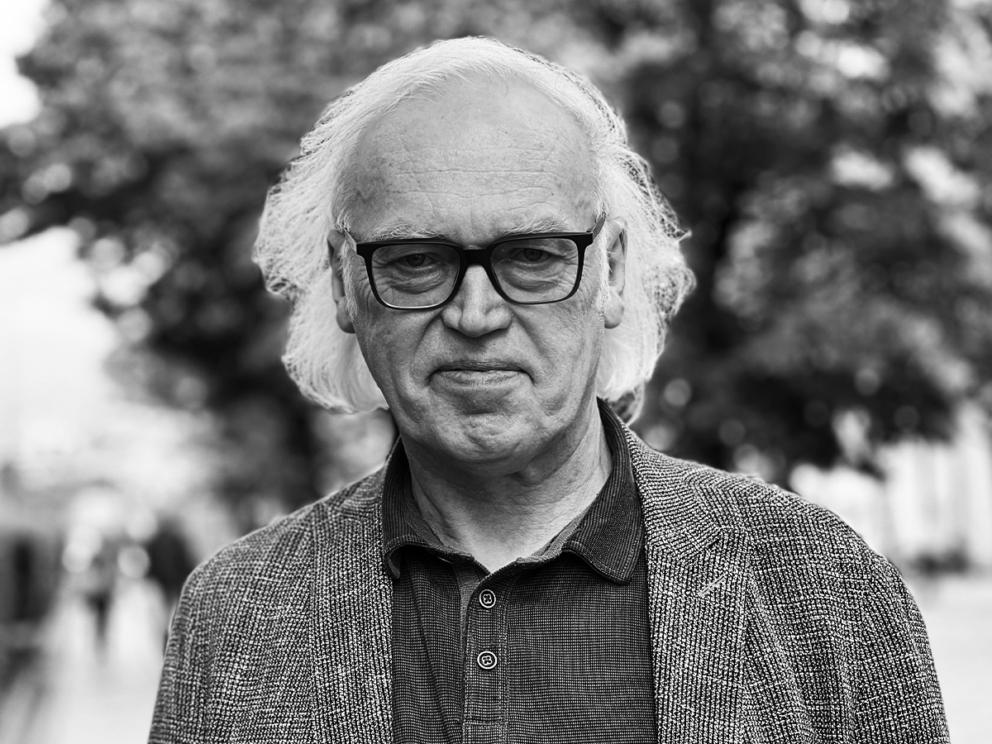
Klaus Vieweg
One of the world’s leading experts on Hegel’s philosophy, Klaus Vieweg has published more than 40 books and has been a Fellow or Visiting Professor at more than a dozen institutions on three continents. His monumental biography Hegel: The Philosopher of Freedom, published in 2019 and already translated into 6 languages, was awarded the IPPY Award Gold Medal in 2024 in the biography genre. His most recent book is entitled Hegel’s Aesthetics of Painting: Dutch Landscape and Genre Painting in the 17th Century.
Support


The Calouste Gulbenkian Foundation reserves the right to collect and keep records of images, sounds and voice for the diffusion and preservation of the memory of its cultural and artistic activity. For further information, please contact us through the Information Request form.