





Voicing the More-Than-Human: an Interdisciplinary Research
Event Slider
Date
- 18:00 / Cancelled 18:00 / Sold out Saturday, 18:00
Location
Studio Centro de Arte Moderna Gulbenkian
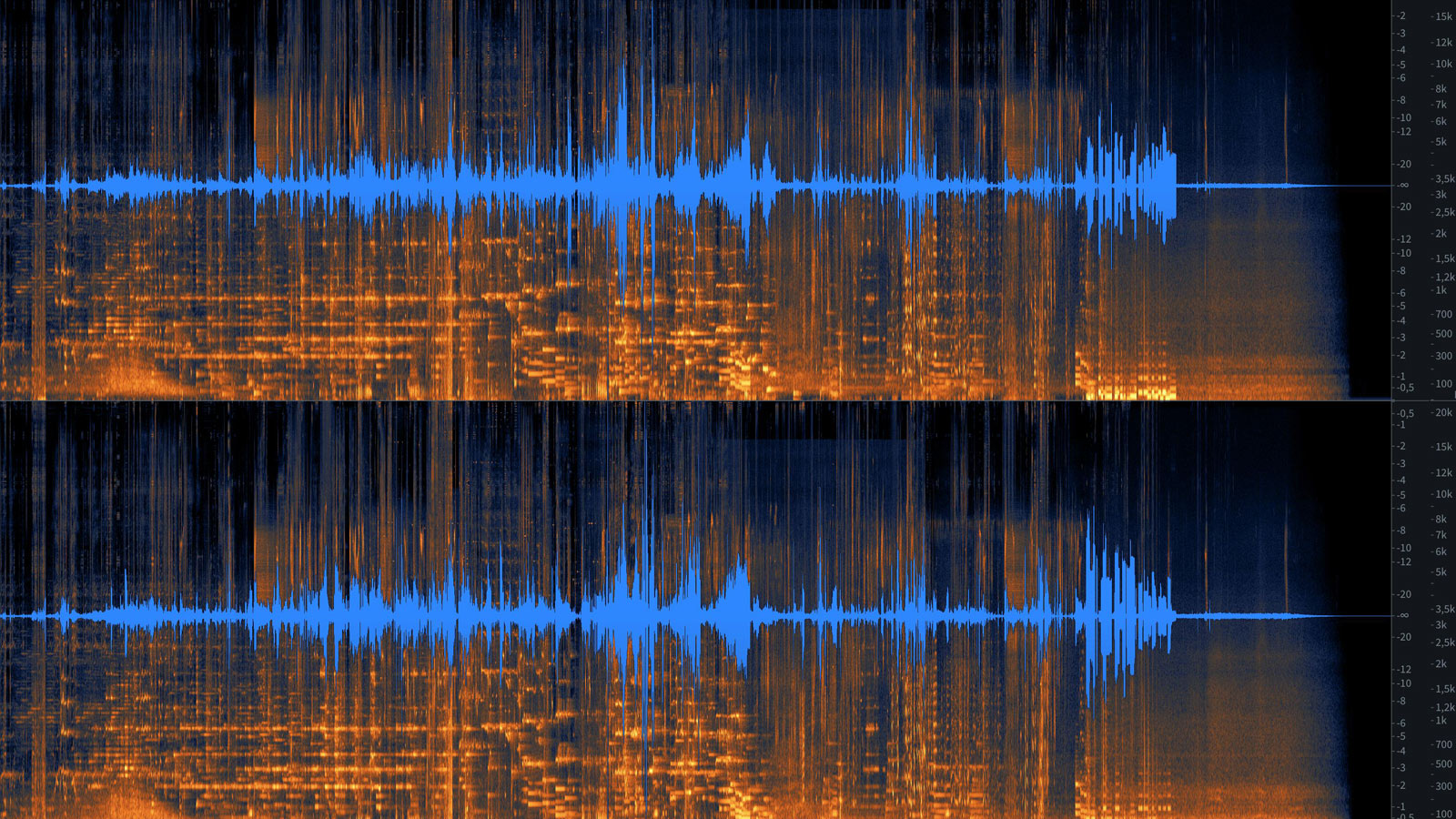
This talk brings together the artist Rosana Antolí, composer Jorge Ramos and guest scientists to reflect on the collaborative process behind the installation ‘An Aria for the Mallard’.
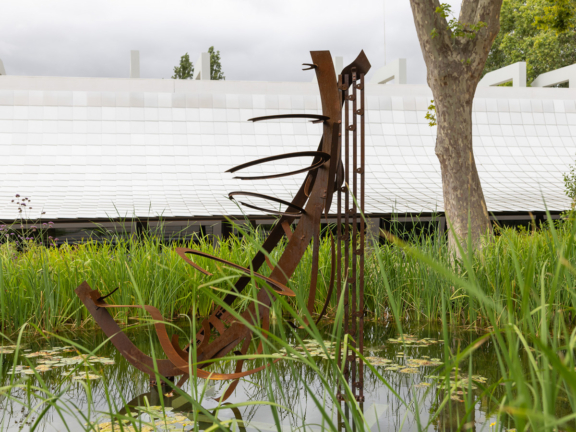
‘An Aria for the Mallard’ is a new work by Rosana Antolí created for the Gulbenkian South Garden. It seeks to reimagine the traditional operatic form by dedicating an aria to a more-than-human subject – the mallard duck.
Using sound, sculpture, and environmental engagement, the installation highlights the interconnectedness of an ecosystem.
Following a project presentation by the artist, this discussion will explore how neuroscience and bioacoustics influenced the work’s creative process. These disciplines were applied not as theoretical background, but as tools for composition, perception and new forms of imagination.
The conversation will move through artistic process, field research, sonic experimentation, and the analysis of neural data. It will address how interdisciplinary collaboration can open new approaches to working with – and not just about – the more-than-human world.
Examining the notion of co-creation with non-human life forms, particularly through the lens of bioacoustics, it will also consider how this approach can inspire new ecological narratives.
This talk is followed by ‘The Performing Garden’, a live performance by Rosana Antolí, with soprano Claire Rocha Santos and composer Jorge Ramos.
Speakers
-

Rosana Antolí
Rosana Antolí (Alcoi, Spain, 1981) is a multidisciplinary artist and performance director based in the UK, working across performance, painting, sculpture, installation, and sound. Her practice explores ecofeminist and posthuman themes through immersive experiences that challenge perceptions of identity, the body, and agency. Drawing from social choreographies and the gestures embedded in everyday life, she weaves mythology, biology, speculative futures, and porous systems into layered narratives. Antolí’s work invites open dialogue around collective embodiment, plural ecologies, and the possibilities of co-creation with non-human life forms, navigating interdisciplinary collaboration and artistic research.
-
Jorge Ramos
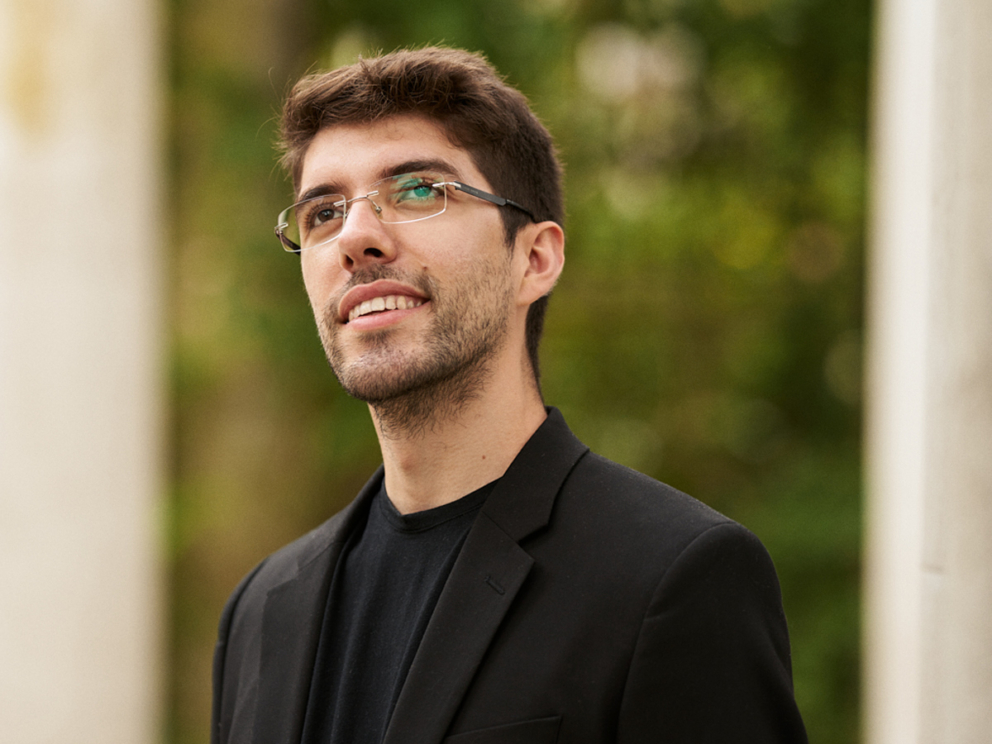
Jorge Ramos is a Portuguese multi-award-winning composer, sound artist, and researcher based in London. He holds degrees from Conservatório de Música Calouste Gulbenkian de Braga, Escola Superior de Música de Lisboa, and a Doctorate in Music Composition granted by the Royal College of Music London. He has written solo, chamber, choral, symphony, mixed, electroacoustic, live-electronics, film, stage, installations, and advertisement music. He has a particular interest in perception and psychoacoustics. His musical approach explores the intersection of technology and orchestration/timbral blend, with a focus on intuitive electronic-informed orchestration, instrumental synthesis, computer-assisted orchestration, machine learning, and artificial intelligence.
-
Rui F. Oliveira
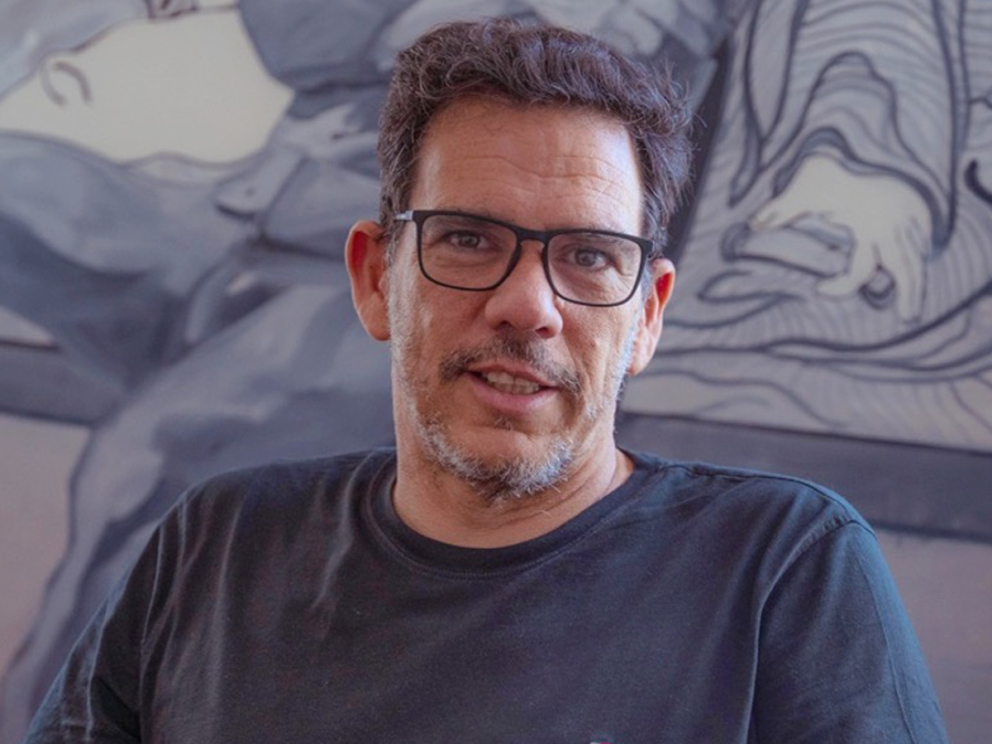
Rui F. Oliveira is a neuroscientist that leads a research group at the Gulbenkian Institute for Molecular Medicine and is Chair and Professor of Biology and Neuroscience at ISPA – University Institute for Psychological Social and Life Sciences. His research focuses on the neurobiology of social behavior, and on brain evolution and comparative cognition in animals. In parallel to his scientific activity Rui also has an interest in the interface between Art and Science and has been involved in several initiatives in this field. He was the curator of the ‘Brain: Wider than the Sky’ exhibition at the Gulbenkian Foundation in 2019.
-
Gonzalo G. de Polavieja
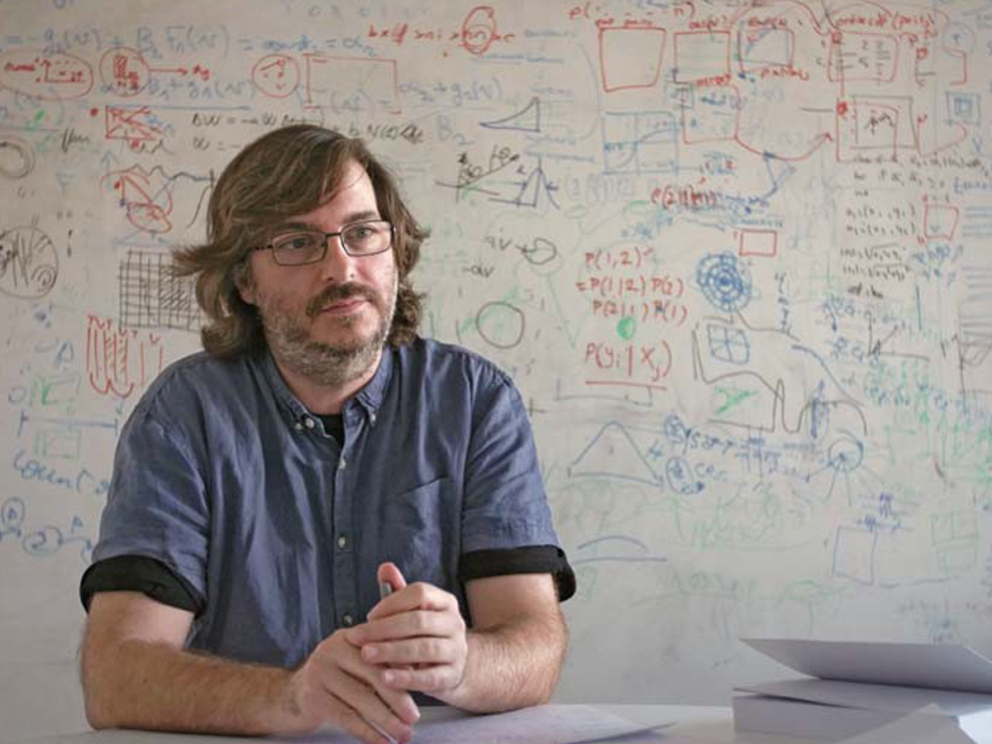
Gonzalo G. de Polavieja is a neuroscientist at the Champalimaud Foundation in Lisbon and a Research Professor at the Spanish National Research Council, currently on leave. He leads a research group that uses mathematics to uncover how animals behave in groups and how the brain processes information. To do this, his team combines modern data analysis, mathematical models, and artificial intelligence. They are also pioneering a new kind of AI, based on abstract algebra, that aims to be much more transparent than today’s standard systems. Alongside his scientific research, he is interested by creativity in science and is exploring how computational tools might help boost it.
-
António Gomes da Costa
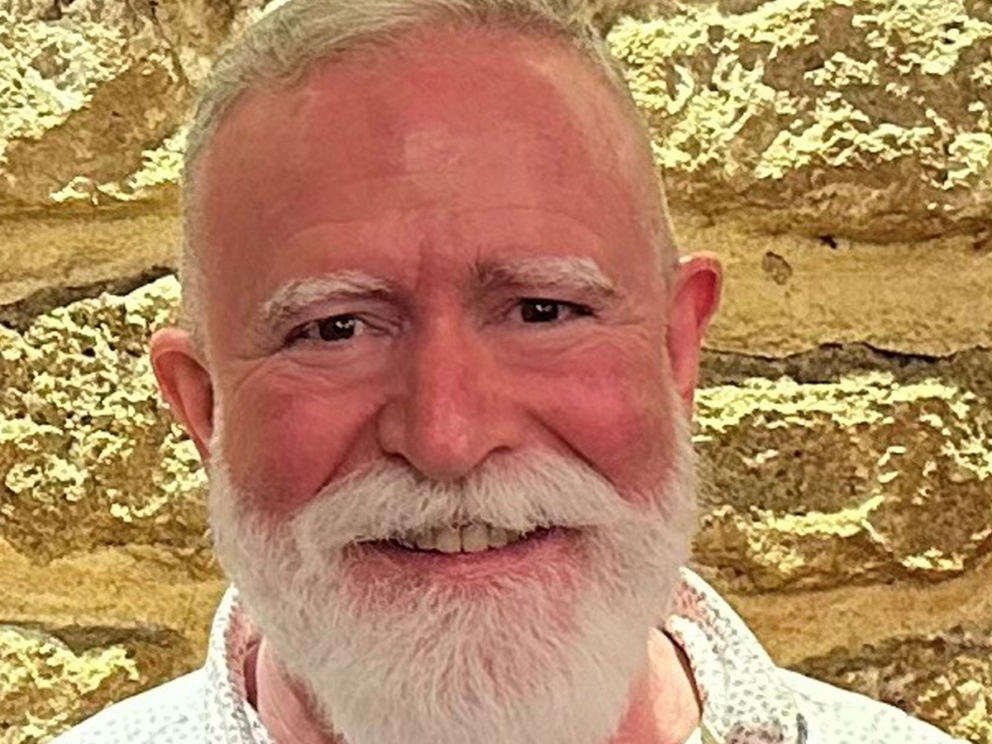
António Gomes da Costa is a PhD in Biochemistry and a former researcher and university teacher. In 2000, he started working full-time in the field of science communication. He was a member of Ciência Viva’s direction board. After, he worked as consultant in science communication for major science centres and museums throughout Europe, and for institutions in the Middle East. In 2017, he become the Director of science mediation and education at Universcience where he developed the Scientific and Cultural Programme for the renovation of the Palais de la découverte. Currently, he is senior project manager at Gulbenkian Culture, mainly involved in art/science interactions. He is particularly interested in developing ways to promote the connections between science and democracy and to tackle public misconceptions and anti-science attitudes.
Programme
18:00 / Welcome
18:05 / Project presentation by Rosana Antolí
18:20 / Talk
Moderation:
19:10 / Excerpts from the process video and libretto
19:20 / Q&A
19:30 / Closing
Duration: 90 min
Support
The Calouste Gulbenkian Foundation reserves the right to collect and keep records of images, sounds and voice for the diffusion and preservation of the memory of its cultural and artistic activity. For further information, please contact us through the Information Request form.
Related

No results were found for your criteria.