

3×3 / photos Rita Barros ; text António Calpi, 2010. Art Library. LA 1282 © Rita Barros
Artist books: bibliographic exhibition
It can be said that the relationship between artists and books is almost as old as books themselves. This relationship became closer in the early 20th century, with the development of reproduction techniques that encouraged collaboration between visual artists, writers, and poets in the creation of books, which were seen as privileged supports for collective experimentation, transformed into “total works.”
In the 1960s and 1970s, there was a new interest among artists of the so-called second avant-garde in using books as a field for experimentation and expression of aesthetic ruptures.
Nowadays, for most artists, books are just another area of their creation and are therefore inseparable from the study of contemporary artistic production.
This fertile relationship between art and books has resulted in a plurality of possible definitions of what an artist’s book is. Illustrated book, art book, book-object, bookwork, artist’s book, are expressions that coincide in definitions where authors who have studied the subject have critically “organized” the theme, amplified by the differences that their use involves when used, for example, in English, French, or Portuguese. In other words, if there is no consensus on the definition, there are also different ways in which language can translate the connection between artists and books.
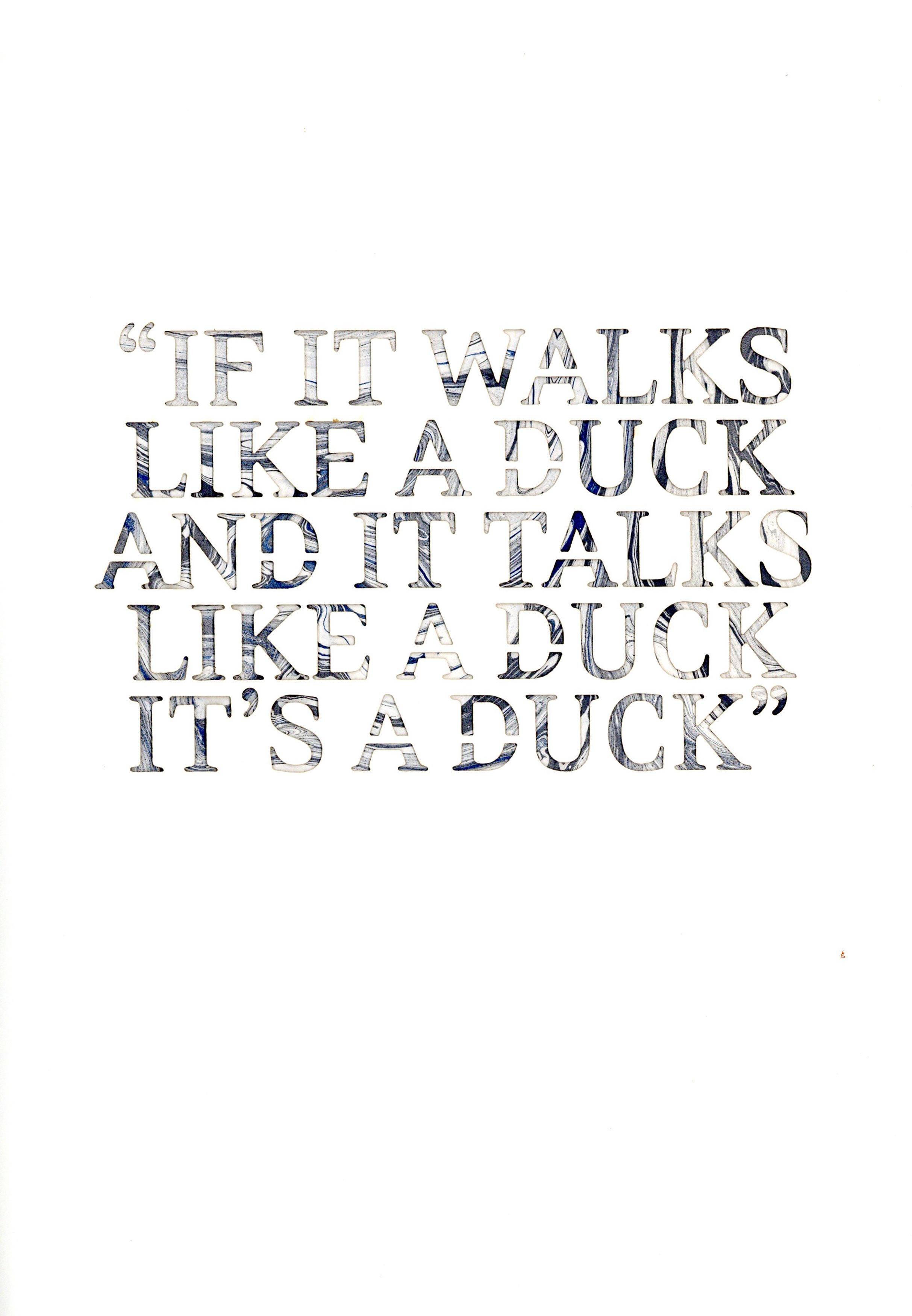
“If it walks like a duck and it talks like a duck it’s a duck” is the title of an artist’s book in which the artist, teacher, and researcher Ana João Romana collected some of the definitions attributed to “artist’s book” in an extensive bibliography already published on the subject.
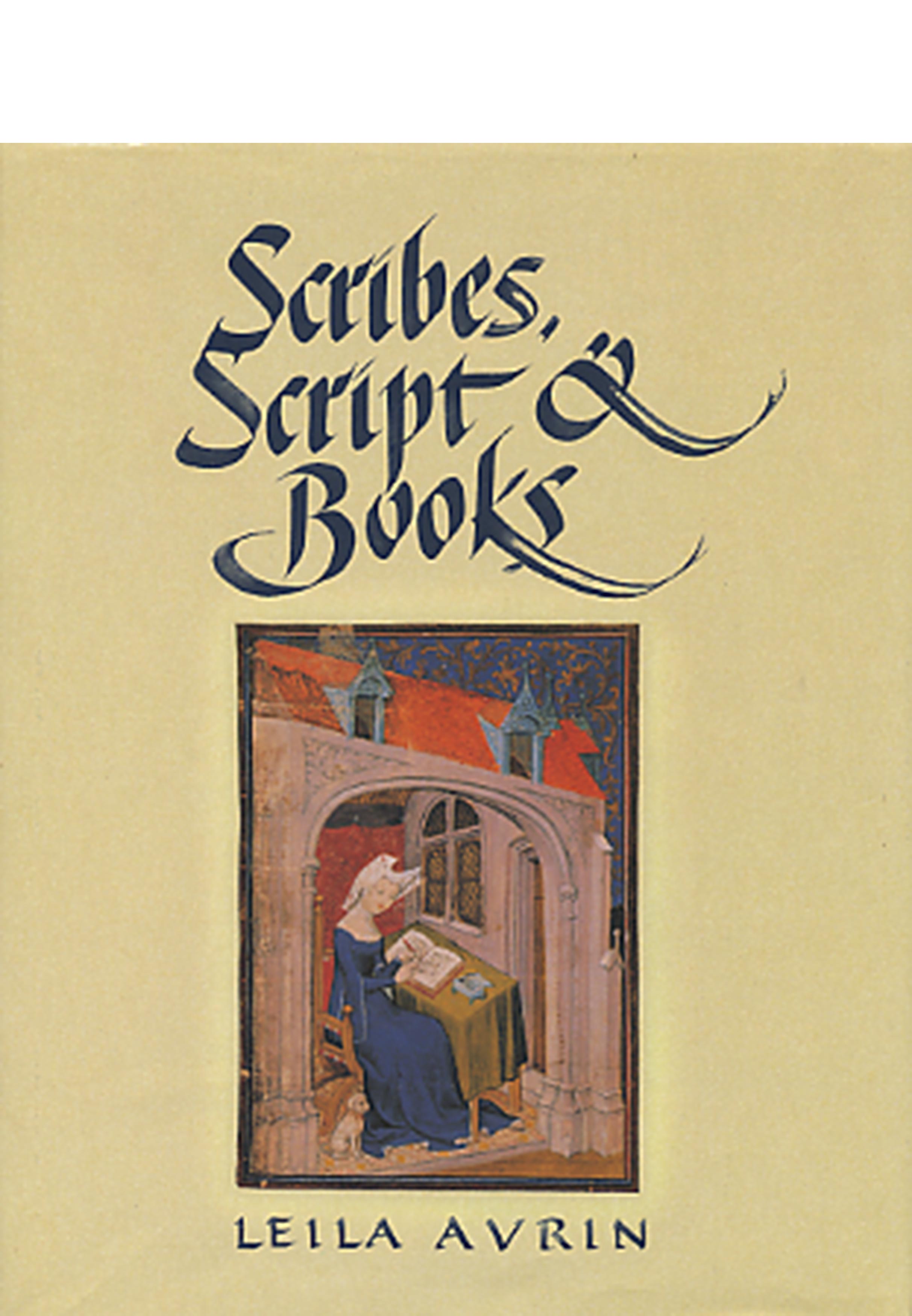
A quick analysis of some of the works in this bibliography reveals that there is no unanimity among authors on the subject, with some including in their definition the illuminated books of the Middle Ages and, of course, the wonderful books written and drawn by the English poet and painter William Blake in the late 18th century.
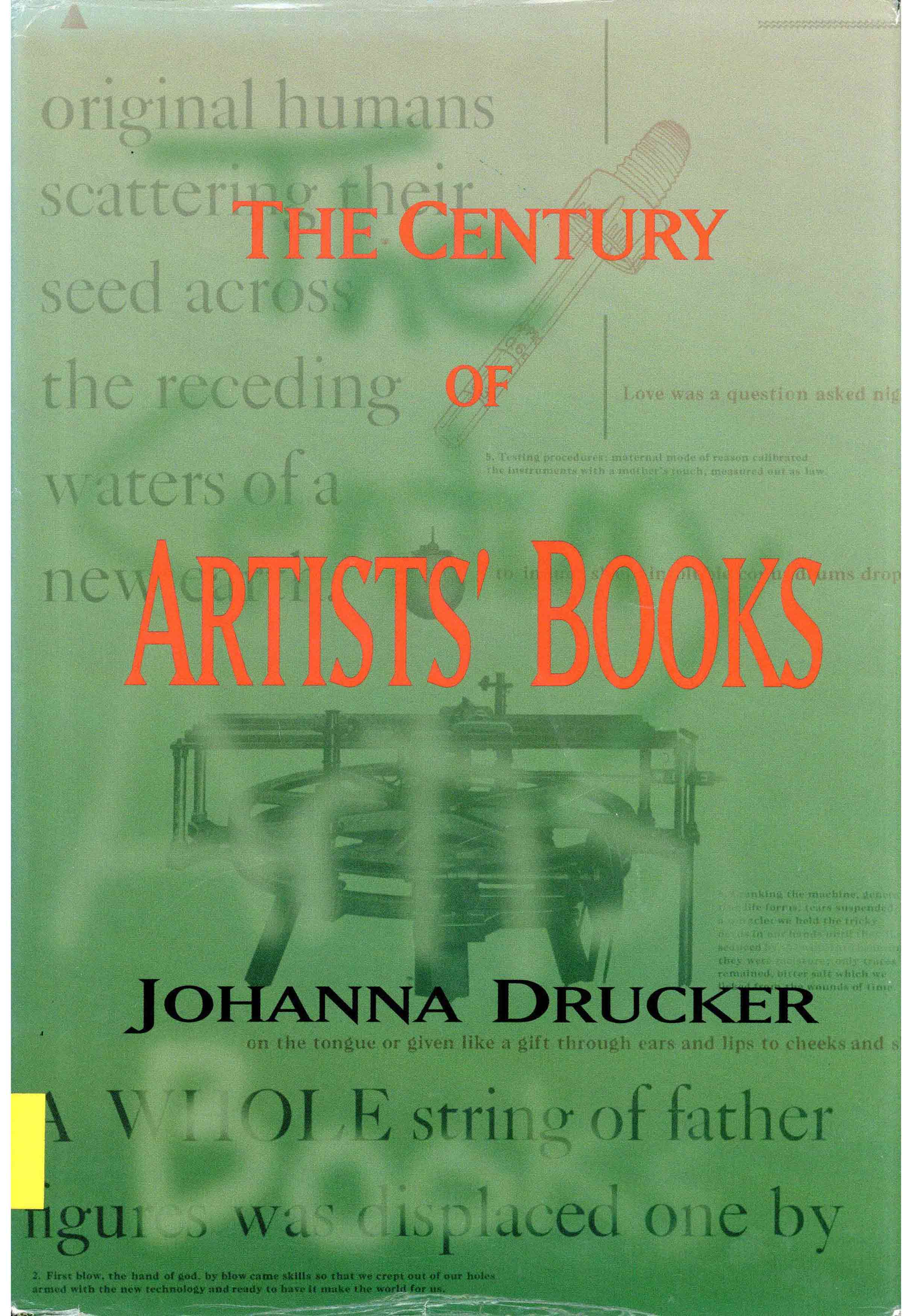
However, the leading authors on its history and definition – American art historian and artist Johanna Drucker, French professor of art philosophy Anne Moeglin-Delcroix, and American curator Clive Phillpot – place the artist's book as a creation of the avant-garde of the 1960s and 1970s, namely, artists connected to conceptual art.
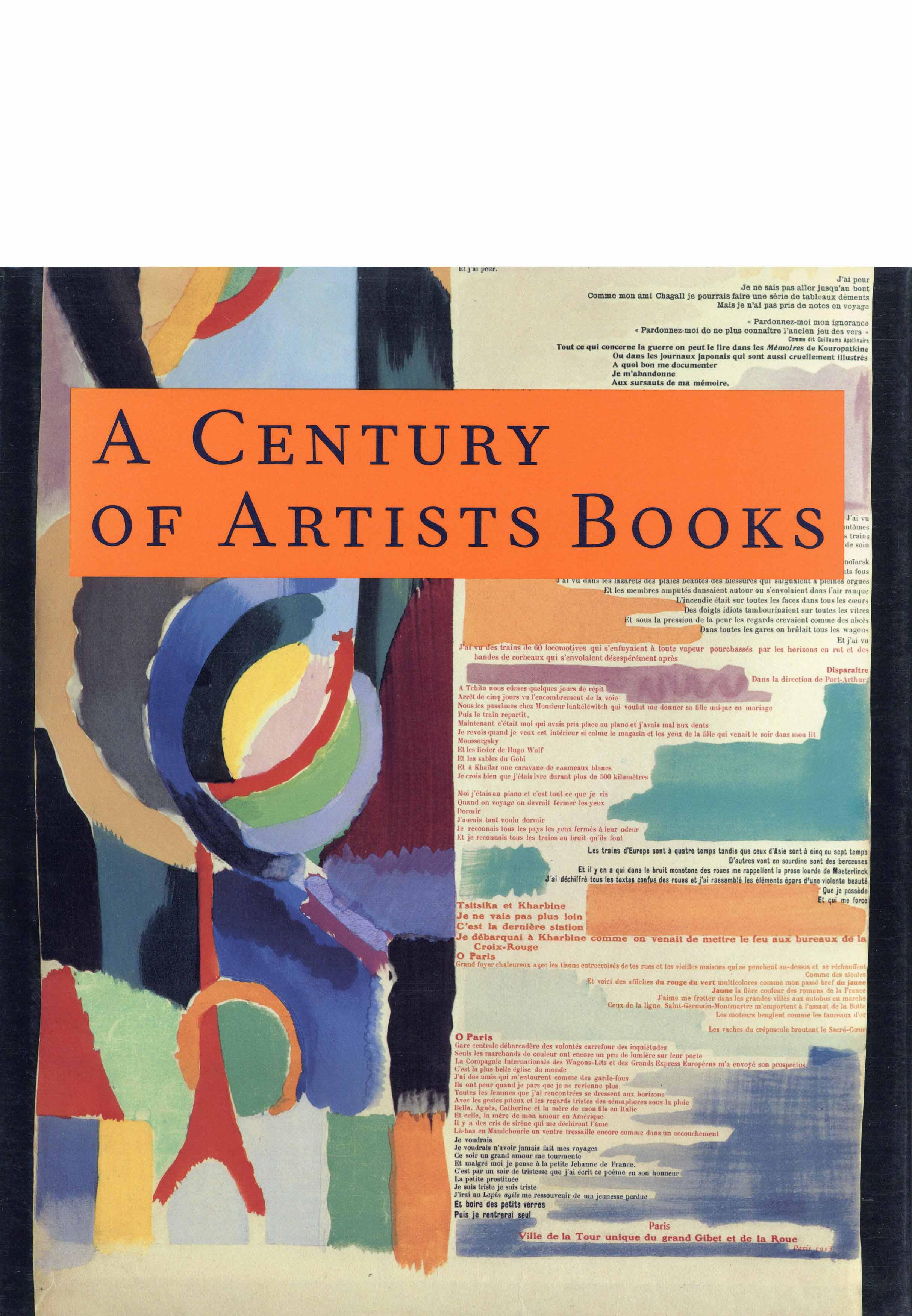
Another author who researched the subject, Riva Castleman, an American art historian and curator of the exhibition A century of Artists Books – presented by New York’s Museum of Modern Art (MoMA) in 1994 – had a broader conception, including pre-20th-century illustrated books in her definition.
For his part, Italian collector and scholar Giorgio Maffei considers the end of the 19th century as the beginning of a new way of looking at books, bringing their formal and visual characteristics into dialogue using typographic composition, made possible by technical developments.
The work that stands out as a pioneer in this combination of content and form was the poem Un coup de dés jamais n’abolira le harsard, published by French author Stéphane Mallarmé in 1897 in the magazine Cosmopólis and edited into a book in 1914.
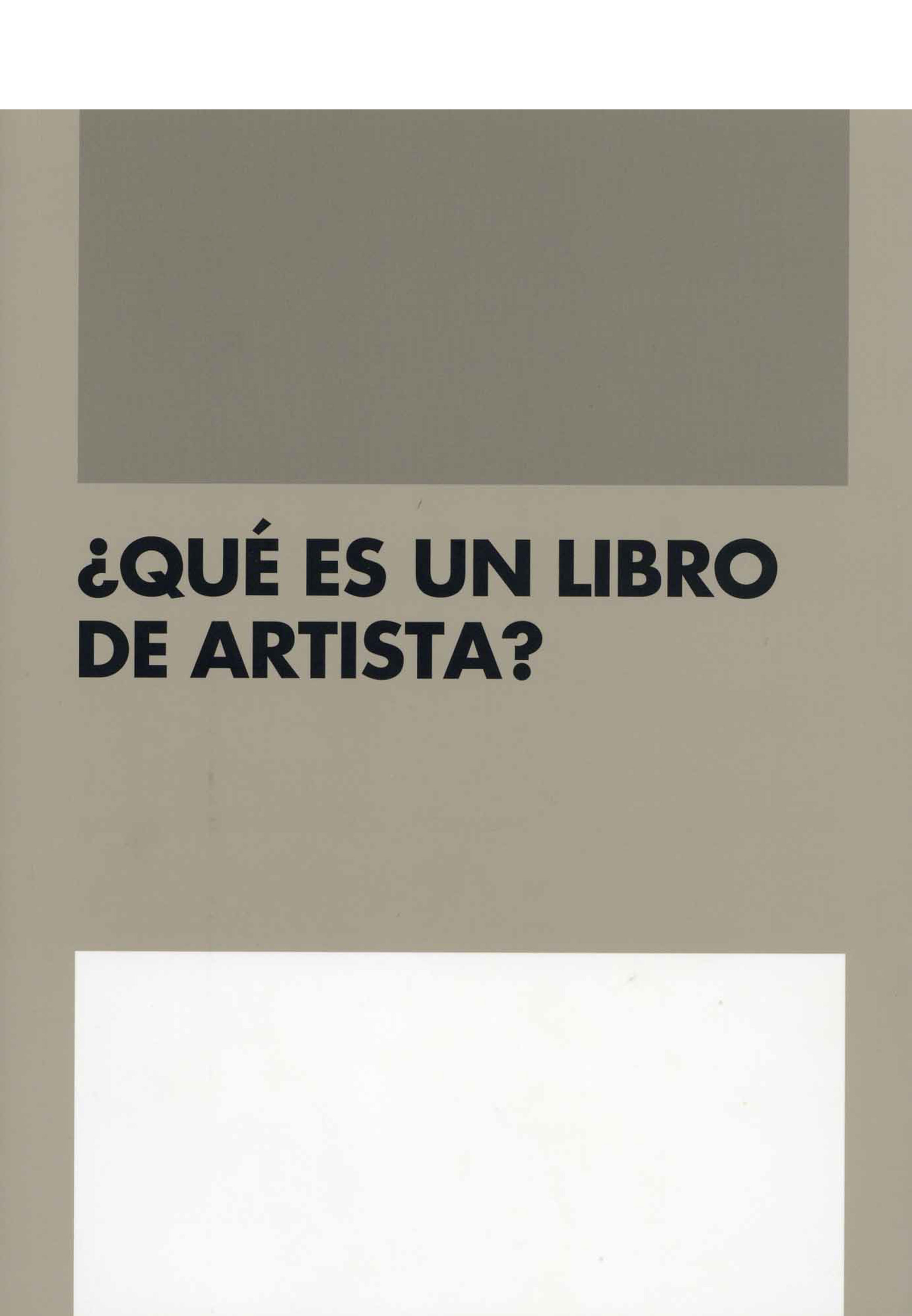
For Maffei, Mallarmé's text marks, “albeit in a conventional way, the birth of the artist's book, an archetype accepted by critics, who are almost always divided by the very notion and definition of an artist's book” (¿Qué es un libro de artista?, texto editado no catálogo ¿Qué es un libro de artista?. Cantabria : La Bahía, 2014, page 11).
From the 1980s onwards, artists became more involved in creating artist's books, usually accompanied by exhibitions. In Portugal, what was probably the first exhibition dedicated to Artist Books place in 1983 at the Galeria Diferença. Some of the first books in the Art Library collection came from this exhibition.
This kind of explosion of Artist Book began to raise other questions: where should this type of work be? Should they belong to the collections of modern and contemporary art museums? Or, because books are their conceptual affiliation, should they belong to the documentary collections of libraries?
These questions are even more pertinent when we consider book objects, which are often unique works with a strong material affinity to sculpture, and the answer is neither easy, immediate, nor consensual. It may contemplate both possibilities, without prejudice to one another. But in libraries, with precautions for handling, these books have wider access, can be “read” by diverse audiences, and constitute sources of inspiration for other creations.
CATALOGUES AND BOOKS, 1940–1990
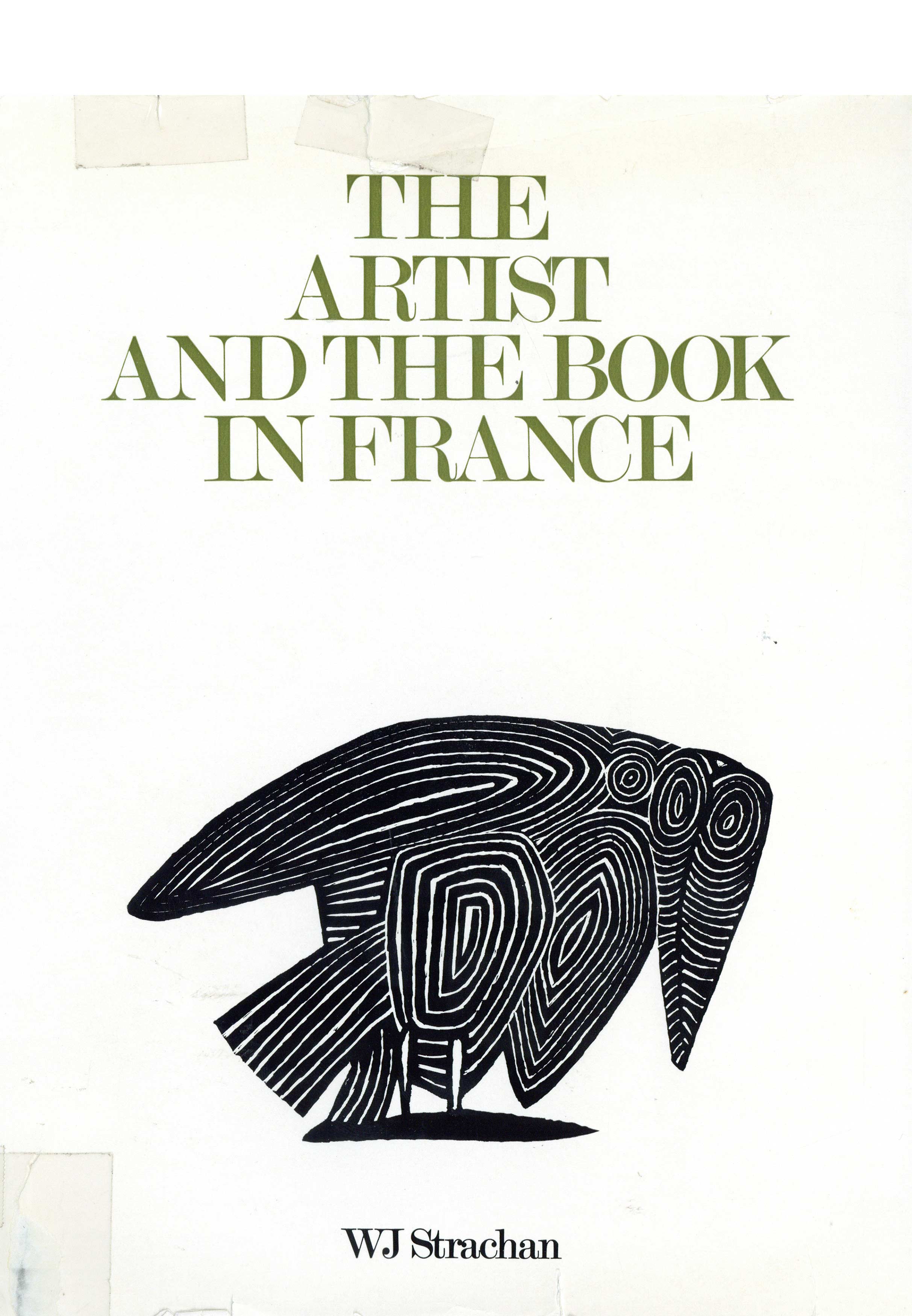
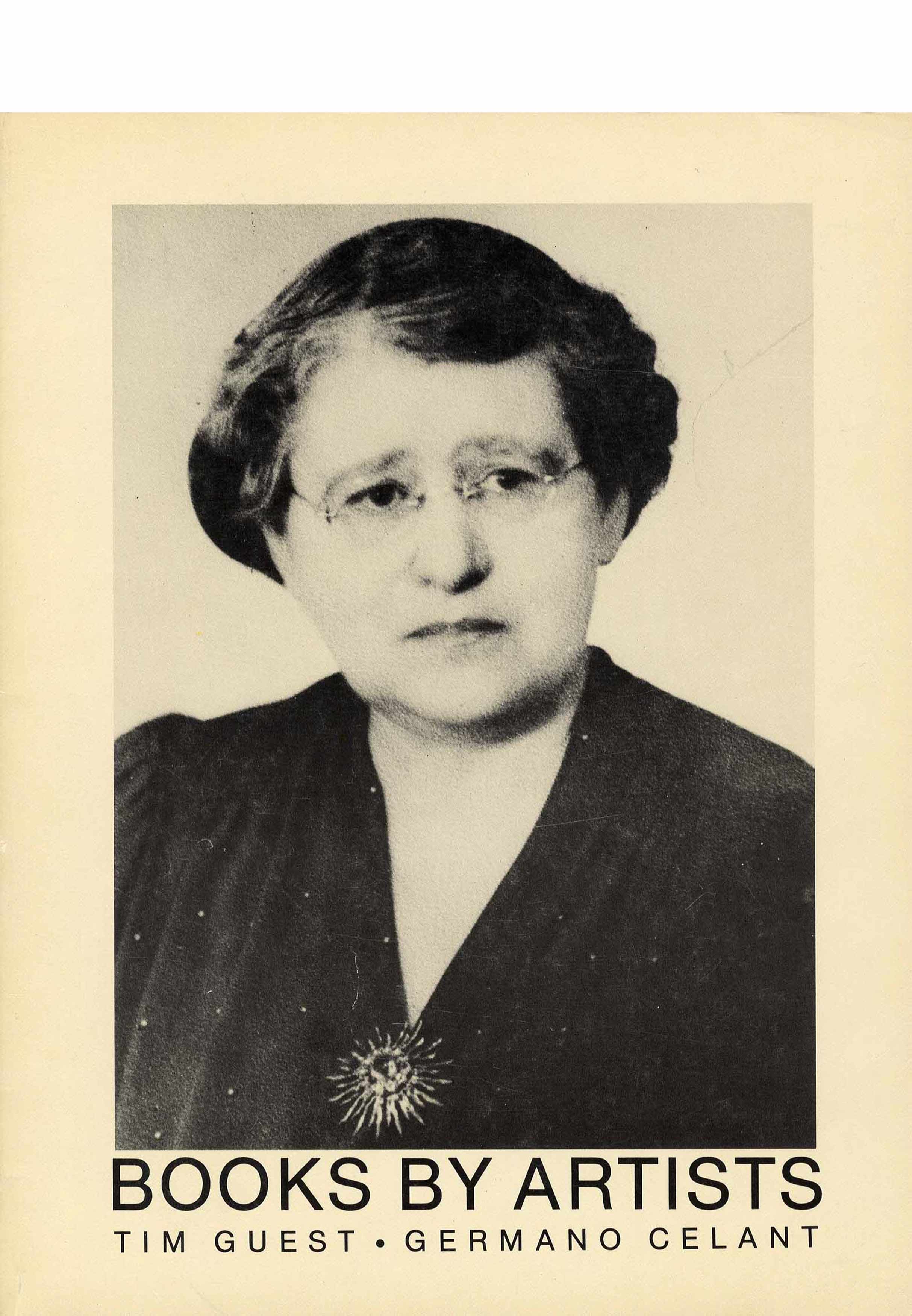
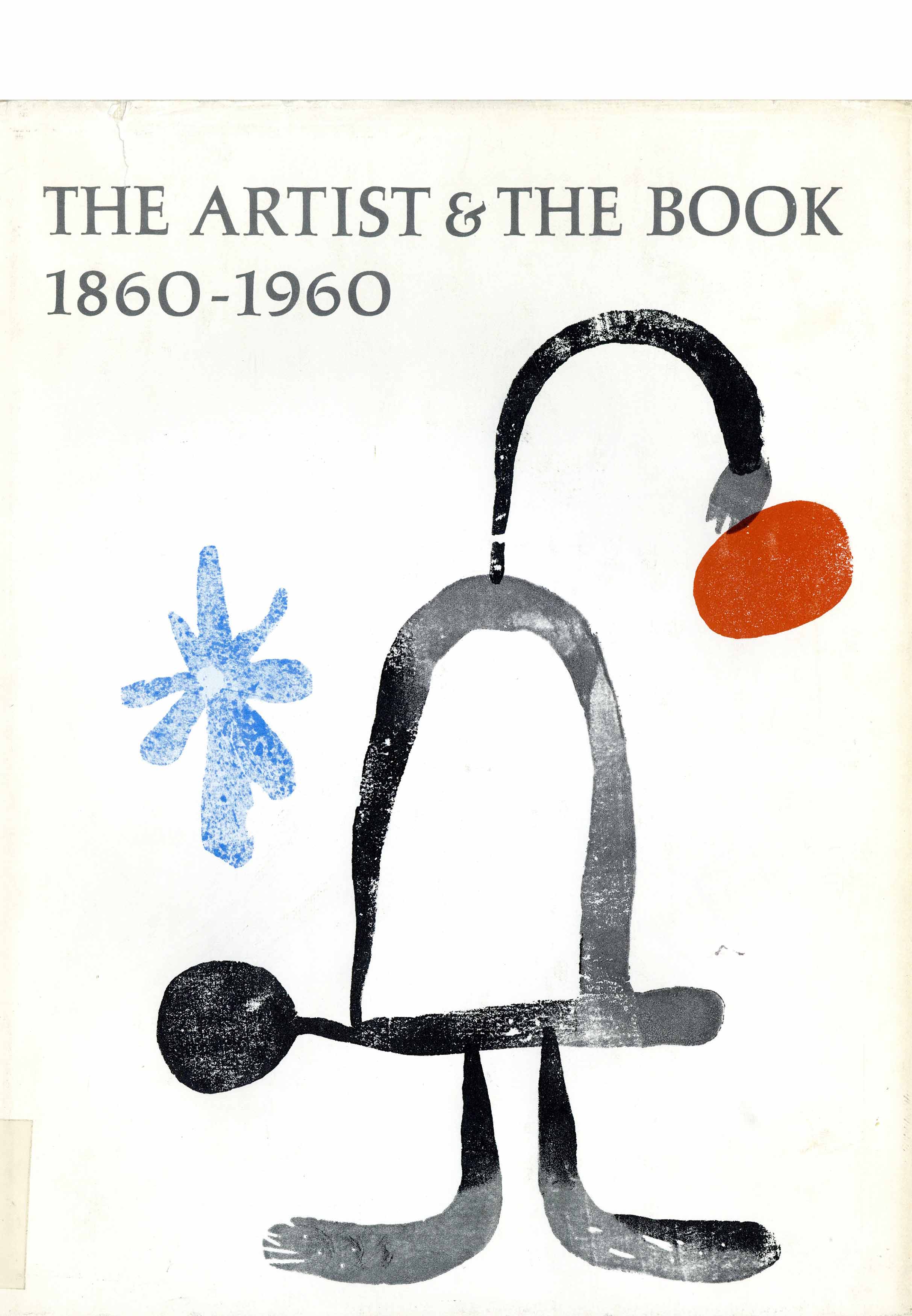
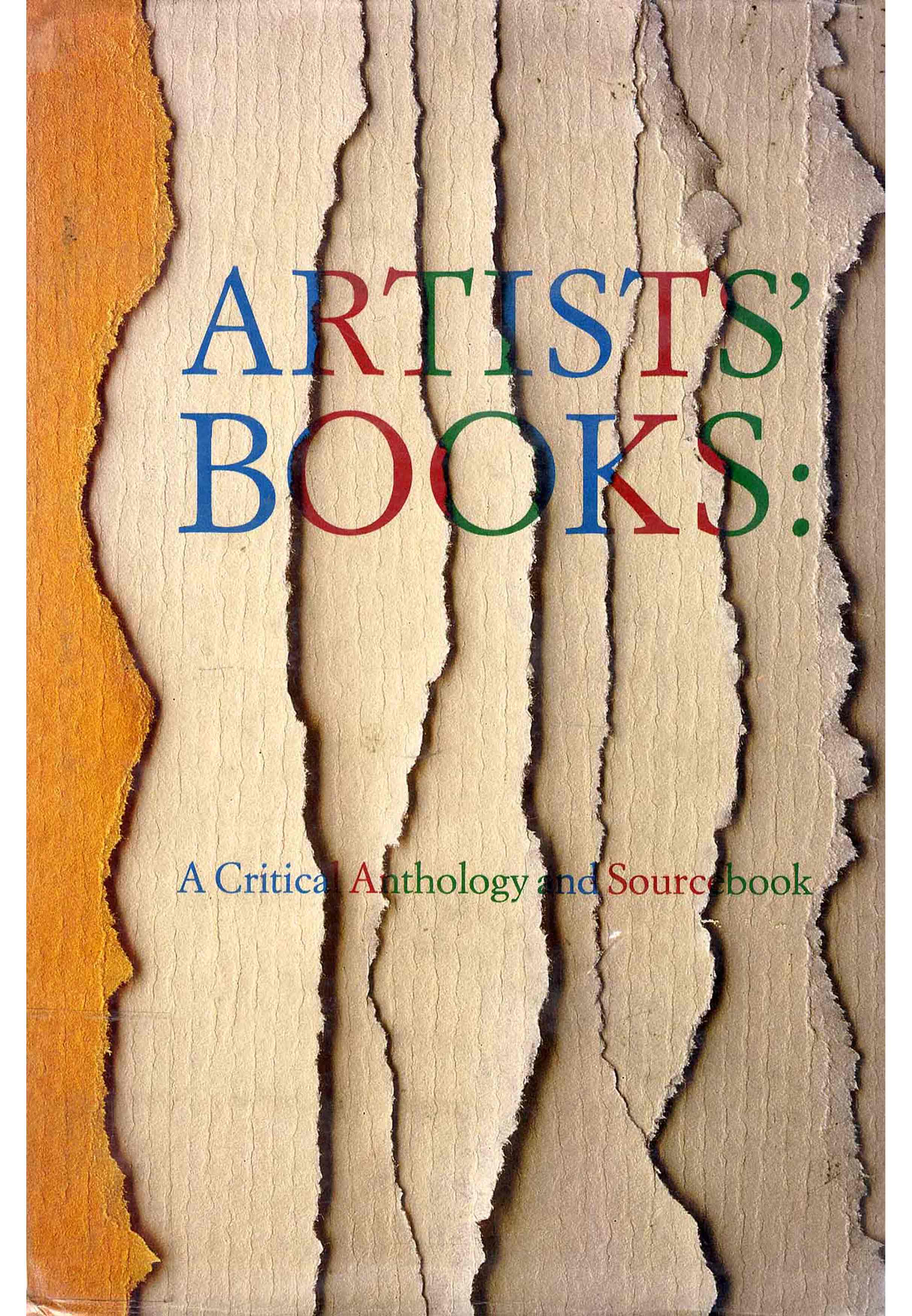
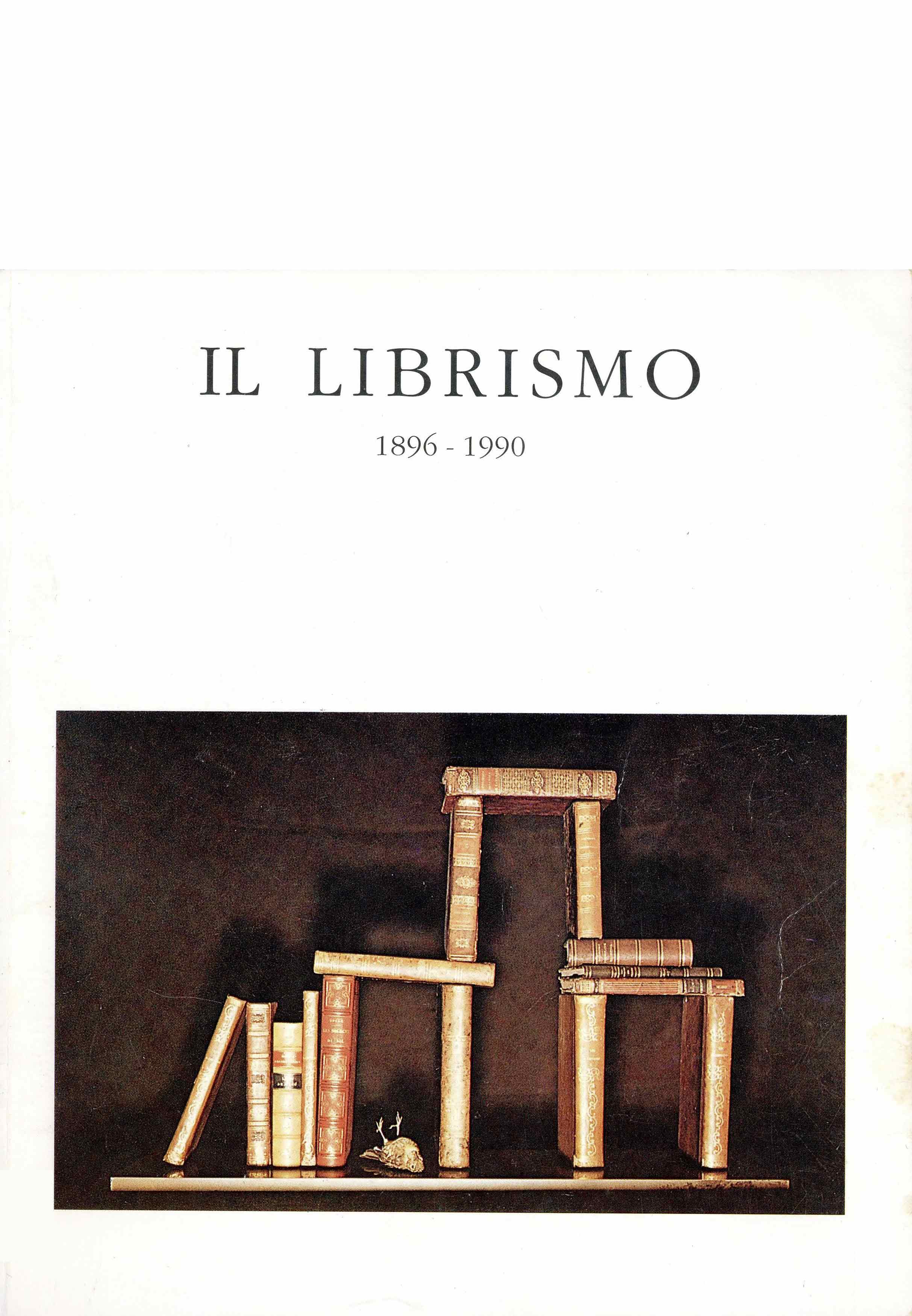
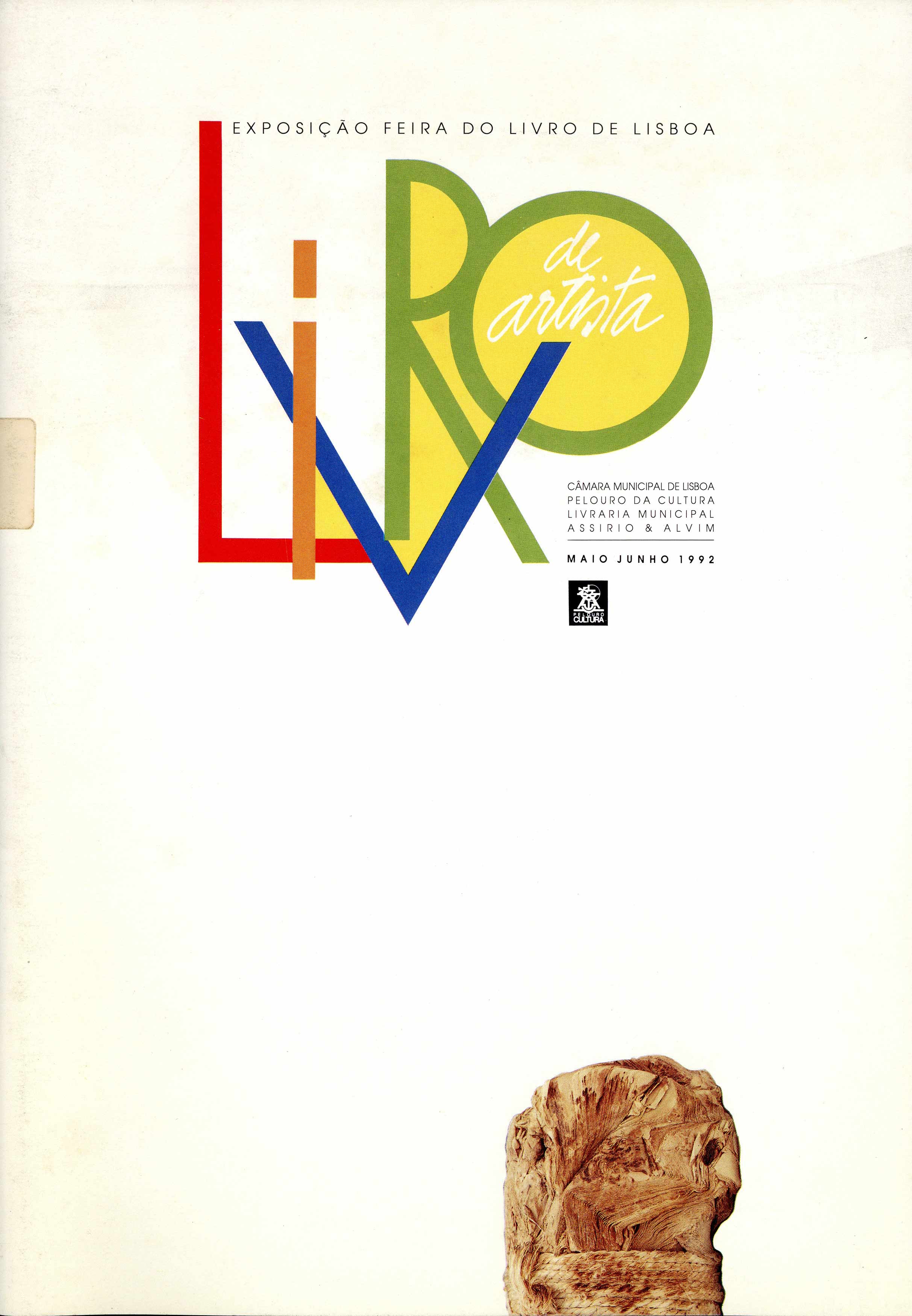
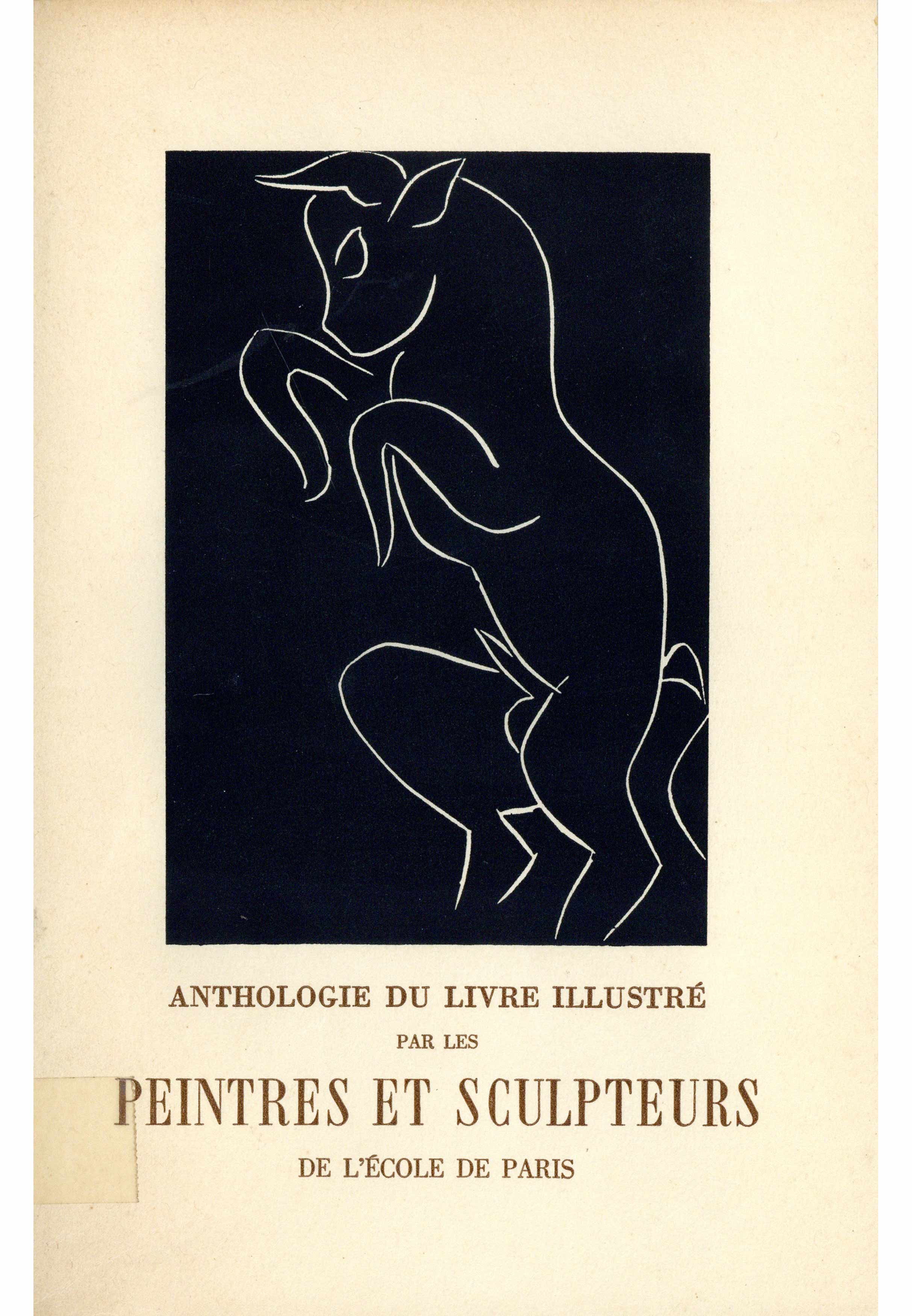
No results were found for your criteria.
CATALOGUES AND BOOKS, 1991-2000
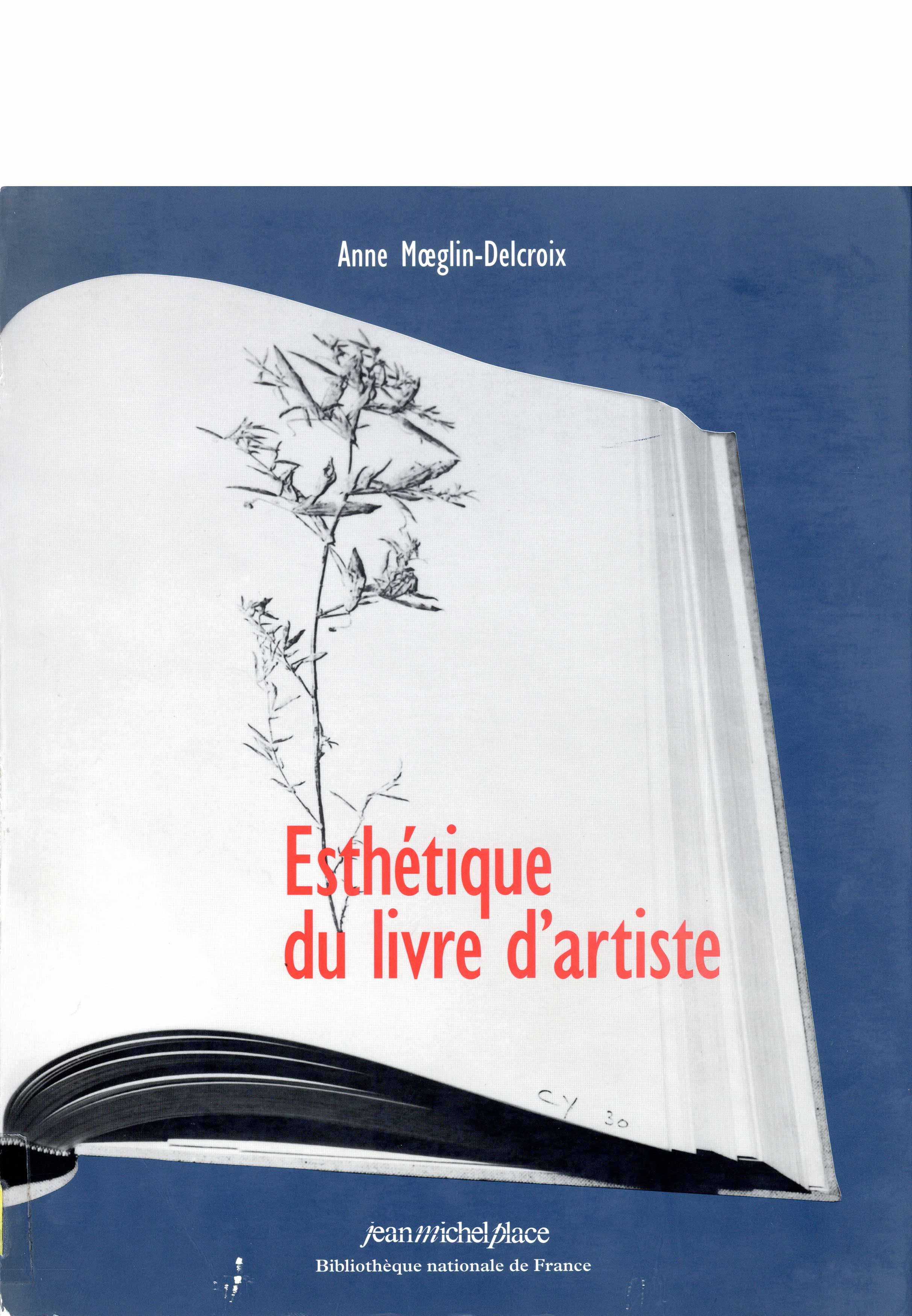
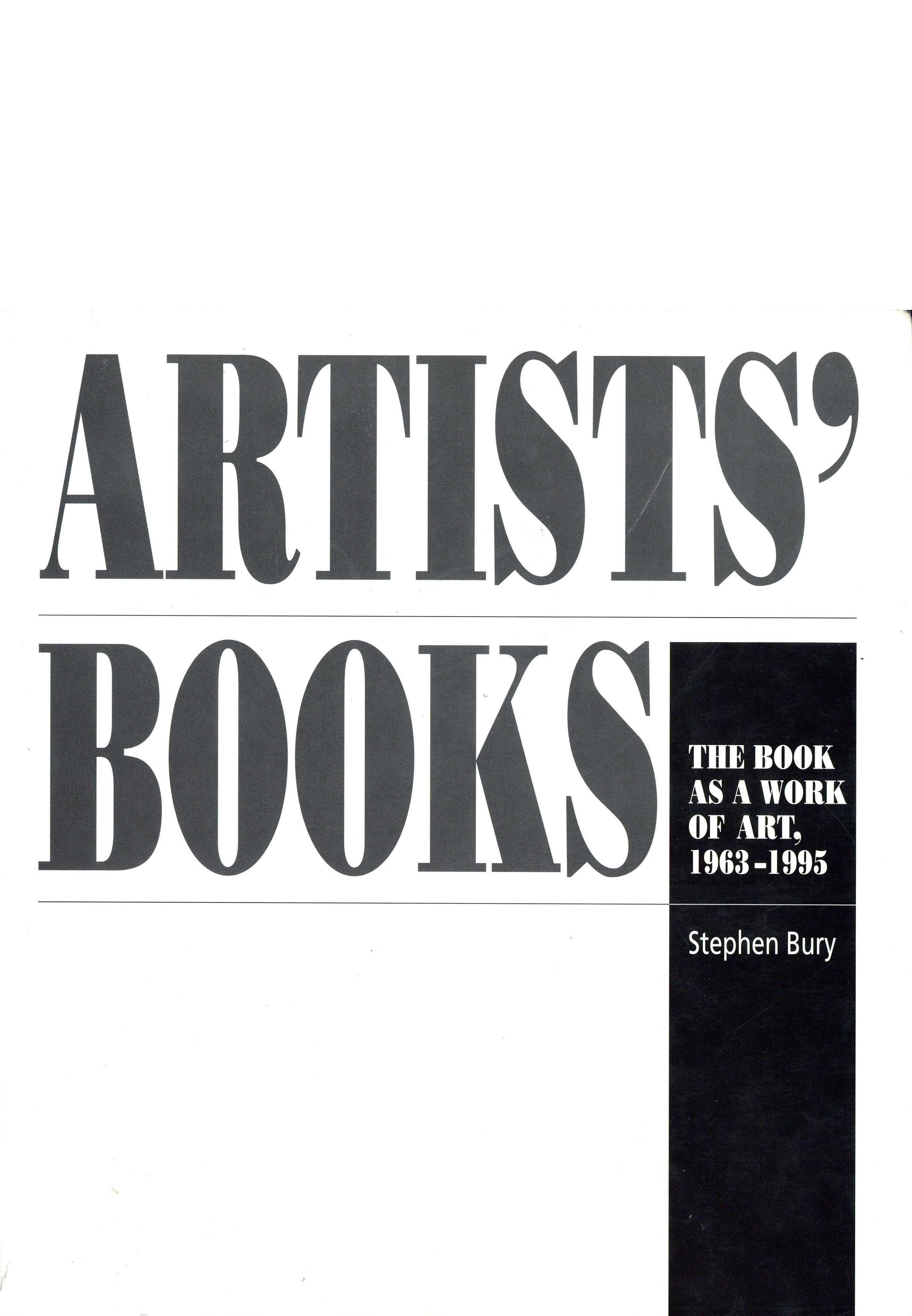
No results were found for your criteria.
CATALOGUES AND BOOKS, 2001-2005
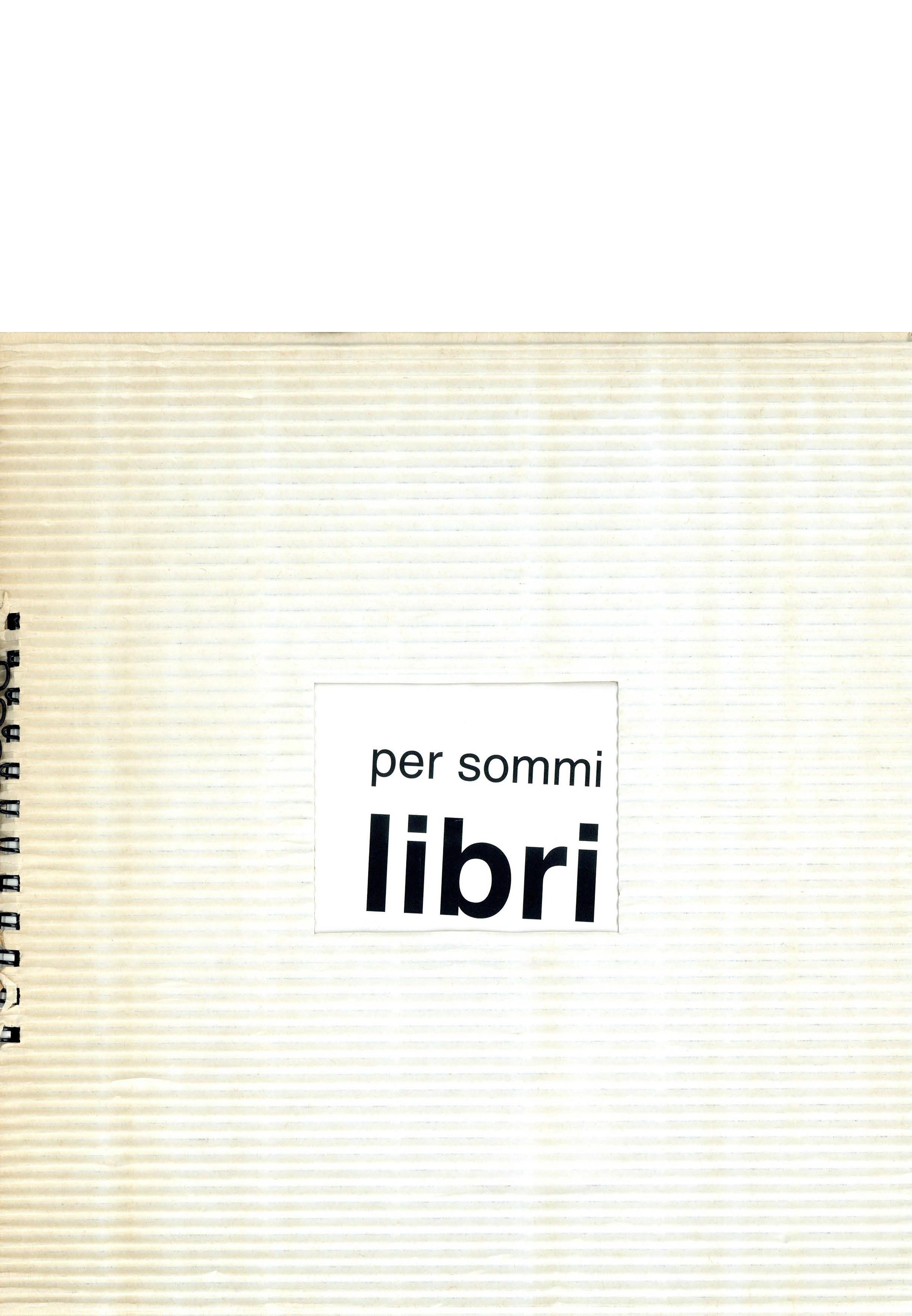
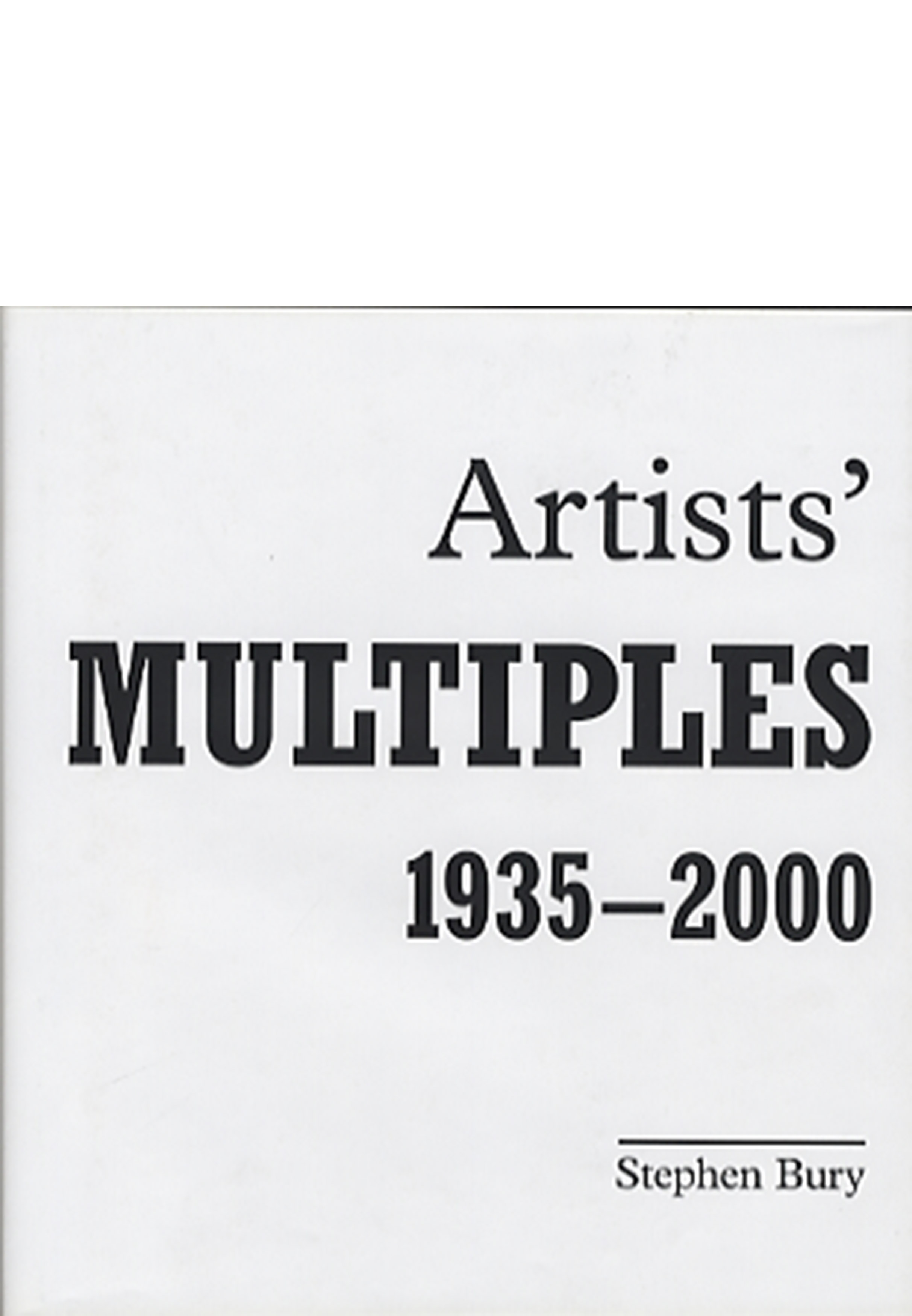
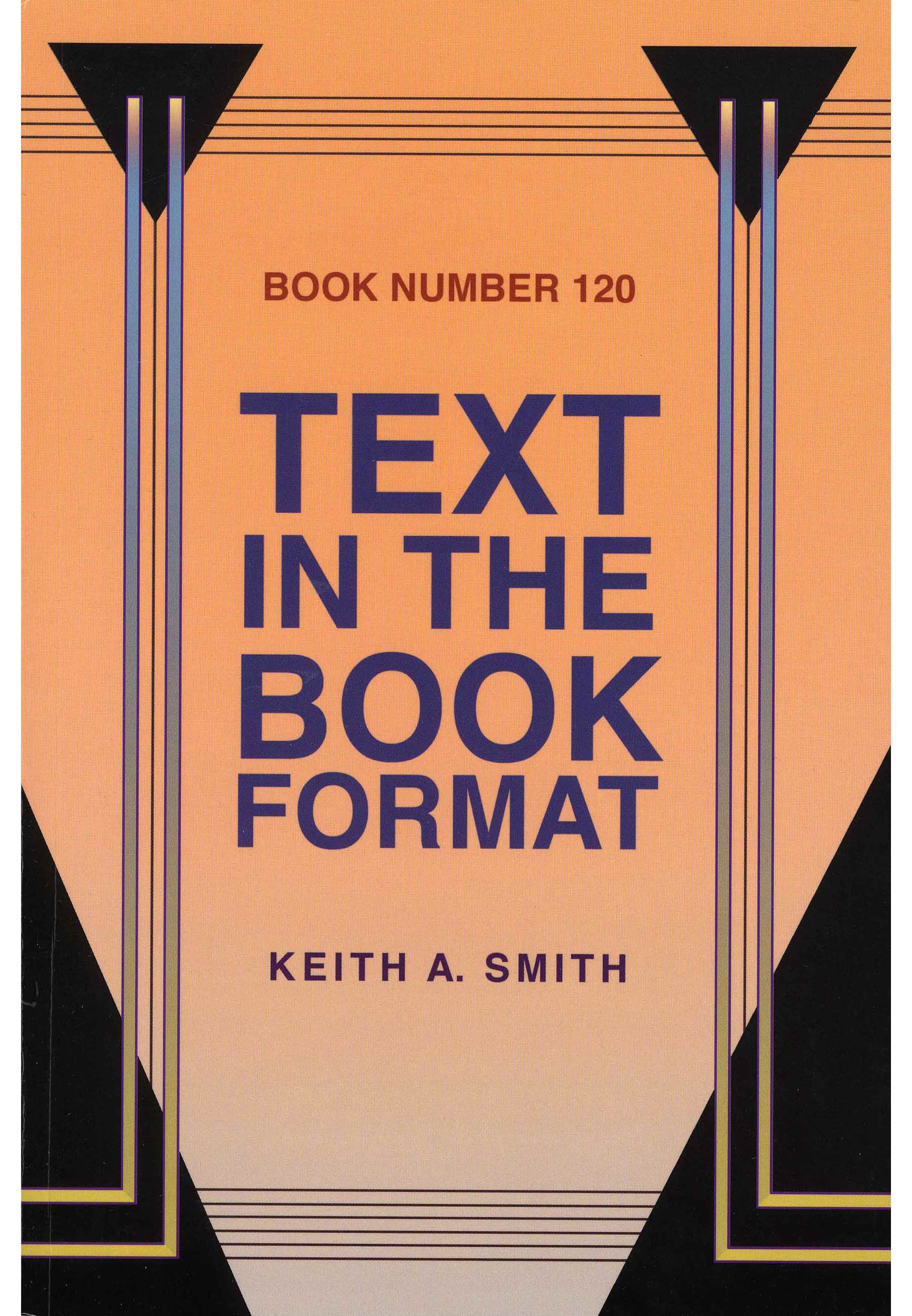
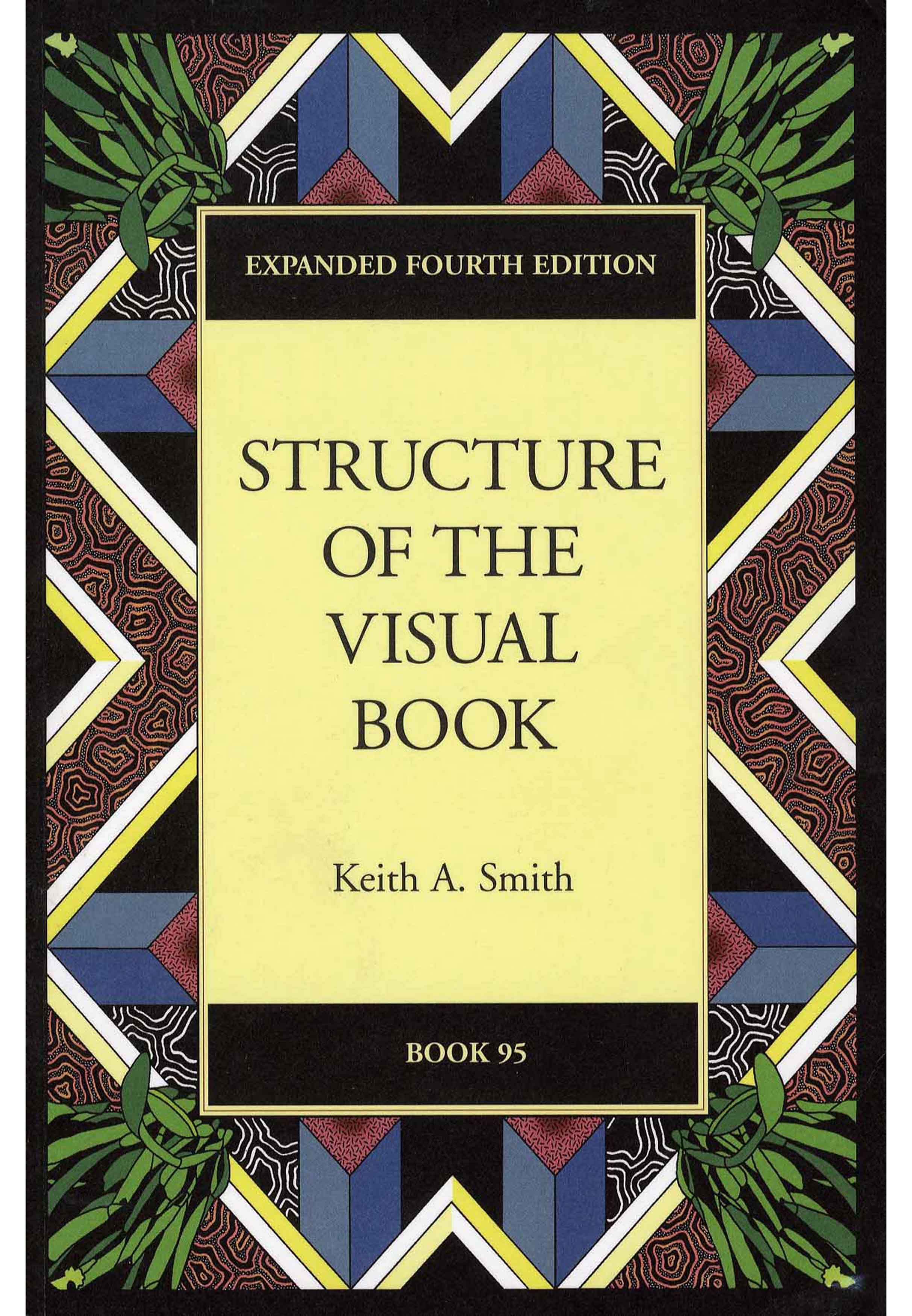
No results were found for your criteria.
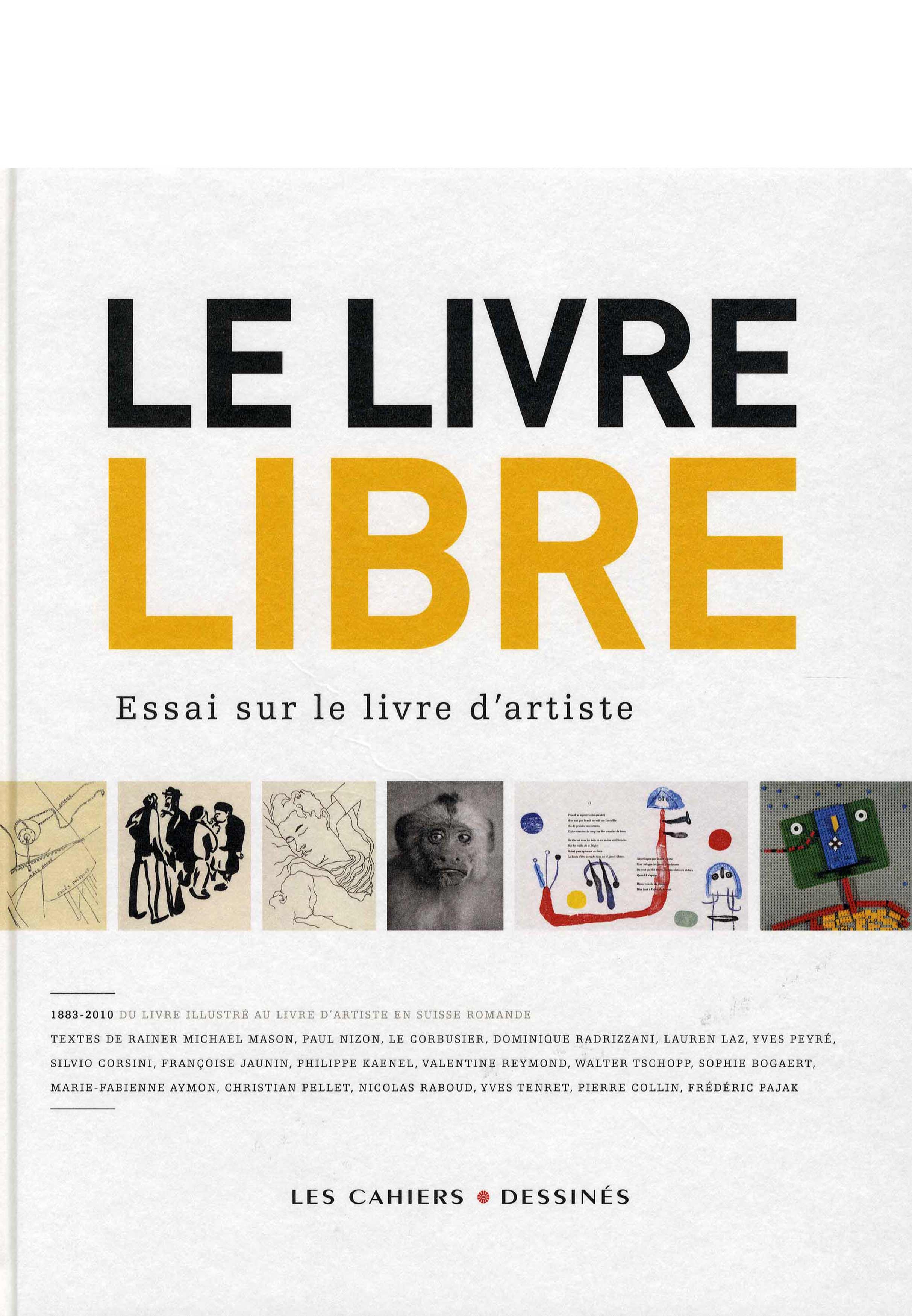
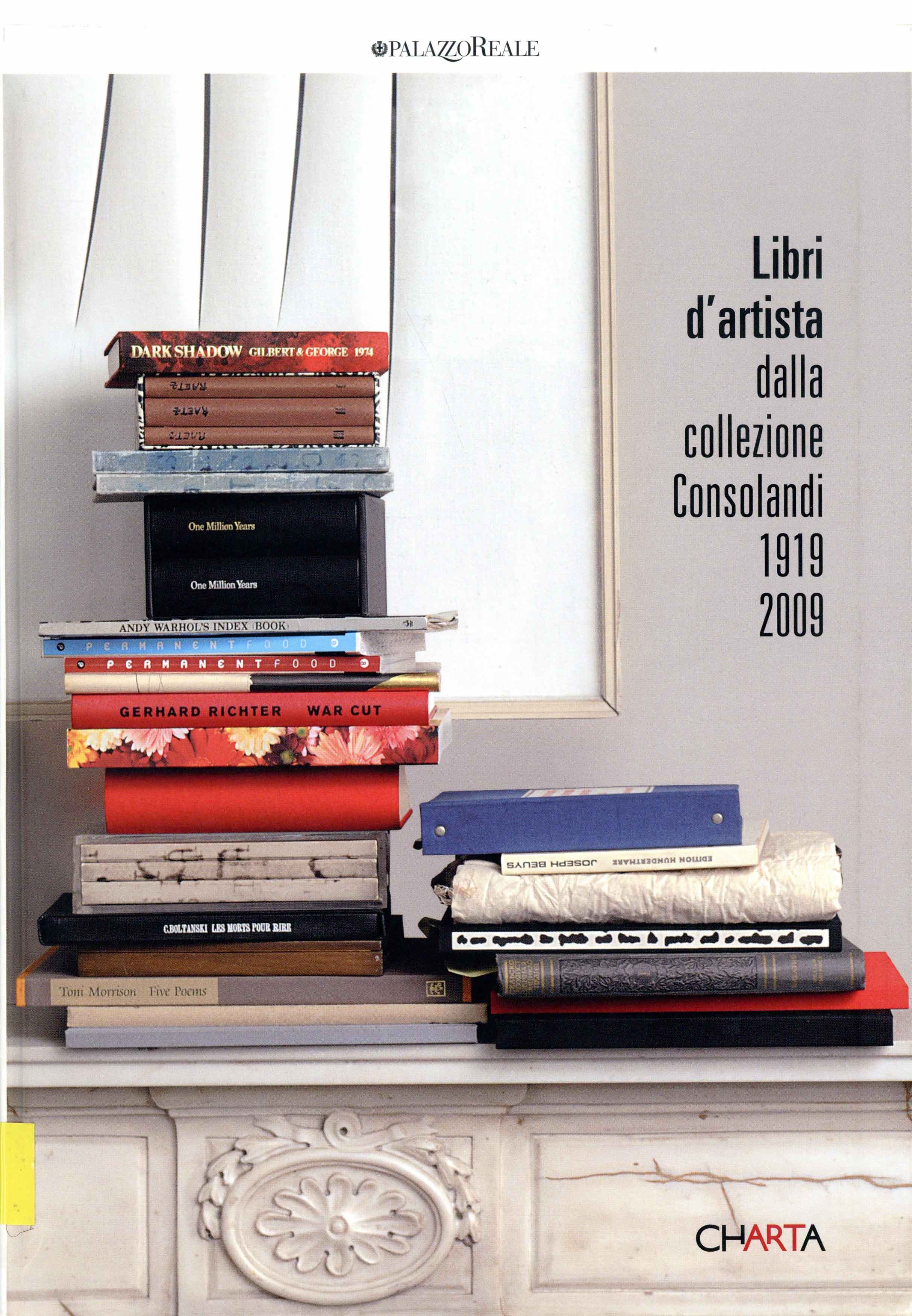
CATALOGUES AND BOOKS, 2006-2010
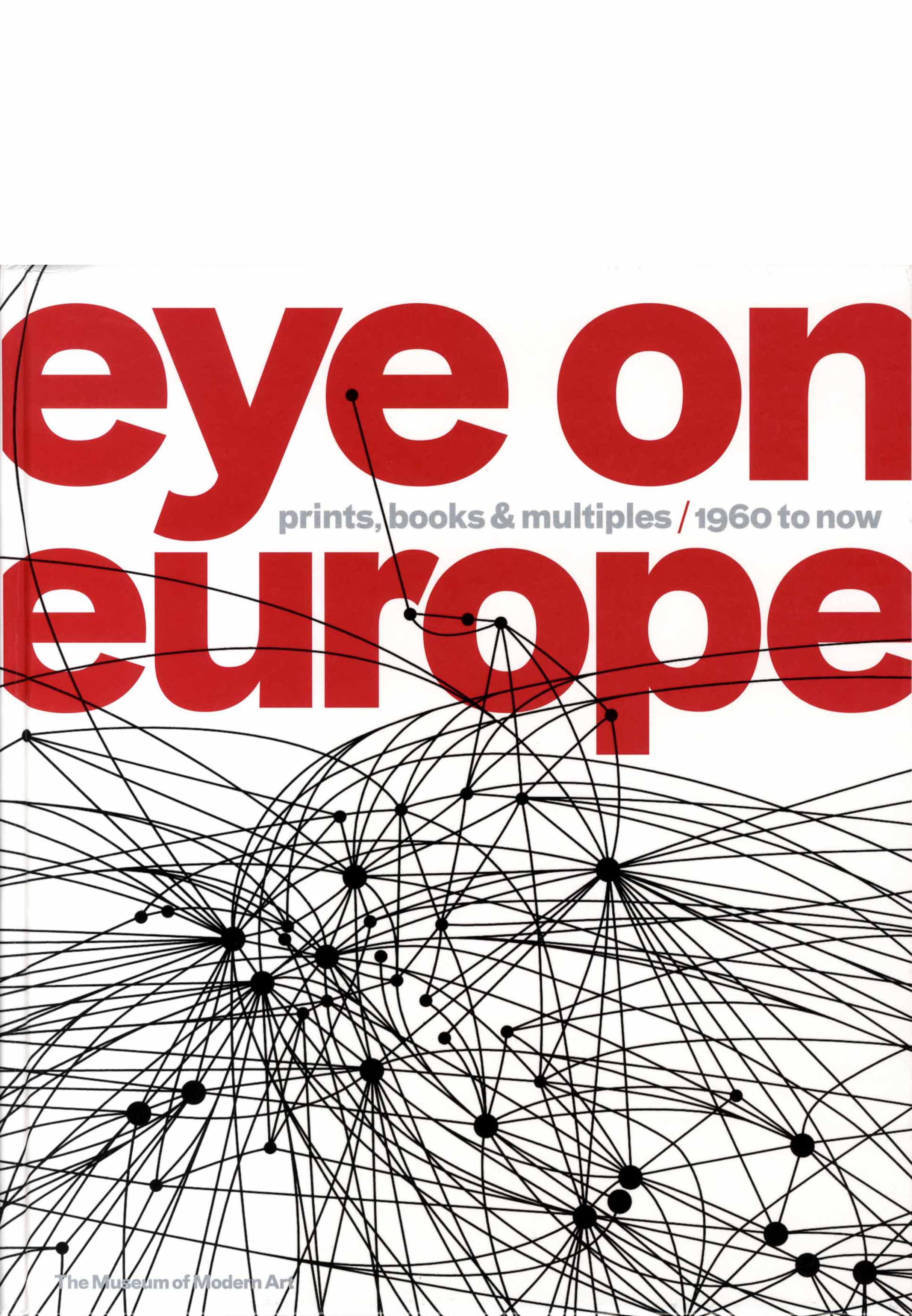
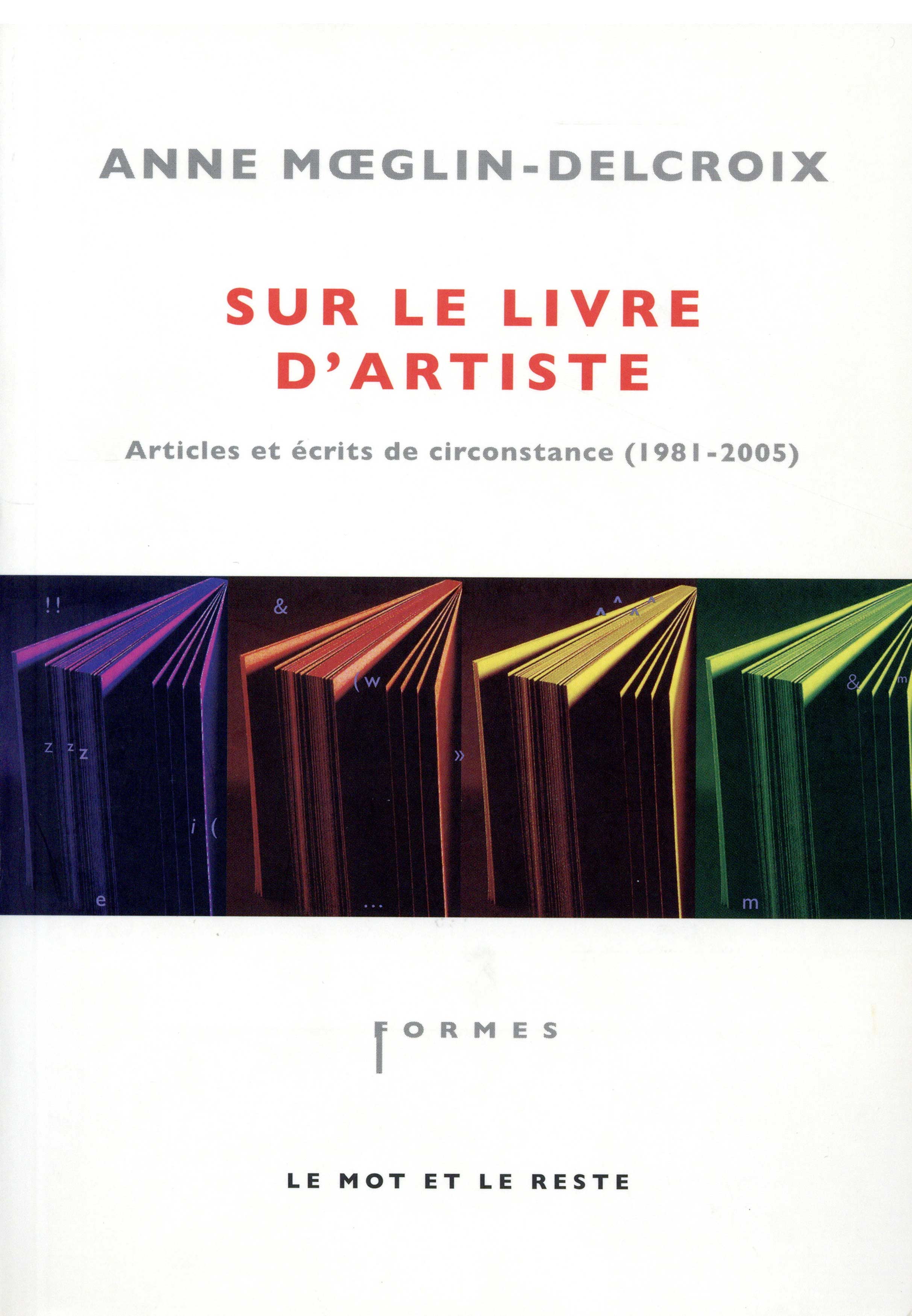
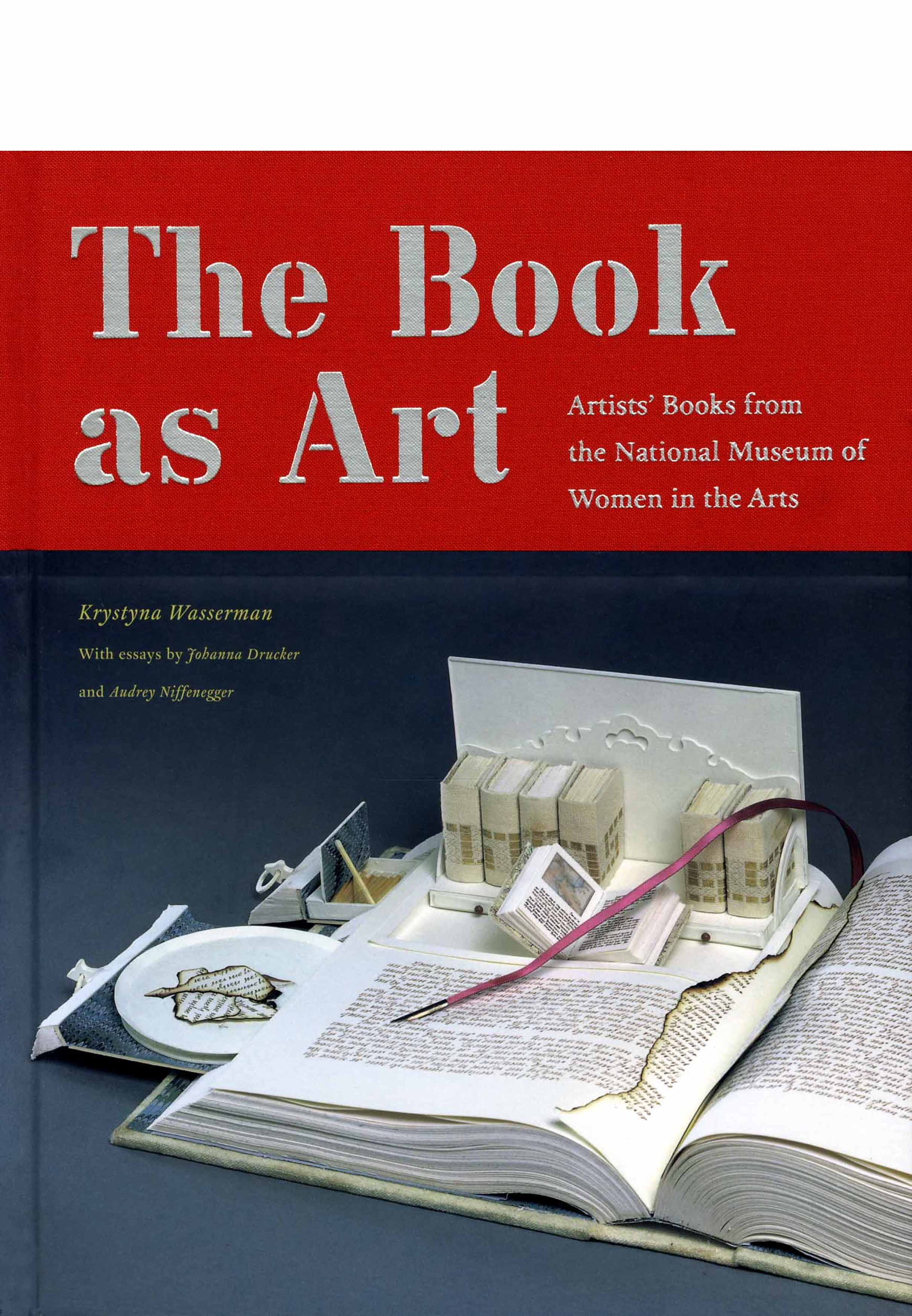
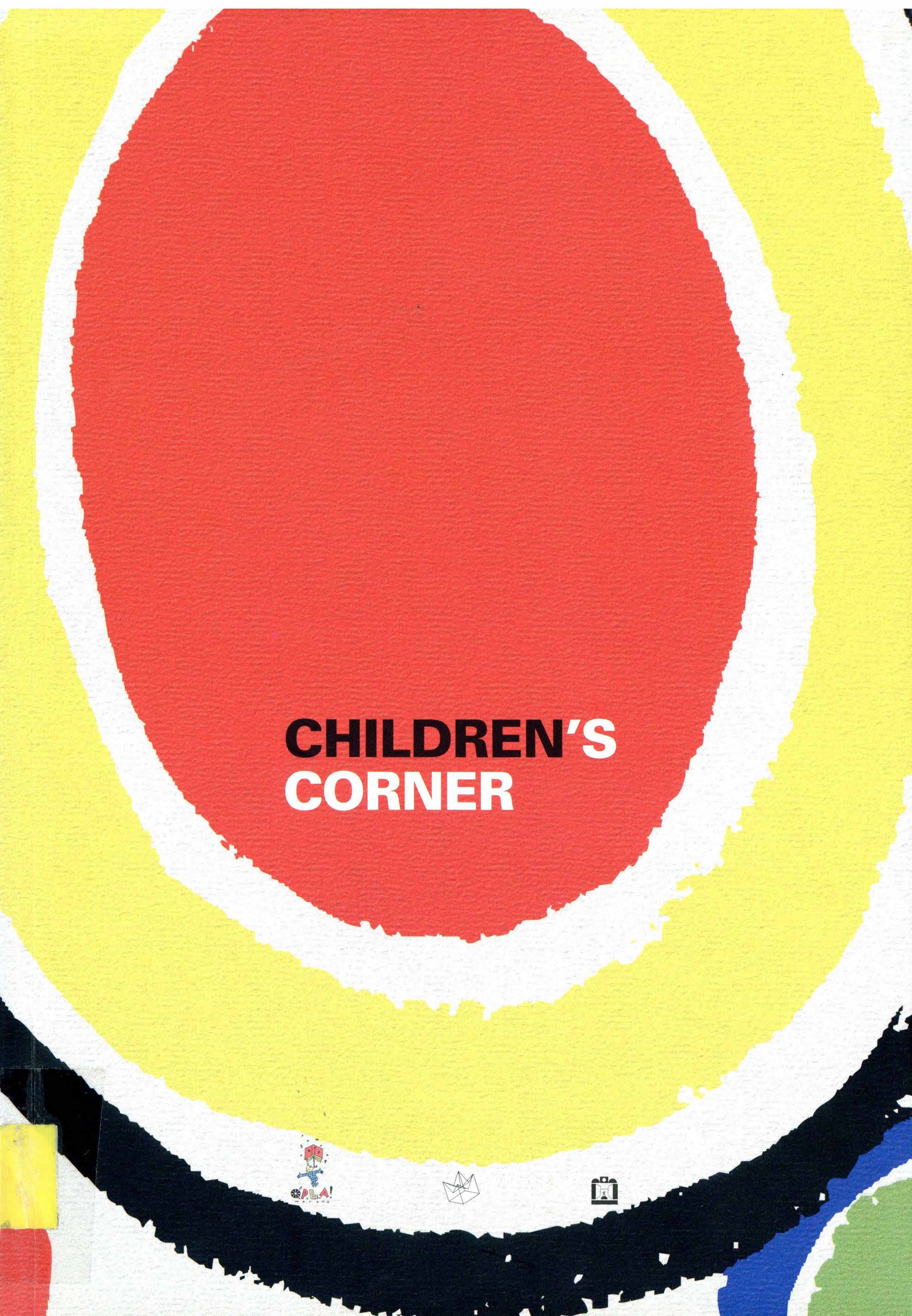
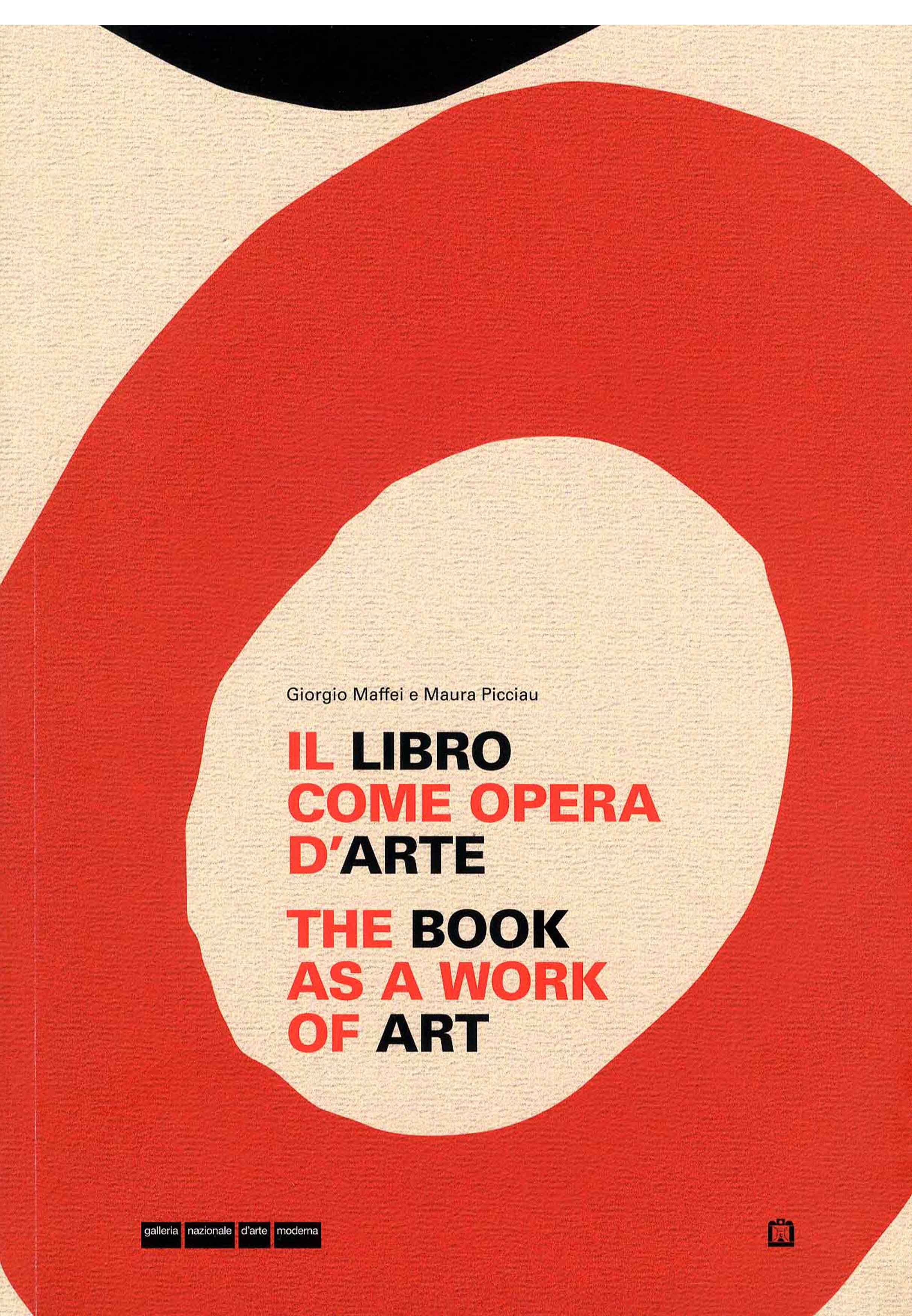
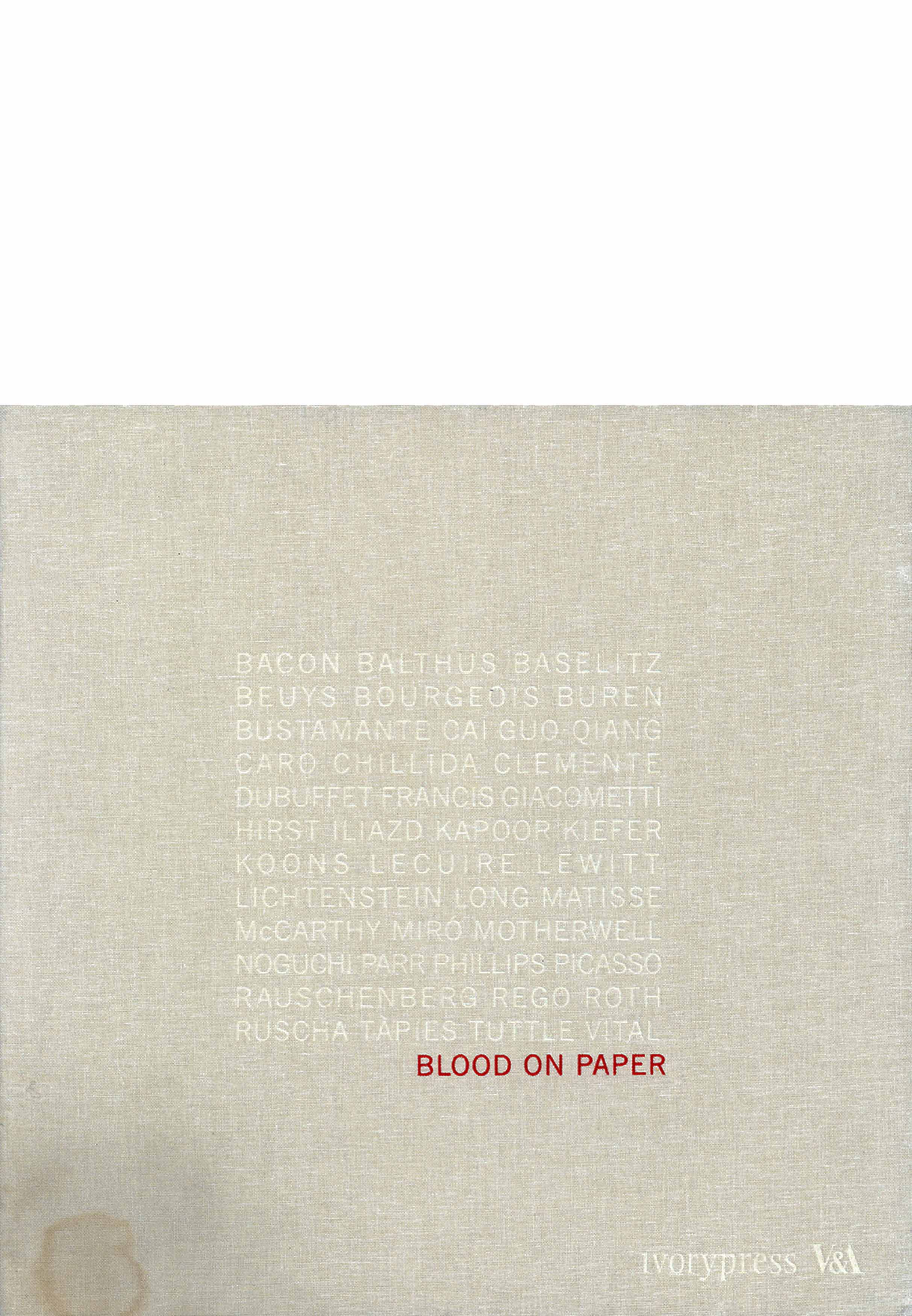
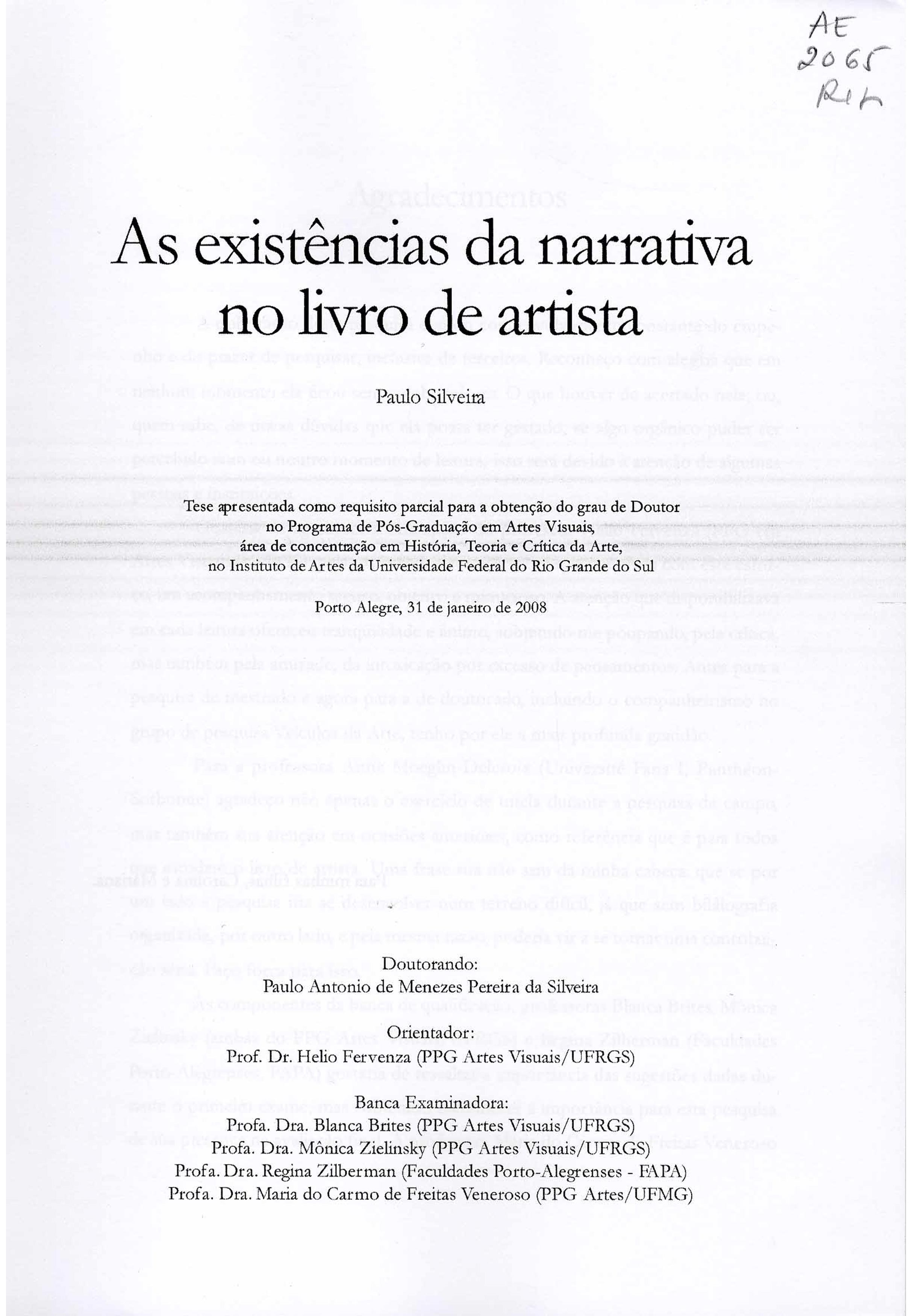
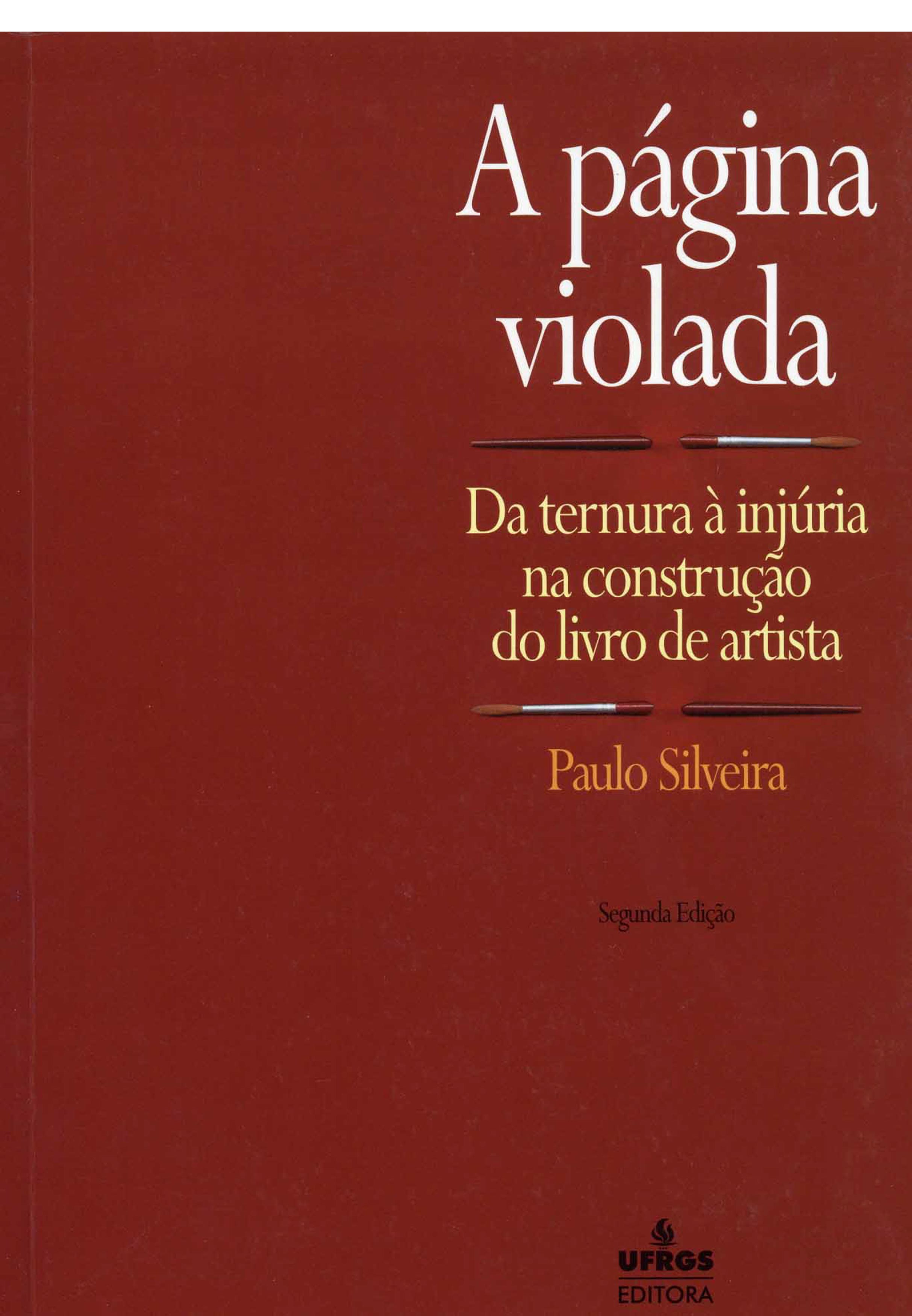
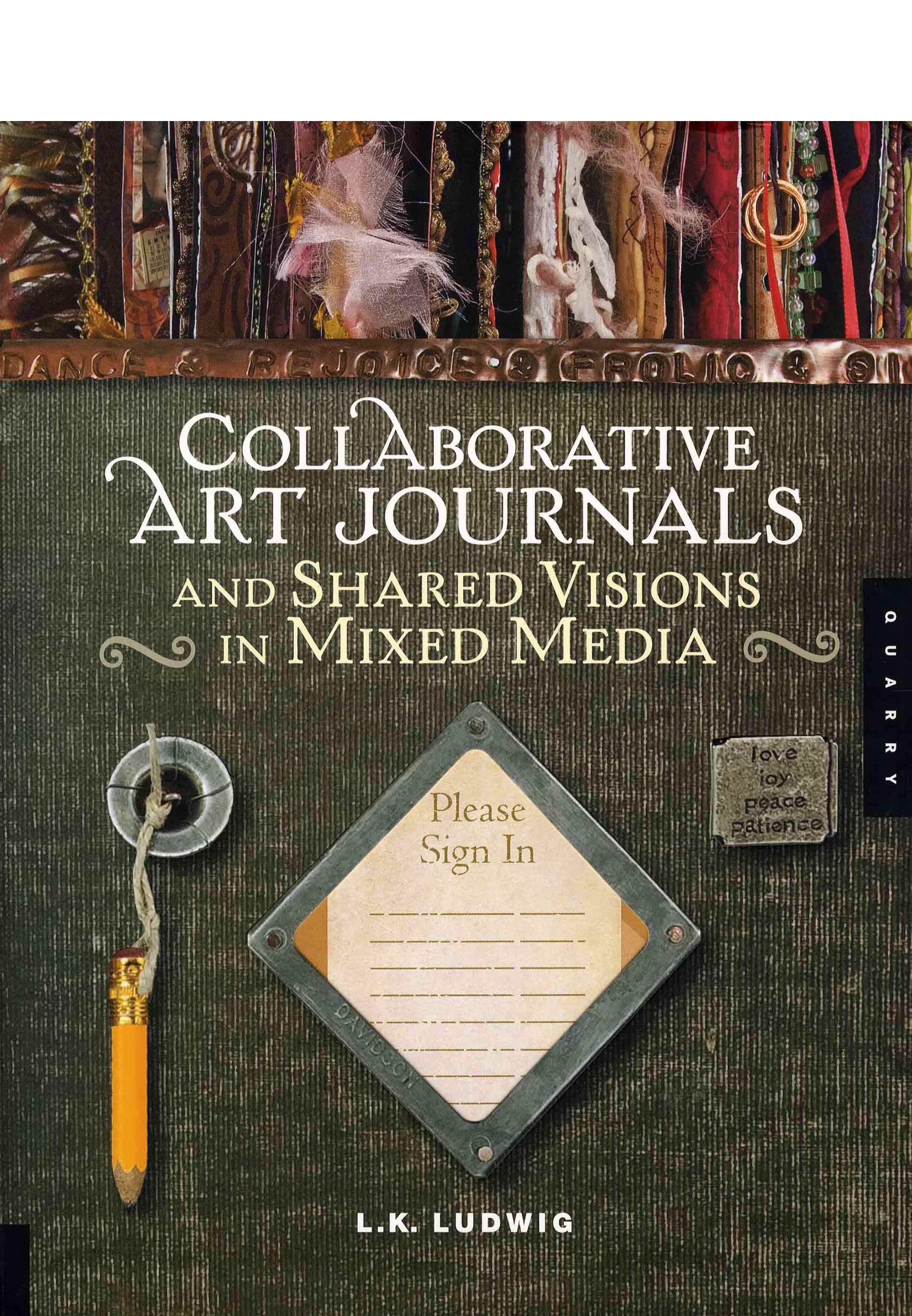
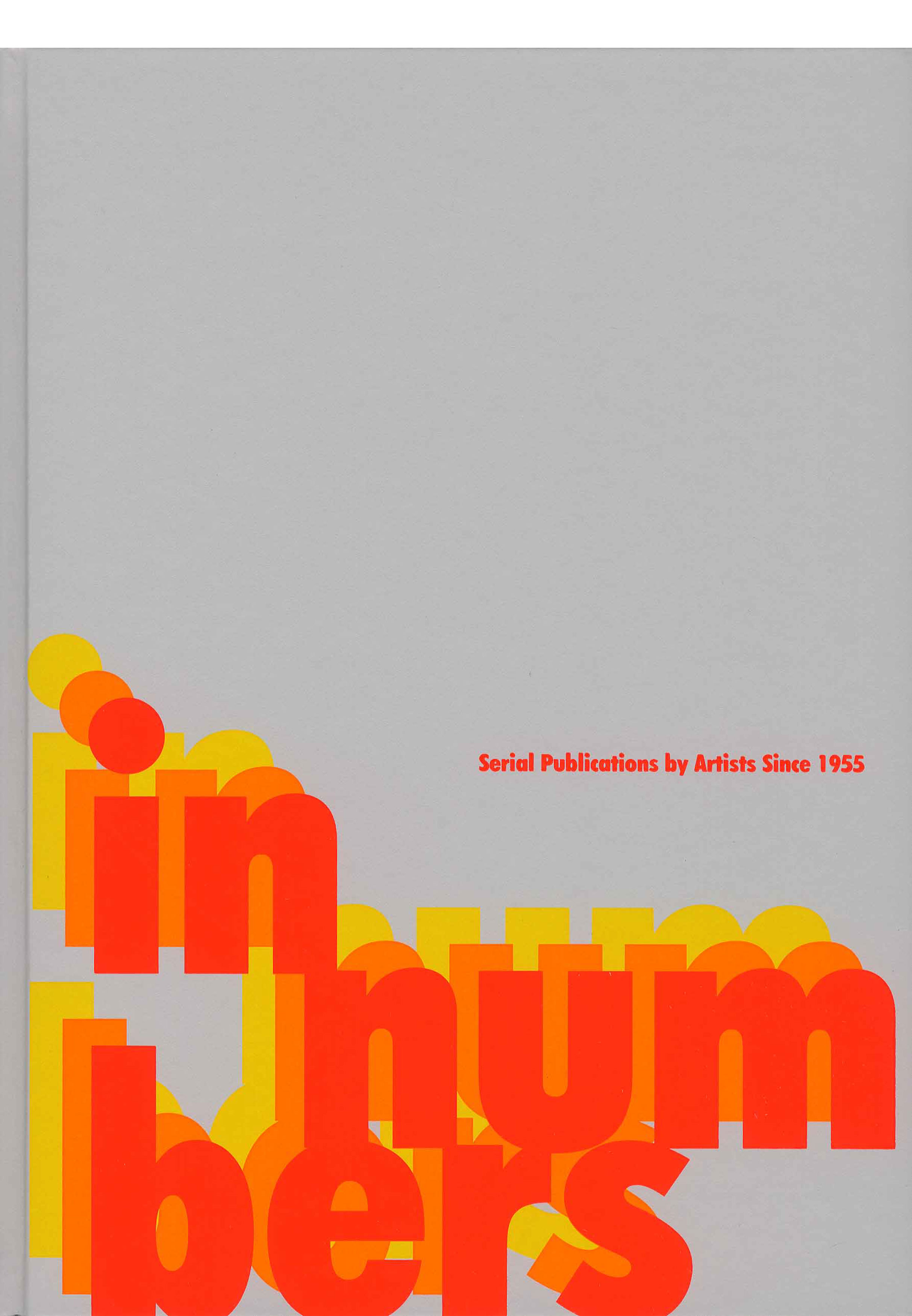
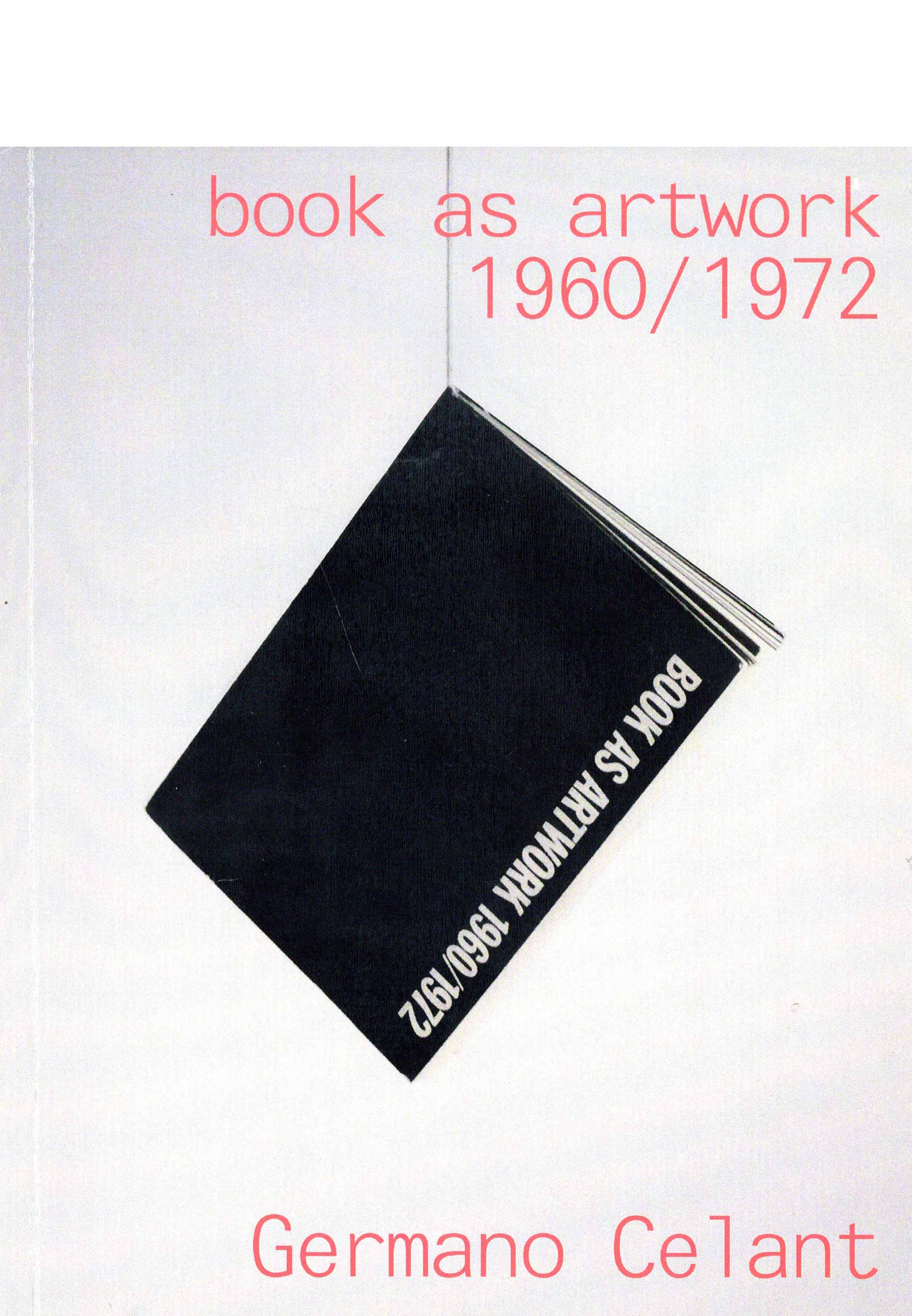
No results were found for your criteria.
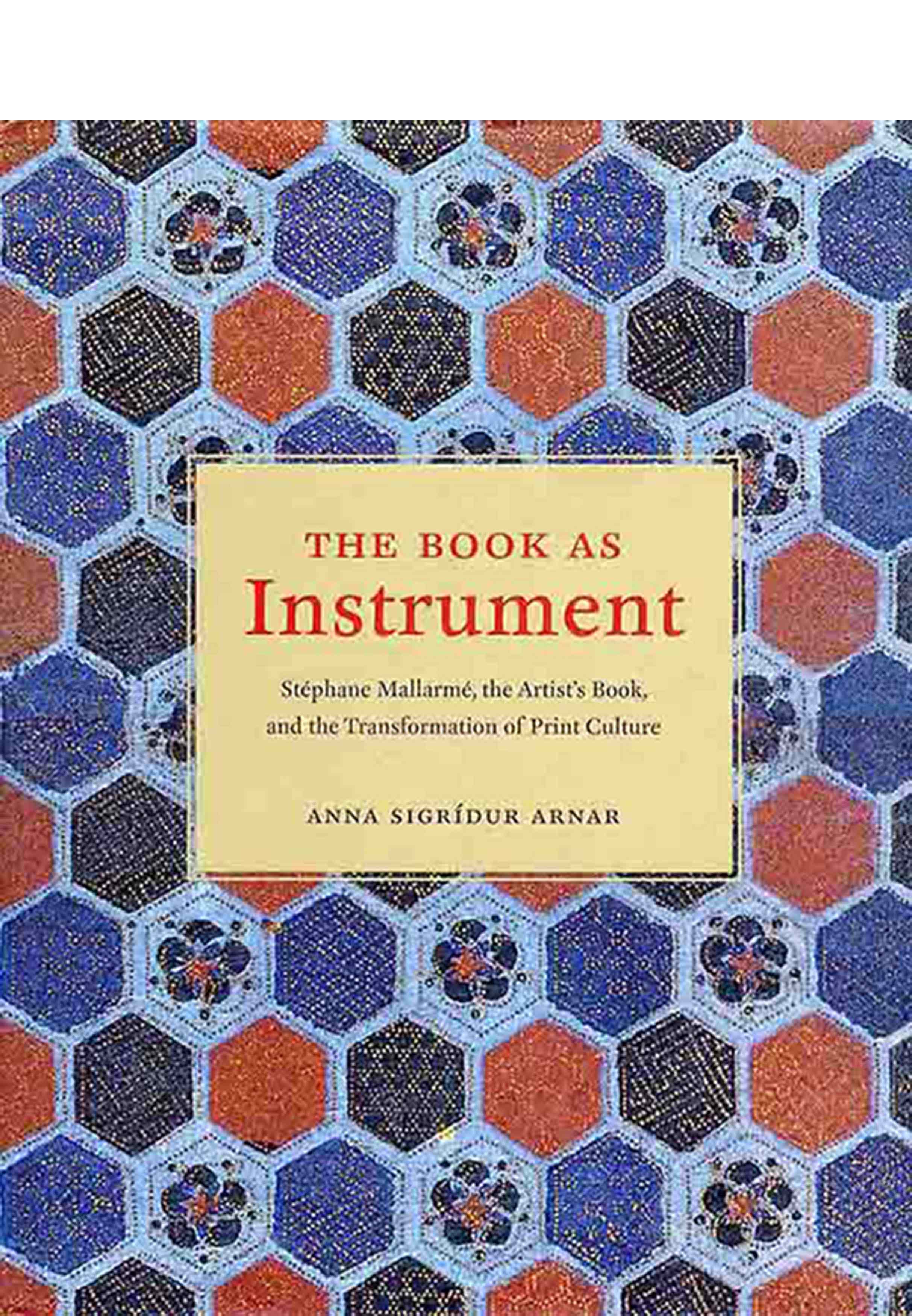
CATALOGUES AND BOOKS, 2011-2015
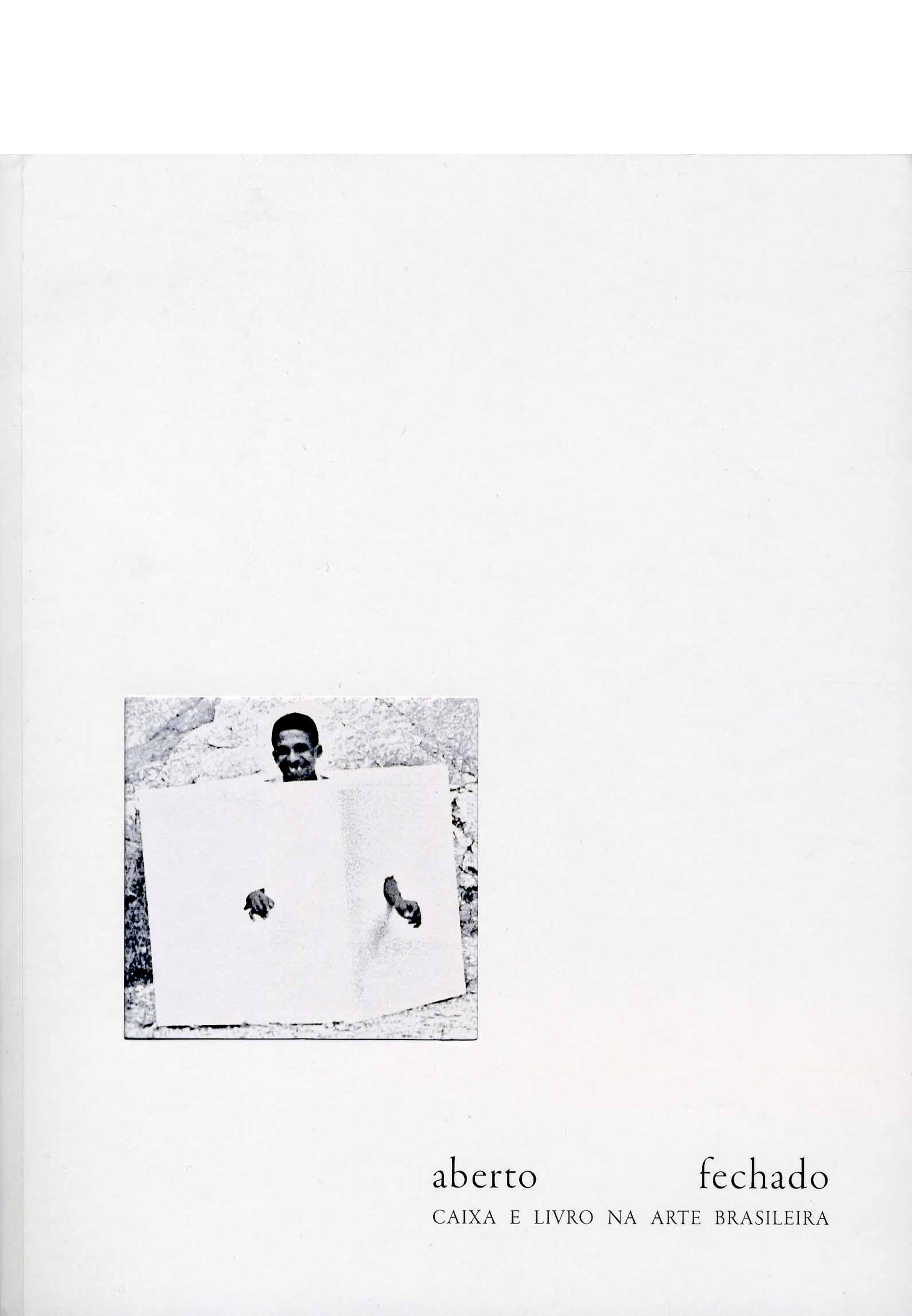
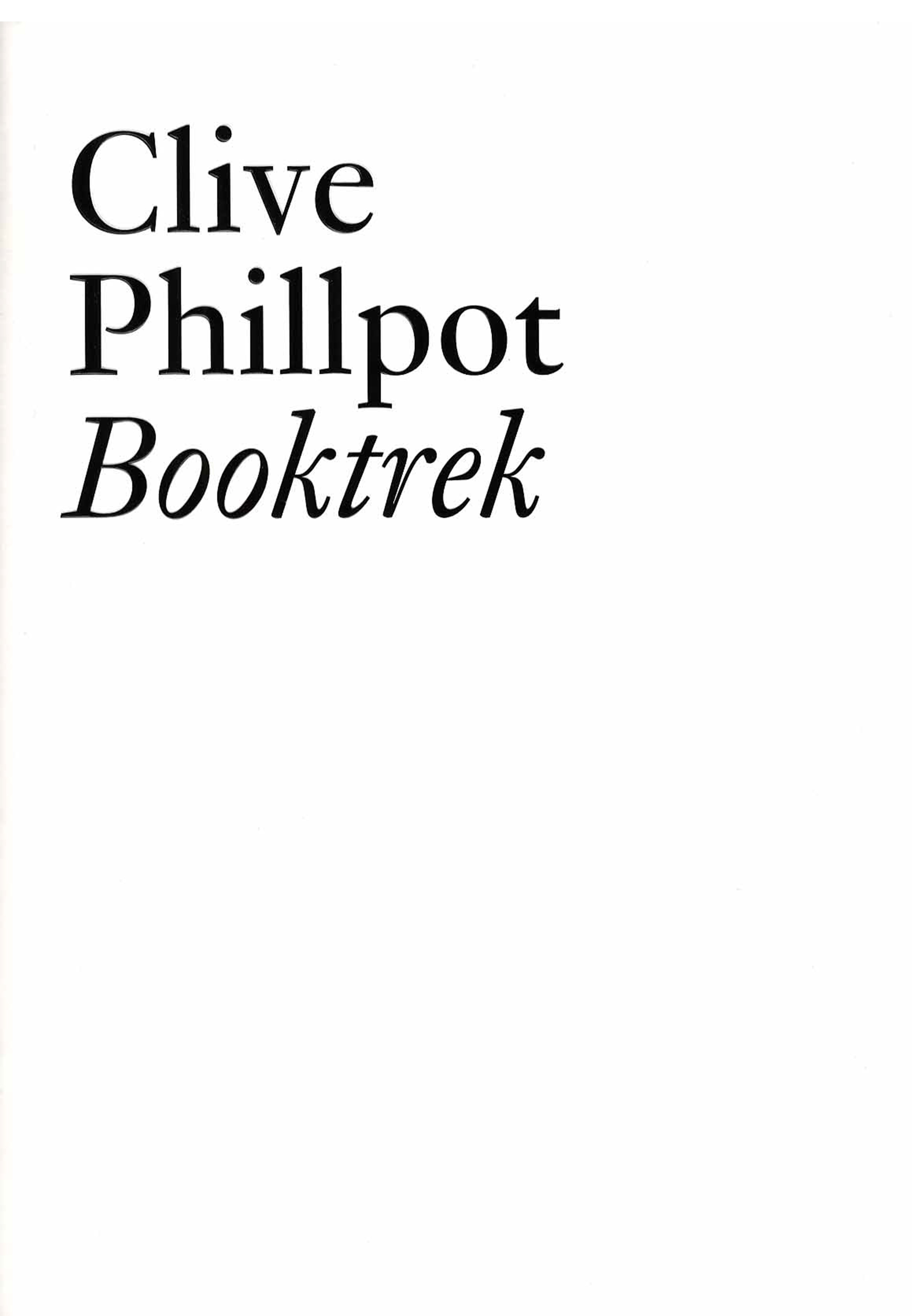
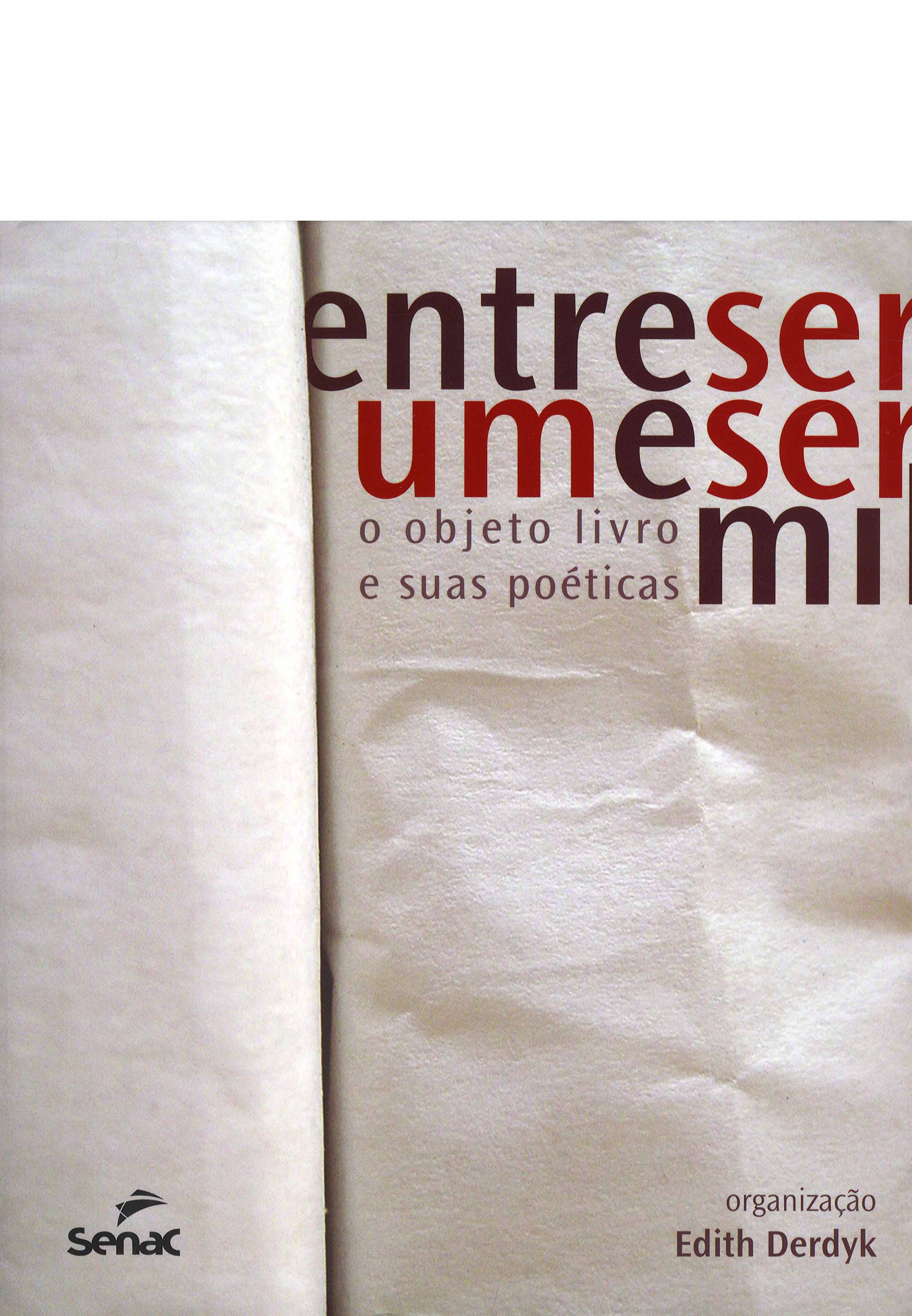
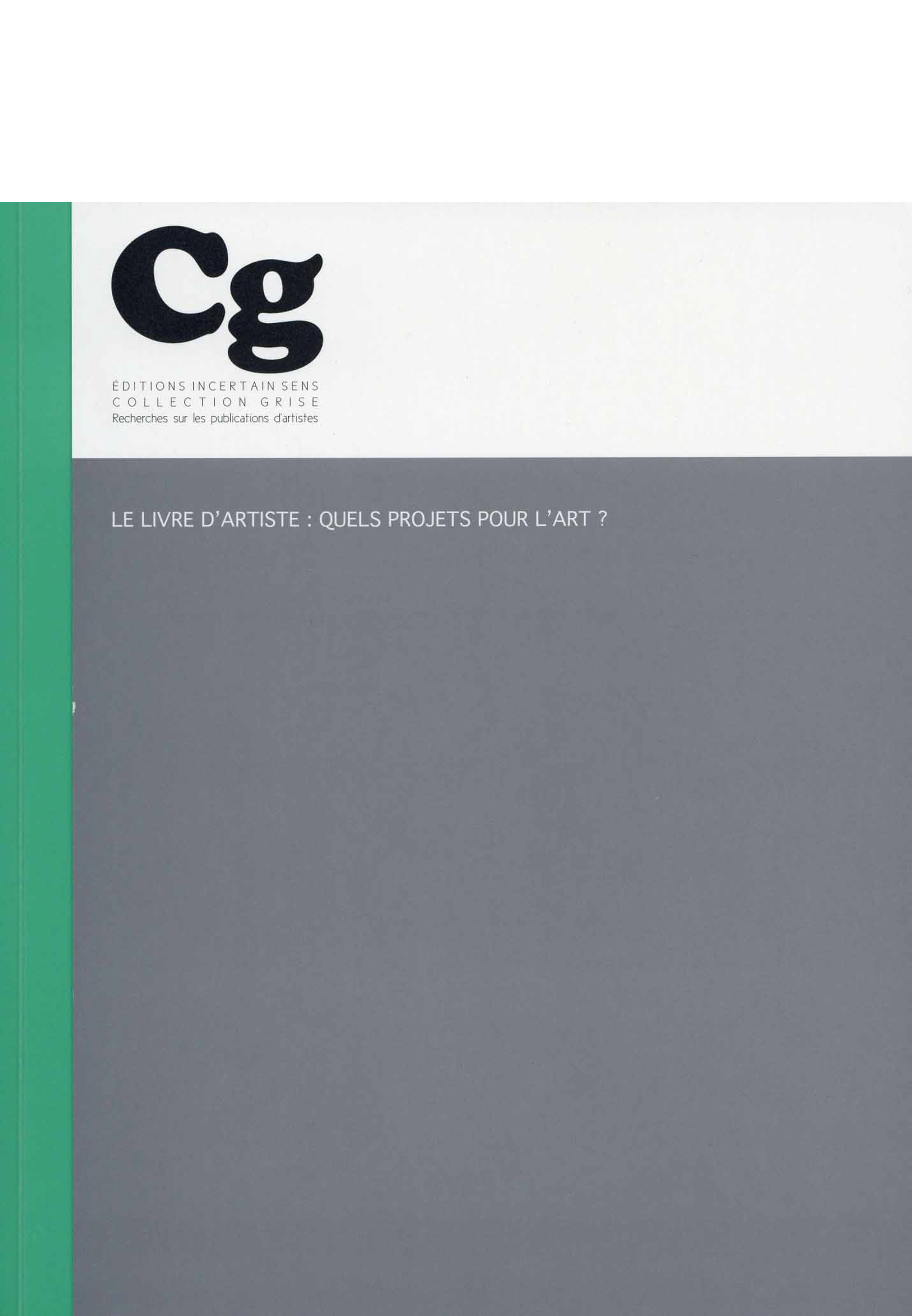
No results were found for your criteria.
CATALOGUES AND BOOKS, 2016-2023
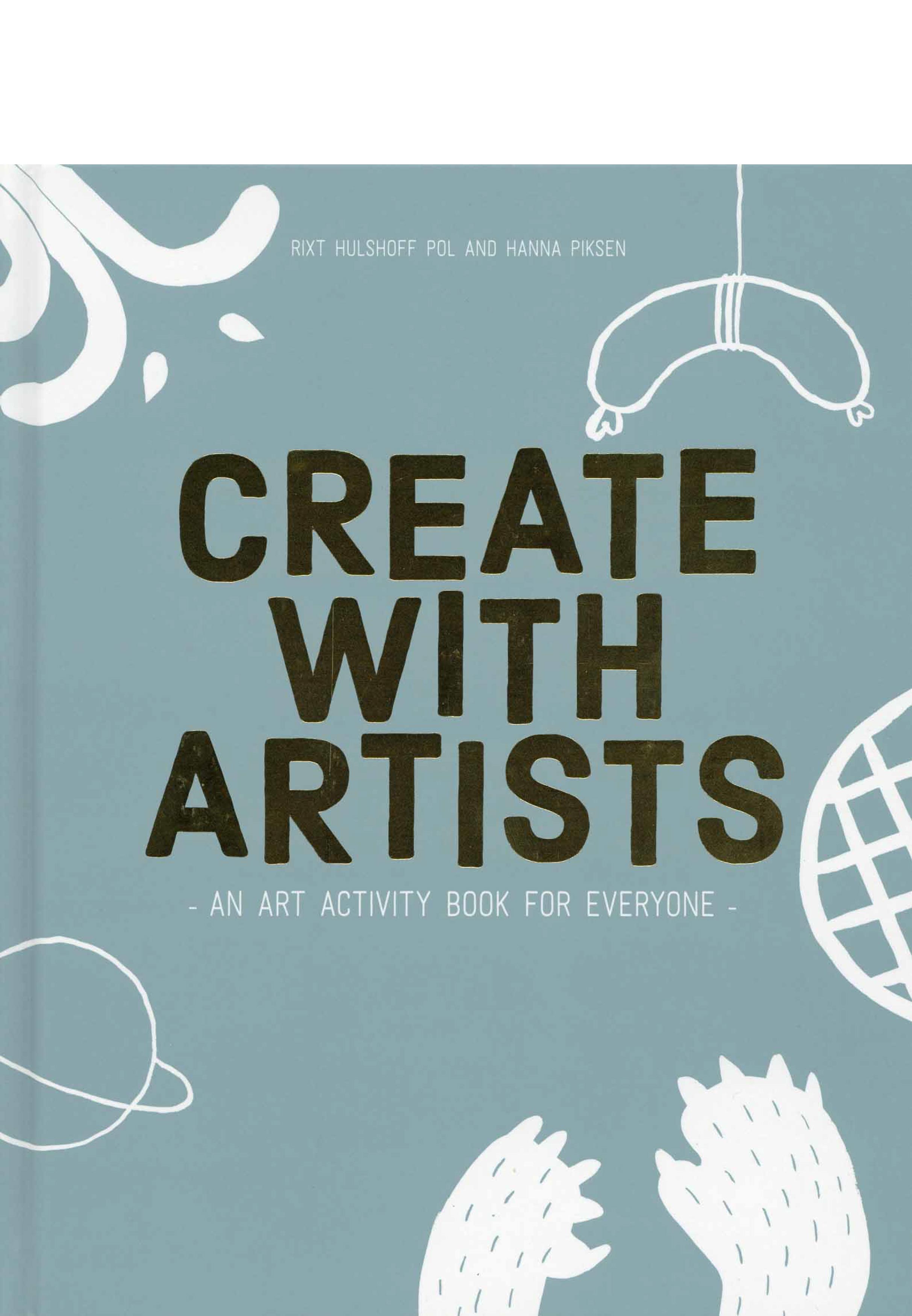
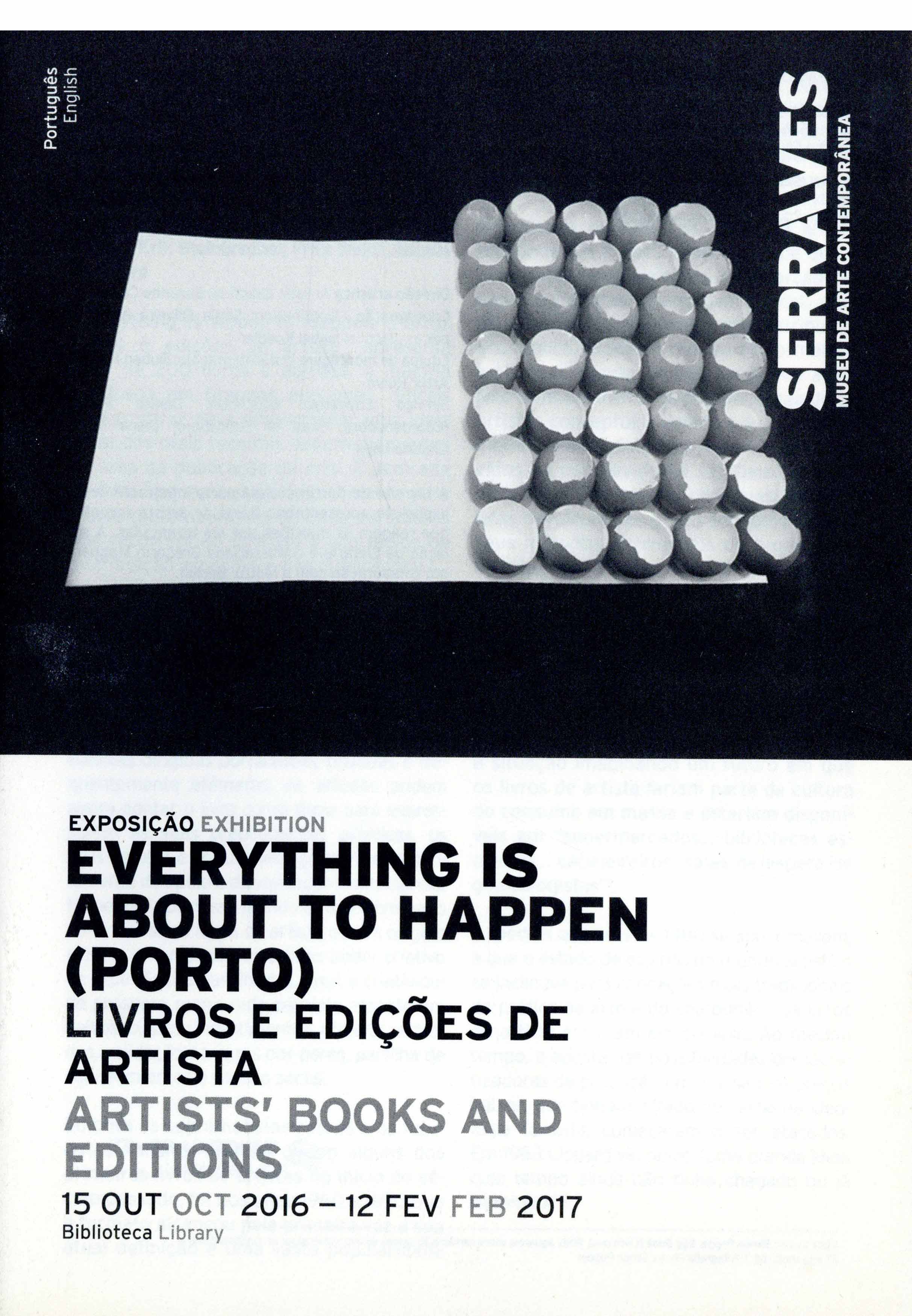
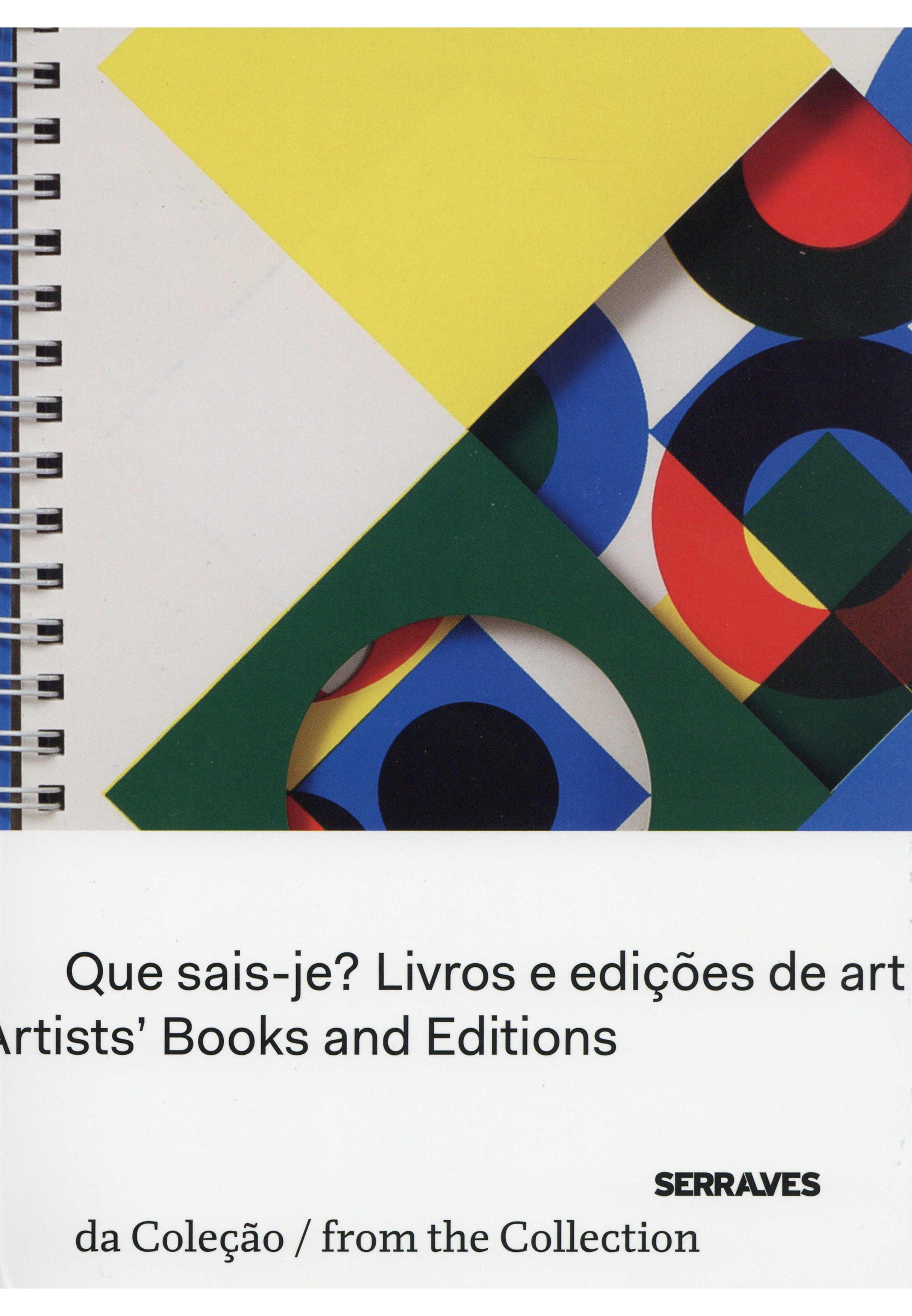
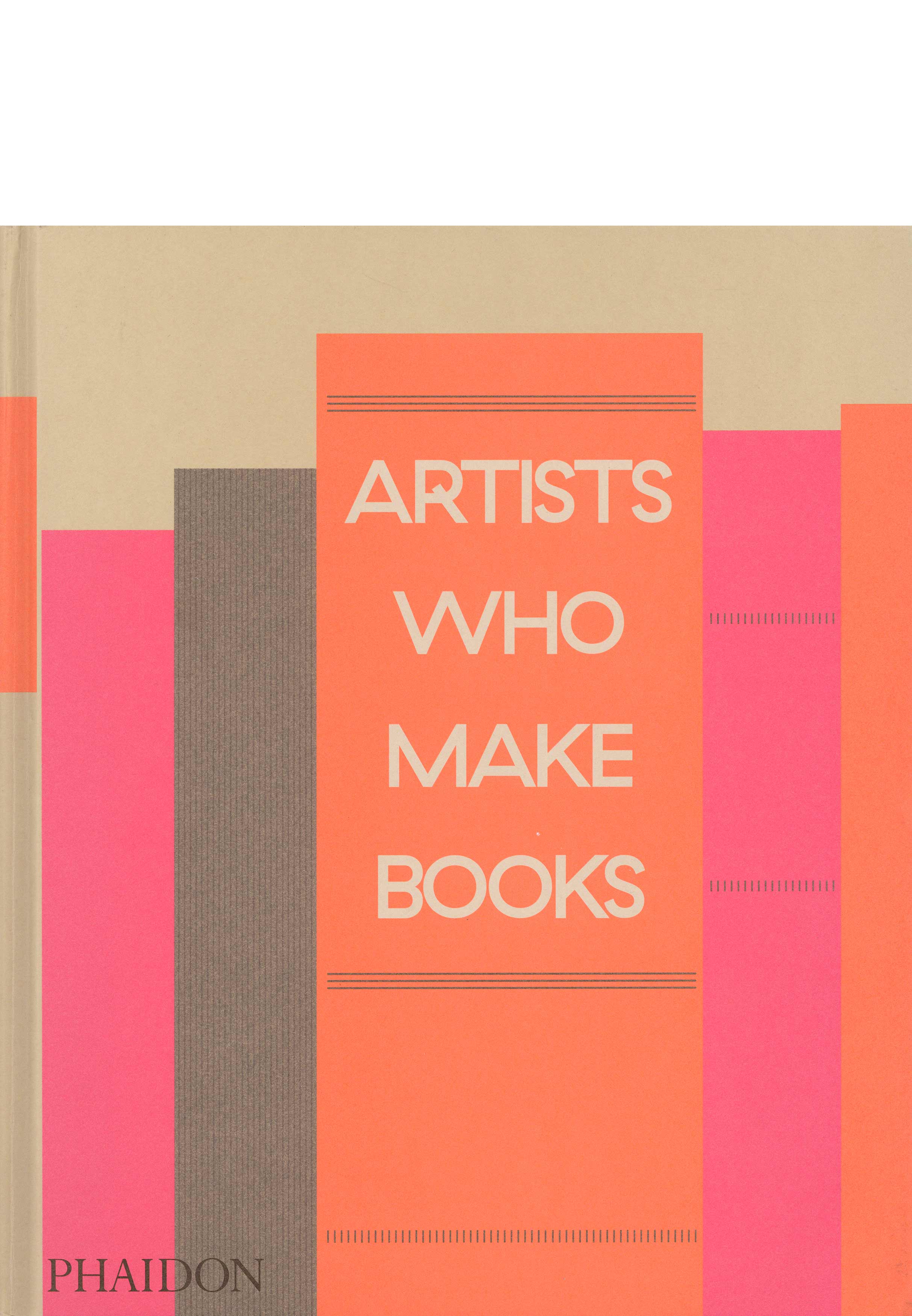
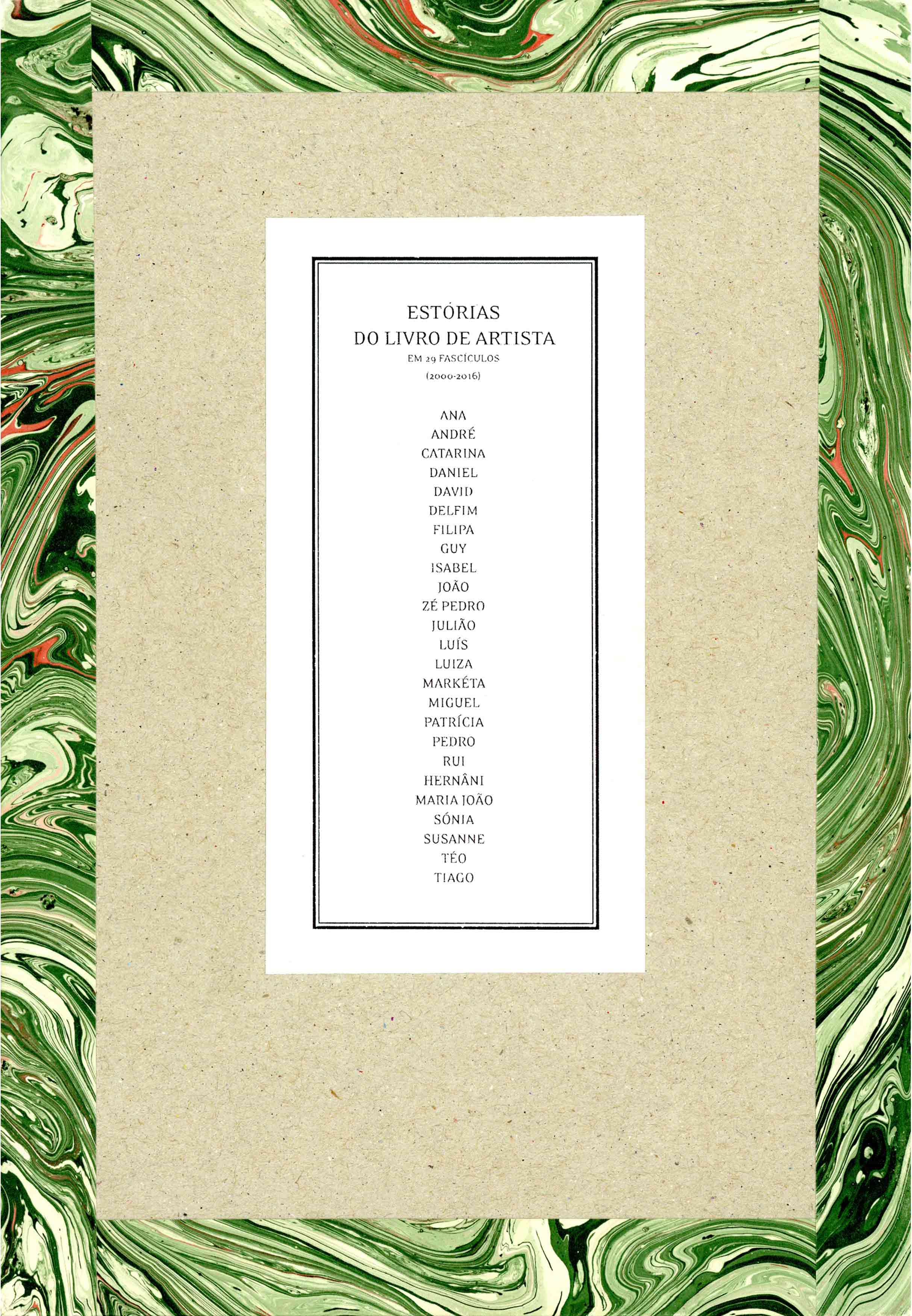
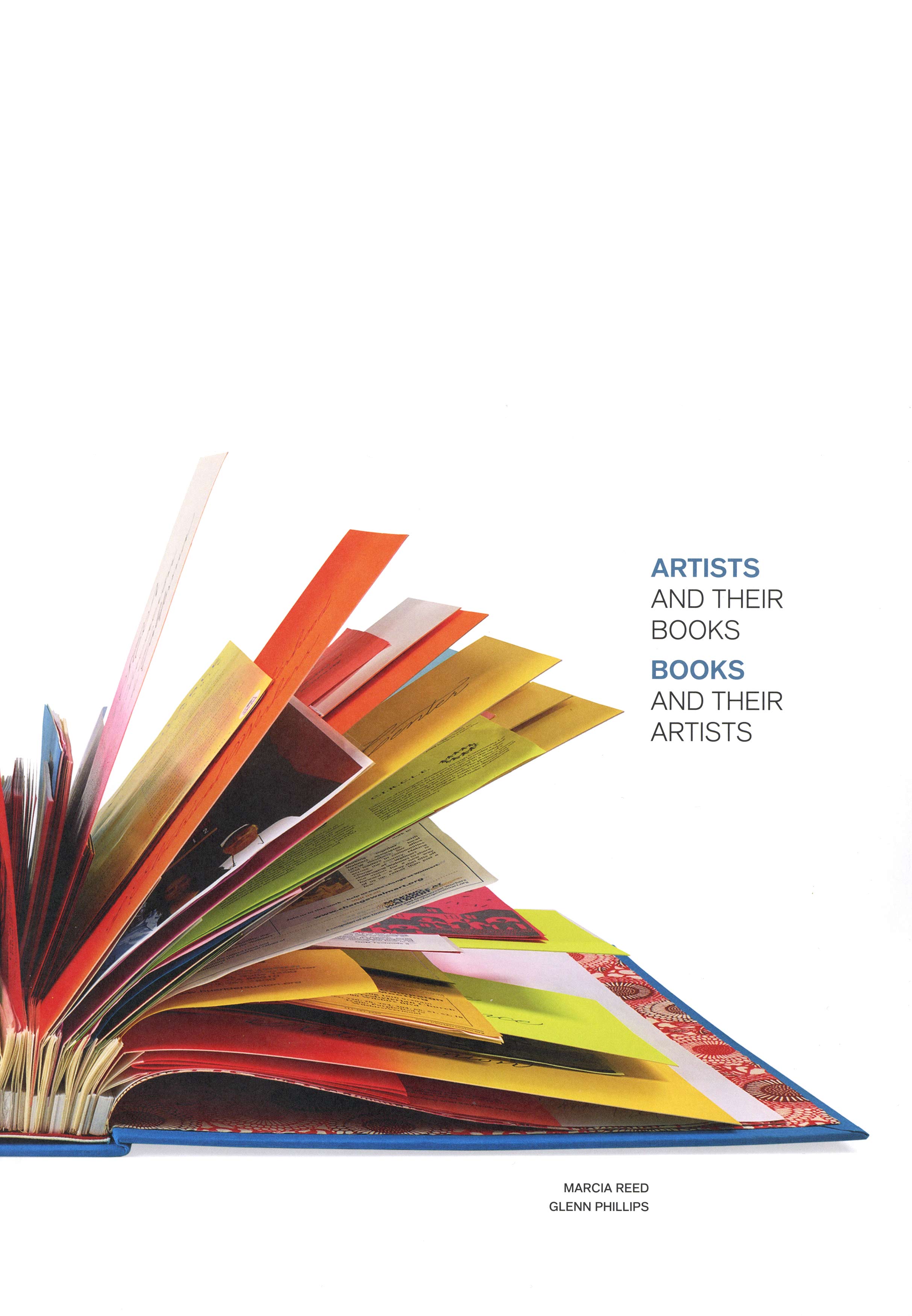
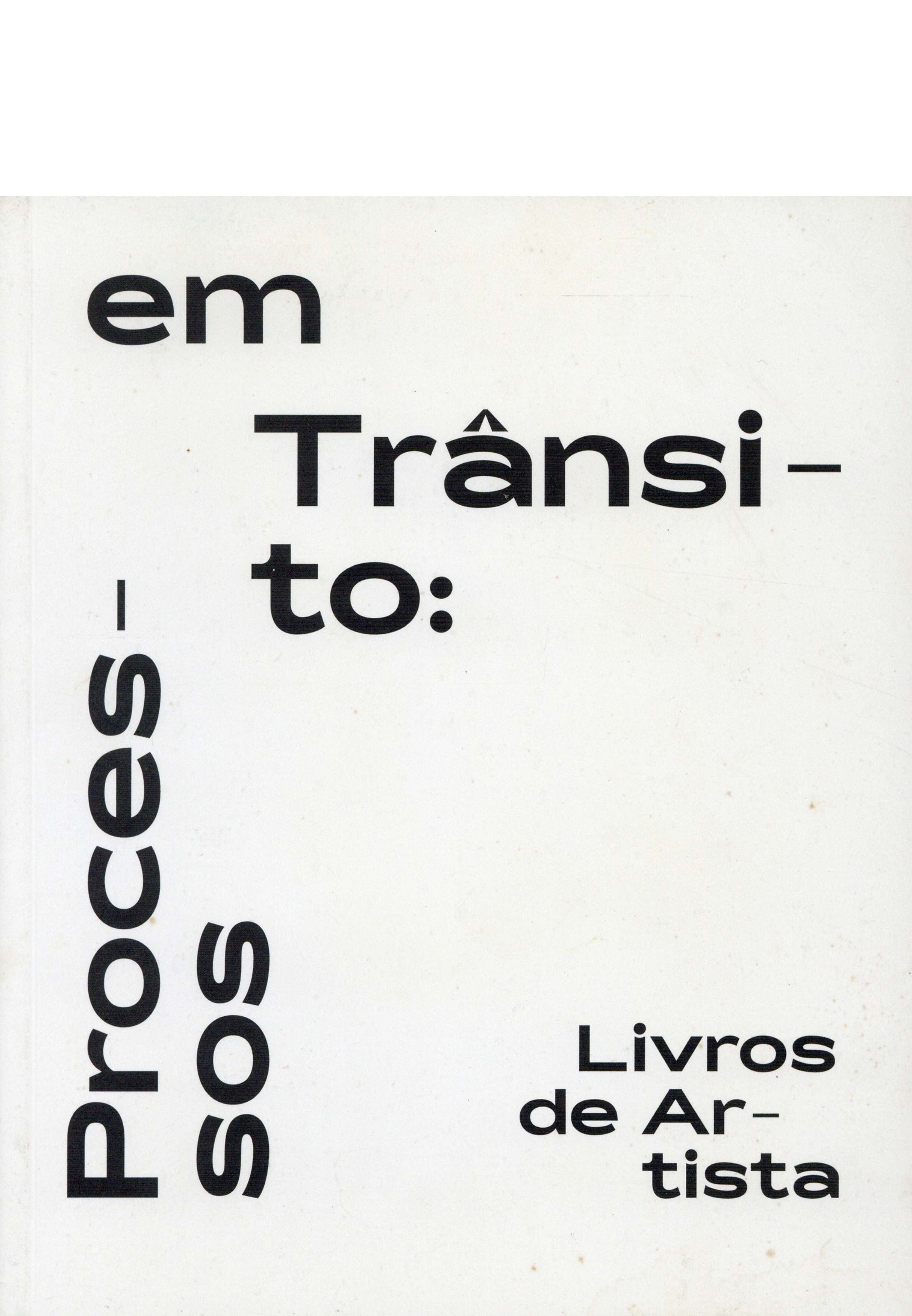
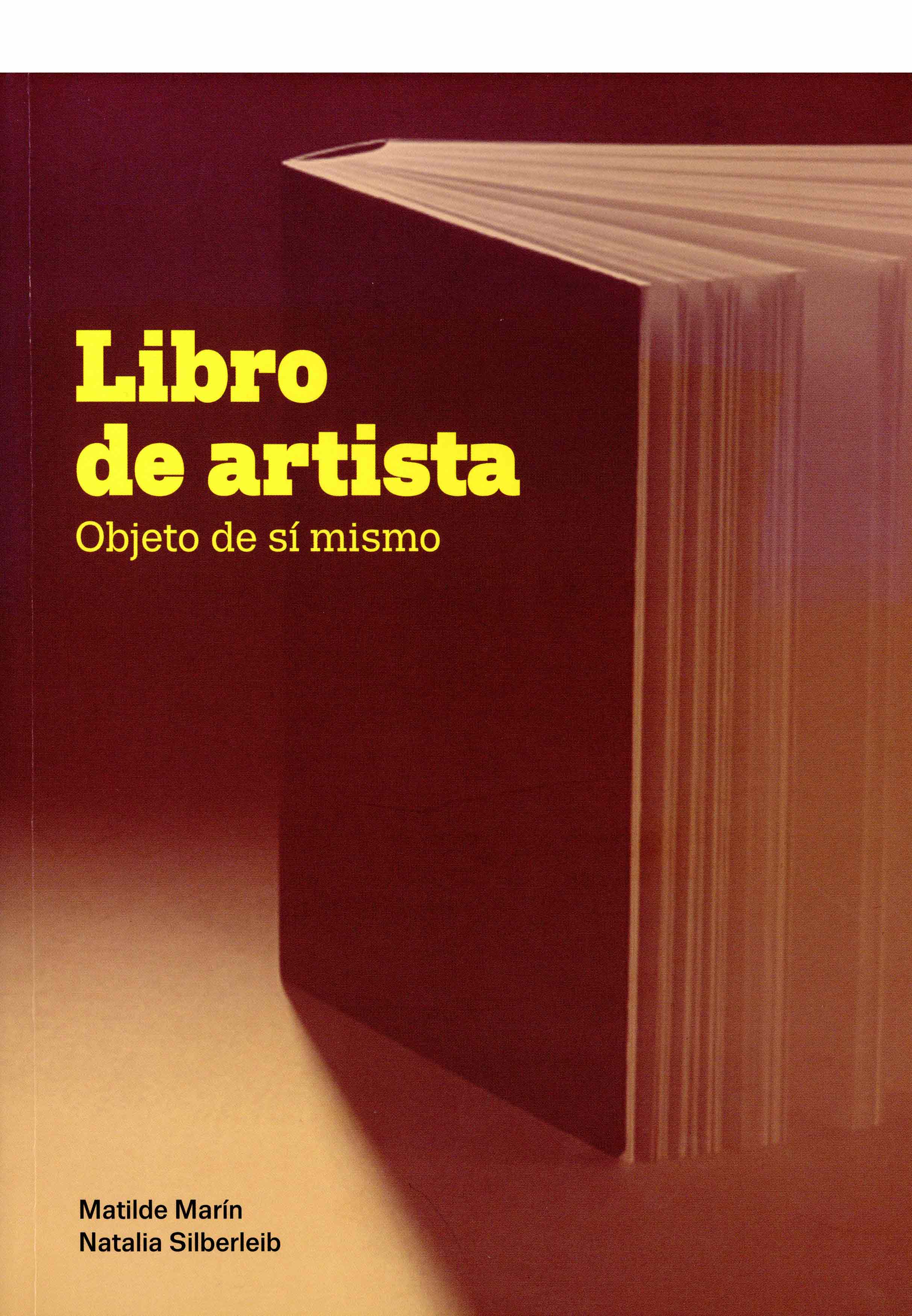
ARTISTS, A-L
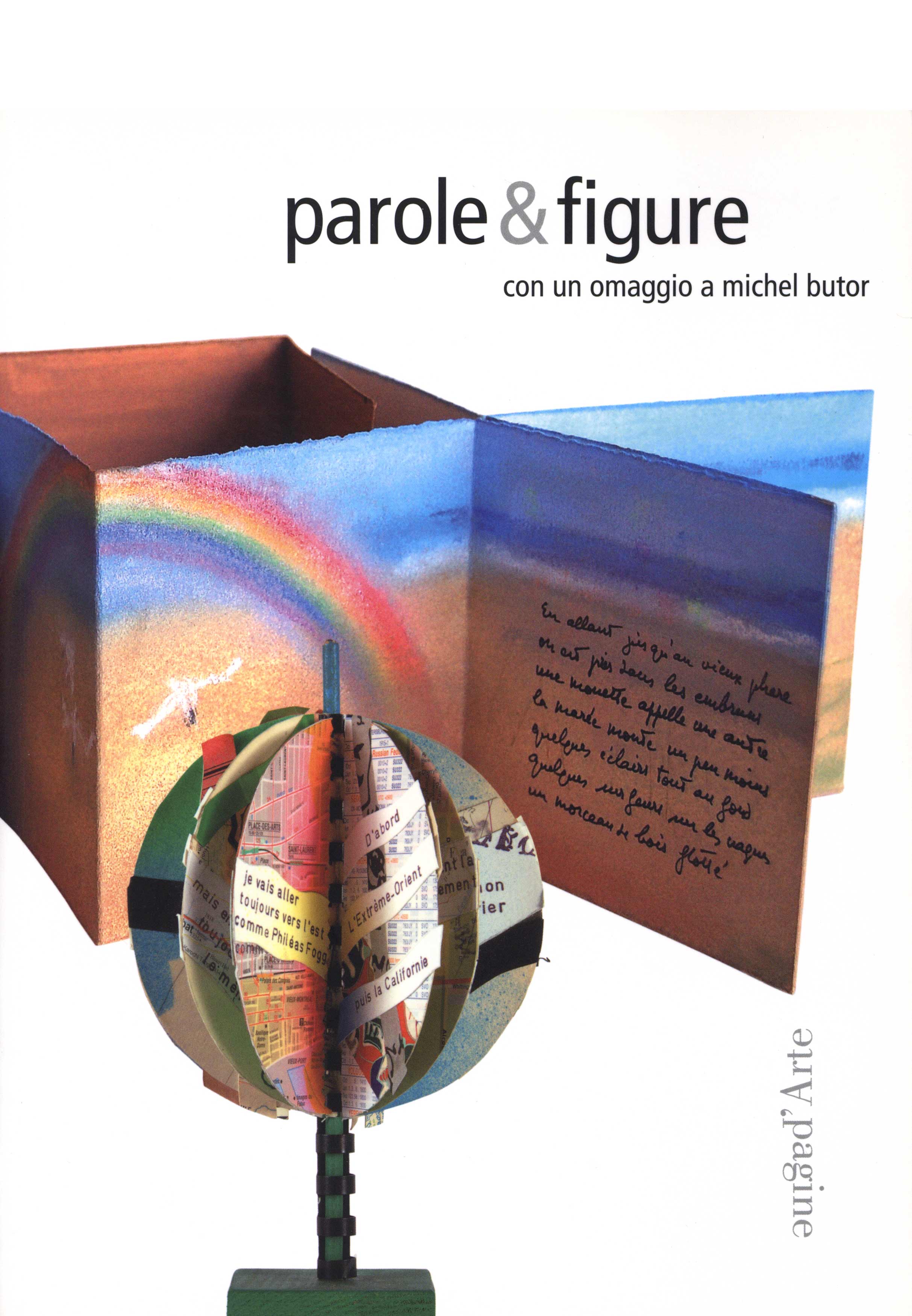
Parole & figure
Ana Hatherly, 1929-2015
Munari's books
Bruno Munari, 1907-1998
Artist's books, 1969-2007
Christian Boltanski, 1944-2021
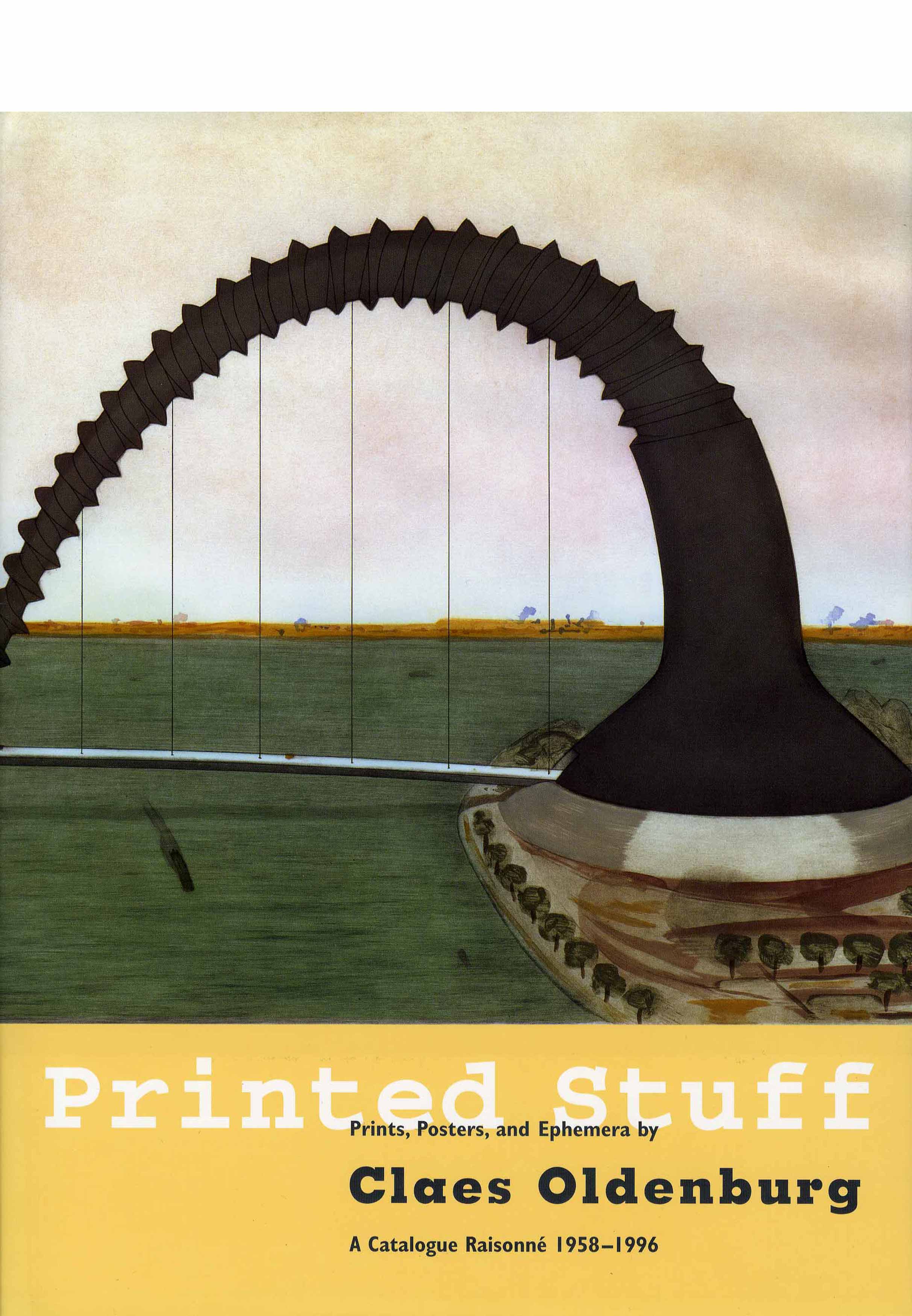
Printed stuff
Claes Oldenburg, b. 1929
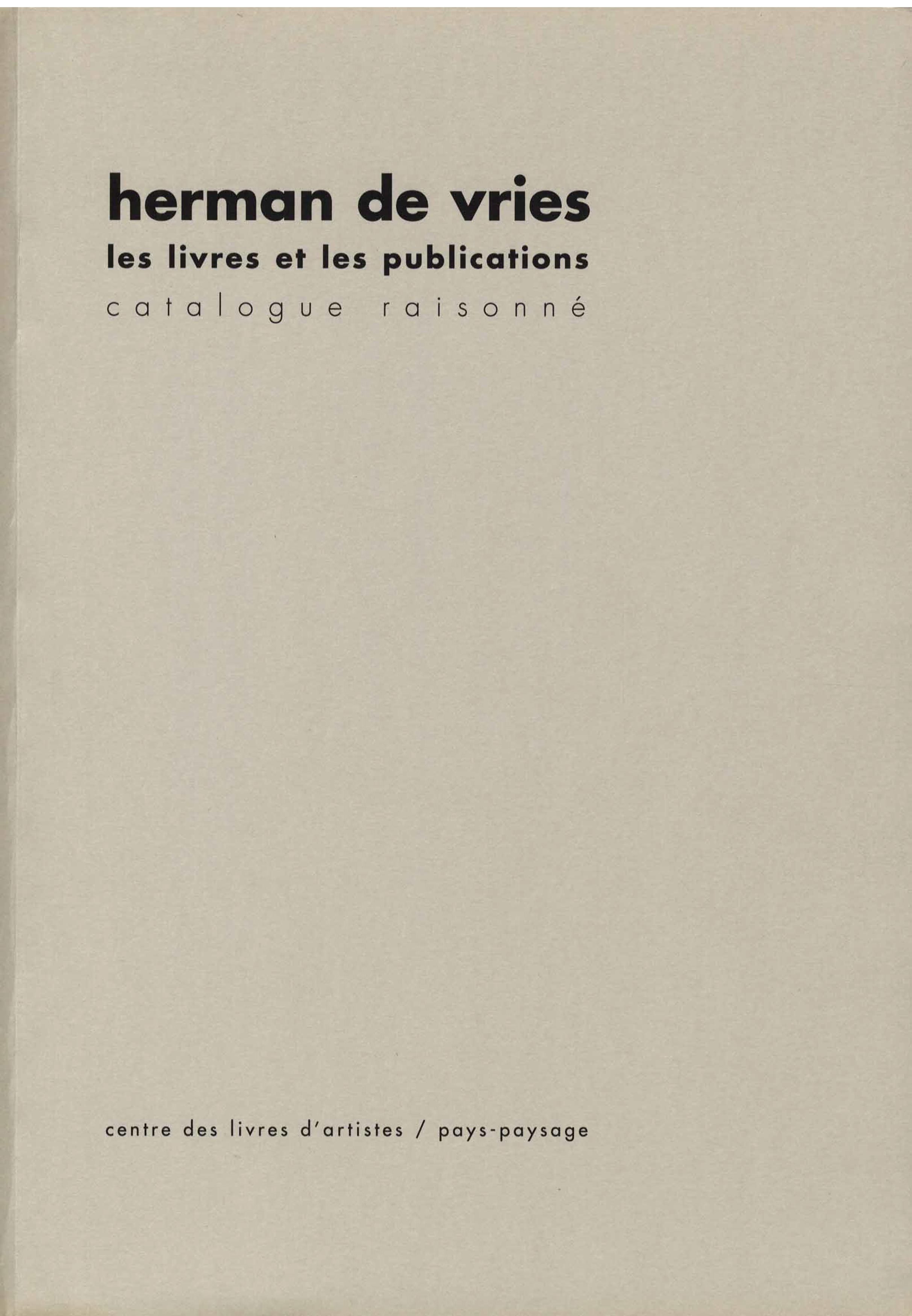
Les livres et les publications
Herman de Vries, b. 1931
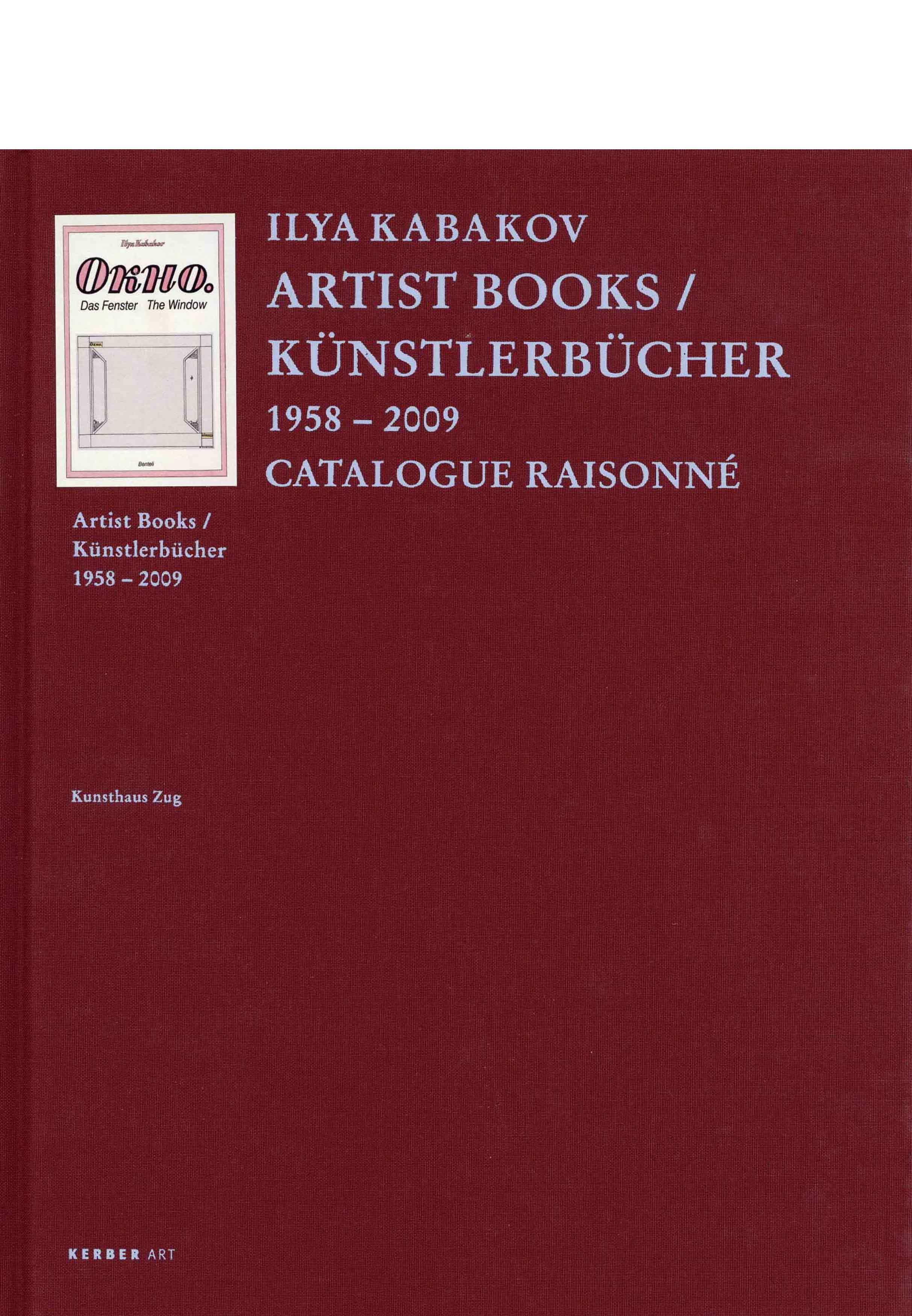
Artists' books, 1958-2009
Ilya Kabakov, b. 1933
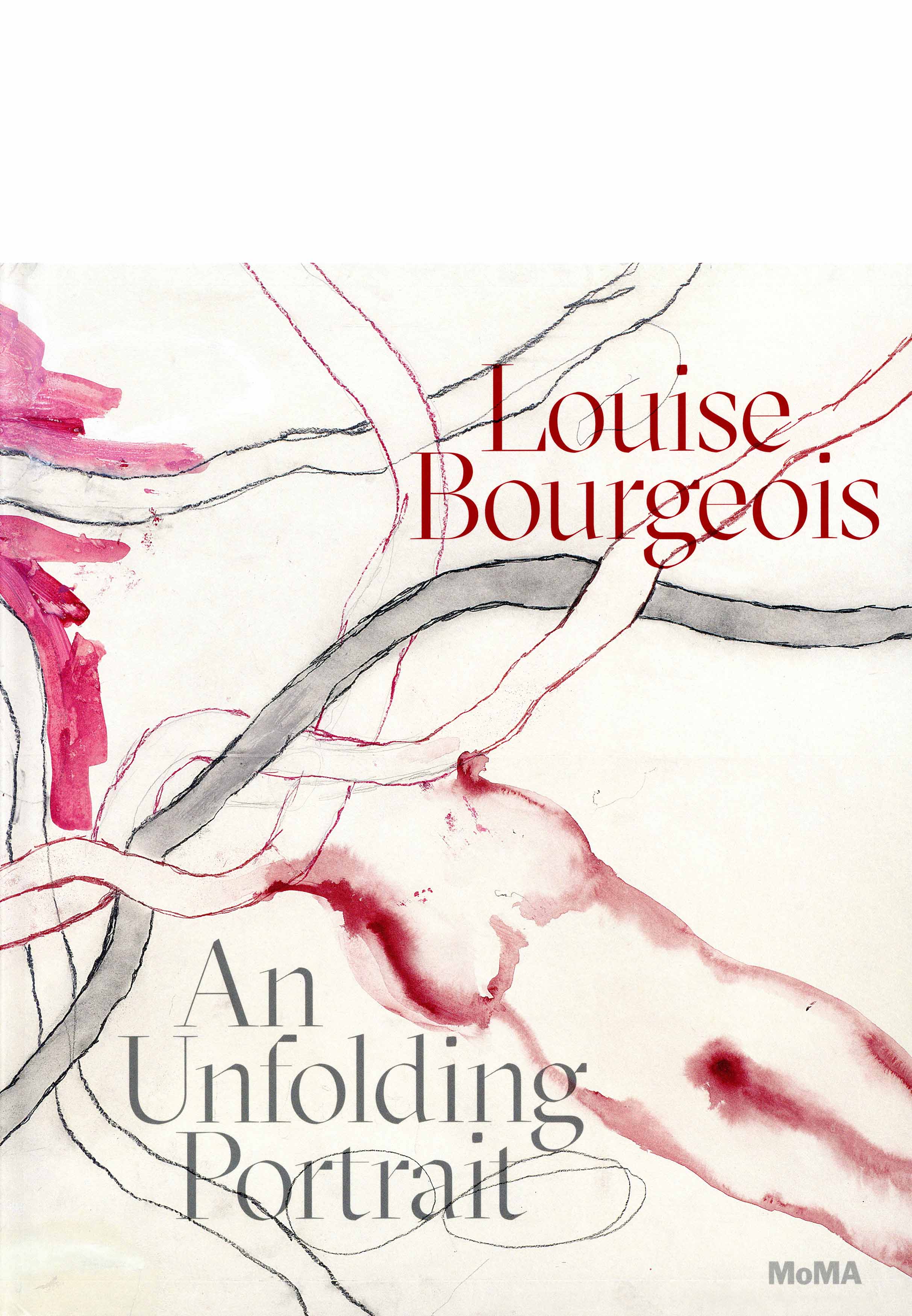
An unfolding portrait
Louise Bourgeois, 1911-2010
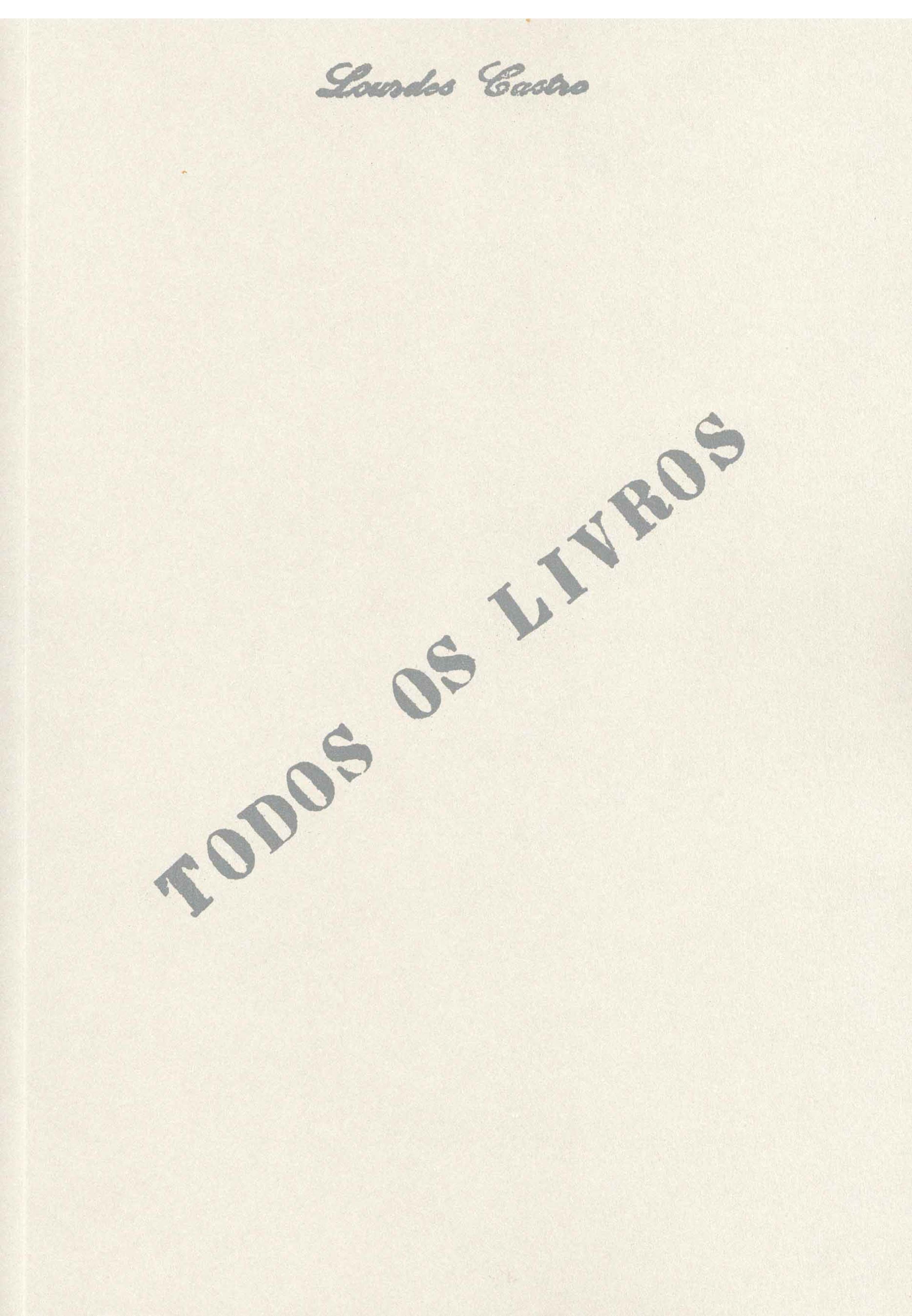
Todos os livros
Lurdes Castro, 1930-1922
No results were found for your criteria.
ARTISTS, M-W
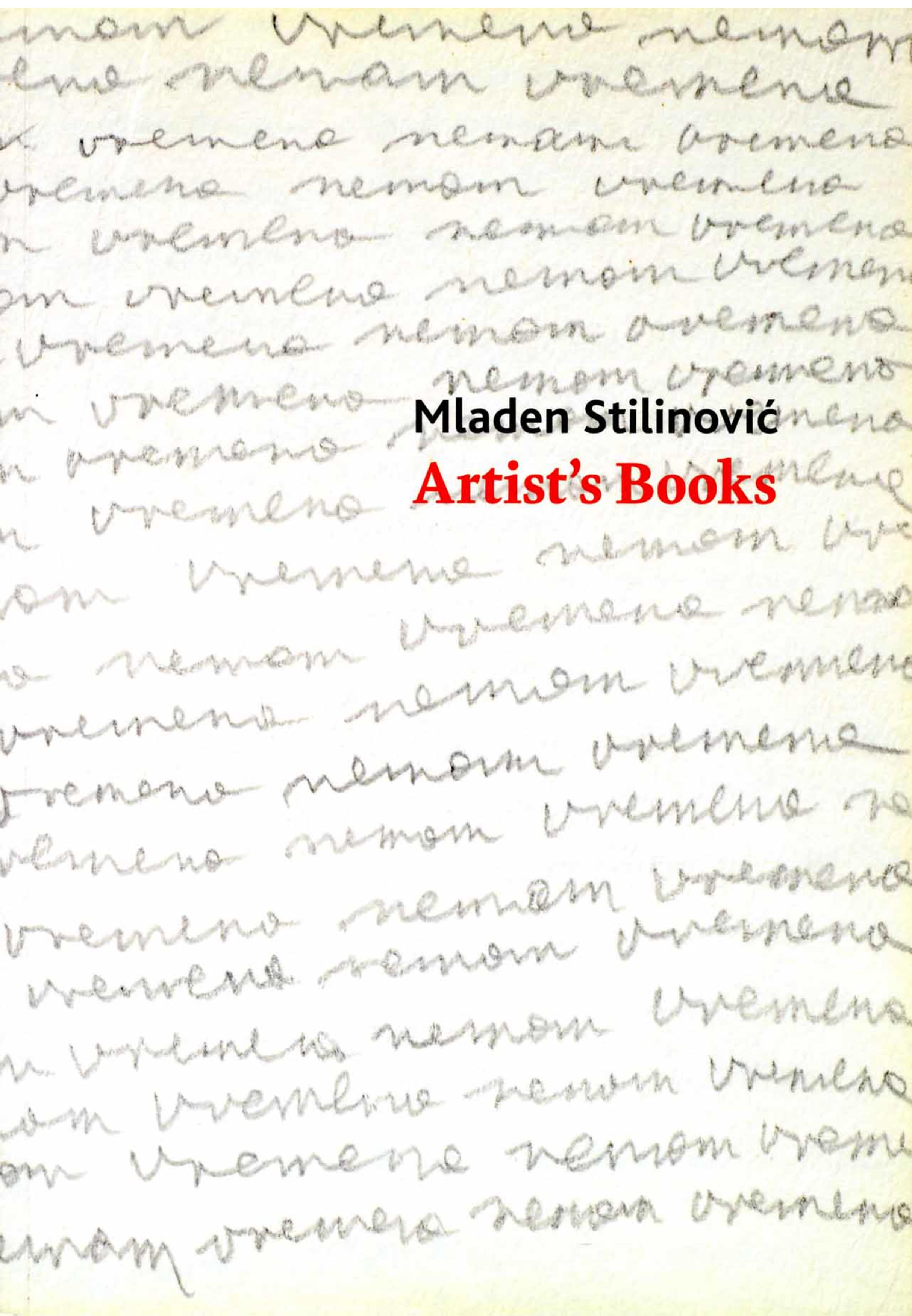
Artist's books, 1942-2006
Mladen Stilinovic, b. 1947
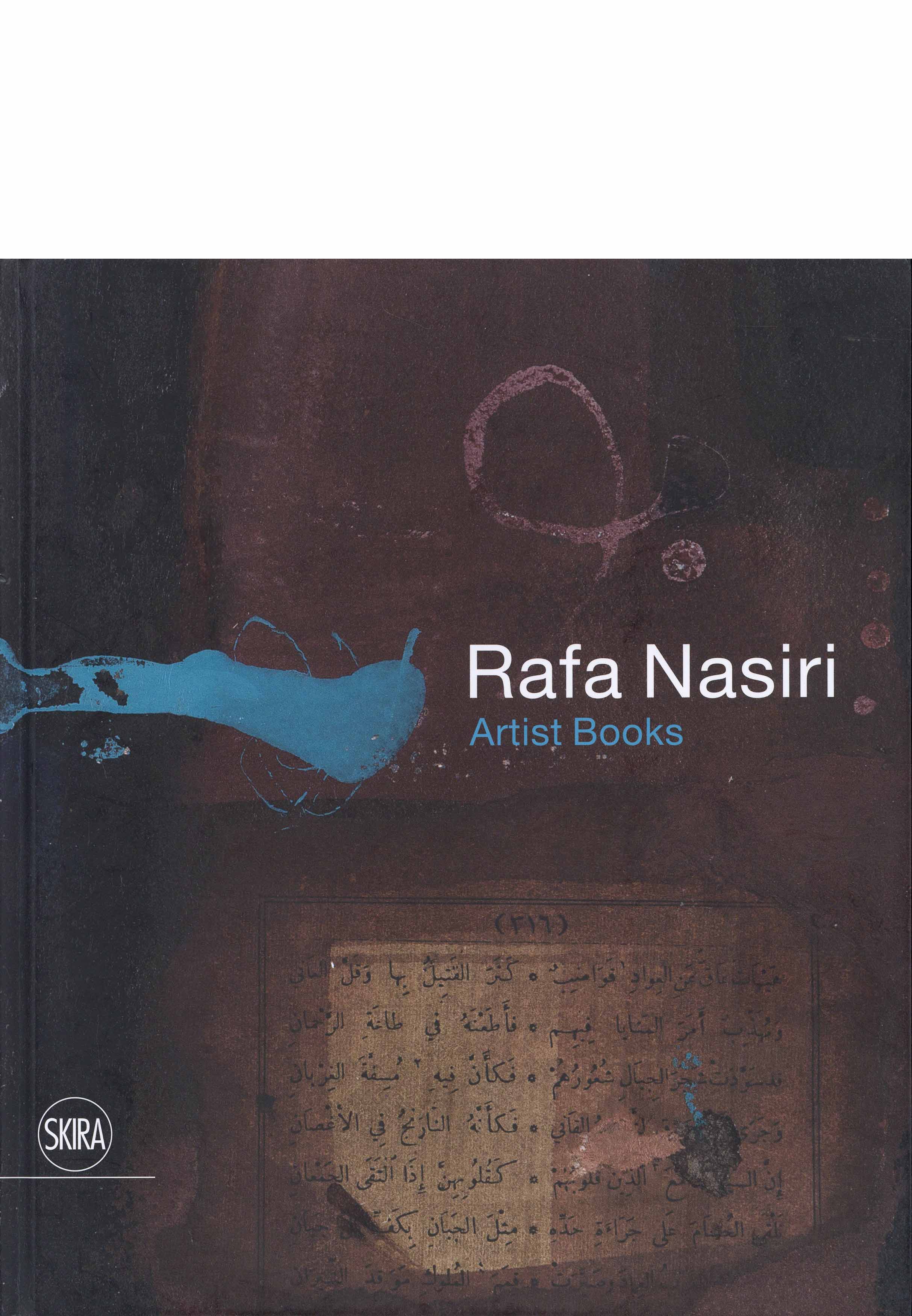
Artist books
Rafa Nasiri, 1940-2013
Archivo Raum Press
Raum Press (Publisher)
Bibliothèque d'un amateur
Richard Price, b. 1949
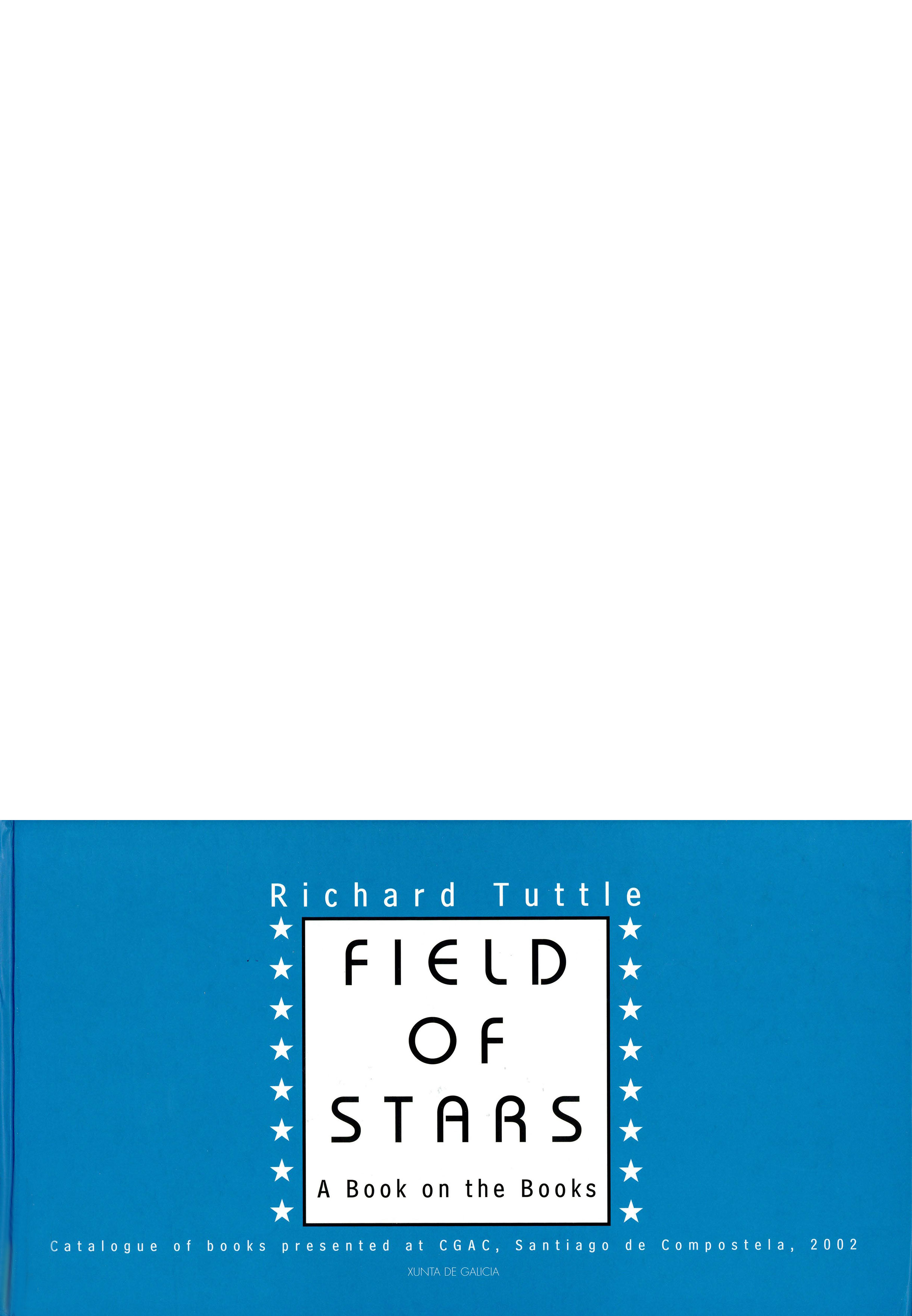
Field of stars
Richard Tuttle, b. 1941
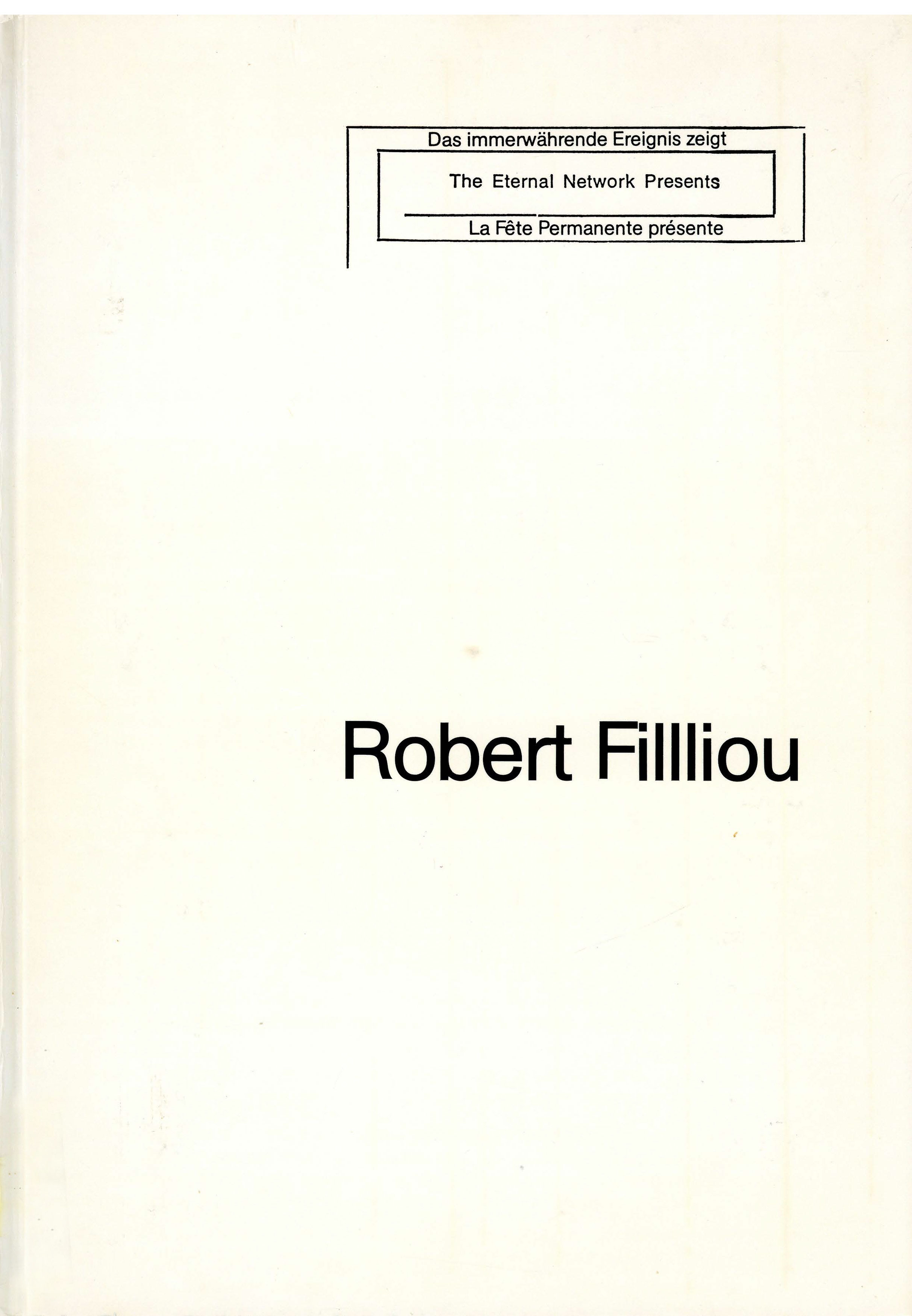
Das immerwährende Ereignis zeigt
Robert Filliou, 1926-1987
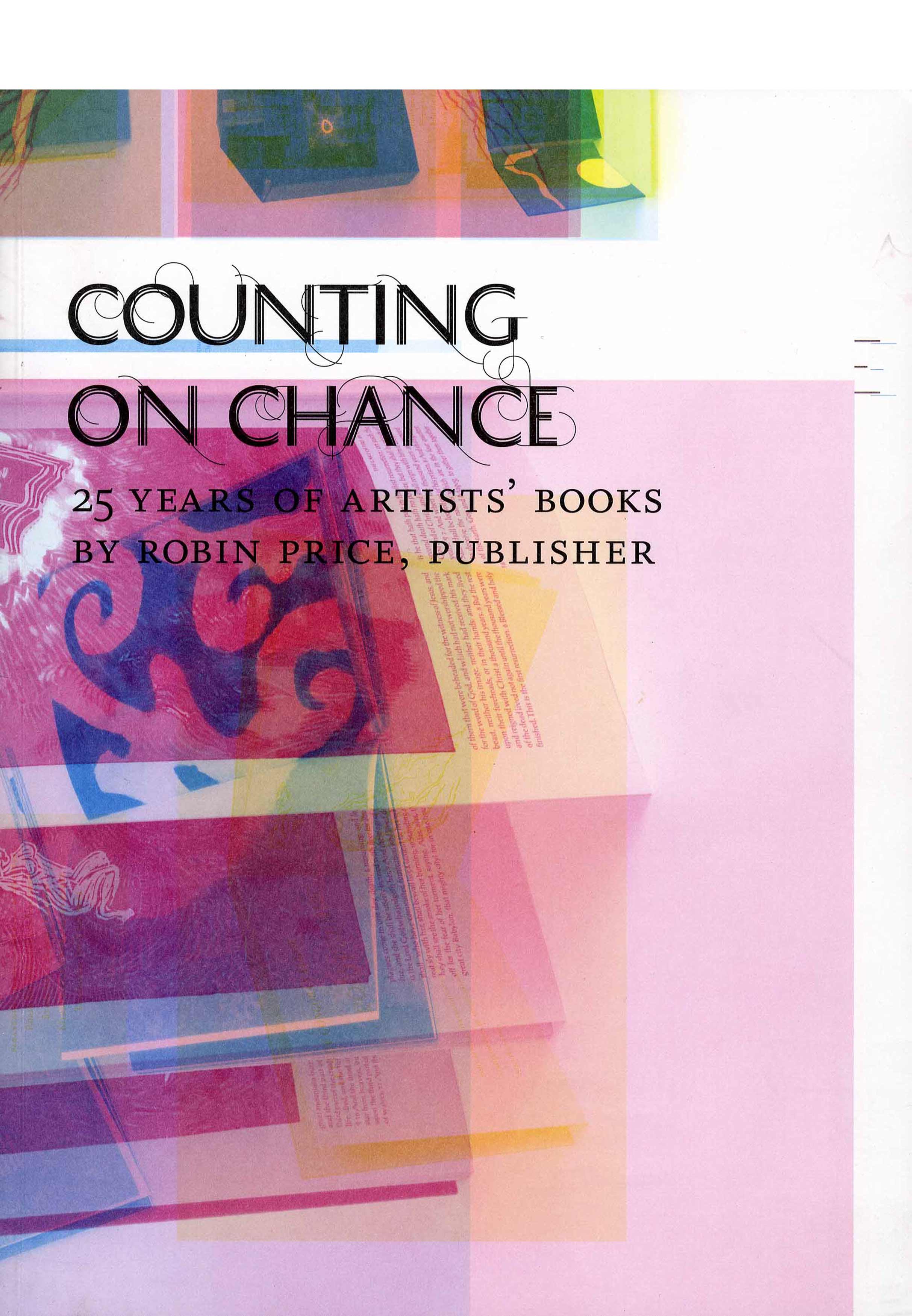
Counting on chance
Robin Price, b. 1962
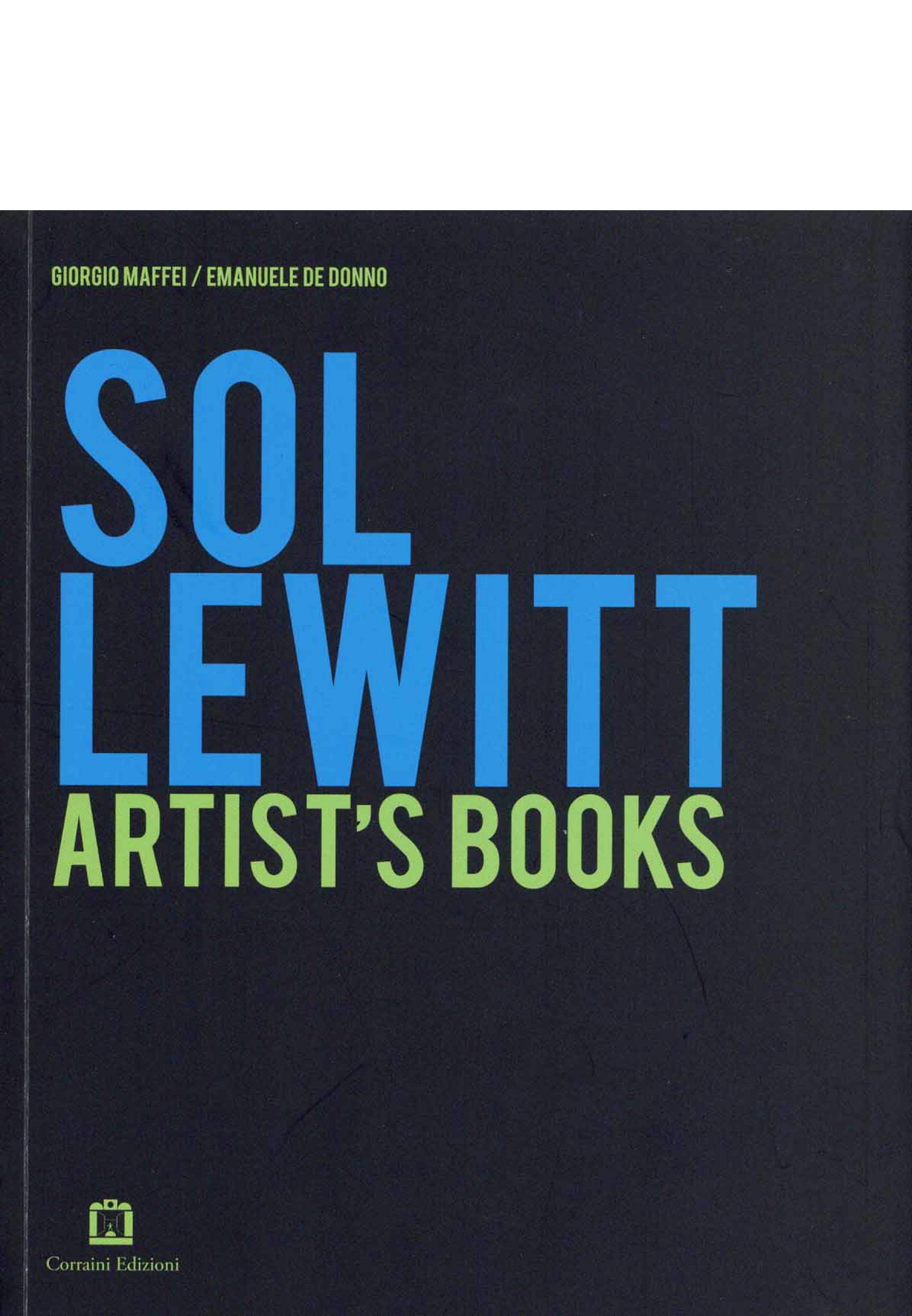
Artist's books
Sol LeWitt, 1928-2007
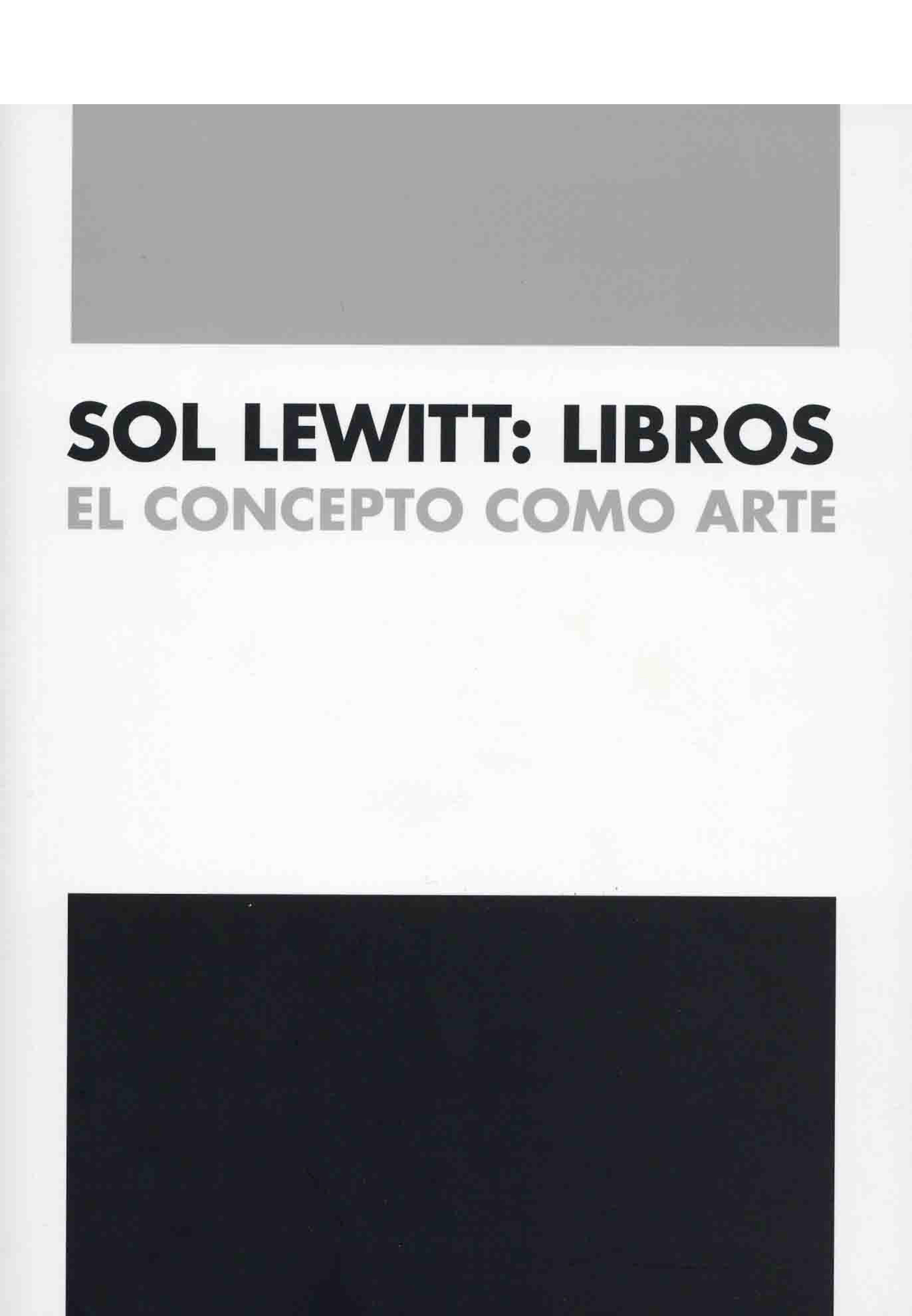
Libros el concepto como arte
Sol LeWitt, 1928-2007
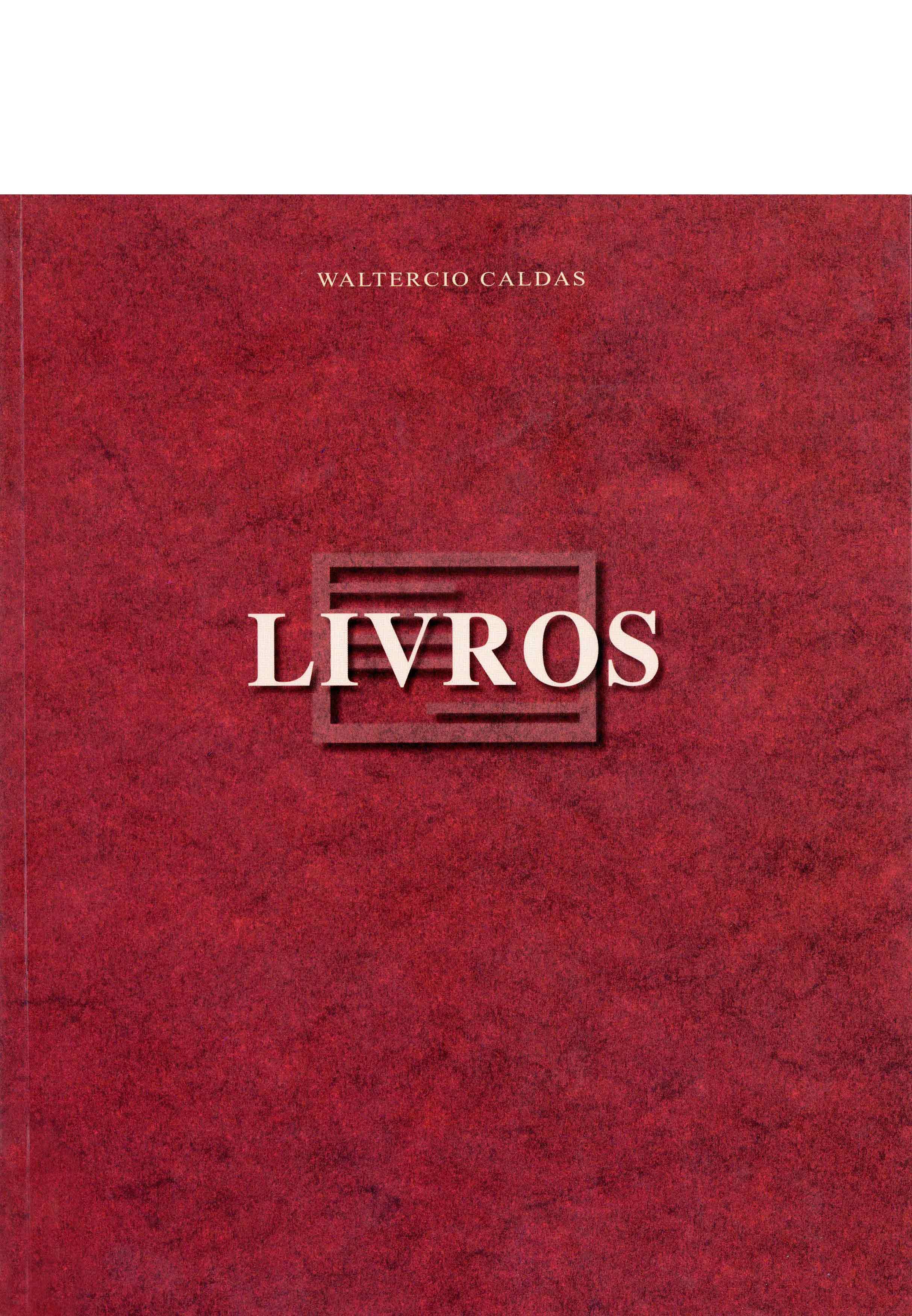
Livros
Waltercio Caldas, b. 1946
No results were found for your criteria.
JOURNALS AND MAGAZINES
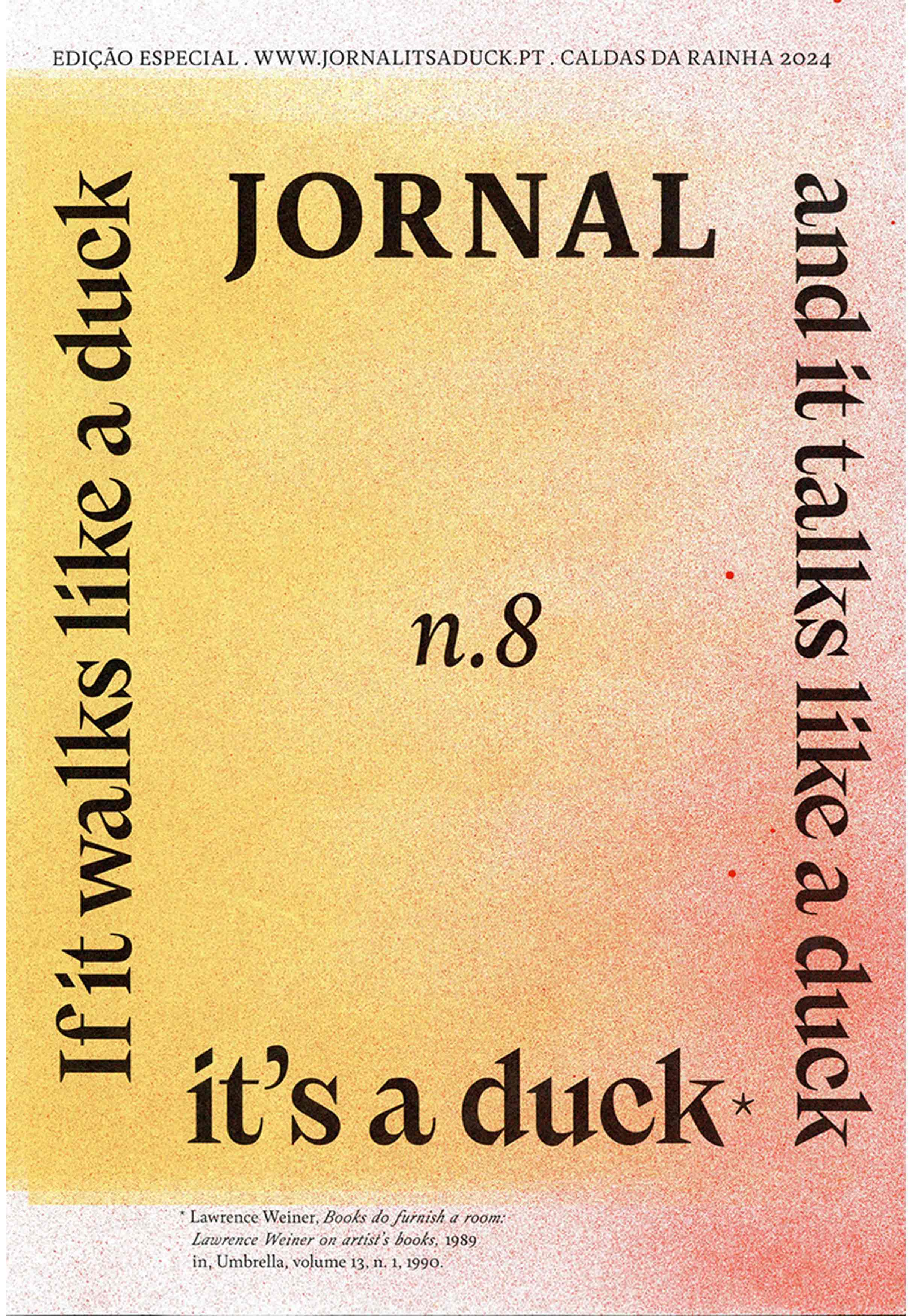
Jornal - if it walks like a duck and talks like a duck it's a duck
N.º 1 (2021) - n.º 8 (2024)
JAB - Journal of artists' books
Nr. 1 (1994) - nr. 47/48 (2020)
No results were found for your criteria.