
Armenian Communities Department – Monitoring and Impact evaluation
Call for proposals for an external team
Framework and Objectives
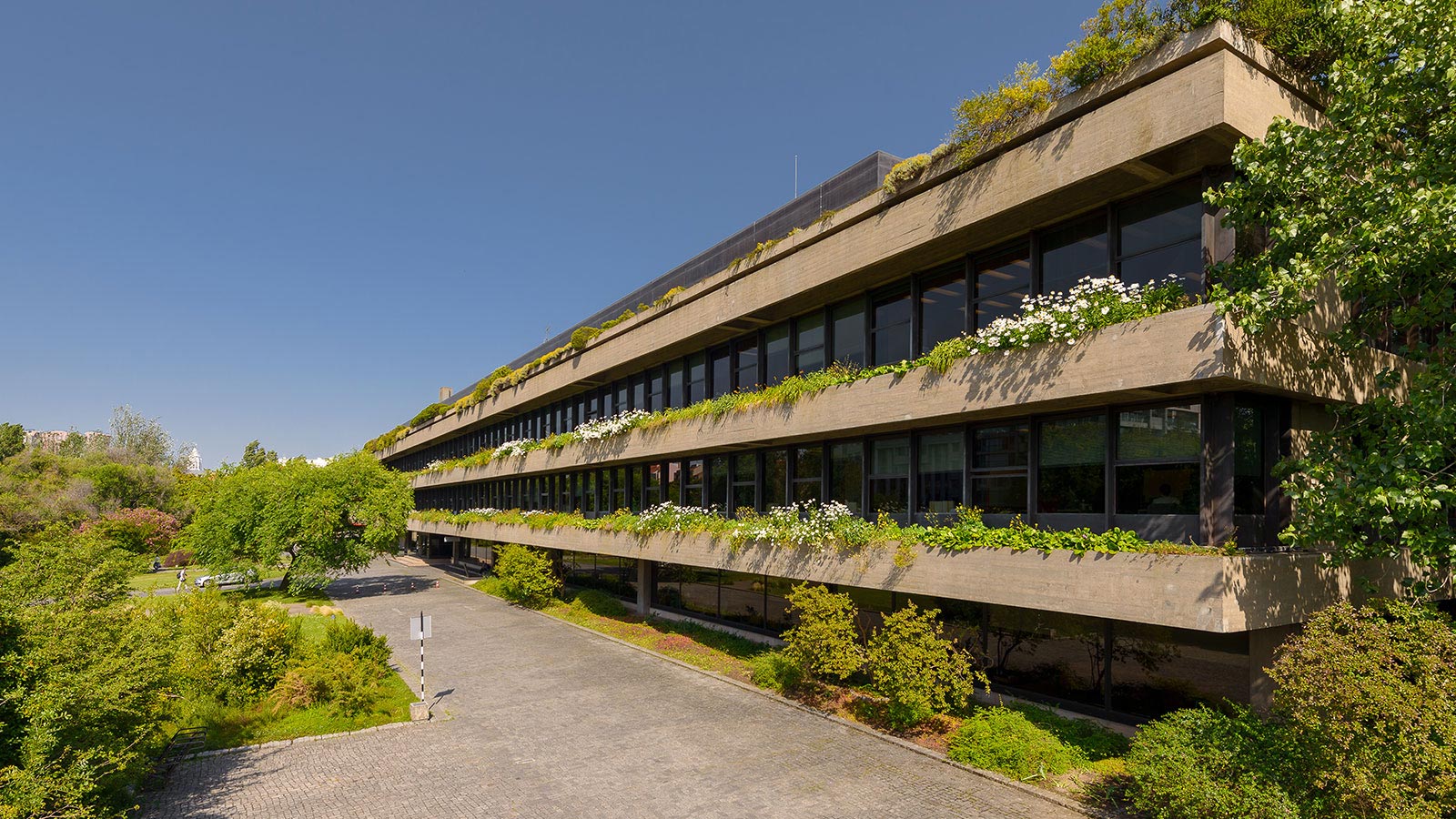
The Calouste Gulbenkian Foundation (FCG), established in 1956, is an international institution, based in Portugal, which promotes the development of individuals and organisations, through art, science, education, and charity, for a more equitable and sustainable society, its two main priorities for the 2023-27 strategic cycle.
The Foundation has an Armenian Communities Department dedicated to working in the domains of the Armenian language, culture, education, and research. Its work, in more recent years, has been focused on emphasising the revitalisation of Western Armenian, educational reform and pedagogic modernisation in the Diaspora, merit-based university scholarships, civil society support in Armenia, an innovative Western Armenian contemporary culture programme, and solid social science research, critical thinking and analytical engagement.
The mission of the Armenian Communities Department is to promote sustainable diasporan communities, where Armenian culture, identity and education are stronger, and to foster research and open-minded critical thinking in Armenia. Its aim is to address two fundamental problems: the sustainability of the Western Armenian language and culture in the Diaspora, and the lack of good research on current national issues, based on critical engagement, in Armenia.
More specifically, the programming of the Department is delivered through the following four strategic pillars or key areas of intervention:
- Western Armenian language – Investing in teacher development and innovative pedagogic tools, supporting language acquisition programmes for all ages, providing targeted aid to diasporan schools, and financing relevant publications (both electronic and in print).
- Cultural creativity support in Armenian – Giving a central position to culture as a tool for social transformation and creativity in Western Armenian, supporting younger people to create cultural content in the language while critically engaging with the world.
- Research and critical engagement in Armenia – Strengthening research and critical engagement with current issues that are of paramount importance to the Armenian world, by identifying and supporting major policy-oriented research projects in Armenia, as well as providing institutional support to research centres, and supporting translations into Armenian of noteworthy international publications.
- University scholarships – Supporting students and younger researchers to pursue higher education, with a particular focus on Armenian Studies and contemporary issues at the graduate level.
In addition, the Department also administers an “Important Opportunities Fund” to address unexpected situations or seize opportunities that enhance its strategic objectives. This is an essential tool to ensure flexibility and quick responses to changing circumstances. Providing emergency aid in situations of humanitarian crises is one example.
In this context, the Foundation plans to work with an external team to help identify its impact, points for improvement and learning opportunities, for the period from 2014 to 2027.
This external team is intended to work directly and in collaboration with the Armenian Communities Department team.
Working Structure and Outputs
The work of the external team will be structured according to the following steps:
- Definition, together with the Armenian Communities Department team, of the activities that will be included in this exercise (focusing on larger-scale activities) methodology to be applied and the respective metrics, identifying the necessary quantitative and qualitative information.
- Preparation of a short initial report presenting the defined methodology (Output 1 – mid-October 2025).
- Collection, systematisation and analysis of information, based on ongoing (2025 – 2027) and historic data from the last 12 years.
- Provision for regular feedback to the Department with information, assessment and suggestions. This support is expected to occur for the duration of the whole project.
- Preparation of an interim report, clearly identifying opportunities for learning and possible strategic repositioning (Output 2 – mid-2026).
- Preparation of the final report, identifying the main results and impact of the initiatives (Output 3 – mid-2027).
Submitting a Proposal
Interested candidates should include the following information in their proposal:
Proposals should not exceed 10 pages (excluding annexes) and should be sent to [email protected] by 15 June 2025.
Selection Process
The proposals will be evaluated jointly by the Armenian Communities Department team and the Planning and Strategy Department of the Calouste Gulbenkian Foundation. The selection criteria are as follows: (i) the quality of the overall proposal, (ii) the approach/strategy for achieving the final objective, (iii) the profile, knowledge of Armenian culture and communities and experience of the organisation and the proposed team members, and (iv) the estimated costs and proposed calendar.
The Foundation will not disclose the evaluation of the various proposals, nor will this evaluation be subject to appeal.
For more information, contact [email protected].
[1] If the team members correspond to potential resource profiles, it is necessary to specify who the candidates for each profile are.
[2] If there are additional components unforeseen in these terms of reference, but which the applicant feels could add value to the objectives of this project, they should be specified and priced separately to enable a just comparison to other applications.