
The Institute
Each academic year a limited number of scholars will be elected to GIAS residential fellowships, on a number of fields to be previously advertised. On-campus residencies will take place during the academic year and may not exceed eight months; they can be under nine months, though generally not under three months. Fellowships will include a stipend and a housing allowance, and will imply the fellows’ presence on campus for the agreed term; fellows will retain affiliation with the GIAS after their residence; and the GIAS may seek opinion and advice from them.
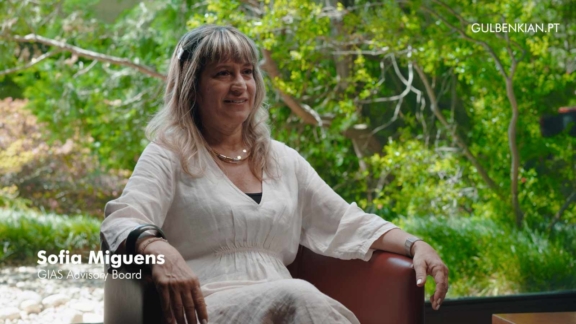
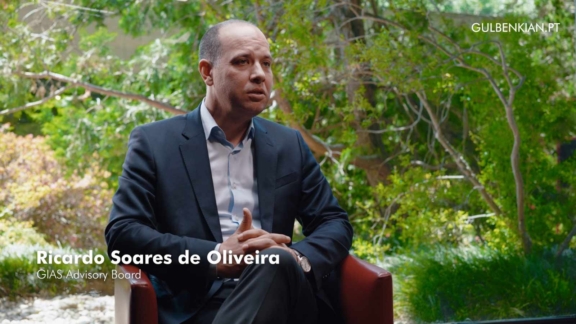
Prospective fellows must apply individually to the GIAS. They will typically be affiliated with higher-education institutions, but the GIAS will also welcome applications from independent scholars, professionals, practicing artists, and emeriti. Applications will be reviewed by an international Advisory Board. The Advisory Board, also appointed by the Foundation’s executive board, shall include scholars of world reputation, serving 3 to 4 yr terms, and whose functions include advising the Director on matters pertaining to the mission of the Institute, including the recruitment of fellows. Advisory Board members may not write recommendations for applicants.
Application materials will include a curriculum vitae, a short description of the activities to be conducted while in residence at the GIAS, and two letters of reference, to be sent directly to the Institute. Fellowship offers will be made to selected applicants by the end of January of each year. Appointments will be officially announced by the Institute by April 15th. Appointments shall not be renewable, and fellows may not reapply for residence during the first five years after their last residence.
The physical residence requirement is designed to facilitate intellectual interaction; but it will not mandate intellectual interaction. The GIAS believes that only unforced exchange can promote genuine intellectual communities. Therefore, it will not issue advice as to the contents of any applications and will only very exceptionally fund scholars engaged in alike or joint projects.
The GIAS may however give special attention to innovative and unusual proposals, or indeed to proposals whose contents may have prevented their authors from being funded by comparable institutions. The GIAS believes that scholarly communities are in most cases born out of the effort to make different, and indeed very different, scholarly endeavors and separate fields mutually intelligible.
The benefits to be expected from residency in the GIAS can only be attained if its internal organization and operation remain supple and effective. At the GIAS, fellows will be provided with individual private working spaces; small seminar rooms, a fellows’ lounge and a small reference library with access to substantial electronic resources; and, not least, access to the Institute’s restaurant and to larger university libraries in the Lisbon area.
Fellows will be given permanent access to campus and may invite guests on special occasions; but they will not be required to do so.
Although the duties of resident fellows will be minimal, the possibility for them to organize internal seminars and discussion groups is available. Some of those interactions may occasionally be open to the public or to outside guests: small-scale conferences, lectures and workshops, namely in association with colleagues at higher education institutions.
Campus facilities will include an auditorium designed for such public activities. The GIAS will ensure that the logistical arrangements remain simple and easy to secure. But it will also make sure that fellows not wishing to participate in such public activities shall remain undisturbed, and will make sure to protect the fellows’ working spaces and areas of circulation from public access.
The GIAS believes that the public relevance of knowledge is a function of the interactions of scholars, working unimpeded. Thus, the GIAS will not issue opinions or recommendations concerning matters of scholarly contents, public policy or current events. It purports more simply to provide curious, original scholars with the time and the peace of mind that might help them in attaining the best possible developments of their own ideas, often through exchanges with similarly engaged scholars. The advancement of knowledge can only come out of that measure of freedom. The GIAS will remain firmly committed to fostering that freedom.
A word from the Director
No results were found for your criteria.
Advisory Board perspectives


No results were found for your criteria.