

Open Call – Imagination Laboratory 2026/27
How we dream and imagine in uncertain times
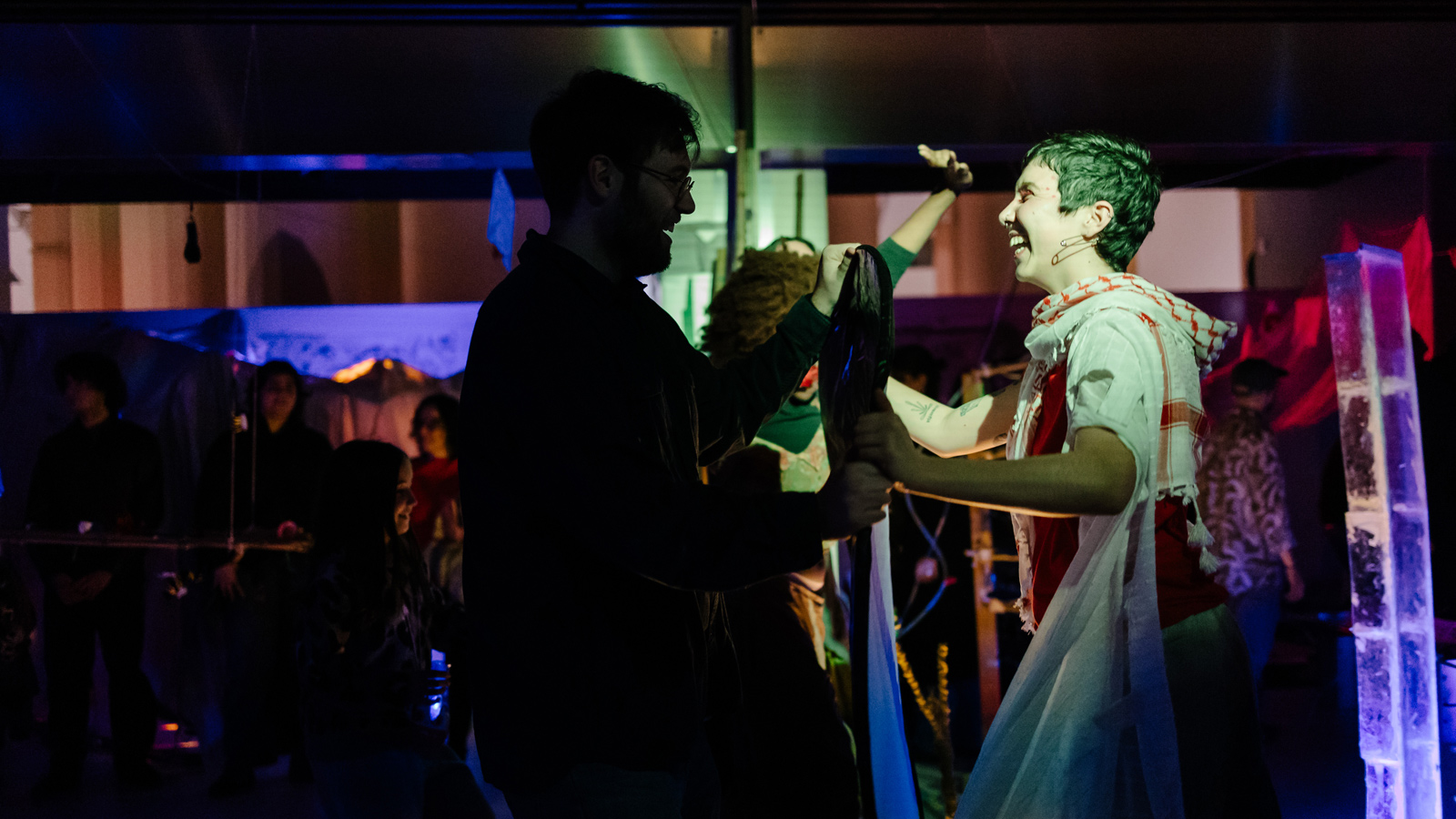
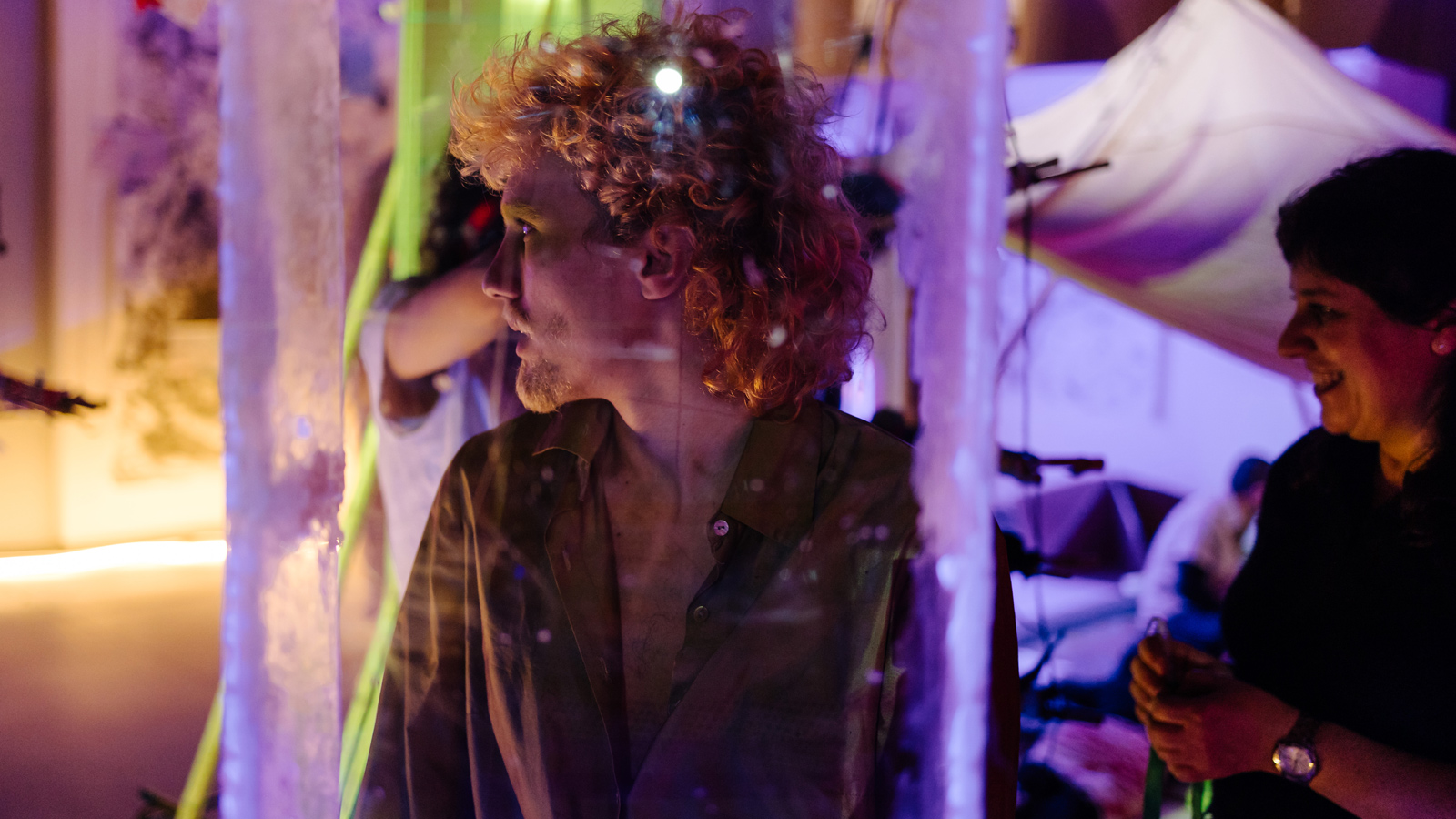
Have you ever been to the future? How do we imagine the future when the future seems increasingly uncertain? Some respond with fear; others with imagination. This Laboratory is for those who want to put the second option into practice.
From October 2026 to February 2027, we invite everyone between the ages of 18 and 25 to take part in the 5th edition of the Imagination Laboratory, a platform for creative thinking with the artist and philosopher Virgílio Varela, in collaboration with guest artists Ana Rhodes, Marco Conti Sikic, Fábio Novo, Dárida Rodrigues and Raquel Lima.
We will work in direct dialogue with works from the CAM Collection by artists from Portuguese-speaking African countries and their diasporas: António Ole, Bertina Lopes, Carlos Bunga, Eugénia Mussa, Grada Kilomba, Irineu Destourelles, Kiluanji Kia Henda, Malangatana, Mónica de Miranda and Yonamine.
Are you curious and keen to explore new ways of thinking, feeling and imagining? Rather than seeking definitive answers, this laboratory nurtures the ability to dream together.
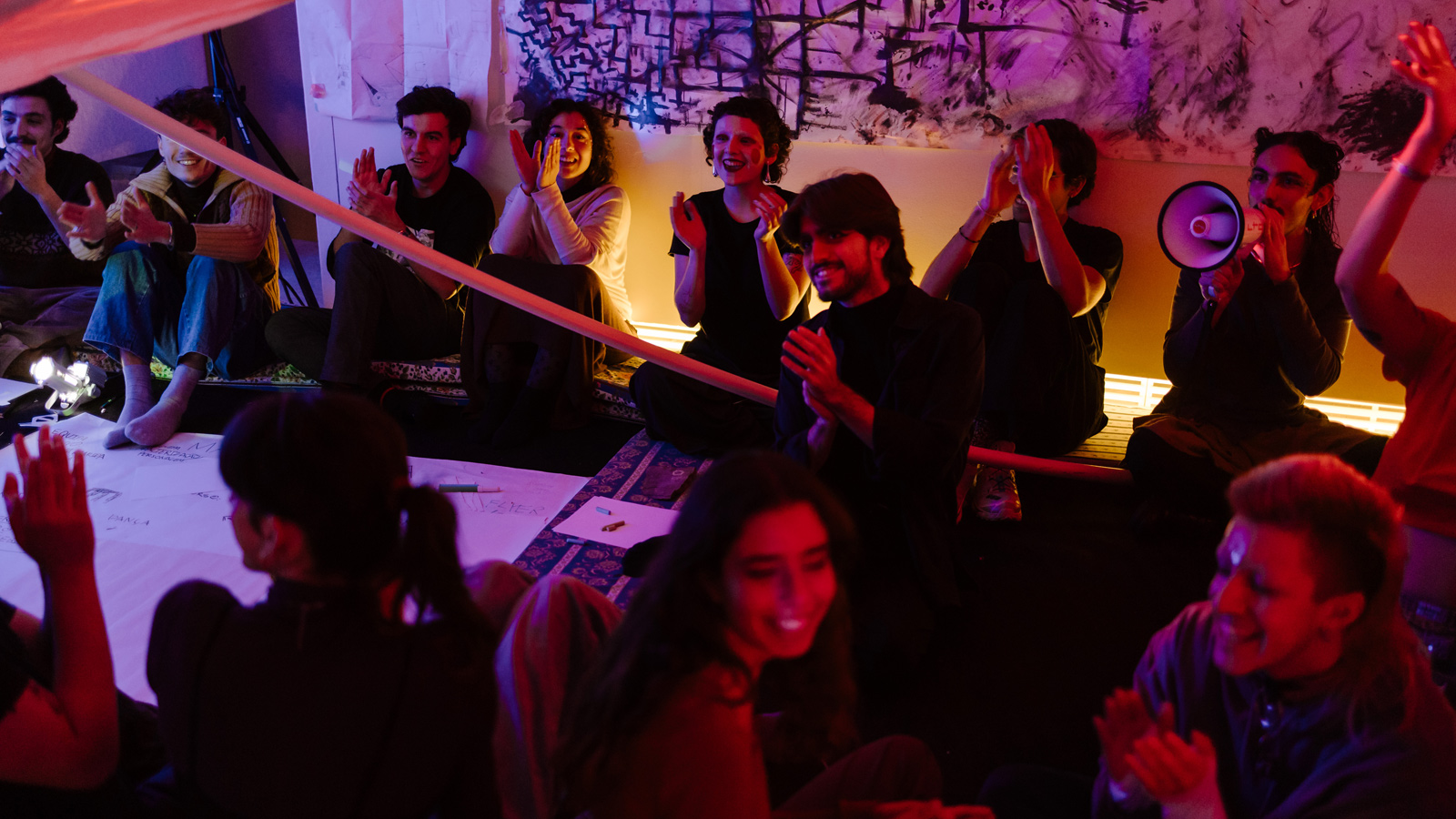
In this platform for experimentation, developed by a group of young people and interdisciplinary artists, we will explore new forms of thinking and acting in relation to the challenges of the present, and to imagine other possible futures.
Participation is free. Apply until 06 October.
Applicants must attend the open session on 14 October.
The results of the selection will be communicated via e-mail by 19 October.
Session dates
Sessions take place on Wednesdays, from 18:00 to 21:00. The final session takes place on a Tuesday, at the same time.
14, 21 and 28 October
4, 11, 18 and 25 November
2, 9 and 16 December
6, 13, 20 and 27 January
2 February
About this Imagination Laboratory
What you’ll experience
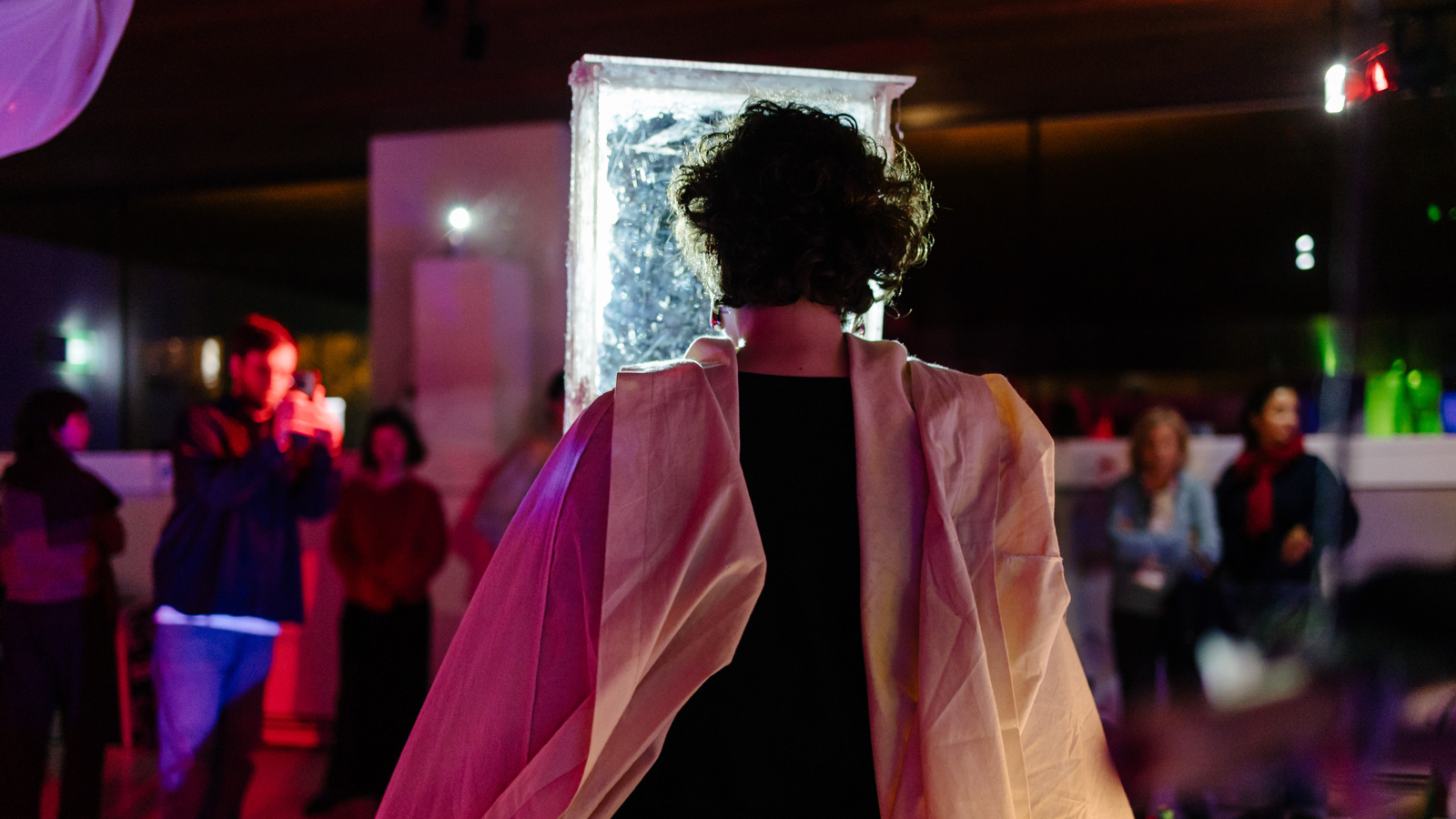
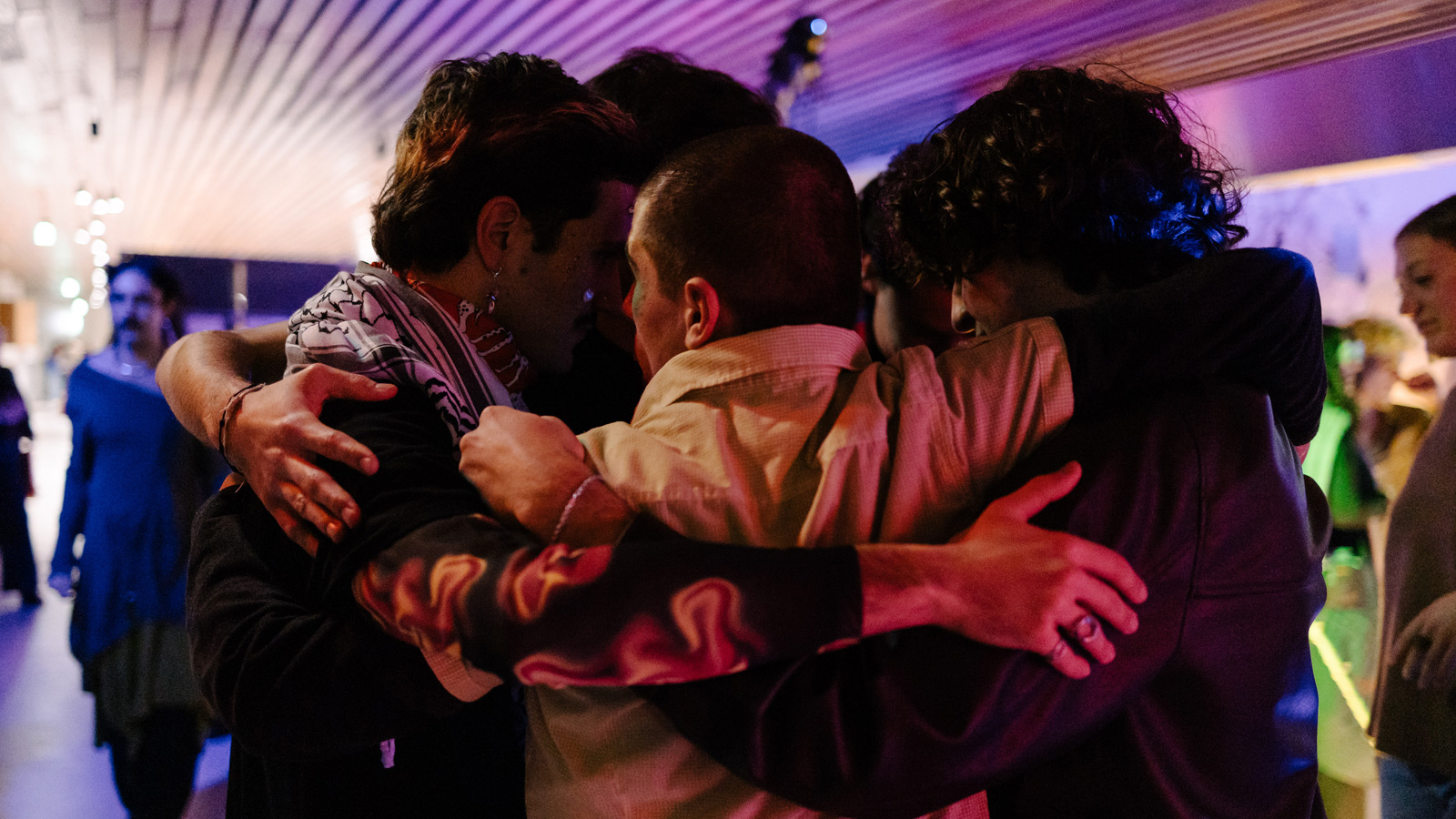
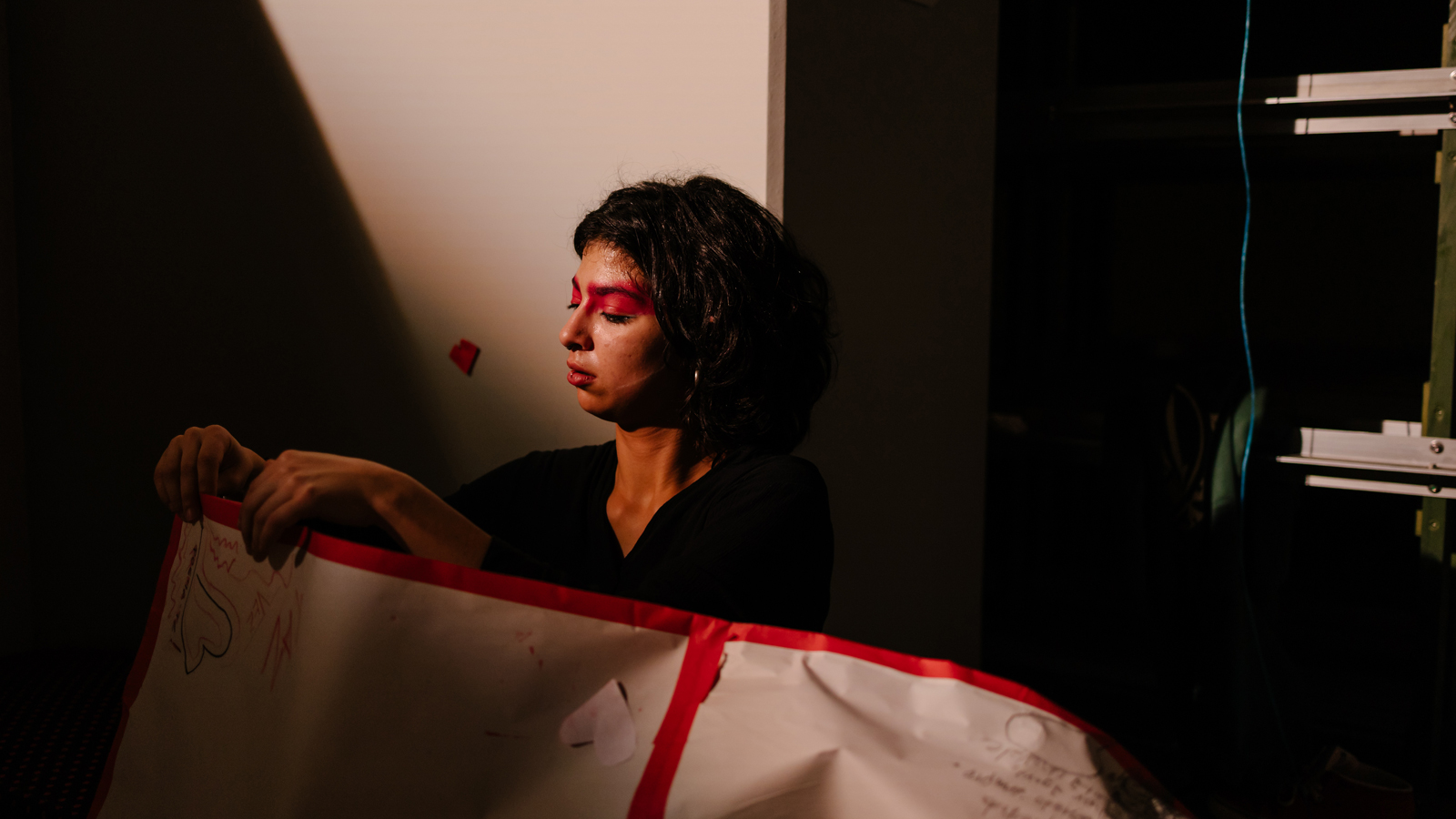
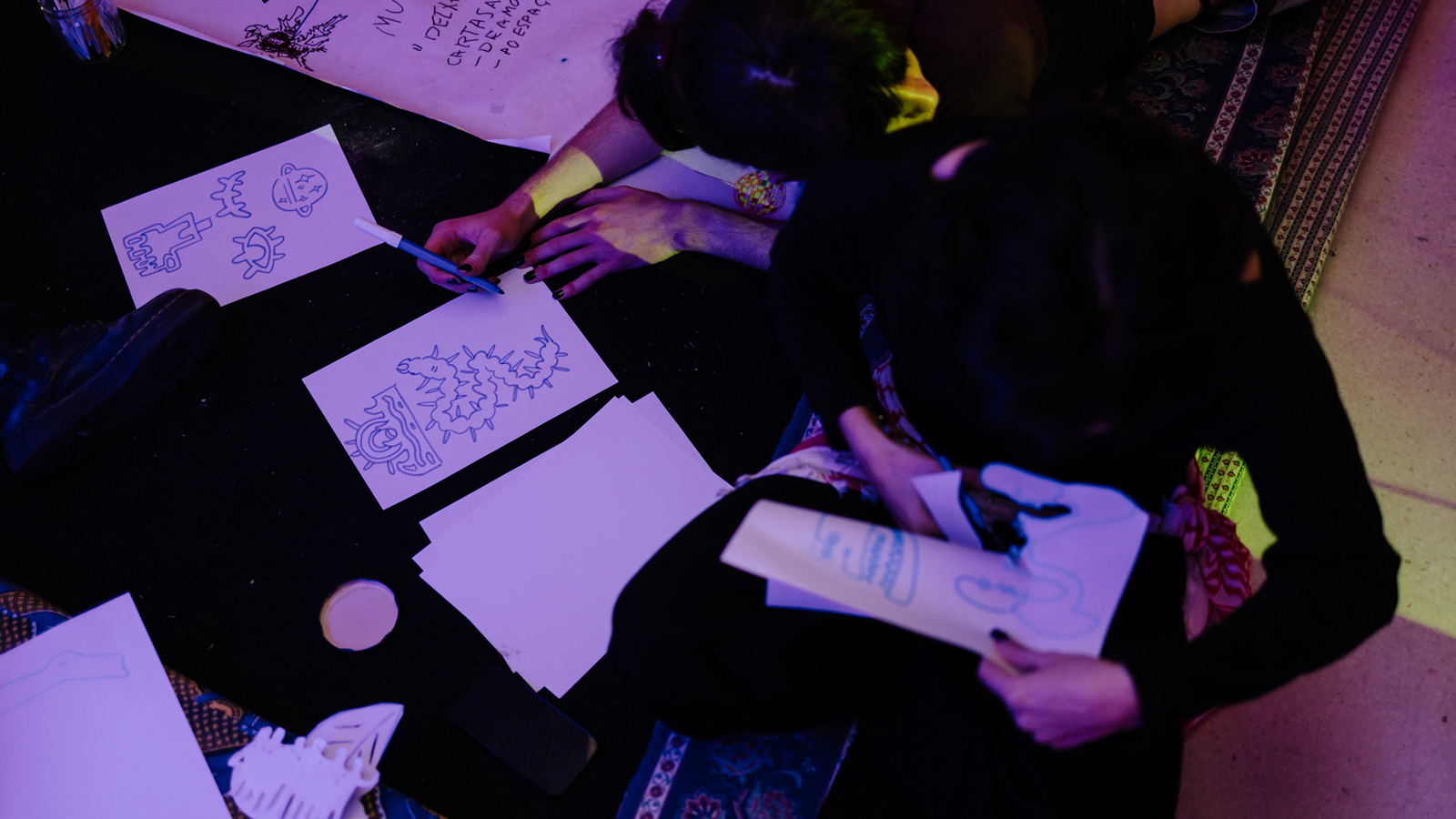
This isn’t a course. There are no lessons, no tests, no right answers. There are fifteen sessions in which you will:
Throughout your journey, you’ll find a dream journal by your bedside, a pack of ‘Cards of Chance’ in the living room, and a ‘Butterfly Diary’ in which happy accidents are recorded. In this laboratory, the unexpected is not a failure: it is raw material.
The four themes
Decolonising the imagination
For centuries, we have been told what it is possible to imagine. This theme is an invitation to imagine futures that break free from the dominant narratives of unlimited growth, competition and exploitation, and to discover that dominant imaginaries are prison bars made of impressions, not iron.
The body that dreams
Before it becomes an idea, imagining is a bodily experience. Performative and somatic practices to explore the imagination as an embodied experience: the body as a space for creation, perception and dreaming.
Nature that dreams
What if nature also dreams? What if rivers, forests and ecosystems have their own rhythms, desires and futures? Art, ecology and imagination, with nature as a dialogue partner, not merely a backdrop.
The Collective Dream
Dreaming is often understood as an individual experience, but many cultures know that dreams are shared. Neuroscience confirms this: dreaming is the ability to simulate futures—and madness, writes neuroscientist Sidarta Ribeiro. Here, we dream together.
Introduction from the artist
‘How we dream and imagine in uncertain times’
I grew up surrounded by languages. Cape Verdean Creole in my family, Portuguese at school, hip-hop on the streets—in the 1990s, as part of a group called ‘The Family’, I learnt that a circle of words can be a free territory. Since then, my practice has spanned Afrofuturism, speculative fiction and collective creation, and a conviction that has never left me: to imagine is not to escape reality—it is to delve deeper into it.
We live in uncertain times, and we’re told that uncertainty is a threat. I propose another way of looking at it: uncertainty is proof that the future has not yet been decided and is therefore still open to being dreamt. Every night, effortlessly, our brain simulates possible futures: this is what science calls dreaming. This laboratory trains that muscle whilst your eyes are open and as part of a collective.
I’m not here to teach you how to imagine. I’ll lay out the conditions—the works in the collection, the guest artists, the rituals, the garden, the night—and then get out of the way so that you, together with other young people, can decide what comes to life. You’ll cross the boundary between what is and what could be. You’ll bury some words and plant others. You’ll visit the year 2126 and return with photographs. And, in the end, when we build together the altar of everything we’ve experienced, you’ll realise that the question in the title has an answer: in uncertain times, we dream and imagine in the only way possible—together.
I’ll be waiting for you on the other side of the time machine.
—Virgílio Varela
Conditions for participation and frequently asked questions
Who can apply?
Young people between 18 and 25, interest in artistic processes and experimentation, available to attend at least 12 of the 15 sessions, and required to attend the session on 14 October. No previous artistic experience is required.
What happens at the open session on 14 October?
This is the first session of the Laboratory and is open to all applicants. We’ll get started with some of the practical activities—you’ll be travelling through the time machine—and answer any questions you may have about the laboratory. Participation is mandatory and non-attendance will exclude you from potential selection.
When will I find out if I’ve been selected?
You will be notified by email by 19 October (after the open session).
I live outside Lisbon. Can I take part?
Yes, but the Laboratory is face-to-face and those who live outside Lisbon must arrange their own travel.
How much time do I need to commit?
45 hours in total, spread over 15 weekly sessions of three hours each. You must be available to attend at least 12 sessions. And get ready: in one of the weeks, your homework will be to sleep, with a question on your bedside table and a dream journal by your side.
Is there a final presentation?
The laboratory concludes with a public presentation focusing on the process, created by the collective—an embassy of the future, where the audience will step through the time machine and be welcomed by the participants. The final format will be decided jointly by the participants and the artists.
Will I receive a certificate?
Yes, those who complete the programme will receive a certificate of participation.
Are the sessions held in Portuguese?
Yes. A basic understanding of Portuguese is recommended, but participants are welcome to express themselves in another language. In this laboratory, home languages are welcome and form part of the work.
Where will the sessions take place?
Mostly at CAM, including some sessions in the garden. Some sessions may take place outdoors.
I don’t come from an arts background, nor do I have any experience. Can I take part?
Yes. All you need is to be ready and willing to participate, no prior experience is required. Imagination isn’t a talent possessed by just a few; it’s a muscle we all have.
Will I be paid for taking part?
No; this is an educational project and participation is free of charge.
I have taken part in previous editions. Can I apply again?
Yes, but priority will be given to those who have never taken part before.
Are you looking for a specific profile?
The Imagination Laboratory is open to all young people aged between 18 and 25, with the aim of bringing together a diverse group that reflects the plurality of voices, backgrounds and experiences within contemporary Portuguese society. We particularly encourage applications from young people living in communities and regions with more limited access to cultural and artistic participation opportunities, as well as from individuals whose backgrounds and life experiences are typically under-represented in these spaces.
Biographies
Virgílio Varela
A Cape Verdean and Portuguese artist, educator and philosopher. He began his career in hip-hop in the 1990s as Double V with the group The Family; his current work explores dreams, Afrofuturism and speculative fiction through his book ‘Profundamente Vivos’. He has worked as a facilitator since 2014 (Work That Reconnects, Dragon Dreaming). He took part in the Venice Biennale representing the Portuguese pavilion and has led collective imagination processes across Europe, Africa, Brazil and the USA—from Lisbon’s first Citizens’ Council to artistic laboratories. He is currently developing Plural Dreams, an immersive experience in the world of dreams with curator Bonaventure Ndikung. He is directing the 5th edition of the Imagination Laboratory.
Ana Rhodes
A facilitator, trainer and researcher, Ana Rhoes led the Findhorn Foundation (Scotland) as Chair of Management and founded the Centre for the Transformation of Human Conflict (CTCH), dedicated to deep democracy and evolutionary leadership. Co-founder and director of the Arte del Processo school (Italy), she facilitates processes of socio-cultural change with groups of up to 400 people, combining contemplative practices, group dynamics and diversity. At the laboratory, she leads ‘The Silence that Precedes the Image’.
Marco Conti Šikić
Marco Conti Šikić (Tivoli, 1978) is a visual artist, technologist and multidisciplinary researcher, and the creator of Dream Machine. Having studied Art and Architecture in Rome and Paris, he collaborated with studios such as Jean Nouvel and Renzo Piano before devoting himself to art full-time, combining classical techniques with AI, code and generative art—a practice shaped by his childhood during the war in Yugoslavia, where he discovered art as a refuge. As the founder of Code Green, he develops projects at the intersection of art, science and ecology, combining climate activism with technology. At the laboratory, he leads ‘The Collective Dream Machine’: can a machine dream about us without dreaming for us?
Fábio Novo
A psychotherapist and human development mentor for over 21 years, specialising in psychosynthesis, meditation and working with dreams as a path to self-knowledge and personal transformation. He holds a postgraduate qualification in Neuroscience, specialising in Dreams, and is the author of the books ‘Dreams’, ‘Holoplex’, ‘Hyper and Fractal’, in which he explores consciousness, imagination and expanded states of human experience. At the laboratory, he acts as a consultant and leads ‘The Assembly of Voices’—every person is an inner multitude, including the voice that speaks their mother tongue, and creation arises when this multitude meets with others.
Dárida Rodrigues
A Portuguese-Brazilian artist and researcher, she is developing the project ‘Oráculo. Onírico Partituras e Insurgência’ as part of her PhD in Performing Arts and Moving Image (FBAUL/FCT). She is the founder of Lab Onírico and Fórum dos Sonhos, which bring together somatic and audiovisual practices on the threshold between sleep and wakefulness, presented in Portugal, Brazil, Sweden and Germany. At the laboratory, she leads ‘The Night Between Two Sessions’—where sleep is the driving force.
Raquel Lima
Raquel Lima is a poet, art educator, essayist, curator and transdisciplinary artist. She holds a degree in Art Studies and is a researcher in Postcolonial Studies, with a particular interest in oral traditions, slavery, Afro-diasporic movements and their contemporary practices of escapism, abstraction and healing. She has taken part in the Venice and São Paulo Biennales. She has published the poetry collections ‘Ingenuidade Inocência Ignorância’ and ‘ÚLULU’. She co-founded the União Negra das Artes and won the 2026 Emma Goldman Award. At the laboratory, she leads ‘The Spoken Archive’—giving voice to memories in a circle of words without a jury.