

Leonor Antunes. the constant inequality of leonor’s days*
The exhibition ‘Leonor Antunes. the constant inequality of leonor’s days*,’ which marked the opening of the new CAM building, has travelled to CRAC Occitanie, in France.
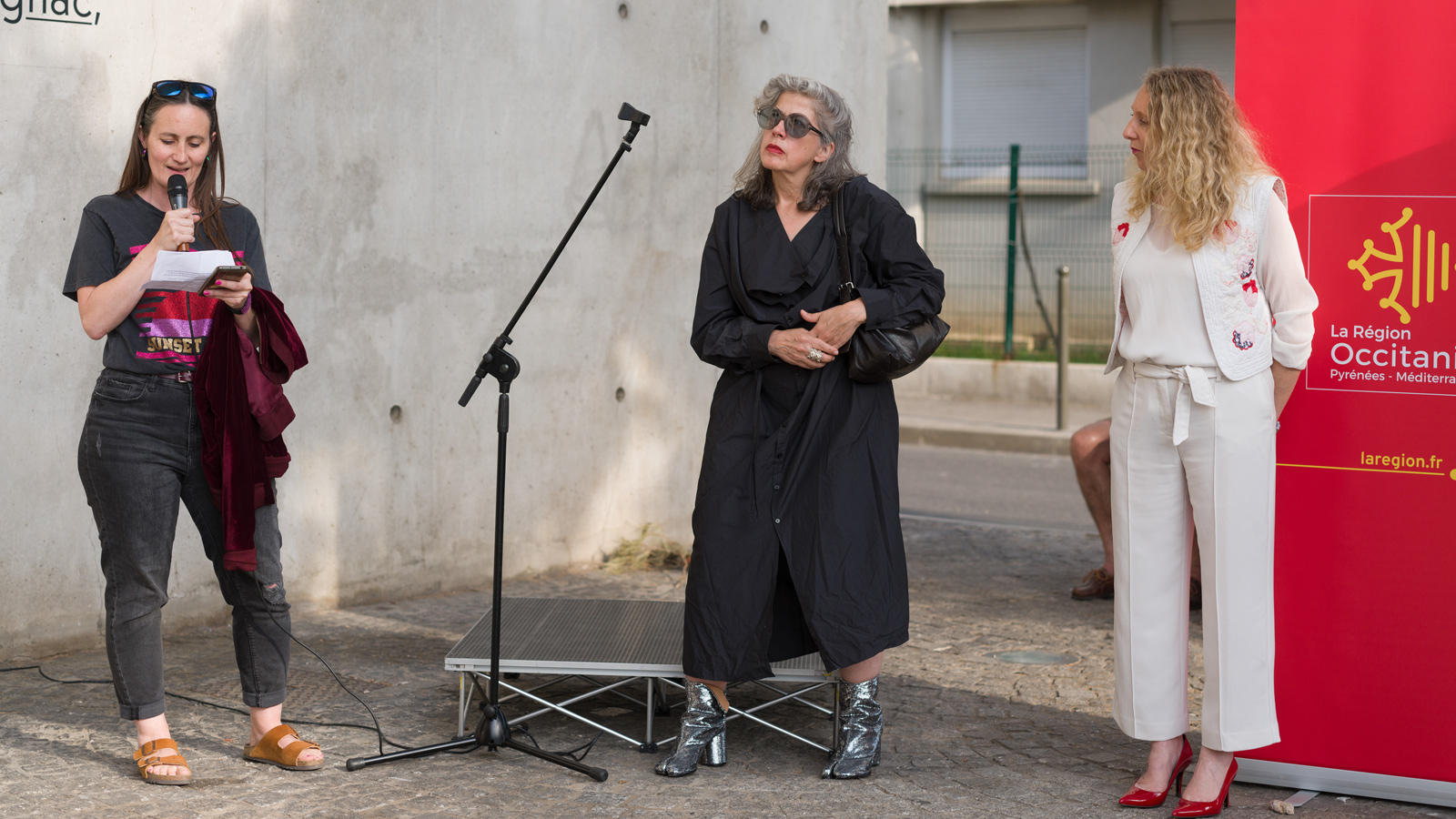
The exhibition ‘Leonor Antunes. les inégalités constantes des jours de leonor*’, devised and produced by CAM – Centro de Arte Moderna Gulbenkian, curated by Leonor Antunes and Rita Fabiana, is on public display at CRAC Occitanie – Centre Régional d’Art Contemporain, in Sète.
With the support of the Gulbenkian Foundation’s delegation in France, it follows on from the exhibition ‘Leonor Antunes. the constant inequality of leonor’s days*’, held between 21 September 2024 and 17 February 2025, in CAM, in the Main Gallery and Mezzanine.
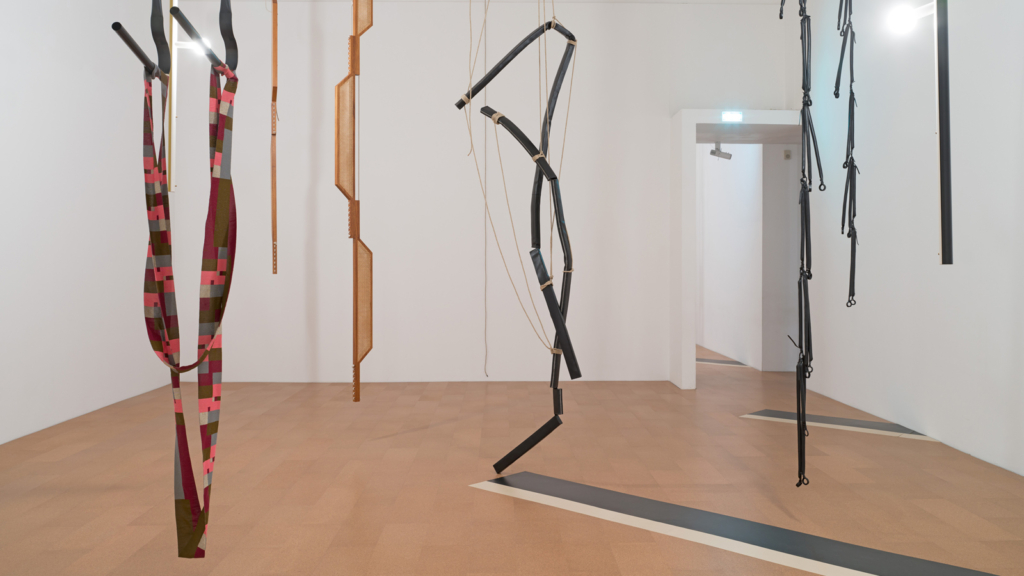
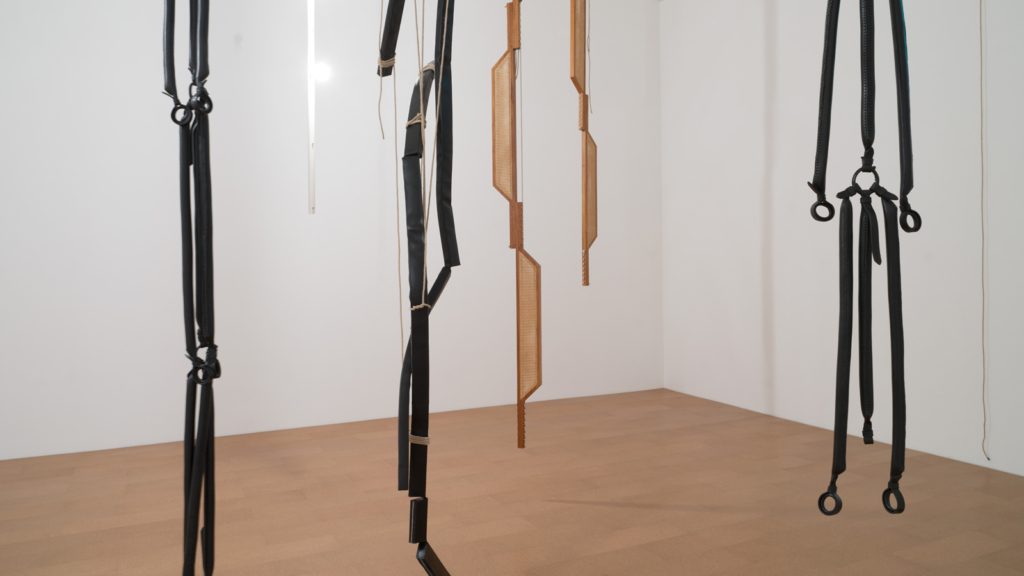
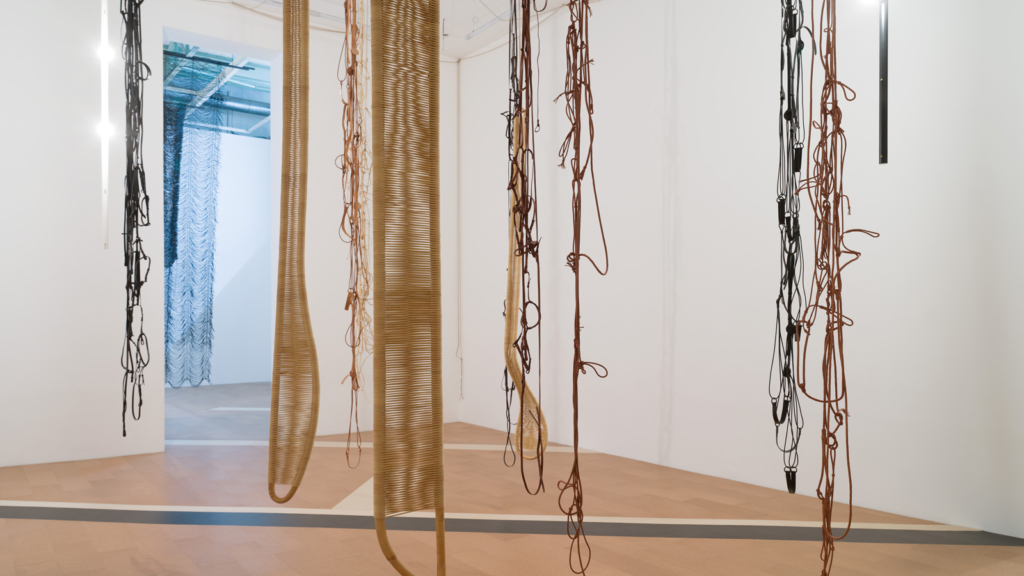
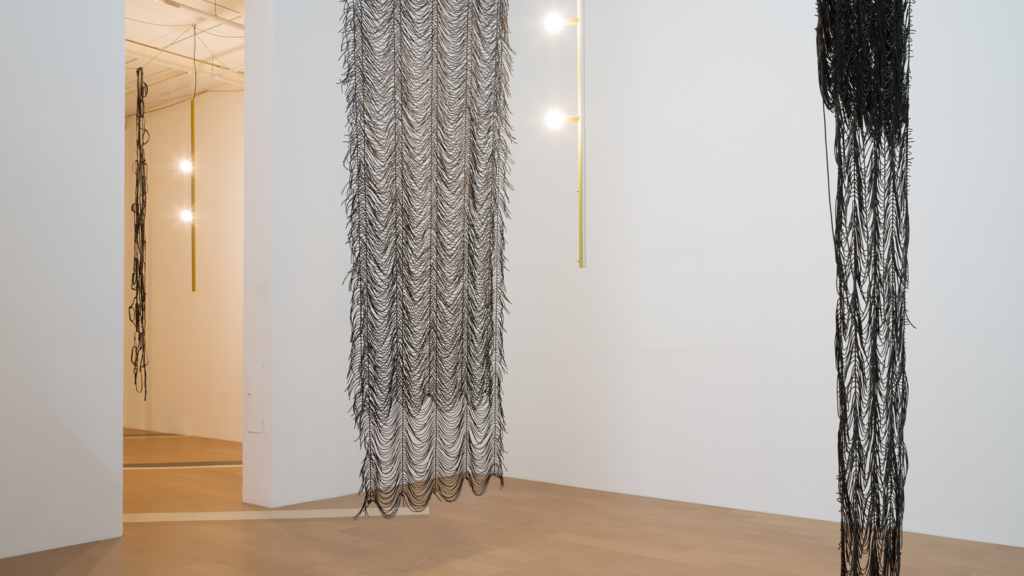
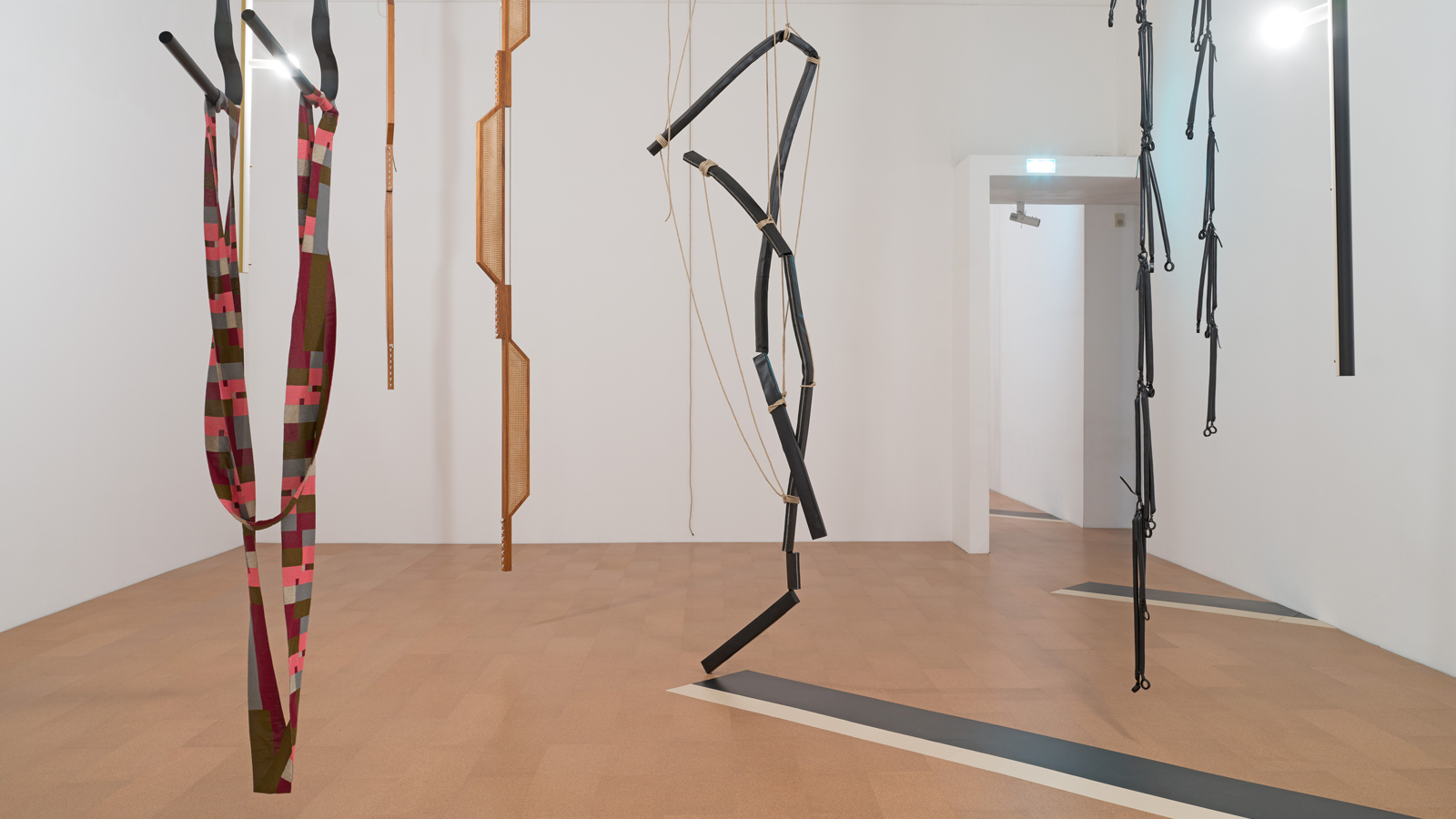
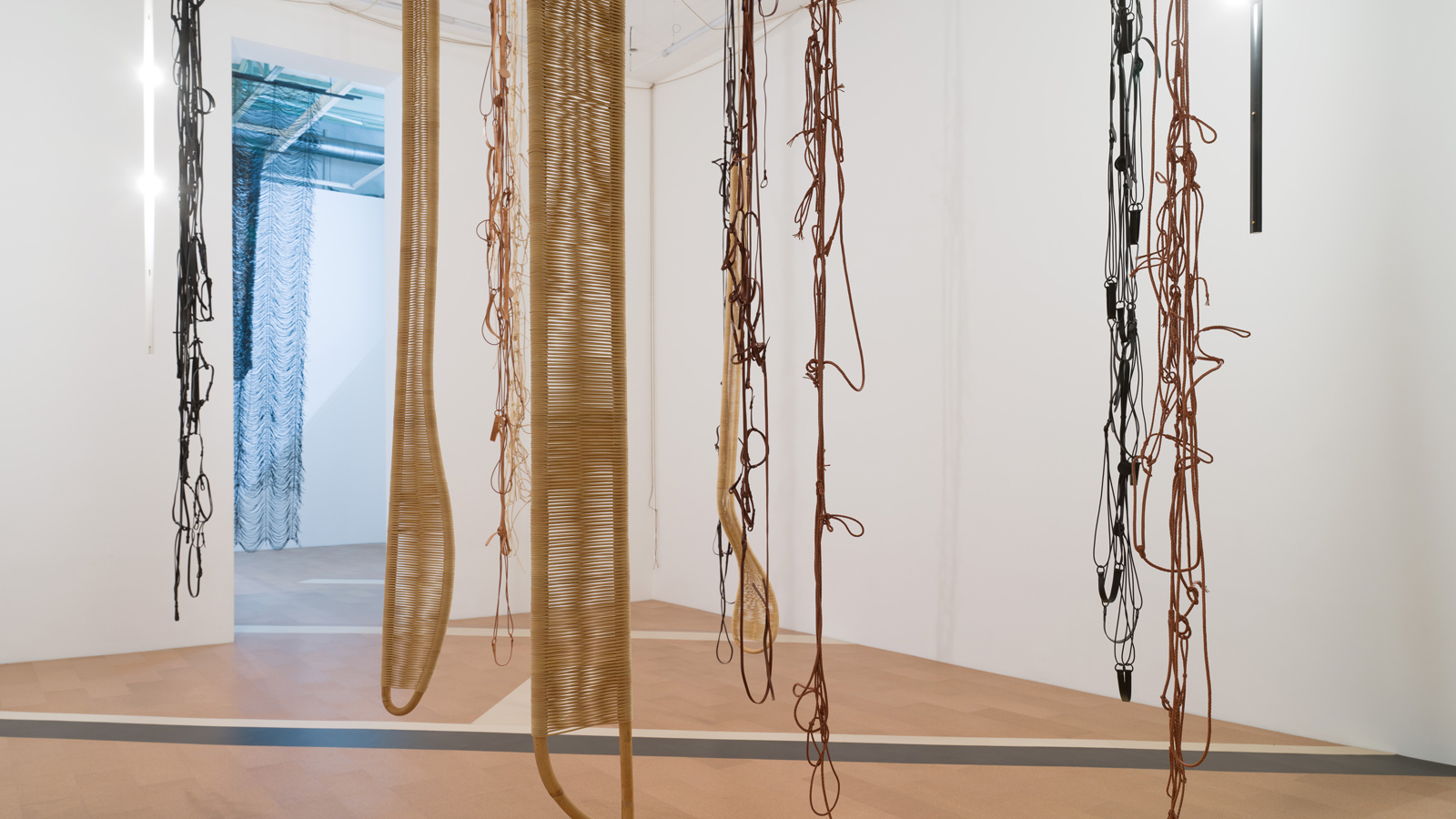
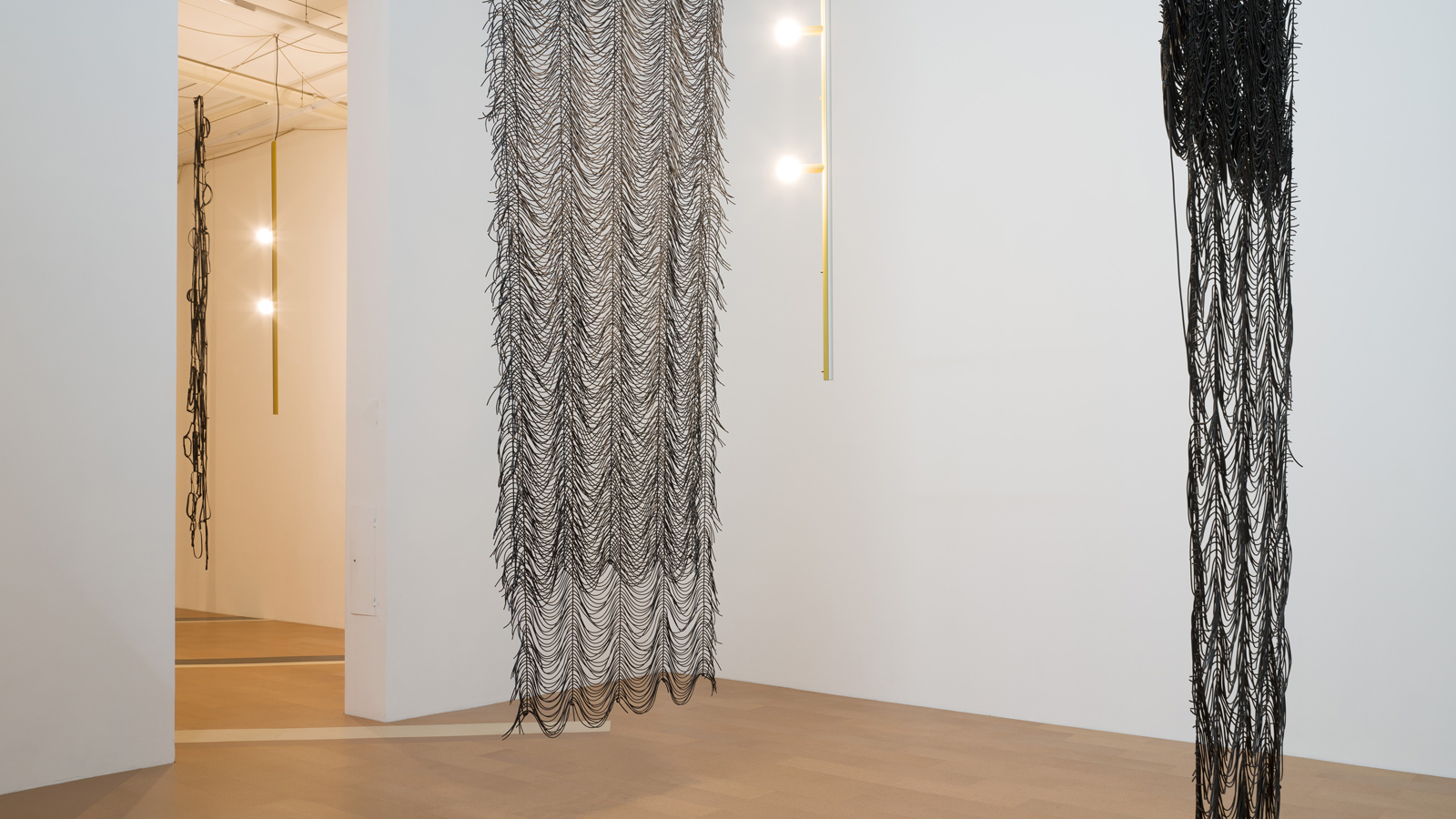
This new sculptural installation by the Portuguese artist Leonor Antunes, featuring around 40 works, proposes a critical re-reading of places and their histories, and is spread over six rooms in CRAC. The title, in turn, which appears with an asterisk, references a drawing from 1972 – the year Antunes was born – by the Portuguese artist, filmmaker, writer and poet Ana Hatherly. This gesture reinforces the strong and intimate link that seems to exist between the two artists.
In this exhibition, the visitor is invited to wander freely through a forest of objects that blend sculpture with the decorative arts, ornaments and stage furniture, breaking away from the conventional categories of art, design and architecture. There is no defined itinerary: each visitor is free to roam wherever their gaze takes them, in an intuitive, evolving and egalitarian relationship with the space.
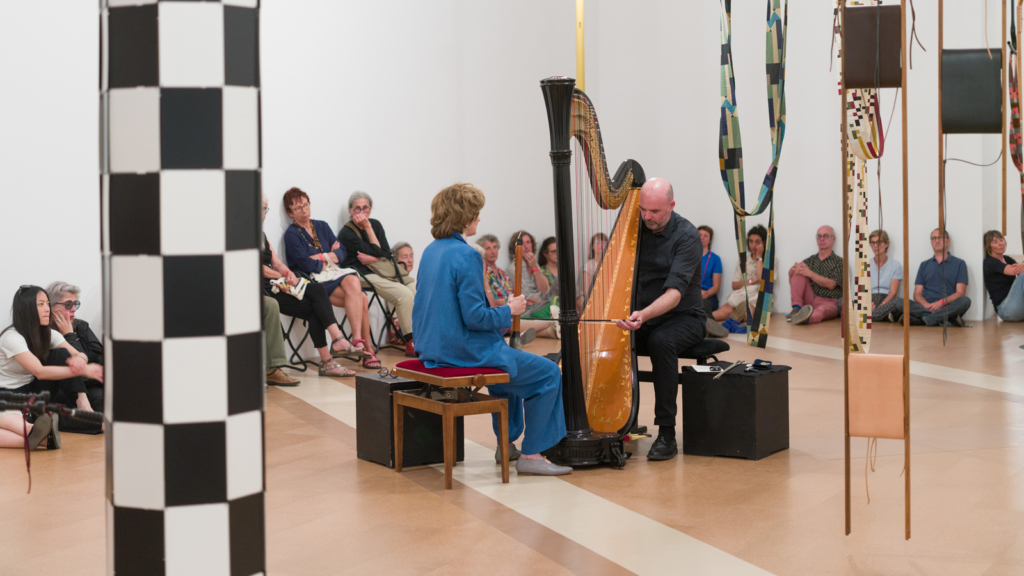
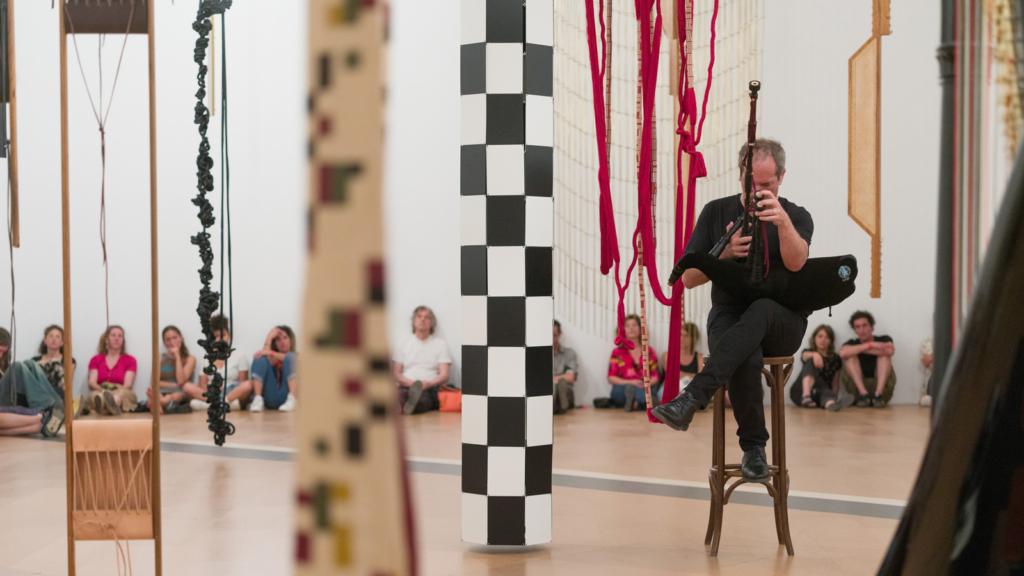
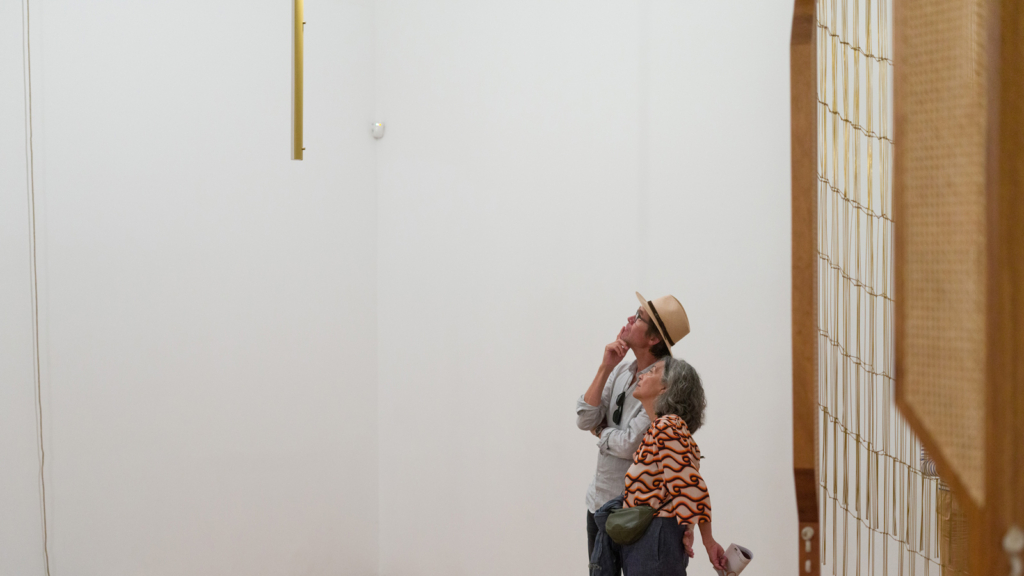
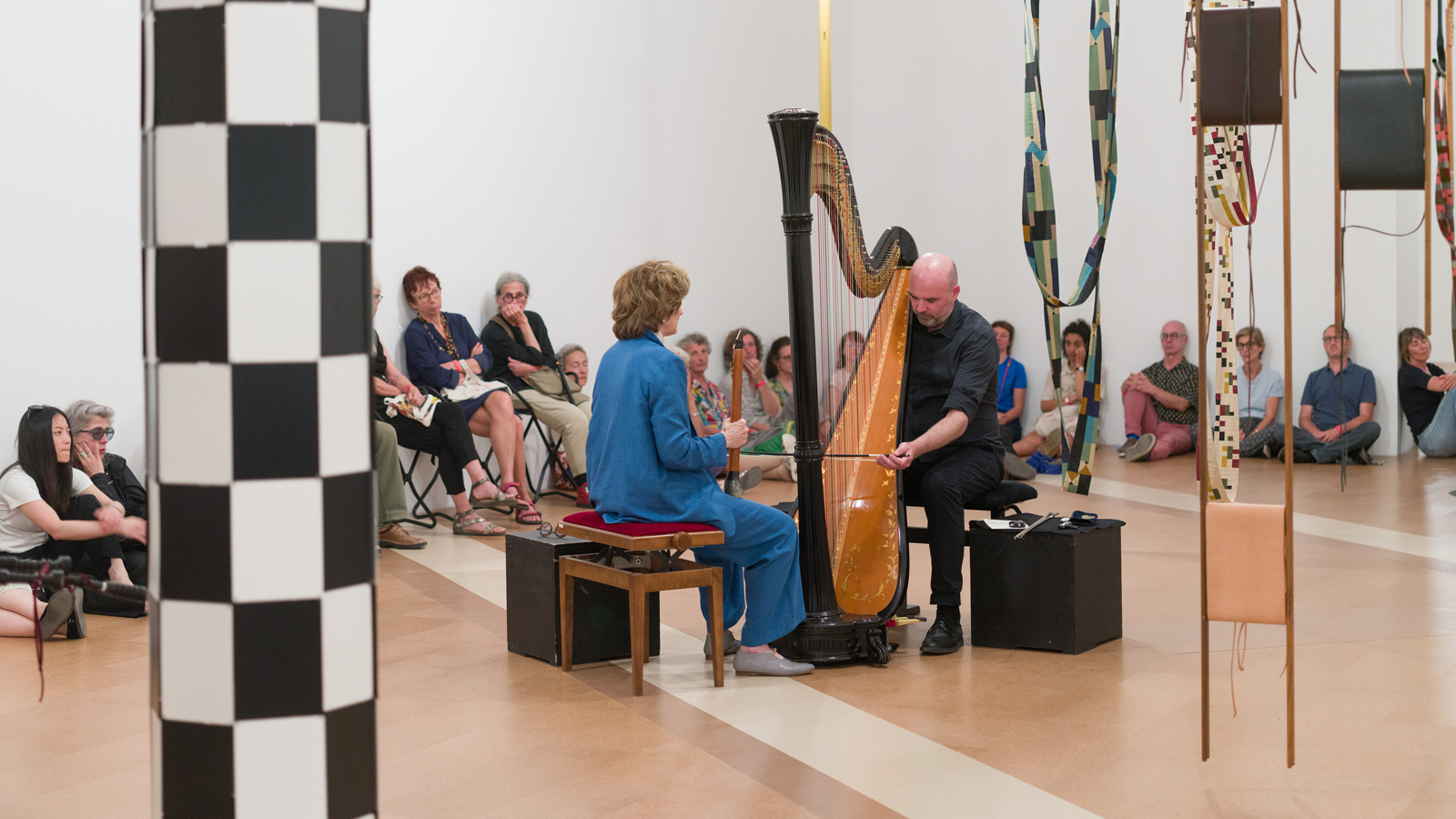
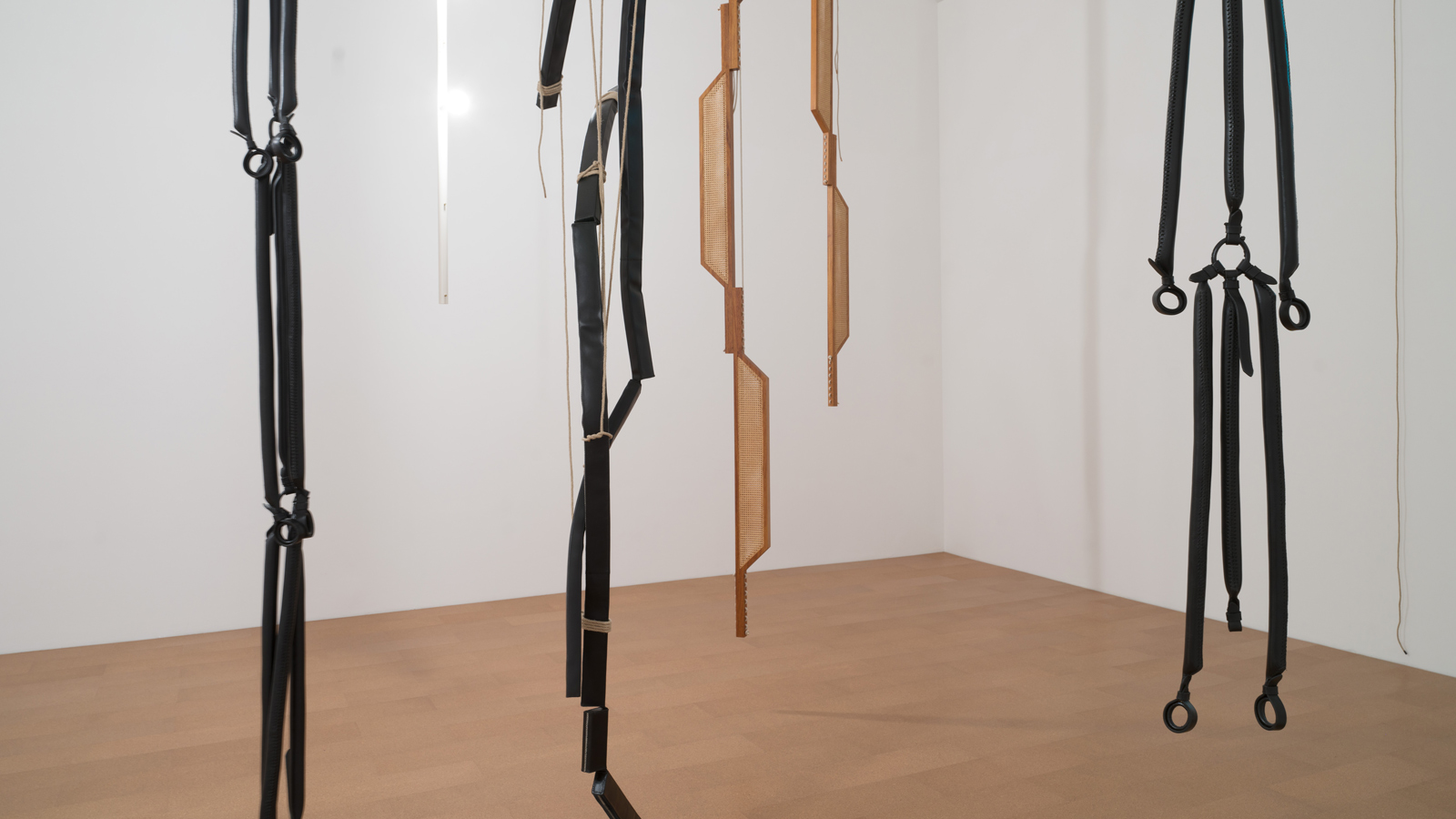
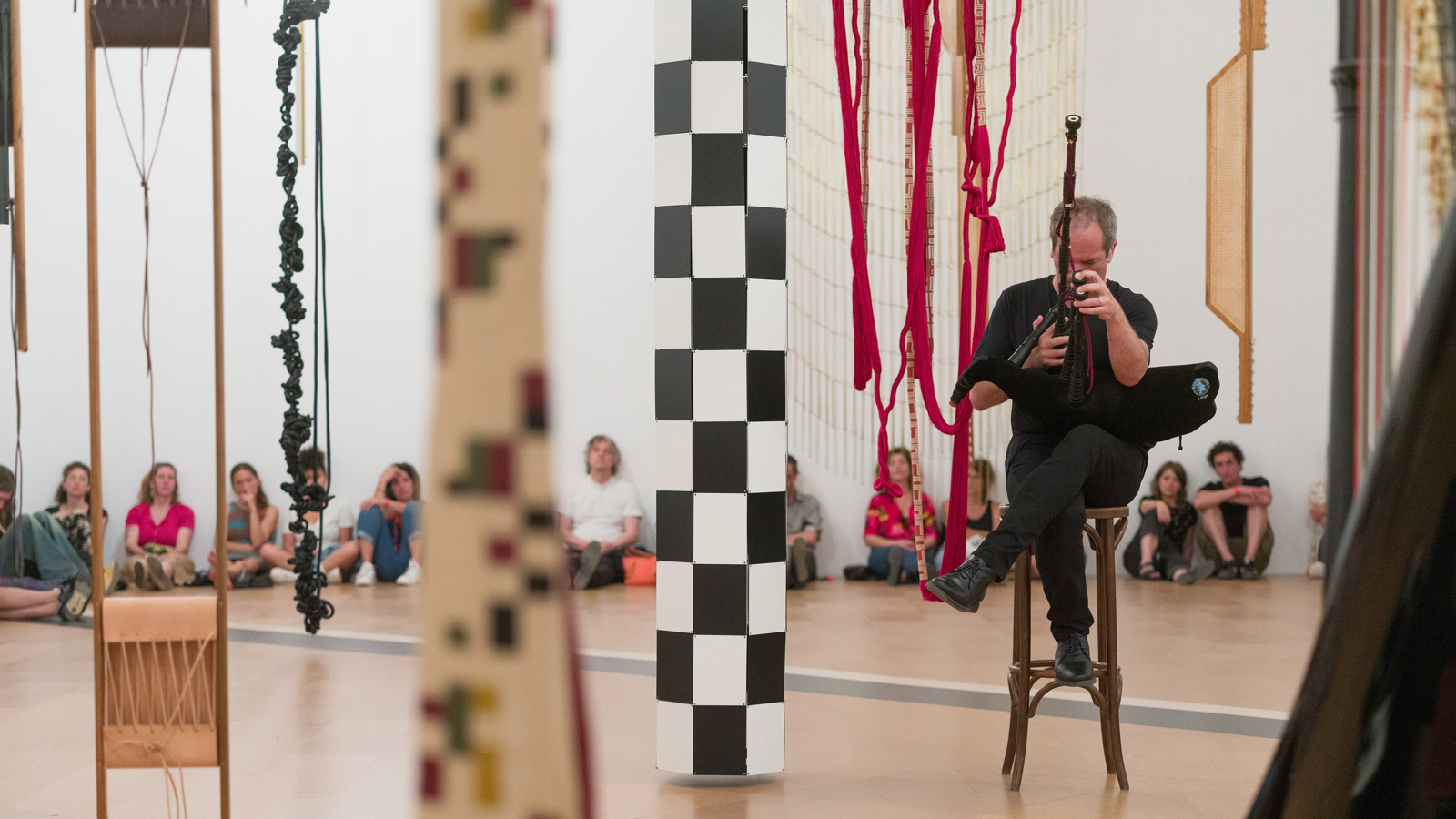
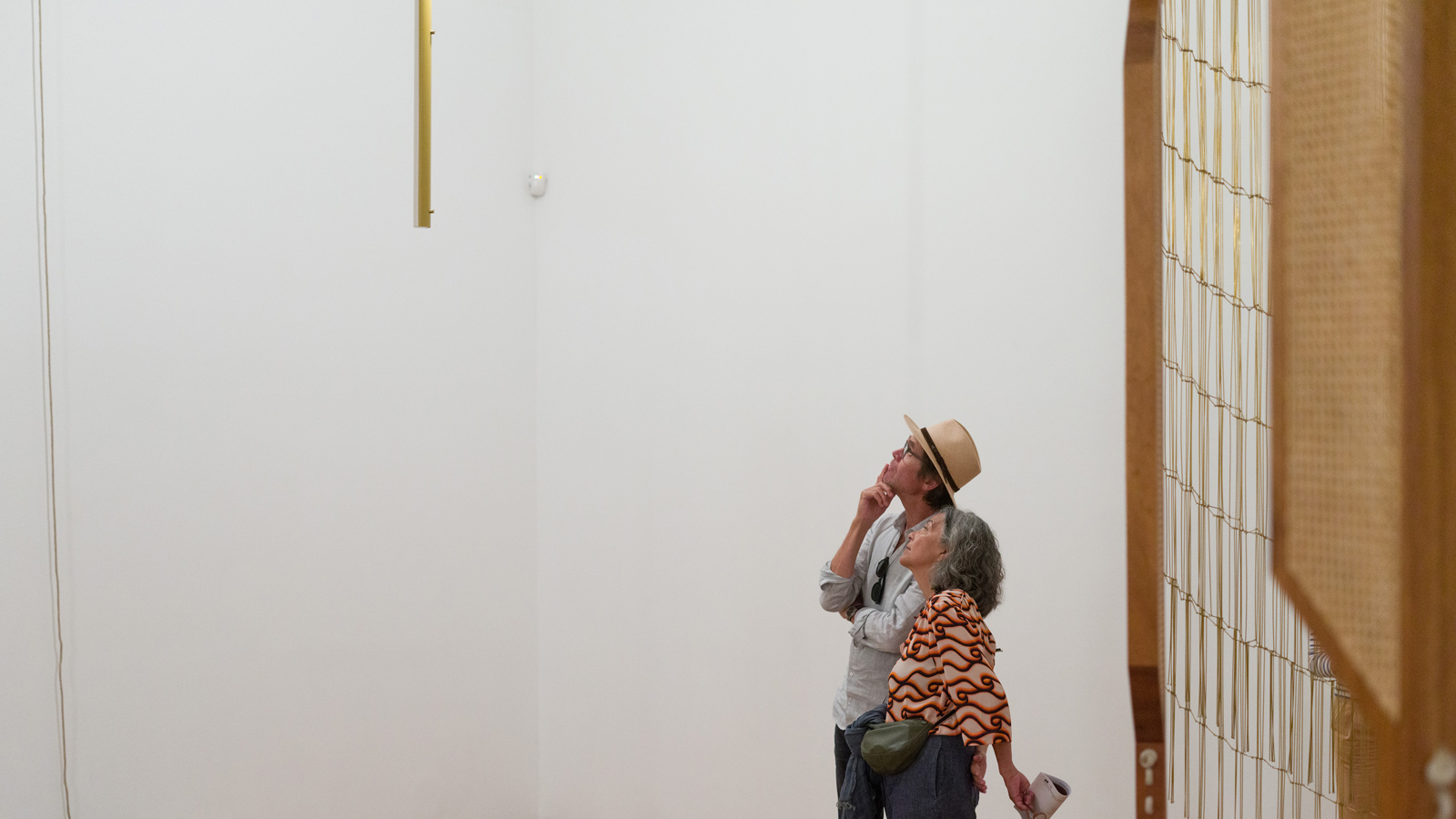
In Lisbon, in parallel to the installation of her works, which were rooted in the architecture of the building, Leonor Antunes selected works from the CAM Collection, exclusively those by women artists, some of which were presented for the first time since their acquisition.
In both presentations, the artist returns to a method of interweaving references, quotes, motifs, techniques and knowledge. By researching the history of art, architecture and design, Antunes rediscovered marginalised figures, proposing an off-centre approach to the established narratives of modernity – predominantly male, heroic, linear and far from inclusive. Thus, many of the sculptures in the exhibition are direct references to creators including Marian Pepler, Sadie Speight and Sophie Taeuber, whose names or initials can be found in the title of the works.
Recurring knots, meshes and fishing nets reflect Antunes’ concern with linking artistic figures and new genealogies. The materials used to create the floor sculptures – cork, linoleum, brass – are not usually regarded as prestigious and are frequently associated with domestic spaces and, consequently, the female world. Here, however, the artist gives them a place that is simultaneously monumental and central.
Her works are permeated by the gaze and they interact with one another through an infinite interweaving and constant reconfiguration of relationships and affinities. This transparency and fluidity, which lie at the centre of the scenographic system developed by Leonor Antunes, are there to be seen and understood by each visitor, in France, until 31 August of 2025.