
Portuguese artists in post-war London
British Art – Convergence
Event Slider
Date
- 18:00 / Cancelled 18:00 / Sold out Monday, 18:00
Location
Room 2 Calouste Gulbenkian FoundationTalk postponed to July 7 due to the health of one of the speakers.
This talk, with Catarina Alfaro and Leonor de Oliveira, is focused on the encounter between Portuguese artists and British art in the 1950s and 1960s and the creative relationships they established with the London art scene since then.
London’s appeal following the Second World War stemmed from the discovery of a new context and artistic references that were gaining international visibility.
In London, Portuguese artists developed their research in the field of figuration, exploring new materials, work methodologies and a critical approach to reality that combined the myths of the Portuguese past and the traumas of the present, marked by the dictatorship and, in the 1960s, by the colonial war.
This talk will cover the career paths of Bartolomeu Cid dos Santos (printmaking), João Cutileiro and Jorge Vieira (sculpture), and will focus in more detail on the particular experience of Paula Rego, who had a longer connection with England, to which she migrated at the age of 16.
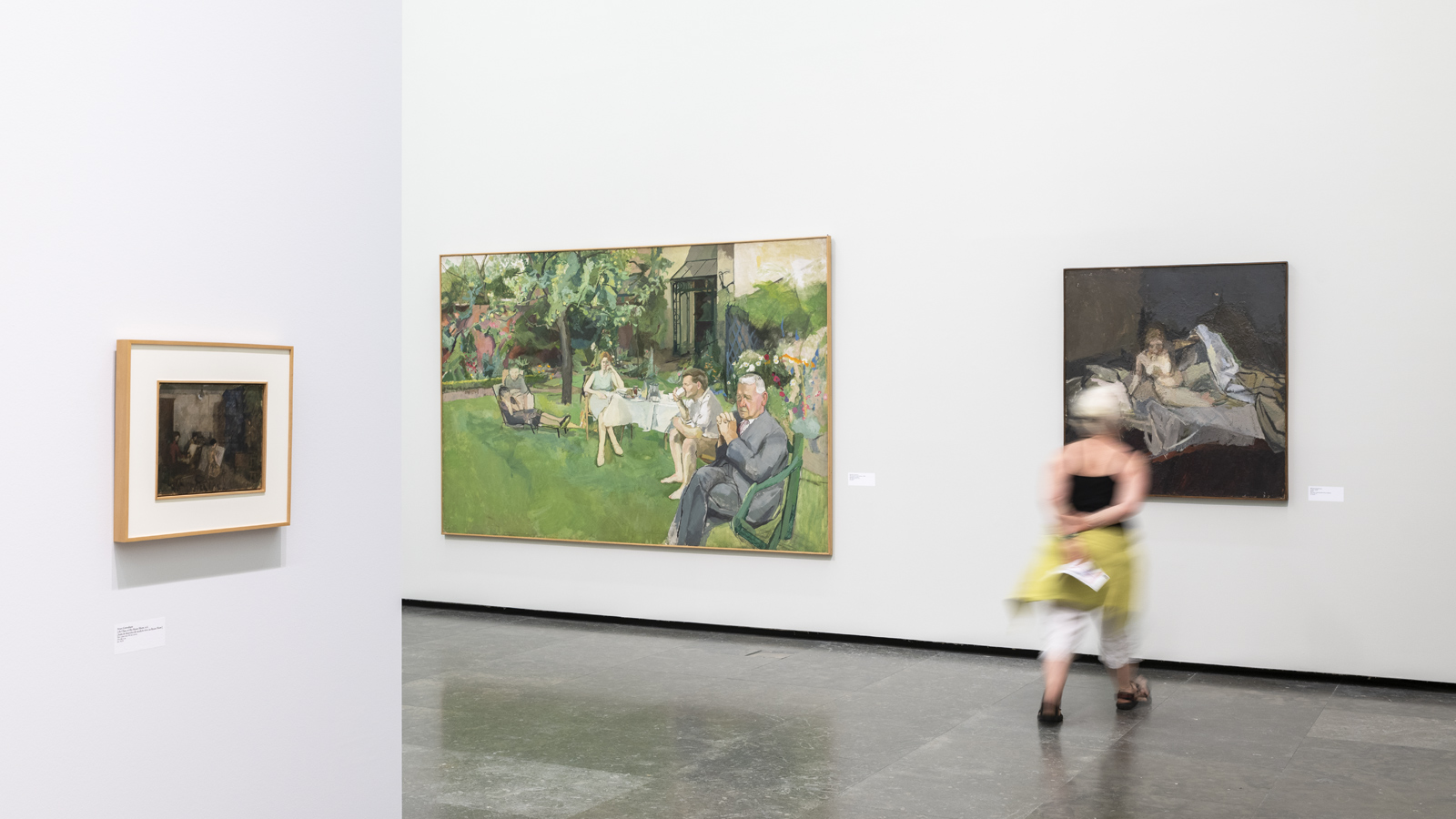
It was in the British capital that Paula Rego trained in painting, established a circle of artistic relationships and found new references for her work. The exhibitions organised at Casa das Histórias Paula Rego with British artists (‘My Choice’ and ‘CAM’s British Art Collection’) point to this lasting proximity not only to the contemporary London milieu, but also to Britain’s artistic past, which reveals the Portuguese artist’s eclectic choices, always oriented towards a personal creative programme.
The session will take place in Portuguese, with simultaneous translation into English and interpretation into Portuguese Sign Language.
Biographies
-
Leonor de Oliveira
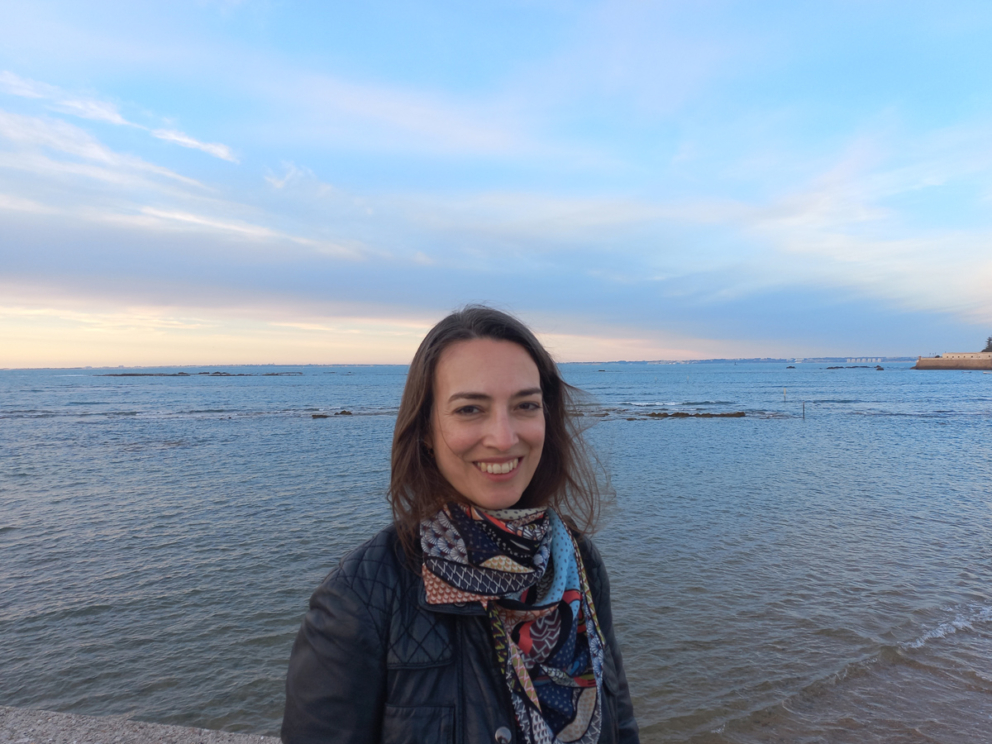
Leonor de Oliveira is an art historian, curator and researcher at the Institute of Art History, at NOVA University of Lisbon. She completed her PhD in 2013 in the areas of Museology and Artistic Heritage (NOVA University of Lisbon) and between 2014 and 2020 she carried out post-doctoral research at the same institute and at The Courtauld Institute of Art, London. Her most recent publications include ‘Portuguese Artists in London: Shaping Identities in Post-War Europe’ (Routledge, 2020). She has curated several exhibitions at the D. Luís I Foundation / Casa das Histórias Paula Rego since 2014, and has collaborated with the Museum of Neo-Realism and the Calouste Gulbenkian Foundation.
-
Catarina Alfaro
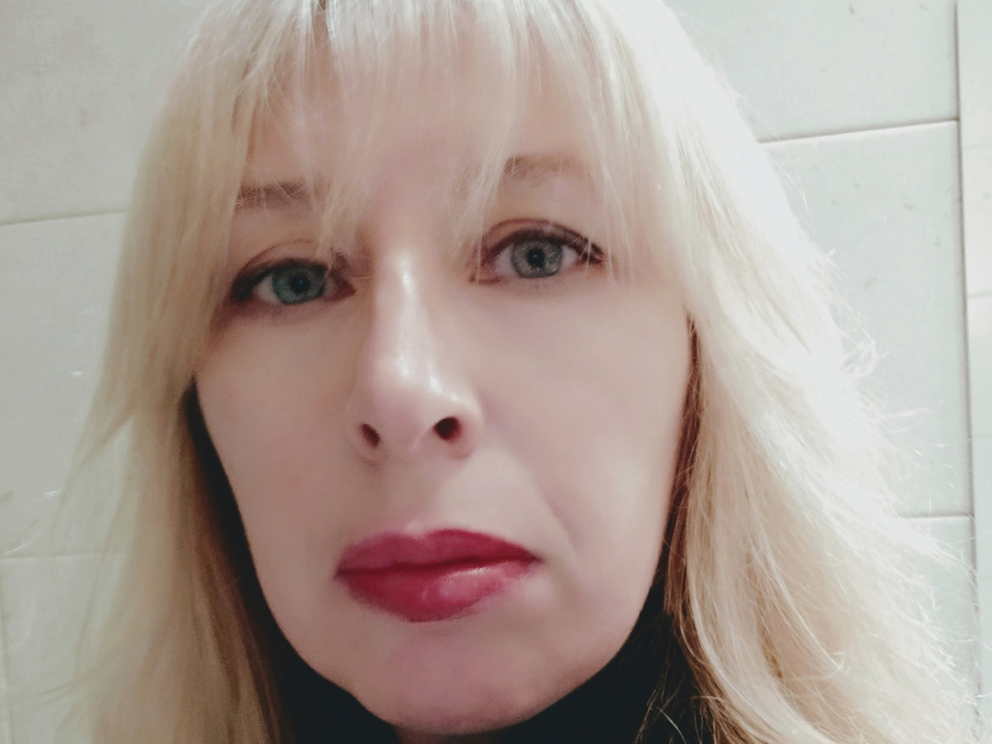
Catarina Alfaro is an art historian and curator. She worked as a research associate at CAM – Centro de Arte Moderna Gulbenkian from 2001 to 2011, and as chief curator at the Casa das Histórias Paula Rego from 2011 to 2014, when she was appointed the Casa’s coordinator of programming and conservation. In recent years, she has focused her research on the work of Paula Rego in all its singularities, investigating different periods or specific techniques of the artist’s vast production, its relationship with other cultural universes (literature, history) or her main references in Art History.
Programme
18:00 / Introduction
18:05 / Portuguese artists in London in the 1950s and 1960s
18:25 / British art in the exhibitions at Casa das Histórias Paula Rego
18:45 / Talk
19:15 / Q&A
19:30 / Closing
Credits
Main image
CAM's British Art Collection’ exhibition, which was on show at Casa das Histórias Paula Rego between October 2021 and January 2022. © Luísa Ferreira
The Calouste Gulbenkian Foundation reserves the right to collect and keep records of images, sounds and voice for the diffusion and preservation of the memory of its cultural and artistic activity. For further information, please contact us through the Information Request form.