
Exile and expatriation in the UK after 1945
British Art – Convergence
Event Slider

Date
- 18:00 / Cancelled 18:00 / Sold out Monday, 18:00
Location
Room 2 Calouste Gulbenkian FoundationIn the first session of this cycle, researcher Pedro Aires Oliveira and sociologist Henda Ducados will discuss themes and events related to exile and expatriation in the UK after the Second World War.
Aires Oliveira will talk about the profound and rapid transformations in the cultural landscape of the United Kingdom, brought about by the new cosmopolitanism and economic dynamism of the post-war period, resulting from flows of immigrants from the former British colonies in the Caribbean, Africa and Asia.
Encompassing the period between the 1950s and the 1970s, the talk will focus on exile and expatriation of Portuguese origin, as well as their socialisation networks and initiatives, both politically and culturally.
Highlighting the cultural trajectory of her father, Mário Pinto de Andrade, Henda Ducados will describe the process of collective awareness of the Cabral generation that began in Lisbon in the mid-1950s.
Ducados’ presentation will focus on the speech made in London in 1960 by Amílcar Cabral and Mário Pinto de Andrade, in the House of Commons. This intervention challenged Portugal in the eyes of international opinion, as a result of the non-compliance with the United Nations resolutions on the independence of the former Portuguese colonies.
The session will take place in Portuguese, with simultaneous translation into English and interpretation into Portuguese Sign Language.
Speakers
-
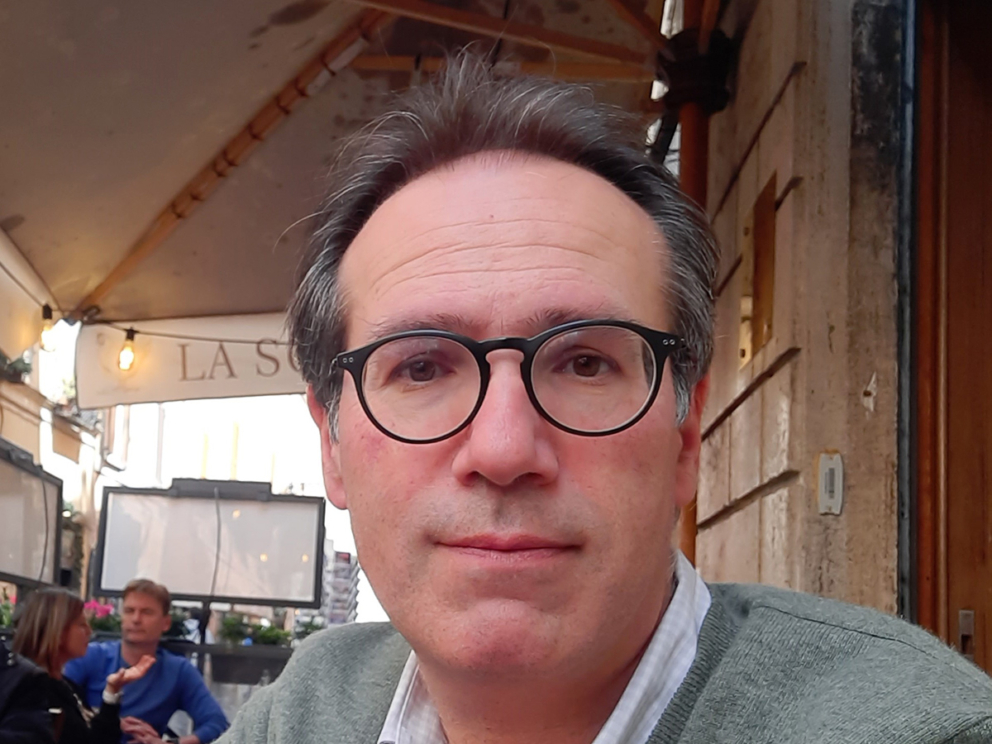
Pedro Aires Oliveira
Pedro Aires Oliveira is an Associate Professor in the Department of History at NOVA University of Lisbon and a member of the Institute of Contemporary History – NOVA FCSH/IN2PAST. His research has focused on the history of colonialism and decolonization, and Portuguese-British relations in the 20th century, topics on which he has published extensively. In 2024, together with João Vieira Borges, he coordinated the book ‘Crepúsculo do Império – Portugal e as Guerras de Decolonização’ (Bertrand). He is currently about to publish the work ‘The Liberation of Portuguese Africa 1961-75. International Exile and Solidarity’, co-edited with Fernando Tavares Pimenta and Aurora Santos.
-
Henda Ducados
Henda Ducados, daughter of French film-maker Sarah Maldoror and Angolan writer, poet and nationalist Mário Pinto de Andrade, spent her childhood with her sister Annouchka de Andrade between Morocco, Algeria and France. A graduate of Loyola University Chicago in Economics and the London School of Economics in Sociology, she held various senior management positions in Angola’s oil sector. Together with her sister, she founded the Association of Friends of Sarah Maldoror and Mário de Andrade in 2020, with the aim of contributing to the development, preservation and promotion of the political and cultural heritage of Sarah Maldoror and Mário Pinto de Andrade, two free thinkers who sought the emancipation of peoples through culture.
Programme
18:00 / Introduction
18:05 / The possibilities of cosmopolitanism: exile and expatriation in the UK after 1945, by Pedro Aires Oliveira
18:25 / About Mário Pinto de Andrade, by Henda Ducados
18:45 / Discussion
19:15 / Q&A
19:30 / Closing
The Calouste Gulbenkian Foundation reserves the right to collect and keep records of images, sounds and voice for the diffusion and preservation of the memory of its cultural and artistic activity. For further information, please contact us through the Information Request form.