
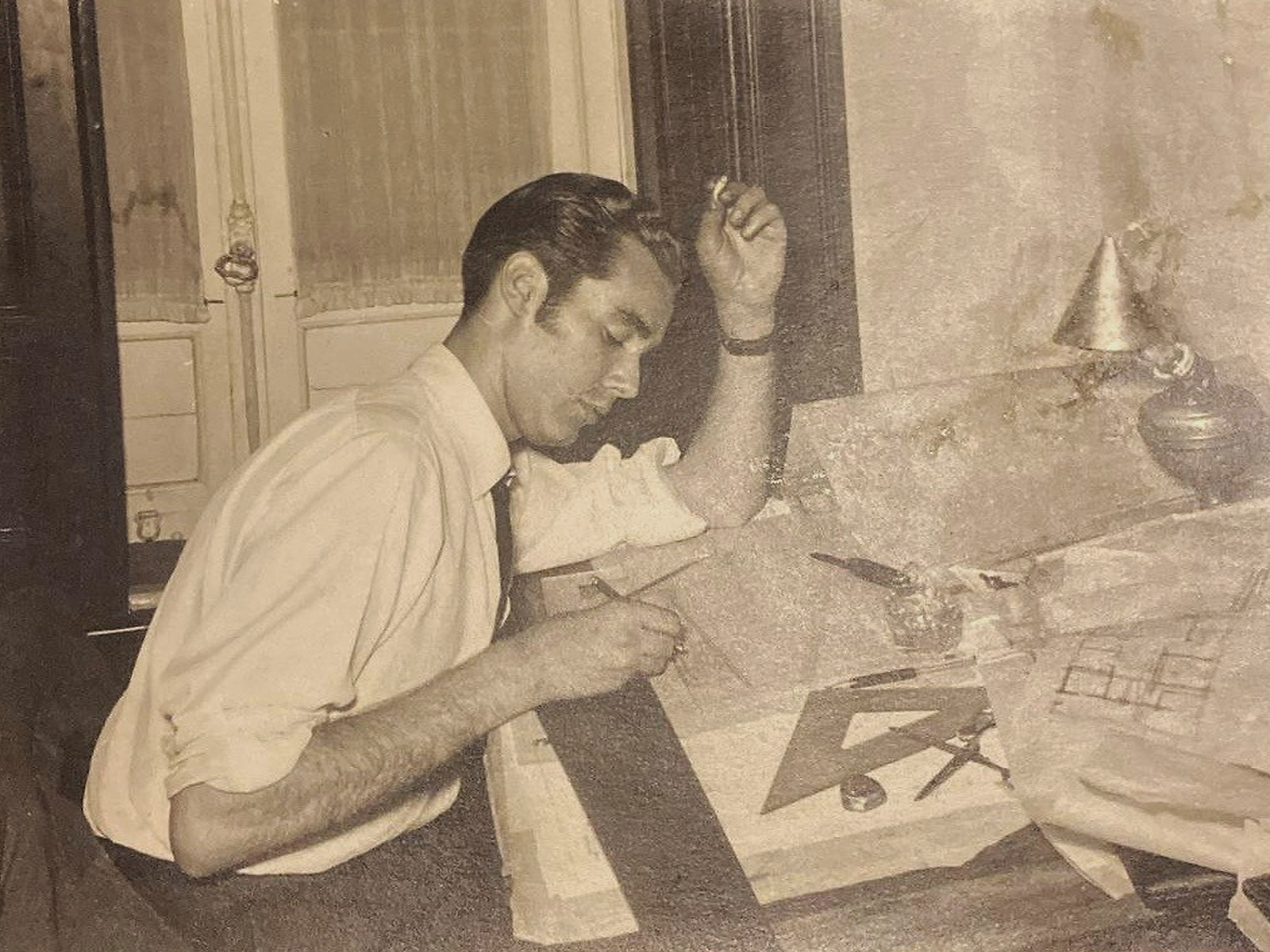
Manuel Roquete de Melo Campelo
1931 – 2009
Born in Lisbon on 19 October 1931, he graduated in Architecture from the Lisbon School of Fine Arts in 1958. Before joining the Foundation, he worked between 1960 and 1966 as an employee of the Internal Colonisation Board, an agency under the Ministry of Economy, mainly connected to the Agricultural Colony of Santo Isidro de Pegões in Montijo.
In 1966, he began collaborating with the Calouste Gulbenkian Foundation on secondment, following a proposal by architect Jorge Sotto Mayor de Almeida, participating in the development of the refurbishment studies for the Former Agricultural Facilities and the fellows’ residence to be built in Oeiras. That same year, he joined the Projects and Works Service, where he developed architectural studies and projects under the coordination of that architect.
From the moment of his appointment, he combined his functions within the Projects and Works Service with support to the Technical Section of the Instituto Gulbenkian de Ciência, located at the Quinta do Marquês de Pombal (Oeiras).
In 1967, together with Jorge Sotto Mayor de Almeida, he designed the Scientific Computing Centre (Oeiras, 1967 – 1971), as well as several studies for the adaptation of the Palácio do Marquês de Pombal for successive installations of the “Service of Social Activities and Cultural Outreach” (1967), the Centre for Pedagogical Research (1972) and the National Institute of Administration, following the transfer of the palace under a loan-for-use agreement to the Portuguese Government (Oeiras, 1979 – 1989).
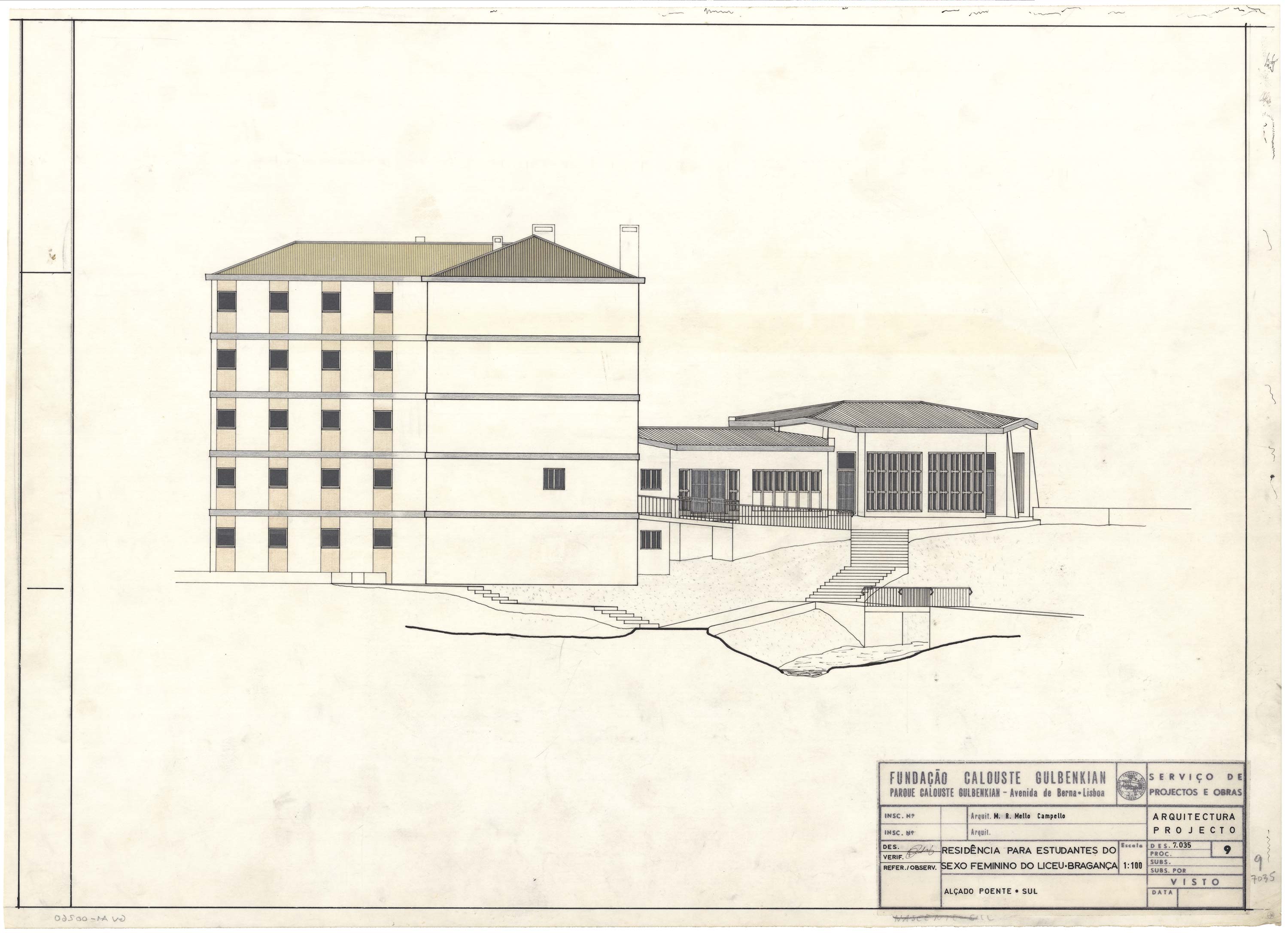
Between 1967 and 1970, again with Jorge Sotto Mayor de Almeida, he developed the architectural and furniture design projects for the Student Residences of the Secondary Schools of Castelo Branco, Bragança and Guarda (1966 – 1971), as well as the unbuilt project for the Student Residence of the Girls’ Secondary School of Bragança (1970).
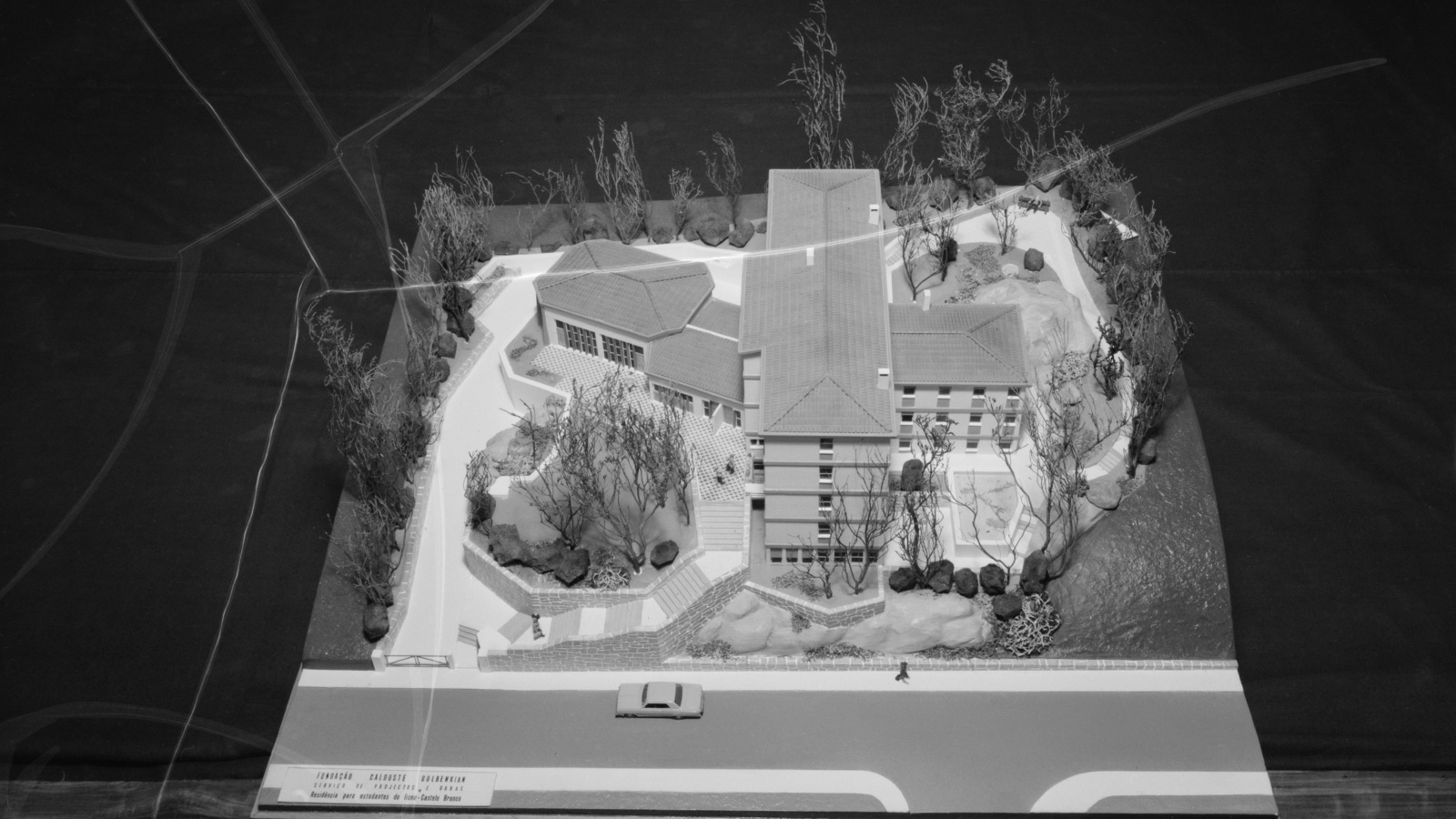
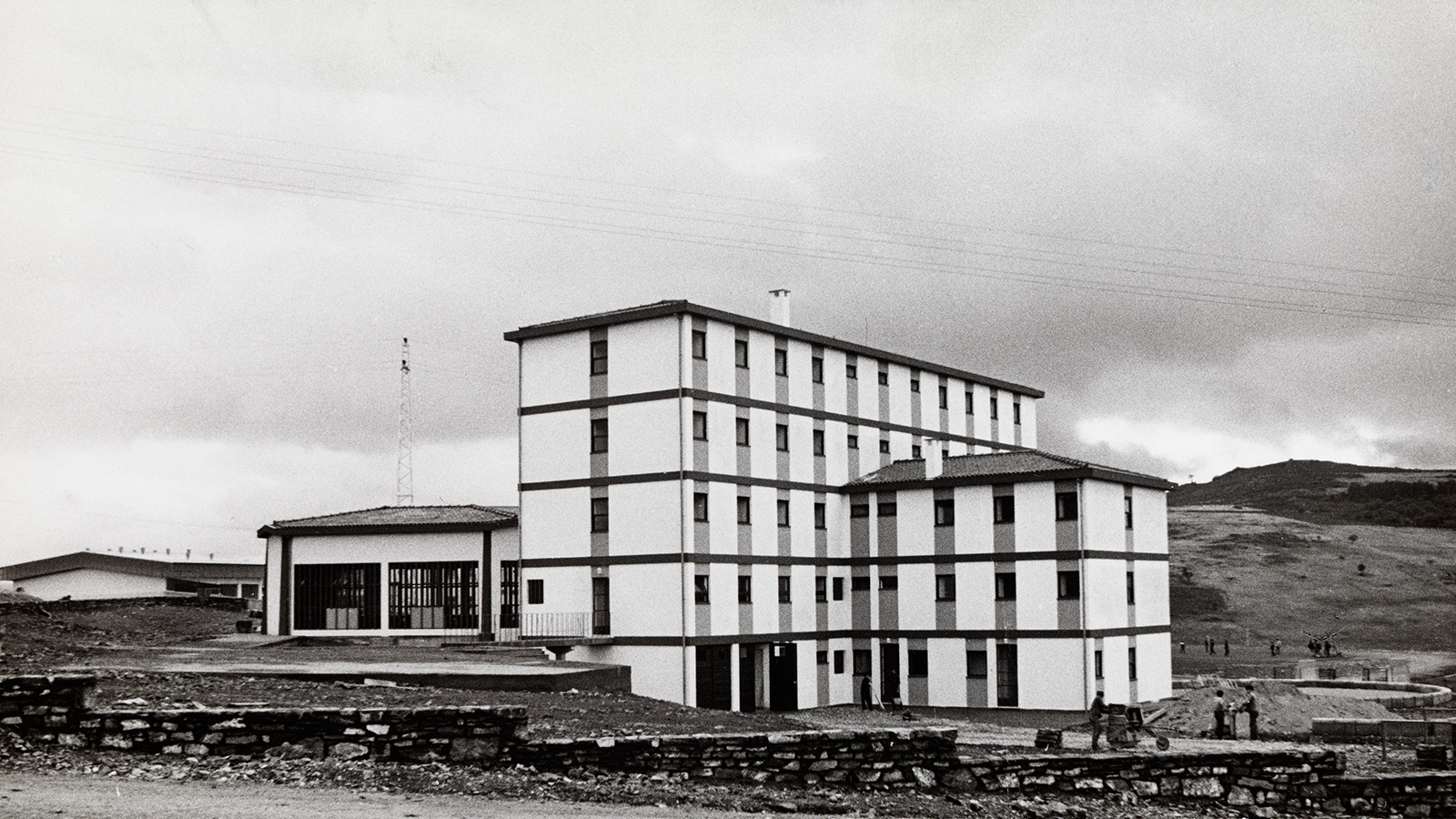
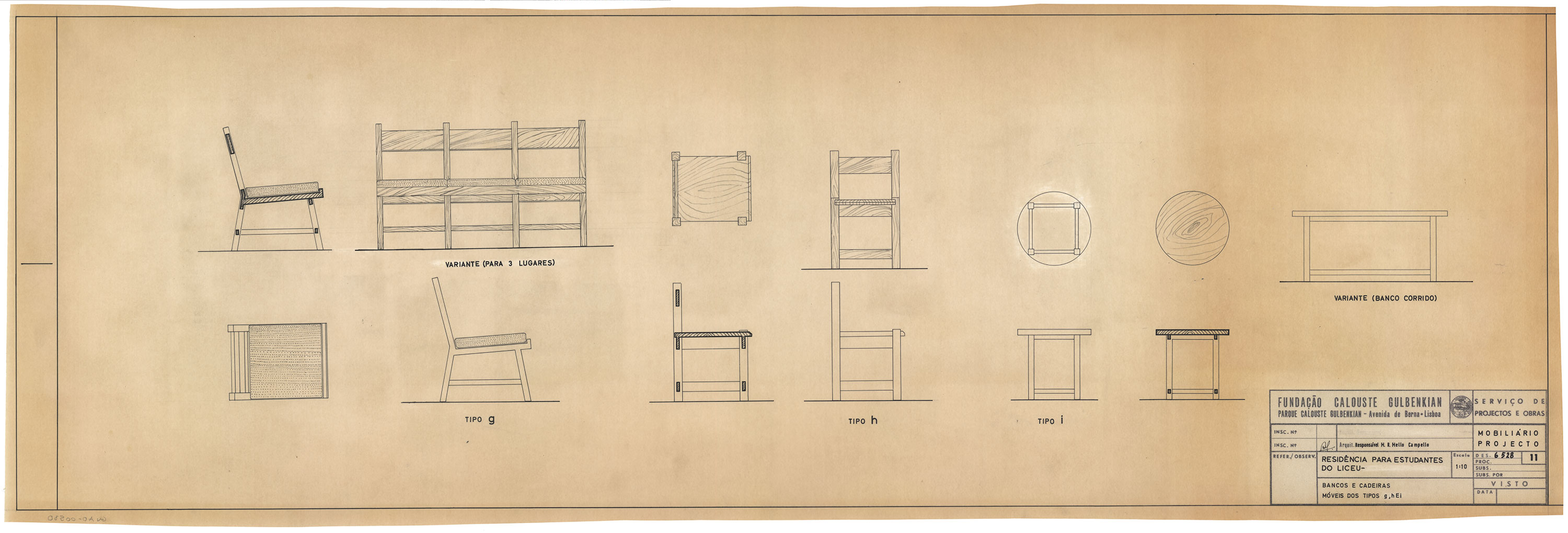
Campelo specialised in educational buildings and, in 1971, travelled to England with Luís Gomes Moreno, director of the Education Service, to study architectural solutions for nursery schools and university residences.
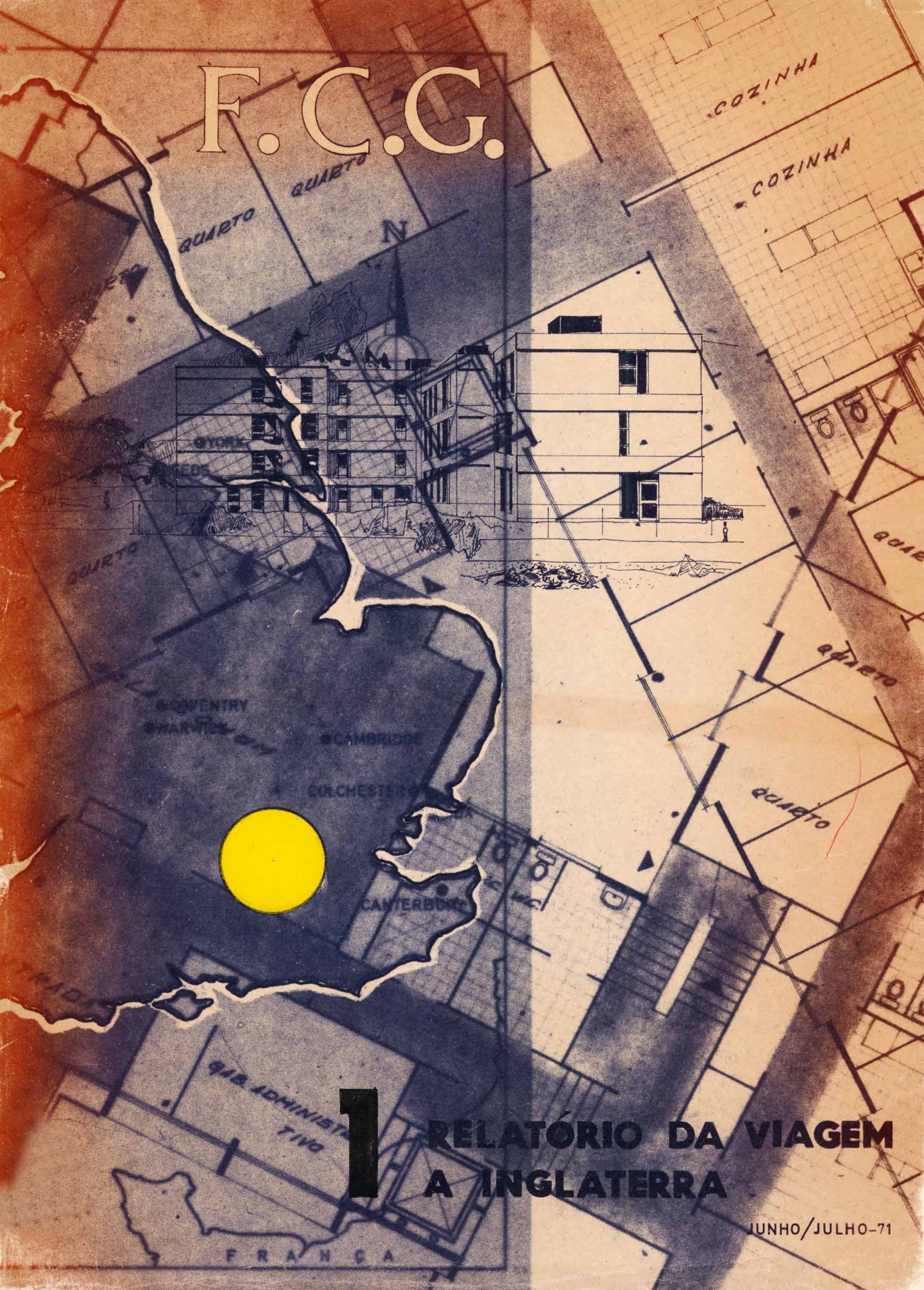
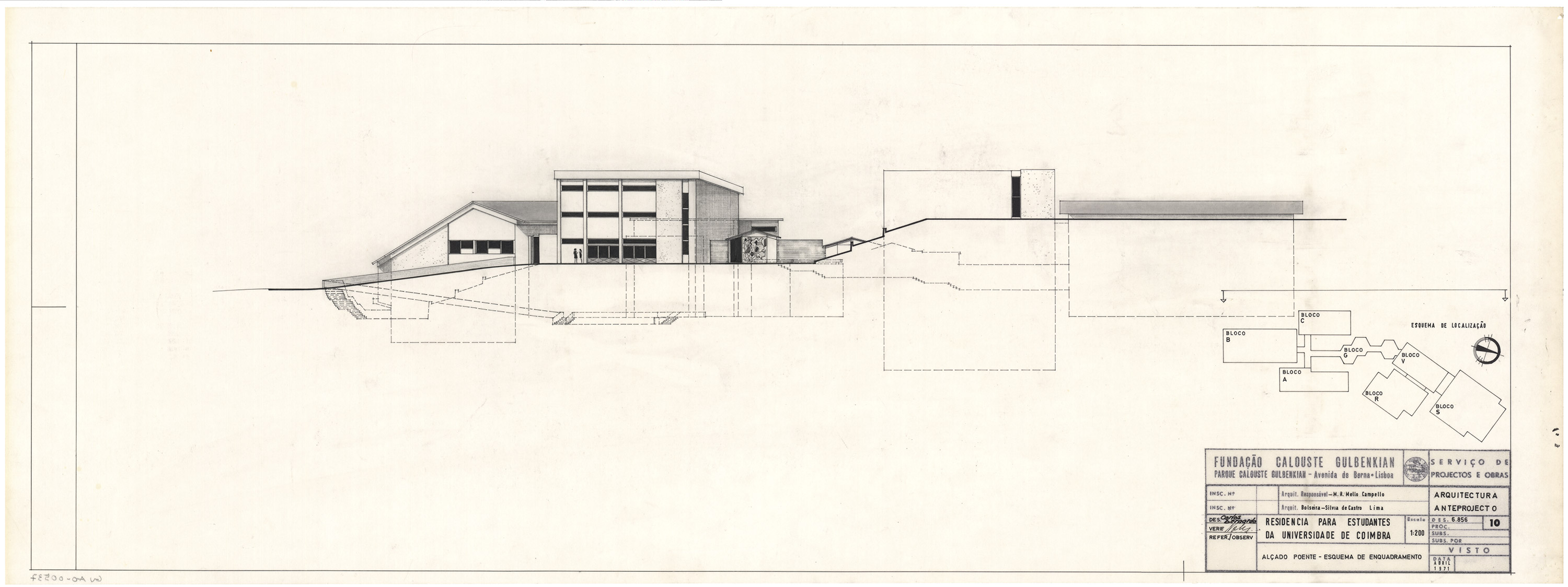
The knowledge acquired during this trip was later applied to the project for the Student Residence of the University of Coimbra (1963 – unbuilt) and to the Nursery and Pre-Primary School for the children of Foundation employees, installed in the building at 33 Rua D. Luís de Noronha (Lisbon, 1971 – 1983).
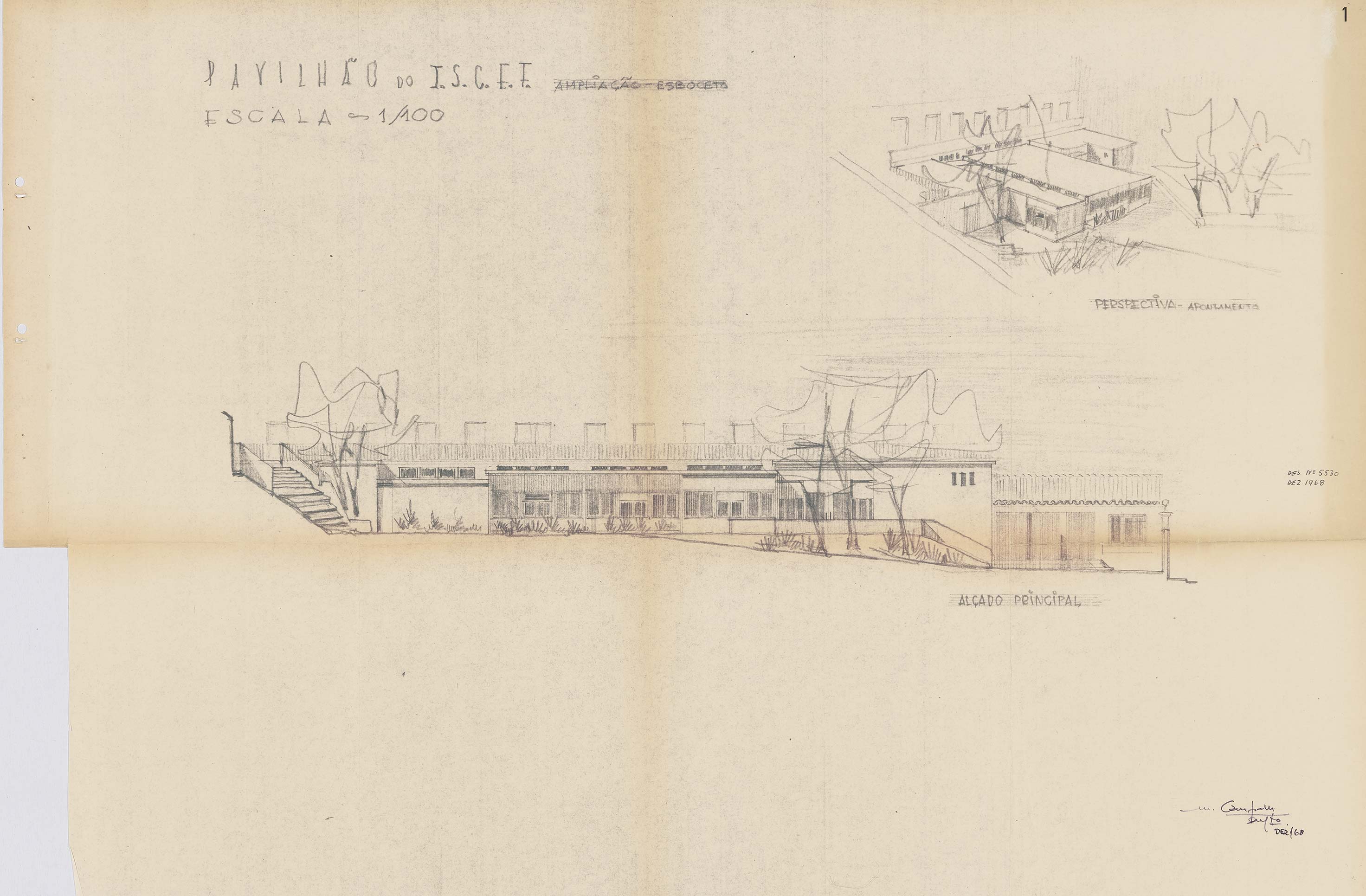
Within the scope of the Projects and Works Service, he carried out extensive technical consultancy work, producing studies and projects for numerous subsidised works, including the Municipal Library of Lamego, the Casa dos Corte Real (Angra do Heroísmo), the São João de Deus Hospital (Montemor-o-Novo), the Covilhã Conservatory of Music, the Dr Júlio Dantas Cultural Centre (Lagos), the Resuscitation Centre of Curry Cabral Hospital (Lisbon), the Students’ Association of the Higher Institute of Economic and Financial Sciences (Lisbon) and the renovation of the Cinema-Theatre of Ponte de Sor.
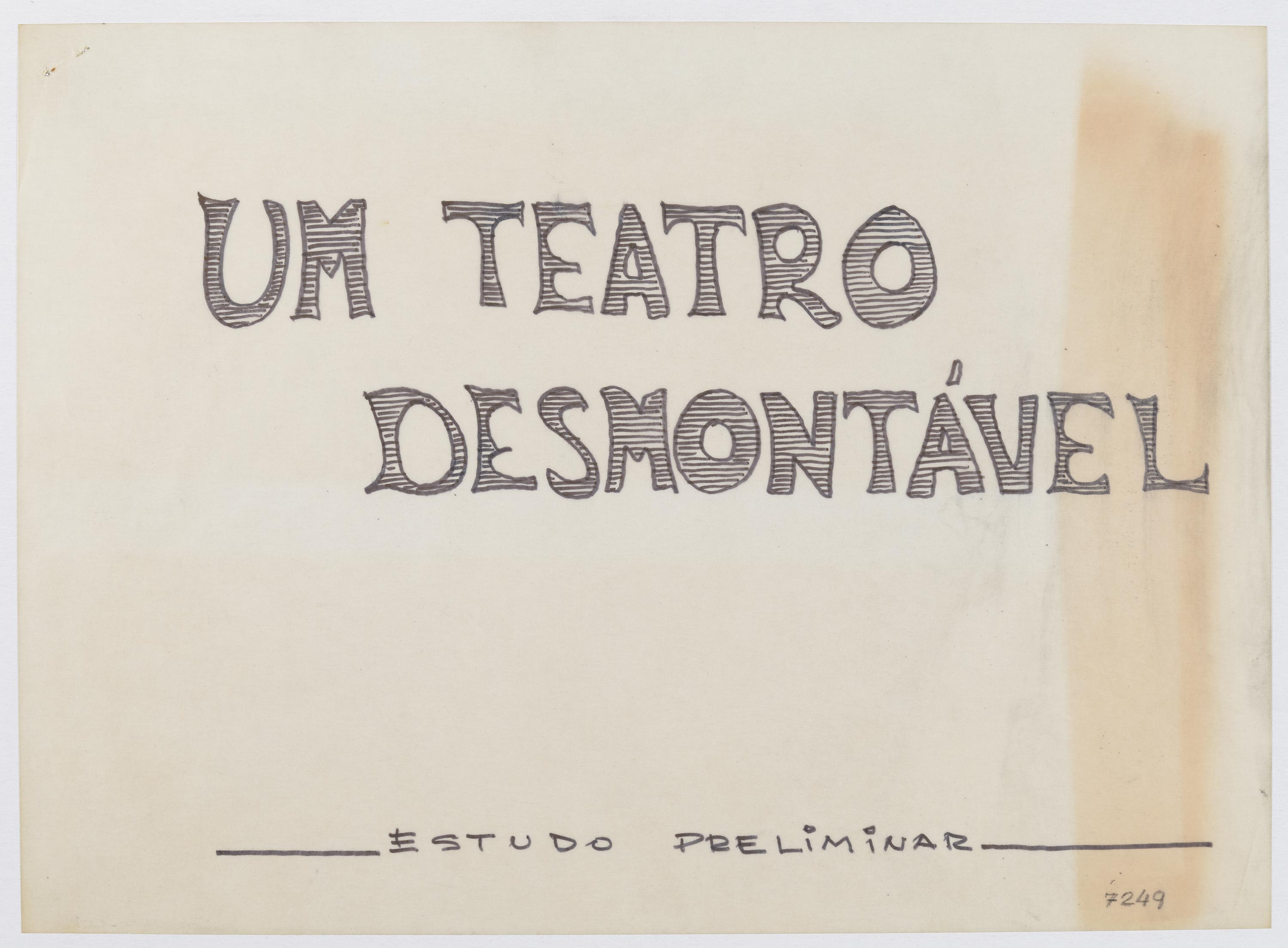
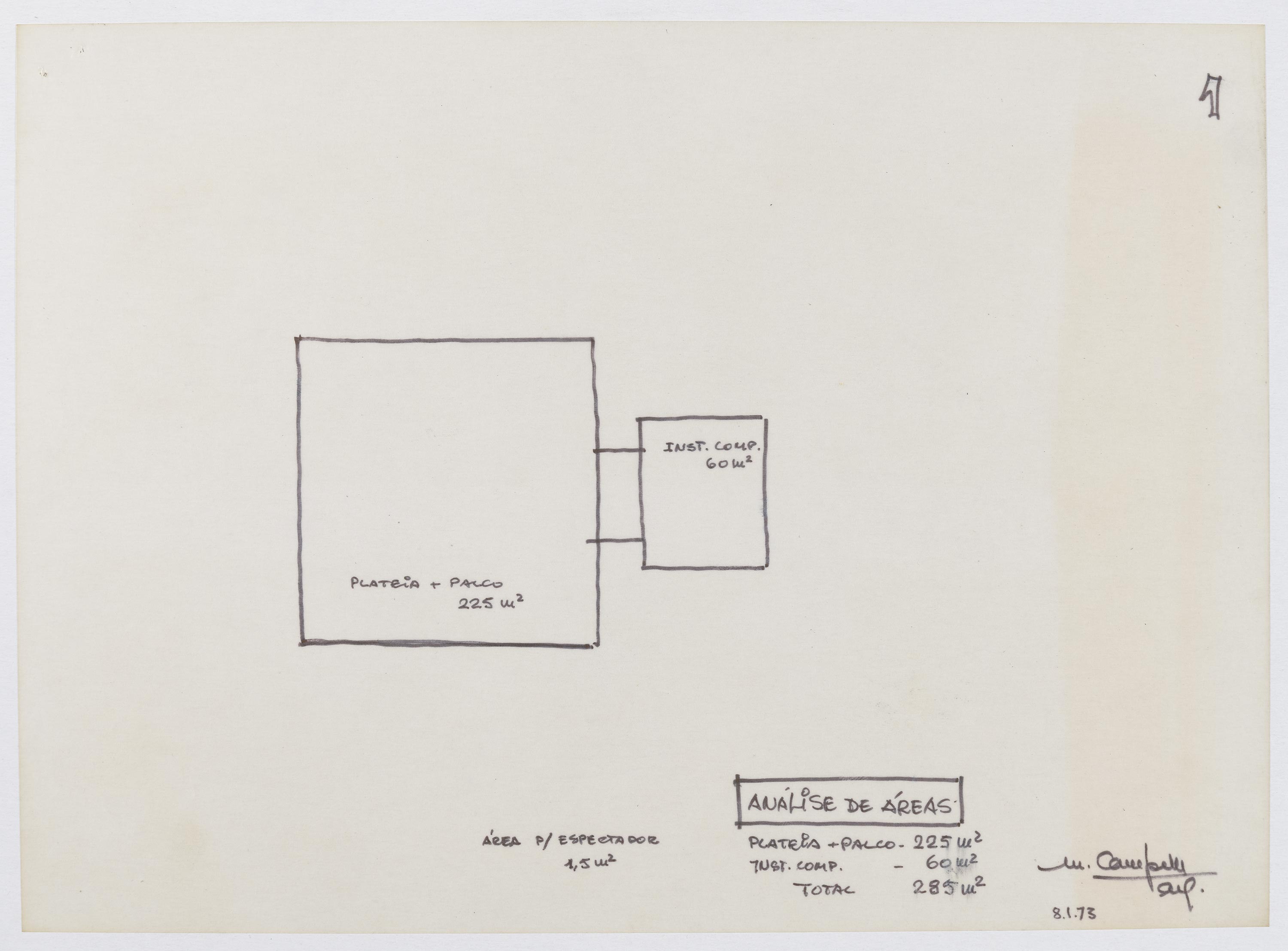
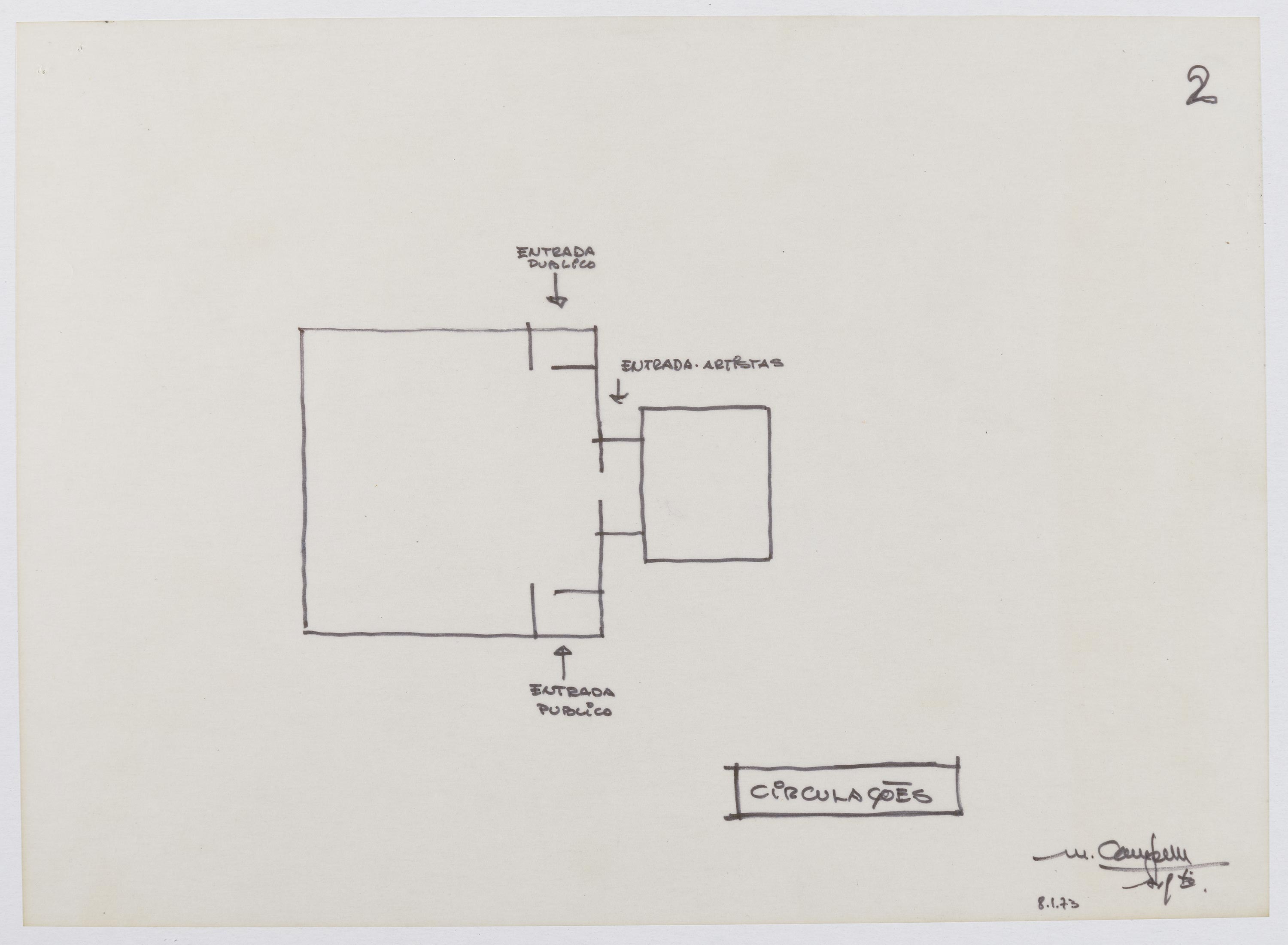
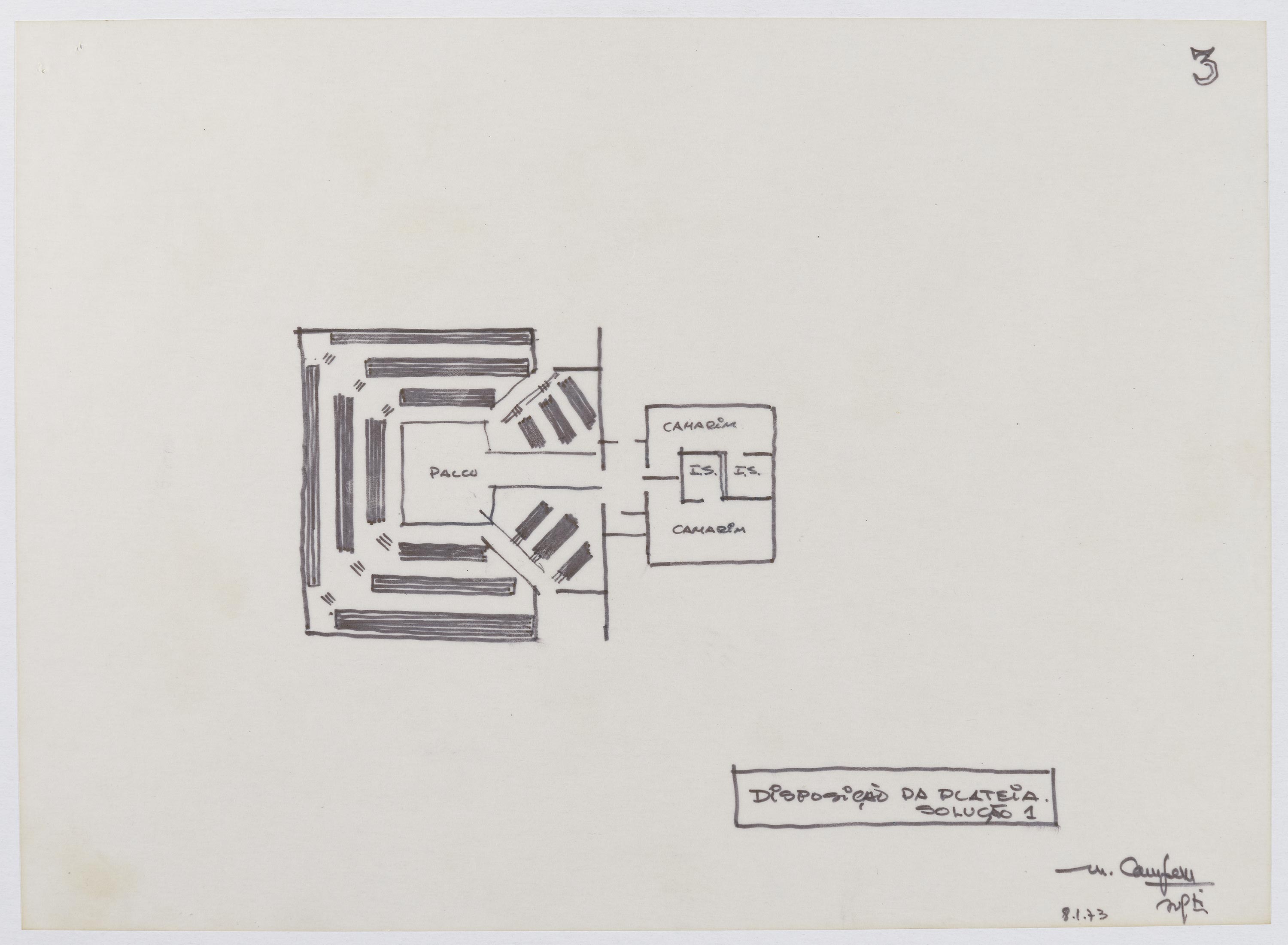
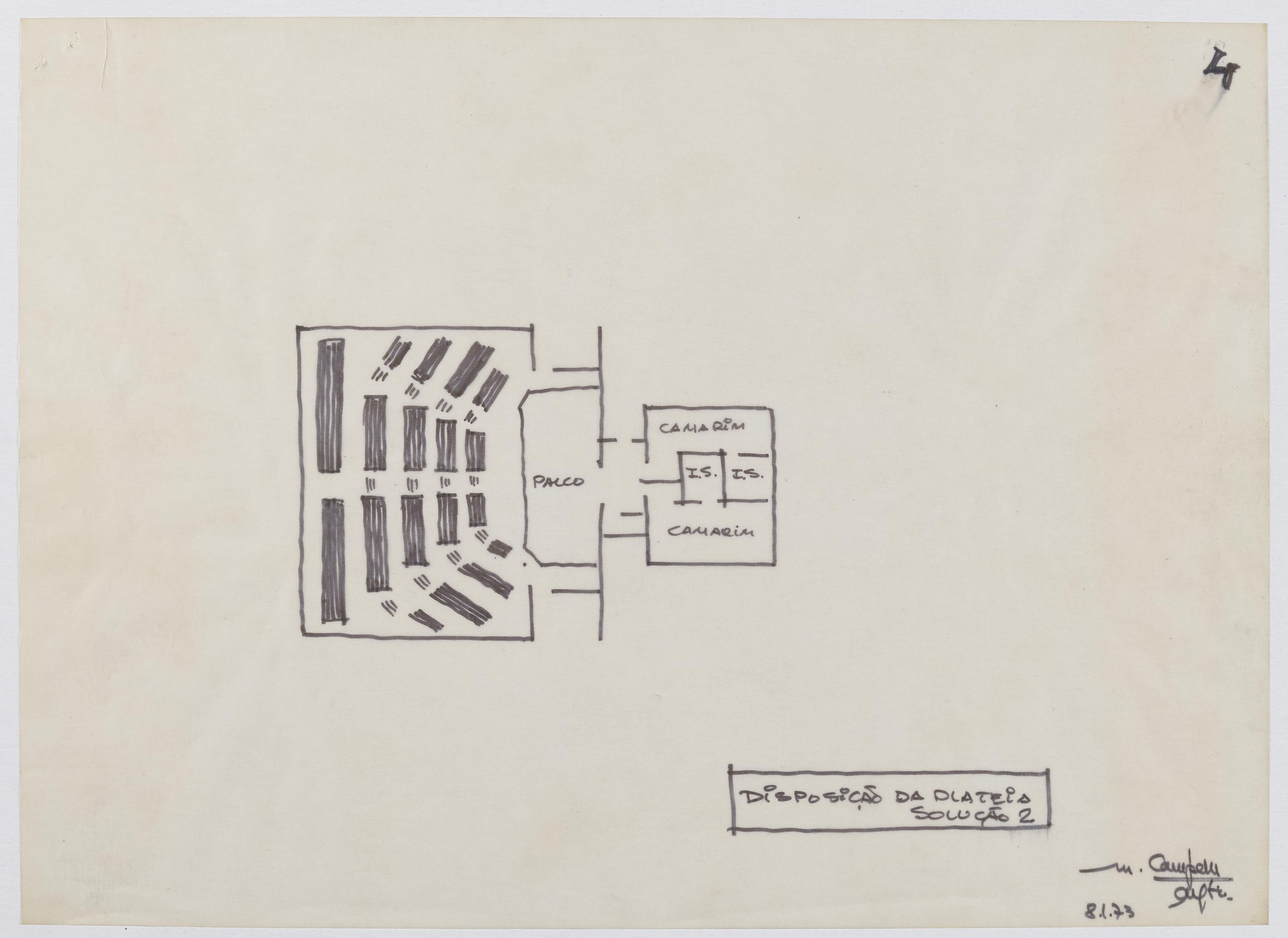
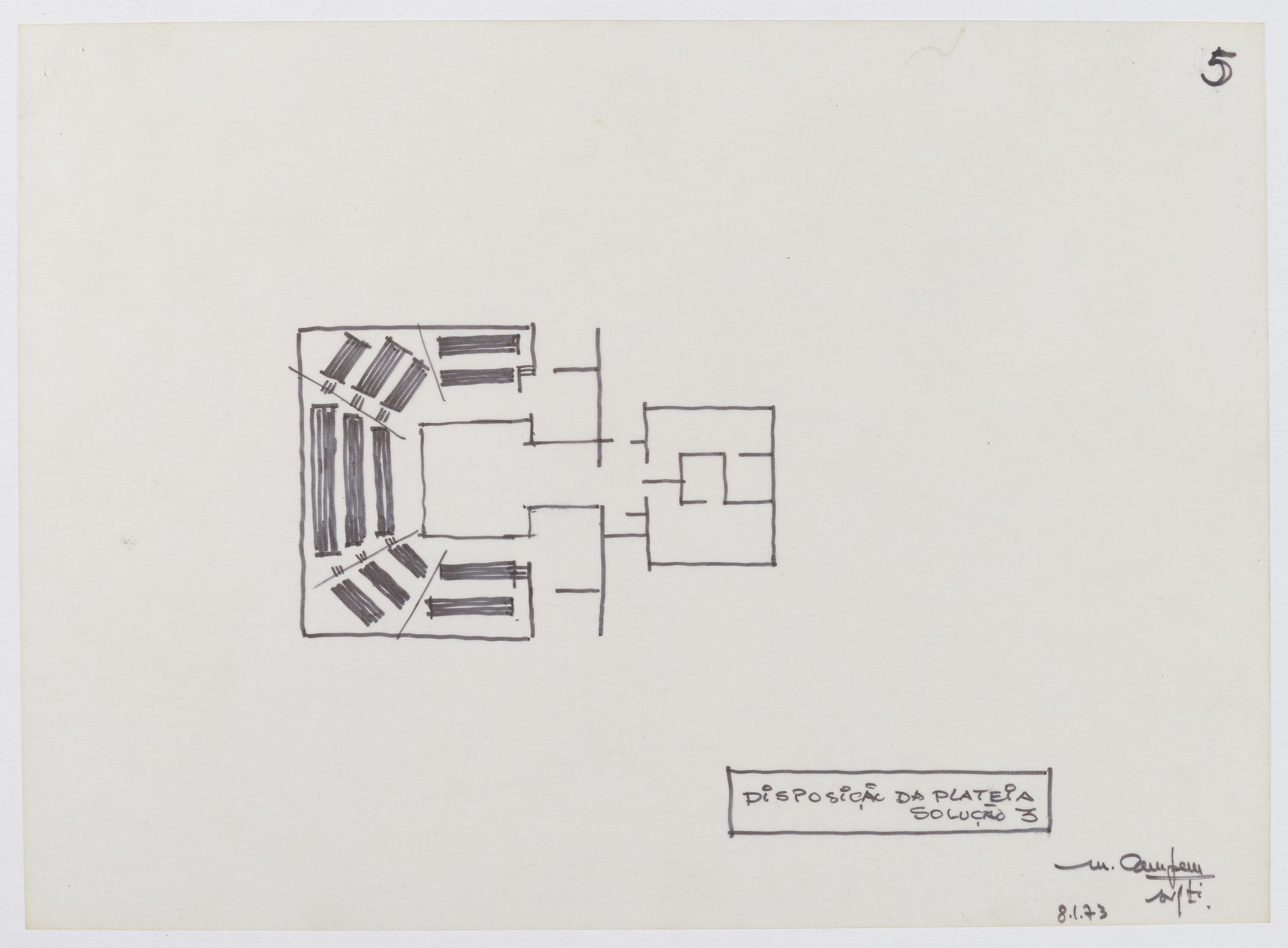
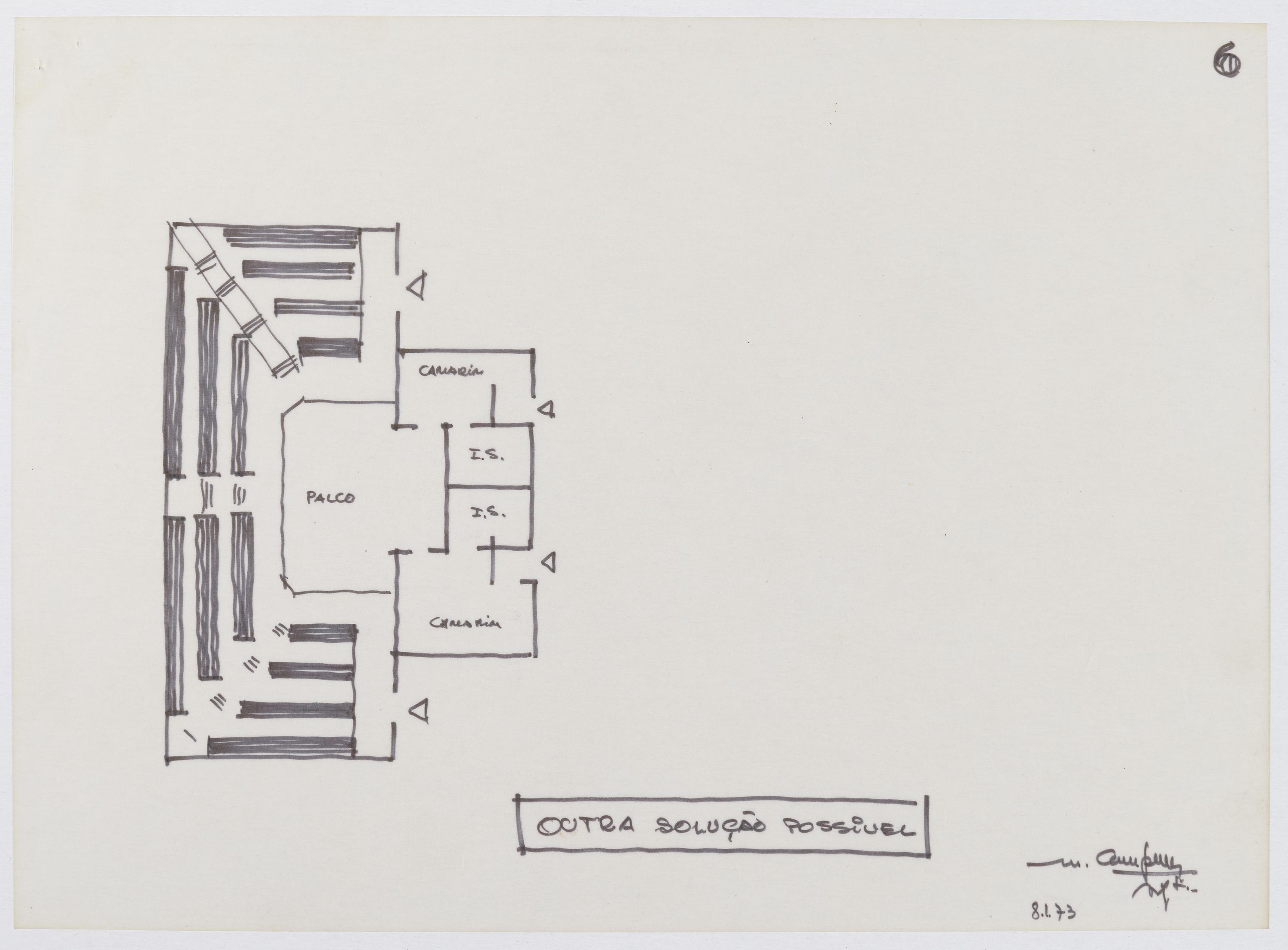
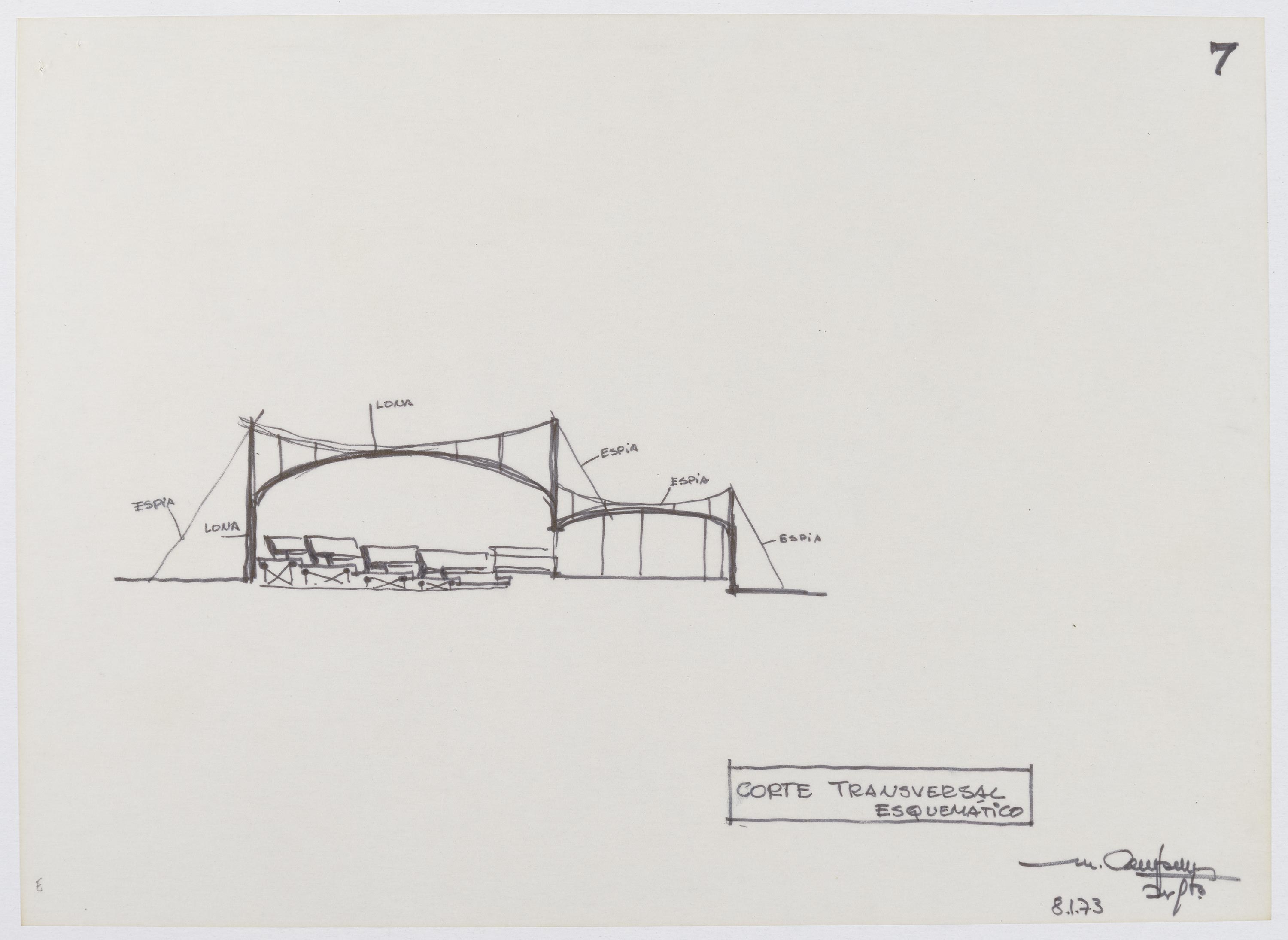
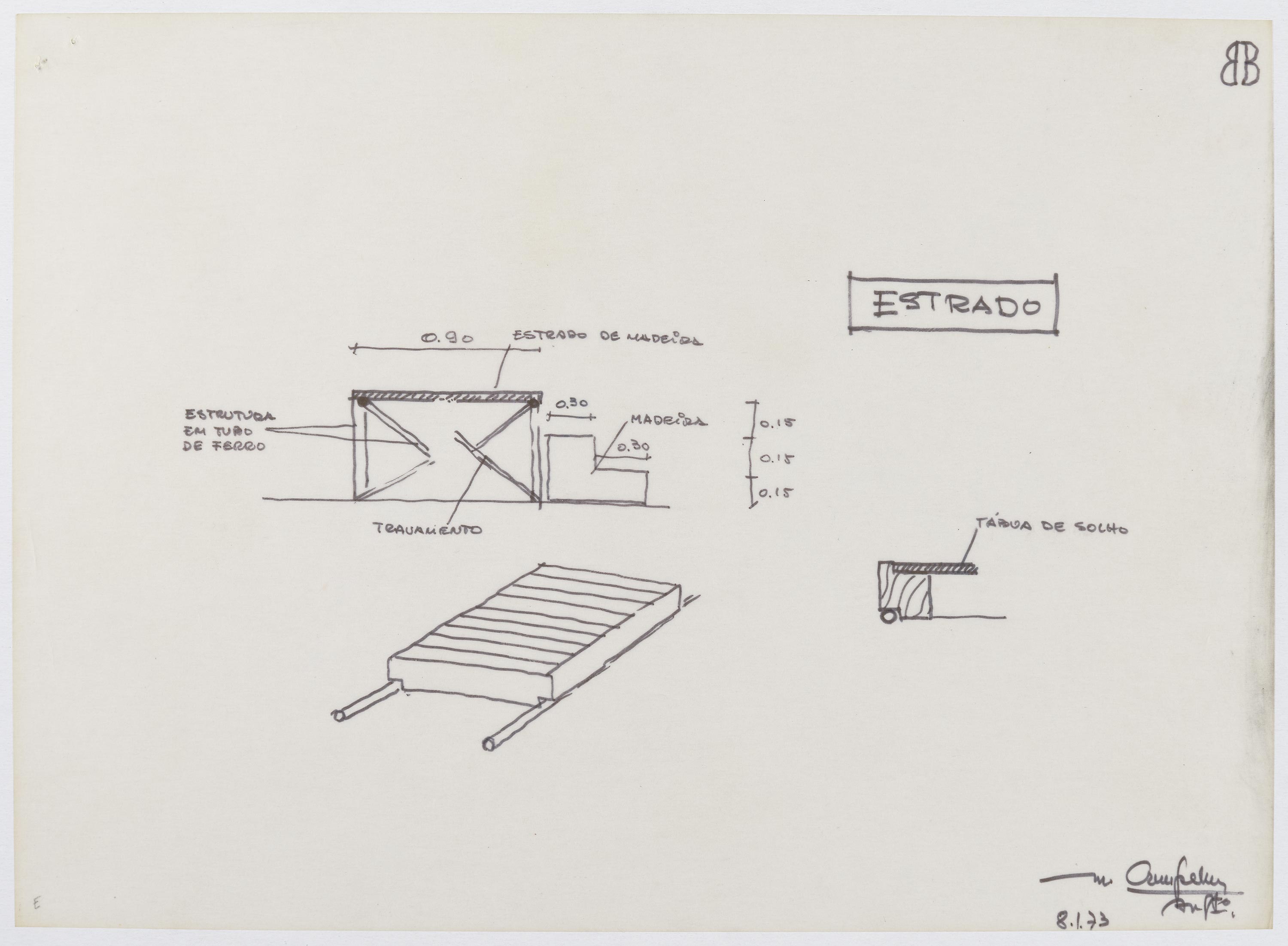
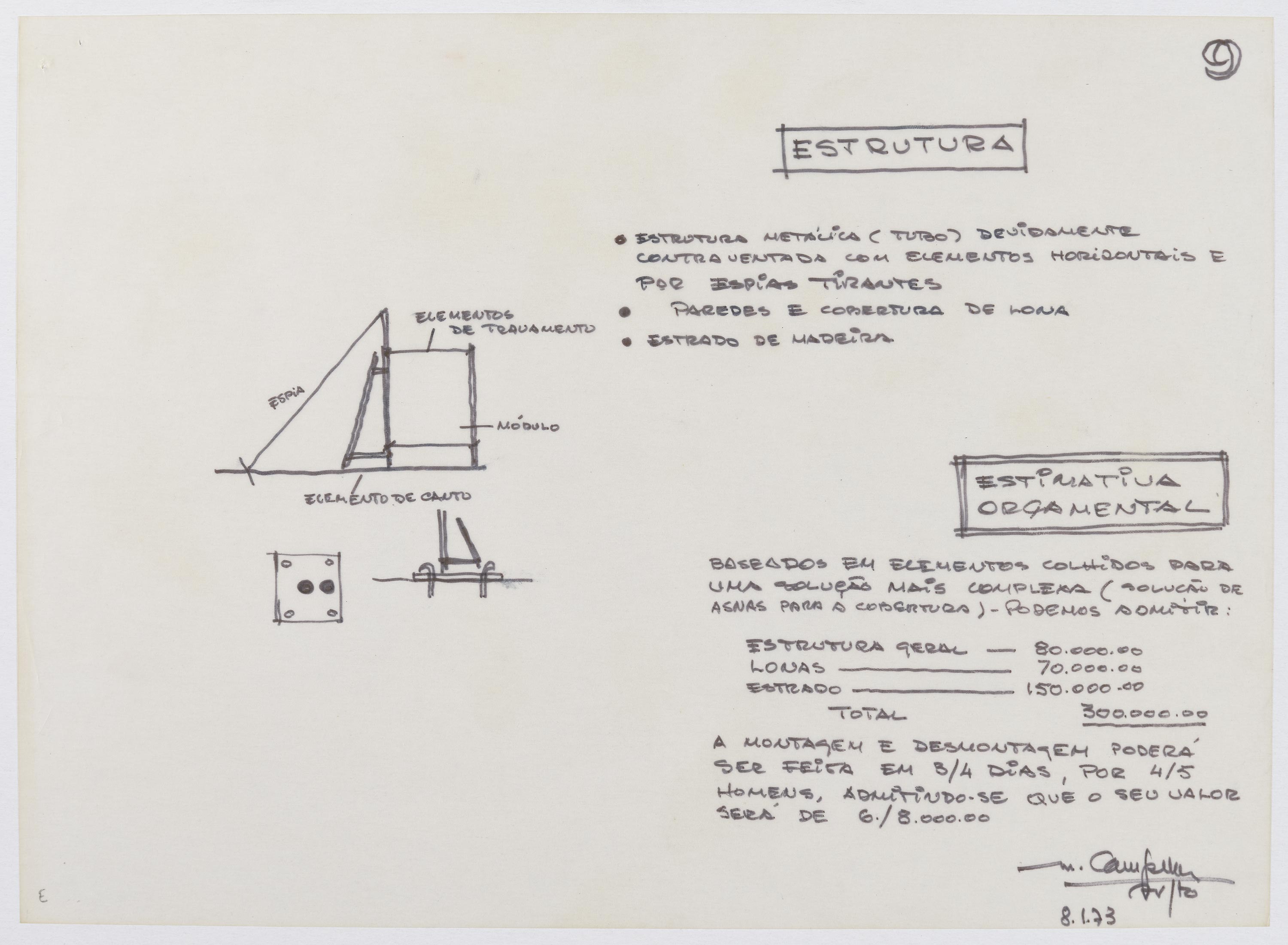
He also collaborated with other Foundation services on cross-disciplinary initiatives, such as the study for a Garden Library model (1967), together with Jorge Sotto Mayor de Almeida and the Mobile Libraries Service, and the study for a “demountable theatre” in collaboration with the Fine Arts Service, a portable structure intended for the theatre company Comuna – Teatro de Pesquisa, with a capacity of 200 spectators.
Following the extinction of the Projects and Works Service in 1992, he was transferred to the Central Services as First Assistant to the Director, a position he held until his retirement in 1999.
During this period, he dedicated himself to smaller-scale projects within the headquarters and the Gulbenkian Museum, such as the refurbishment study for the Entrance Hall on Floor 02 (1996) and the project for the installation of the Gulbenkian Museum Shop (1997).
Alongside his activity at the Foundation, Campelo developed several independent projects, among which the Female University Residence of the Universidade Católica Portuguesa (Lisbon, 1988 – 1992) stands out, as well as those carried out in collaboration with Jorge Sotto Mayor de Almeida, such as the Universidade Católica Portuguesa (Lisbon, 1962 – 1968) and the Animal Nutrition Research Laboratory of the Higher Institute of Agronomy (Lisbon).
Isabel Magalló