
The Modern Revival of Western Armenian Cinematic Language
For decades, the Western Armenian language, carried by the descendants of Genocide survivors across Paris, Beirut, Los Angeles and beyond, was often spoken of in the past tense. Classified as an endangered language, its survival seemed bound to aging classrooms and fading community archives. Yet, a quiet and fiercely contemporary change is unfolding with many younger people coming back to the language and creating in it, including on the screen.
This creative resurgence is being fueled by a unique philanthropic strategy. Through its dedicated արդ եւս | in view contemporary culture grant programme, the Armenian Communities Department of the Calouste Gulbenkian Foundation has intentionally shifted away from traditional preservation. Instead, the Foundation treats culture as a critical infrastructure.
Two examples of this revival took stage at the Golden Apricot Yerevan International Film Festival in July 2026, illustrating how filmmakers are transforming Western Armenian into a vessel for modern psychological exploration and historical interrogation.
The surrealism of isolation: Domestic Demon
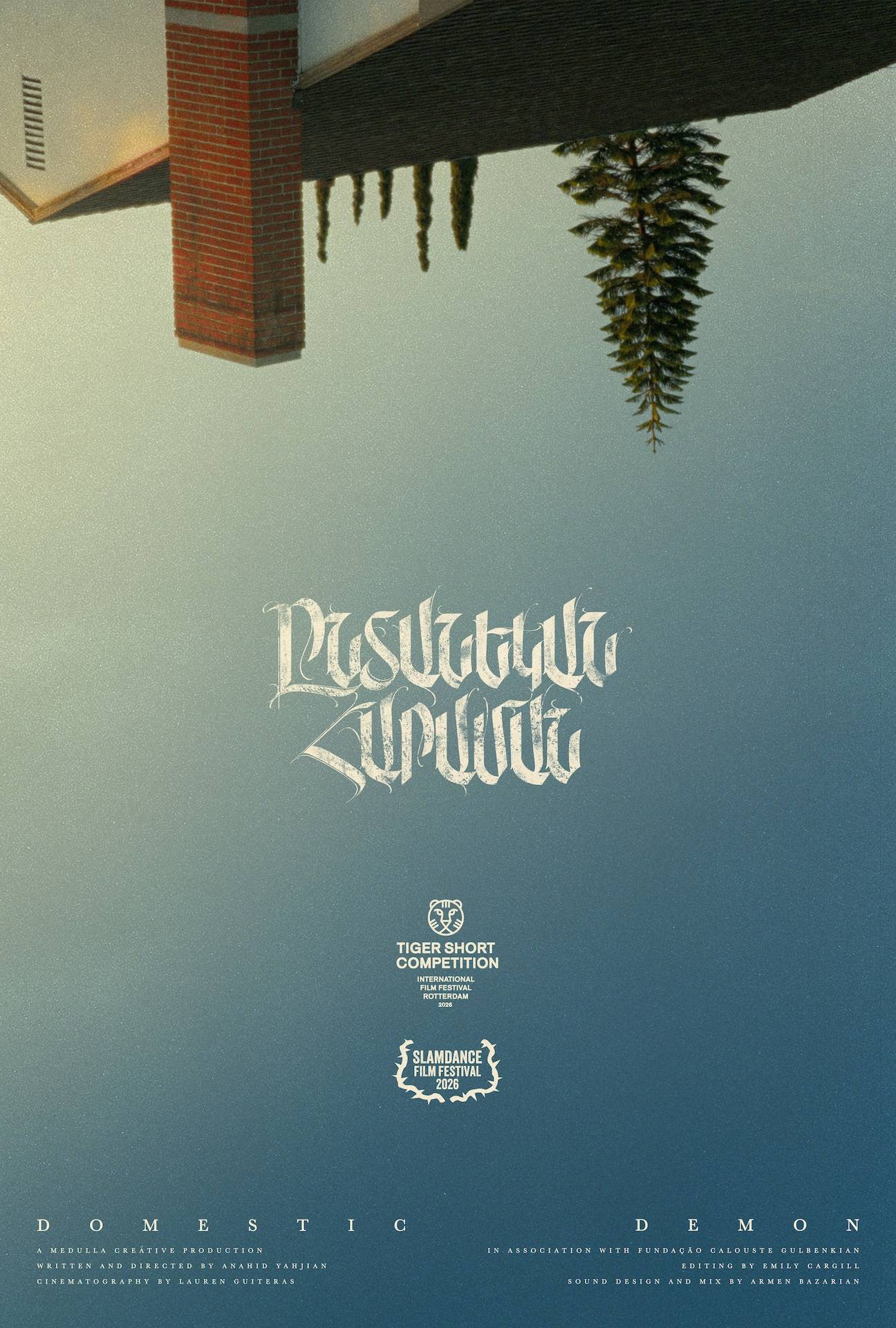
Directed by Bulgarian-born, Los Angeles-based independent filmmaker Anahid Yahjian, Domestic Demon pushes Western Armenian into entirely uncharted stylistic territory. The experimental short film captures the suffocating textures of postpartum depression and matrescence during the height of the pandemic lockdown.
Yahjian uses shadows, silhouettes, and uncanny, mutating home textures to visualize a mother’s desperate hunger for agency. Rather than narrating this deeply modern, universal trauma in English, Yahjian delivers the film’s haunting internal monologue entirely in Western Armenian. Pairing an endangered tongue with a raw exploration of mental health and isolation, demonstrates how an ancient language can give voice to highly contemporary, internal human struggles.
Domestic Demon celebrated its world premiere at the Rotterdam International Film Festival and won the Black Bear Award for Best Use of Sound at the Athens International Film and Video Festival.
Mapping hidden geographies: The Garden that Dreamt of You
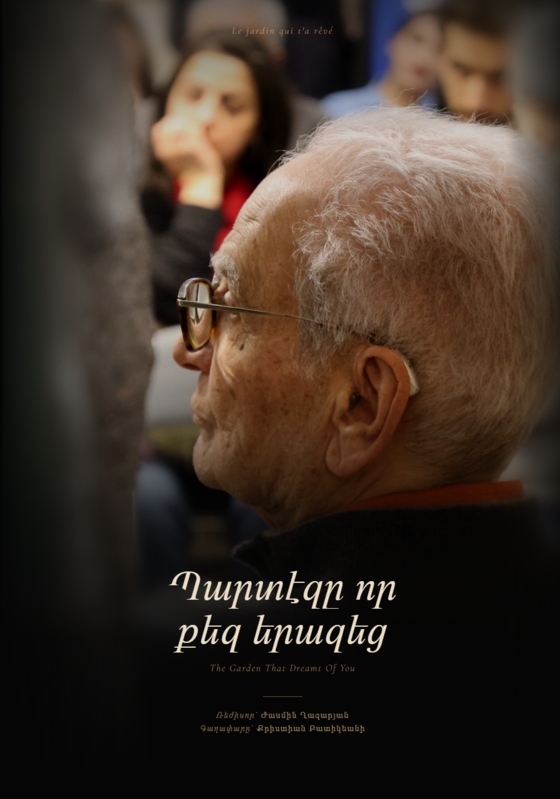
While Yahjian looks inward at the domestic space, director Jasmine Razarian looks outward at the literal and literary landscape of the Diaspora in her documentary The Garden that Dreamt of You.
The film offers an intimate, rare window into the life of Krikor Beledian, an iconic avant-garde writer and intellectual who has spent sixty years writing exclusively in Western Armenian. Beledian remains stubbornly dedicated to a language that history repeatedly tried to declare dead. Razarian’s film explores the “invisible Armenian Paris” that Beledian carries with him, tracking how identity and memory inhabit a language when its physical geography has been completely scattered.
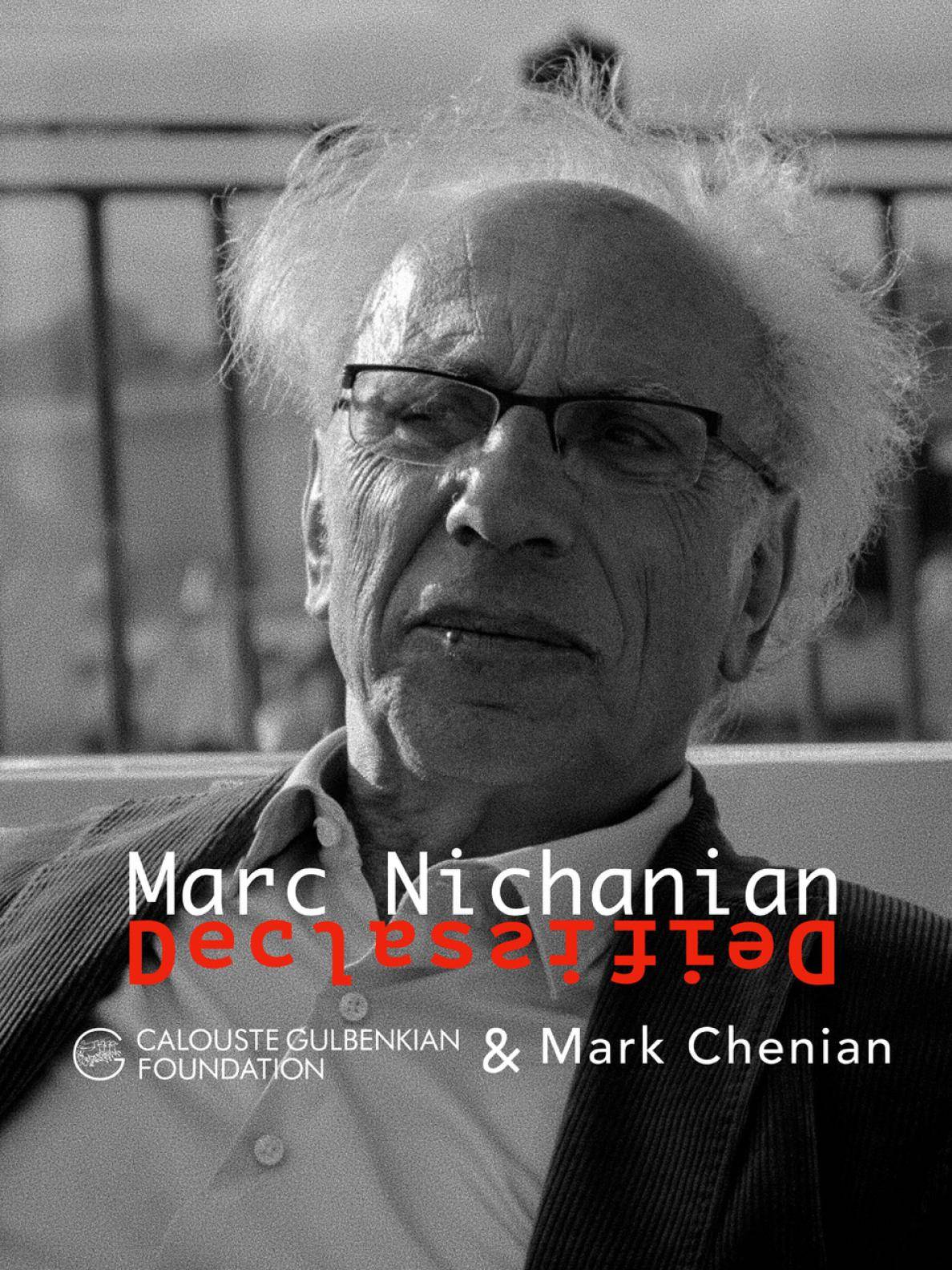
A lense: Marc Nichanian Declassified
With this long feature the filmmaker Hrayr Eulmessekian looks at Marc Nichanian through a detailed lense exploring the philosopher’s thinking and ideas, as someone in full maturity yet always in movement.
In Eulmessekian’s words, film is associated with the telling of a story, the documentation of the gesture of acting. In essence, however, the filmmaker’s task is to make the viewers immerse and ultimately lose themselves in the story. Through this in-depth exploration, Eulmessekian teases out the complexities of Nichanian’s thinking as an intellectual, prolific writer, translator and literary critic. He weaves in certain biographical elements which shed light on Nichanian’s philosophical thought. The film premiered in Los Angeles and Paris.
Beyond the Diaspora to diaspora-at-large: cultivating diverse and global audiences
The magic of debuting Domestic Demon and The Garden that Dreamt of You at an international platform like the Golden Apricot Festival lies in how it changes the traditional audience dynamic. Western Armenian art and literature is not just produced in the Diaspora, for the Diaspora, but as in the case of these films, they are screened in Yerevan, bridging a historical and linguistic divide. They bring Western Armenian to Eastern Armenian speakers in Armenia.
Furthermore, because the Golden Apricot Yerevan International Film Festival is a hub on the international festival circuit, these screenings organically reach a diverse, non-Armenian audience of global cinephiles, critics and international filmmakers.
By utilizing the universal grammar of cinema these filmmakers transform the language into a means of internationally accessible creativity.
When a non-Armenian viewer sits in a dark theater experiencing the raw grief of postpartum depression or the weight of literary exile through the distinct cadence of Western Armenian, the language becomes a contributor to global cinema, proving that a localized cultural heritage can power universally resonant art.
Building an infrastructure of visibility
The explosion of new creative material has triggered a vital secondary movement: other cultural changemakers are rising to build the platforms required to make this creativity visible. It is not enough for culture to be made; it must be championed, programmed and brought into institutions of cultural prestige.
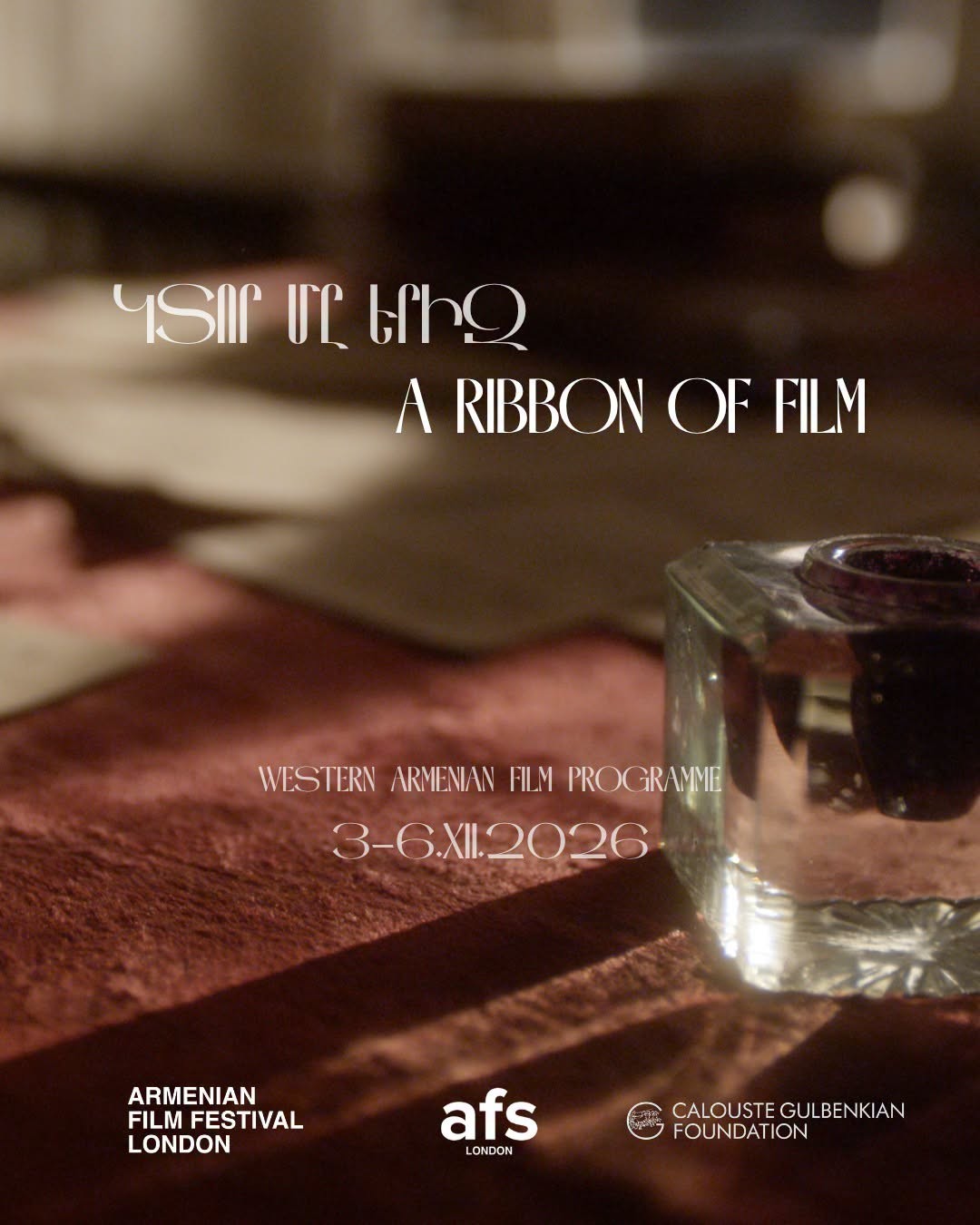
Stepping into this gap, the Armenian Film Society London, co-founded by Tatevik Ayvazyan and Kira Adibekov, launched an unprecedented international open call dedicated entirely to Western Armenian cinema, followed by talks, panels and a masterclass. This initiative will culminate in the first-ever dedicated Western Armenian film programme, set to premiere at the Armenian Film Festival London from 3 to 6 December 2026.
Crucially, the showcase will take place at London’s prestigious Institute of Contemporary Arts (ICA). Hosting this programme at the ICA elevates Western Armenian cinema from a community-specific preservation project to a recognized movement within the international independent film scene.
The Calouste Gulbenkian Foundation’s broader focus on culture recognizes that artistic pluralism builds social resilience. By creating the conditions for diverse global experiences to be translated, written and implemented in Western Armenian, and with emerging platforms like the Armenian Film Society London ensuring these stories travel to the world’s premier cultural institutions, a self-sustaining cultural ecosystem is coming into form.