New Thought, New Translation – Book Forum in Yerevan
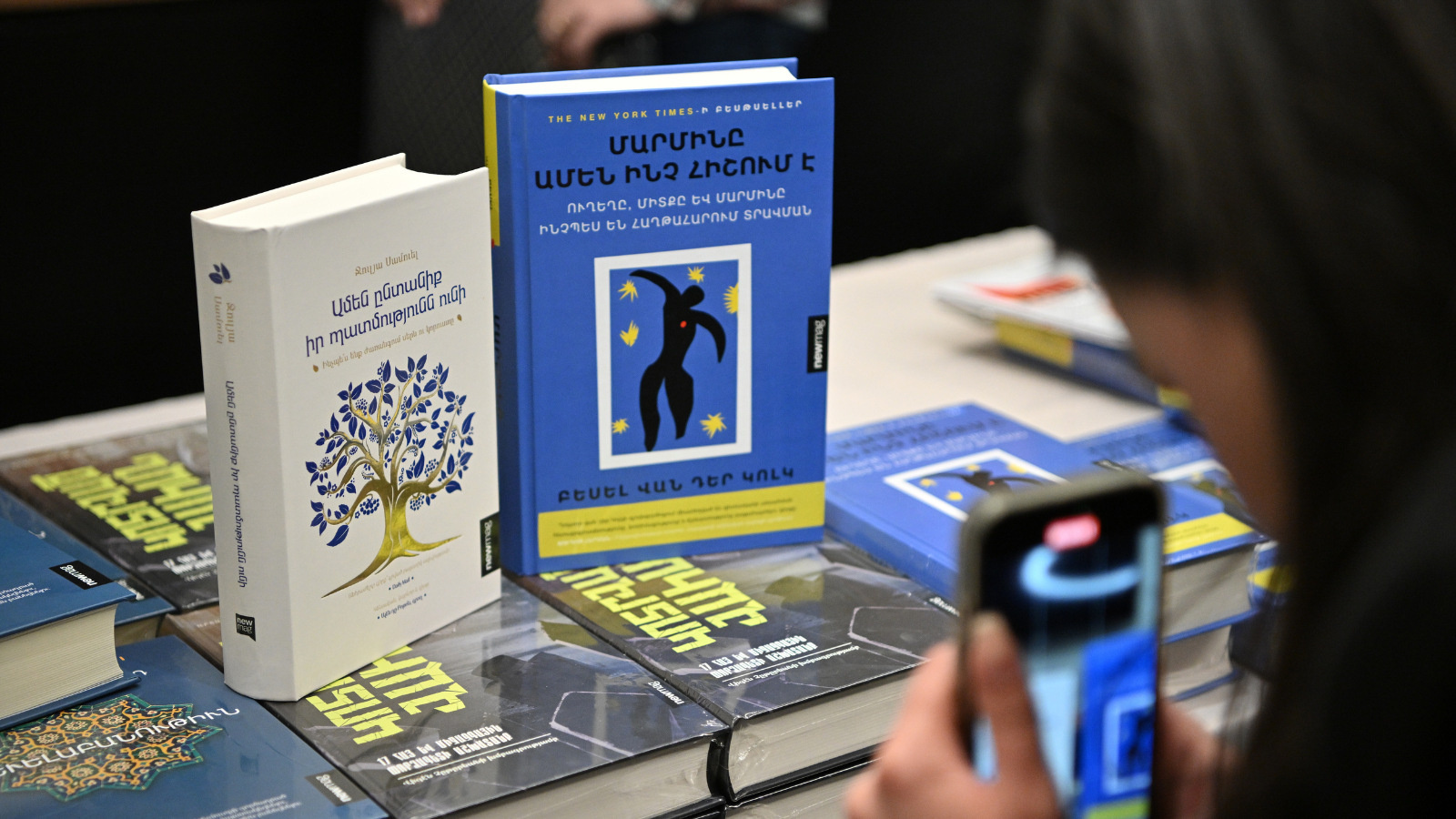
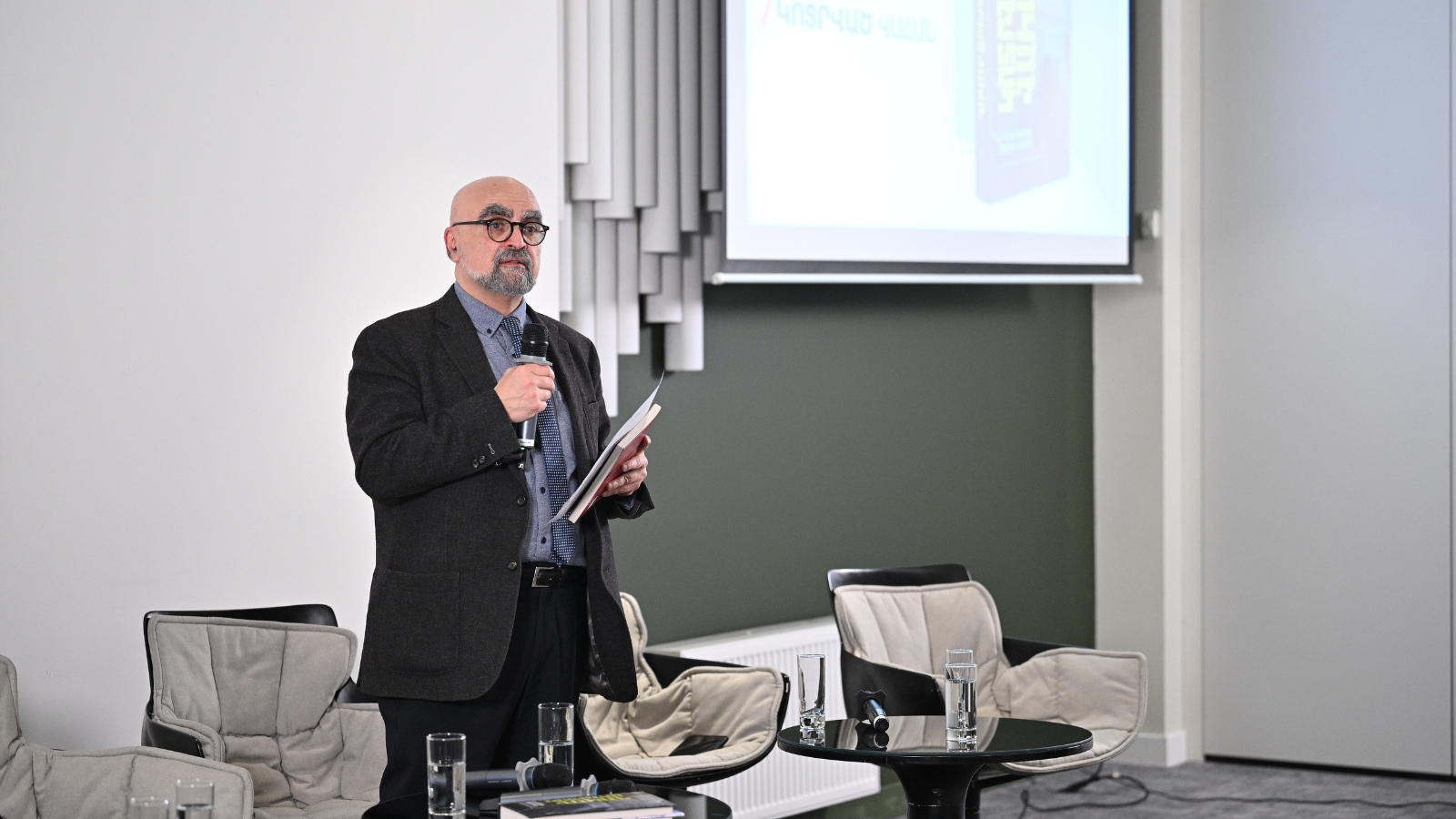
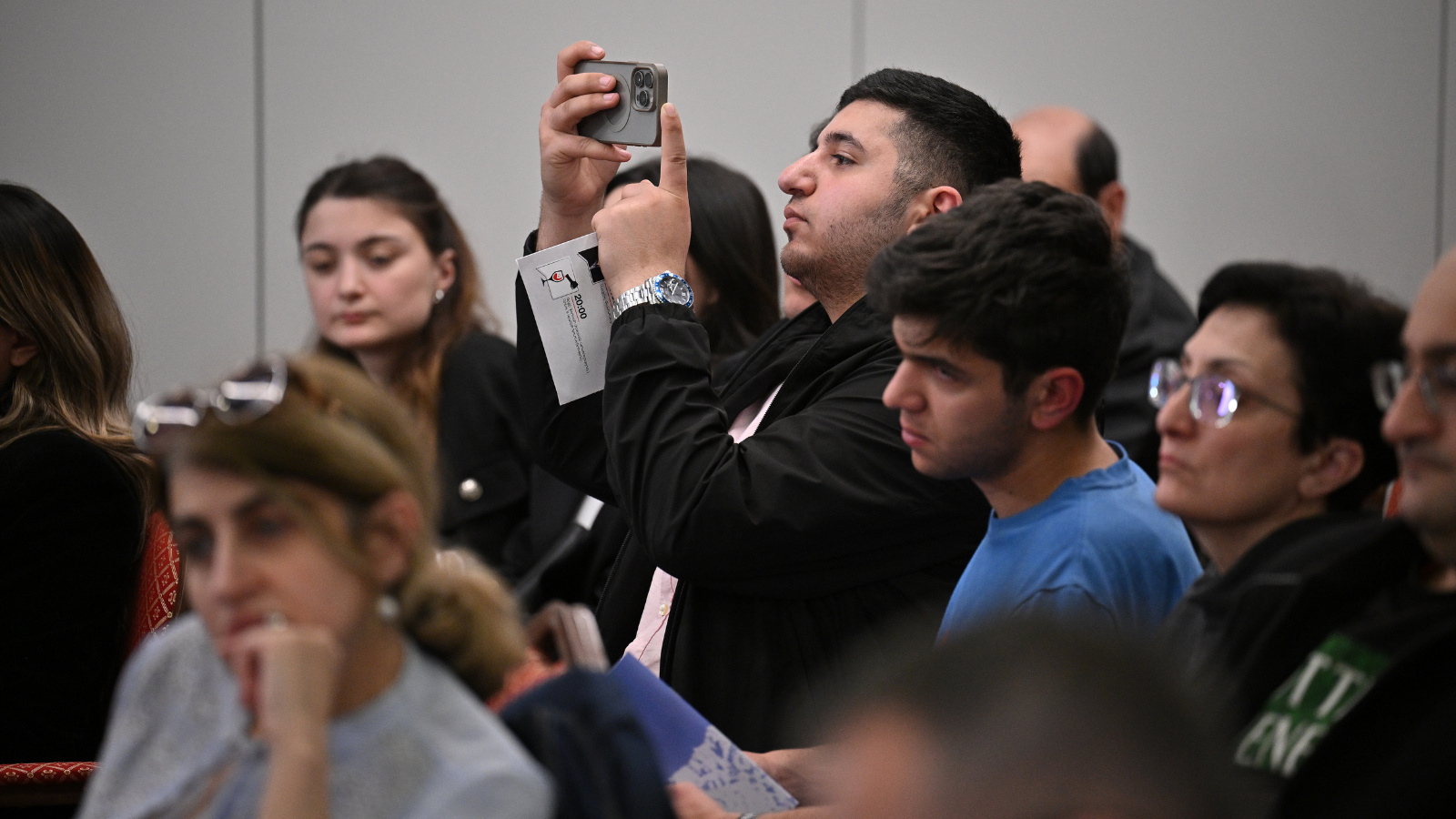
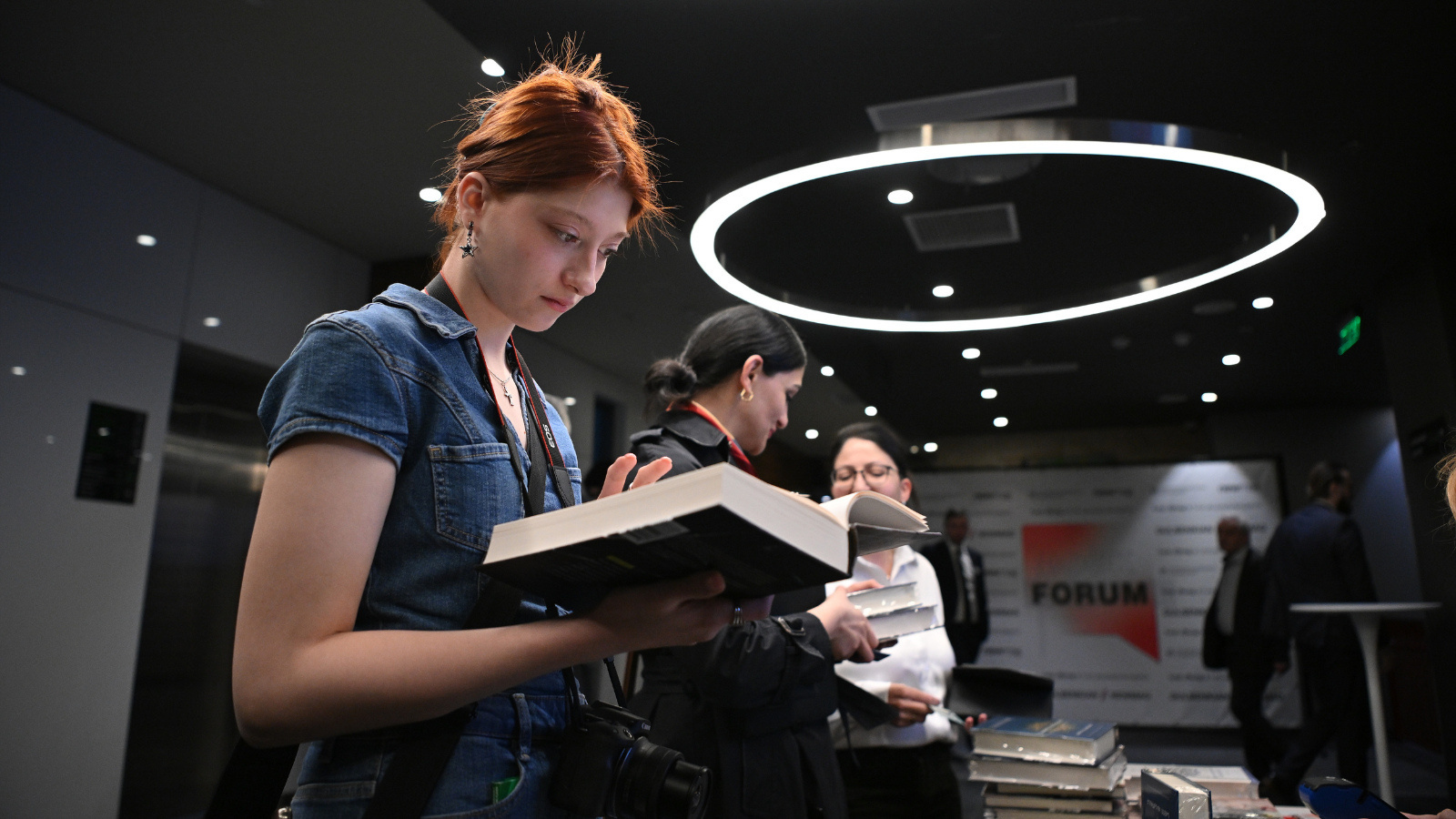
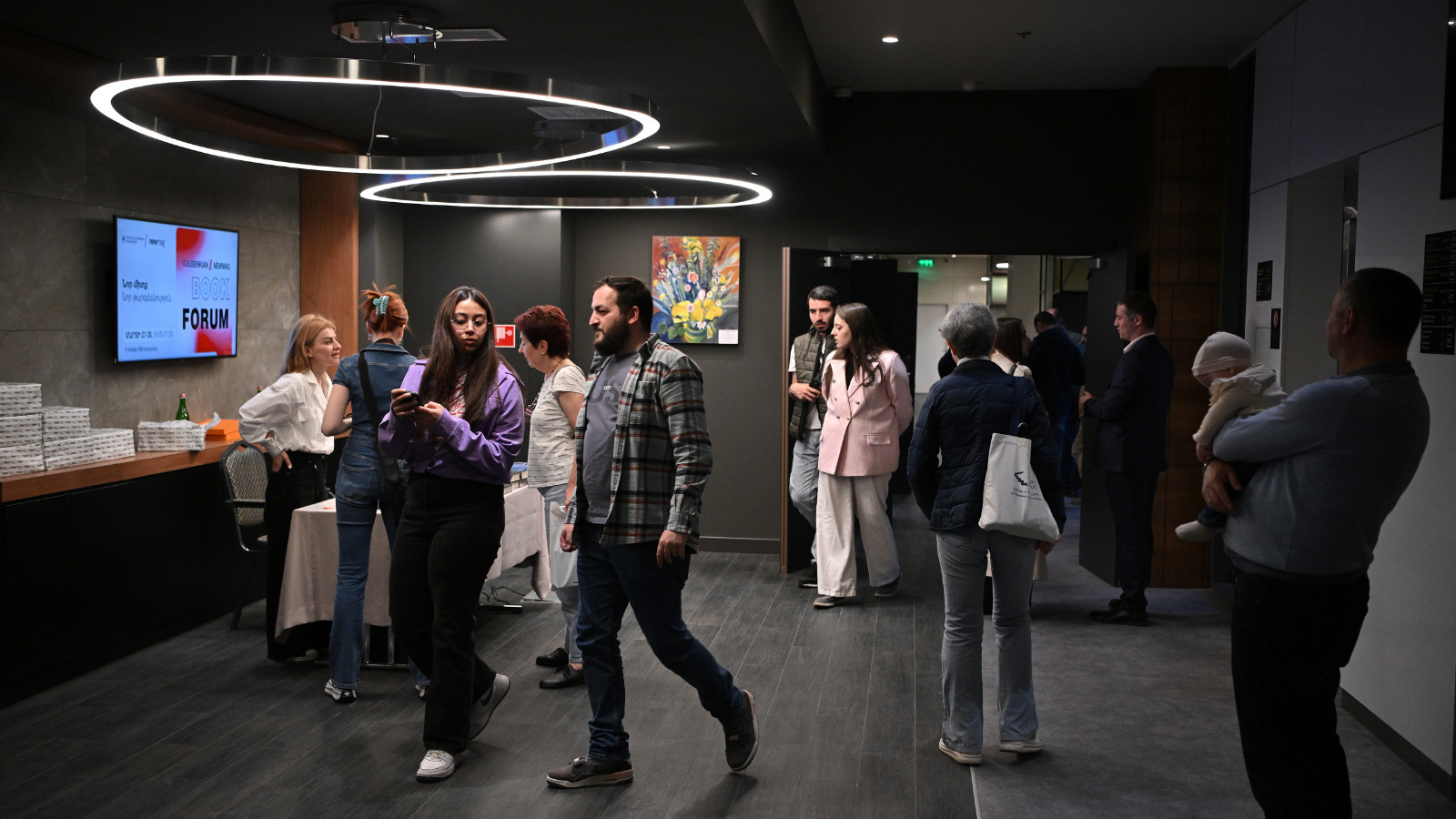
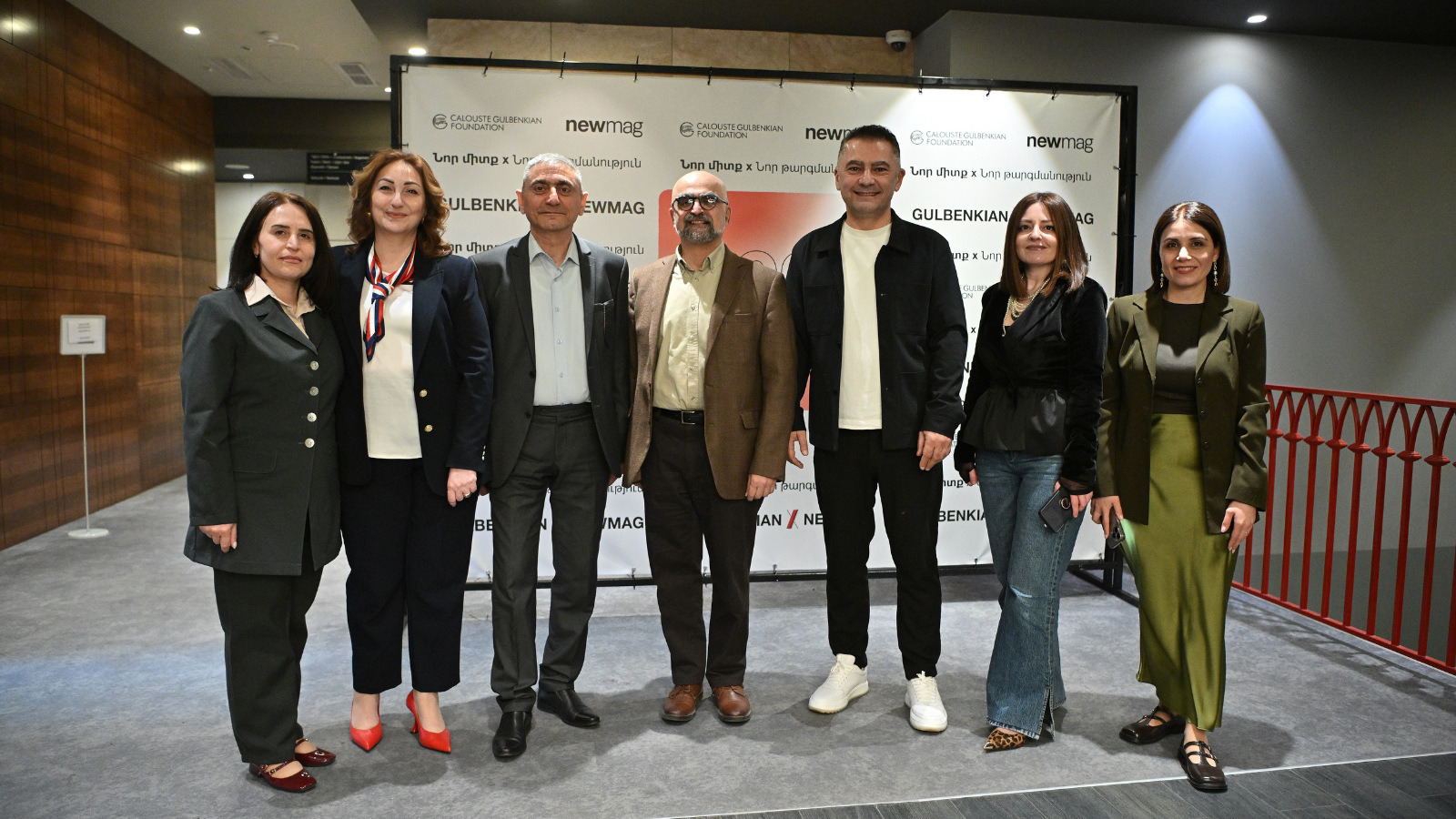
The Armenian Communities Department of the Calouste Gulbenkian Foundation and the Newmag Publishing House co-organized a two-day book forum in Yerevan called “New Thought, New Translation”.
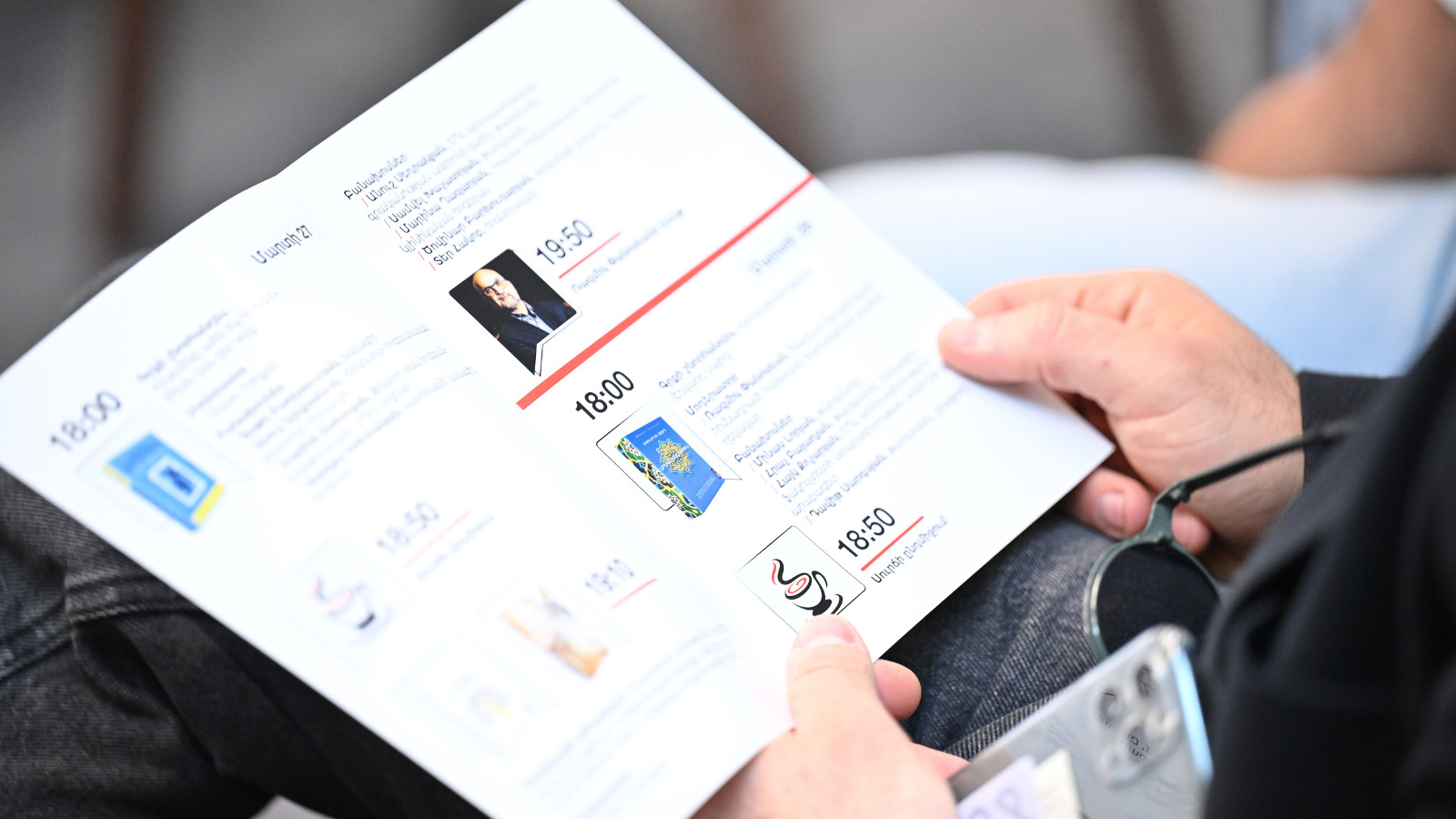
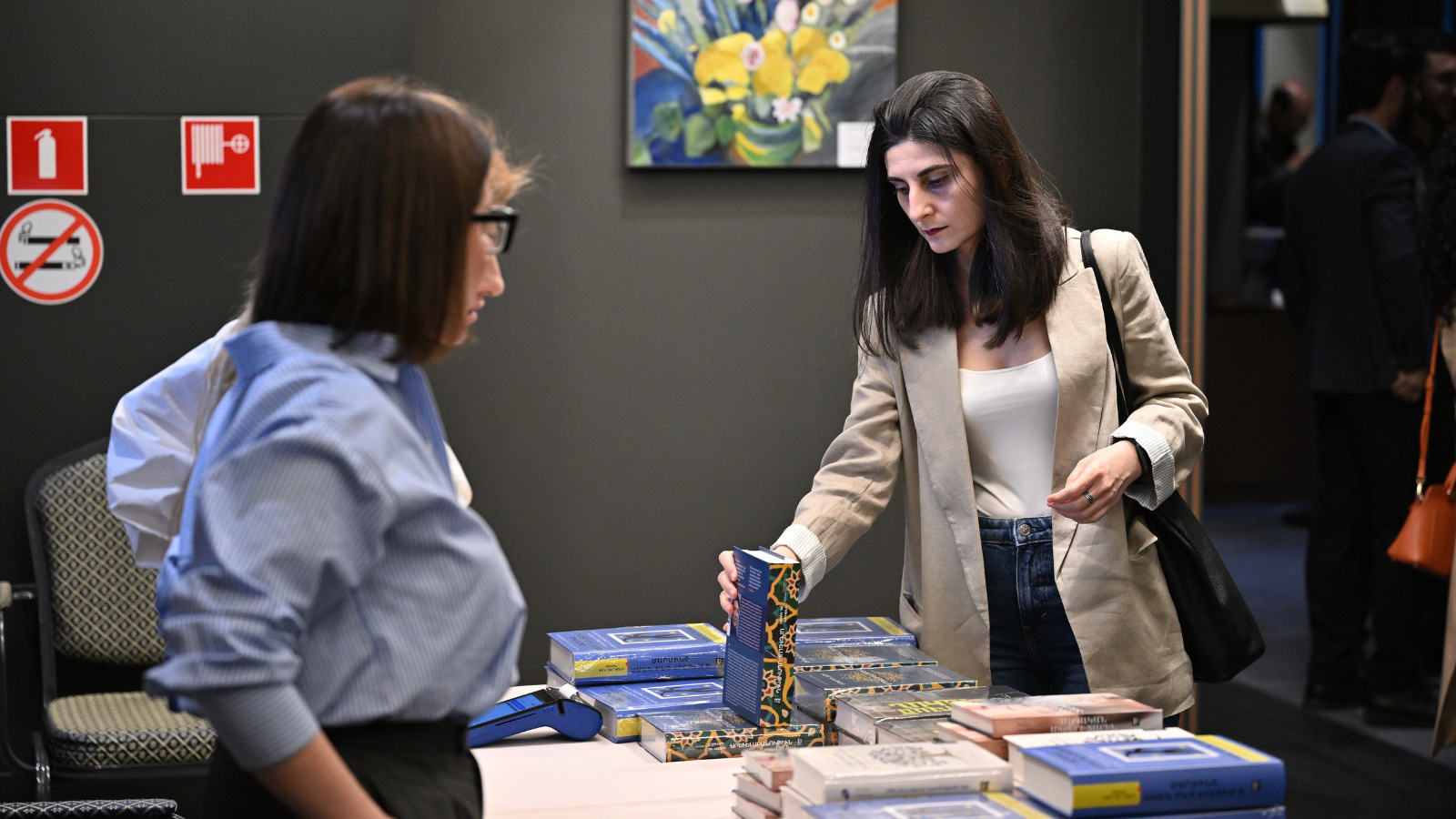
The book events took place on 27 and 28 March, with the launch of five new publications in the Armenian language, featuring presentations, panel discussions and keynote speeches bringing together international experts, political analysts, translators and psychologists.
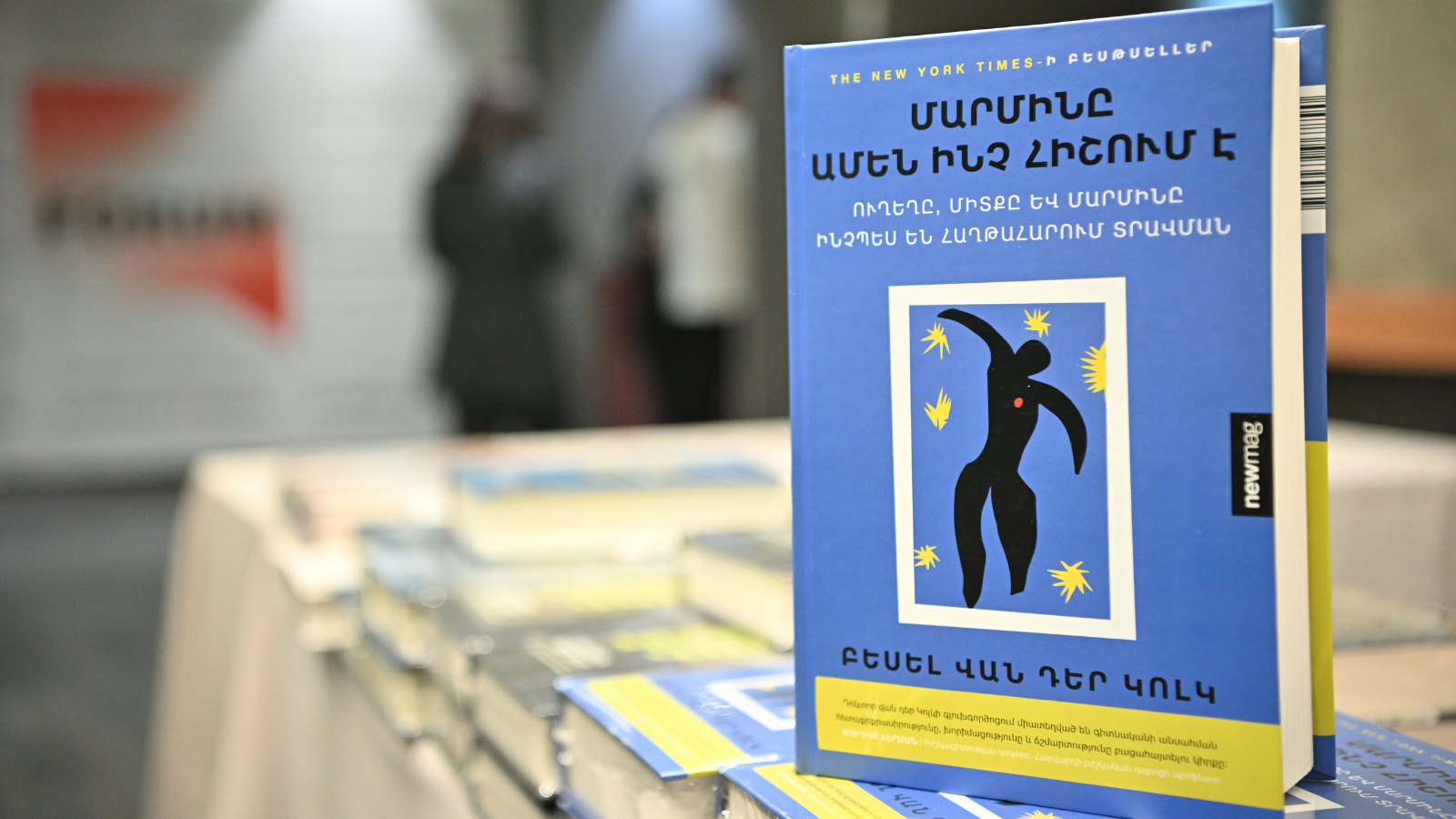
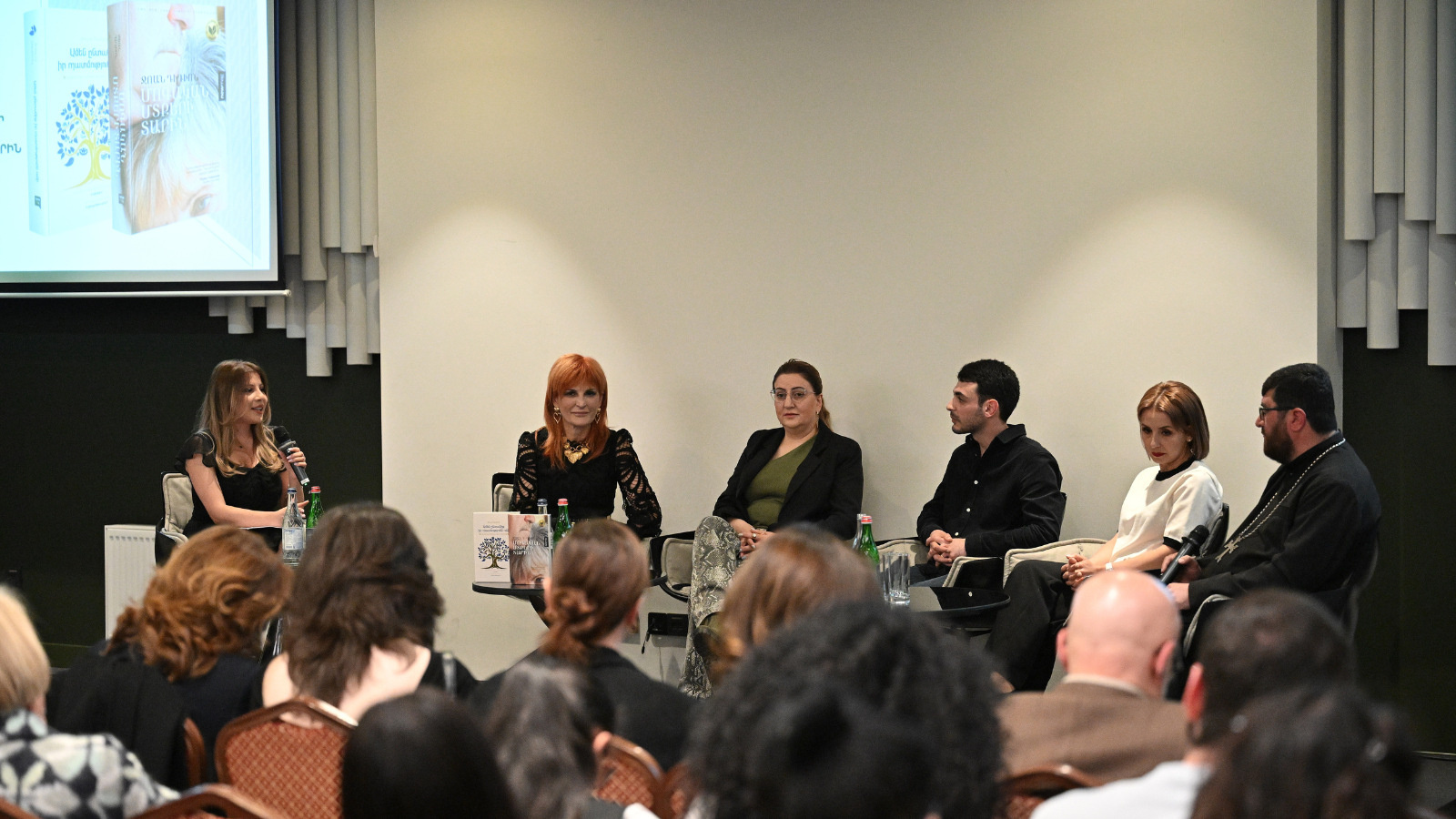
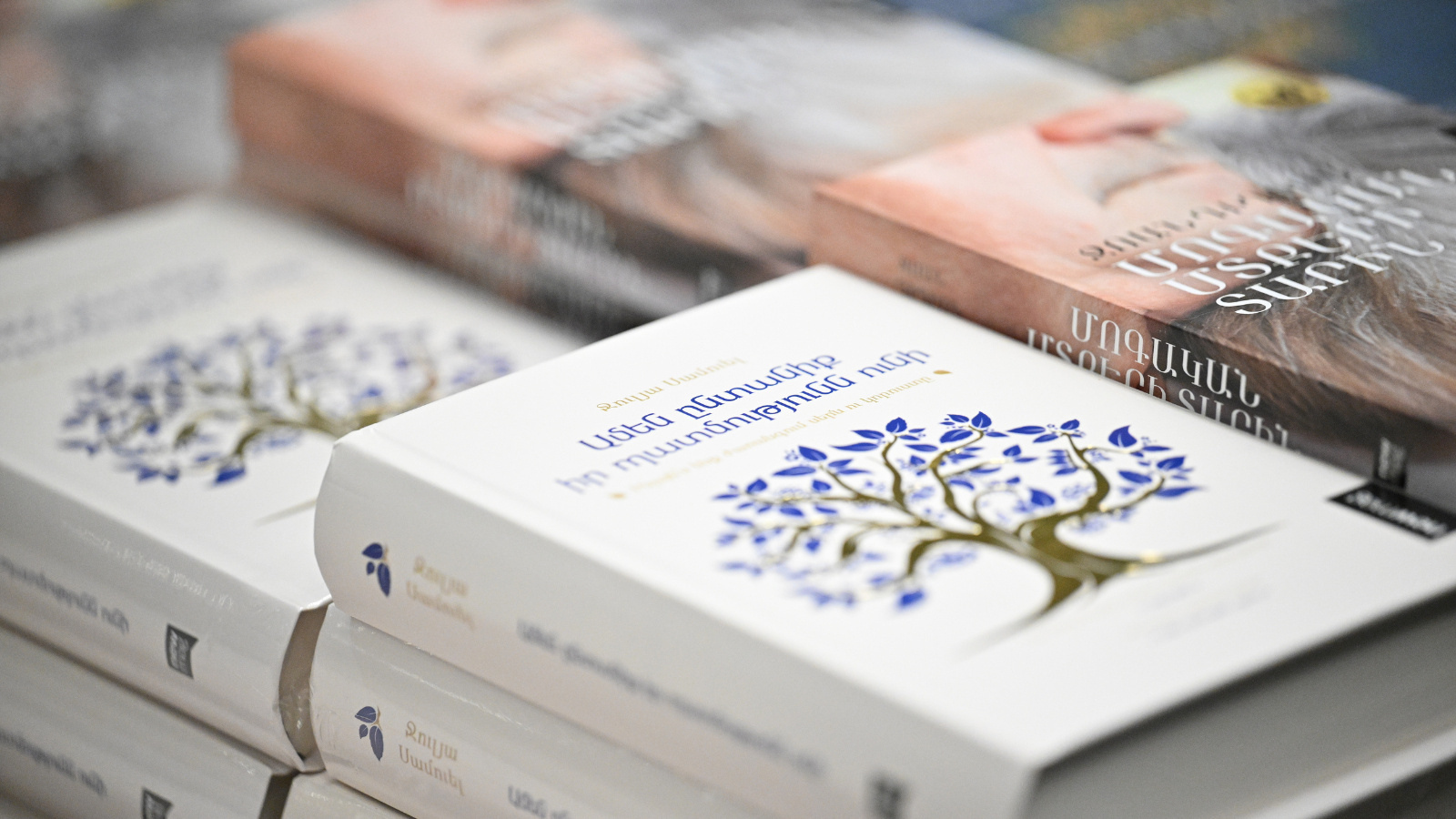
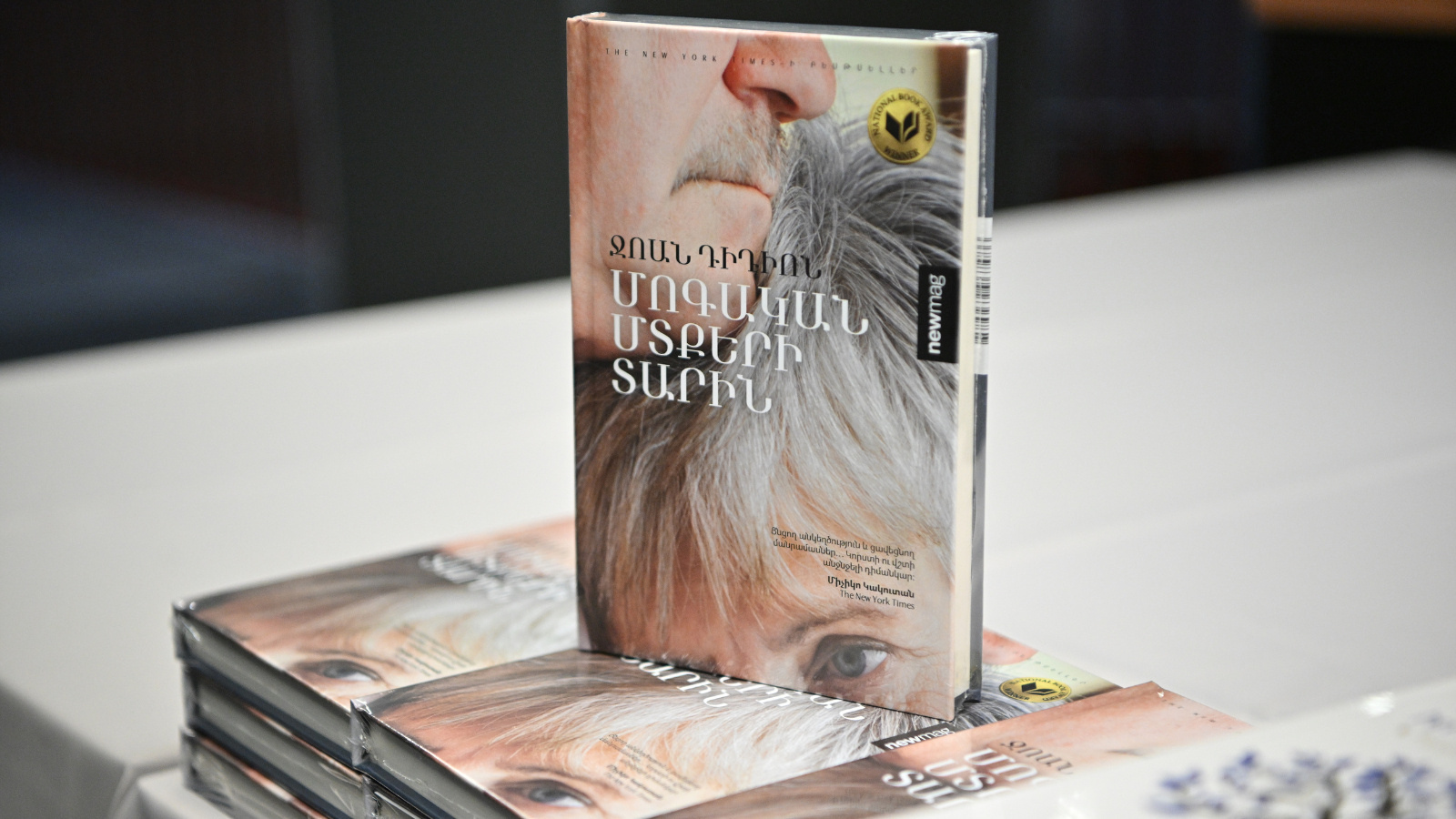
The first event had the overarching theme of Trauma and Resilience and was dedicated to three new publications available in Eastern Armenian through translation: “The Body Keeps the Score” by Bessel van der Kolk – a groundbreaking work on the impact of trauma on the mind and body, offering deep insights into how trauma reshapes our perception of the world; “The Year of Magical Thinking” by Joan Didion – a deeply personal reflection on grief, loss and mourning; and “Every Family Has a Story” by Julia Samuel – an exploration of intergenerational trauma and how emotional wounds are passed down through families.
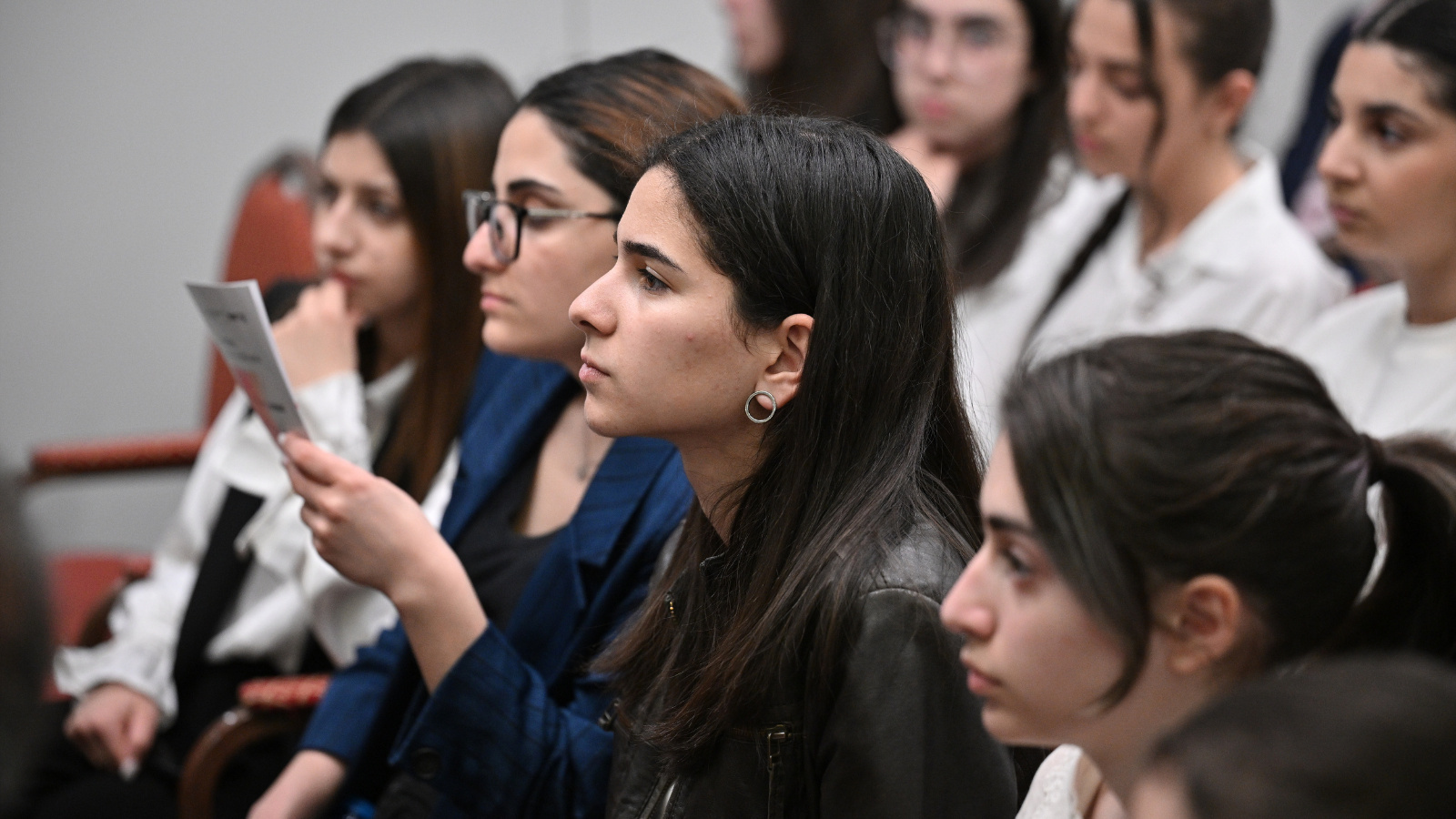
The first day of the forum focussed on the complexities of the human psyche, on psychological trauma and resilience, exploring the processes of overcoming trauma. This topic is especially pertinent for Armenian society, which has limited resources at hand in its native Armenian language in order to understand trauma and find ways to deal with it.
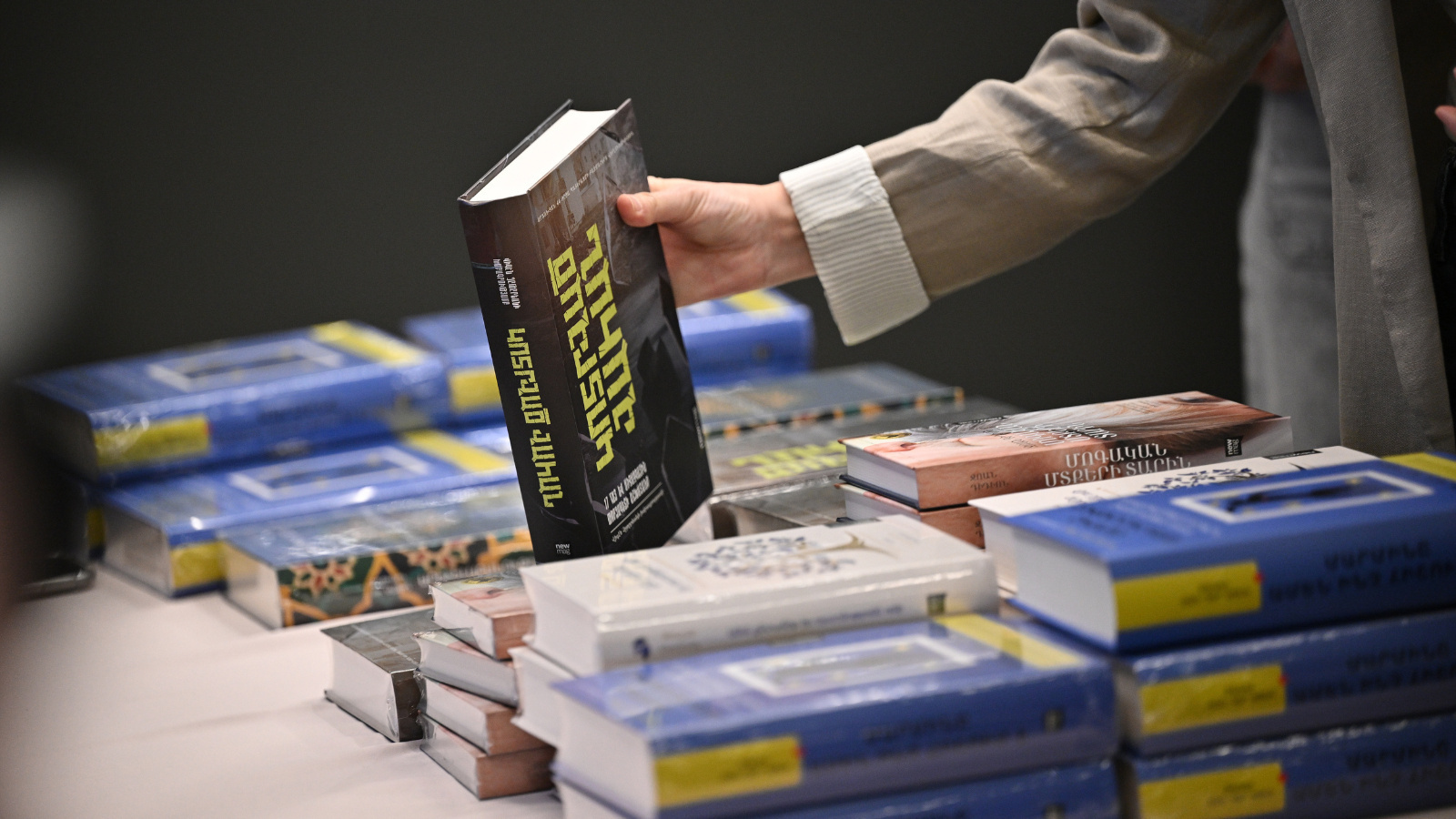
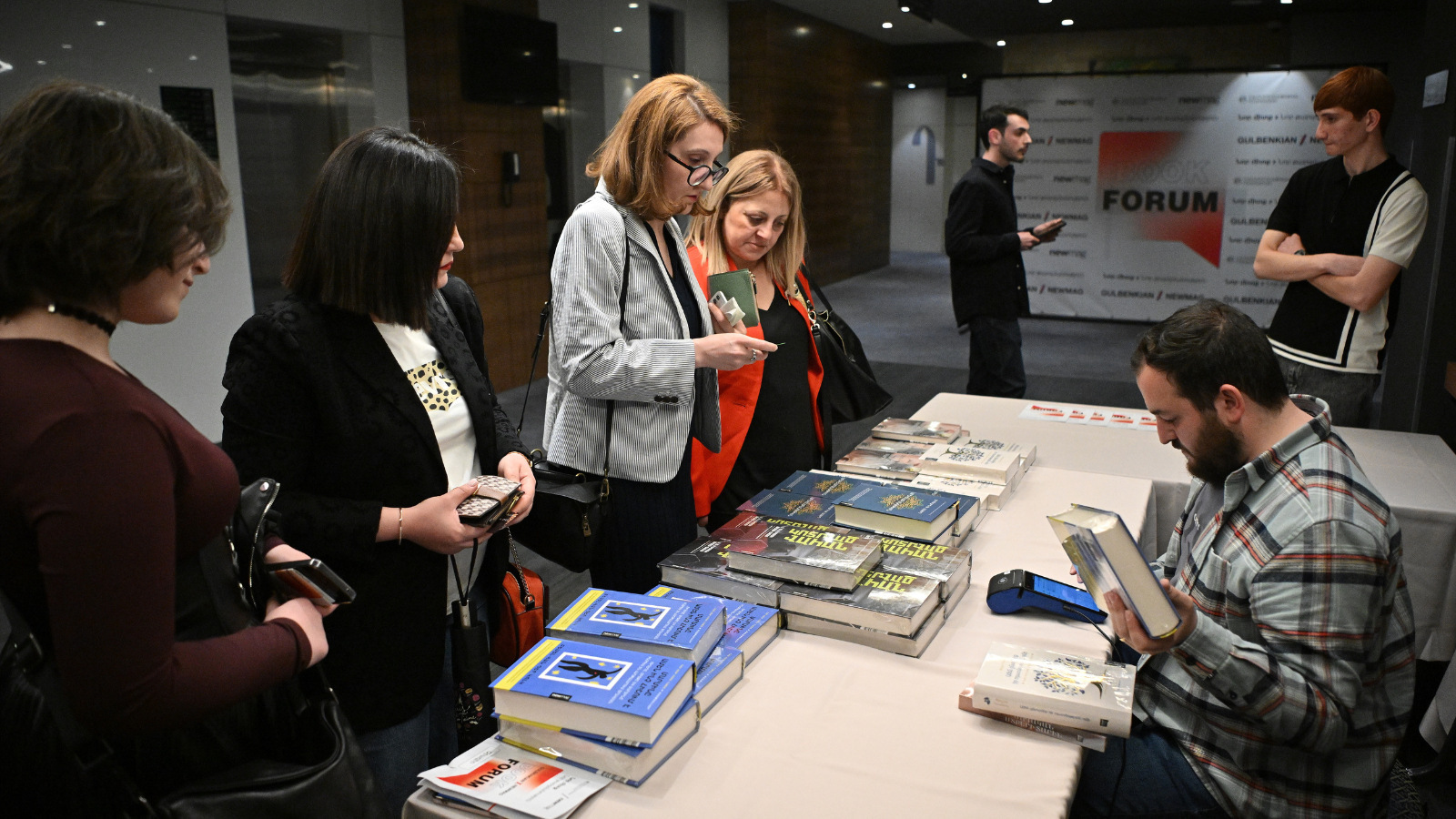
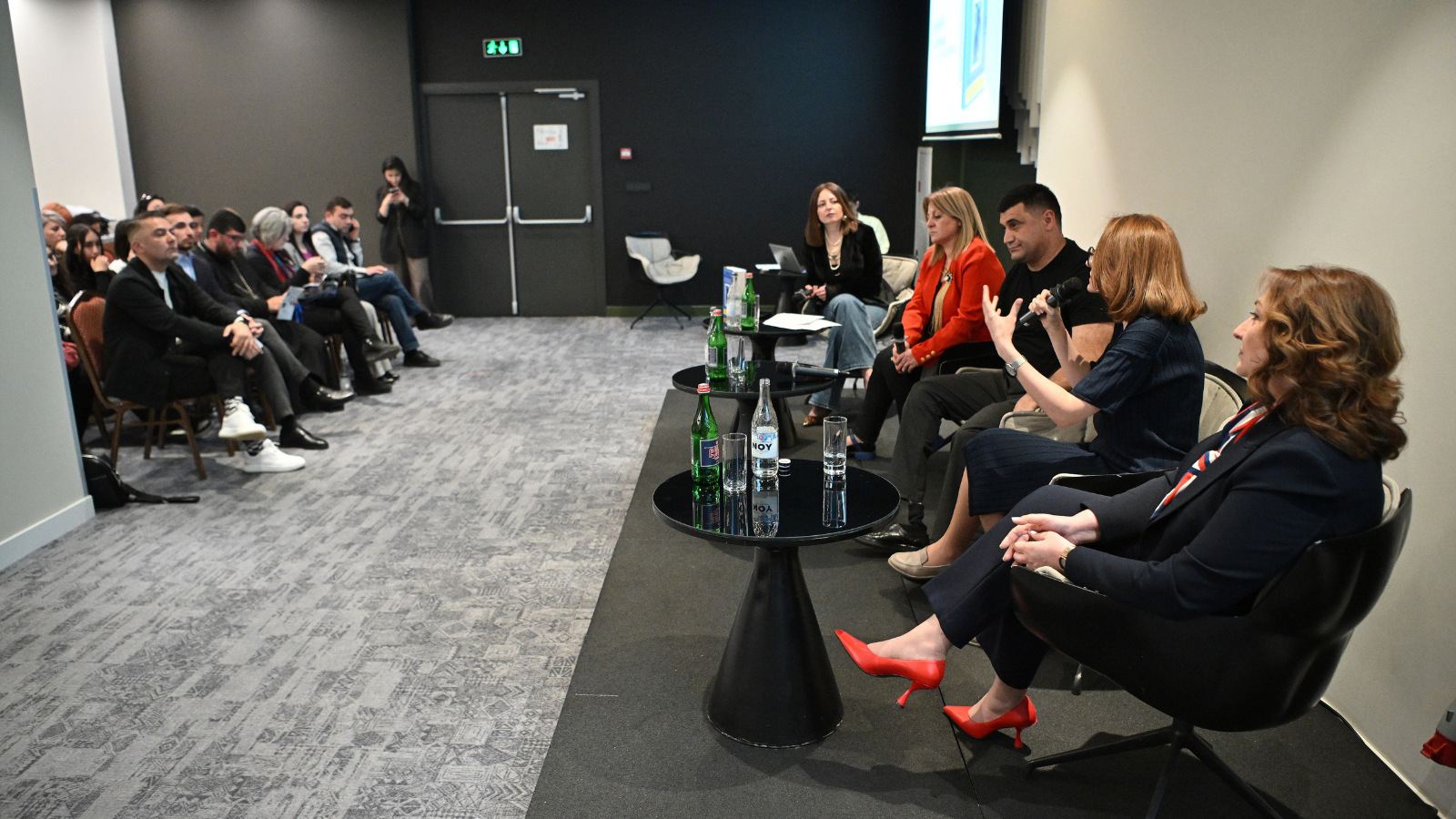
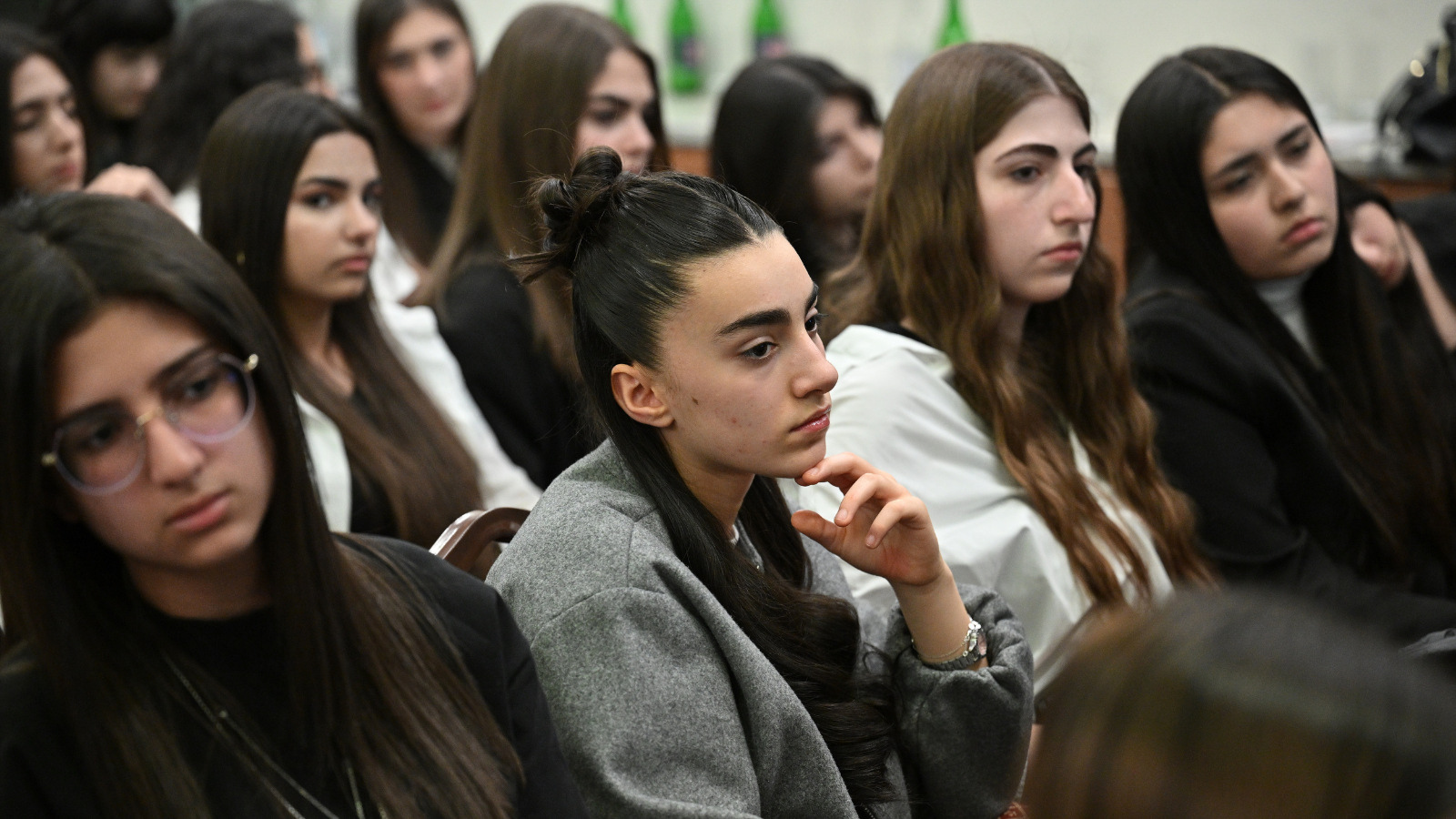
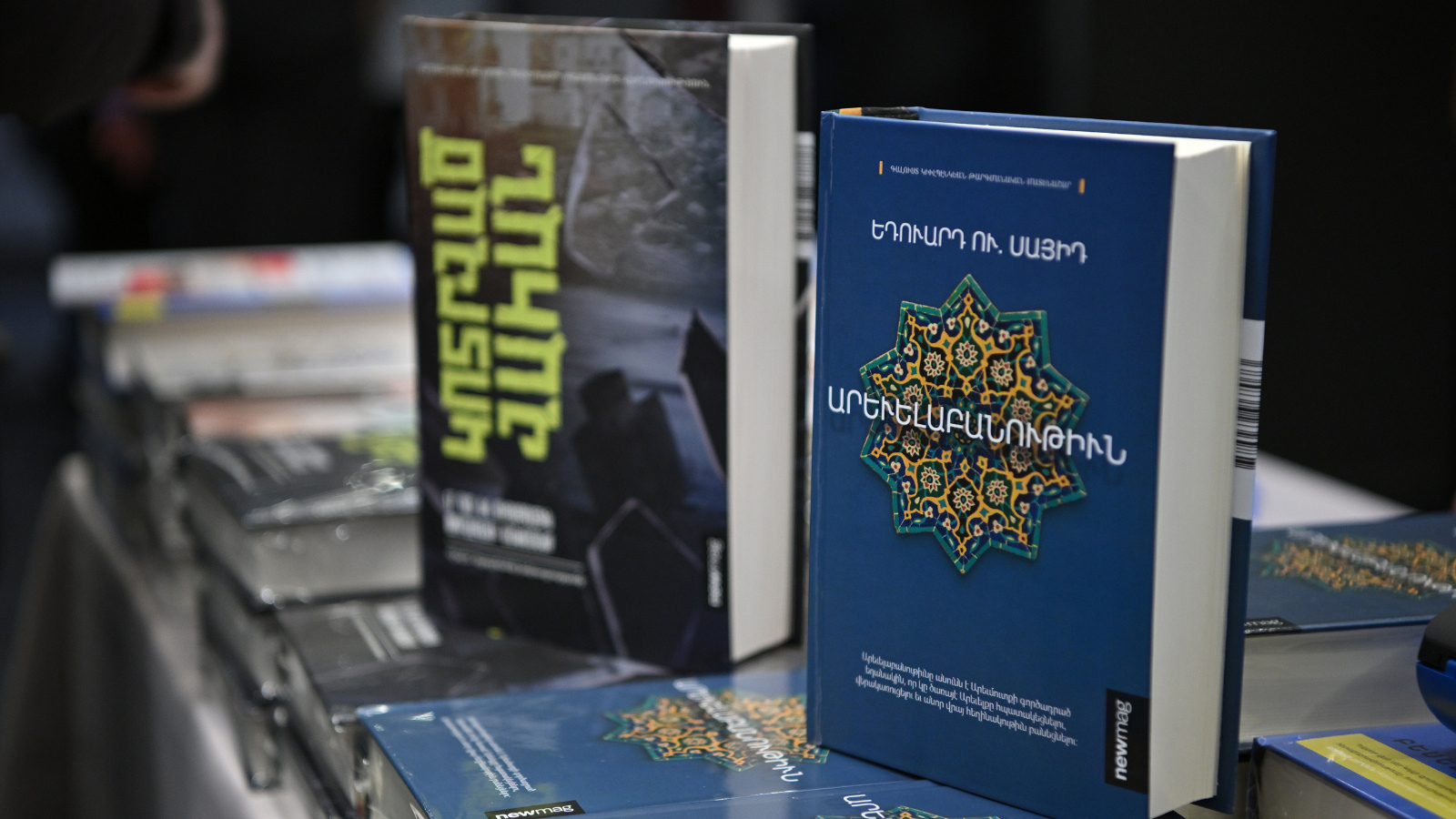
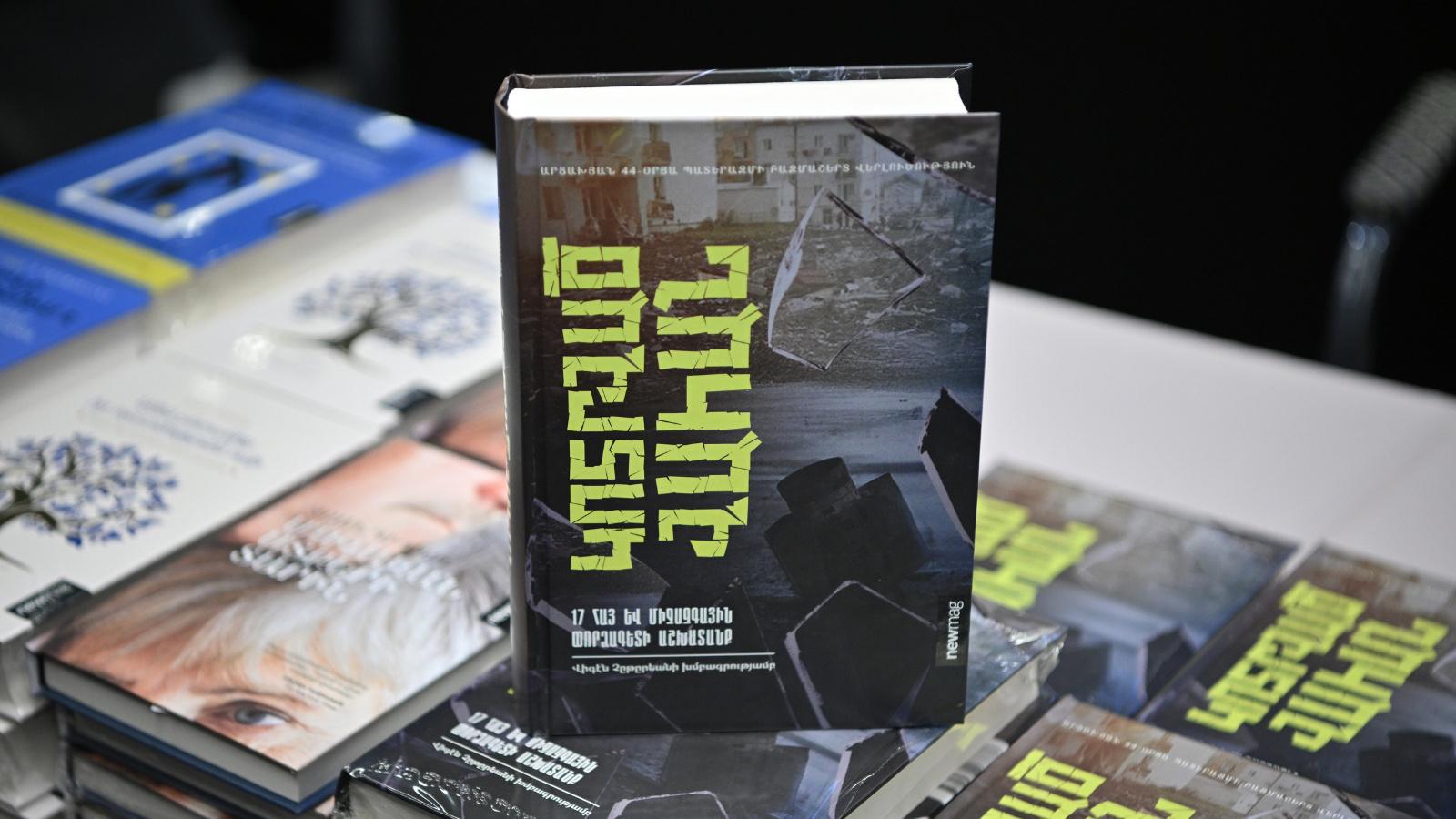
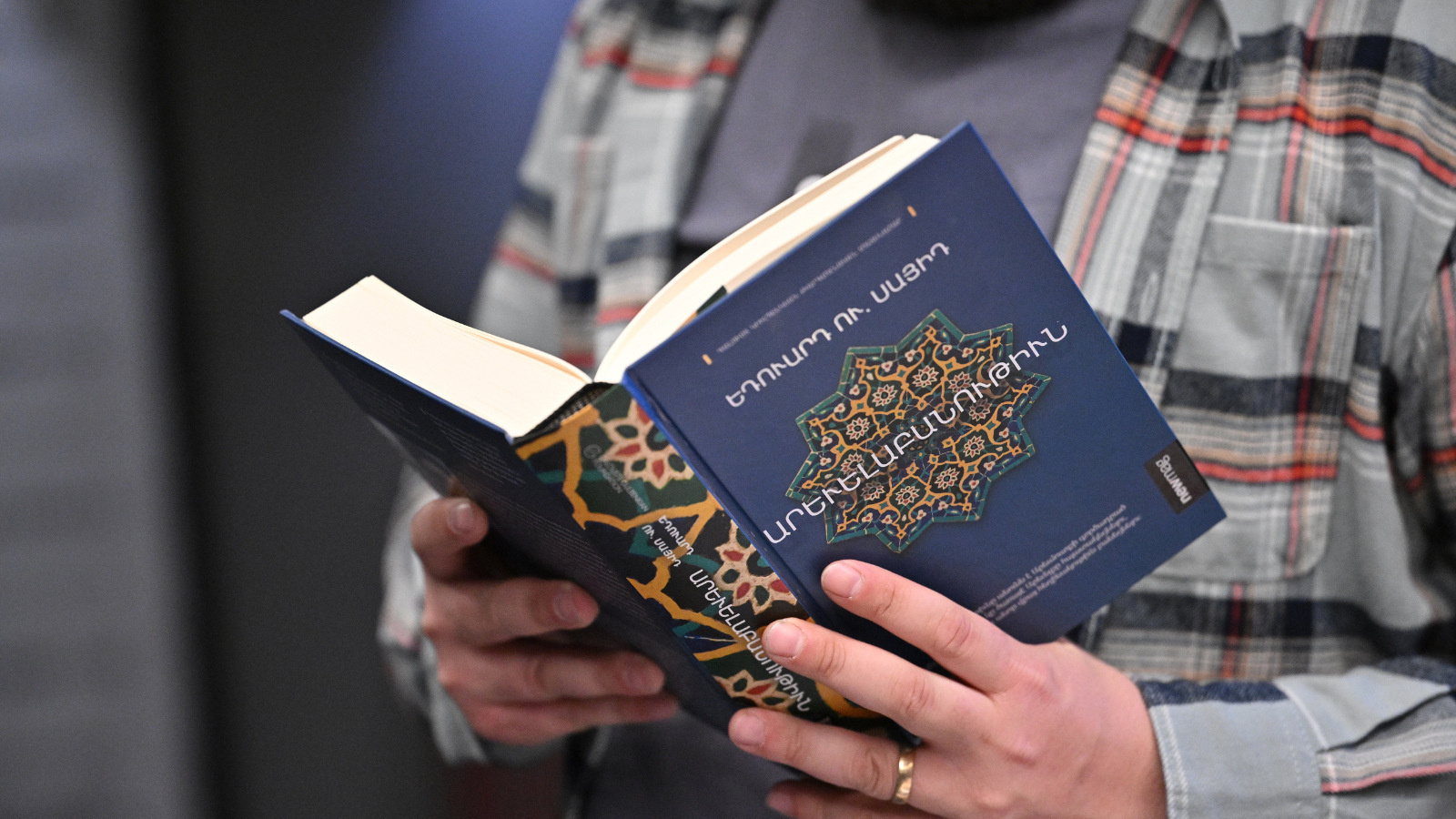
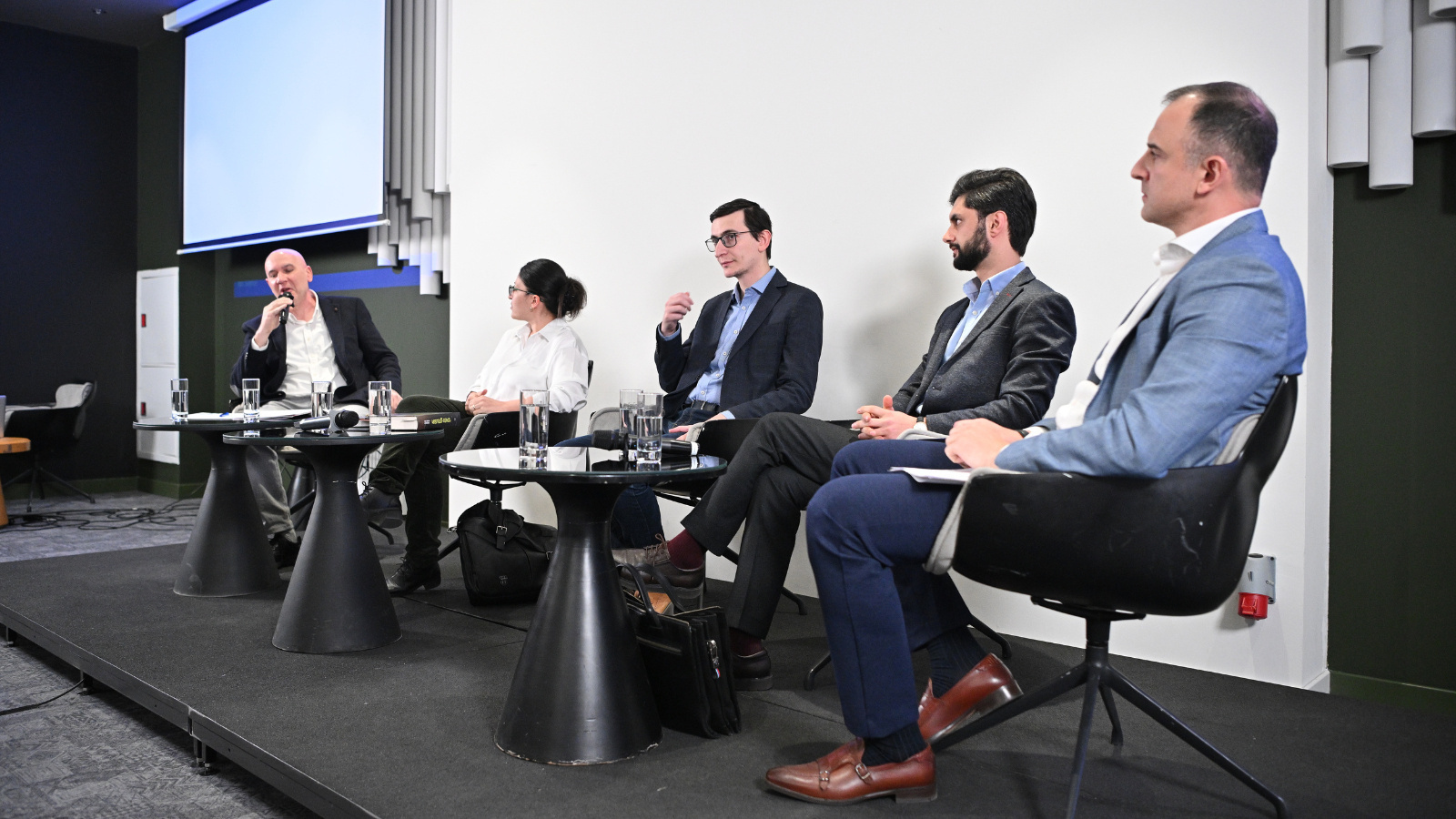
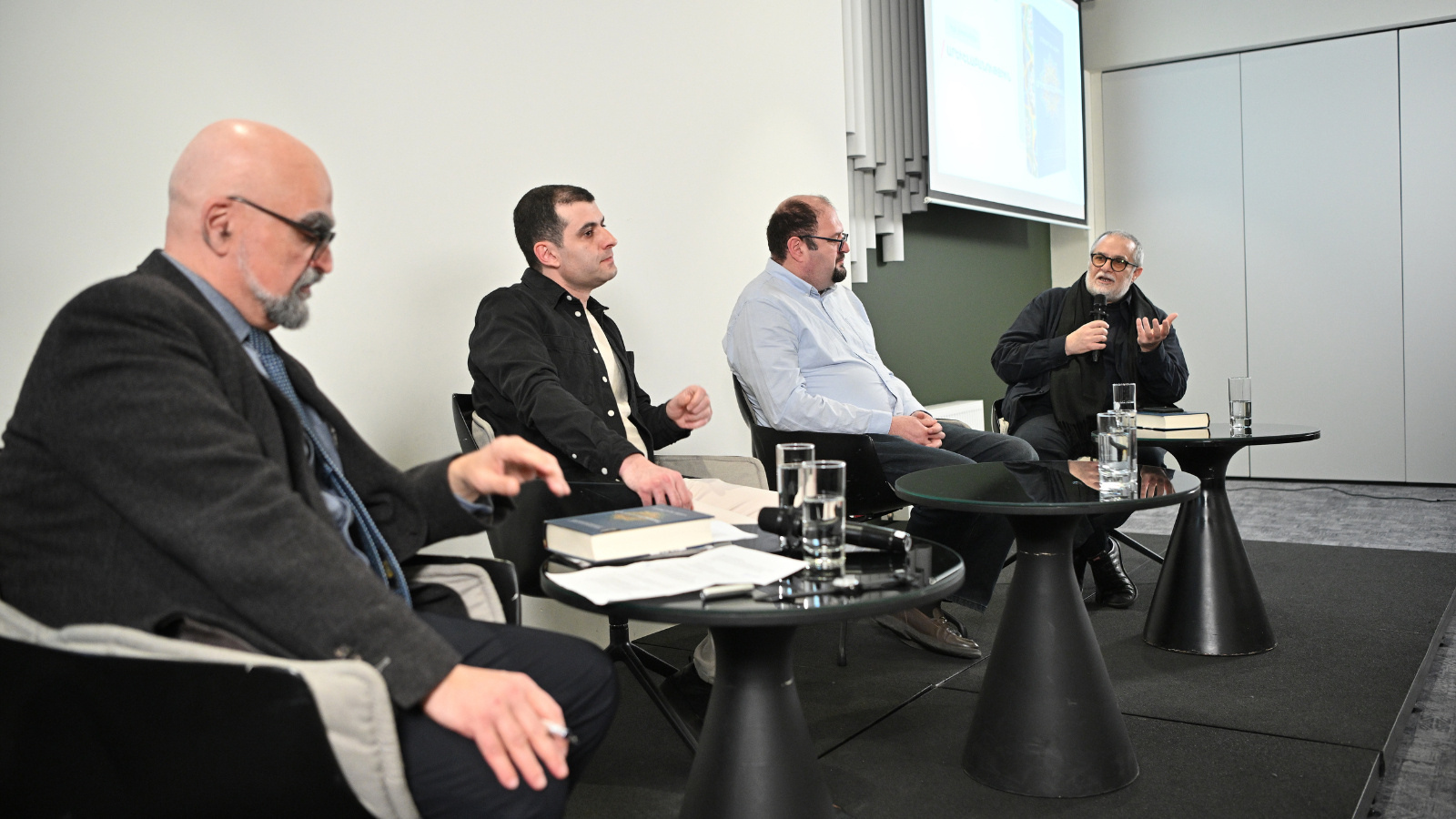
The title of the discussion panels of the second day’s event was: “The World and Us, focusing on historical narratives, cultural perceptions and geopolitical conflicts.” Two new publications were the focal point of discussion: “Orientalism” by Edward Said, and “Broken Shield” a comprehensive research work about the 44-day Nagorno-Karabakh war.
Available for the first time in Armenian, the work “Orientalism,” first published in 1978, is still very relevant to our times. This foundational work of postcolonial studies analyzes how the West perceives and represents the East, uncovering deep biases that have shaped global politics, power structures and cultural narratives. This book has been published as part of the Calouste Gulbenkian Translations Series, which makes monumental works in the Humanities and Social Sciences available in the Armenian language to enhance critical thinking and the advancement of intellectual creativity and the modernization of the Armenian language.
The forum closed with the presentation of “Broken Shield”, the first in-depth analysis of the 44-day war. Featuring insights from Armenian and international experts, the book examines the causes, consequences and strategic lessons of the Nagorno-Karabakh conflict.
Concluding remarks were delivered by Razmik Panossian, the Director of the Armenian Communities Department, who earlier moderated the panel on “Orientalism”. Throughout the panels especially prepared short films were projected to help the audience absorb information and continue being engaged with the difficult topics being discussed. Coffee breaks and the concluding reception gave way for the discussions to continue. These conversations reinforced the urgency of having public debates around phenomena such as trauma and war that have deep and sometimes irreversible effects both individually and collectively. The debates highlighted the importance of bringing global thinking into current narratives in Armenia, and the necessity of scientific, factual and objective research for public discourse.